Best Toilet Height: Comfort vs Standard (Simple Decision Guide)

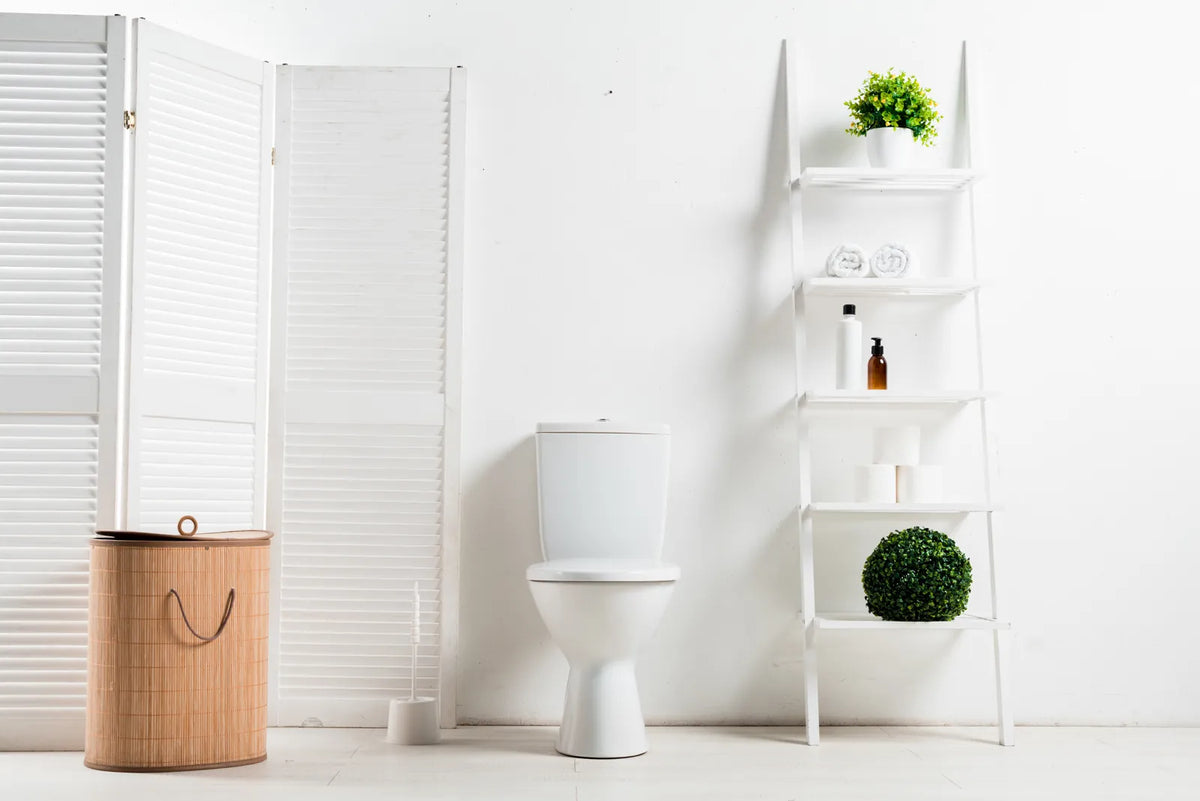
A standard-height toilet displayed in a minimalist setting, showing a common height option for home use.
The best toilet height is usually the tallest option that still allows the shortest daily user’s feet to rest flat on the floor.
If that balance is not possible, comfort and stability matter more than adding height.
Extra-tall toilets are usually not a good default for shared bathrooms or bathrooms used by children, because they can feel unstable or awkward for shorter users.
To put it simply: if easier standing up matters most, choose comfort height; if stable foot contact matters most, choose standard height.

Decision Snapshot

Here’s the short version most homeowners need.

Fast filters (answer in order)

Before looking at any height numbers, go through these in order:
  • Who uses this toilet most every day?
  • Does the shortest regular user have full foot contact with the floor?
  • Is there any knee, hip, back pain, or mobility limitation?
  • Do children use this toilet daily?
These four questions usually matter more than exact height measurements.

Temporary need vs permanent change

Not every situation requires replacing the toilet.
If the need is temporary—such as post-surgery recovery, short-term mobility limits, or renting—a non-permanent setup is often more practical.
In those cases, a seat riser, footstool, or grab bars can improve comfort without changing the toilet itself.
Replacement makes more sense when the issue is long-term and affects daily use for years.

Best for seniors and tall adults

Choose comfort height if the bathroom is used mostly by adults, especially adults over 50, taller users, or anyone with knee, hip, or back pain. It is usually the best toilet height for easier sitting and standing.
It is also often the best toilet height for aging in place, because it reduces the effort needed to get up.

Better for kids and short adults

Choose standard height if the daily users include children or adults under about 5'3". For many shorter people, a comfort height toilet feels too tall, and their feet do not rest flat.
If you are asking about the best toilet height for short adults, standard is usually the safer first choice.

Choose by primary daily user

Do not choose based on what guests might prefer. Choose based on the person who will use that toilet most often.
If one person uses the bathroom every day and has mobility trouble, that person should drive the decision.

Split heights if bathrooms allow

If you have two bathrooms, the least regrettable setup is often simple:
  • Primary bath: comfort height
  • Kids’ or hall bath: standard height
That solves many household conflicts without forcing one “compromise” toilet on everyone.

Best Toilet Height vs the Alternatives

Before comparing height types, it helps to rule out edge cases first.
Extra-tall toilets should usually be considered only when one dedicated user has specific mobility needs or very extreme height requirements. In shared bathrooms, they often create more inconvenience than benefit.
Once that is ruled out, most choices fall between standard and comfort height.
Most toilets fall into three practical height groups:
  • Standard height: about 15–16 inches
  • Comfort or chair height: about 17–19 inches
  • Extra-tall: about 19–21+ inches
From there, the real decision is balancing ease of standing up with how stable the seating position feels for the shortest user.
These ranges are commonly aligned with accessibility guidance used in public facility design, including recommendations from the ADA and U.S. Access Board.

Standard vs comfort at a glance

Standard height is lower and works better for shorter bodies and children. Comfort height sits more like a regular chair and works better for many adults.
This is why the debate around comfort height toilet vs standard height toilet never really goes away. Both can be right. The wrong choice is usually not matching the toilet to the real user.

When extra-tall beats both

Extra-tall toilets can make sense for a very tall person or someone with major transfer issues after surgery, disability, or long-term mobility loss. But this is not the default choice for a family bathroom.
If you are wondering, “Is 21 inches too high for a toilet?” for most homes, yes, it often is. It can feel fine to one person and awkward to everyone else.

Which height causes fewer regrets

In real homes, the most common regrets are predictable:
  • Short adults stuck with comfort height in every bathroom
  • Older homeowners keeping standard height too long, then struggling after surgery or arthritis gets worse
  • One very tall user choosing an extra-tall model that nobody else likes
The least regretted choice in a one-bath adult household is often comfort height. The least regretted choice in a kid-heavy or mixed-height bathroom is often standard height.

Comparison table: fit, comfort, trade-offs

Toilet height Seat height Best for Main drawbacks Cost Installation Space feel Maintenance Best use case
Standard 15–16 in. Short adults, kids, people who prefer a lower squat posture Harder to stand from if knees or hips hurt Usually similar to comfort height Same as comfort in most remodels Feels less bulky in small baths No major difference by height Kids’ bath, hall bath, shorter users
Comfort / chair height 17–19 in. Seniors, tall adults, arthritis sufferers, aging in ageing in place Can feel too tall for short adults; feet may dangle Usually similar or slightly higher Same in most replacements Can feel bigger in very small baths Slightly easier for some people to clean around because less bending when seated or rising Primary adult bath
Extra-tall 19–21+ in. Very tall users, severe mobility needs, transfer support Too high for average users and kids; unstable for short users Often a bit higher, fewer options Same basic install, but fewer product choices Can feel oversized Similar maintenance; usability is the bigger issue Dedicated bath for one specific user
The key point is that height changes comfort more than price or installation. In most remodels, the labor difference is not the issue. The issue is whether the toilet feels right ten times a day.

Key Differences that Actually Matter

Standing up vs bowel posture

For most people, this is the most important trade-off.
If standing up is the main concern, a higher seat usually helps reduce strain on the knees and hips. In that case, comfort height often works better, especially when paired with a small footstool for stability.
If bowel posture matters more and mobility is not an issue, a lower seat can create a more natural squat-like position. In this case, standard height or a standard seat with a stool may feel better.
There is no single correct choice—this depends on which need is more important in daily life.

Foot contact changes everything

Once seated, how the feet touch the floor strongly affects stability.
Flat feet usually feel more secure and relaxed. When feet dangle or only lightly touch, people often shift their posture forward to compensate, which can feel less stable.
This is especially noticeable for shorter adults and children.

Shared bathrooms create conflicts

A bathroom used by one tall adult and one short adult is where most buying mistakes happen.
The taller user says standard feels too low.
The shorter user says comfort feels too high.
In that case, ask one practical question: Who uses this toilet most, and who is harmed more by the wrong choice?
If one person has pain or mobility issues, prioritize that user. If both are healthy, and one is very short, standard usually causes fewer daily complaints than comfort.

Why small differences matter more than expected

Even a one- or two-inch difference can noticeably change comfort.
It affects how easy it is to sit, how stable the body feels, and how natural standing up feels during daily use.

Small rooms magnify height mistakes

In a large bathroom, a slightly tall toilet may just feel a little off. In a tight powder room, the same toilet can feel bulky and awkward.
A taller bowl can make a narrow bathroom feel tighter because your sitting position may shift slightly upward and forward. If your knees already feel close to a wall or vanity, do not assume a taller toilet will improve comfort.
This does not mean small bathrooms must use standard height. It means you should test the feel more carefully.

When Best Toilet Height is Better

For many homeowners, the phrase “best toilet height” really means “best height for adults who want easier use.” In that sense, comfort height usually wins.

Best toilet height for aging in place

If you plan to stay in your home long term, comfort height is often the smart default in the main bathroom.
That is especially true if you are in your 50s or older, even if you feel fine today. Knees, hips, and balance usually do not improve with time. A comfort height toilet is a small future-proofing choice that many homeowners wish they had made earlier.
So if you are looking for the best toilet height for seniors with mobility issues or the best toilet height for aging in place, start with comfort height.

Easier after surgery or arthritis

A higher seat can make a real difference after knee replacement, hip surgery, or during arthritis flare-ups. You do not have to lower your body as far, and you do not need as much leg force to get back up.
That is why people often ask, is a high toilet better for seniors after surgery. In many cases, yes. It can be safer and less painful.
If recovery is temporary, a seat riser may do the job. But if this is your long-term bathroom remodel, comfort height usually makes more sense than planning to add temporary aids later.

Better for knee, hip, back pain

If your current toilet feels like a squat every time you sit down, your knees are already giving you the answer.
A comfort height toilet can help with:
  • knee pain
  • hip stiffness
  • lower back strain
  • reduced balance when rising
This is why many homeowners searching for the best toilet height for easier sitting and standing end up happiest with comfort height.

Tall users feel less cramped

For taller people, standard height can feel oddly low. Many describe it as getting up from a child-sized chair.
If most users are 5'10" or taller, comfort height is usually the better choice. If users are above 6'3", you can consider extra-tall models, but only if the bathroom is not shared much with shorter users.
So for the best toilet height for tall people, comfort height is usually right, and extra-tall is only for edge cases.

HOROW toilets for comfort height and ADA-height comparison

These models may be worth comparing if you are evaluating different toilet height standards, including comfort-height and ADA-height options for daily use.

Features vary by model. Always review seat height, rough-in size, and installation requirements on the official product pages before purchasing.

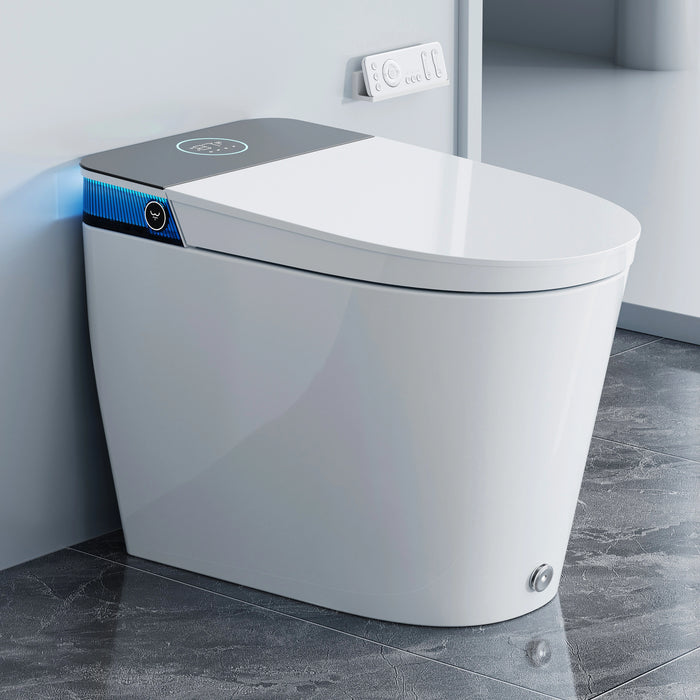
HOROW T39 Smart Toilet ADA Dual Flush Built-in Tank

HOROW T39 Smart Toilet (ADA Dual Flush, Built-in Tank & Pump)

This model may be considered if you are comparing integrated smart toilet systems with ADA-height seating and built-in flushing support for variable household water pressure conditions.

  • Height category: ADA-comfort height (refer to product page)
  • Flush system: Dual flush with built-in tank & pump
  • Use case: Main bathroom with higher comfort and automation needs
  • Power access: Required (see installation guide)

Before buying, confirm electrical access, rough-in size, and installation space compatibility.

HOROW T0338W Elongated One Piece Toilet ADA Height 17.3 inch

HOROW T0338W Elongated One-Piece Toilet (ADA Height 17.3 inch)

This model may be suitable for users comparing standard one-piece toilet designs with ADA-height seating for everyday residential use and simpler installation needs.

  • Seat height: 17.3 inch ADA-height
  • Bowl type: Elongated one-piece design
  • Use case: General family bathroom or secondary bathroom
  • Flush system: Dual flush (details on product page)

Check rough-in size and bathroom layout before ordering, especially in compact spaces.

When the Alternative is Better

Comfort height gets a lot of attention, but there are many homes where standard is the better buy.

Standard wins for short adults

If you are under about 5'3", standard height often feels more natural and more secure. Your feet are more likely to stay flat, and your legs are less likely to feel pressure under the thighs.
That makes standard the usual answer for the best toilet height for short adults.
Could a short adult still like comfort height? Yes, especially with a small footstool. But if you are choosing blind and want the lower-risk option, standard is safer.

Better for children using it daily

If this is the bathroom your kids use every morning and night, standard height is usually the right call.
A comfort height toilet may be manageable with a step stool, but children often feel less stable on it, especially when getting on and off without help.
So if children under 8 are daily users, do not choose comfort height just because it sounds more modern. In a family hall bath, standard usually works better.

When a comfort height is too tall

A 17-inch toilet is not automatically too high. For many adults, it is ideal. But yes, a 17 inch toilet can be too high for a shorter person or a child if their feet do not rest comfortably on the floor.
Signs the toilet is too tall include:
  • feet barely touching
  • numb legs after sitting
  • sliding forward to feel stable
  • children needing help every time
  • feeling like you are sitting on top of the toilet, not in a stable seated position
That is the practical answer to when a comfort height toilet is too tall.

Lower height helps squat posture

For some people, a lower toilet feels better for bowel movements because it creates a more squat-like body angle. That does not make standard height “healthier” for everyone, but it can be more comfortable for people who dislike sitting high.
If bowel comfort matters but you still want a taller toilet, add a footstool. That often solves the problem without giving up the easier standing height.

How to Choose without Regret

Test seat heights in person

This matters more than specs on paper.
Sit on display models if you can. Wear normal shoes. Notice three things:
  1. Are your feet flat?
  2. Does standing up feel easy?
  3. Do you feel stable, or slightly perched?
One inch on paper sounds minor. In use, it is not.

Add stools, risers, or bars

A toilet does not work alone. Accessories can fix a lot.
  • Standard toilet + grab bars: good for someone who likes a lower seat but needs help rising
  • Comfort height + footstool: good for shorter users or for bowel posture
  • Standard toilet + seat riser: good for temporary recovery after surgery
  • Comfort height + bars: best for long-term mobility support in many homes
This is important when thinking through toilet height recommendations for disabled users. Height is only one part of safe use. Support and transfer setup matter too.

Check remodel and resale plans

If this is your forever-home primary bath, choose for your body now and five to ten years from now.
If this is a small starter home with one bath and young children, standard height may make more sense.
If you have two bathrooms, split the heights and stop trying to find one “perfect” answer.

Decision checklist by household type

Here’s what usually works in real homes.
One-bath home, mostly adults, age 50+: choose comfort height. Primary ensuite for adults: comfort height. Kids’ bath: standard height. Tall couple, no kids: comfort height. Short adult is primary user: standard height. Mixed short-and-tall couple, both healthy: standard in shared bath, comfort in second bath if possible. Dedicated bath for disabled or post-surgery user: comfort height, sometimes extra-tall if transfer needs justify it. Very tall user over 6'3" with private bath: consider extra-tall after testing.

Final Verdict

For most adult homeowners, comfort height is the best toilet height because it makes sitting and standing easier and works well for aging knees, arthritis, and taller bodies. Choose standard height if the main users are shorter adults or children, or if this is a family hall bath where stable foot contact matters more than easier standing. Choose extra-tall only for a dedicated user with special mobility needs or unusual height. If your home has more than one bathroom, the smartest setup is often comfort height in the primary bath and standard height in the kids’ or guest bath.

Before You Buy

  • Measure the seat height, not just the bowl or rim height
  • Choose based on the primary daily user, not rare guests
  • If any user is short, check whether feet stay flat on the floor
  • If any user has knee, hip, or arthritis pain, test comfort height first
  • In a kids’ bathroom, avoid making comfort height your default
  • In a one-bath home, be careful with extra-tall models
  • Test in person before buying if possible
  • Think about add-ons like grab bars, footstools, or a temporary riser

Questions about Best Toilet Height

Should you replace the toilet—or use non-permanent support?

Usually, you don’t need to replace the toilet right away. If the problem is short-term—like surgery recovery, injury, or temporary weakness—simple add-ons like a riser, footstool, or grab bars are often enough. These options are cheaper and easier to remove when things go back to normal. But if discomfort is long-term and affects daily use, a full replacement with a better height makes more sense.

What are the disadvantages of a comfort height toilet?

The main drawbacks are that it can feel too tall for short adults and children, feet may not rest flat, and some people dislike the higher sitting posture for bowel movements. A footstool can help, but it does not fully solve a bad fit for very short users.

Is a taller toilet better for seniors?

Usually, yes. A taller toilet is often better for seniors because it reduces the effort needed to sit down and stand up. That is why comfort height is commonly the best first choice for older adults and people with mobility limits.

What is the ideal toilet seat height for elderly adults?

For many elderly adults, the ideal seat height is about 17 to 19 inches from the floor to the top of the seat. That range usually balances easier transfers with decent stability.

What to consider before choosing a higher toilet?

Think about the shortest daily user, whether feet will stay flat, whether children use that bathroom, and whether bowel posture matters to you. Also think about whether a comfort height model plus a footstool would solve both comfort and mobility needs.

References


Reading next

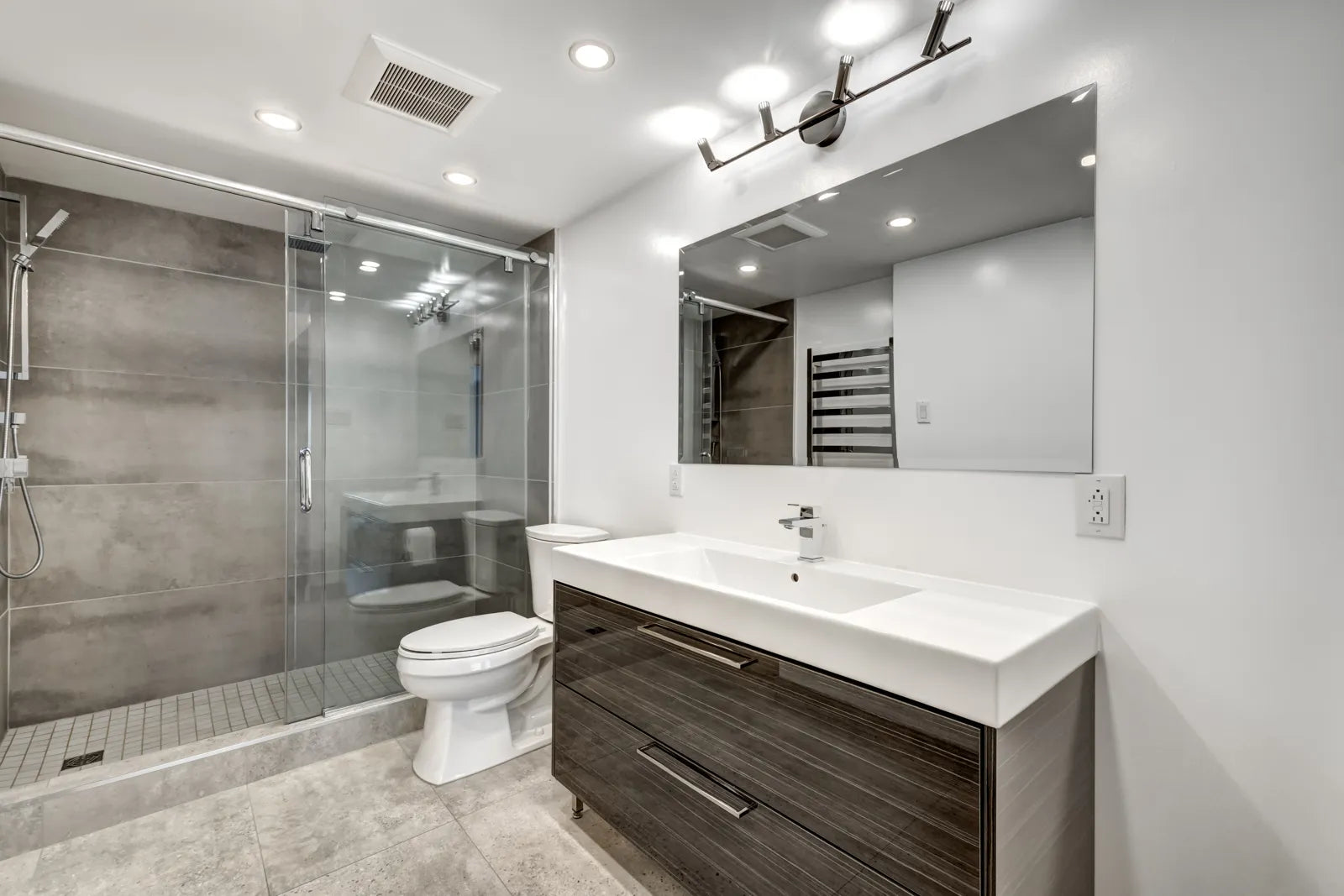
Modern apartment bathroom with a quiet flush toilet, ideal for noise-sensitive living spaces.
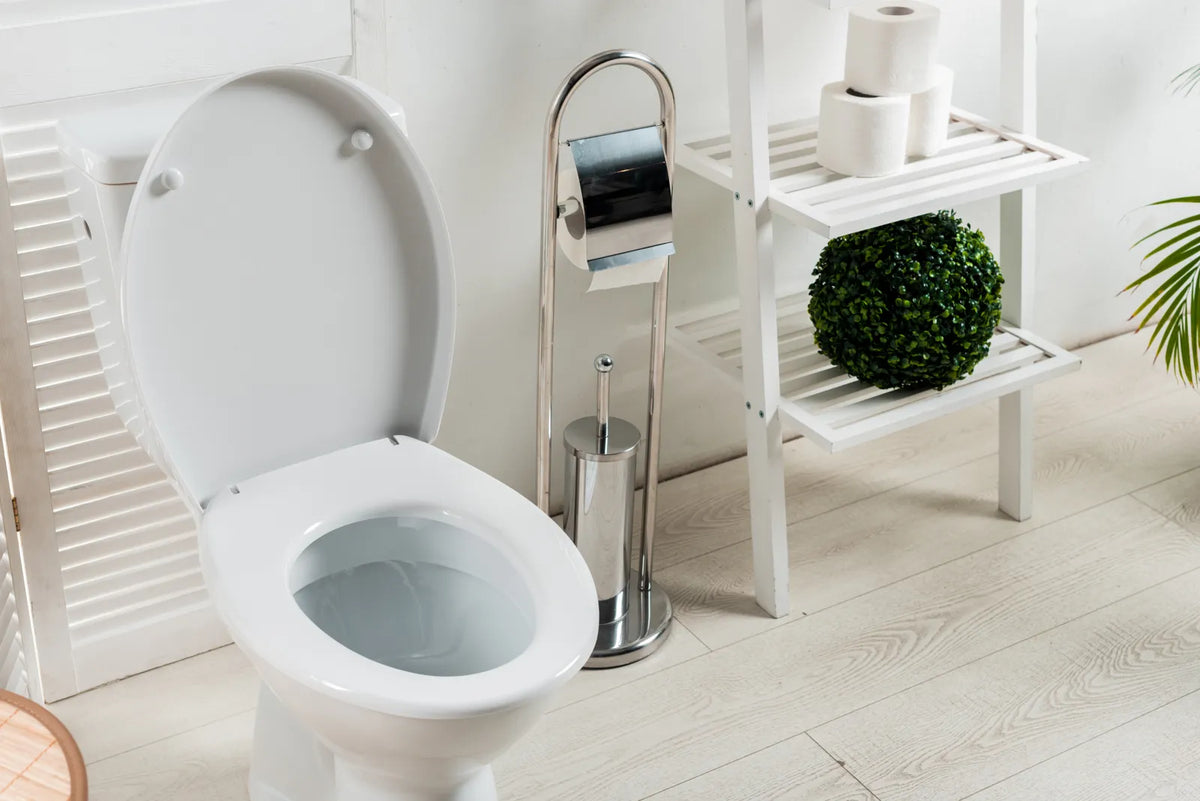
A toilet bowl in a modern bathroom showcases pre-mist technology.

Leave a comment

This site is protected by hCaptcha and the hCaptcha Privacy Policy and Terms of Service apply.

Compare Products
Product
List Price
Customer Reviews