
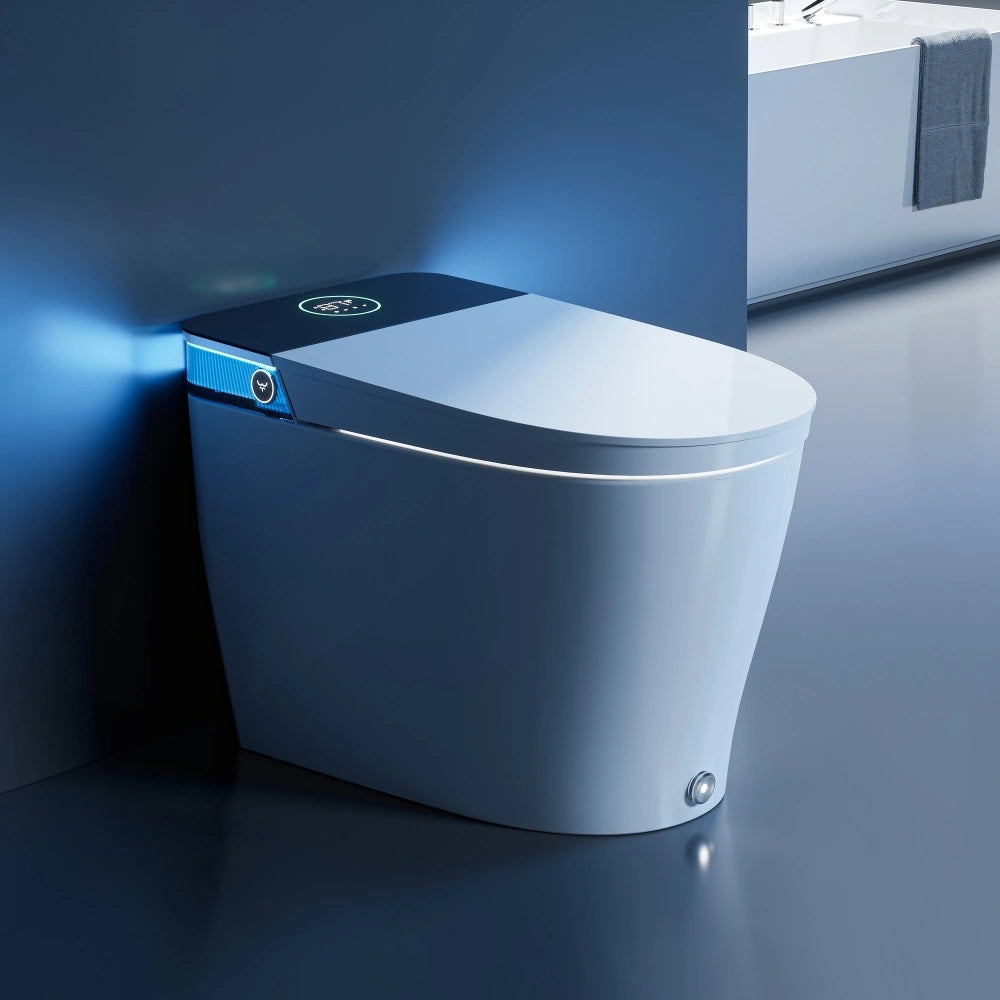
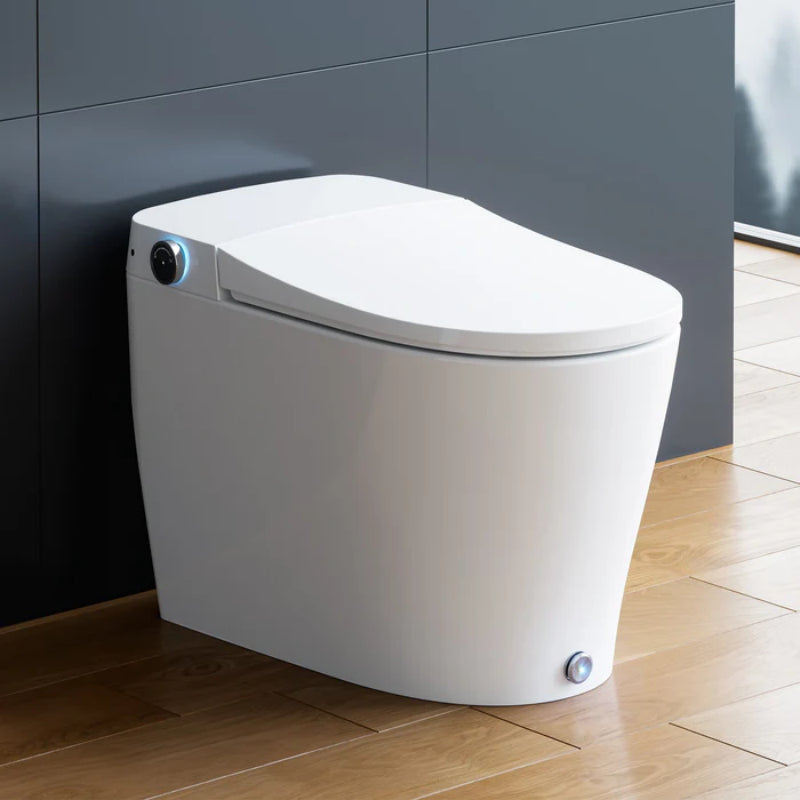
Toilet bowl pre-mist technology sprays a light film of water across the inner ceramic before use. On a smooth glazed bowl, this temporary film may reduce how firmly fresh residue adheres and make some marks easier to rinse away.
The ceramic glaze provides the smooth base surface, while pre-mist adds water immediately before use. Neither feature removes mineral scale, old stains, cleaner residue, or damage to the ceramic.
This guide focuses on how pre-mist and ceramic glaze work together, where the combination may help, and which cleaning tasks still require separate attention.
Quick Answer
Pre-mist may help most when fresh residue regularly sticks to an otherwise smooth glazed bowl. The water film can make some residue easier to rinse away, but it does not turn the toilet into a self-cleaning fixture. Its effect may be limited when the bowl already has scale, stains, surface damage, or cleaner buildup.

How Pre-Mist and Ceramic Glaze Work Together
A glazed toilet bowl has a finished ceramic surface designed to be smoother than unfinished ceramic. Pre-mist adds a temporary layer of water across that surface before use.
The Glaze Provides the Base Surface
Fresh residue generally has fewer rough areas to grip when the ceramic surface is smooth, clean, and undamaged. The condition of the glaze therefore affects how evenly the water film can spread and how easily residue can rinse away.
The Mist Adds a Temporary Water Film
Pre-mist wets the inner bowl immediately before use. It does not coat the surface permanently, alter the ceramic, or provide a heavy rinse cycle.
When the bowl is clean and the water spreads evenly, the temporary film may reduce direct contact between fresh residue and dry ceramic.
The feature is intended to reduce fresh adhesion. It does not restore worn glaze or remove deposits that are already attached to the bowl.
Why the Combination May Become Less Effective
The water film may spread less evenly when the bowl surface has mineral deposits, cleaner residue, etched areas, or existing stains.
-
Hard-water scale can create rough or uneven areas.
-
Cleaner residue may prevent water from spreading consistently.
-
Abrasive damage can leave areas where fresh residue still collects.
-
Old stains and deposits require separate cleaning.
Clean existing buildup using methods approved for the toilet before evaluating how well pre-mist works with the glazed surface.
Pre-mist is a surface-preparation feature, not a repair or restoration treatment for the ceramic.
What to Confirm on the Exact Product
Pre-mist operation and maintenance are not identical across smart toilets. Review the specifications and manual for the exact product before purchase.
-
Confirm whether the product includes pre-mist, bowl pre-wetting, or another similarly named function.
-
Check what activates the mist and whether its settings can be adjusted or disabled.
-
Review how the mist outlet and surrounding area should be cleaned.
-
Confirm which cleaners and materials are approved for the glazed ceramic.
-
Check the model’s verified installation, water, and electrical requirements.
What the Combination Can and Cannot Do
The practical benefit is narrow: a smooth surface and temporary water film may reduce fresh sticking. The combination does not address every source of bowl buildup.
Fresh Residue on a Smooth Bowl
Fresh residue may be less likely to adhere firmly when it reaches a clean, smooth surface that has already been wetted.
Depending on the bowl and normal use, this may result in:
-
Fewer fresh marks remaining after a flush
-
Less residue attaching directly to dry ceramic
-
Easier bowl brushing during routine cleaning
The difference may be limited when the bowl already rinses clean easily or fresh sticking is not a recurring problem.
The appropriate expectation is less fresh adhesion, not a completely clean bowl after every use.

Mineral Scale, Old Stains, and Surface Damage
Pre-mist does not remove hard-water scale, old stains, cleaner residue, or damage to the ceramic glaze.
These conditions can interrupt the water film and create uneven areas where residue may continue to collect.
Treat mineral deposits and existing stains separately using cleaning methods approved for the bowl. Avoid abrasive tools or unsupported cleaners that may damage the glazed surface.
Pre-Mist Is Not a Self-Cleaning System
Pre-mist prepares the ceramic before use. It does not scrub the bowl, remove old deposits, or clean the complete toilet.
The seat, hinges, rim, exterior, base, and surrounding floor still require normal cleaning.
Descriptions such as “self-cleaning” may refer to a broader group of product functions. Pre-mist by itself should be understood as one limited bowl-preparation feature.
What Daily Use Depends On
The activation method, operating sound, timing, and available settings vary by product. Do not assume that every pre-mist system operates automatically when someone approaches the toilet.
Activation Varies by Model
Depending on the product, pre-mist may be connected to a seat sensor, presence sensor, remote control, side control, or another programmed sequence.
Review the exact operating instructions to confirm when the mist is applied and whether the function can be adjusted or turned off.
A feature that operates automatically on one model may require a different action on another.
The Visible Difference May Be Modest
Pre-mist applies a light water film rather than a full rinse. The effect may be easy to overlook when the bowl already has good rinse coverage or rarely shows fresh residue.
The feature may be more noticeable in a frequently used bathroom where small reductions in sticking repeat throughout the day.
In a low-use bathroom, the practical difference may be too small to affect the normal cleaning routine.
Limits and Maintenance Checks
Pre-mist can assist with fresh bowl residue, but routine cleaning and model-specific maintenance remain necessary.
-
Pre-mist does not remove hard-water deposits.
-
It does not remove lingering grime or old stains.
-
It does not address residue outside the inner bowl surface.
-
It does not clean the underside of the seat, hinges, rim, exterior, or base.
-
The mist outlet and surrounding area still require care according to the product instructions.
If the Mist Does Not Operate as Expected
Check the product settings, clean accessible areas as directed, and consult the manual before assuming that a sensor, water condition, or internal component is responsible.
Do not apply troubleshooting instructions from another smart toilet unless the manufacturer confirms that the same procedure applies.
If pre-mist is temporarily unavailable, the toilet may still perform its primary toilet functions, but the exact behavior depends on the model.

When the Combination May Matter Less
Pre-mist and smooth glaze may provide limited additional value when fresh adhesion is not the main cleaning problem.
The Bowl Already Rinses Clean Easily
A smooth bowl with effective rinse coverage may already release fresh residue with little brushing. In that situation, adding a temporary water film may create only a small visible difference.
Evaluate the current problem before treating pre-mist as an essential feature.
The Bathroom Is Used Infrequently
In a low-use bathroom, small reductions in fresh sticking occur less often and may not meaningfully change the cleaning routine.
The feature is more relevant when the toilet is used often enough for the same bowl-cleaning problem to repeat regularly.

Scale or Old Staining Is the Main Problem
Pre-mist is not designed to remove mineral deposits, old staining, or damage to the ceramic surface.
When these are the main concerns, appropriate scale removal and surface care matter more than adding water immediately before use.
Pre-mist may still assist with new residue after the bowl is cleaned, but it does not solve the existing condition.
Before You Choose
| What to check | Why it matters |
|---|---|
| Fresh residue regularly sticks to the bowl | This is the type of problem pre-mist is intended to address. |
| The glazed surface is clean and undamaged | Scale, residue, and etched areas can interrupt the temporary water film. |
| The bathroom receives frequent use | Repeated use makes small reductions in sticking more noticeable over time. |
| The exact activation method is documented | Sensor, remote, control, and timing behavior vary by model. |
| Routine cleaning will continue | Pre-mist does not clean the complete bowl or surrounding toilet surfaces. |
-
Choose pre-mist for help with fresh sticking, not as a substitute for cleaning.
-
Check whether mineral scale or existing stains should be treated first.
-
Review the exact product’s activation, adjustment, and maintenance instructions.
-
Use only cleaning products and materials approved for the glazed ceramic and electronic components.
-
Expect regular bowl and surface cleaning to continue.
Questions About Pre-Mist and Ceramic Glaze
Why Does Ceramic Glaze Matter for Pre-Mist?
A smooth glazed surface allows the temporary water film to spread across the bowl more evenly. Scale, cleaner residue, etched areas, and existing stains can interrupt that film and reduce the practical benefit.
Does Pre-Mist Remove Hard-Water Rings or Old Stains?
No. Pre-mist prepares the bowl before use but does not remove mineral deposits, old stains, or ceramic damage. These conditions require separate cleaning using methods approved for the toilet.
Is Pre-Mist a Self-Cleaning Function?
No. Pre-mist may reduce some fresh sticking, but it does not scrub, disinfect, or maintain the complete toilet. Routine bowl and surface cleaning are still required.
What Should I Verify Before Choosing a Toilet With Pre-Mist?
Confirm that the exact model includes the feature, how it is activated, whether it can be adjusted or disabled, and how the mist outlet should be maintained. Also review the verified installation and cleaning requirements.


Leave a comment
This site is protected by hCaptcha and the hCaptcha Privacy Policy and Terms of Service apply.