
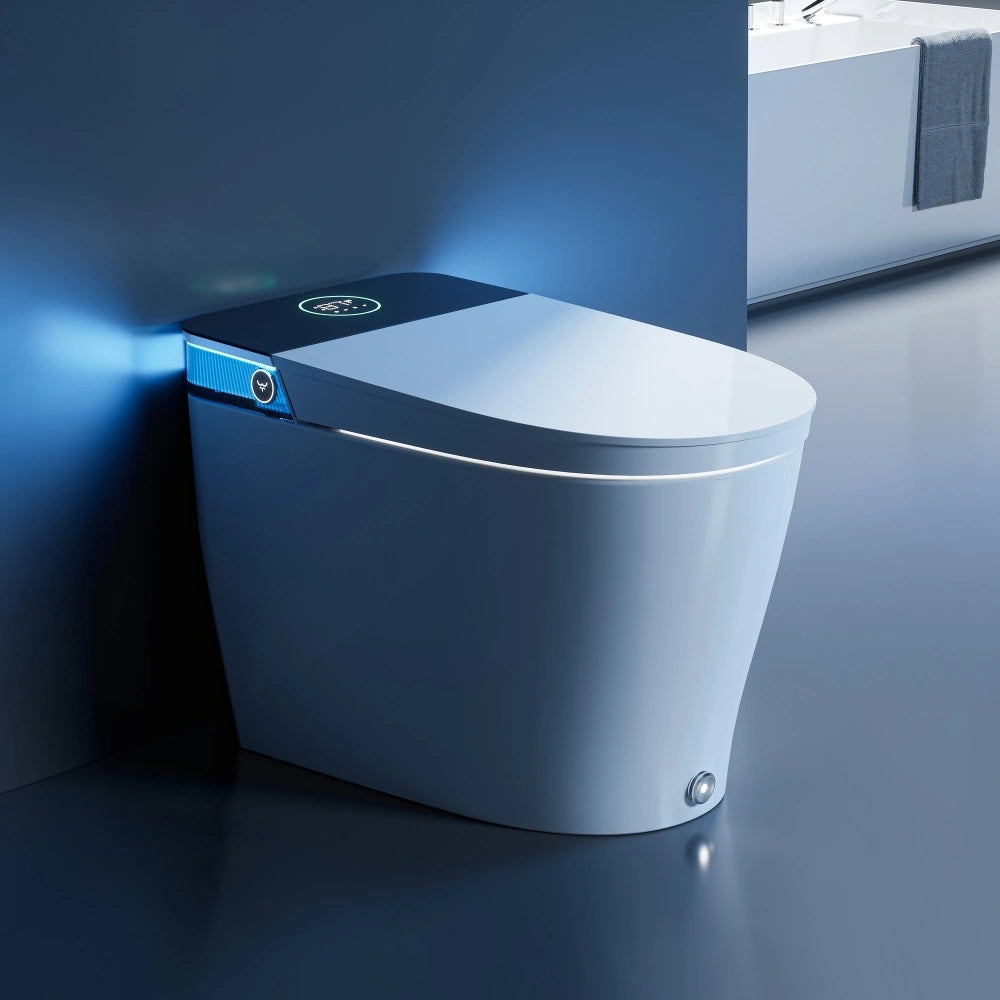
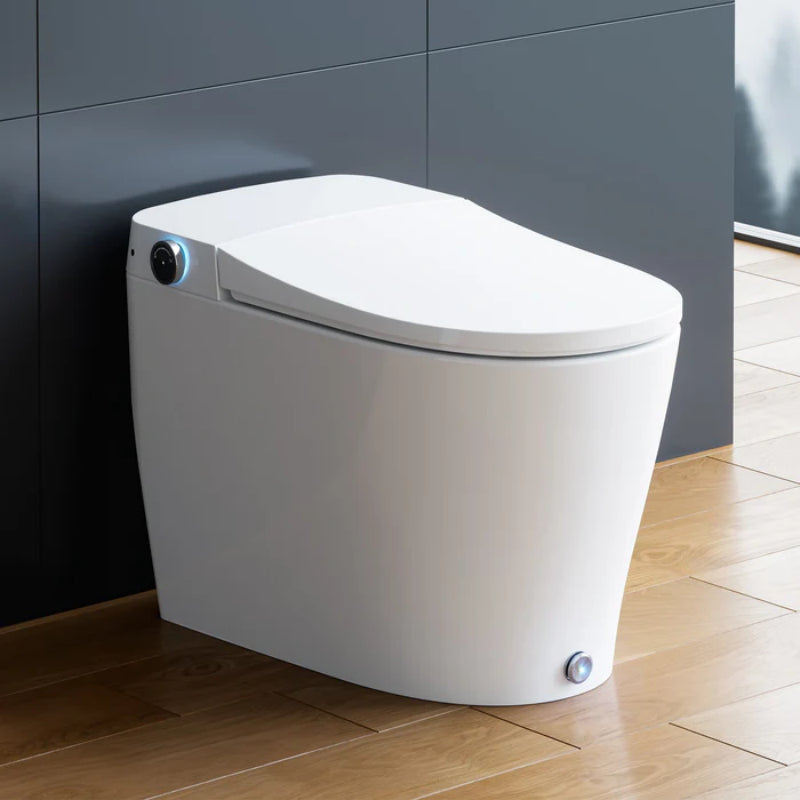
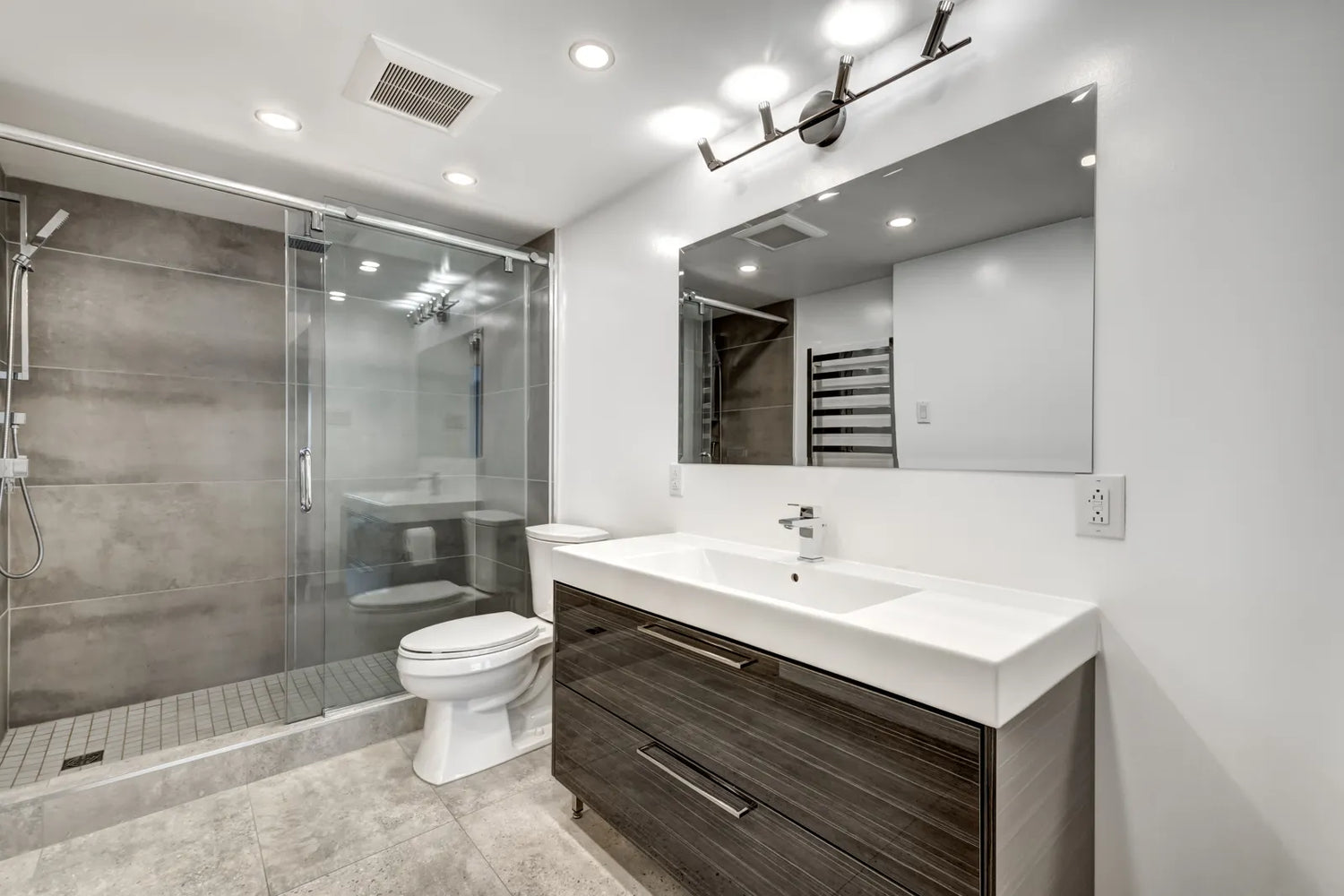
Quiet flush toilets can make night use in apartments noticeably more comfortable, especially in shared-wall or small-space layouts where sound carries easily. However, this benefit often comes with trade-offs such as more complex installation requirements, potentially higher purchase cost, and in some cases less consistent flushing performance depending on water pressure and system design.
In practice, the “quietest” experience is not only determined by the toilet itself but also by plumbing conditions and installation quality, which can vary significantly in apartment buildings.
When It Works Well
Quiet flush toilets make the most sense when noise is the real problem you are trying to solve.
In apartments where noise control is a priority, gravity-fed and dual-flush toilets tend to offer the most balanced everyday experience. They are generally quieter during flushing and suit compact layouts where space and sound transmission both matter.
For small apartments, especially studio or one-bedroom units, compact bowl designs combined with dual-flush systems usually provide a practical balance between size, noise, and water efficiency.
If clog resistance is the main concern, some pressure-assisted systems may perform better at waste removal due to their higher flushing force, though they often produce a more noticeable flush sound, which may be less suitable for nighttime use in close living environments. Industry plumbing guidance, including recommendations referenced by organizations such as the American Society of Plumbing Engineers (ASPE), suggests that pressure-assisted systems are commonly used in buildings requiring stronger waste removal performance, particularly in higher-demand setups or older plumbing systems where gravity flow may be less consistent.
Cleaning is another area where these toilets can be a good fit. Smooth ceramic surfaces, skirted trapways, and quick-release soft-close seats can make routine cleaning easier. In daily use, that matters more than many people expect, especially in a smaller bathroom where grime is easier to notice.
In general, apartment buyers often prioritize dual-flush designs, compact dimensions, and easy-clean surfaces over brand-specific features.

When It May Not Be Ideal
Quiet flush toilets are not automatically the best choice just because they sound better.
The biggest issue is installation. A common pattern in the research is that some of these toilets are frustrating to set up, with hard-to-reach bolts and a setup that is not very DIY-friendly. They are less suitable for solo installation in tight apartment bathrooms where space is limited and bolt access is difficult.
Seat durability is another common regret. Many users find that the soft-close seat or hinges feel good at first, but some break or loosen within months. This becomes frustrating when seat hinges loosen or break soon after purchase, especially on models marketed as premium.
Quality inconsistency is also a real concern. Some users report issues such as surface scratches, rusting components, plastic parts wearing out over time, or inconsistent flushing performance in certain units. That means the same model may work well for one buyer and disappoint another. Quietness does not always equal reliable build quality.
If your apartment has older pipes, quiet flush can also be a trade-off. Some models make less noise because they use gravity or lower water volume, but that does not always help with clogging risk. User feedback commonly shows that clogs can still happen despite strong flush claims, especially in older plumbing systems.
If long-term durability matters more than the initial quietness, this category may be less appealing. Not ideal if you want a toilet you can install once and forget about for years with no seat repairs, hinge issues, or flush inconsistency.

Apartment-fit warning:
Quiet flush toilets may be less suitable for certain apartment setups where plumbing conditions are less flexible. Older buildings or non-standard rough-in measurements can limit compatible models, making selection more constrained than expected.
Installation can also be more complicated in tight bathrooms, especially when switching between one-piece and two-piece designs. In smaller spaces, maneuvering and aligning heavier units may require additional labor, and in some cases, two installers are needed to complete the setup safely.
Because of these factors, the final performance and convenience depend not only on the toilet model, but also on how well it matches the existing bathroom structure.
Pros and Cons of Quiet Flush Toilets for Apartments
Quiet flush toilets can make apartment living more comfortable, especially in smaller spaces where bathroom noise travels easily. At the same time, performance, installation difficulty, and long-term durability can vary depending on the model and plumbing setup.
Pros
-
Quiet and efficient flush is useful in apartments near bedrooms or shared walls
-
Compact design works well in small bathrooms
-
Water-efficient options, including dual-flush and WaterSense models
-
Many have easy-clean features like smooth ceramic and skirted trapways
-
Soft-close seats reduce slamming noise
-
Some offer comfortable seat height and elongated bowls
Cons
-
Installation can be harder than expected, especially with hard-to-reach bolts
-
Some models are not friendly for solo or first-time DIY installers
-
Seat hinges and soft-close parts may loosen or fail early
-
Build quality can be inconsistent between units
-
Quiet flush does not always mean clog-free flush
-
Some units may leak, clog, or flush weakly despite strong marketing claims
-
Quieter/premium models can cost significantly more than basic options, so the noise reduction may not justify the spend for every apartment buyer
Real-World Considerations
In apartment bathrooms, flush noise is only part of the decision. Installation difficulty, day-to-day comfort, cleaning, and long-term reliability can have just as much impact on the overall experience.
What is the quietest type of flush system?
From a user perspective, gravity-fed and dual-flush systems are usually perceived as the quietest during everyday use because they rely on smoother water flow rather than high-pressure discharge. This makes them a common choice for apartment settings where noise reduction is a priority.
However, pressure-assisted systems typically deliver stronger flushing performance, which can be helpful in older plumbing systems or homes with frequent clogging issues. The trade-off is that they tend to produce a more noticeable flushing sound, which may be less ideal in shared or nighttime-use environments.
Installation in apartment bathrooms
This is one of the biggest blind spots in many buying lists. A toilet can sound great on paper and still be a bad apartment purchase if the install is a headache.
Some one-piece and skirted designs look cleaner and are easier to wipe down, but they can be harder to install because the bolts are harder to access. In a tight bathroom, that matters a lot. If you do not have room to move around the base easily, installation can become a two-person job.
This works well if you are hiring a plumber or already know the fit is compatible. Not ideal if you want a fast weekend DIY project.
How to make a toilet flush more quietly
If you already have a toilet and just want less noise, replacing the whole toilet may not be your first move.
In practice, softer-closing components are usually the first upgrade to consider when reducing bathroom noise, especially in apartments where lid slamming contributes significantly to overall sound levels. If your current toilet is very loud because of its flush design, there is only so much you can do without replacing it.
So if noise is mild, a full replacement may not be worth it. If the noise regularly wakes people up, then a quieter gravity or dual-flush model is more likely to solve the problem.
How to make a toilet seat close quietly
This is easier than changing the flush itself. A soft-close seat is the usual answer.
A quiet close toilet seat is a seat designed to lower slowly instead of slamming shut. In apartment living, that can matter almost as much as the flush sound, especially at night. It is one of the simplest ways to reduce bathroom noise.
But there is a catch: some buyers report that seat hinges loosen or fail sooner than expected. So while soft-close seats are useful, do not assume every included seat is durable. In some cases, the toilet itself may be fine while the seat becomes the weak point.

Daily use and maintenance
In daily use, quiet flush toilets are usually appreciated most in the first few weeks, when the lower noise is obvious. Over time, what matters more is whether the toilet stays reliable.
Easy-clean surfaces, skirted trapways, and quick-release seats can make cleaning simpler. That is a real advantage in apartments, where bathrooms are often small and harder to clean around.
But long-term expectations should stay realistic. A toilet that is quiet on day one may still become annoying if it clogs, leaks, or develops loose seat hardware later. The best outcomes happen when quietness comes with solid flushing consistency, not just a low noise level.
Who Should Buy / Who Should Skip
A quiet flush toilet makes more sense for some apartment setups than others. The best fit usually depends on your plumbing situation, noise sensitivity, installation expectations, and how much you value convenience features over simplicity.
Buy if:
-
You live in an apartment with thin walls or a bathroom near a bedroom
-
You want quieter night flushes that disturb others less
-
You have a small bathroom and need a compact design
-
You care about water efficiency and are open to dual-flush models
-
You value easy cleaning and like skirted or smooth-sided designs
-
You are okay hiring help if installation is difficult
Skip or think twice if:
-
You plan to install it alone and want an easy DIY swap
-
You care more about long-term durability than lower noise
-
Your building has older plumbing and you already deal with clogs
-
You are sensitive to cheap-feeling parts like plastic seats or hinges
-
You expect every “quiet” model to also be powerful and trouble-free
Final Decision
Quiet flush toilets for apartments are a good choice when bathroom noise is a real daily problem and you want a more peaceful setup without giving up water efficiency. They are especially useful in small bathrooms, near bedrooms, or in homes with kids, light sleepers, or noise-sensitive neighbors.
But they are not automatically the best choice for everyone. The common regrets are not usually about the quiet flush itself. They are about hard installation, weak seat hinges, and units that do not flush as reliably as promised.
If you need quieter night use in a compact apartment bathroom → good choice. If you care most about easy DIY installation, long-term durability, or trouble-free performance in older plumbing → consider alternatives.

FAQs
What is a toilet with quieter flush performance?
Toilets with quieter flush performance are often dual-flush or well-designed gravity systems that focus on stable water flow and reduced vibration. These models may use improved bowl shape and internal channels to help reduce flushing noise. In many homes, sound levels are influenced more by installation quality than the toilet design itself. Apartments with shared plumbing stacks may still experience some background pipe noise.
What is one of the quietest types of flush systems?
Gravity-based flush systems are often considered among the quieter options because they rely on steady water release instead of high-pressure bursts. This design helps reduce sudden impact noise during flushing. However, actual performance can vary depending on tank insulation and household water pressure. In older buildings, pipe structure and acoustics may also affect perceived noise levels.
How can I make a toilet flush more quietly?
You can reduce flush noise by adjusting the fill valve, stabilizing water pressure, and checking for worn internal parts such as flappers. These adjustments may help improve smoother tank refill behavior and reduce turbulence during flushing. If vibration comes from pipes, adding insulation or securing loose fittings may help. In some cases, upgrading internal components can also improve noise levels.
How can I make a toilet seat close quietly?
Installing soft-close toilet lids with damping hinges is an effective way to prevent slamming noise. These hinges slow the lid gradually, which is useful in shared or small living spaces. Over time, hinge wear may reduce performance, so replacement may be needed. Gentle manual support when closing the lid can also help extend its lifespan.
What is a quiet close toilet seat?
A quiet close toilet seat is designed with controlled damping that allows the lid to lower slowly without impact. This design is commonly used in modern toilet seats and helps improve bathroom comfort. It also reduces stress on the ceramic bowl by preventing sudden contact. Most systems operate mechanically and do not require power or regular maintenance beyond occasional cleaning.
References


Leave a comment
This site is protected by hCaptcha and the hCaptcha Privacy Policy and Terms of Service apply.