
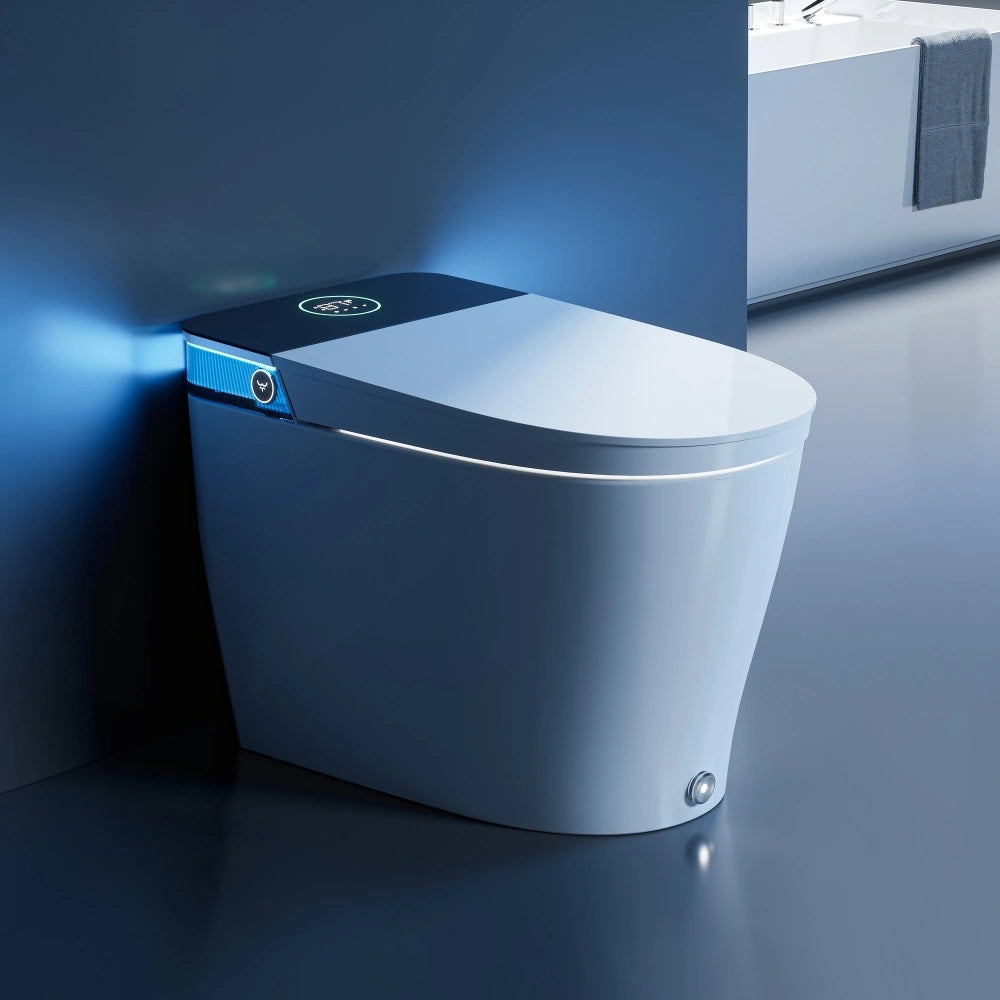
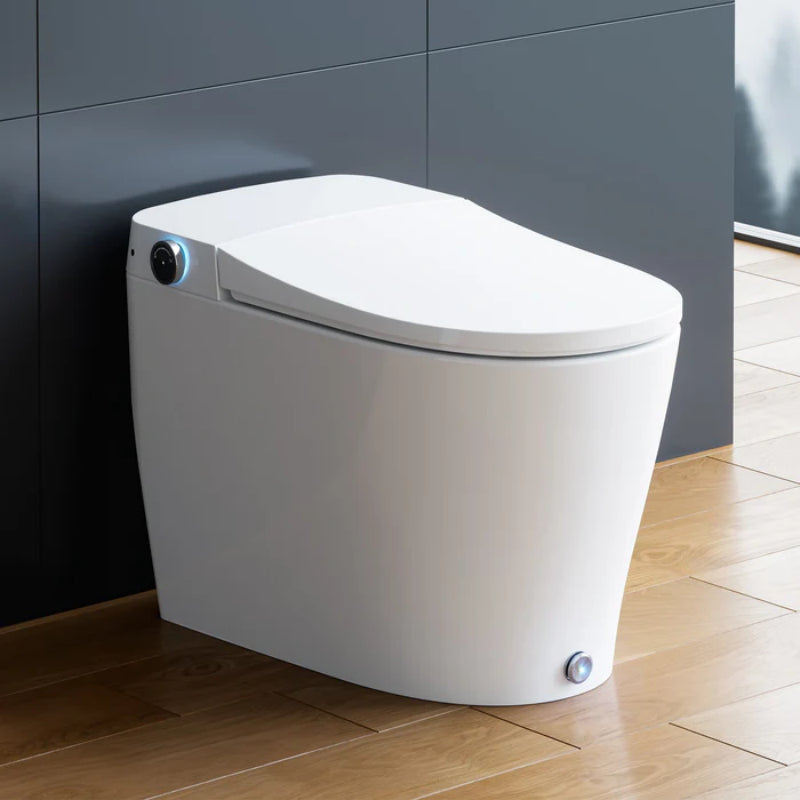
A smart toilet with dryer combines bidet washing with warm airflow that removes moisture after cleaning. It can reduce wiping, improve comfort, and make toileting easier for someone with limited reach. However, the airflow is generally gentle, so drying requires patience and may not eliminate toilet paper.
The feature is worth considering when reduced wiping would solve a real daily problem. It is less compelling if you expect instant drying, want a simple toilet with minimal maintenance, or prefer a fast bathroom routine.
Decision snapshot:
- Choose it if reduced wiping, warm water, and touch-reduced use matter more than speed.
- Consider it carefully if several people will share the controls or the bathroom is near a bedroom.
- Skip it if you expect hand-dryer-like airflow or guaranteed paperless use.
- Check before ordering: bathroom clearances, electrical supply, plumbing access, outage behavior, and cleaning requirements.
Who Benefits and Who Should Skip It?
Best for reduced wiping and limited reach
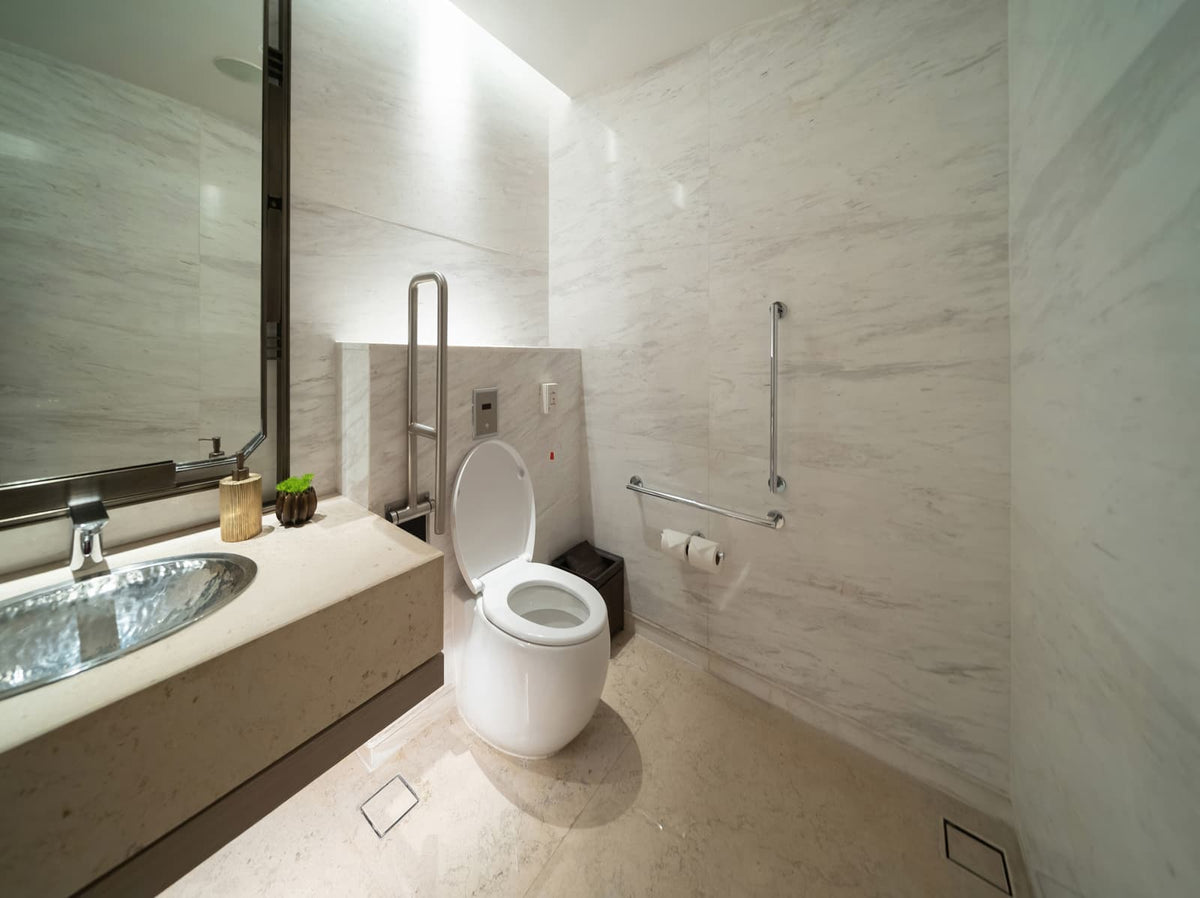
The most practical benefit is reduced wiping. This can help people who have difficulty reaching, bending, twisting, or using their hands. It may also provide a more comfortable routine for anyone who prefers washing to wiping.
A smart bidet toilet is not necessarily effortless, however. The user may still need to select settings, adjust their position, and remain seated while the dryer runs. For someone with limited mobility, evaluate the entire interaction rather than the dryer alone:
- Can the user reach and understand the controls?
- Is the stop function easy to identify?
- Can the spray position and pressure be adjusted comfortably?
- Is the seat height appropriate for that individual?
- Will the user remain stable and comfortable throughout the cycle?
An automatic toilet may reduce physical effort, but suitability depends on the individual and the specific controls. A feature label alone does not establish accessibility.
Skip it when speed matters most
Warm-air drying is slower than wiping because the airflow must remain comfortable on sensitive skin. If you want to finish quickly, you may use a small amount of toilet paper rather than wait for the full cycle.
That trade-off matters most in a busy shared bathroom. A dryer that seems relaxing in a private primary bathroom can feel impractical during a rushed morning or when someone else is waiting.
Before paying for the feature, ask whether regular users will actually stay seated until they feel dry. If the answer is no, the dryer may add complexity without changing the household’s routine.
Does Drying Performance Match Your Expectations?
Does It Eliminate Toilet Paper?
It can for some users, but paper reduction is a more realistic expectation than completely paperless use. Results vary with body position, wash coverage, airflow, temperature, and how long the user is willing to wait.
Some people keep paper nearby for final drying or to check cleanliness. Guests may also prefer a familiar routine. The presence of a dryer means warm airflow is available; it does not guarantee that every user will stop using paper.
The best way to judge value is to decide whether using less paper and doing less wiping would be worthwhile—even if a small amount of paper remains part of the routine.
Gentle airflow requires more drying time
A toilet dryer should not be expected to feel like a wall-mounted hand dryer. Gentle airflow may be comfortable but can seem weak when buyers expect fast, forceful drying.
Temperature adjustment can improve comfort, but warmer air does not necessarily provide complete or even drying. Body position and airflow coverage still matter. Some users may also need to make small positioning adjustments during the cycle.
If you can experience the feature before buying, evaluate more than whether warm air comes out. Pay attention to airflow coverage, comfort, sound, and how long you are willing to remain seated.
Washing still provides the cleaning
The bidet spray performs the cleaning; the dryer removes moisture afterward. Warm air by itself is not a substitute for an effective wash.
Spray position is therefore central to the overall result. If the water does not reach the intended area, drying cannot correct it. New users may need time to learn the controls and identify comfortable settings before deciding whether the wash-and-dry cycle works well for them.
Will Your Bathroom Support the Installation?
Will It Work in Small Bathrooms?
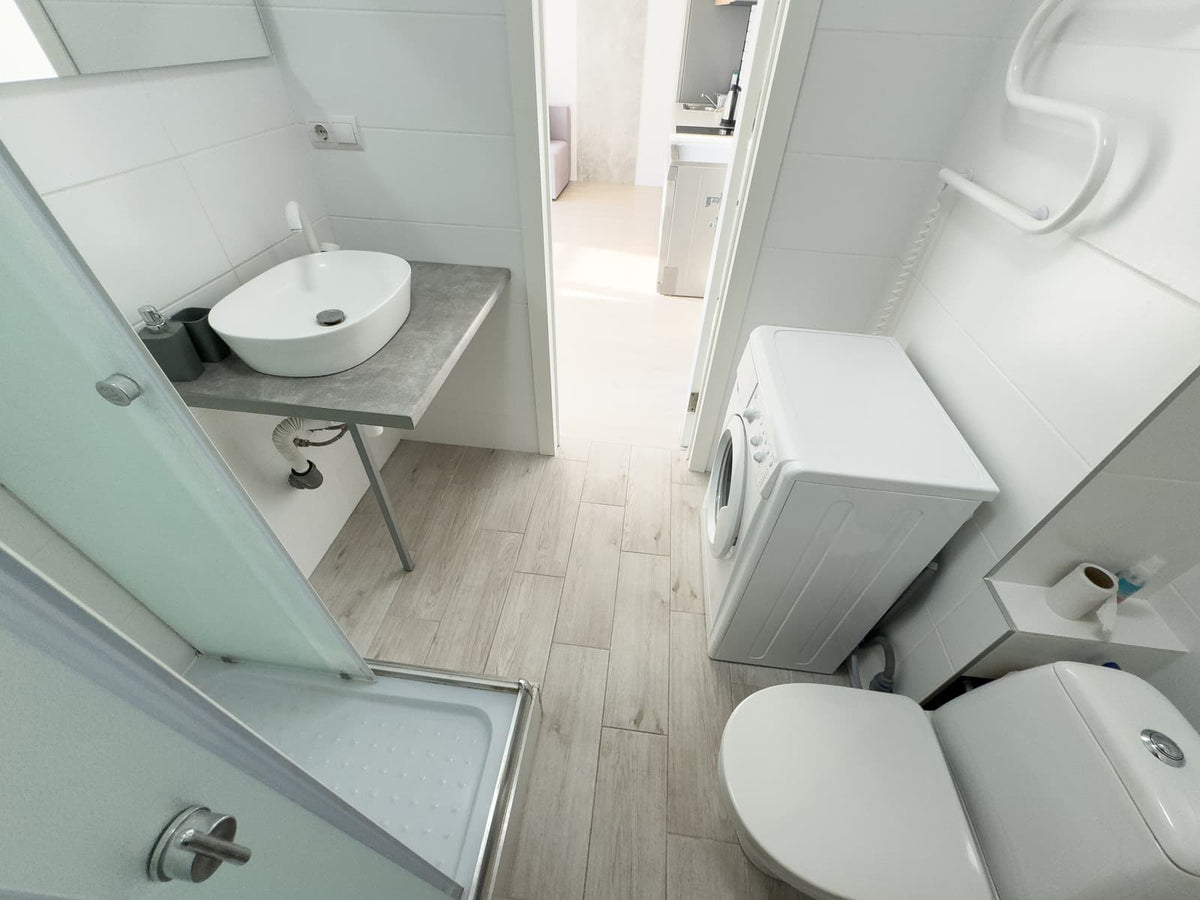
Possibly, but toilet width is only one part of the fit. Review the complete installation area, including:
- Rough-in compatibility stated for the selected model
- Bowl projection and usable knee room
- Door swing and cabinet clearance
- Space for the seat and lid to open
- Access to controls, hoses, mounting points, and the shutoff valve
- Room to install, remove, or service the unit
Integrated smart toilets can also be awkward to position in a confined space. A model may fit on paper yet make the bathroom feel cramped or leave poor service access.
When exploring HOROW smart toilets, compare each model’s published installation information with measurements taken in the actual room. Product photos are not reliable guides to scale or clearance.
A nearby grounded outlet is required
Powered washing, water heating, air drying, sensors, and other electronic functions require a compatible electrical supply. Requirements vary by model and installation, so follow the selected toilet’s current instructions rather than assuming an existing outlet will work.
If there is no appropriate outlet in the required location, electrical work may be necessary. Placement also affects appearance and access; a poorly located outlet can leave the cord conspicuous or difficult to reach.

Do not build the installation plan around an extension cord. When the bathroom’s electrical setup is uncertain, have a qualified professional assess it before ordering the toilet.
Plumbing access can complicate installation
A smart toilet still needs a compatible water connection. Enclosed designs can make hoses, fasteners, and shutoff valves harder to reach than they are on a basic toilet.
Confirm the model’s installation requirements, water-supply arrangement, and flushing design before removing the existing toilet. Keep the shutoff valve accessible for future maintenance. If any requirement is unclear, use the current product instructions and consult an appropriate installer.
These checks help prevent a straightforward replacement from turning into unexpected plumbing and electrical work after delivery.
What Daily Friction Could Become Annoying?
Whole-cycle noise matters near bedrooms
The dryer is only one potential source of sound. Depending on the selected model and enabled features, a complete routine may also involve washing, a deodorizing fan, automatic lid movement, a pre-rinse, or flushing.
Bathroom acoustics and location affect how noticeable those sounds feel. Noise that fades into the background during the day may be disruptive at night in a bathroom beside a bedroom.
Consider the full operating cycle and check whether unwanted automatic functions can be disabled. The most noticeable sound may not come from the dryer itself.
Shared controls can frustrate households
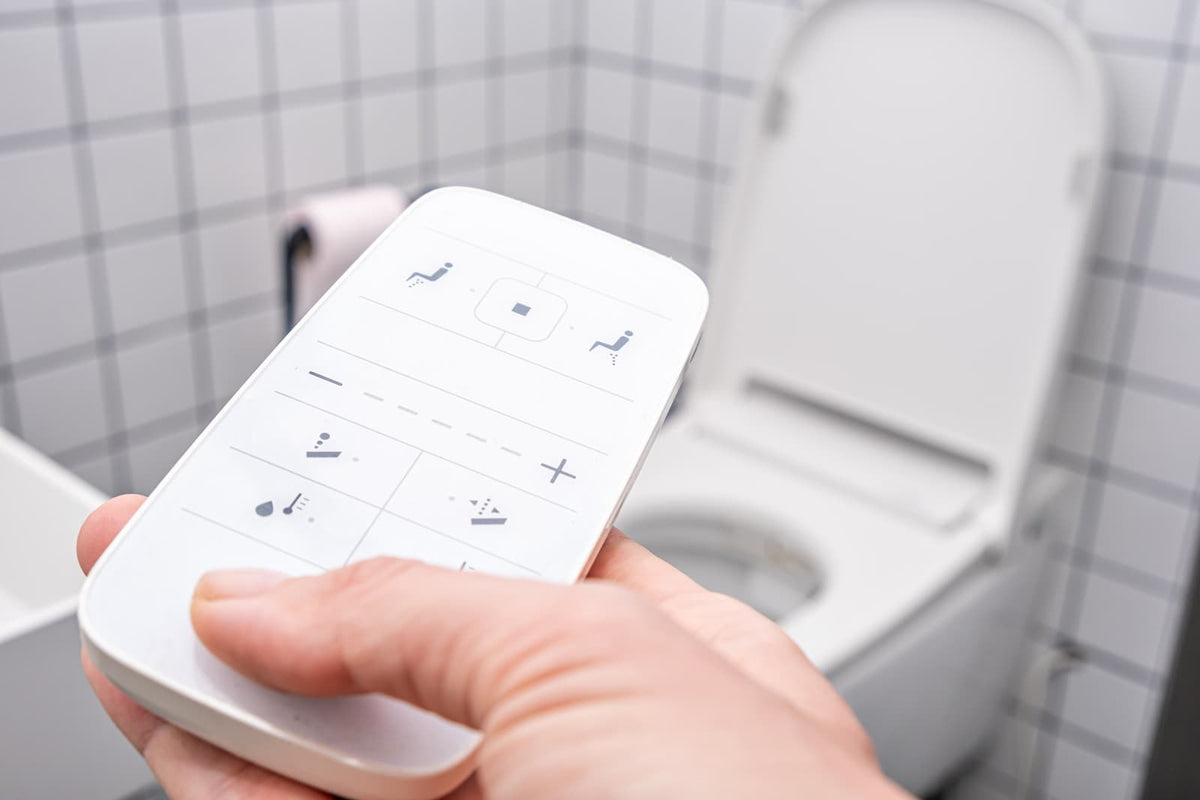
One person may prefer warmer air and stronger spray pressure, while another wants gentler settings and fewer automatic actions. Guests, children, or older household members may find an unfamiliar remote or symbol-heavy panel confusing.
User presets can reduce repeated adjustments when offered, but every regular user should know how to start and stop the essential functions. Controls should remain reachable if the remote is moved or misplaced.
Before choosing a feature-rich model, make sure its interface suits the least confident user—not only the person most interested in modern bathroom technology.
What Happens During a Power Outage?
Powered washing, heating, and drying will stop during an outage. Other affected functions vary by design, and normal flushing may not operate in the same way on every model.
Check the current product instructions for manual or emergency flushing procedures before purchase. If outages are common in your area, this should be a primary selection factor rather than an afterthought.
How Much Ownership Upkeep Is Involved?
Does It Require More Maintenance?
Usually, yes. In addition to cleaning the bowl, ownership may involve cleaning the wash wand, keeping sensors clear, checking filters, and caring for deodorizing components when included.

Follow the product’s care instructions. Electronic parts, moving wands, and specialized surfaces may not be compatible with every cleaner or cleaning method used on a conventional toilet.
The important question is whether your household will perform these small tasks consistently. Delayed upkeep can reduce the usefulness of features that originally justified the purchase.
Hard water increases descaling needs
Minerals can collect around the wand and within water-handling components. In a hard-water home, descaling and filter care may become more important over time.
Before buying, review the model’s care instructions and determine which parts are user-serviceable. Also check whether replacement filters or other consumable components are required and how they are obtained.
Electronic failures can affect multiple functions
Integrated electronics may support several smart toilet features. Depending on the design, a fault involving a sensor, control system, heater, or fan may affect more than air drying.
Consider service access and parts availability before choosing. Review the support information for the exact model rather than assuming that any plumber can repair every electronic function.
For example, the product pages for the HOROW T33 and HOROW T38 can be used to compare current published information and identify questions to resolve before ordering.
HOROW Smart Toilets to Compare
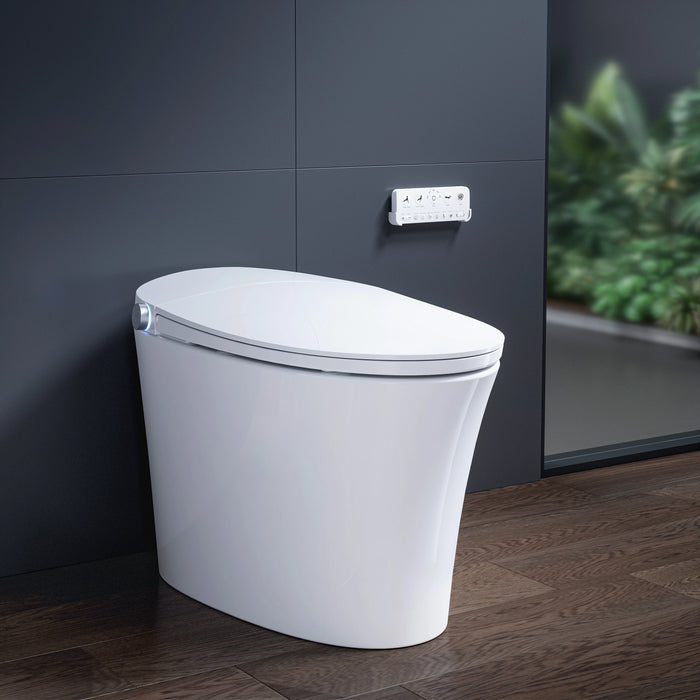
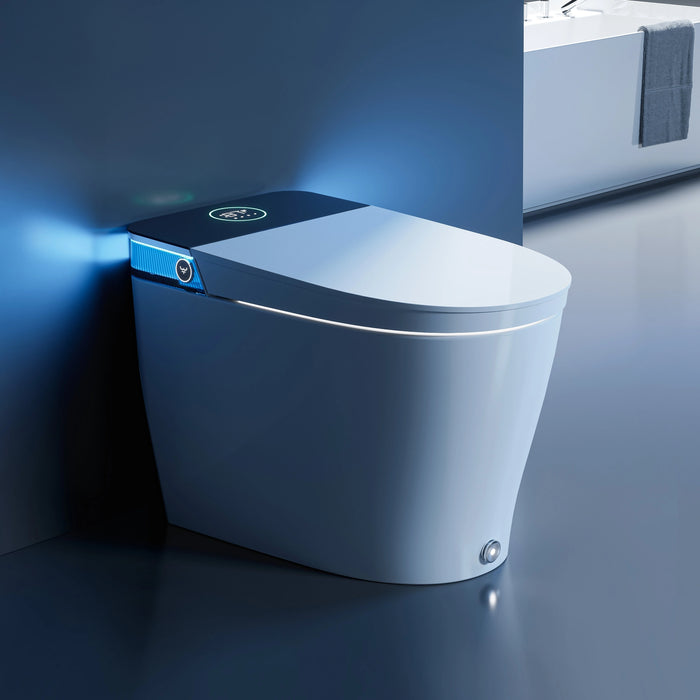
If you are comparing smart toilets after reviewing drying time, installation, controls, maintenance, and outage considerations, these HOROW models provide two product pages to review before ordering.
Before You Choose
- Decide whether reduced wiping is valuable even if the dryer does not eliminate paper.
- Consider whether users will wait through the drying cycle.
- Measure the complete installation area, not only the toilet width.
- Verify electrical, water-supply, and shutoff access requirements.
- Check what functions remain available during a power outage.
- Review wand cleaning, filter care, and hard-water maintenance.
- Make sure every regular user can understand and stop the controls.
- Confirm how service and replacement parts are handled.
Common Questions
What is a smart toilet with dryer?
It is a powered toilet or bidet-toilet combination that washes with water and then directs warm air toward the washed area. Many models include other functions, but the dryer specifically handles moisture after washing.
Is a smart toilet with dryer worth it?
It can be worth it when reduced wiping improves comfort or independence and users are willing to wait for gentle airflow. It is less worthwhile for someone who prioritizes speed or expects guaranteed paperless use.
Can it be installed in a small bathroom?
It may fit, but confirm projection, knee room, door and cabinet clearance, lid movement, rough-in compatibility, outlet placement, and plumbing access for the exact model.
Will it work without electricity?
Powered washing, heating, and drying will not. Flushing behavior varies, so check the selected model’s instructions for outage and emergency-flushing procedures.


Leave a comment
This site is protected by hCaptcha and the hCaptcha Privacy Policy and Terms of Service apply.