



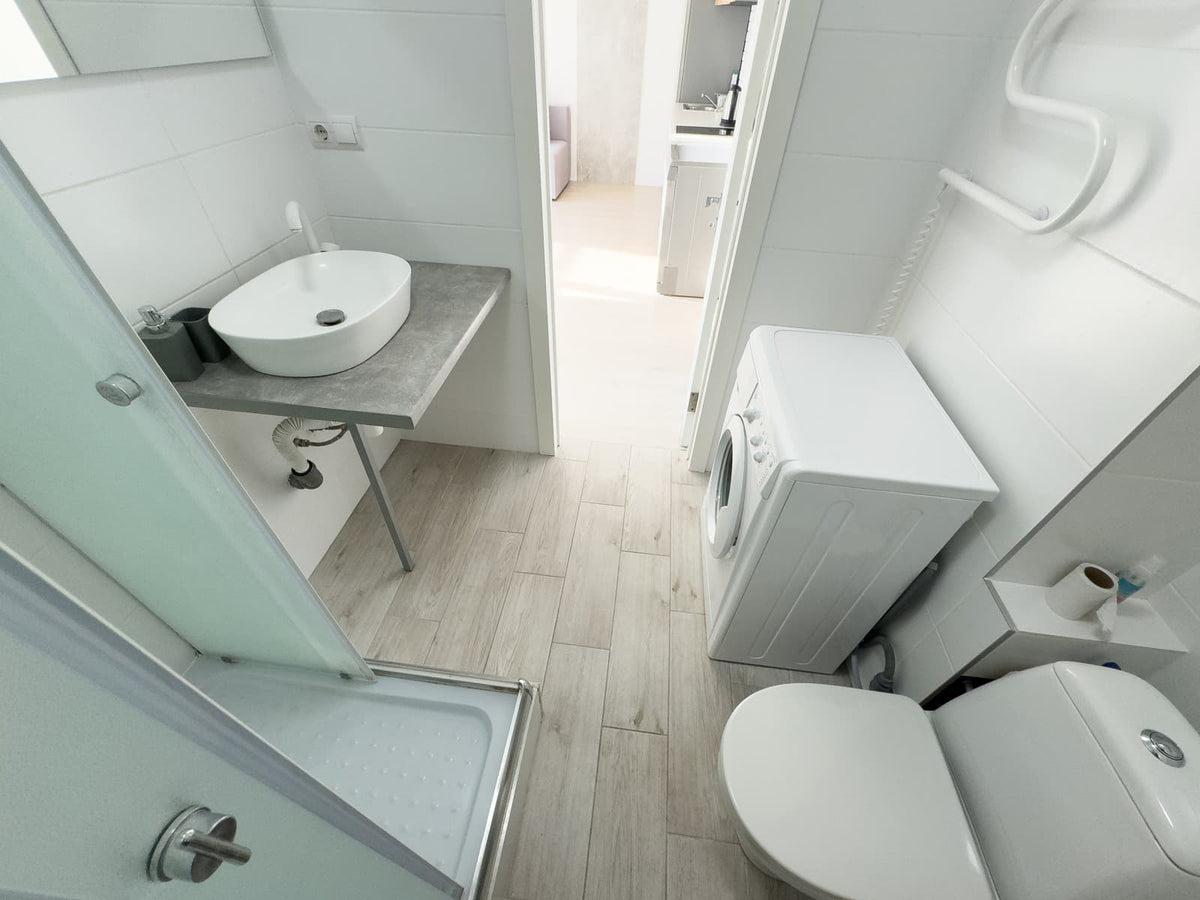
A smart toilet with deodorizer uses a powered fan and filter to draw air from around the bowl and reduce odors during or after use. It can make a busy shared bathroom more pleasant, but it will not eliminate every odor instantly or replace room ventilation.
The feature is most worthwhile when a bathroom gets frequent use, has limited airflow, or serves people who prefer not to use fragranced sprays. It may add little value in a well-ventilated, low-use bathroom. Before choosing one, consider fan noise, filter access, replacement-part availability, electrical setup, and how the automatic controls behave.
| Choose built-in deodorization when… | Consider skipping it when… |
|---|---|
| Several people share the bathroom | The bathroom receives little use |
| Air moves slowly through the room | Existing ventilation controls odors well |
| You want to reduce reliance on sprays | You want to minimize powered parts and maintenance |
| You already value other smart bidet toilet functions | Deodorization is the only smart feature you expect to use |
Who Benefits From Built-In Deodorization?
Best Fit: Busy Bathrooms With Limited Ventilation
Built-in deodorization is most useful when several people use the same bathroom within a short period. Because the system operates automatically, users do not need to find an air freshener or remember to activate a separate control.
The effect may be more noticeable in a compact powder room or an interior bathroom where air moves slowly. Automatic operation can also be convenient in a guest bathroom because visitors do not need instructions.
However, the system treats a limited volume of air near the bowl. If odor has already spread throughout a large room, the result may feel modest. Think of this smart toilet feature as local odor reduction rather than whole-room air treatment.
Useful for Households Avoiding Fragranced Sprays
A deodorizer can suit households that dislike the scent or residue of aerosol products. Built-in systems generally move air through filtering material rather than masking odor with perfume.
That distinction affects expectations. The room may smell more neutral, but it will not necessarily have the scented “freshness” associated with a spray. Performance also depends on the condition and fit of the filter. A dirty or exhausted filter may provide little benefit and can contribute to stale-smelling airflow.
If fragrance avoidance is important, check how the specific toilet handles deodorization. The term can describe different fan-and-filter designs, so do not assume that every system works identically or adds no scent.
Skip It in Well-Ventilated, Low-Use Bathrooms
In a bathroom with effective ventilation and infrequent use, built-in deodorization may be difficult to notice. Prompt flushing and good room airflow may already keep odors under control.
The feature can also be unnecessary in a secondary bathroom used only by occasional guests. Even if the fan rarely runs, the vent and air path can still collect dust and require cleaning.
Consider the complete smart-toilet package rather than evaluating the deodorizer alone. If you already want bidet washing, a heated seat, drying, or automatic controls, deodorization may be a useful addition. If it is the only powered feature you want, the added filter and fan may not justify the upkeep.
Does Deodorization Match Real-World Expectations?
Will It Eliminate Odors Instantly?
No. An automatic toilet deodorizer normally starts in response to occupancy or use. Some odor may enter the room before the fan has moved enough air through the filter.
Results vary with fan performance, filter condition, room size, airflow, and use patterns. Even when operating correctly, the system may reduce an odor without removing it completely.
It also cannot address every odor source. Drain problems, damp materials, dirty surfaces, and odors from other fixtures require separate investigation. A realistic expectation is less noticeable odor around the toilet—not an instantly odor-free bathroom.
Can It Replace Bathroom Ventilation?
No. Deodorization and bathroom ventilation address different issues.
A toilet deodorizer treats air near the bowl. Room ventilation manages air and moisture across the wider bathroom, including odors from sources other than the toilet. A built-in fan should not be expected to correct persistent dampness, plumbing odors, or poor room airflow.

If the bathroom smells unpleasant when the toilet has not recently been used, identify the underlying source before buying modern bathroom technology as a solution. Built-in deodorization is unlikely to resolve a room-level or plumbing-related problem.
Performance May Fade Without Clear Warning
Deodorization can become less effective gradually. Because the fan may still be audible, users can assume the feature is working even when a dirty vent or worn filter has reduced performance.
Not every model provides a clear filter-service alert, and filter life depends on use and the specific design. A shared primary bathroom may require attention sooner than a lightly used guest bathroom.
Watch for weaker airflow, a change in fan sound, reduced odor control, or unusual-smelling air. These signs do not necessarily mean that the fan has failed. The vent may need cleaning, the filter may require service, or the air path may be obstructed.
What Daily-Use Friction Should You Expect?
Will the Fan Be Noticeable at Night?
Possibly. A fan described as quiet is not necessarily silent, especially in a compact bathroom next to a bedroom. A low hum that blends into daytime background noise may be obvious in a quiet house.
Consider the toilet’s full operating cycle, including flushing, bidet washing, drying, pumps, and water valves where those features are present. Post-use deodorizer operation may also continue after the person leaves.
Before choosing a model, check whether deodorization can be adjusted or turned off independently. That flexibility can matter when nighttime noise is a concern but other smart features are still wanted.
What Happens During a Power Outage?
The deodorizer stops during a power outage because its fan, sensors, and controls require electricity. Whether other toilet functions remain available depends on the design, so consult the instructions for the specific model rather than assuming there is a manual fallback.
An occasional outage may be only a minor inconvenience. Frequent outages make automatic odor control less dependable and may affect saved settings on some units. If deodorization is a priority, remember that it is an active electrical feature rather than a passive filter.
Sensor Timing Can Feel Inconsistent
Automatic activation is convenient when sensor timing matches the user’s expectations. Depending on the design, a system may start after a delay, continue after use, or react to movement around the toilet.
Unintended activation can be more noticeable in a compact room, particularly if nearby movement wakes several automatic functions. Guests may also be unsure whether deodorization is active or may change settings accidentally.
These issues are usually minor, but they can become irritating in a bathroom used at night or located beside a sleeping area. Review the controls and available adjustments rather than relying only on the word “automatic.”
How Much Setup and Maintenance Does It Add?
Plan for a Nearby Electrical Outlet
A powered smart toilet requires an appropriate electrical connection within reach of its cord. If the bathroom does not already have a suitable outlet, setup becomes more involved.
Check the installation instructions for the exact toilet before purchase. If electrical work is needed, consult a qualified professional about the requirements for your bathroom. Do not assume that an existing outlet or extension arrangement is suitable.
Also inspect the proposed cord route. It should not cross a walking area or prevent access needed for cleaning and future service.
Check Filter Access, Availability, and Cost
A replaceable filter is only practical if it can be reached after the toilet is installed. Rear access, nearby cabinets, and tight wall clearance can turn routine maintenance into a difficult service task.
Before buying, confirm:
- Where the deodorizer filter or cartridge is located
- Whether the toilet must be moved to reach it
- Whether tools or cover removal are required
- Whether replacement filters are specific to the model
- Whether those parts are expected to remain available
- Whether the installed position leaves enough service clearance
Replacement cost matters, but long-term availability and access may matter more. If servicing the filter is difficult, maintenance is easier to postpone and odor performance may decline unnoticed.
When exploring HOROW smart toilets, review the instructions for each model and confirm deodorizer access and maintenance requirements before installation.
Explore HOROW Smart Toilets
Compare individual models and review the product information and instructions for the features, controls, installation requirements, and maintenance access that matter to your bathroom.
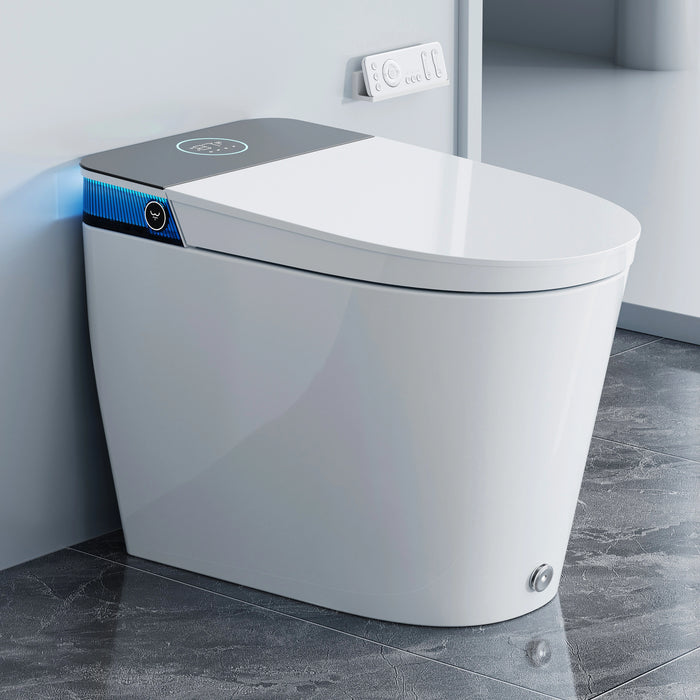
HOROW T38P
Review the T38P product details and instructions when comparing smart-toilet features and installation needs.
View T38P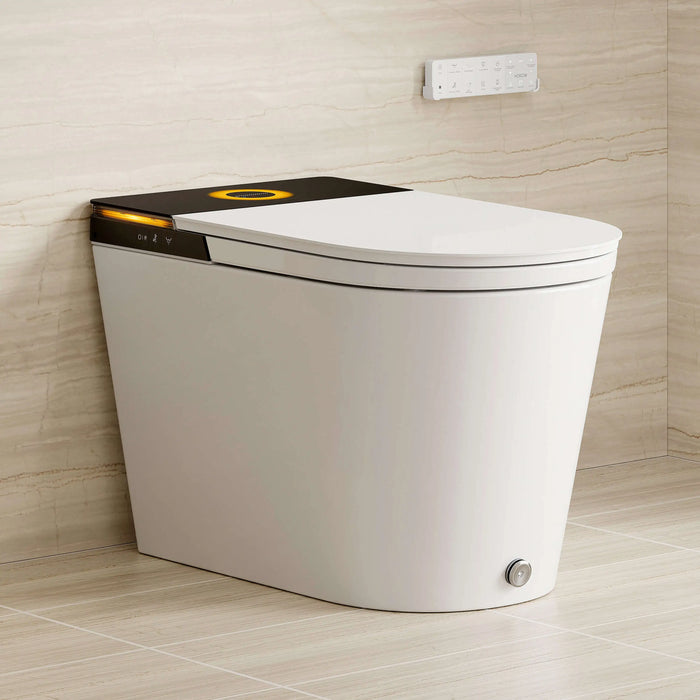

Compare more HOROW smart toilets before choosing a model for your bathroom.
Clean Vents Before Airflow Declines
Dust, lint, hair, and bathroom residue can collect around the air inlet. The toilet may appear clean even while restricted airflow is reducing deodorizer performance.

Include accessible vents in ordinary cleaning, following the care instructions for the unit. Avoid pushing debris farther into an opening or applying a cleaner that is not approved for the toilet’s surfaces or internal components.
If the fan becomes louder, airflow weakens, or odor control declines, inspect the accessible vent and filter before assuming that an electrical component has failed.
Before You Choose
Use this final check before purchasing a smart toilet with deodorizer:
- Confirm that the problem is toilet-related odor rather than a drain, moisture, or room-ventilation issue.
- Consider whether fan noise and post-use operation will be noticeable near bedrooms.
- Locate the filter and verify that it will remain accessible after installation.
- Check replacement-filter availability for the exact model.
- Review the toilet’s electrical and installation instructions.
- Find out whether deodorization can be adjusted or disabled separately.
- Confirm what toilet functions, if any, remain usable without power.
- Compare the maintenance burden with how frequently the bathroom is used.
Common Questions
Does a toilet deodorizer add fragrance?
Usually, a built-in deodorizer filters or moves air rather than adding perfume, but designs vary. Check the product description and instructions if fragrance avoidance is important.
Does the deodorizer run continuously?
Most systems respond to occupancy or toilet use rather than running continuously. Activation, shutoff timing, and post-use operation depend on the model.
Can the toilet be used with deodorization turned off?
Many smart toilets allow individual features to be adjusted, but control options vary. Confirm that the deodorizer can be disabled without affecting functions you still want.
Is a smart toilet with deodorizer worth it?
It can be worthwhile in a frequently used bathroom with limited airflow, particularly for households avoiding fragranced sprays. It is less compelling when ventilation already controls odors or when easy filter access and replacement parts cannot be confirmed.


Leave a comment
This site is protected by hCaptcha and the hCaptcha Privacy Policy and Terms of Service apply.