
A smart toilet is worth considering when features like bidet washing, a heated seat, drying, or hands-free controls improve your daily bathroom experience. It makes the strongest cost case during a planned bathroom remodel or when automated features make personal care easier.
It is less suitable for homeowners who mainly want the lowest upfront cost, easier repairs, or lower toilet paper spending. The total cost can be higher than a standard toilet or bidet seat. Installation, maintenance, and possible electronic repairs all add to the long-term expense.
The key comparison is not the advertised smart toilet price. It is the total installed and ownership cost:
Purchase + installation + electricity + consumables + maintenance + repairs − any paper savings
A five-year estimate reveals the near-term cost premium. A ten-year estimate puts more weight on repair risk, replacement parts, and how long the electronics remain serviceable.
When Does It Work Well?
Full remodels reduce installation disruption
A smart toilet often makes more sense during a full renovation. Plumbing, electrical access, flooring, and wall finishes can be planned together instead of modified later. This does not make the fixture inexpensive, but it may reduce the disruption caused by adding connections after the room is finished.
For a standalone replacement, obtain plumbing and electrical assessments before ordering. The existing water connection, drain location, available space, and power arrangement must suit the selected product. Otherwise, opening walls, modifying finishes, or making connection changes can substantially increase the installed cost.

Daily comfort creates meaningful long-term value
The value is limited if premium features are rarely used. It becomes more reasonable when the household consistently values warm-water washing, a heated seat, drying, automatic flushing, or touch-free controls.
Before buying, separate essential functions from showroom extras:
- Which features will be used every day?
- Will other household members use the bidet and dryer?
- Are the controls understandable for the intended users?
- Would a bidet seat provide the functions that matter most?
Paying for extensive automation makes little sense if the household ultimately uses only basic washing or seat heating.
Longer ownership improves the cost case
Most purchase and installation costs happen upfront, while any comfort benefits and small savings build gradually over time. Homeowners expecting to remain in the property longer have more time to receive value from daily use.
Short-term owners should not assume the fixture will recover its cost through resale. Future buyers may appreciate it, but others may view older electronics and unfamiliar controls as maintenance concerns.
Consistent bidet use may reduce paper spending
A household may purchase less toilet paper when users regularly wash and use the dryer. The savings are behavior-dependent, however. Some people continue to use paper for drying, and guests may not use the bidet at all.
Treat reduced paper use as a partial offset rather than a guaranteed payback plan. Water efficiency can also vary significantly between toilet models. The EPA’s WaterSense program provides performance criteria for high-efficiency plumbing products and explains that choosing efficient fixtures can help reduce household water consumption over time.
When May It Not Be Ideal?
Bidet-only needs favor a cheaper seat
A compatible electric bidet seat can provide core functions such as warm-water washing and seat heating without replacing the complete toilet. It is usually a more affordable option for homeowners whose main goal is bidet washing.
A separate seat also allows the electronic component to be replaced independently. An integrated smart toilet may offer a cleaner appearance and more automation, but those benefits must justify replacing and servicing the complete fixture.

Electrical retrofits can erase expected value
Powered smart toilets require an electrical setup that complies with the product instructions and applicable local requirements. Whether a nearby outlet, a dedicated circuit, or other electrical work is required depends on the selected unit and the existing installation.
Electrical work in bathrooms must follow the electrical code adopted by the local authority having jurisdiction. NEC requirements and local amendments can affect receptacle placement and electrical protection, so homeowners should confirm the applicable requirements before adding or modifying power connections.
Have a qualified installer assess the bathroom before purchase. Do not assume a distant receptacle or extension cord is an acceptable arrangement. If the project requires opening finished walls or changing the electrical system, those added costs can significantly affect the total investment.
Short ownership weakens the financial case
Moving soon reduces the time available to benefit from the purchase. A removable bidet seat can limit financial exposure while still adding washing and comfort features.
A smart toilet is also difficult to justify in a lightly used guest bathroom. The same purchase premium generally creates more practical value in a primary bathroom used several times each day.
Small bathrooms require a full fit check
Do not check only the toilet’s basic dimensions. Check the complete installed shape, lid movement, control location, cord and water connections, legroom, cleaning access, and room needed for future service.
A unit that technically fits may still interfere with a door, vanity, or storage area. Tight service access can also make later maintenance more difficult.

What Are the Pros and Cons?
|
Advantages |
Trade-offs |
|
Washing, heat, and drying can improve daily comfort. |
The fixture and installation cost more than a simple toilet. |
|
Hands-free features may make daily use easier. |
Sensors, heaters, controls, pumps, and powered lids add failure points. |
|
Bidet use may reduce toilet-paper consumption. |
Savings depend on household behavior and may be modest. |
|
Integrated styling can suit a remodeled bathroom. |
Repairs may require specialized parts or service. |
|
Automated features may support people who find personal care difficult. |
Controls can be confusing if they are poorly matched to the user. |
What problems do users report?
Common concerns include higher-than-expected installation costs, functions that go unused, mineral buildup, sensor or remote issues, and difficulty obtaining service for electronic components.
Some failures affect only a comfort feature, while others may affect multiple functions. Flushing behavior during a power outage or system failure varies by model. Confirm the selected toilet’s behavior in its instructions rather than assuming it will operate like a standard gravity-flush toilet.
What Real-World Costs Change the Decision?
Five-year costs include installation and routine upkeep
A useful five-year estimate should include more than the toilet price.
|
Cost category |
What to check |
|
Fixture |
Toilet, required accessories, delivery, and old-fixture removal |
|
Installation |
Plumbing labor, electrical work, connection changes, and finish repairs |
|
Operation |
Model-specific electricity and water consumption |
|
Consumables |
Water or deodorizing filters, if used, plus descaling supplies |
|
Maintenance |
Cleaning procedures and professional service when required |
|
Offsets |
Realistic reduction in toilet-paper purchases |
Request itemized quotes instead of relying on a single installation allowance. The cost to install an outlet for a smart toilet, for example, depends on the existing electrical system and the work required to reach the toilet area.
Ten-year costs depend heavily on repair risk
Over ten years, annual electricity is only one part of the calculation. Parts availability, service access, and the possibility of replacing electronic components become increasingly important.
Ask these questions before purchase:
- How long are replacement parts expected to remain available?
- Can common components be replaced separately?
- Is qualified service available locally?
- What labor and parts does the warranty cover?
- Can the toilet still perform essential functions if a comfort feature fails?
There is no single lifespan that applies to every smart toilet. Longevity depends on the design, frequency of use, water conditions, cleaning practices, and parts support. Avoid assuming that the electronics will automatically last as long as a simple ceramic fixture.
Hard water can increase maintenance
Mineral buildup can affect components that handle or heat water. Homes with known scale problems should prioritize a model with clear manufacturer instructions for nozzle cleaning and descaling.
Do not invent a maintenance schedule or use harsh cleaners. Follow the selected product’s care instructions, including any requirements for filters, approved cleaning products, and access to internal components.

Reliability depends on serviceability
A conventional toilet is mechanically simple and familiar to most plumbers. A smart toilet combines plumbing and electronic systems. As a result, some problems may require more specialized diagnosis.
Long-term reliability is not only about whether a toilet fails. It also depends on how easily the problem can be diagnosed and repaired. It also depends on whether the failed part can be identified, obtained, and replaced without removing the entire unit.
Who Should Buy or Skip It?
Consider a smart toilet if:
- You are already renovating the bathroom.
- Several premium features will be used daily.
- Hands-free washing or drying makes personal care easier.
- The room has suitable space and can accommodate the required connections.
- You expect long-term use and accept more complex maintenance.
Choose a bidet seat instead if:
- Washing and seat heating are your main priorities.
- The existing toilet is compatible and in good condition.
- You want a lower ownership cost and easier electronic replacement.
- You are moving soon or upgrading a secondary bathroom.
Choose a standard toilet if:
- Low initial cost and straightforward repairs matter most.
- Electrical or plumbing changes would be disruptive.
- You do not want filters, descaling, remotes, or powered components.
- Smart functions are unlikely to receive regular use.
HOROW Smart Toilets to Compare
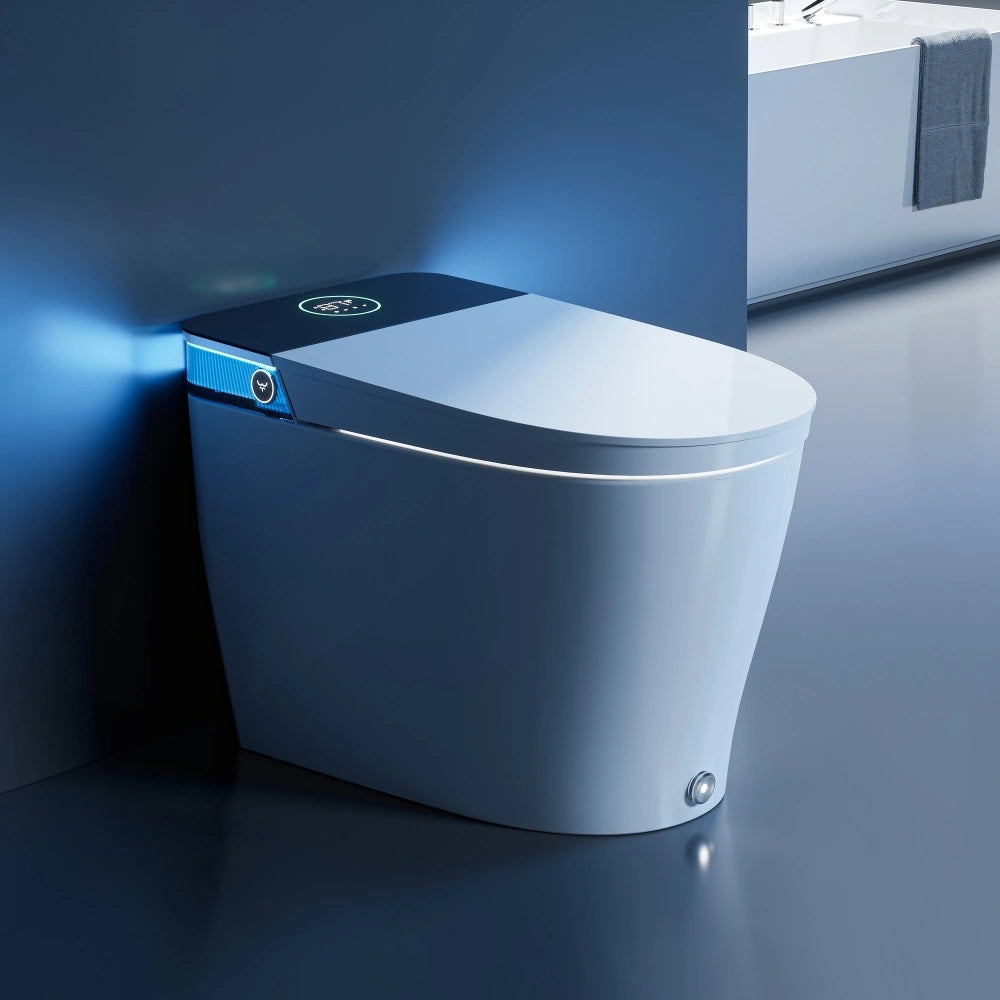
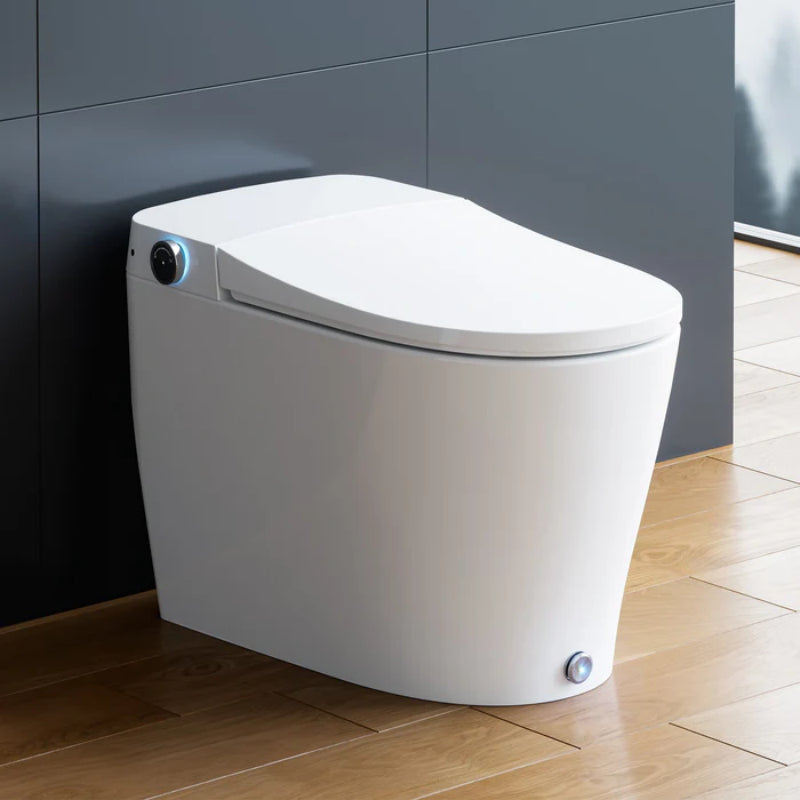
If a full smart toilet matches your budget, bathroom setup, and expected daily use, these current HOROW models are options to compare before making a final decision. Review the individual product page and installation requirements for the model you are considering.
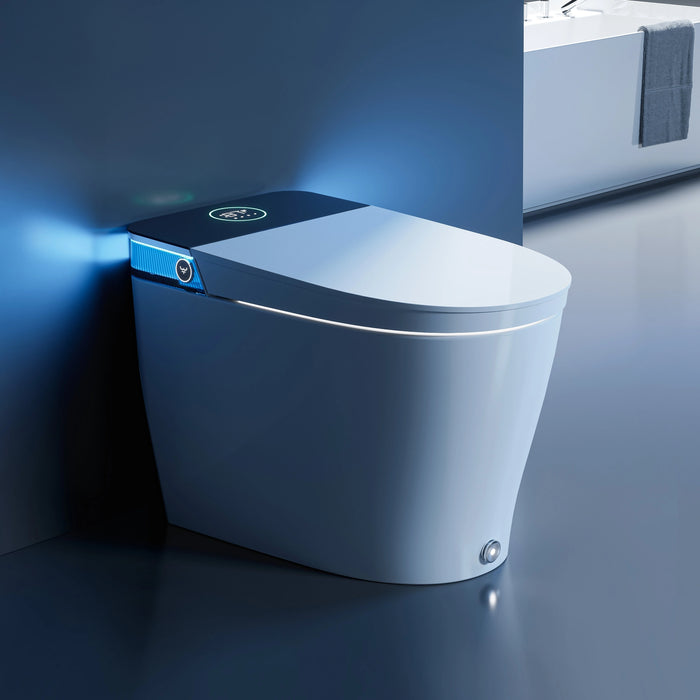
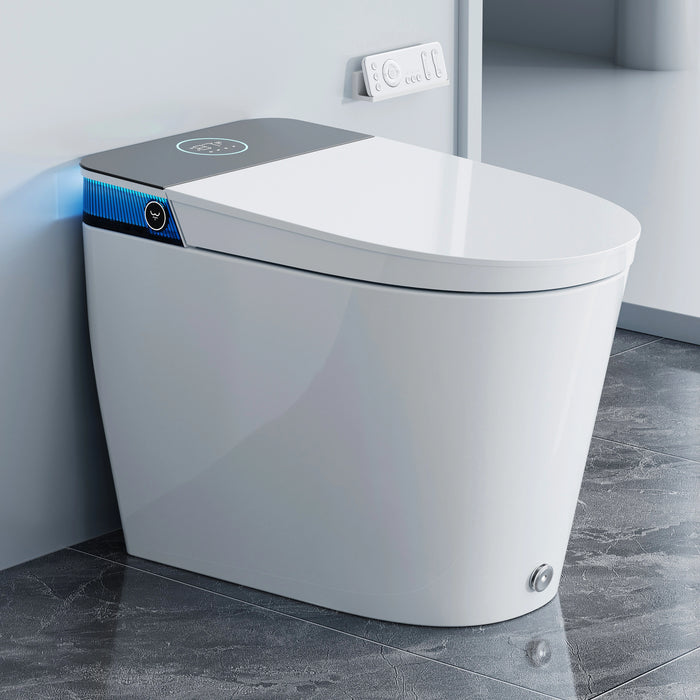
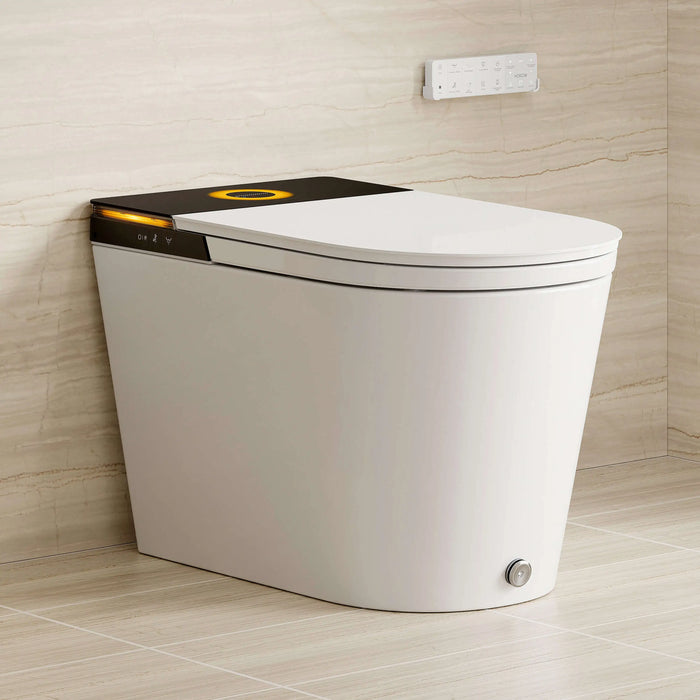
Want to compare more options? Explore HOROW smart toilets .
Final Buying Checklist
Before ordering, confirm:
- The complete installed fit and service clearance
- Plumbing and electrical compatibility
- Itemized fixture and installation costs
- Required filters, cleaning, and descaling
- Local access to service and replacement parts
- Warranty coverage for parts and labor
- Operation during a power or component failure
- Whether a bidet seat would meet the same needs for less
Frequently Asked Questions
How much does a smart toilet really cost?
A smart toilet usually costs more than the sticker price because the final amount depends on installation, setup requirements, and long-term upkeep. The toilet itself may only represent part of the budget if the bathroom needs electrical work, plumbing adjustments, or additional accessories. Costs also vary depending on the features included, such as heated seats, dryers, sensors, and automated functions. Getting a complete quote before purchase helps you understand the real project cost.
Do smart toilets need replacement filters?
Some smart toilets need replacement filters, but the maintenance requirements depend on the specific design and water system. Certain models may use filters for water quality, deodorizing, or component protection, while others may require different care steps. Homes with hard water may need more frequent cleaning or descaling to prevent mineral buildup. Always check the manufacturer’s maintenance instructions before choosing a model.
Do smart toilets use a lot of electricity?
Smart toilets typically use a small amount of electricity, but the actual usage depends on how often the features run and how the unit manages power. Heated seats, instant water heating, dryers, and standby functions can all affect energy consumption. A household that uses these features frequently may notice more usage than one that mainly uses basic flushing. Checking the product specifications can help estimate operating costs more accurately.
Are smart toilets worth the money?
Smart toilets can be worth the money when the added features improve everyday comfort or make bathroom use easier. They are usually a better fit for homeowners who plan to stay longer, use the functions regularly, or are already updating the bathroom. The value is harder to justify when the main goal is only saving on toilet paper. In those cases, a simpler option such as a bidet seat may provide enough functionality with less upfront expense.
References
https://www.epa.gov/watersense
https://www.nfpa.org/codes-and-standards/nfpa-70-standard-development/70


Leave a comment
This site is protected by hCaptcha and the hCaptcha Privacy Policy and Terms of Service apply.