
A rain glass shower door offers moderate privacy while allowing natural light to enter the shower area. Compared with clear glass, it hides more visual details, while compared with frosted glass, it usually maintains a softer pattern and stronger connection with the surrounding bathroom. It provides more privacy than clear glass while usually preserving more light and visual connection than dense frosted glass or a closed curtain.
The best choice depends on what you need the enclosure to do. Rain glass suits shared bathrooms, hides shower clutter, and makes everyday water spots less noticeable. Clear glass preserves open sightlines, displays decorative tile, and offers a smooth wiping surface. Frosted glass creates stronger visual separation, while a curtain provides flexible access.
Rain glass is not automatically the best privacy or low-maintenance option. Its actual performance depends on pattern density, lighting, texture orientation, cleaning access, and household needs.
Rain Glass vs Other Shower Door Options
Decision Snapshot: Choose Rain for Forgiving Privacy
Use this comparison to identify your priorities before focusing on pattern names or hardware finishes.
|
Option |
Privacy |
Sightlines and light |
Cleaning experience |
Best suited to |
|
Rain glass |
Moderate; outlines may remain visible |
Passes light but obscures detail |
Hides spots, though texture may require extra scrubbing |
Shared baths, visible shower clutter, privacy-conscious users |
|
Clear glass |
Minimal |
Preserves the most visual openness |
Shows marks quickly but is easy to wipe evenly |
Small rooms, decorative tile, monitoring or visual communication |
|
Frosted glass |
Usually stronger than rain glass |
Passes diffuse light but creates a stronger boundary |
Conceals some marks but may show uneven residue |
Bathrooms where visual separation is the priority |
|
Curtain |
Adjustable when opened or closed |
Blocks the view when closed |
Washable or replaceable, but liners need moisture control |
Flexible access, changing care needs, tight layouts |
Choose rain textured shower glass when privacy, filtered light, and a forgiving day-to-day appearance matter more than an uninterrupted view. Do not assume it provides complete concealment: silhouettes and movement may remain visible under strong backlighting.
Choose Clear for Openness and Monitoring
Clear glass makes the shower feel visually connected to the rest of the bathroom. It is particularly useful when the room is narrow, light is limited, or tile and fixtures are meant to remain visible.
It is also the most practical glass option when someone outside the shower needs clear visual contact. That may apply when supervising a child, assisting a person with limited mobility, or communicating through facial expressions and gestures.
The trade-off is exposure. Bottles, razors, streaks, and mineral spots remain visible. Clear glass therefore rewards households willing to wipe it regularly or accept visible marks between cleanings.
Choose Frosted for Stronger Visual Separation
In a rain glass vs frosted glass comparison, the main difference is the degree and style of visual separation.
A rain pattern distorts the image through raised or irregular surface textures. Frosted glass generally creates a flatter, more uniformly diffused view. That often makes frosted glass the better choice when privacy is more important than seeing the shower interior.
Neither finish should be treated as automatically opaque. A person standing close to the panel may still cast a recognizable silhouette, especially with bright light behind them. Test a large sample under realistic lighting before deciding.

Choose Curtains for Flexible Privacy and Access
A curtain can be pulled aside across most of the shower opening. It can also be changed if privacy, access, or decorating needs evolve.
Its disadvantages are different from those of glass. A closed curtain visually divides the room, while an undersized or poorly positioned liner may allow splashing. Fabric and liners also need appropriate cleaning and drying.
A curtain is therefore more than a budget alternative. It may be the better functional choice when a rigid panel would restrict entry, door clearance, or caregiver access.
Which Trade-Off Matters Most?
Privacy or Uninterrupted Sightlines?
Clear glass preserves tile lines, floor lines, and views through the shower. Rain glass obscures those details while still transmitting light. Frosted glass establishes a more pronounced visual boundary.
The privacy provided by a rain pattern shower door varies with:
- Pattern depth and density
- Distance between the user and the glass
- Light behind the person showering
- Viewing angle
- Whether the glass is wet
Test a sample with one person on each side. Check it both close up and from normal bathroom viewing distances, with the shower-side lighting on. This is more reliable than viewing a small sample against a showroom wall.
Hidden Spots or Faster Smooth-Glass Wiping?
Rain glass often looks cleaner between cleanings because the pattern makes dried droplets and light streaks less obvious. That can be valuable in a busy bathroom where not everyone uses a squeegee.
However, concealed residue is still present. If soap and minerals collect in textured areas, the glass may need brushing or wiping from different directions. Smooth clear glass reveals marks sooner but allows more uniform cleaning pressure.
The distinction is simple:
- Choose rain glass for a more forgiving appearance between cleanings.
- Choose smooth glass for easier inspection and straightforward wiping.
Frosted glass can also disguise spotting, although uneven residue may become visible as shiny or cloudy patches under angled light.

Filtered Light or Maximum Visual Space?
Rain glass allows light to enter the shower, but it does not preserve a clear view. A bathroom can remain bright while still feeling more visually divided.
That distinction matters most in compact rooms or bathrooms with dark finishes. A subtle texture may have little impact in a bright space, while a dense pattern can read as another decorated surface and shorten the apparent sightline.
Choose clear glass when maximum perceived space is the priority. Choose rain glass when the room already has adequate light and moderate privacy is worth the visual interruption. Some enclosures may also support a combination of clear and patterned panels, depending on product availability.
Decorative Pattern or Design Neutrality?
Patterned shower glass contributes directly to the bathroom’s style. Rain textures can look soft and watery, but they remain visible when tile, paint, or hardware changes.
Clear glass is more neutral because it allows the surrounding finishes to define the room. Frosted glass is visually quiet in a different way, but its uniform opacity can make the enclosure feel more substantial.
Evaluate rain glass from several steps away. A pattern that appears subtle in a small sample may look much busier across a complete door or enclosure.
Does Rain Glass Deliver Better Value?
Equal Safety Specs or Misleading Price Gaps?
Rain refers to the glass finish rather than the overall quality of the shower enclosure. Compare equivalent door systems before attributing a price difference to the pattern.
Check the glass specification, opening method, hardware, edge treatment, installation requirements, and product documentation. Confirm safety-glazing requirements for the specific enclosure and location instead of judging by appearance alone. In residential bathrooms, certain glass installations may require safety glazing to reduce injury risks if breakage occurs. Requirements vary by location, so homeowners should review applicable safety glazing standards for architectural glass and confirm local building requirements before installation.
When browsing HOROW glass shower door options, first identify configurations that fit the opening. Compare privacy finishes only after confirming that the door style suits the bathroom layout.
Stock Option or Special-Order Pattern?
Clear glass is commonly offered across many door configurations, while a particular rain texture may have fewer size or hardware combinations. Availability varies, so ask:
- Is the selected pattern offered on every required panel?
- Will the pattern direction align across the enclosure?
- Which face carries the texture?
- Could a matching replacement panel be obtained later?
- Does the finish affect ordering or installation arrangements?
- Is a large sample available to inspect?
Names such as “rain,” “water,” or “obscure” do not guarantee identical patterns. Compare the actual glass rather than relying on the finish name.
Pattern Upgrade or Protective Coating?
A patterned finish and a protective glass treatment address different concerns. Rain glass changes privacy and appearance. A compatible treatment may make residue less likely to adhere strongly, but it does not create privacy or eliminate cleaning.
If the budget requires prioritization, consider the room’s main problem. A shared bathroom may benefit more from pattern-based privacy. A private bathroom with decorative tile and persistent spotting may benefit more from clear glass paired with an appropriate care treatment.
Confirm whether any treatment is compatible with the selected texture, which surface receives it, and which cleaners the product instructions permit.
Privacy Value or Broader Resale Appeal?
Clear glass tends to have broader visual appeal because it is neutral and displays the complete shower. Rain glass is a more personal choice: some users value its privacy, while others may consider the pattern too prominent.
That does not make clear glass a universal financial winner. If the household will use a shared bathroom daily, lasting comfort may matter more than trying to predict another buyer’s taste.
Choose clear when near-term design neutrality is important and privacy is secondary. Choose rain when its practical privacy value is likely to remain useful.
Which Choice Fits the Bathroom Better?
Is Rain Glass Worth It in Small Bathrooms?
Rain glass can work in a small bathroom, but clear glass generally preserves more perceived space. A light pattern paired with bright finishes may provide privacy without creating a heavy visual barrier. Dense texture beside dark tile can make the enclosure feel more prominent.
Consider the view from the bathroom entrance. If the shower door is the first surface you see, its pattern will strongly influence the room. If the enclosure sits outside the main sightline, texture may have less effect on spaciousness.
For a very narrow room, favor clear glass unless privacy clearly outweighs openness.

Will Rain Glass Hide Expensive Tile?
Rain glass preserves broad color and shape but obscures grout lines, veining, mosaics, niches, and other fine details. This is useful when you want to soften a utilitarian shower interior or hide product clutter. It is less suitable when premium tile is intended to be the room’s focal point.
View the sample from the doorway rather than only from beside the shower. If the tile loses the detail you paid to display, choose clear glass or the lightest texture that meets your privacy needs.
Subtle Texture or Dense Pattern?
Not all rain glass produces the same result. A subtle pattern softens details while retaining some view of the tile and user. It also introduces less visual weight in a compact room.
A denser pattern provides greater diffusion and can hide more clutter, but it may also obscure communication and make the enclosure look busier. Pattern depth can affect cleaning as well as appearance.
Inspect the glass while dry and wet, from the front and at an angle. Lighting and moisture can change how much detail remains visible.
Tight Clearance: Glass Door or Curtain?
A shower door must work when open as well as closed. Check its relationship to the toilet, vanity, towel bars, bathroom entry, and available standing space.
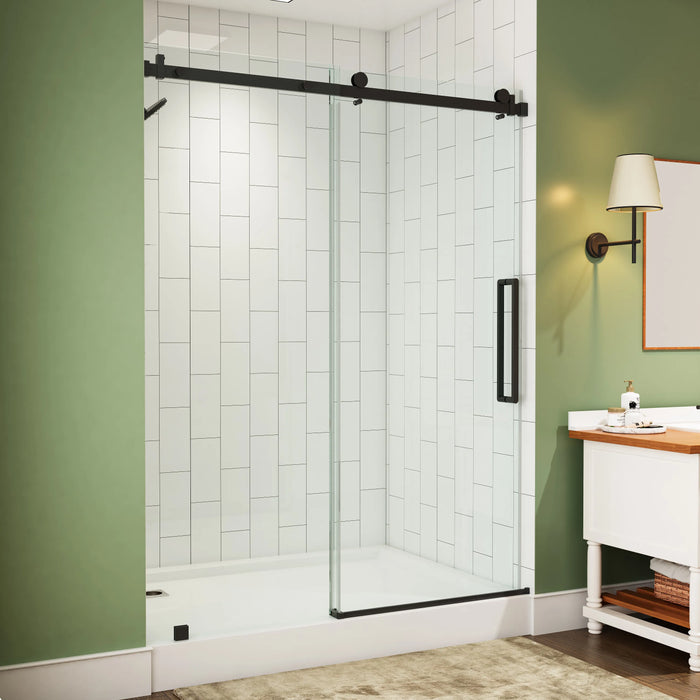
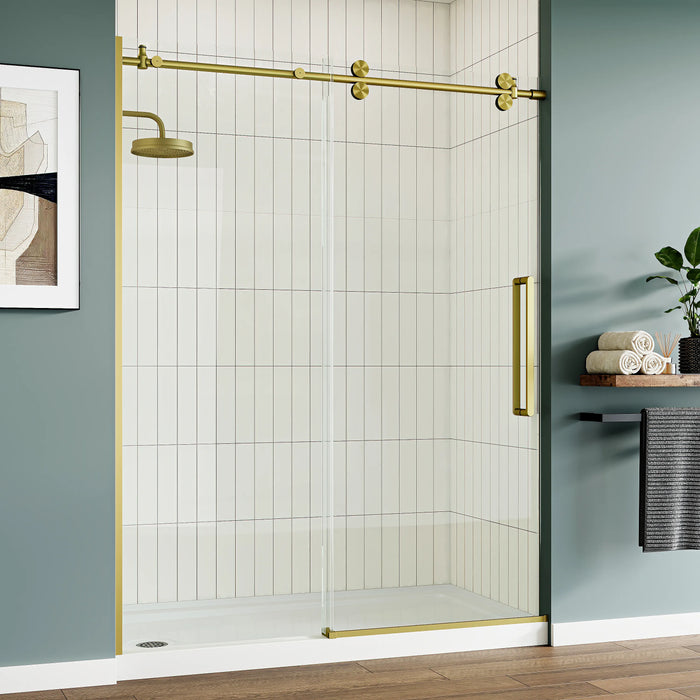
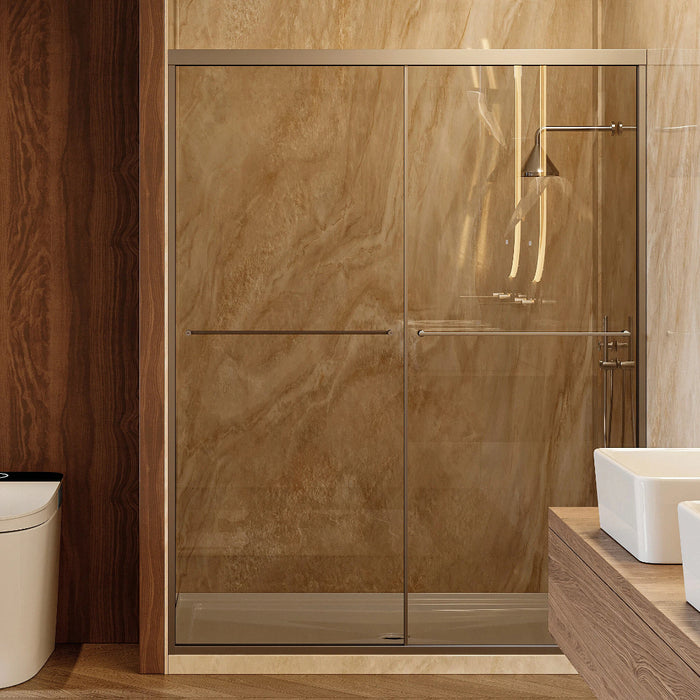
Sliding or folding doors can reduce outward swing, although tracks and overlapping panels may introduce harder-to-reach cleaning areas. Fixed panels avoid door swing but can restrict the usable entrance. Curtains offer the most flexible opening when rigid glass would interfere with access.
Review shower door configurations only after measuring the usable opening and surrounding obstacles. Follow the product’s installation requirements rather than selecting by nominal opening size alone.
Which Option Fits Household Use?
Shared Bathroom: Privacy or Visibility?
Rain glass is often most useful when two people use the bathroom at the same time. It reduces exposure and softens the view of bottles without blocking light as completely as a closed curtain.
However, household definitions of privacy differ. Discuss whether someone uses the sink or toilet during showers, whether the room has a separate toilet area, and how much silhouette visibility is acceptable.
Choose rain for moderate visual privacy. Choose frost for stronger separation. Choose clear when simultaneous use is uncommon or visibility matters more than concealment.
Will Reduced Visibility Create Safety Problems?
Privacy can become a disadvantage when another person needs to observe movement inside the shower. Clear glass supports visual checks without opening the enclosure, while rain and frosted glass may conceal posture, footing, or gestures.
A curtain can offer flexible visibility because it can be opened partly or completely. It may also provide a wider access area than some rigid enclosures.
No door finish makes a shower accessible or safe by itself. When a user has a fall risk or needs assistance, consider the entire bathroom layout. Entry width, controls, flooring, support features, and caregiver reach can all affect usability.

Clear Faces or Diffused Communication?
Rain glass can blur facial expressions, lip movements, and hand gestures. That may matter when a household member depends on visual communication or when someone inside the shower needs reassurance from another person.
Clear glass best preserves eye contact. A curtain permits adjustable visual contact. Dense rain or frosted glass provides the least visual communication.
Personal comfort also matters. Some people feel relaxed behind diffused glass; others feel enclosed or disoriented when they cannot see out clearly. Test the experience from both sides of a large display.
Guest Bath: Forgiving Looks or Easy Scrubbing?
Rain glass can help a guest bathroom maintain a tidier appearance between cleanings. Clear glass makes every mark visible but is easier to inspect and wipe evenly after guests leave.
Choose rain if quick visual tidiness is the goal and periodic detailed cleaning is manageable. Choose clear if you want to see residue immediately and clean a smooth surface. If children, older guests, or assisted users regularly use the room, access and visibility should take precedence over appearance.
Which Is Easier to Live With?
Cleaner Appearance or Cleaner Surface?
A rain glass shower door may look cleaner without being easier to clean. Its pattern breaks up reflections, making water spots and streaks less noticeable from normal viewing distances.
Clear glass provides the opposite experience. Marks appear quickly, but the flat surface is easier to wipe uniformly and inspect afterward.
Household habits should decide this trade-off. Inconsistent cleaners may appreciate rain glass’s forgiving appearance, while detail-focused cleaners may prefer a smoother surface that is easier to inspect. Regular bathroom cleaning also helps manage moisture-related issues, since damp areas can support mold growth when they are not properly maintained. Homeowners can follow CDC recommendations for preventing mold in indoor environments when developing a bathroom cleaning routine.
Which Option Handles Hard Water Better?
Rain glass conceals the appearance of some mineral spots better than clear glass, but it does not prevent deposits. If minerals settle in a textured face, buildup may be less noticeable until parts of the pattern look cloudy.
Clear glass exposes deposits immediately, which can make the door appear demanding. Its smooth surface, however, allows more even wiping and scrubbing.
For either finish, also inspect tracks, hinges, corners, and panel overlaps. These areas may be more difficult to reach than the center of the door and can matter more than the glass pattern itself.
Textured Interior or Smooth Cleaning Face?
Ask which side of the rain glass is textured. A smooth shower-facing surface is generally easier to wipe because water and residue are not settling directly into the pattern. Product construction varies, so texture orientation should never be assumed.
Also confirm whether both faces remain reachable after installation. A textured panel beside a wall or behind an overlapping sliding panel may be awkward to clean even if the exposed center is easy to access.
Use the manufacturer’s care directions for the selected glass and any surface treatment. Abrasive tools or incompatible cleaners may not be appropriate for every product.
Limited Reach: Smooth Glass or Textured Grooves?
Smooth glass is usually easier to clean with a long-handled tool because it does not require working into grooves from several directions. Texture can demand closer contact and more deliberate pressure, particularly near corners and hardware.
Before buying, simulate the cleaning motion. Check whether you can reach the top, bottom edge, hinges, wall-side face, and sliding-door overlap without uncomfortable stretching.
For users with limited grip, reach, or shoulder movement, manageable panel access should take priority over a decorative finish.
When Does Rain Glass Become Regrettable?
Changing Care Needs or Lasting Privacy?
A privacy-focused enclosure may become inconvenient if the bathroom later needs to support children, assisted bathing, or visual monitoring. The same diffusion that once increased comfort can then block useful sightlines.
Clear glass is more adaptable when future visibility needs are uncertain. A curtain provides even more flexibility because it can be opened completely or replaced. Rain glass remains a strong choice when shared-bath privacy is a stable, long-term priority.
Distinctive Pattern or Timeless Neutrality?
A strong rain texture can become one of the bathroom’s dominant design elements. That may be desirable in a room designed around soft or decorative surfaces, but it can conflict with future changes to tile and hardware.
Clear glass is the most visually neutral choice. A light rain pattern provides a compromise for buyers who want some privacy without making the door a focal point.
Do not choose a pattern solely because it looks distinctive in a showroom. Consider whether you would still want it after changing the rest of the room.
Which Choice Ages Better?
How well an enclosure ages depends on installation, hardware, water exposure, cleaning access, and household care—not simply whether the glass is clear or patterned.
Clear glass stays stylistically neutral but shows spotting. Rain glass hides ordinary marks better but can conceal buildup until it requires more focused cleaning. Frosted glass may develop uneven-looking areas when residue changes its surface appearance.
The finish that ages best is the one aligned with realistic maintenance habits. Choose based on how the household actually cleans, not on an ideal routine.
Texture Comfort or Sensory Irritation?
Rain glass has a noticeable visual and tactile character. Some users enjoy its watery pattern and diffused movement. Others dislike distorted views, touching ridges, or moving a cleaning tool across texture.
These reactions can be difficult to judge from photographs. View a large sample while walking past it, look through it under bright light, and touch both faces. A minor sensory annoyance may become more noticeable when experienced at close range every day.
Before You Buy
- Decide whether privacy, visibility, or visual openness is the first priority.
- Compare rain, clear, and frosted samples under shower-side lighting.
- Test privacy close to the glass and from normal viewing distances.
- Confirm which face is textured and exposed to water.
- Check whether the pattern hides tile or niches you want to display.
- Measure door movement, entrance width, and nearby obstacles.
- Consider caregiver visibility and visual communication needs.
- Check access to tracks, hinges, overlaps, and wall-side surfaces.
- Compare equivalent enclosure configurations, not glass finishes alone.
- Confirm pattern availability, replacement options, and care instructions.
FAQs
What is rain glass on a shower door?
Rain glass is a textured shower glass designed to reduce visual details while still allowing light through. The surface pattern creates a decorative look that falls between clear and heavily obscured glass. It is commonly used when homeowners want some privacy without fully blocking the bathroom’s natural light.
Does rain glass provide privacy?
Rain glass provides moderate privacy but does not completely hide a person’s shape or movement. The level of privacy depends on the glass pattern, bathroom lighting, viewing distance, and whether the glass is wet. For stronger separation, a denser texture or frosted glass may be a better fit.
Is rain glass harder to clean than clear glass?
Rain glass is not always harder to clean, but textured surfaces may require more attention in some situations. The pattern can make everyday water marks less noticeable, while residue may collect in deeper textures over time. Clear glass is usually faster to wipe because the surface is completely smooth.
Does rain glass make a bathroom look smaller?
Rain glass can make a small bathroom feel slightly more divided because it reduces clear sightlines. The effect depends on the pattern, lighting, and surrounding finishes. A lighter texture can maintain a more open feel compared with a dense design.
Is rain glass better than frosted glass?
Rain glass is better for homeowners who want moderate privacy with a decorative texture, while frosted glass usually creates stronger visual separation. The better choice depends on whether you value a softer pattern or a more private appearance. Neither option works best for every bathroom layout or household need.
Which side should the rain texture face?
The textured side should be chosen based on cleaning access, installation design, and the specific glass construction. Many homeowners prefer the smoother side facing the shower area because it is easier to wipe. Always confirm the glass orientation before ordering because designs vary between manufacturers.


Leave a comment
This site is protected by hCaptcha and the hCaptcha Privacy Policy and Terms of Service apply.