
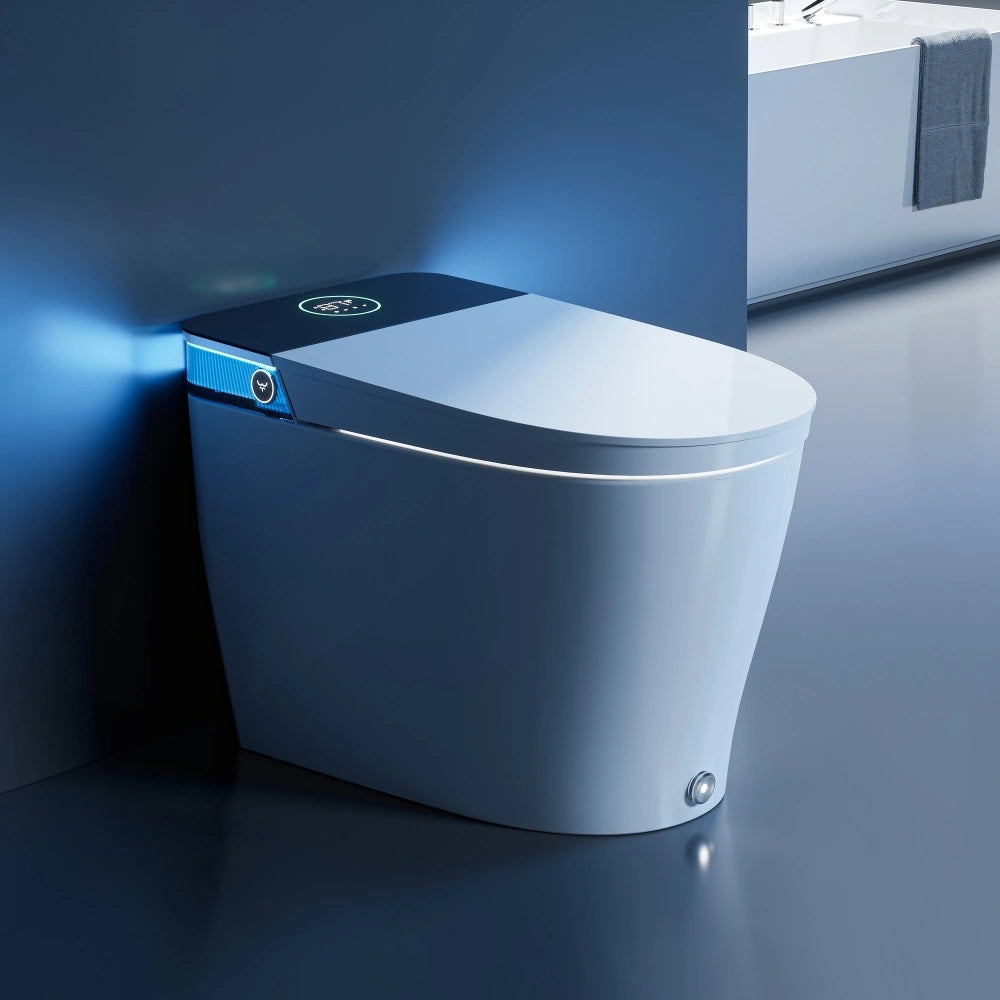
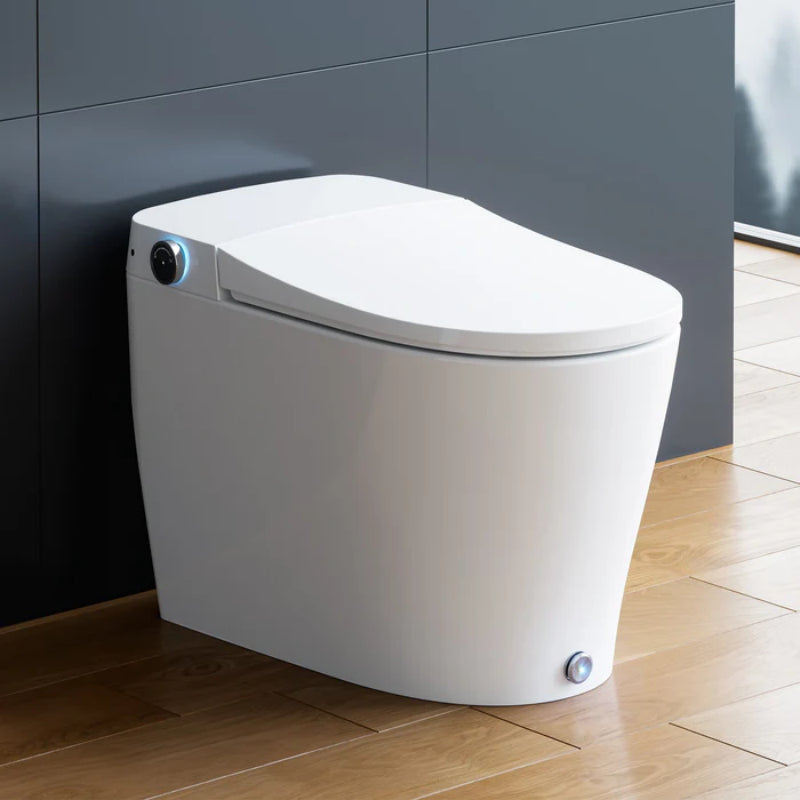
A smart toilet’s lifespan is not defined by the ceramic bowl alone. The bowl may remain sound long after a sensor, heater, pump, motor, remote, or control board needs service. A more useful measure is how long the features you value remain functional, repairable, and worth maintaining.
The upkeep may be worthwhile when washing, drying, seat heating, or hands-free controls provide meaningful daily comfort or accessibility. It may not be worthwhile if your priority is a simple fixture with widely available parts and minimal maintenance.
Decision snapshot
| Your priority | Likely fit |
|---|---|
| Daily comfort, washing, drying, or easier controls | A smart toilet may justify the upkeep |
| Easier bathroom use for someone with limited reach or mobility | Smart functions may provide lasting practical value |
| Simple ownership and straightforward repairs | A conventional toilet may be a better fit |
| Minimal cleaning and no recurring consumables | Review smart-toilet maintenance carefully before buying |
| Reliable operation during frequent outages | Confirm manual and backup functions for the specific model |
Does a Smart Toilet Suit Long-Term Ownership?
Best for Comfort and Accessibility Seekers
Smart features offer the most long-term value when they solve a recurring problem rather than provide short-lived novelty. Warm-water washing, a heated seat, drying, night lighting, and automatic controls can reduce effort and make nighttime bathroom use more convenient.
For someone with limited reach or mobility, washing and hands-free functions may be particularly useful. However, suitability depends on the individual and the bathroom layout. Check whether the intended user can understand and operate the remote, side panel, flush controls, and any manual backup features.
The benefits of a long smart toilet lifespan are therefore not simply “more years of use.” The real benefit is receiving consistent value from comfort or assistance features over those years.
Skip It for Simpler, Low-Upkeep Ownership
A smart toilet is less suitable if you want to install a fixture and give it little attention. Sensors, heaters, pumps, filters, powered lids, and circuit boards create additional maintenance and failure points.
Consider whether household members will continue using the smart functions after the initial novelty fades. Repairing an automatic lid or deodorizing system may not feel worthwhile if no one depends on it.
A feature-heavy model may also be unnecessary in an occasional-use guest bathroom. If simple operation, familiar controls, and easy servicing matter most, fewer powered features can reduce long-term ownership friction.
What Does Lifespan Actually Mean?
How Long Does a Smart Toilet Last?
There is no dependable lifespan figure that applies to every smart toilet. Designs, water conditions, maintenance, component quality, usage, installation, and parts support all differ. Long-term reliability records may also be limited for newer models.
Instead of relying on one headline estimate, ask three questions:
- How long can the toilet continue flushing?
- How long are its electronic and water-delivery features likely to remain serviceable?
- Will replacement parts and qualified support still be available if something fails?
Review the specific product manual, care instructions, and warranty terms. A general category estimate cannot override model-specific documentation.
Ceramic Can Outlast Smart Components
The ceramic body and the smart assembly have different durability profiles. The bowl does not rely on sensors, software, heating elements, or motors, so it may remain usable even when an electronic feature stops working.
Evaluate smart toilet durability by subsystem:
| Subsystem | Long-term concern |
|---|---|
| Ceramic body | Cracks, mounting issues, or physical damage |
| Water-delivery system | Scale, blocked nozzles, worn seals, valves, or pumps |
| Electronics | Sensors, controls, heaters, wiring, and circuit boards |
| Moving components | Powered seats, lids, and automatic mechanisms |
| Accessories | Remotes, filters, cartridges, and other model-specific items |
A failure in one subsystem may not disable the entire toilet. It can, however, remove the feature that justified buying it.
Partial Failures Can Reduce Overall Value
A smart toilet might continue flushing while losing seat heating, washing, drying, deodorizing, or automatic lid operation. That creates a practical choice: continue using a partly functional unit, arrange a specialized repair, or replace an integrated assembly.
Minor performance problems can also reduce satisfaction before complete failure. Sensors may respond inconsistently to user position or nearby movement, while powered components can become slow or unreliable.
Before buying, decide which functions are essential and which are optional. A failed night light is different from losing a washing function on which a user depends.
Will Repairs Preserve Its Practical Lifespan?
Are Replacement Parts Available Later?
Parts availability can matter more than the original lifespan estimate. Control boards, pumps, remotes, sensors, valves, and seat assemblies are often model-specific rather than universal.
Before installation, ask whether major components are sold separately and how replacement parts are identified. Product diagrams, clear model information, and an established support process can make future repairs easier, although they cannot guarantee indefinite availability.
Keep the receipt, model number, serial number, manual, and installer information. These records can help identify compatible parts and support a future warranty or service request.
Electronics Coverage May End Earlier
Do not assume that the ceramic, electronics, seat, and moving mechanisms all have identical warranty terms. Coverage and exclusions can vary by component, fault, and model.
A warranty is not a prediction of service life. It only defines certain responsibilities during the stated coverage period. Read the terms for installation-related damage, water damage, unsuitable cleaning products, misuse, and unauthorized repair.
Also investigate what happens after coverage ends. A product is generally easier to keep in service when individual components can be replaced instead of requiring an entire electronic or seat assembly.
Specialized Repairs Can Limit Viability
An ordinary plumbing problem and an electronic fault may require different expertise. A plumbing professional may address a leak or supply connection but may not diagnose a control board, sensor, or powered seat mechanism.
The manufacturer’s support process therefore matters. Find out whether troubleshooting can be performed remotely, whether replacement modules are available, and who is expected to install them.
Physical access is equally important. Even an available part may be impractical to replace if the toilet is tightly enclosed or difficult to disconnect without disturbing nearby finishes.
Does Maintenance Fit Your Routine?
Does It Require More Maintenance?
A smart toilet generally requires more varied maintenance than a basic toilet. “Self-cleaning” usually applies to a particular process, such as rinsing the wash wand; it does not mean the entire unit is maintenance-free.
Owners may still need to:
- Clean the bowl, seat, exterior, and nozzle as directed
- Inspect accessible water connections
- Remove mineral buildup from water-contact components
- Replace applicable filters or cartridges
- Avoid cleaners that may harm coatings, plastics, seals, or electronic areas
Always follow the model’s care instructions rather than applying the same cleaner to every surface.
Hard Water Raises Descaling Demands
Hard water can leave mineral deposits in narrow passages and on nozzles, valves, pumps, and heated components. These deposits may reduce spray performance or interfere with moving and water-control parts.

If mineral buildup is already common on your faucets or showerhead, examine the toilet’s descaling instructions before buying. Confirm which parts can be accessed and whether the process is realistic for your household.
Hard water does not automatically rule out a smart toilet, but it can increase the maintenance required to preserve the unit’s practical lifespan.
Consumables Add Recurring Upkeep
Some smart toilets use water filters, deodorizing materials, or other replaceable cartridges. These products create ongoing tasks and expenses beyond routine cleaning.
Determine which consumables are required, which are optional, and whether core functions continue without them. Also check how replacements are ordered. Proprietary items can become inconvenient if future supply is limited.
Can Your Bathroom Support Long-Term Use?
What Happens During a Power Outage?
A power outage can stop functions such as washing, heating, drying, automatic lids, and electronic controls. Flushing behavior varies by design, so it should not be assumed that every smart toilet will operate like a conventional model without power.
Check the product instructions for manual flushing, backup operation, and restart procedures. This is especially important in homes with frequent outages or when someone relies on a powered function for easier bathroom use.
Electrical and Plumbing Access Matter
The bathroom must match the product’s stated power, water-supply, drainage, fit, and installation requirements. These details vary by model and should be checked before purchase rather than after delivery.

Do not judge compatibility by floor space alone. Outlet and shutoff-valve placement can affect installation and later service. If the instructions or site conditions are unclear, have the model documentation and bathroom reviewed by appropriately qualified local professionals.
You can compare available configurations in the HOROW smart toilet collection, but compatibility should always be confirmed from the current product information and installation instructions.
Service Clearance Prevents Future Friction
A compact installation can look tidy while making maintenance difficult. Allow practical access for shutting off water, disconnecting power, inspecting connections, and reaching serviceable parts.
Nearby walls, cabinets, doors, and trim should not obstruct controls or moving components. Future removal also deserves consideration, particularly when the toilet sits in a narrow enclosure.
Before You Choose
- Identify the smart functions you will use regularly.
- Confirm what continues working without electrical power.
- Compare coverage for ceramic, electronics, and moving components.
- Ask whether major model-specific parts can be purchased separately.
- Review cleaning, descaling, filter, and cartridge requirements.
- Consider whether local water conditions increase scale buildup.
- Verify installation requirements and future service access.
- Save the receipt, manual, model number, and serial number.
HOROW Smart Toilets to Compare
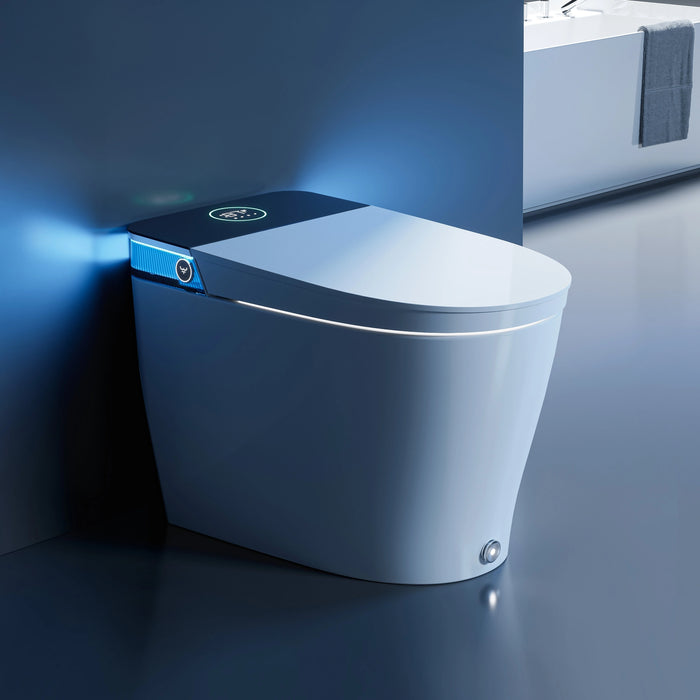
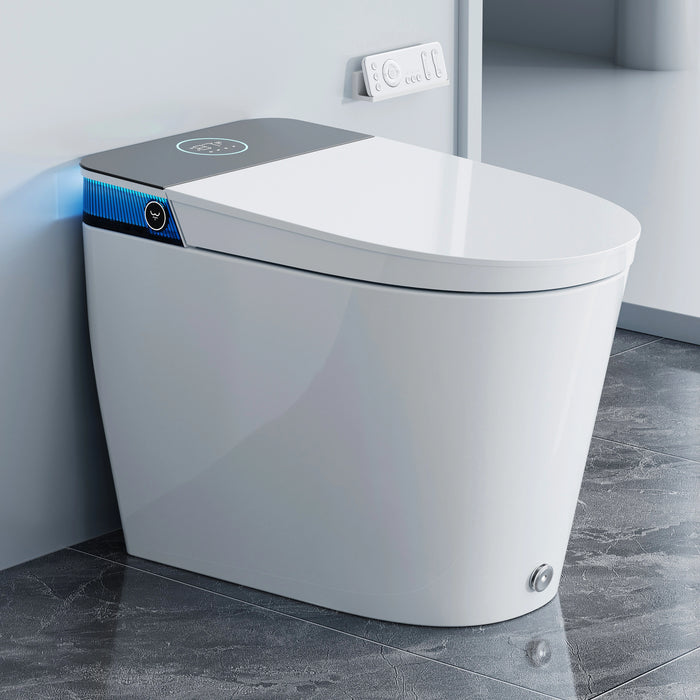
After reviewing long-term maintenance and installation considerations, you can compare these current HOROW smart toilet models. Check each product page for current specifications, installation requirements, care information, and warranty details, or browse the HOROW smart toilet collection.

Common Questions
Is a smart toilet’s lifespan worth it?
It can be when its comfort or accessibility features provide daily value and you are prepared for added maintenance. It may not be worth it if simple repairs and minimal upkeep are your main priorities.
Can a smart toilet work without power?
That depends on the design. Powered washing, heating, drying, and automatic features may stop, while flushing behavior varies. Check the specific manual for outage and manual-flush instructions.
Does self-cleaning eliminate maintenance?
No. Self-cleaning normally applies to a limited function or component. Manual surface cleaning, descaling, connection checks, and consumable replacement may still be necessary.
Can a failed smart feature be repaired?
Often it can, but repair depends on diagnosis, replacement-part availability, service access, and whether the component is replaceable on its own. These factors determine the toilet’s practical lifespan more than the ceramic bowl alone.


Leave a comment
This site is protected by hCaptcha and the hCaptcha Privacy Policy and Terms of Service apply.