
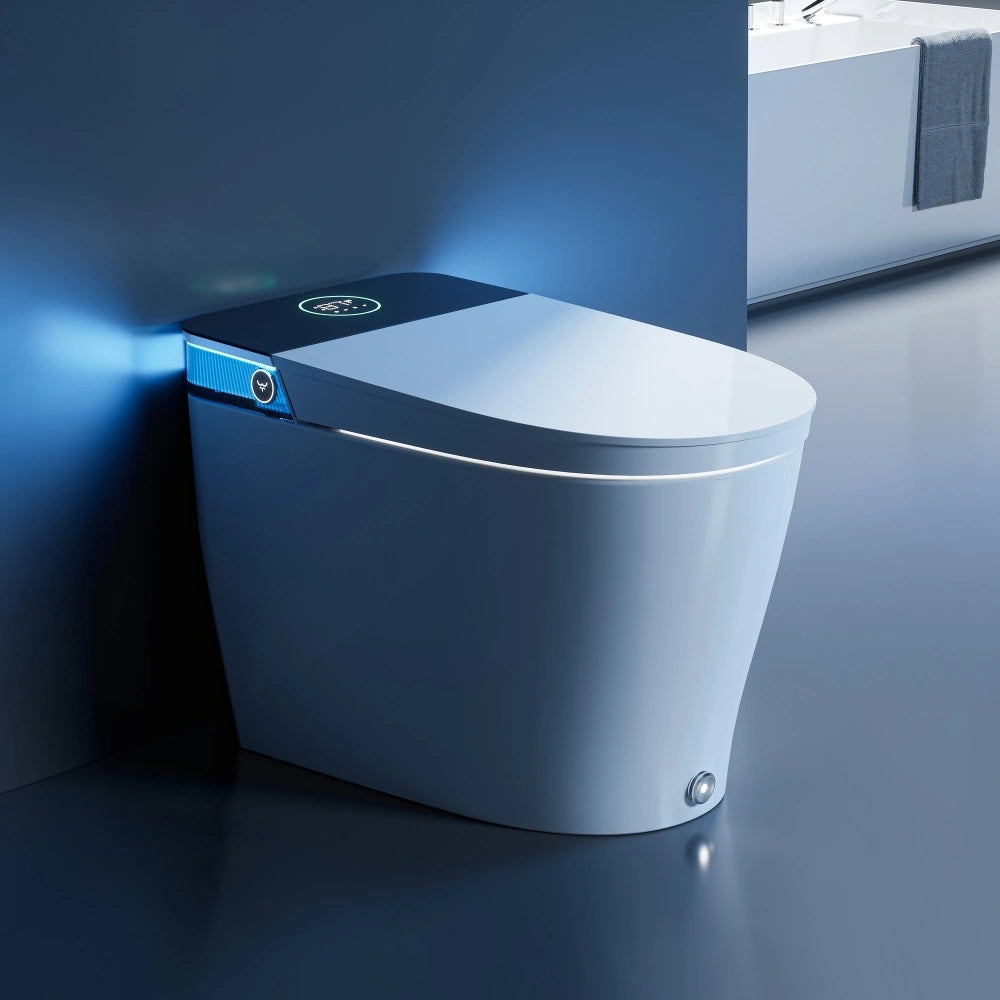
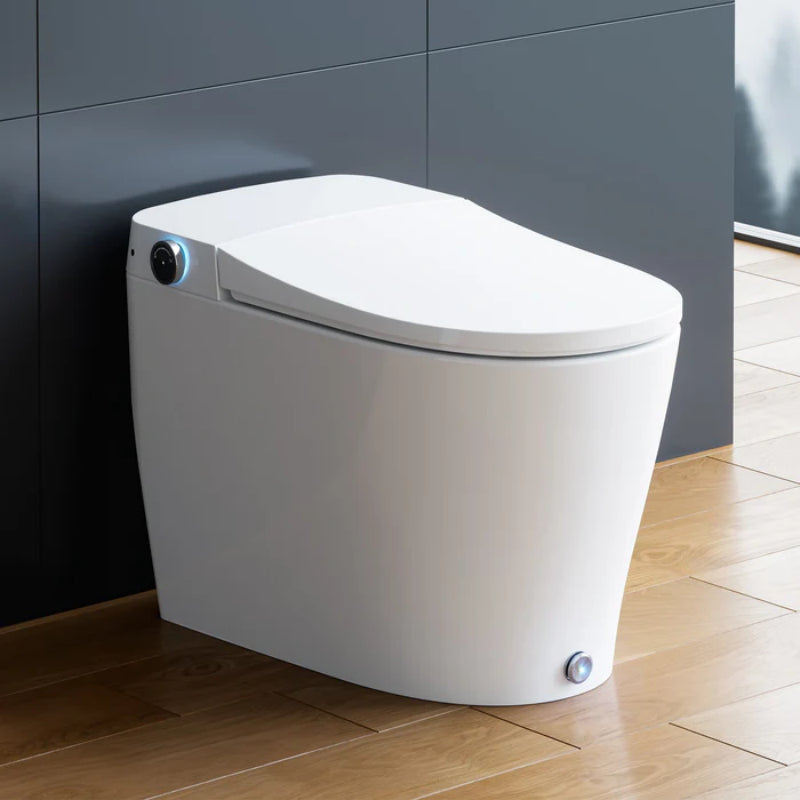
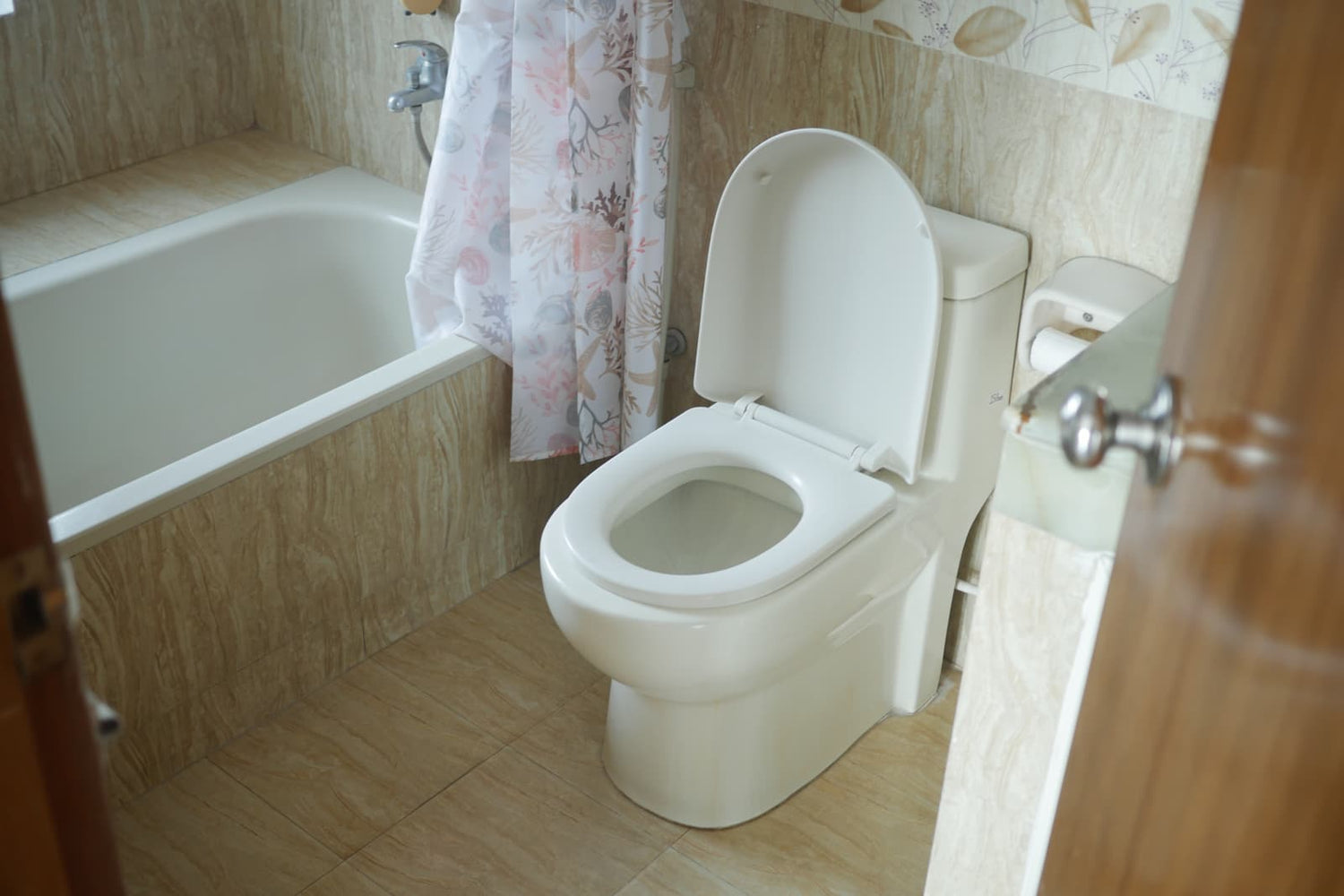
A smart toilet can be used with a septic system, provided the wastewater system is healthy and the fixture suits the home. Being “smart” does not automatically make a toilet compatible with a septic system. The key factors are verified gallons per flush, bidet water use, and household water demand. You should also consider drainage conditions, installation requirements, and what happens during power or component failures.
A bidet may reduce the amount of toilet paper entering the septic tank. An efficient toilet may also use less flush water than the fixture it replaces. However, neither benefit compensates for an overloaded tank, damaged drainfield, blocked building drain, or neglected maintenance.
Before buying, identify your septic system type, review its service history, and investigate warning signs. Then check the exact toilet manual and specification sheet rather than relying on a general “septic safe” label.
Smart Toilet for Septic System: Decision Snapshot
|
Usually a reasonable fit |
Inspect or repair before buying |
|
The septic system operates normally and is routinely serviced |
Drains are slow, toilets gurgle, or wastewater has backed up |
|
The new toilet has a verified, efficient flush volume |
The drainfield is wet, unusually green, or producing sewage odors |
|
Household water use is appropriate for the system |
The system is already overloaded by occupancy or water use |
|
The bathroom can support the specified power and plumbing connections |
The septic condition or service history is unknown |
|
Automatic flushing can be controlled, or false flushes are unlikely |
The toilet depends on power and has no practical outage procedure |
|
Parts and qualified service are accessible |
Proprietary components would be difficult to repair locally |
Best Fit: Healthy, Routinely Serviced Systems
Treat a smart toilet as a fixture connected to a functioning wastewater system—not as a septic-system improvement.
Start with the septic service record. Determine when the system was last inspected or pumped and whether the tank, drainfield, building sewer, pump, or treatment equipment has required repair. If the home has a septic service provider, review recent reports. Check whether they found pump issues, unusual liquid levels, solids buildup, or drainfield problems.
A system operating normally should accept routine household wastewater without recurring backups, sewage odors, or slow drainage. In that setting, replacing an inefficient toilet with a verified lower-volume fixture may reduce flush water entering the system. Using a bidet may also reduce toilet paper, although the effect depends on how household members use it.
Poor Fit: Failing or Overloaded Systems
Do not buy a smart toilet to work around a septic warning sign. Repeated clogs, multiple slow fixtures, sewage odors, wastewater backups, or wet ground near the drainfield need diagnosis.
A lower-volume flush cannot repair a blocked pipe or failed drainfield. Total household demand matters as much as the toilet. Showers, laundry, dishwashing, leaks, and toilet use all send water to the same septic system. A marginal system serving a busy household may struggle when several water-using activities occur close together.
Decision: If the septic system’s condition is uncertain, arrange an inspection before spending money on a smart fixture.

Is a Smart Toilet Worth It on Septic?
A smart toilet may be worthwhile for washing, reduced wiping, a heated seat, warm-air drying, easier controls, or personal comfort. These features can also be useful for someone who finds reaching and wiping difficult, although individual accessibility needs should be assessed before choosing a model.
The septic benefit is secondary. Reduced paper use means less paper enters the tank, while an efficient flush can reduce water use compared with an older, higher-volume fixture. Neither change eliminates inspection, pumping, or responsible household water use.
If bidet washing is the main goal, a replaceable bidet seat on a conventional toilet often offers simpler repairs. An integrated toilet provides a more unified appearance and feature set but may rely on proprietary parts and specialized service.
Will It Reduce Your Septic Load?
That depends on what the toilet replaces and how it is used. Consider total water and waste over a normal day—not one favorable specification.
A lower-volume toilet that replaces a less efficient fixture and reduces paper use may lower the household’s septic load. Repeated automatic flushes, frequent second flushes, or an unnoticed leak may erase that benefit.
Verify Actual Gallons per Flush
Do not assume every smart toilet is low-flow. Check the current specification sheet and installation manual for the exact model.
For a dual-flush toilet, verify both modes. The smaller figure may be featured prominently, but the solid-waste setting may better represent routine demand. If the toilet regularly needs a second flush, the published single-flush figure will understate actual use.
Check:
- The rated volume for every flush mode
- Which mode handles solid waste
- Whether flushing is gravity-based, assisted, or electrically dependent
- Whether automatic flushing can be adjusted or disabled
- Whether one visit can unintentionally trigger multiple flushes
- Whether any stated efficiency certification applies to the exact model
A lower flush volume is not always better for every plumbing system. Waste must still travel from the toilet to the septic tank. Frequent plunging, gurgling, changing bowl water levels, or sluggish drainage may indicate a line, slope, or venting problem that needs professional diagnosis.
Does Bidet Water Strain the Septic System?
A bidet adds wastewater whenever the spray operates. Actual use depends on the model, spray settings, wash duration, number of users, and household habits.
The relevant question is whether total daily and peak water use remain suitable for the septic system. Review the manufacturer’s water-use information when available, but remember that actual use may differ from a standardized cycle.
If the drainfield is already saturated or the system is overloaded, avoid adding new water-using fixtures until the problem is corrected. Paper savings should not be treated as an offset for a failing system.
Weigh Paper Savings Against Added Water
A bidet can reduce toilet paper use, especially when users rely on the dryer or use only a small amount of paper afterward. It should not encourage the use of wipes. Public septic guidance recommends flushing only human waste and toilet paper, regardless of whether a wipe is marketed as flushable. For more information on responsible septic practices, see the EPA’s septic system care guidance.
Less paper may reduce part of the material entering the tank, but it does not produce a predictable extension to the pumping schedule. Service needs depend on system design, tank condition, occupancy, waste habits, and measured sludge and scum levels.
For a closer look at the everyday hygiene and consumption trade-offs, see HOROW’s bidet versus toilet paper guide.
Watch Auto-Flush and Peak Demand
Automatic flushing becomes wasteful if a sensor responds when someone shifts position, stands briefly, or passes the toilet. Children, guests, and pets may also trigger or misuse unfamiliar controls.
Choose settings that allow automatic flushing to be adjusted or disabled when possible. Consider peak demand as well: several toilet visits combined with showers, laundry, or dishwashing can deliver a concentrated flow to the septic system.
Decision: Compare the largest relevant flush volume and realistic household behavior—not only the lowest number displayed on a product page.

What Will It Really Cost?
The purchase price is only part of the cost. A prepared bathroom may need limited work, while another may require electrical changes, plumbing repairs, floor work, or a new mounting arrangement.
Compare Installed Cost Ranges
Because product and labor costs vary, obtain itemized quotes for the complete installation rather than relying on a generic online range.
|
Purchase path |
Costs to include |
Main ownership trade-off |
|
Non-electric bidet attachment |
Fixture, supply fittings, installation |
Few powered parts but limited comfort features |
|
Electric bidet seat |
Compatible toilet, electrical work if needed, fittings |
Seat can usually be serviced separately |
|
Integrated smart toilet |
Fixture, plumbing, electrical work, mounting, floor repairs if needed |
More features, but potentially more proprietary components |
|
Septic or drain repair first |
Inspection, pumping, diagnosis, required repair |
Protects the wastewater system before a finish upgrade |
Ask whether a quote includes removal of the old toilet, disposal, flange or subfloor repair, electrical work, testing, and follow-up service.
Budget for Electrical and Plumbing Work
Powered washing, heating, drying, sensors, and some flushing systems require an electrical supply. Requirements differ by model and location. Give the exact installation manual to a qualified electrician, who can confirm outlet protection, circuit capacity, placement, and applicable local requirements. Do not plan an installation around an extension cord.
Plumbing costs can also increase if the shutoff valve is corroded, the supply is poorly positioned, the flange is loose, or the floor has water damage. Identify these conditions before ordering a toilet with a specialized base or mounting system.

Prioritize Septic Repairs Before Upgrades
The septic tank, drainfield, building sewer, and any system pump are core infrastructure. A smart toilet is not.
If the budget forces a choice, correct septic or drainage problems first. A failed wastewater system can affect every plumbing fixture in the home, while a conventional toilet can remain in service until the larger problem is resolved.
Which Toilet Format Fits Best?
The practical choice is usually among a standard toilet with a bidet seat, an integrated smart toilet, and a simple gravity toilet with a non-electric bidet.
Choose a Bidet Seat for Repairability
A bidet seat often makes sense in rural homes or areas with limited service. If its heater, controls, or washing components fail, the underlying toilet can generally remain usable. The seat can be repaired or replaced without removing the full fixture.
Confirm bowl shape, mounting space, lid clearance, water connection, and usable seating area. A seat that overhangs the bowl or crowds the user will remain inconvenient even if it performs correctly.
This format also allows the toilet and bidet functions to be selected separately: the toilet for dependable flushing and the seat for comfort features.
Choose Integrated Models for Seamless Features
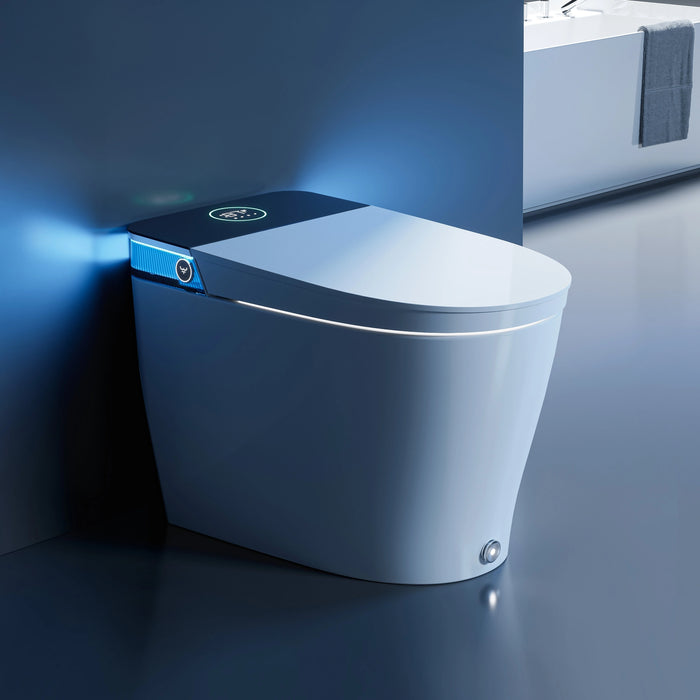
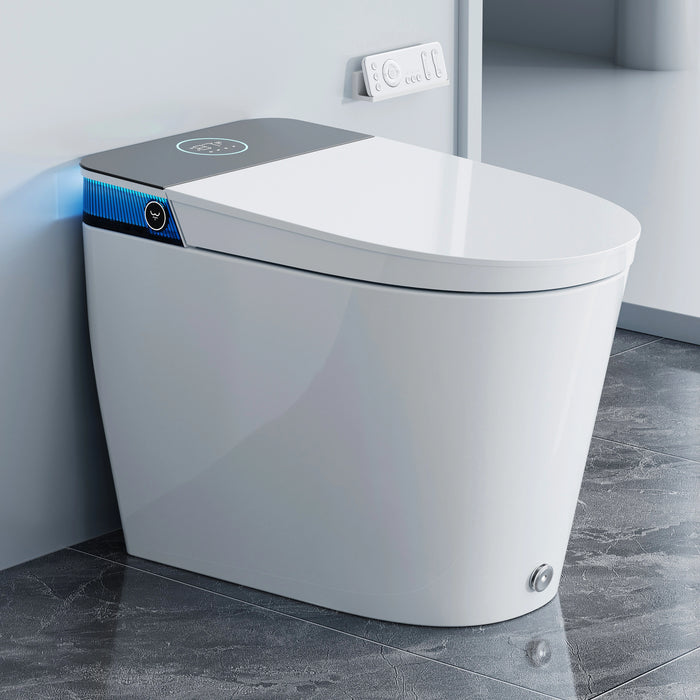
An integrated model may combine flushing, washing, drying, lid operation, deodorizing, lighting, and controls in one fixture. HOROW’s collections of smart toilets and toilets with built-in bidets can help clarify the available formats, but all specifications must be checked on the exact product page and current technical documents.
Before choosing an integrated model, ask whether the seat, nozzle, valves, controls, and flush components are replaceable separately. Confirm who can service the toilet locally and whether ordinary flushing remains available when a smart component fails.

Prefer Gravity Flushing in Remote Homes
A gravity-flush toilet with a separate bidet seat can reduce dependence on proprietary flushing components. This may be particularly valuable where outages are frequent or repair service is distant.
Do not judge outage performance by appearance. Some streamlined or tankless-looking toilets depend on powered valves, pumps, or controls. Read the exact outage instructions before purchasing.
Decision: For the only toilet in a home, dependable basic flushing and replaceable parts may be more valuable than a seamless design.
Can Your Bathroom Support Installation?
A smart toilet connects to the same household wastewater route as another toilet, but it may have additional power, water-supply, mounting, and clearance requirements.
Check GFCI Power Requirements
Use the exact product manual to identify electrical demand, cord location, and specified outlet arrangement. Have a qualified electrician determine the required protection and installation method under applicable local rules.
Confirm that the cord reaches the intended outlet without crossing a walking area or being pinched behind the fixture. Resolve conflicts among the outlet, plumbing, cabinetry, and toilet base before ordering.
Will It Fit an Existing Rough-In?
Measure the existing installation according to the product’s technical drawing, including the distance from the finished wall to the waste-outlet center. Do not include the baseboard unless the manufacturer’s instructions say otherwise.
Also compare:
- Overall width and depth
- Seat height and usable seating area
- Lid and control clearance
- Water-supply location
- Cord and outlet position
- Base footprint and mounting method
Integrated toilets may use concealed brackets or adapters. Check the installation area for an uneven floor, loose flange, or damaged subfloor. A new fixture will not fix these problems. When possible, sit on a toilet with a similar shape and height before buying.

Verify Drain Slope and Venting
Low-water flushing still depends on the building drain carrying waste to the septic tank. A partial blockage, damaged pipe, unsuitable slope, or venting fault can contribute to sluggish performance or recurring clogs.
Ask a plumber to diagnose frequent plunging, gurgling, odors, or unexplained changes in bowl water level before installation. A built-in deodorizer may reduce odor near the bowl, but it cannot correct a failed seal, blocked vent, drainage defect, or septic problem.
Confirm Local and System Requirements
A fixture replacement may be straightforward on a conventional system operating normally. Homes with pumps, advanced treatment equipment, regulated maintenance agreements, or known capacity limits warrant additional review.
Ask the septic provider or relevant local authority:
- Is the system currently operating within its intended household load?
- Is it subject to a required inspection or service agreement?
- Have recent service visits identified pump, alarm, or treatment problems?
- Does the proposed plumbing work require local approval?
- Should existing drainage be inspected before installing a lower-volume toilet?
Can You Handle the Maintenance?
“Self-cleaning” features do not make a toilet maintenance-free. The bowl and exterior still need cleaning, while the bidet and electronic components may require additional care.
Can Hard Water Damage Bidet Parts?
Homes with private wells may experience mineral deposits, although water quality varies by property. Scale can affect nozzle openings, inlet screens, valves, and heated-water components.
Check the manufacturer’s water-quality limits and descaling instructions. Do not introduce a descaling chemical unless the manual permits it. If mineral deposits already affect faucets and showerheads, discuss appropriate water treatment with a qualified professional rather than assuming the toilet can tolerate the same conditions indefinitely.
Clean Nozzles, Screens, and Filters
Choose a design that provides reasonable access to routine service parts. Maintenance requirements vary, but the manual may call for tasks such as:
- Cleaning the nozzle and accessible inlet screens
- Replacing water or deodorizing filters
- Removing dust from vents or air intakes
- Inspecting supply connections for moisture
- Monitoring changes in spray pattern
- Checking for unexpected filling or flushing
Follow the specified cleaning method. Abrasive tools or unapproved chemicals may damage surfaces, seals, or bidet components.
Choose Septic-Compatible Cleaning Products
A cleaner must be appropriate for both the fixture’s materials and a home served by septic. Follow the toilet manual and public septic-care guidance rather than relying only on a broad “septic safe” marketing statement.
Do not flush wipes, applicators, cleaning pads, hygiene products, or household chemicals. The normal flushing rule remains simple: human waste and toilet paper only.
Keep Required Pumping and Inspections
Reduced toilet paper use does not eliminate sludge and scum. Continue inspections, pumping, and any required maintenance according to system condition and local guidance. Following regular septic maintenance recommendations can help prevent avoidable system problems.
Keep service records and tell the septic professional about major changes in occupancy or household water use. Actual tank conditions are a better basis for maintenance decisions than assumptions about how much paper a bidet has saved.
What Could Go Wrong Long Term?
The most important long-term risks are power dependence, hidden water loss, unavailable parts, and specifications that were not checked before purchase.
What Happens During a Power Outage?
Find the exact outage procedure in the manual before buying. Depending on the design, the toilet may retain basic flushing, require a specified backup method, or depend on electricity for key operations. Heated water, drying, powered lid functions, and deodorizing will generally not operate when their power supply is unavailable.
If outages are common, keeping at least one simple toilet in the home can reduce disruption. Otherwise, ensure every regular user understands the manufacturer-approved backup procedure.
Act Fast on Leaks and Repeat Flushes
A continuous refill, leaking connection, or repeated automatic flush can send unnecessary water to the septic system.
If the toilet behaves abnormally, disable automatic functions when the controls allow and safely close the fixture shutoff if needed. Arrange repair before restoring normal use. Water around the base may indicate a supply leak, failed seal, or installation problem and should be investigated promptly.
When several drains become slow or wastewater backs up, stop treating the issue as an isolated toilet fault. Contact a plumber or septic professional.
Check Manual Backup, Parts, and Service
Before committing to an integrated fixture, find out who supplies its nozzle, valve, controls, remote, seat, flush assembly, and mounting hardware. Confirm whether service is available in your area and whether the toilet can still provide basic sanitation while a smart part is unavailable.
Parts access matters most in a one-bathroom home or a remote location. A long feature list is less useful if a minor failure takes the only toilet out of service.
Verify Specifications Before Purchasing
Save the current manual and specification sheet for the exact model. Verify:
- Every flush volume and operating mode
- Electrical and water-supply requirements
- Rough-in, footprint, and mounting dimensions
- Automatic-flush controls
- Power-outage operation
- Cleaning and water-quality restrictions
- Replaceable parts and service process
Do not assume that all versions in a collection share the same specifications. A general “septic friendly” description cannot guarantee compatibility with your drainage, septic condition, household demand, or local requirements.
Before You Buy
- Confirm that the septic system is operating normally.
- Locate recent inspection, pumping, and repair records.
- Investigate slow drains, odors, gurgling, leaks, or wet drainfield areas.
- Verify every flush mode in the exact product specifications.
- Check whether automatic flushing can be adjusted or disabled.
- Confirm electrical, water-supply, rough-in, floor, and clearance needs.
- Read the manufacturer’s power-outage procedure.
- Check hard-water care, replacement parts, and local service access.
- Obtain itemized installation quotes.
- Complete necessary septic and drainage repairs before upgrading.
Common Homeowner Questions
Can a smart toilet be used with a septic system?
Yes, a smart toilet can work with a septic system if the septic setup is in good condition and the toilet matches the home’s needs. The toilet itself is only one part of the decision. Plumbing, water use, and septic capacity are just as important. Before installation, check the toilet specifications and make sure there are no existing drainage problems. A smart toilet may work with a healthy septic system when its water use, flushing requirements, and installation conditions suit the home.
Do bidets affect septic tanks?
Yes, bidets can affect septic tanks because they add wastewater during use. They may also reduce the amount of toilet paper used, which can reduce some material entering the tank. The actual impact depends on how much water the bidet uses, how often it is used, and the household’s overall water demand. Homes with septic problems should fix those issues before adding any new water-using features.
Does a smart toilet use more water?
Not always, because water use depends on the specific model and how people use its features. Some smart toilets use less water per flush than older toilets, while bidet functions add a small amount of extra water during each use. Frequent re-flushing, automatic sensor mistakes, or leaks can increase overall consumption. Checking real household habits is more useful than looking at one number on the product page.
Is a bidet seat better than an integrated toilet?
A bidet seat is often a practical choice if you want easier replacement and simpler repairs. An integrated toilet can provide a cleaner appearance and combine more features into one unit, but repairs may be more specialized. The better option depends on your bathroom setup, access to service, and how important long-term repair flexibility is. For homes with only one bathroom, easier maintenance may be worth considering.
Will using less toilet paper reduce septic pumping?
Using less toilet paper may help reduce some material entering the septic tank, but it will not automatically extend the time between pumpings. Pumping needs are affected by tank size, household usage, system design, and the amount of solids that build up over time. A bidet can change daily habits, but it does not replace regular septic care. The best schedule comes from actual system inspections rather than toilet paper savings alone.


Leave a comment
This site is protected by hCaptcha and the hCaptcha Privacy Policy and Terms of Service apply.