
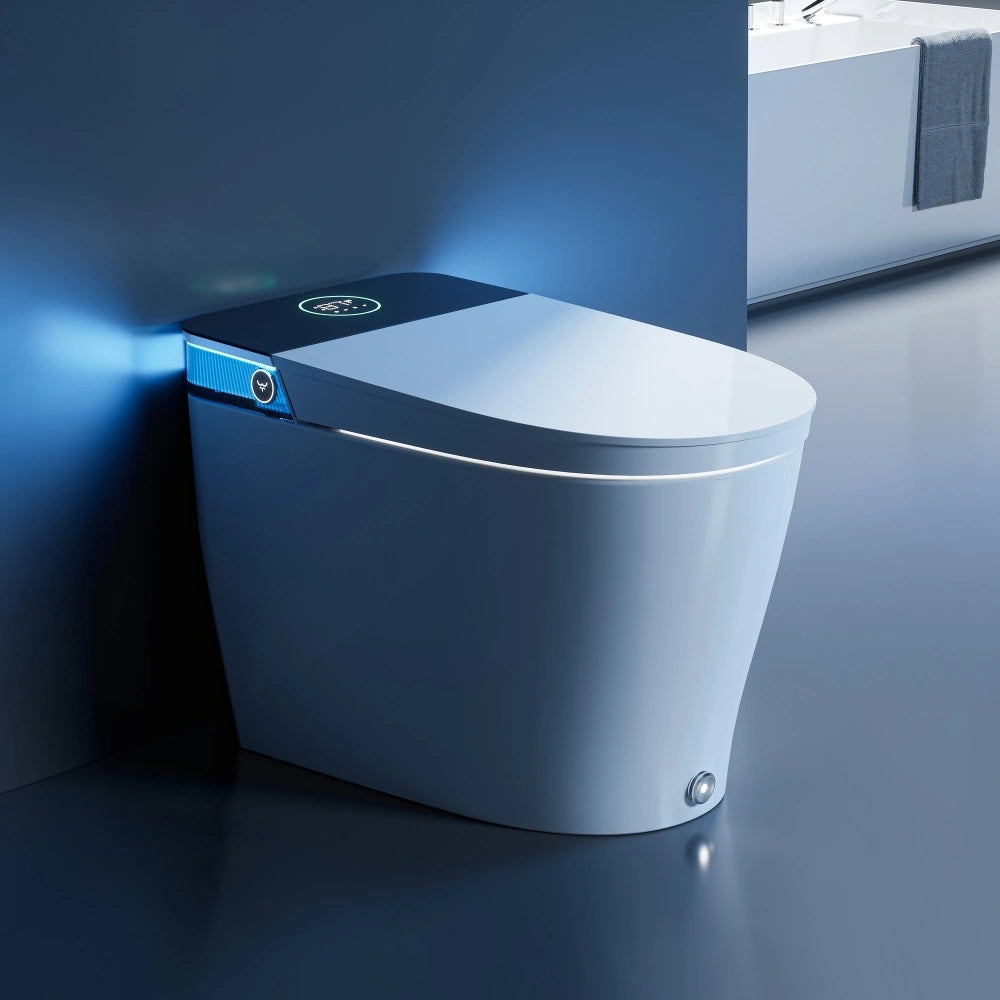
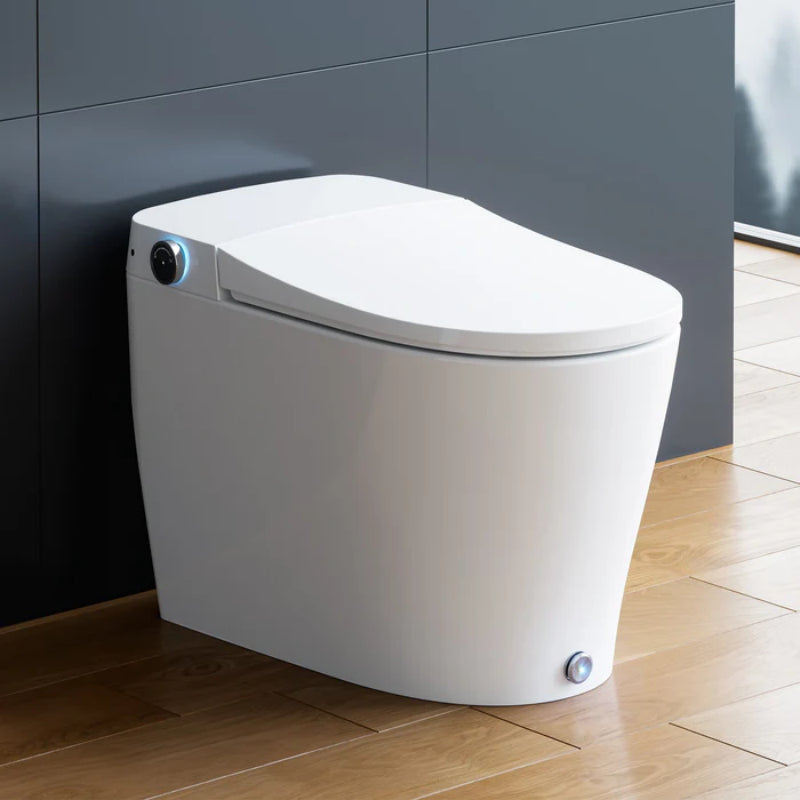
Short Answer: Is It Worth It?
It depends on use frequency, setup, and budget
A smart toilet is worth considering for a frequently used guest bathroom with an available electrical outlet, where bidet washing, a heated seat, and added comfort can provide meaningful value. It is less suitable for a rarely used powder room, particularly if installation requires substantial electrical or plumbing work.
The best rule of thumb when buying your first smart toilet is simple: choose a toilet that works intuitively as a standard toilet before evaluating its advanced features. Guests should be able to operate the basic functions without extra instructions.
Yes for busy, outlet-ready guest bathrooms
A smart toilet is a good fit when the bathroom serves overnight visitors, several household members, or frequent guests. Regular use makes comfort and hygiene features more practical and easier to justify.
It can also be a good fit for a planned remodel. Power access, toilet dimensions, and plumbing requirements can be addressed before the bathroom finishes are installed. Compare models in HOROW’s smart toilet collection, but confirm each product’s installation instructions and controls individually.
No for occasional rooms needing costly installation
For a powder room used only a few times a month or during holidays, advanced functions may be expensive overkill. A standard toilet, separate bidet seat, or non-electric bidet can provide a simpler guest experience with fewer powered components.
When Is a Smart Toilet a Good Choice?
Works well in busy shared guest bathrooms
Frequent use makes the added features easier to justify. In a shared bathroom used every day, heated seating, washing, drying, and hands-free features may offer regular convenience. In an occasional guest room, those same functions may remain largely unused.
Prioritize features that first-time users can understand immediately. Clear wash and stop controls, an obvious flush, and straightforward settings are generally more useful than a long menu of adjustments.
Adds premium appeal to vacation rentals
A smart toilet can make a vacation rental bathroom feel more polished and distinctive. Heated seating and built-in washing may contribute to a premium guest experience, while an integrated design can support a streamlined appearance.
Usability matters more than novelty, however. Rental guests should not need instructions for basic operation. Choose familiar manual controls or clearly marked backup controls, and use a short instruction card only for optional features.
Owners should also consider maintenance and future repairs. A sophisticated all-in-one fixture may create more maintenance complexity than a standard toilet or replaceable bidet seat.
Best when hygiene comfort matters
Built-in washing can benefit household members or regular visitors who prefer water cleansing. Hands-free features may also reduce manual interaction, depending on the product and its settings.
Water-based cleansing with a bidet can provide a different hygiene experience from using toilet paper alone. Proper use and regular cleaning are still important, and bidet functions do not replace routine bathroom sanitation.
Do not assume that every smart toilet meets a specific mobility or accessibility need. Seat height, control placement, remote readability, and automatic behavior vary. Consider who will use the bathroom most often. Then confirm that the controls are easy to reach and operate.
Is it worth it for small bathrooms?
Possibly, but “smart” does not necessarily mean compact. Check the complete product dimensions, available clearance, door movement, and remote placement rather than judging fit from photographs.
In a tight room, a streamlined exterior may look less crowded, but an elongated or bulky fixture can still make movement awkward. Review this guide to smart toilets for small bathrooms, or compare compact toilet options when space matters more than powered features.

When Is a Smart Toilet Not Worth It?
Not ideal for rarely used powder rooms
A low-use powder room usually needs only comfortable seating, reliable flushing, easy cleaning, and an appearance that suits the room. Guests may never use the dryer, deodorizing function, adjustable washing, or personalized settings.
If appearance is the main goal, a streamlined standard toilet may provide the desired update without adding an electronic interface or powered components.
Unfamiliar controls create a guest learning curve
Smart toilets can be confusing when remotes use small icons, unclear labels, or several buttons with similar functions. First-time users may struggle to identify the flush, wash, or stop control. This can be especially inconvenient for guests with limited vision or little experience with bidet functions.
Basic toilet use should not depend on an app. Look for readable labels, a prominent stop button, and controls that remain easy to understand when the remote is misplaced.
Automatic features may feel intrusive
Sensor-operated lids, automatic flushing, or unexpected sounds can surprise some visitors. Others appreciate the low-touch experience.
For a shared bathroom, adjustable automation is preferable to a system that forces every guest to use the same behavior. Confirm which automatic features can be disabled or changed before purchase.
Is a bidet seat better for a rental?
Often, especially when flexibility and familiar operation matter more than an integrated appearance. A separate seat can add washing while retaining the existing toilet, and it may be easier to replace independently if the bidet functions need service. For homeowners who want added hygiene features without replacing the entire fixture, a bidet seat can be a practical middle option.
An electric bidet seat can still require compatible power, so it does not automatically solve an outlet problem. A non-electric bidet seat or attachment is the more practical alternative when electricity is unavailable or unnecessary. Compare the level of integration offered by a toilet with a built-in bidet before deciding.

What Are the Pros and Cons?
|
Potential advantage |
Practical trade-off |
|
Heated seating and washing can improve comfort |
Occasional guests may not use the features |
|
Hands-free functions reduce some manual interaction |
Automatic actions may surprise visitors |
|
Integrated styling can look tidy and modern |
Internal electronics add service complexity |
|
Built-in washing offers hygiene comfort |
Remotes can create a learning curve |
|
Premium features may distinguish a vacation rental |
Higher upfront cost may not produce practical value |
|
Drying and deodorizing add convenience |
Powered comfort functions are unavailable during an outage |
Heated seats and washing improve guest comfort
A heated seat and clearly controlled wash are among the easiest features for visitors to appreciate. They provide immediate comfort without requiring extensive customization.
Warm-air drying, deodorizing, lighting, and personalized settings may also be useful, but they should be secondary considerations in a guest bathroom.
Easy-clean styling looks tidy and modern
A smooth, streamlined exterior may have fewer awkward visible areas to wipe. That can simplify routine surface cleaning and help the bathroom look uncluttered.
Self-cleaning or nozzle-rinsing functions do not eliminate normal bathroom cleaning. Review the manufacturer’s care instructions because permitted cleaning products and procedures may differ by model.
What problems do users report?
Common concerns include difficult-to-read remotes, unfamiliar controls, installation complications, and paying for functions that receive little use. The biggest mistake is choosing based only on features before considering room use, power access, fit, and maintenance expectations.
Premium features can become costly overkill
The more occasional the bathroom use, the harder it is to justify a full luxury package. Paying for extensive adjustment options makes little sense if most visitors only use the seat and flush.
Choose the smallest useful feature set rather than the largest available one.
What Should You Consider Before Buying?
What if the guest bath has no outlet?
Do not assume an electric smart toilet can be installed without evaluating its power requirements. Follow the specific product instructions and have the proposed setup assessed by a qualified professional where electrical work is needed.
Bathroom electrical installations are subject to applicable electrical code requirements, including requirements related to receptacles and GFCI protection. Before installing a powered smart toilet, confirm the applicable requirements for the bathroom and have any necessary electrical work completed by a qualified professional. Checking local electrical requirements before installation can help prevent unexpected changes during a bathroom remodel.
If adding suitable power requires significant changes, weigh that work against the room’s use. It may make sense during a planned guest-suite remodel but be difficult to justify in an occasional powder room. A non-electric bidet or standard toilet avoids dependence on powered comfort features.

Power loss removes electric comfort features
During an outage, features such as seat heating, warm washing, drying, deodorizing, sensors, and powered controls may be unavailable. Flushing and backup operation vary by product.
Before buying, check the manual for outage instructions and confirm whether guests can still flush the toilet without its normal powered controls. Keep any necessary backup directions easy to find.
Is it reliable long-term?
Long-term reliability cannot be determined from the number of features alone. Electronics, sensors, remotes, and powered mechanisms create more potential service points than a basic toilet.
Check parts availability, support options, cleaning requirements, and what happens if one comfort feature stops working. For a rental or heavily shared bathroom, simple controls and service access may be more valuable than extensive automation.
Easy cleaning does not eliminate repair complexity
An easy-to-wipe exterior and a complex interior can exist in the same product. Integrated construction produces a cleaner appearance, but it may also connect the toilet and bidet systems more closely.
With a separate bidet seat, the seat may be replaceable without replacing the toilet itself. That flexibility can be valuable when minimizing disruption matters.

Who Should Buy or Skip?
Buy for frequent guests and planned remodels
Buy a smart toilet when the guest bathroom receives regular use, suitable installation can be planned, and the comfort features justify the added cost and upkeep.
Buy when accessibility and hygiene justify complexity
Consider one when built-in washing or reduced manual interaction would provide meaningful everyday value. Evaluate the actual controls and dimensions rather than relying on broad accessibility language.
Choose non-electric bidets when power is impractical
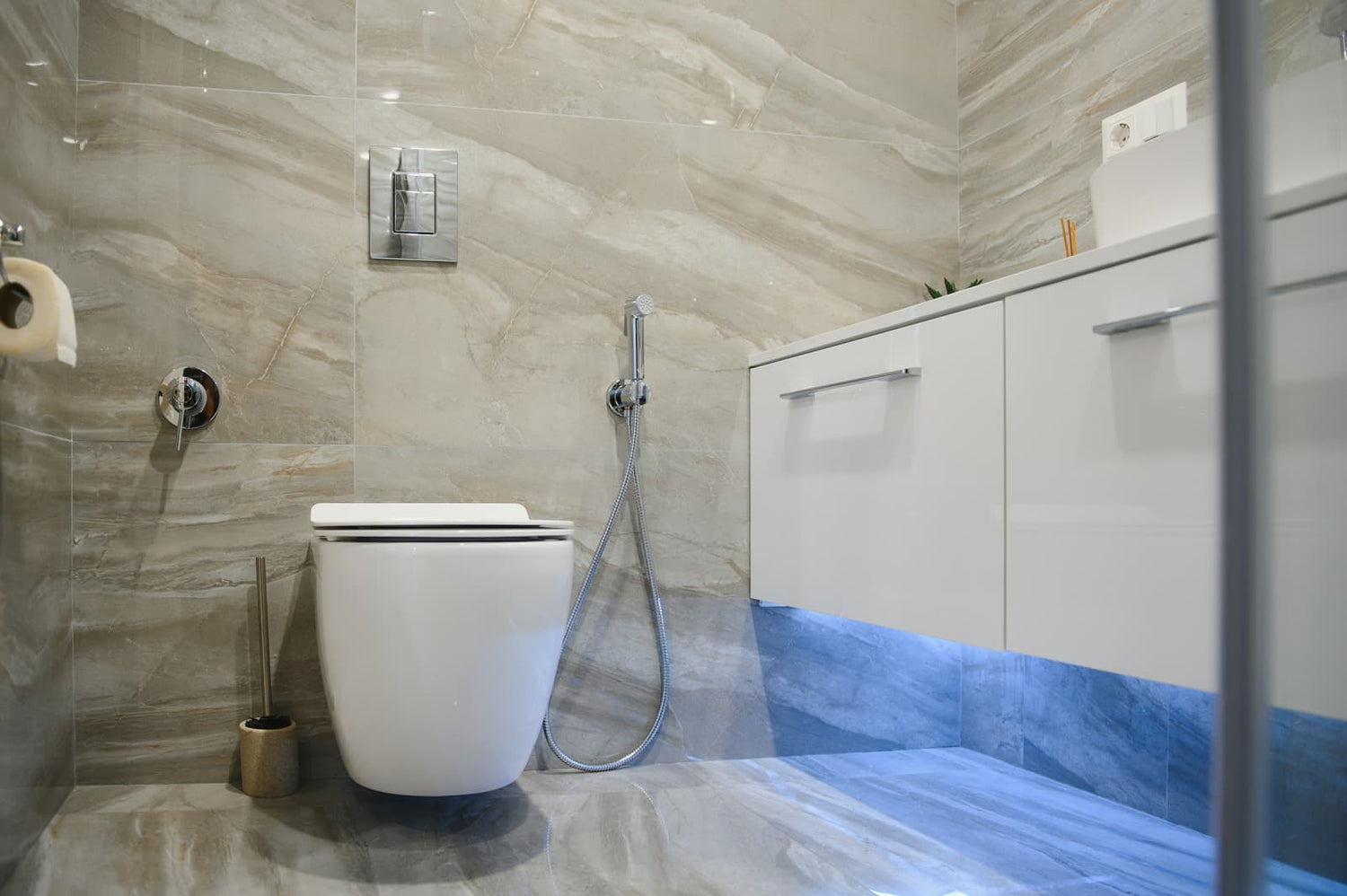
A non-electric bidet seat or attachment is the clearest alternative when adding power is not practical. It provides basic water cleansing without heated water, drying, or other electric functions.
Skip for tight budgets and low-use rooms
Skip the smart toilet when the room is rarely used, guests are likely to struggle with the interface, or installation and maintenance concerns outweigh the comfort benefits.
HOROW Options to Compare for a Guest Bathroom
The right option depends on how often the bathroom is used, whether suitable power is available, and which features matter most to guests. These HOROW models represent different approaches worth comparing before you buy.
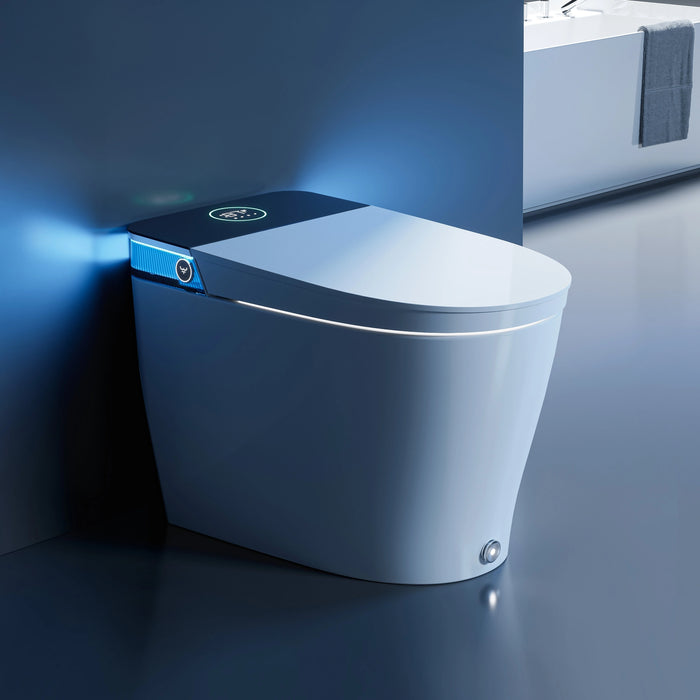
HOROW T38 Smart Toilet
A smart toilet and bidet combo to compare when a frequently used guest bathroom is already suited to a powered smart-toilet setup.
View HOROW T38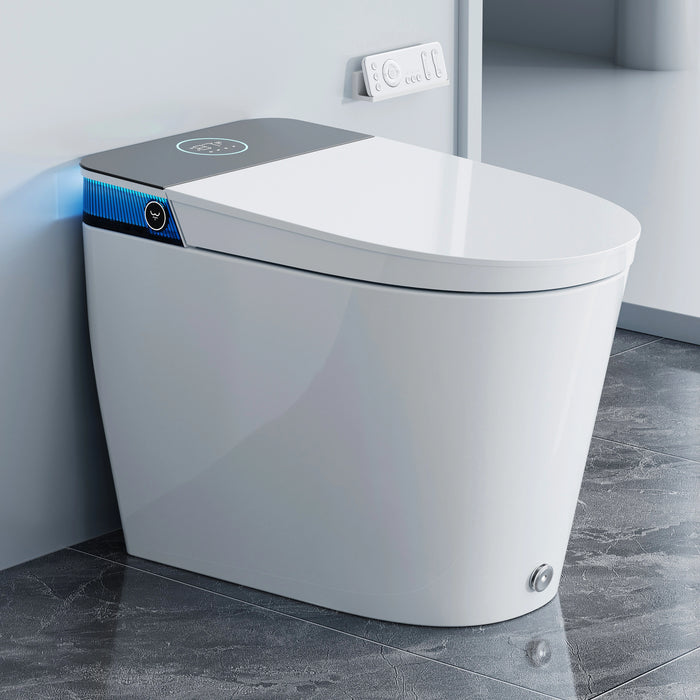
HOROW T38P Smart Toilet
An option to compare when seat height is an important part of the guest-bathroom decision alongside smart-toilet functionality.
View HOROW T38P
HOROW T30 Bidet Toilet
A non-electric bidet toilet option to compare when adding power is impractical or when a simpler guest-bathroom setup is preferred.
View HOROW T30Looking for more powered options? Compare HOROW smart toilets .
Final Buying Checklist
Before ordering, confirm:
- How frequently the guest bathroom is actually used.
- Whether the complete toilet fits the room.
- Whether required power and plumbing conditions can be provided.
- Whether flushing is obvious to a first-time user.
- Whether the wash cycle has a clear stop control.
- Which functions remain available during a power outage.
- Whether automatic features can be adjusted or disabled.
- How the toilet is cleaned, serviced, and supported.
- Whether a bidet seat or non-electric option would meet the same need more simply.
FAQs
Are smart toilets confusing for guests?
They can be confusing for some guests, especially when the controls include many unfamiliar buttons or settings. A simpler interface with clear labels makes first-time use easier and reduces hesitation. Guests should still be able to flush and stop a wash cycle without needing extra instructions. Advanced functions are most useful when the basic operation remains obvious.
Is a smart toilet worth it in a powder room?
A smart toilet is usually worth it in a powder room only when the room receives regular use or you want to create a more premium guest experience. In a rarely used space, many features may remain unused for long periods. A standard toilet or simpler bidet solution may provide a better balance of cost, maintenance, and everyday practicality. The right choice depends on how often the room is actually used.
What is best for a vacation rental?
The best option depends on the rental style, guest expectations, and how much maintenance you want to manage. A smart toilet can add a high-end touch to an upscale property, while a bidet seat may be easier to replace and maintain. For properties with frequent guest turnover, simple controls and reliable operation are often more important than having the most features. Consider both guest comfort and long-term upkeep before choosing.
Can a smart toilet work without electricity?
Some smart toilets may still allow basic use during a power outage, but most electronic features will stop working. Heating, washing, drying, and sensor-based features typically depend on electricity. Backup options vary between models, so check the manufacturer’s instructions before installation. If power access is difficult, a non-electric option may be a more practical choice.
References
https://www.nfpa.org/codes-and-standards/nfpa-70-standard-development/70


Leave a comment
This site is protected by hCaptcha and the hCaptcha Privacy Policy and Terms of Service apply.