
Is It Worth It?
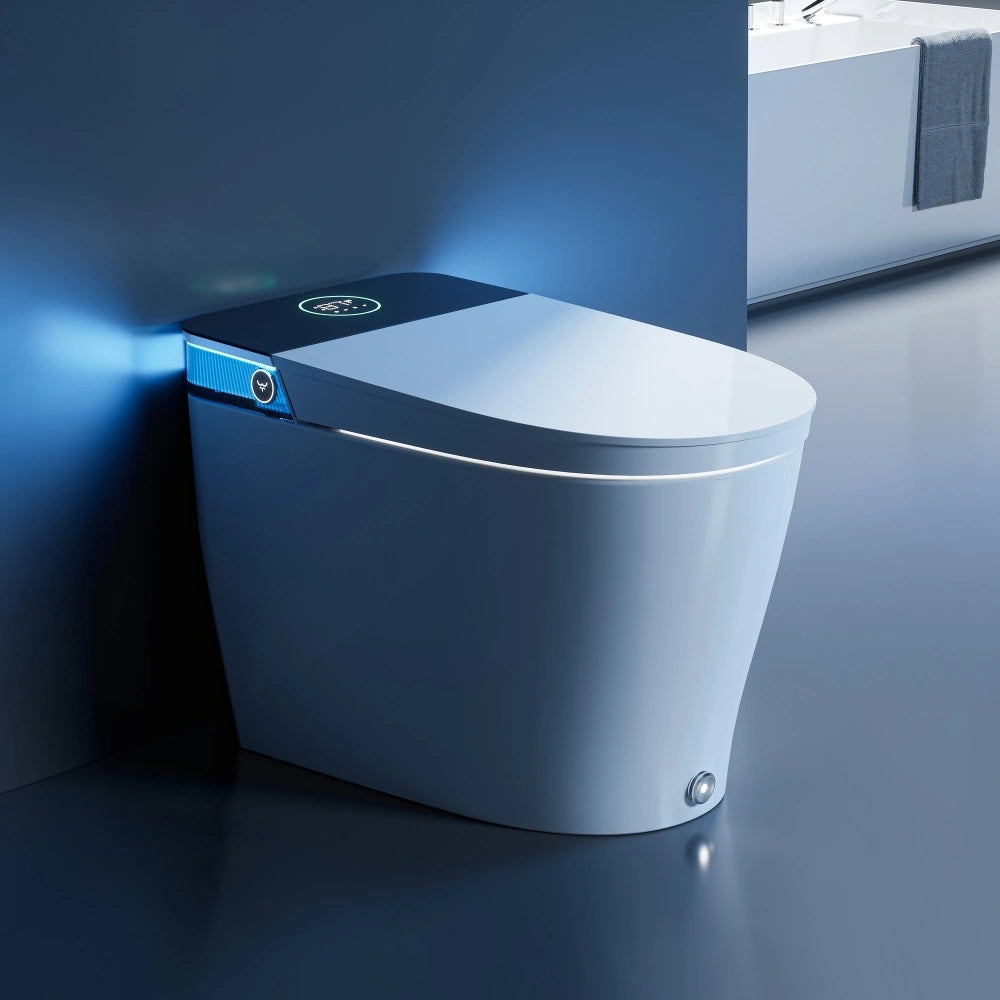
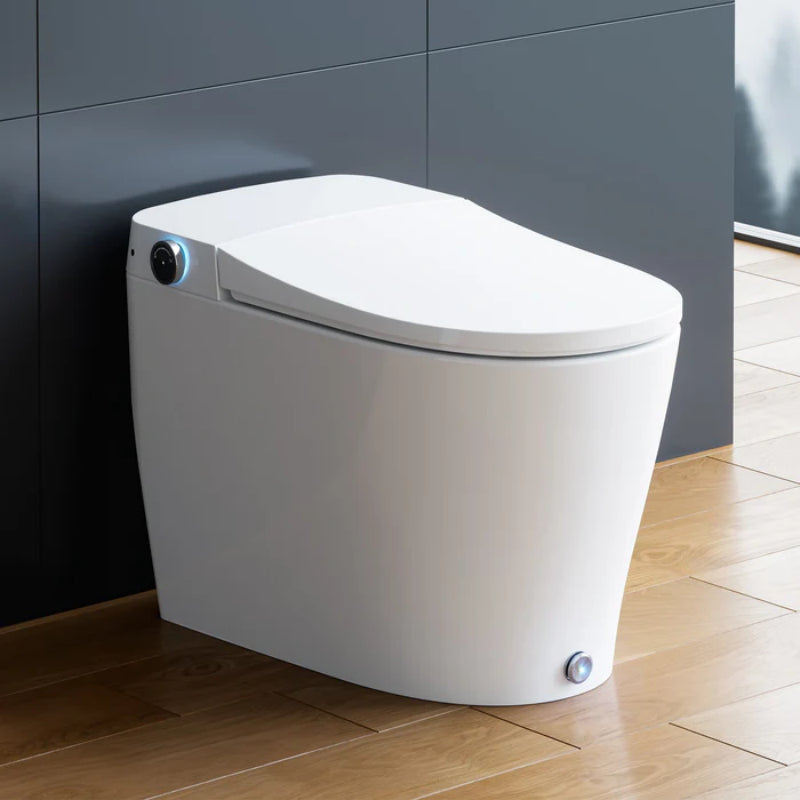
A smart toilet is worth considering when bidet washing, a heated seat, drying, or hands-free controls will be used every day. It is particularly suitable for a planned primary-bathroom remodel where electrical supply, plumbing, clearance, and service access can be addressed before installation.
It is less suitable for renters, infrequently used guest bathrooms, and buyers who prioritize inexpensive repairs or reliable flushing during power outages. Some tankless models cannot perform their normal flush without electricity, so outage behavior must be confirmed before purchase.
Yes—if comfort features get daily use
The premium is easier to justify when warm-water washing, adjustable spray settings, seat heating, or drying solves a daily comfort or hygiene need. Dependable flushing, intuitive controls, nozzle cleaning, and useful wash adjustments generally matter more than app controls, decorative lighting, or a long list of automated settings.
Best during a planned primary-bathroom remodel
A remodel makes it easier to plan the outlet, supply connection, toilet position, flooring, and service access around the selected fixture. It also allows problems such as a damaged flange, inaccessible shut-off valve, or unsuitable electrical location to be addressed before delivery.
No—if blackout flushing must always work
Electrical features stop working during an outage, and some toilets also depend on power for normal flushing. Confirm whether the specific model offers a manual flush, battery-backed flush, or another usable backup. Do not assume that “manual operation” necessarily includes flushing.
When Does It Work Well?
Daily washing and heating justify the premium
Smart toilets work best in frequently used bathrooms. Warm-water washing may reduce wiping, while heating, drying, deodorizing, and night lighting can make daily use more comfortable.
Choose features for the household rather than buying the longest specification list. Adjustable wash temperature and pressure, clear controls, nozzle care, and reliable flushing are likely to affect daily satisfaction more than novelty functions.
Hands-free controls can support aging in place
Automatic flushing, accessible controls, reduced wiping, and an appropriate seat height may help some people with limited mobility. However, suitability depends on the individual and the complete bathroom.
Check the actual seat height, control position, remote readability, and manual operating options. A taller seat may help some users but be uncomfortable for shorter people. A toilet marketed for accessibility also does not replace suitable clearance, transfer space, or other bathroom features. The applicable ADA design standards provide broader accessibility requirements.
Is it worth it for small bathrooms?
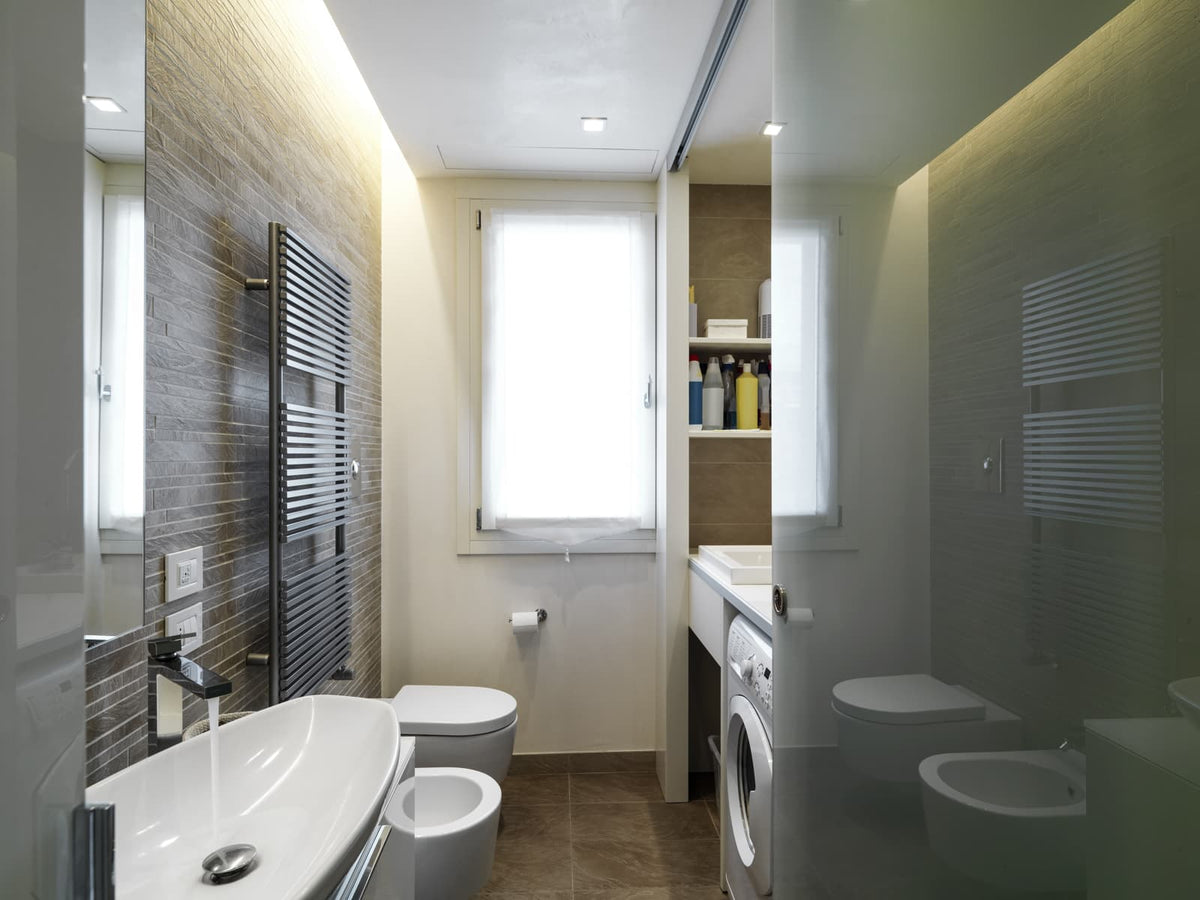
It can be. An integrated toilet and bidet provides both functions without requiring room for a separate bidet fixture. Its unified shape may also create a cleaner visual profile than an add-on seat.

However, “compact” does not guarantee a good fit. Rear electronics, the lid, and service panels can make the complete fixture larger than the bowl suggests. Measure the full installed projection and width, then check the door swing, vanity clearance, knee room, supply access, and cleaning space.
Compact dimensions may also mean a shorter or tighter seat. Taller or larger users should assess the seat shape and usable sitting area rather than judging comfort from the exterior dimensions alone.
Remodels simplify electrical and plumbing planning
This category is easiest to install when electrical and plumbing work can be coordinated. Before ordering, compare the product’s installation instructions with the planned outlet location, water connection, rough-in, floor condition, and available water pressure.
If keeping the existing toilet, a replaceable smart bidet seat may involve less disruption. If replacing the whole fixture, an integrated model offers a more unified appearance but concentrates the flushing and electronic systems in one product.
When May It Not Be Ideal?
Outages can disable normal tankless flushing
Heaters, sensors, dryers, powered lids, and remote functions require electricity. Depending on the design, normal flushing may also be unavailable during an outage.
Homes with frequent outages should prioritize verified backup-flush behavior over luxury features. A conventional toilet paired with a smart bidet seat can be a lower-risk alternative because the toilet’s mechanical flushing system remains separate from the electronic seat.
Renters face costly, impractical modifications
An integrated smart toilet is rarely the simplest option for a renter. Replacement may require property-owner permission, a suitable electrical supply, plumbing changes, and storage or disposal of the original fixture.
A bidet seat is usually easier to remove and allows the existing toilet to remain in place. Compatibility and electrical requirements still need to be checked.
Hard water increases descaling and filter work
“Self-cleaning” usually describes a nozzle-rinsing or bowl-care function; it does not eliminate routine cleaning. Owners may still need to clean screens and nozzles, descale water passages, and replace filters or deodorizer components when the model uses them.
Hard water can increase scale in supply screens, nozzles, heaters, and internal waterways. Buyers who do not want model-specific maintenance may prefer a simpler toilet or bidet configuration.
Compact seats may sacrifice comfort for fit
A toilet that physically fits can still be uncomfortable. Seat opening, height, shape, control placement, and rear housing position affect usability. If possible, evaluate these details before purchase, especially when the primary users are tall, have limited mobility, or need a particular sitting position.
What Are the Main Pros and Cons?
| Advantages | Trade-offs |
|---|---|
| Warm-water washing, heating, and drying can improve daily comfort. | Electronics, heaters, pumps, and sensors create additional failure points. |
| Remote and hands-free controls may reduce reaching and handling. | Guests, children, or smaller users may have difficulty with controls or occupancy sensors. |
| An integrated design avoids the appearance of an add-on bidet seat. | Proprietary electronic parts may be harder to obtain or replace. |
| One fixture can provide toilet and bidet functions in a compact room. | A space-saving seat may feel cramped. |
| Adjustable settings can accommodate different preferences. | More settings increase the learning curve and maintenance complexity. |
What problems do users report?
Common problem categories include motion or occupancy sensors that trigger incorrectly, controls that are difficult to understand, loud flushing, heating faults, and electronic-board failures. Smaller users may not sit where an occupancy sensor expects, preventing some washing functions from activating.
These issues are not universal, but they show why controls, sensor behavior, and manual overrides should be evaluated alongside the feature list.
Is it reliable long-term?
A smart toilet can provide lasting value, but it is mechanically and electronically more complex than a basic toilet. Long-term ownership depends on parts access and serviceability as well as initial build quality.
Before purchasing, determine whether the warranty treats the ceramic body, seat, electronics, and labor differently. Also check whether replacement remotes, seats, control components, filters, and other model-specific parts can be obtained without replacing the entire fixture.
What Real-World Considerations Matter?

Check outlet, rough-in, pressure, and full projection
Before comparing features, verify:
- Rough-in compatibility and complete installed dimensions
- Door, cabinet, knee, and cleaning clearance
- Supply-line and shut-off-valve access
- Water pressure requirements in the manufacturer’s instructions
- Electrical requirements and outlet placement
- Floor and flange condition
- Access for removing panels or servicing components
- Seat height, shape, and control reach
Tankless designs may be more sensitive to inadequate or inconsistent water pressure. Where supply conditions are uncertain, compare the requirements of tankless, tank, and pump-assisted designs rather than assuming they perform identically.
Prioritize flush testing over luxury features
Flushing remains the toilet’s primary function. Independently published MaP testing can help compare tested waste-removal performance before heating, lighting, or automation is considered.
A published test result is a screening tool, not a guarantee of performance in every home. Installation quality and the condition of the home’s drain and vent system can still affect results.
Price the complete installation, not the fixture alone
Compare total project scope rather than product price alone. Possible costs include electrical work, plumbing modifications, removal and disposal, flange or floor repair, permits where applicable, and professional installation.
Integrated units may also be heavy and awkward to position. A product described as straightforward to install is not necessarily a routine one-person toilet swap.
Verify parts, labor coverage, and local service
A written warranty is useful only when the covered components and service process are clear. Find out who performs repairs, whether labor is included, where service is available, and what happens if the model or an electronic component is discontinued.
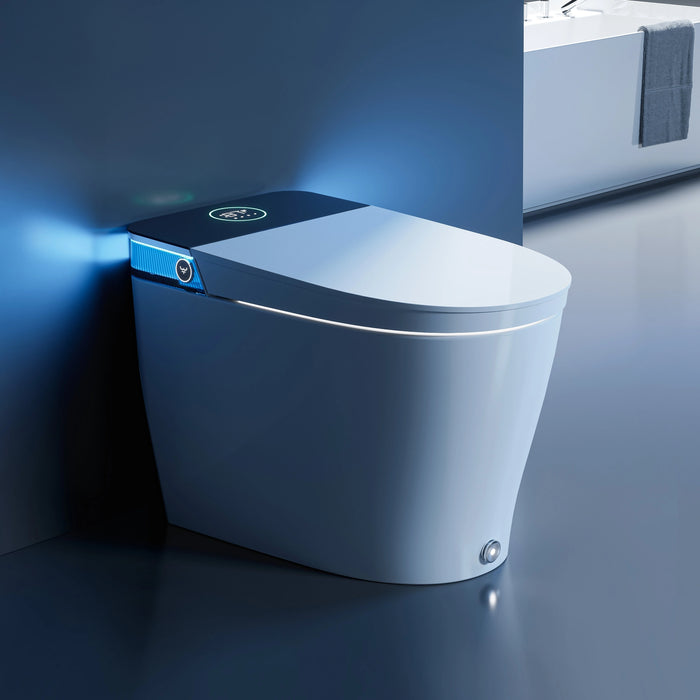
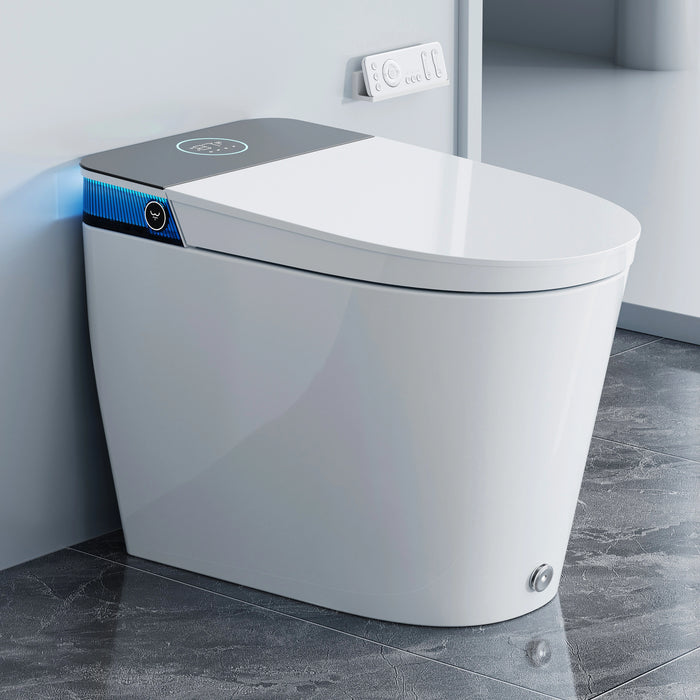
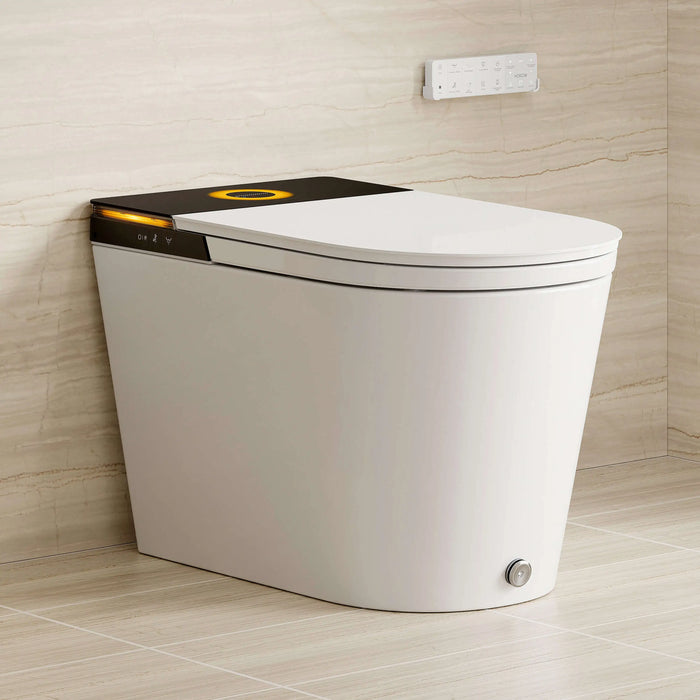
When reviewing HOROW smart toilets, use the same infrastructure and service checks for each model rather than choosing primarily by feature count.
HOROW Smart Toilets to Compare
Who Should Buy or Skip It?
Buy: Primary-bathroom users wanting daily comfort
Choose a smart toilet if washing, heating, drying, or easier controls address a frequent need and the toilet will receive regular use.
Buy: Remodelers with verified space and infrastructure
An integrated model is a stronger choice when the rough-in, full dimensions, water supply, electrical setup, and service access have all been checked before ordering.
Skip: Buyers prioritizing simple, inexpensive repairs
A conventional toilet with a separate bidet seat is generally more modular. If the electronic seat fails, it can usually be addressed without replacing the toilet itself.
Skip: Homes lacking support or backup flushing
Consider another configuration if outages are frequent, local service is unavailable, parts access is unclear, or the bathroom cannot meet the model’s installation requirements without extensive work.
Smart Toilet Checklist
Before buying, confirm:
- The full fixture fits—not only the bowl or rough-in.
- The seat height and shape suit regular users.
- Electrical and water requirements can be met.
- The toilet has acceptable outage and manual-flush behavior.
- Flush performance has been evaluated separately from smart features.
- Controls are understandable for household members and guests.
- Required cleaning, filters, and descaling are acceptable.
- Warranty coverage distinguishes parts, electronics, labor, and ceramic components.
- Replacement parts and practical service are available.
- The installed project cost fits the budget.
Frequently Asked Questions
What is a smart toilet buying guide for 2026?
It is a decision framework for comparing integrated bidet toilets by fit, flushing, comfort, power dependence, maintenance, installation, and repair support—not simply by the number of electronic features.
How do I choose the right smart toilet?
Start with rough-in, complete dimensions, electrical access, water requirements, and outage behavior. Then compare flushing, seat comfort, wash adjustments, controls, maintenance, warranty coverage, and parts availability.
Is an integrated smart toilet better than a bidet seat?
It is better for a unified appearance and full toilet replacement. A bidet seat is usually more suitable when keeping an existing toilet, limiting modifications, or prioritizing easier electronic replacement.
What should I know before buying?
The biggest first-purchase risks are overlooking full fixture dimensions, assuming flushing works during an outage, underestimating installation work, and failing to verify replacement parts and local service.
References
https://www.ada.gov/law-and-regs/design-standards/2010-stds/


Leave a comment
This site is protected by hCaptcha and the hCaptcha Privacy Policy and Terms of Service apply.