
Can You Fix a Shower Door That Won’t Stay Closed?
A shower door that once stayed closed is usually worth fixing if the enclosure remains firm, the gaps are even, and the problem appears to be residue, a displaced seal, or accessible hardware. Repeated adjustment is unlikely to solve the problem when the door keeps drifting, the frame is out of level, or the mounting points move.
Do not force a door that binds, scrapes, or must be lifted into position. Those symptoms suggest an alignment, hardware, or mounting problem rather than weak closing force alone.
Because shower doors are typically made with safety glass designed for specific installation conditions, unusual resistance or movement should be treated as a warning sign rather than something to overcome with extra force. Safety glazing used in shower doors and enclosures is covered by the U.S. Consumer Product Safety Commission’s architectural glazing safety standard. If a glass door begins binding, scraping, or moving unusually, avoid forcing it while you investigate the alignment or mounting problem.
Best for Users Wanting Predictable Closure
A properly aligned hinged or sliding shower door should remain closed without being held or repeatedly nudged. Reliable closure helps contain water and makes the enclosure easier for everyone in the household to use.
Friction points, detents, and magnetic seals can all provide predictable closure when the moving door approaches the frame evenly. They are good for users who want a simple closing action, but less dependable when the enclosure cannot maintain alignment.
Works Best With Clean, Sound Hardware
Closure depends on the whole door assembly. Hinges, rollers, guides, seals, and magnetic strips all need to work together so the door reaches the frame in the correct position.
Residue can interfere with that contact. Cleaning the seal, sweep, track, and closing surfaces is a sensible first step when the problem developed gradually and no component appears damaged.
Skip It in Uneven or Shifting Enclosures
Repeated adjustment should not be treated as normal maintenance. If the shower door keeps opening after each correction, the underlying issue may be a sloped track, an out-of-plumb wall, a shifting frame, or a damaged mounting point.
In that situation, adjusting a hinge or seal treats the symptom rather than the cause. Professional assessment is more appropriate when the enclosure will not hold its position.
What Makes a Shower Door Open by Itself?
A shower door can open by itself when gravity pulls it toward a lower resting point or when misalignment prevents its closure surfaces from engaging. The movement pattern often helps identify the cause.
Is the Enclosure Out of Level?

A hinged door may swing away from the frame, while a sliding door may roll toward one side if the enclosure, sill, or track is not properly aligned.
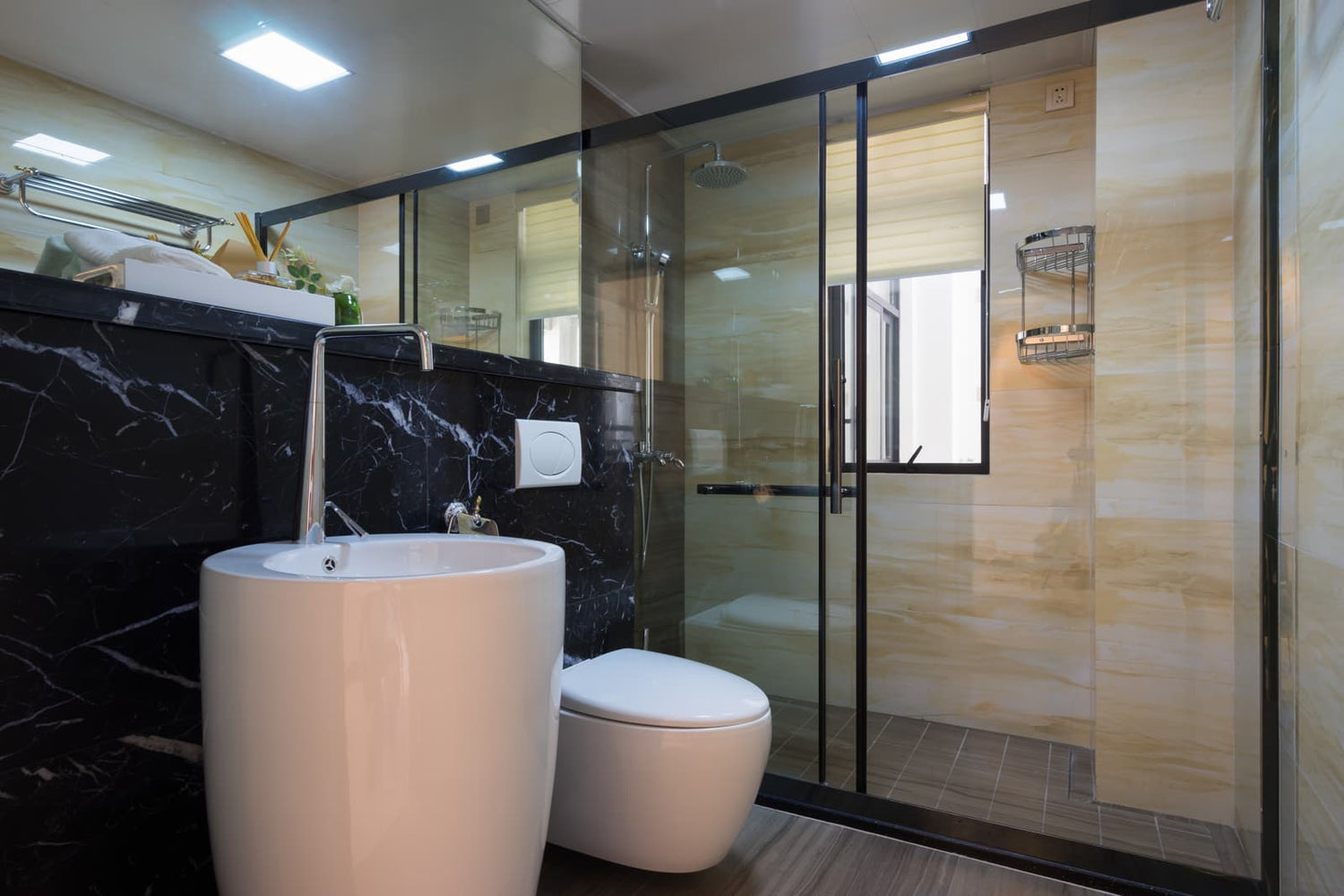
If the door has opened by itself since installation, enclosure geometry is a stronger suspect than ordinary wear. Installation conditions also matter because residential building codes place specific safety requirements on glazing used in doors and other hazardous locations. The 2024 International Residential Code, for example, treats glazing in swinging, sliding, and bifold doors as a hazardous location under its glazing provisions. This glass shower door installation overview provides additional background on frame positioning and door alignment, but it cannot determine whether an existing wall or mounting surface is causing the issue.
Does the Door Have an Alignment Problem?
A shower door alignment problem commonly appears as:
- An uneven gap along the closing edge
- Rubbing at one corner
- Hinged glass that appears to sag
- Sliding glass that sits unevenly in its guides
- Contact with the frame before the seal or detent engages
Watch the final part of the closing motion. If the top reaches the frame before the bottom, or the door must flex or lift to close, adding more holding force will not correct the underlying alignment.
Does the Magnetic Seal Still Engage?

When a shower door magnetic seal is not working, determine whether the strips have lost holding ability or simply do not meet.
Clean both contact surfaces, then close the door slowly. If the strips touch only at one end, alignment is the more likely problem. If they meet evenly but separate too easily, inspect the seal for loose, split, hardened, or displaced material.
A magnetic seal can sometimes be reseated if it has slipped and the door’s instructions allow it. It cannot compensate for sagging glass, a twisted frame, or a gap between the two strips.
Can a Simple Adjustment Fix It?
A simple adjustment may work when the enclosure is stable, the correct adjustment point is accessible, and there are no broken parts. It is less likely to succeed when the door also scrapes, has uneven gaps, or moves at its mounts.
Check Level Before Moving Hardware
First, observe where the door moves when released and whether the closing gap remains consistent from top to bottom. Check the fixed frame and track rather than judging only the moving glass.
This helps distinguish a door adjustment from an enclosure problem. It also establishes the starting position, making it easier to tell whether a change improves or worsens the fit.
Clean the contact surfaces before altering hardware. Residue is simpler to correct than alignment, and changing both at once can make the actual cause harder to identify.
Awkward Screw Access Complicates Adjustments

Adjustment screws may be behind covers, close to a wall, or positioned where the door is difficult to support. Different fasteners may also control different parts of the alignment.
Use the instructions for the installed door when available. If accessing an adjustment requires partial disassembly or the role of a fastener is unclear, the task may be better suited to a shower-door technician.
Blind Tightening Can Worsen Damage
A loose-looking door does not mean every screw needs tightening. Random tightening may pull the door farther out of alignment, strip a mounting point, or make movement too stiff.
Stop adjusting if the glass begins to bind, the frame moves, or a mounting point no longer holds. Tape, wedges, added bumps, and similar improvised fixes may briefly keep a door closed, but they do not correct worn parts or unstable enclosure geometry.
How Closure Performance Changes Over Time
A door that originally worked can begin drifting as residue accumulates, small components wear, or the enclosure shifts. The timing of the change helps separate wear from an installation issue.
Does Residue Affect Friction Closures?
Friction-fit parts require consistent surface contact. Soap residue, grime, or buildup may reduce grip or create enough drag to stop the door before it reaches the proper closed position.
Clean the intended contact surfaces before filing, cutting, or adding adhesive material. Altering the parts may conceal the cause and complicate later adjustment or replacement.
Moisture and Daily Use Wear Parts
Hinges, rollers, guides, seals, sweeps, and detents can change with regular use. A worn sweep may drag against the sill and pull the door away from its closing path. A loose guide may allow sideways movement, while a seal may harden or shift out of position.
Inspect the whole closing path rather than focusing only on the latch or magnetic strip. A component farther from the closing edge may be causing the door to arrive at the wrong angle.
Repeated Adjustments Are a Warning Sign
One correction after installation is different from a door that needs frequent attention. If each adjustment works only briefly, note where the gap or drift returns.
A consistent recurring pattern may point to frame movement or enclosure geometry. Repeated tightening is unlikely to provide dependable closure if the surrounding assembly will not remain aligned.
When Repair Exceeds a Quick Fix

Repair has moved beyond a quick adjustment when parts are visibly damaged, mounts move, or the enclosure repeatedly loses alignment.
Damaged Parts Need Replacement, Not Tweaks
Cracked guides, torn seals, bent tracks, worn detents, and stripped fasteners cannot usually be restored by realignment. Replacement parts must be suitable for the installed door and hardware; a similar appearance does not establish compatibility.
Replace the failed component rather than modifying it to create more friction or holding force.
Mounting Damage May Require Professional Service
Professional realignment is appropriate when wall anchors, frame joints, or hinge mounts move. The same applies if the glass contacts a hard surface or the door must be lifted or forced to close.
A qualified shower-door technician can determine whether the problem is limited to replaceable hardware or involves the supporting enclosure.
Recurring Drift Points to Enclosure Geometry
If a shower door will not stay closed after reasonable cleaning and adjustment, look beyond the seal or hinge. A sloped track, out-of-plumb wall, or shifting frame may keep pulling the door away from its intended position.
At that point, reconsider repeated quick fixes. Reliable closure may require correcting the installation condition rather than applying more force at the closing edge.
Shower Door Options to Compare if Replacement Makes More Sense
If recurring alignment or mounting problems make continued repair impractical, these HOROW shower doors provide several replacement configurations to compare. Confirm the finished opening and product-specific installation requirements before choosing a replacement.
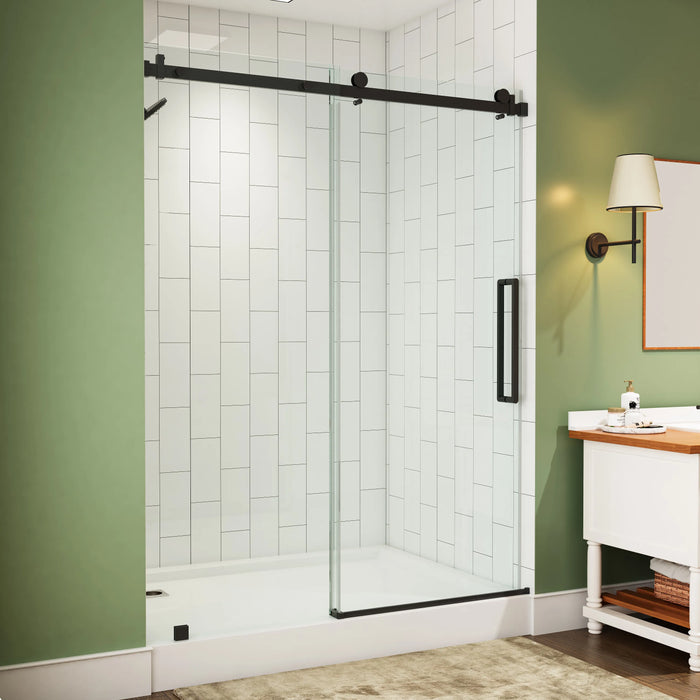
HOROW TE6076-MB
A black sliding shower door option for homeowners comparing a frameless-style replacement after an existing enclosure can no longer maintain reliable closure.
View TE6076-MB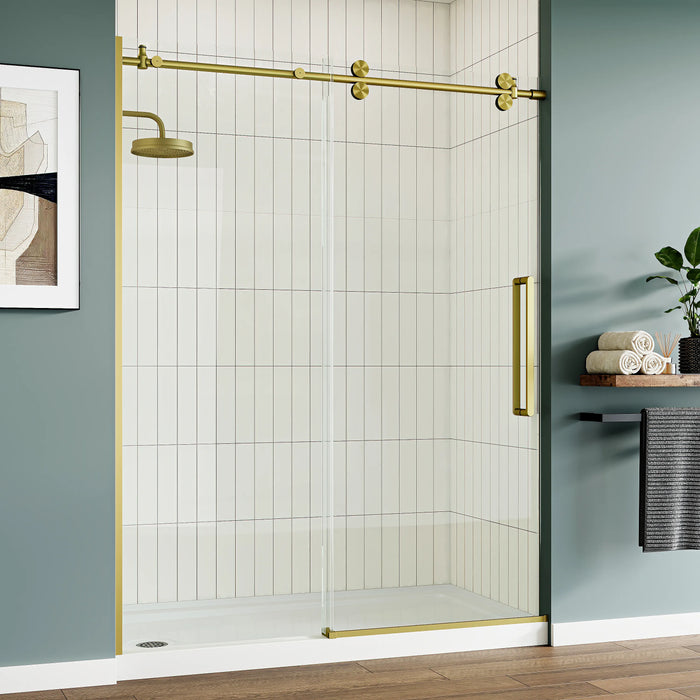
HOROW MI6076-SG
A brushed gold frameless sliding shower door with 8 mm glass for homeowners comparing a different finish and sliding configuration when replacement is being considered.
View MI6076-SG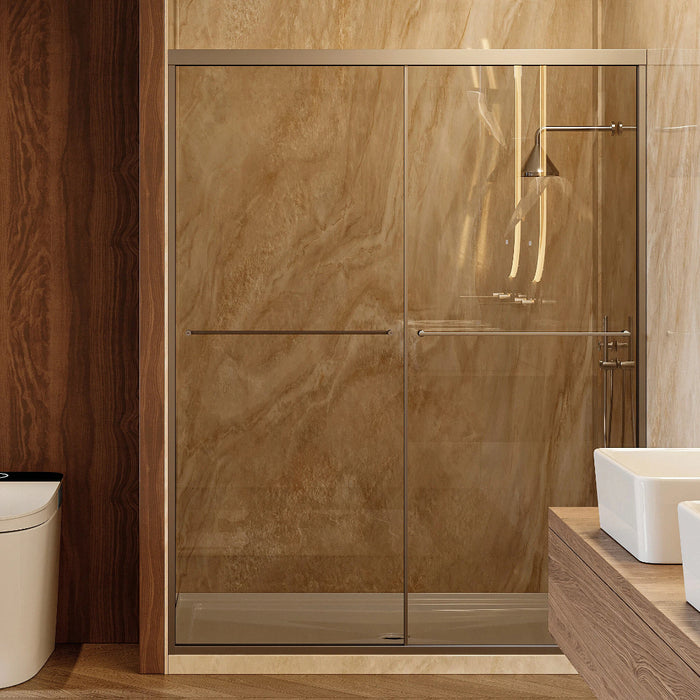
HOROW K2-BN
A brushed nickel shower door option with an ultra-narrow design for homeowners comparing replacement configurations after repair is no longer the practical path.
View K2-BNBefore replacing an existing shower door, confirm the finished opening and review the selected product’s installation requirements to determine whether it is suitable for the existing enclosure.
Before You Adjust or Repair
- Confirm whether the door has always drifted or changed recently.
- Clean the seal, track, sweep, and other contact surfaces.
- Check for uneven gaps, rubbing, sagging, and loose mounts.
- Observe whether the door consistently moves toward one side.
- Use the door’s instructions before loosening or tightening hardware.
- Stop if the glass binds, the frame moves, or the adjustment will not hold.
- Replace damaged parts instead of relying on tape, wedges, or added friction.
Common Questions
Why won’t a shower door stay closed?
A shower door may not stay closed because the closing parts are not meeting correctly or a component is no longer working as intended. The cause can range from a small buildup issue to a change in how the door sits within the enclosure. Checking the door movement pattern and closing point can help narrow down whether the issue is simple maintenance or requires further attention.
Can a magnetic shower door seal be adjusted?
A magnetic shower door seal can sometimes be adjusted if the strip has shifted or is not seated correctly. This usually works only when the seal itself is still in good condition and the door closes evenly. If the seal does not line up because of a larger fit issue, adjusting the strip alone may not improve the closure.
When does a shower door need professional realignment?
A shower door usually needs professional realignment when basic adjustments no longer keep it working properly. This is especially true when the door position changes again shortly after adjustment or when the surrounding structure appears unstable. A technician can check whether the problem comes from replaceable hardware or a deeper installation issue.
Should I tighten the shower door hinges?
You should only tighten shower door hinges when you know the correct fastener is loose and the adjustment method matches the door design. Over-tightening can affect how the door moves and may create additional fitting problems. If the hinge area continues to shift after careful adjustment, the issue may involve the mounting system rather than the hinge tension alone.
References
https://www.iccsafe.org/products-and-services/i-codes/2024-i-codes/irc/


Leave a comment
This site is protected by hCaptcha and the hCaptcha Privacy Policy and Terms of Service apply.