
When Track Cleaning Makes Sense
The easiest way to clean shower door tracks is to remove loose debris, apply a surface-compatible cleaner, let stubborn residue soften, scrub with a narrow non-scratching brush, then rinse and dry the track. This works well for accessible tracks with light to moderate soap scum, hair, or mineral buildup. It is less suitable when the door is crooked, loose, jumping off its guide, or still dragging after the track is clean.
Best for Accessible Tracks With Moderate Buildup
Cleaning makes sense when visible grime appears and the door gradually becomes harder to slide. Hair, soap residue, mineral deposits, and other debris can collect in the channels and around guides.
Start cleaning before deposits harden in corners or around moving parts. If the door still slides normally, cleaning may be primarily cosmetic; if movement has become slightly rough, it can also help determine whether dirt is causing the problem.
Neglected Tracks May Require Several Passes
A neglected track may need repeated soaking and scrubbing. Mixed buildup can remain under guides, around fasteners, or in corners even after the visible surface looks better.
Work in passes rather than applying excessive pressure:
-
Remove loose hair and debris.
-
Apply a cleaner suitable for the track and surrounding materials.
-
Let it work according to its directions.
-
Loosen residue with a small, soft brush.
-
Wipe or rinse away the dirty liquid.
-
Repeat only where deposits remain.
Remove the loosened particles as you go so they do not collect again inside the track.
Skip More Scrubbing for Mechanical Problems
Stop treating the issue as dirt if the door:
-
Hangs unevenly or appears crooked
-
Jumps, lifts, or comes out of its guide
-
Rubs at the same point on every pass
-
Has a loose or damaged guide
-
Remains difficult to move after the track and accessible roller areas are clean
These signs may indicate worn rollers, shifted guides, loose hardware, or poor alignment. Do not force the glass panel or improvise an adjustment. Consult the instructions for the specific door; this overview of the shower-door installation process also explains why track position and alignment affect movement.
How Much Work Does Cleaning Involve?

Can Tracks Be Cleaned Without Removing Doors?
Many sliding shower door tracks can be cleaned at least partly without removing the panels. Move each panel to expose different sections, then use a narrow brush, cotton swab, or cloth wrapped around a blunt plastic tool.
Fixed guides and overlapping panels may still block some areas. Removing the door panels can improve access on some designs. However, glass panels are heavy and difficult to handle, so only remove them when the instructions explain the process and you can do it safely. Otherwise, leave the panels in place or seek qualified help.
Full Cleaning Means Soaking, Scrubbing, Rinsing, Drying
A complete cleaning involves more than wiping the visible rail:
-
Vacuum, brush, or lift out loose debris.
-
Apply a compatible cleaner without flooding nearby surfaces.
-
Allow hardened residue to soften as directed.
-
Scrub the channels, guides, corners, and accessible roller areas.
-
Rinse carefully or wipe away both cleaner and loosened grime.
-
Dry the track before testing the door.
Rinsing or wiping prevents residue from remaining in the channel. Drying removes standing water that could otherwise leave more deposits behind.
Tight Crevices May Require Special Tools
A soft toothbrush often works better than a full-size cleaning brush. A narrow crevice brush can reach deeper channels, while cotton swabs or a cloth-covered plastic tool can address corners.
Avoid sharp tools, rough pads, and aggressive metal scraping unless the door manufacturer expressly permits them. These methods may scratch the track finish or damage nearby seals. Special tools are mainly useful when narrow channels or fixed guides prevent ordinary wiping.
Will Cleaning Fix a Sticking Door?

Is Dirt Causing the Door to Stick?
Dirt is a plausible cause when resistance developed gradually and the track contains visible buildup. Clean and dry the track, then move the door gently. Noticeable improvement suggests grime was contributing to the drag.
Cleaning is less likely to solve a sudden change in movement. A door that abruptly becomes hard to slide may have trapped debris, a shifted guide, a loose part, or a roller problem. Resistance that occurs at one consistent point also suggests something other than general dirt.
Rollers, Guides, and Drain Holes Need Attention

To clean shower door rollers, wipe only the parts you can reach without dismantling the door. Remove visible hair and residue from exposed roller areas, but follow the manufacturer’s instructions before loosening hardware or removing covers.
Clean around the bottom guide as well. Packed grime there can restrict the panel even when the main channel looks clear.
Some tracks have small drain or weep holes that let water leave the channel. Remove visible debris carefully without enlarging the openings or pushing the blockage deeper. If water continues to collect after accessible holes are clear, consult the door instructions or have the installation checked.
Persistent Drag May Indicate Alignment Trouble
If a clean door still drags, inspect accessible rollers and guides for visible wear, looseness, or uneven contact. Do not keep scrubbing a track that is already clean.
Lubricant is not a universal solution. Some products may collect dirt or be unsuitable for seals, plastics, rollers, or finished metal. Lubricate shower door rollers only if the door manufacturer specifies an approved product and application point.
Shower Doors to Compare If Replacement Makes More Sense
If a clean track still leaves the door dragging, unstable, or difficult to move, the next step may involve hardware service or replacement rather than more scrubbing. If you are already considering a replacement shower door, these HOROW models provide several designs and finishes to compare. Check the product page and installation requirements before ordering.
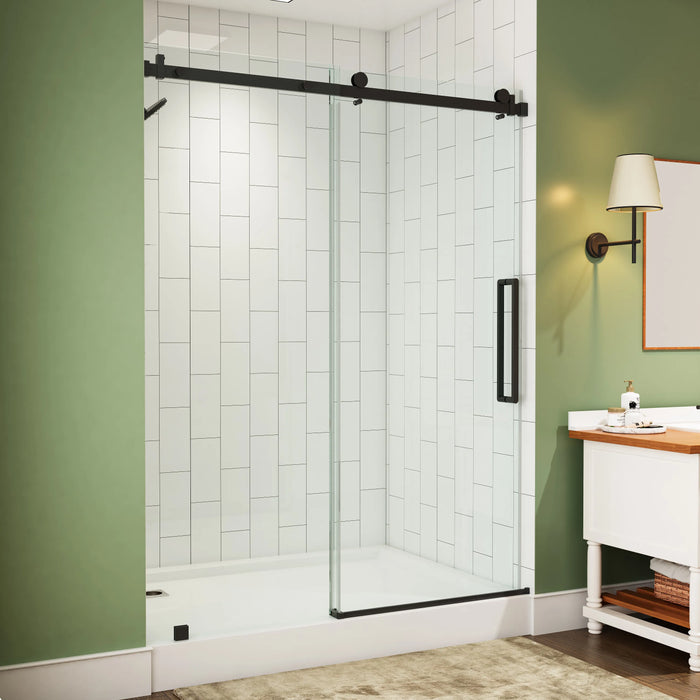
HOROW TE6076-MB Black Sliding Shower Door
A black frameless sliding option with stainless steel rollers and an easy-clean glass coating. It is worth comparing when replacing an existing sliding enclosure and you prefer a dark finish.
View Product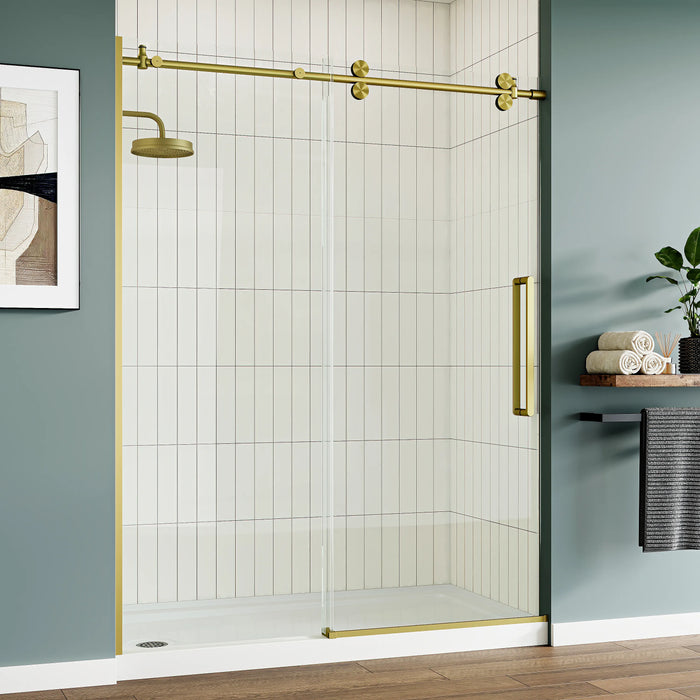
HOROW MI6076-SG Brushed Gold Shower Door
A brushed gold frameless sliding option with tempered glass and an easy-clean coating. It can be considered when you want a sliding enclosure with a warmer metal finish.
View Product
HOROW K2-BN Brushed Nickel Shower Door
A brushed nickel option with an ultra-narrow frame and a tilted bottom rail intended to help water drain. It offers another layout and finish to compare when replacement becomes necessary.
View ProductCleaner Choice Depends on Surrounding Materials
Which Cleaners Are Safe for Track Materials?
The correct cleaner depends on the track finish, seals, glass coatings, and adjacent tile or threshold. When the manufacturer does not specify a method, a mild cleaner labeled as compatible with those surfaces is a cautious starting point. Test it in an inconspicuous area and follow its contact-time and rinsing directions.
More aggressive cleaning is not necessarily more effective. Hardened residue may respond better to adequate soaking and gentle agitation than to abrasive powder, rough pads, or sharp scraping.
For dark mold- or mildew-like buildup, use a cleaner labeled for the affected surfaces. Allow it to work as directed, scrub accessible areas, rinse, and dry. Recurring dark growth can indicate that water and residue are remaining in hidden sections, so clear the drainage openings and improve routine drying where practical.
Persistent mold growth is often linked to ongoing moisture problems rather than a single cleaning event. The Centers for Disease Control and Prevention recommends controlling moisture and fixing water-related issues because reducing damp conditions is an important part of preventing mold from returning.
Vinegar Can Damage Nearby Stone Surfaces
Vinegar is often suggested for mineral residue, but acidic cleaners are not appropriate for every shower. If the track borders natural stone tile, a stone threshold, or a stone floor, avoid vinegar unless the stone’s care instructions specifically permit it.
This is especially important for showers with natural stone surfaces. The Natural Stone Institute advises avoiding acidic cleaners on many stone materials because acids can dull finishes or damage the surface over time. Always confirm the recommended care method for the specific stone before applying any cleaner.
Consider every surface the liquid may contact—not only the metal track. A cleaner that is acceptable for one material may harm or discolor another.
Manufacturer Instructions Govern Lubricant Use
Do not automatically apply penetrating spray or petroleum-based oil after cleaning. A temporarily smoother door does not mean the product is safe for the rollers, seals, guides, or finish.
Check the care manual for the specific door. If it does not call for lubrication, keep the track clean and dry rather than adding an unapproved product.
Ongoing Shower Track Maintenance Adds Effort

Does Track Cleaning Require Weekly Upkeep?
There is no single schedule suitable for every shower. Cleaning needs vary with use, ventilation, water deposits, bathing products, track design, and whether water remains in the channel.
Inspect the track during normal bathroom cleaning. Clean it when residue becomes visible, drainage slows, or door movement begins to change. Cleaning based on visible buildup and door performance helps avoid unnecessary deep cleaning while preventing buildup from becoming difficult to remove.
Drying After Use Helps Limit Buildup
A quick wipe of accessible areas can remove water and loose residue before they dry in the track. This is most useful where the channels routinely retain water or collect substantial soap residue.
It does not need to become a full cleaning after every shower. Focus on standing water and obvious debris, then leave deeper scrubbing for normal bathroom maintenance.
Deferred Maintenance Makes Deep Cleaning Harder
Layers of residue can harden in corners, cover drain openings, and collect around guides or rollers. Occasional light attention adds a small recurring task, but it is generally easier than restoring a heavily neglected track through repeated soaking and scrubbing.
Before You Clean
-
Confirm that visible dirt, rather than crooked or loose hardware, is the likely problem.
-
Check whether you can reach the track without removing the glass panels.
-
Identify stone, seals, coated glass, and finished metal that the cleaner may contact.
-
Clear loose debris before adding liquid cleaner.
-
Check reachable rollers, guides, and drainage openings without taking apart the hardware.
-
Stop if the clean door remains uneven, unstable, or difficult to move.
-
Follow the door manufacturer’s instructions before adjusting or lubricating anything.
Common Questions
What is the easiest way to clean shower door tracks?
The simplest method is to clean the track in small sections using a suitable cleaner and a soft brush. A small brush or cloth-covered tool can reach places where regular bathroom cleaning tools cannot. Avoid rushing the process with harsh scrapers, as they may damage the track surface or nearby finishes. For tracks with heavy buildup, letting the cleaner sit briefly can make the residue easier to remove.
How do you remove mold from a shower door track?
You can remove mold from a shower door track by using a surface-safe cleaner and cleaning the affected areas carefully. Choose a product that matches the track material and nearby surfaces, especially if the shower has stone or special finishes. Recurring mold may mean moisture is staying in hidden areas, so improving drainage and drying habits can help prevent it from returning.
Can tracks be cleaned without removing the doors?
Yes, many shower door tracks can be cleaned without taking the doors off. Sliding the panels to different positions usually gives enough access for basic cleaning tools to reach most areas. Removing glass panels is only worth considering for certain designs and can be difficult because of their size and weight. If the instructions do not explain removal clearly, keeping the doors in place is often the safer choice.
Should shower door rollers be lubricated after cleaning?
Shower door rollers should only be lubricated if the manufacturer recommends it for that specific door system. A clean track does not always mean lubrication is needed. If the door still feels difficult to move after cleaning, check for alignment or hardware issues before adding any product.
References
https://www.naturalstoneinstitute.org/consumers/care/
https://www.cdc.gov/mold-health/about/index.html



Leave a comment
This site is protected by hCaptcha and the hCaptcha Privacy Policy and Terms of Service apply.