
Who Benefits From a Bidet Toilet?
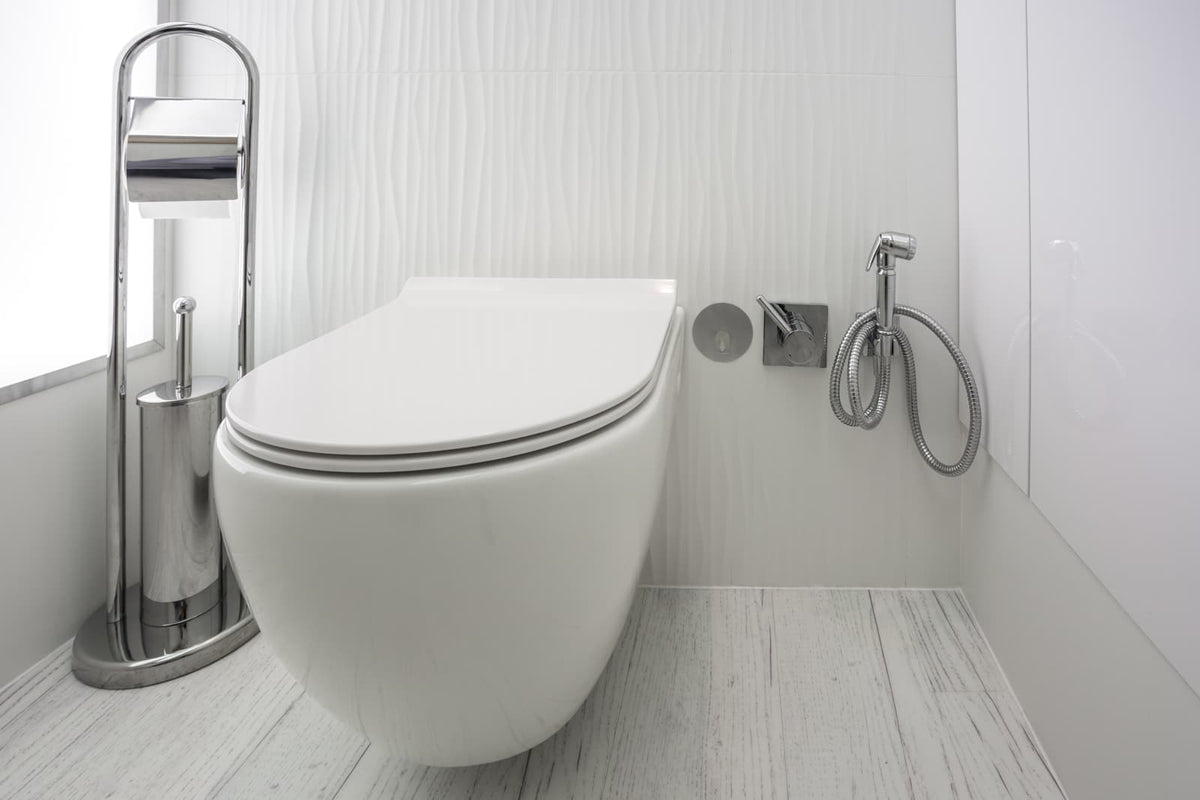
A bidet toilet sends water from the home’s supply line through a nozzle to rinse the user after toileting. You activate the spray, adjust its pressure or position, rinse, and then dry. Electronic models may also provide heated water, a heated seat, nozzle movement, or air drying.
A bidet toilet is good for people who prefer adjustable, water-based cleaning and expect to use it regularly. It is less suitable when toilet fit, water access, electrical access, or ongoing maintenance outweigh the convenience. It can reduce reliance on toilet paper, but it does not always eliminate the need for paper or another drying method.
Best for Adjustable Water-Based Cleaning
Bidets clean by rinsing rather than relying only on dry wiping. Depending on the design, controls may be on a side panel, remote, dial, or integrated control panel. Common adjustments include water pressure and nozzle position; electronic models may offer additional settings.
There is usually a learning period. The spray may not initially reach the right place, and high pressure can feel uncomfortable. Start with low pressure and make small adjustments to the controls or your sitting position.
Works Best With Compatible Bathroom Connections
A bidet seat or integrated bidet toilet needs a suitable water connection. Many retrofit seats connect to the toilet’s existing supply through an added valve and hose. Electronic models also require power arranged according to the product instructions and applicable local requirements.
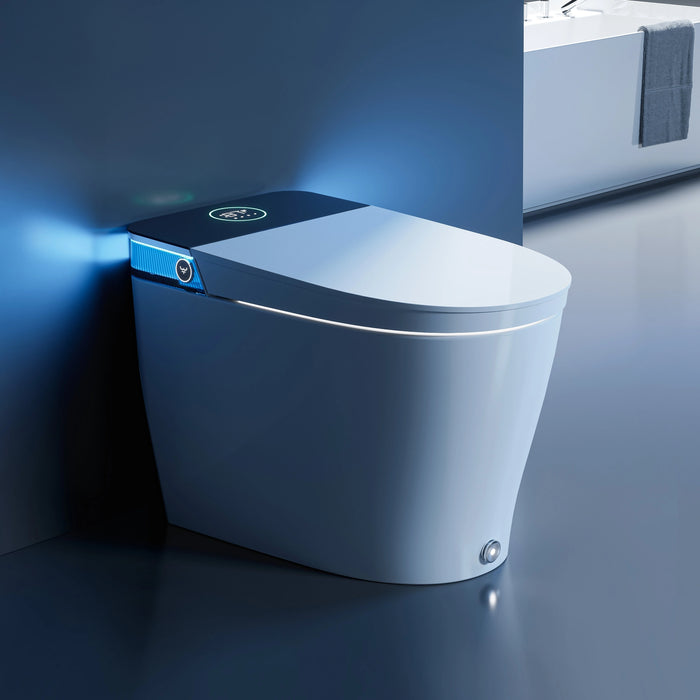
Installation is most practical when the toilet is compatible, the shutoff valve works, fittings are accessible, and there is enough clearance around the bowl and tank. If you are considering different formats, HOROW’s bidet toilets and smart toilets show integrated options rather than retrofit seats.
HOROW Bidet Toilet Options to Compare
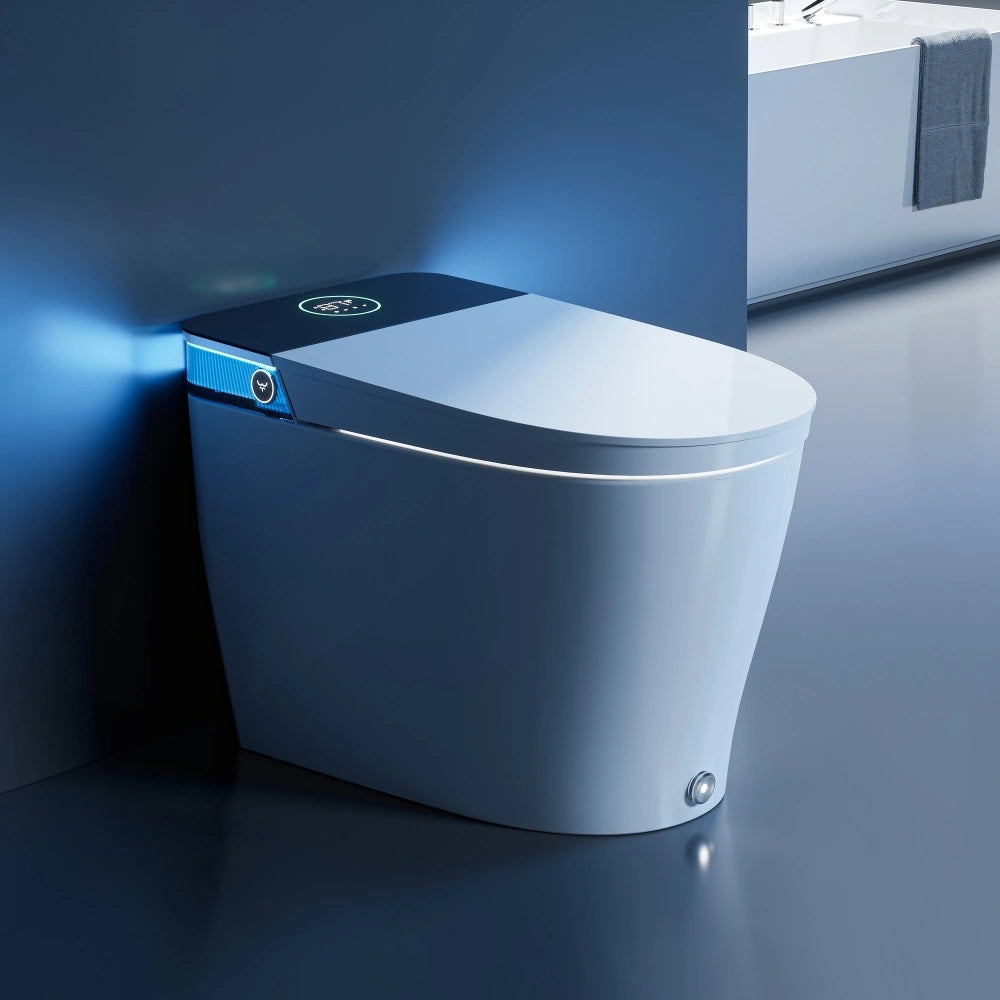
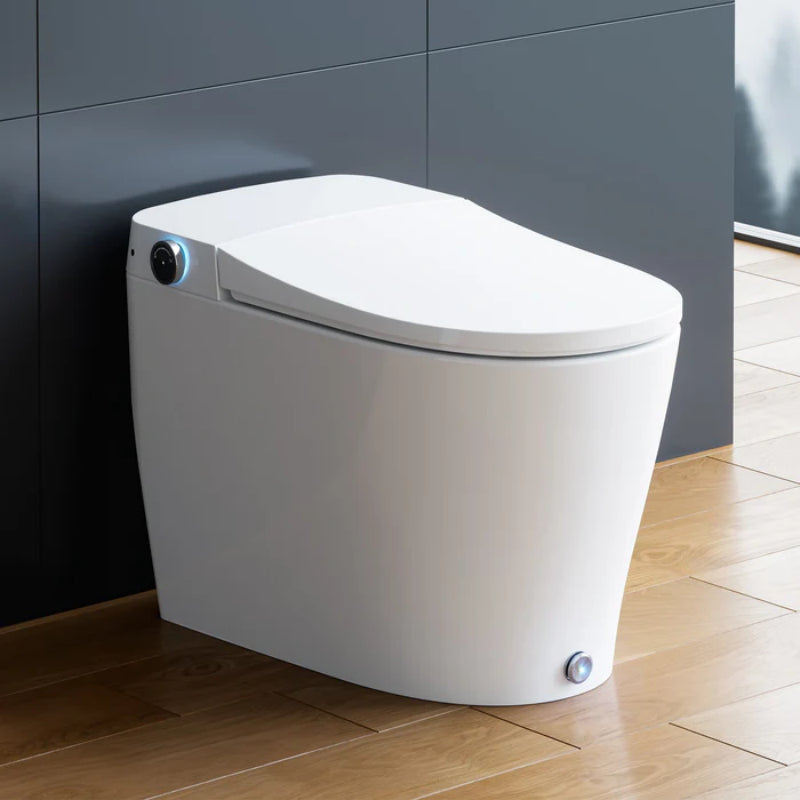
If you prefer an integrated toilet-and-bidet format, these HOROW models provide two options to compare. Review each product page for the applicable fit, installation requirements, connections, and available features before purchasing.

Skip It When Setup Outweighs Convenience
A bidet may offer limited value if you are satisfied with your current routine or expect to use the feature only occasionally. It may also be a poor fit if the bathroom has an inaccessible shutoff valve, limited toilet clearance, or no suitable power access for an electronic model.
Added hoses, valves, seals, and moving parts also require attention. Leaks are not inevitable, but every water connection must be installed correctly and checked over time.
How the Rinse and Controls Work
Where Does the Bidet Water Come From?
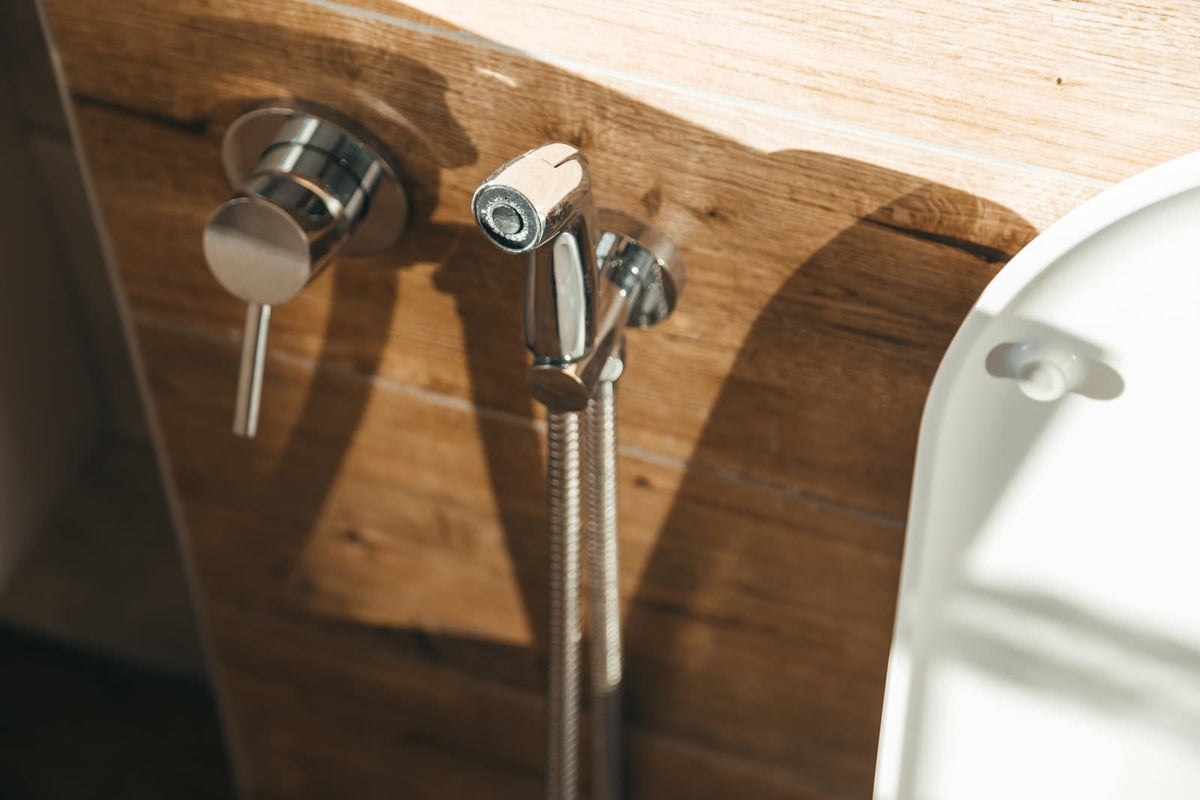
Bidet rinse water normally comes from the home’s water supply, not from water stored in the toilet bowl. When activated, water travels through a hose or internal line to the nozzle. After rinsing, the used water falls into the bowl and exits through the toilet’s normal drain.
On many designs, the nozzle extends for use and retracts behind a guard afterward. Non-electric bidets generally rely on household water pressure, while electronic units use powered controls and may heat the water internally.
What Changes With an Electronic Bidet Seat?
An electronic bidet seat can add water-temperature control, nozzle movement, spray patterns, seat heating, and air drying. Available features vary by unit, so they should be confirmed in the specific product documentation.
Power adds an installation constraint. The cord must reach a suitable outlet using a setup permitted by the manufacturer’s instructions and local requirements. Do not assume that a distant outlet or an extension cord is appropriate for a bathroom installation.
Electronic operation may also introduce a brief delay while the nozzle extends or the unit prepares warm water. Users who value simple, immediate operation may prefer a non-electric design.
Spray Settings Affect Comfort and Cleaning
Nozzle position, spray pressure, spray pattern, toilet geometry, and sitting position all affect where the water lands. Automatic nozzle positioning does not guarantee an ideal aim for every user.
Begin with low pressure, remain seated normally, and adjust one setting at a time. Shared toilets may require frequent readjustment because one person’s preferred position and pressure may not suit another.
Will Your Bathroom Support Bidet Installation?
Is Your Toilet Shape Compatible?
A bidet seat must fit the toilet’s bowl shape and mounting arrangement. Seat-bolt placement, tank clearance, lid movement, and space for controls or hoses can all affect compatibility.
A poor fit may leave the seat inadequately supported, interfere with the lid, or make controls and connections difficult to reach. Check the exact seat’s fit information before removing the existing seat or purchasing installation parts.
For an integrated bidet toilet, review the applicable installation documentation for its plumbing, power, and space requirements. Similar appearance does not guarantee that two units install in the same way.
Can You Reach the Shutoff Valve?

The toilet’s shutoff valve must be accessible during installation and future maintenance. A valve that is stuck, leaking, or unable to close fully can turn a basic installation into a plumbing repair.
Test the valve before starting, without forcing it. If it does not operate correctly or the connection is difficult to reach, have the setup assessed before disturbing old fittings. Once the bidet is installed, keep the valve accessible so the water can be isolated for maintenance or if a leak appears.
When restoring the supply, follow the installation instructions and inspect every connection. Incorrect assembly, damaged washers, loose fittings, and excessive tightening can all cause problems.
Electrical Access Can Limit Electronic Seats
Before choosing an electronic seat, locate the outlet and compare its position with the unit’s cord and installation instructions. The cable should not create a trip hazard or be routed through the bathroom in a way the documentation prohibits.
If suitable power is not already available near the toilet, installation may become more involved. Confirm the product requirements and obtain qualified help where electrical work or interpretation of local requirements is needed.
Where Daily Use Creates Friction
Spray Position Requires Personal Adjustment
A bidet is not necessarily a perfect one-button experience. Users may need to adjust the nozzle, pressure, or sitting position, particularly when several household members share the toilet.
Controls can also be unfamiliar to guests. Clear icons and gentle default settings help, but anyone using the bidet for the first time should begin at low pressure.
Does Warm Water Start Instantly?
Not always. Some electronic systems need time to extend the nozzle or prepare heated water. Water temperature may also vary during a longer rinse depending on the unit’s heating design.
If immediate or sustained warm water is important, check the exact operating description before buying. “Heated water” alone does not establish how quickly warmth begins or how the temperature behaves during use. Non-heated models may also feel uncomfortably cold in some homes or seasons.
Drying May Still Require Toilet Paper
A bidet can reduce toilet paper use without eliminating it. Many users still use a small amount of paper to dry or confirm that cleaning is complete.
An integrated air dryer may reduce that need, but drying takes time and may not leave every user fully dry. A bidet is therefore less suitable for someone expecting an immediate, completely paper-free routine.
What Long-Term Upkeep Should You Expect?
Do Self-Cleaning Nozzles Need Cleaning?

Yes. “Self-cleaning” generally means that the unit rinses its nozzle before or after use. It does not mean the nozzle guard, seat, controls, bowl area, and surrounding surfaces never require manual cleaning.
Follow the unit’s care instructions for extending or removing the nozzle and selecting cleaning products. An incompatible cleaner could damage surfaces, seals, or moving components.
Connections Require Routine Leak Checks
Periodically inspect visible hoses, valves, washers, and threaded connections. Moisture, staining, corrosion, or slow drips can indicate a connection that needs attention.
Check the connections after installation and whenever the bidet has been removed or serviced. If parts do not align or the correct assembly is unclear, stop rather than forcing or repeatedly tightening them.
Hard Water Can Increase Mineral Buildup
Hard water may leave deposits around nozzle openings and moving parts, potentially changing the spray pattern or making the area harder to clean. Homes that already experience scale on faucets may need to give the bidet nozzle similar attention.
Use only maintenance and descaling methods approved for the specific unit. Hard water does not automatically rule out a bidet, but it can increase upkeep.
Before You Choose
- Confirm the toilet shape, mounting points, tank clearance, and lid movement.
- Test the shutoff valve and make sure it will remain accessible.
- Check the required water fittings against the existing connection.
- For an electronic unit, verify power requirements in its instructions.
- Decide whether spray adjustment, warm-up time, or drying time will bother you.
- Plan to clean the nozzle area and inspect water connections.
- Review the exact installation and care documentation before purchase.
Common Questions
Does a bidet use water from the toilet bowl?
No. The nozzle is normally supplied by the home’s water line. Used rinse water falls into the bowl and drains away.
Does a bidet replace toilet paper?
Not necessarily. It can reduce wiping, but paper or another method may still be needed for drying. Air dryers can help but may take longer than expected.
Can I install a bidet seat myself?
Some installations are straightforward when the toilet, valve, fittings, clearance, and power access are suitable. Stop if the valve leaks, parts do not fit, or the bathroom setup differs from the product instructions.
Is a bidet toilet difficult to maintain?
Routine care is generally manageable, but a bidet is not maintenance-free. The nozzle area needs cleaning, connections need inspection, and hard water may create mineral deposits.
Reference
https://codes.iccsafe.org/content/IPC2024P1/chapter-4-fixtures-faucets-and-fixture-fittings



Leave a comment
This site is protected by hCaptcha and the hCaptcha Privacy Policy and Terms of Service apply.