
Is Nozzle Cleaning Manageable?
Yes. Bidet nozzle cleaning is generally manageable if you are willing to inspect the nozzle during regular toilet cleaning and gently remove visible residue. Built-in self-rinsing reduces routine work, but it may not remove mineral scale or grime around the nozzle housing.
Good for: Owners comfortable with periodic, manual cleaning based on the product instructions.
Less suitable for: Anyone expecting a bidet seat or bidet toilet to require no cleaning beyond its automatic rinse.
Best for Owners Accepting Periodic Gentle Cleaning
Nozzle care is a small extension of normal bathroom hygiene. Depending on the design, you may activate a cleaning mode, inspect the extended nozzle, and wipe it with a soft cloth or another manufacturer-approved tool.
Manual attention is most useful when you see residue, notice mineral deposits, or experience a change in the spray pattern. The goal is ordinary maintenance—not trying to keep the nozzle permanently sterile.
Cleaning remains relatively simple when the nozzle is accessible and residue wipes away without aggressive scrubbing. Before handling a retractable nozzle, check the manual for the approved extension procedure.
Skip It If You Expect Zero Maintenance
A “self-cleaning” label can create the wrong expectation. On many bidets, the feature rinses the nozzle with water before or after use. It does not physically scrub the nozzle or clean every adjacent surface.
A bidet may be less suitable if nobody in the household is willing to clean the guard, seat underside, hinges, controls, and rear gap. Those areas can create more upkeep than the nozzle tip itself.
Self-Rinsing Reduces Work, Not Buildup
An automatic rinse can flush away loose residue and usually removes the need to wipe the nozzle after every wash. It is useful routine assistance, but it does not prevent all buildup.
Minerals can remain after water dries, particularly in homes that already experience scale on faucets or showerheads. Splash residue may also collect around the nozzle opening where the rinse has limited reach.
What Does Self-Cleaning Actually Handle?
Does Self-Cleaning Eliminate Manual Cleaning?
No. A self-cleaning cycle addresses surfaces reached by the rinse water. It cannot confirm that the back of the nozzle, its guard, or the surrounding housing is clean.
A quick visual inspection during normal toilet cleaning helps identify deposits before they become harder to remove. If the nozzle looks clean and performs normally, additional handling may not be necessary unless the manual specifies otherwise.
Rinsing Misses Scale and Housing Residue
Hardened mineral deposits behave differently from fresh residue. Repeating the rinse cycle may not remove scale once it has formed. Moisture and grime can also remain near the opening into which a retractable nozzle returns.
Access procedures vary by design. Some units have a dedicated nozzle-cleaning mode, while others require a model-specific sequence. Do not assume that advice about pulling out, soaking, or dismantling one nozzle applies to another.
Visible Cleanliness Does Not Cover Every Surface
A clean nozzle tip does not prove that the entire assembly is clean. The underside, rear surface, guard, and housing opening may remain hidden during an ordinary inspection.
That does not mean a concealed surface is automatically a hygiene problem. It means the nozzle should be treated as one part of the broader toilet and seat area rather than as a sealed, maintenance-free component.
How Much Maintenance Should You Expect?
Does Hard Water Increase Maintenance?

Hard water can leave mineral scale even when the automatic rinse works normally. If deposits commonly appear elsewhere in your bathroom, the bidet nozzle may need more frequent inspection and manual attention.
Do not automatically apply vinegar, descaler, or another household product. A cleaner that works on a faucet may be unsuitable for a nozzle’s finish, nearby seals, or internal components. Use only methods permitted by the unit’s care instructions.
Inspect Based on Buildup and Spray Performance
Cleaning needs depend on water quality, use, and nozzle design. Watch for practical signs such as:
-
Visible film or mineral deposits
-
An uneven or weaker spray
-
Residue around the nozzle guard or housing
-
Hesitation during extension or retraction
-
Unexpected moisture near a hose or connection
These signs can have different causes. For example, an uneven spray may indicate blocked nozzle openings, while moisture near a fitting calls for inspection under the product instructions. Do not loosen connections merely as part of routine cleaning.
Fixed Cleaning Schedules May Mislead
There is no universal cleaning interval that suits every bidet. A lightly used toilet in an area with little scale may need less attention than a frequently used unit exposed to hard water.
Inspecting the nozzle during regular bathroom cleaning is a practical middle ground. It avoids unnecessary chemical use while reducing the chance that deposits will harden unnoticed. Follow the manual if it provides a model-specific schedule.
Which Areas Need Cleaning Beyond the Nozzle?

Guards and Seat Undersides Collect Grime
The guard and seat underside may receive splashes that the nozzle rinse does not reach. Edges and seams can also hold residue even when the visible nozzle looks clean.
Access matters. During bidet installation, note whether the seat can be lifted or released for cleaning and whether you can reach behind it without disturbing plumbing or electrical components.
Hinges, Controls, and Rear Gaps Need Attention
Hinges, control panels, seams, and the gap behind the seat can collect dust and moisture. These surfaces normally require wiping as part of cleaning the full toilet area.
A bidet seat or integrated bidet function introduces more contours and components than a plain toilet seat. This extra detail is manageable for many owners but may feel tedious to someone seeking the simplest possible cleaning routine.
Hose Connections Merit Periodic Inspection
While cleaning, visually check accessible hoses and water connections for unexpected moisture, movement, or visible deterioration. Avoid loosening fittings or opening the housing.
If moisture returns after being wiped away, follow the product instructions or seek qualified help. Water near the seat does not necessarily mean that the nozzle itself is leaking.
How Can Cleaning Create Problems?
Which Cleaners Are Safe?
The manual for the specific bidet toilet or bidet seat should control the cleaning method. Materials, coatings, electronics, and seals vary, so a cleaner described as mild is not automatically compatible with every unit.
Avoid abrasive pads, metal tools, aggressive scrubbing, and strong chemicals unless the manufacturer expressly permits them. Do not assume that toilet bowl cleaner is safe for the seat, nozzle, controls, or retractable mechanism. If separate instructions are provided for the bowl and bidet components, follow those divisions.
Never Force a Retractable Nozzle
A retractable nozzle is a moving component. Pulling, twisting, or holding it against its normal movement may damage or misalign the mechanism.
Use the designated cleaning mode or the manual’s extension procedure. If manual extension is not specifically allowed, do not copy a technique intended for a different product. More aggressive cleaning is not necessarily more effective.
What If the Nozzle Will Not Extend?
Stop if the nozzle resists movement. Do not pull it out or attempt to reposition it with a tool.
Follow the model’s troubleshooting instructions, including any approved checks for power, water supply, cleaning mode, or nozzle position. A nozzle that fails to extend may be affected by residue, an interrupted cycle, or mechanical positioning; the symptom alone does not identify the cause.
If the approved reset and cleaning steps do not restore normal operation, arrange service rather than opening the housing.
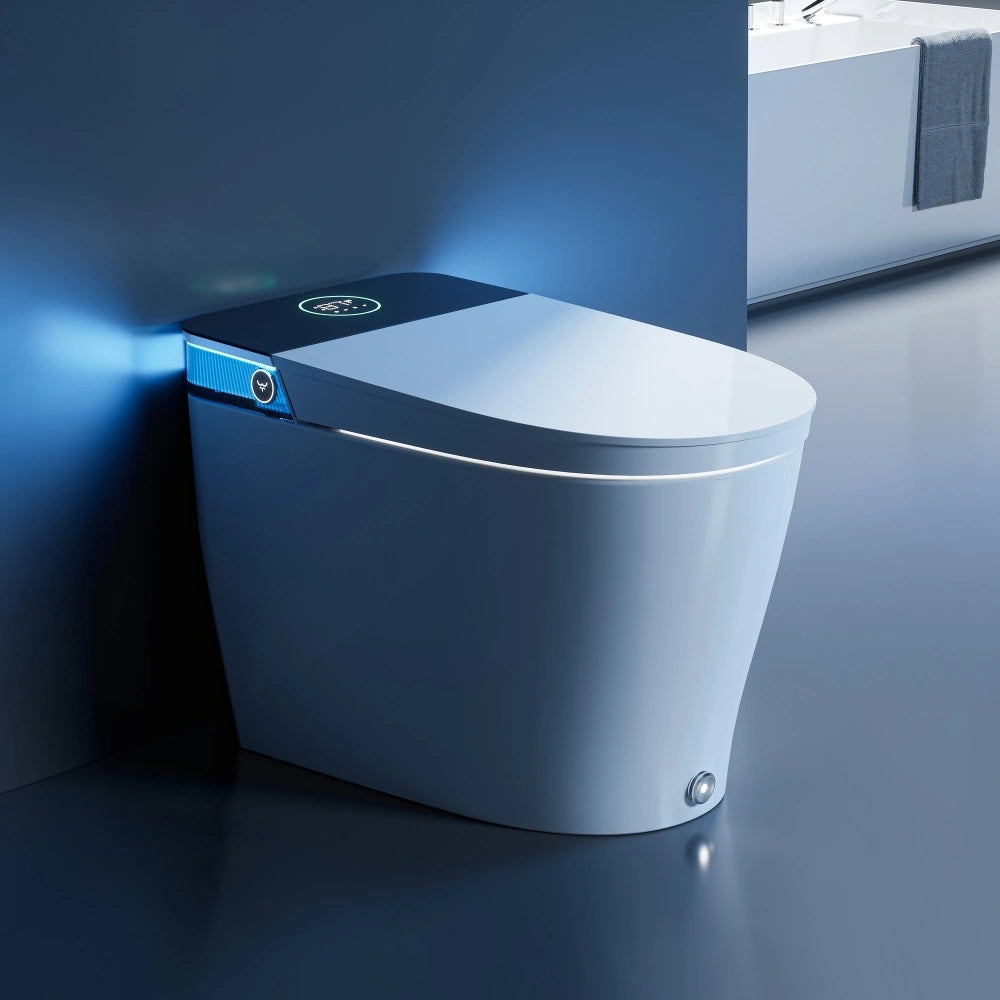
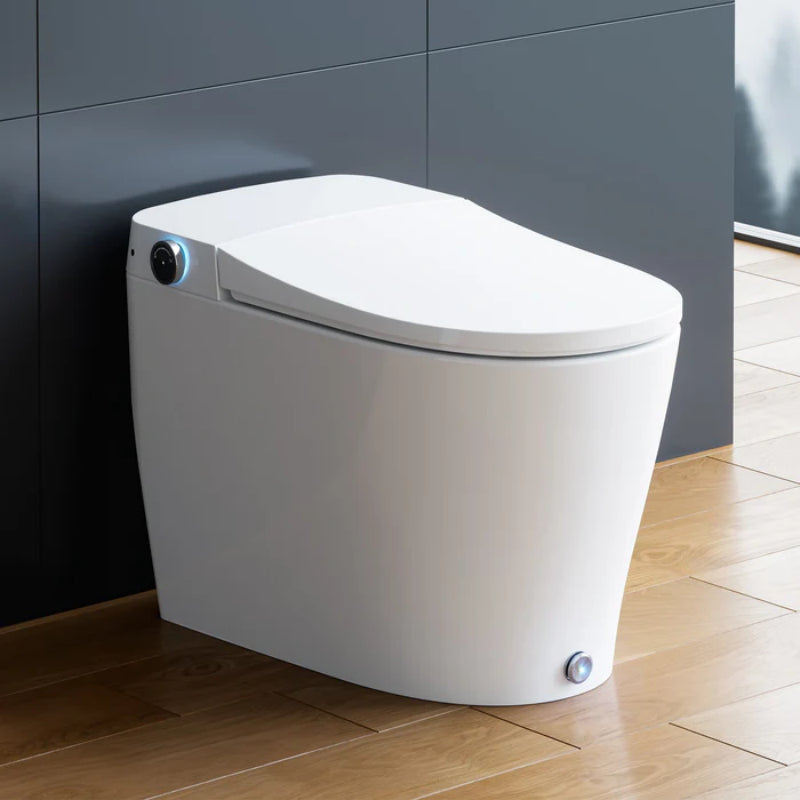
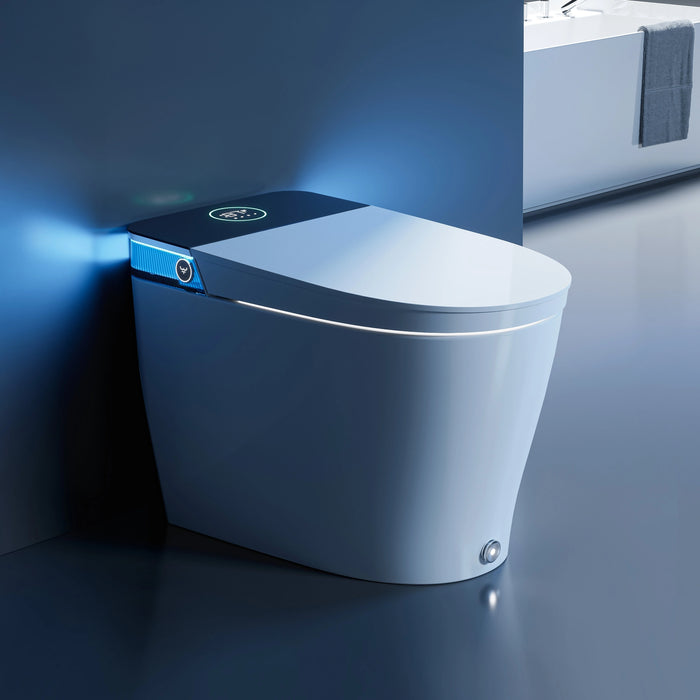
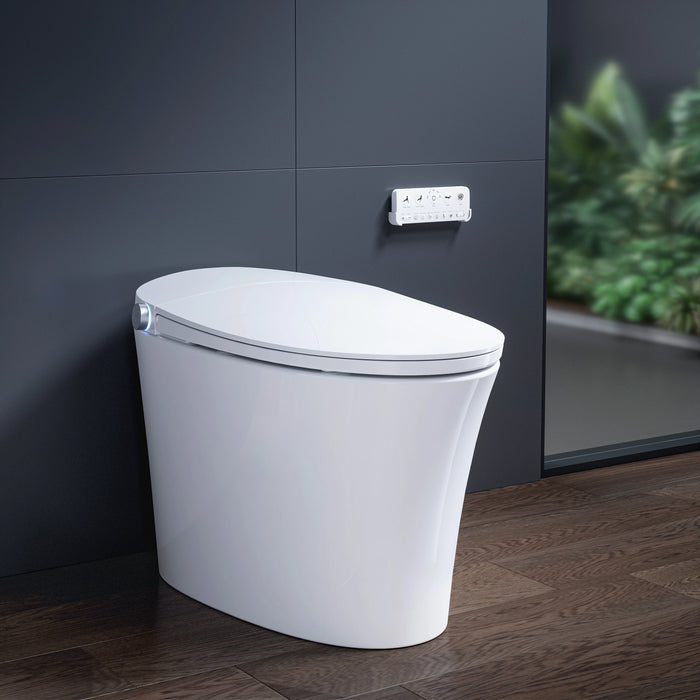
HOROW Smart Toilets to Compare
If nozzle care is part of your buying checklist, compare the product details and care instructions for these HOROW smart toilet models before choosing.

Before You Choose
When comparing bidet toilets or smart toilets, check the care instructions as closely as the wash features.
-
Confirm how the nozzle extends for cleaning.
-
Check which cloths, brushes, and cleaners are permitted.
-
Consider whether hard-water scale is common in your home.
-
Look for easy access to the guard, seat underside, hinges, and rear gap.
-
Accept that self-rinsing reduces work but does not remove every deposit.
-
Make sure routine cleaning will not require forcing moving parts.
-
Inspect visible hoses and connections without loosening them.
Common Questions
Should I clean the nozzle after every use?
Usually not. The built-in rinse handles routine flushing on models that include it. Manual cleaning should follow the product instructions and respond to visible residue, scale, accidental soiling, or changed spray performance.
Can I use toilet bowl cleaner on a bidet nozzle?
Do not assume so. Bowl cleaner may be unsuitable for the nozzle, seals, seat materials, or electronic controls. Use only products approved for the specific component.
Is vinegar safe for removing mineral scale?
Only when the manufacturer’s instructions permit it. Even if vinegar is compatible with the nozzle surface, soaking or applying it near seals and internal parts may not be approved.
Why has the spray become uneven?
Residue or mineral deposits may be blocking part of the nozzle, but other causes are possible. Use the approved cleaning process first. If performance does not improve, consult the model’s troubleshooting instructions.
Reference
https://www.epa.gov/indoor-air-quality-iaq/biological-contaminants-and-indoor-air-quality


Leave a comment
This site is protected by hCaptcha and the hCaptcha Privacy Policy and Terms of Service apply.