



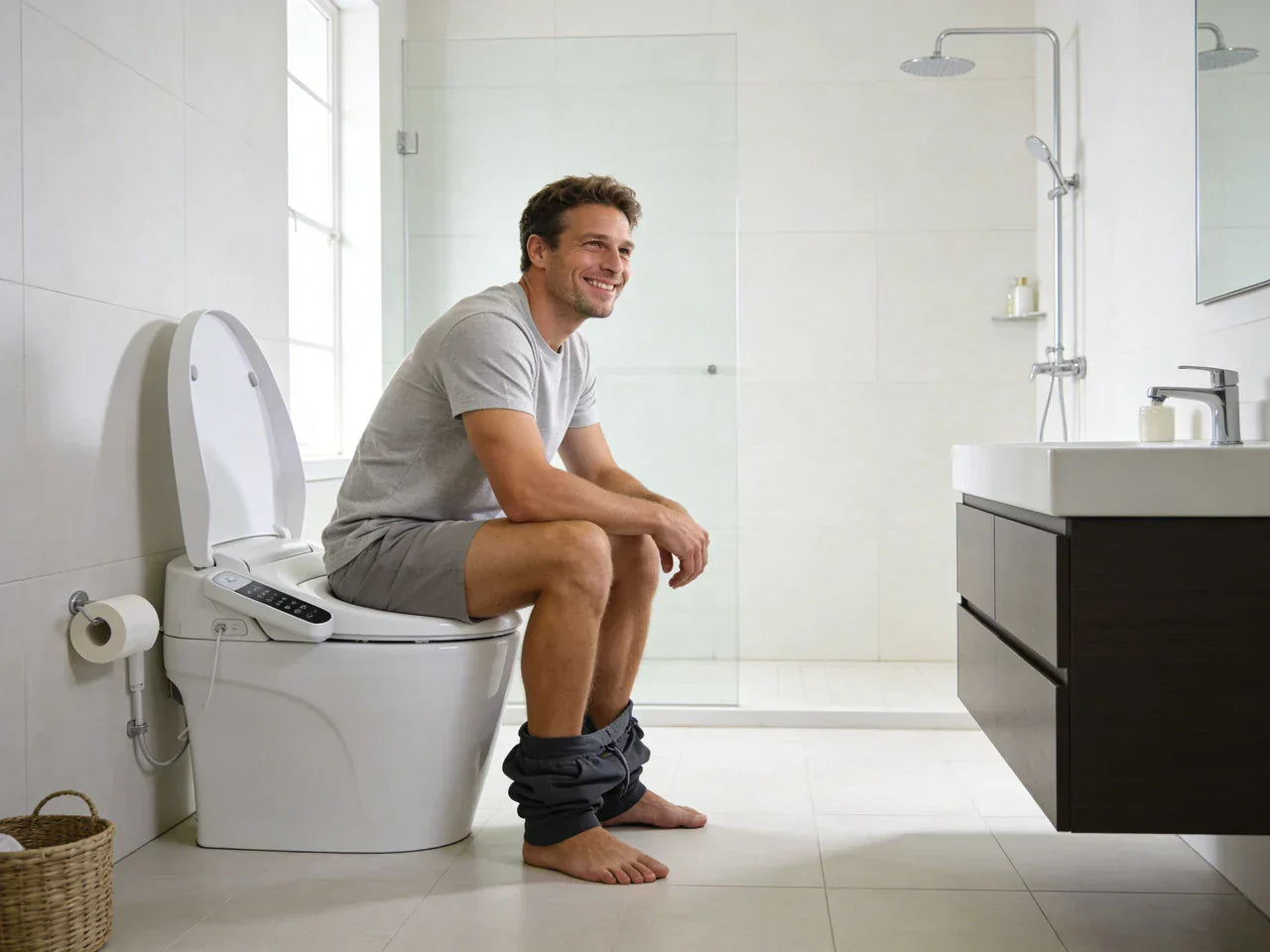
Bidet toilets are no longer a rare luxury fixture you see only in fancy hotels or in Europe. In 2025, more people are adding bidet toilet seats, simple attachments, and fully integrated smart toilets to their everyday bathrooms. Modern bidets offer a different experience. A gentle stream of water cleans you far more thoroughly, feels more comfortable, and can reduce toilet paper use by up to 75%. That saves money, helps the environment, and often improves daily comfort and hygiene.
This guide gives you both quick answers and deep detail. You’ll see a fast verdict, a clear bidet vs traditional toilet comparison, types of bidet toilets, cost and savings, how to choose, installation tips, real user results, and concise FAQs so you can decide what fits your home.
Why Bidet Toilets Are Taking Over Bathrooms
The reason is simple: traditional toilets plus toilet paper leave residue, cause irritation, and create a steady drain on your wallet and the environment. Dry wiping can be rough on skin, TP prices keep rising, and every roll uses trees and large amounts of water in production.
The problem with traditional toilets and toilet paper
Most of us grew up using only a toilet and dry toilet paper, so it seems “standard.” But once you look closer, the downsides are hard to ignore. Dry wiping tends to smear more than it removes. Tiny bits of stool can stay on the skin, which can cause itching, odor, and irritation. Over time, the friction from wiping can make hemorrhoids, anal fissures, eczema, or sensitive skin feel worse, not better.
Dry wiping can also leave behind bacteria that may play a role in urinary tract infections (UTIs) and other issues, especially for women. Healthcare providers who talk about perineal hygiene often stress that gentle cleaning with water is kinder to skin than hard wiping alone, according to the CDC
There is also the ongoing cost. Many households spend $50–$100 per person each year on toilet paper. In a family of four, that can be a few hundred dollars every year, just to wipe and flush paper away.
From an environment point of view, it is even harder to justify. Producing a single roll of toilet paper can use around 37 gallons of water in the manufacturing process. In one country alone, tens of millions of trees are cut each year for paper products like TP. All this to create something we use once and flush.
Why interest in bidet toilets is surging in 2024–2025
Search data shows that phrases like “bidet vs toilet,” “smart toilets,” “toilet seat bidet,” and “eco-friendly bathroom upgrades” are rising fast. Many people started paying more attention to hygiene during and after the pandemic. Touch-free bathroom technology such as automatic lids, sensor flushes, and self-cleaning nozzles has become more common.
At the same time, modern bidets have become far more affordable and compact. You no longer need a huge bathroom with a separate standalone bidet next to the toilet. You can add a bidet attachment under your existing toilet seat for under $100, or install an electric bidet seat with heated water, warm air drying, and heated seats for a few hundred dollars. Full smart toilets are still the premium option, but you no longer have to start there.
This mix of better hygiene, comfort, cost savings, and eco benefits is driving the rapid popularity of bidets in 2025.
How to use this guide for fast answers vs deep research
People come to guides like this with different needs. Maybe you just want a quick answer on “Is a bidet toilet seat worth it?”, or maybe you are planning a full bathroom remodel. Here is one easy way to use this guide:
-
If you want the bottom line, check the Quick Answer section right after this introduction.
-
If you care most about health and hygiene, go to “Bidet vs Traditional Toilet: Hygiene, Comfort & Health.”
-
If you are choosing between attachments, bidet seats, or smart toilets, see “Types of Bidet Toilets and How They Work.”
-
If you want numbers on costs, savings, and environmental impact, read “Costs, Savings & Environmental Impact of Bidet Toilets.”
-
If you are ready to buy and need help comparing features, go to “How to Choose the Best Bidet Toilet for Your Home.”
On a real website, this guide works best with a simple contents box or sticky sidebar so you can jump straight to the parts you care about.
Quick Answer: Are Bidet Toilets Worth It in 2025?
Before we dive into the numbers, it helps to answer the core question many homeowners ask: what is a bidet for, and why are toilets bidets becoming such a common upgrade in 2025? Understanding this makes it easier to see who benefits most and why switching can improve hygiene, comfort, and savings.
Short verdict: Yes—here’s who benefits most
For most homes, modern toilets bidets are worth it in 2025. In simple terms, they:
-
Are more hygienic than wiping alone, because water cleans better than dry paper.
-
Can reduce toilet paper use by up to 75% for a typical household.
-
Often pay for themselves in a few months to a couple of years through TP savings.
-
Are ideal for families, people with sensitive skin, hemorrhoids, or UTIs, seniors, people with a disability or limited mobility, and anyone who wants a more eco-friendly bathroom.
If you are asking “Is a bidet toilet seat worth it?”, the answer for most people is yes, especially if you plan to stay in your home for at least a year or two.
Key numbers at a glance (hygiene, savings, eco-impact)
Here is a quick comparison of a standard toilet with toilet paper versus a toilet with a bidet:
| Metric | Traditional toilet + TP | Toilet with bidet |
| Cleaning method | Dry wiping with paper | Stream of water + optional light wipe or warm air dry |
| Water use per bathroom visit | Hidden in TP production (up to ~37 gallons per roll) | About 0.125–1 liter per bidet use |
| Annual TP cost (per person) | Around $50–$100 | Often 75% less TP used |
| Yearly savings (family of 4) | — | About $200–$300 saved on TP |
| Long-term savings | — | Up to $3,000+ per person over many years |
| Environmental impact | High tree use, high water for paper production | Fewer trees cut, much less water in the full life cycle |
These are average figures from various studies and life-cycle assessments. Your exact numbers will depend on how many people live in your home and how much TP you now use.
Are bidet toilets more hygienic than regular toilets?
Many people wonder: “Do bidets spray your bottom?” Yes, they do, and that is exactly the point. A bidet uses a controlled spray of water from a small nozzle under the toilet seat. You can usually adjust the pressure and temperature so the wash feels comfortable and gentle.
Water rinses away stool and bacteria more effectively than dry paper. Health professionals who write about perineal and genital hygiene often suggest gentle washing with water instead of aggressive wiping, because it causes fewer microabrasions (tiny cuts) and less irritation. Studies comparing water cleaning vs wiping alone show that water removes more residue from the skin.
Because the water does most of the cleaning work, you do not need to wipe hard. Many users report much less itching, burning, and irritation after they switch to a bidet. People with hemorrhoids or sensitive skin often say it feels like the difference between rubbing your face with a dry tissue and washing with lukewarm water.
Electric bidet toilet seats can also give you warm water and warm air drying, which helps the skin feel cleaner and more relaxed after using the toilet.
Do bidet toilets really save money and water?
It may sound strange that a device that sprays water can save water, but this is what happens when you look at the full picture. Each bidet use takes only a small amount of water, roughly a cup or two. The big hidden water use is in toilet paper manufacturing, not in your home.
When paper mills make toilet paper, they use large amounts of clean water for pulping, bleaching, and processing. Life-cycle data suggests tens of gallons per roll, which adds up fast when you multiply it by a family’s yearly use.
On cost, here is a simple example. Imagine you buy a basic bidet attachment for $80. Your household spends about $200 per year on TP. If your bidet use reduces your TP need by 75%, you now spend only about $50 per year. You save about $150 each year, so your $80 device pays for itself in well under a year, then keeps saving you money.
Many guides now include an online savings and payback calculator. You type in your household size, current TP spending, and the type of bidet you plan to buy. The calculator shows your payback time in months and your 5–10 year savings.
From a water and environment point of view, various life-cycle studies and water-use reports show that switching from heavy TP use to regular bidet use usually reduces total water use and cuts tree use and chemical-heavy processing.
Bidet vs Traditional Toilet: Hygiene, Comfort & Health
Now that we’ve seen why toilets bidets can save money and improve comfort, it’s worth exploring in detail how bidets actually work, what is a bidet for, and how they compare to traditional toilet use in hygiene, health, and daily convenience.

How bidet cleansing works compared with wiping
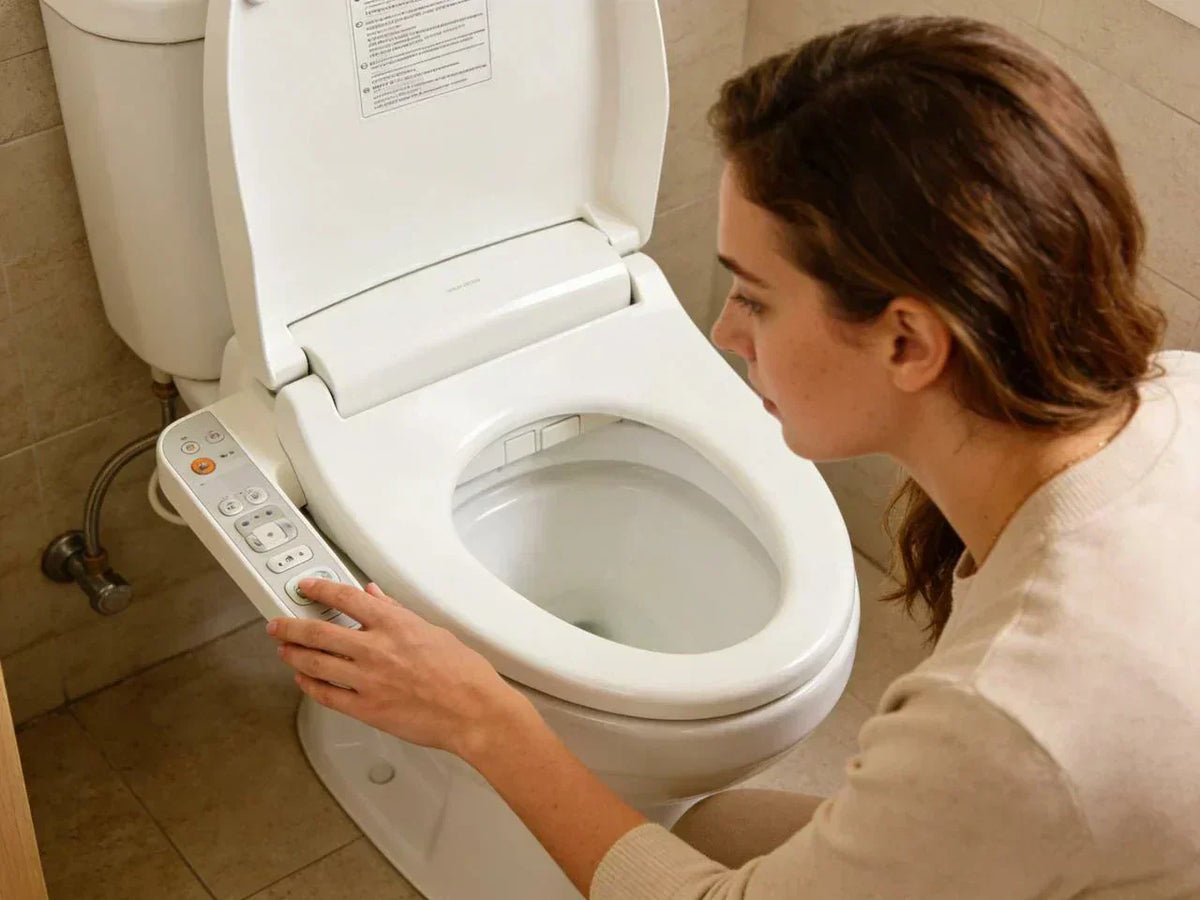
A bidet is simple: after pooping, you push a button or turn a dial, and a small nozzle under the toilet seat extends and sprays a stream of water at the right area. The spray can be narrow and strong or wide and gentle, depending on the mode and pressure setting you choose. Many modern bidets let you move the spray position forward or back so it matches your body.
Compared to one-direction toilet paper wiping, water can reach more curves and folds around the anus and, with a front-wash option, around the genital area. This means less leftover residue and less odor. After the wash, you can either pat dry with a small amount of toilet paper or, on many electric seats, switch on the warm air dryer.
People often ask, “How are you not wet after using a bidet?” The answer is that the wash itself only uses a little water—far less than a shower—and you either pat dry with a square or two of paper or let the dryer run for 30–60 seconds. You do not stand up dripping. You stay seated, then dry, then stand up like normal.
For those new to water cleaning, another common question is: “Do you wipe before using a bidet?” Most people do not need to, but some like to wipe once first to remove the bulk of stool, then use the bidet to clean fully. Others skip any pre-wipe and let the bidet handle everything, then use a quick post-wash pat to check they are clean. You can test both ways and see what feels better.
If you are wondering how do you use a bidet after pooping in a simple routine, it usually goes like this: you finish using the toilet, stay seated, turn on the wash, adjust the pressure and temperature, let the water run for 20–60 seconds, then dry with toilet paper or warm air.
Health benefits for sensitive skin, hemorrhoids, and postpartum users
For many people, the biggest change with a bidet is the way their skin feels. Dry wiping, especially several times a day, can scrape the skin and make tiny tears. This can be very painful for anyone with hemorrhoids, anal fissures, eczema, or after rectal surgery.
Because a bidet uses water instead of friction, it is much gentler. You often only need a soft pat at the end, not strong rubbing. Many users with chronic irritation report that their symptoms drop sharply after they switch. Some say their discomfort is reduced by 75% or more, simply because they are no longer rubbing sore skin with dry paper many times a day.
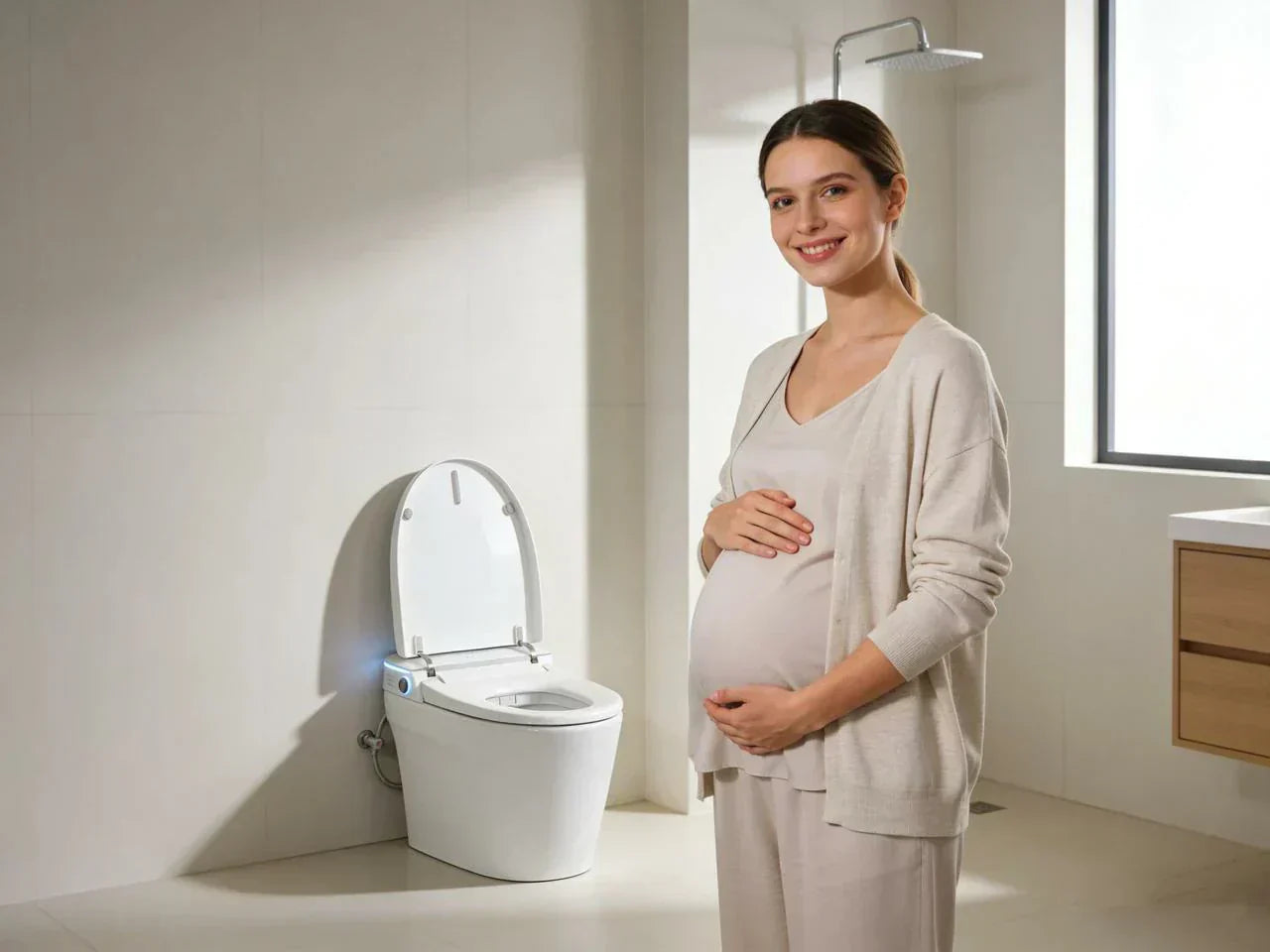
Pregnant and postpartum users also find bidets helpful. After childbirth, the perineal area is often swollen or stitched. Healthcare teams often suggest gentle rinsing with water instead of wiping. A bidet offers that same type of gentle wash, but with hands-free control from a side panel or remote, which can make postpartum bathroom trips less stressful and less painful.
Accessibility: elderly, disabled, and mobility-impaired users
For elderly people, those with arthritis, back pain, or someone living with a disability, twisting to wipe can be hard or even unsafe. A bidet toilet seat can support more independent and dignified bathroom use.
Accessibility features many modern bidet seats may offer include:
-
Side panels or remote controls with large, easy-to-read buttons.
-
Automatic lids that open and close, reducing bending and reaching.
-
Heated seats to reduce discomfort when sitting for longer periods.
-
Adjustable spray pressure and temperature for gentle cleaning.
-
ADA-height compatible toilets and designs that can often work with raised toilet seats or grab bars.
For someone who now needs help wiping, a bidet can reduce or remove that need, which often feels like a major gain in privacy and confidence. Caregivers also report less strain and fewer hygiene concerns when working with a person who uses a bidet.
Are bidet toilets safe for women and children?
Many families ask if bidets are safe for women and children. When used correctly, they are safe and often helpful.
Women can use front-wash settings that direct a gentle stream of water from front to back, which helps avoid moving bacteria toward the urethra. It is important to keep the nozzle positioning right, use moderate pressure, and avoid very hot water. This matches general advice on genital hygiene from OB-GYN and public health sources, which stress gentle washing rather than harsh scrubbing or scented products.
For children, a bidet can be an easy way to teach good hygiene. Many kids find the spray fun and are proud they can press the buttons themselves. Parents can start with low pressure, show how to sit still, and help with drying at first.
As with any bathroom device, adults should supervise young children, make sure they do not play with high pressure or very warm temperature, and keep the controls simple.
Types of Bidet Toilets and How They Work
With a clear understanding of why toilets bidets improve hygiene, comfort, and savings, it’s time to explore the different types of bidets available, how they work, and which model might suit your home and lifestyle best.
Bidet attachments and non-electric bidet seats (budget-friendly upgrades)
If you are new to bidets or live in a rental, a bidet attachment is often the best first step. It fits under your existing toilet seat and connects to the same water line that fills your toilet tank. These non-electric models use only cold water from your home plumbing.
Most attachments offer:
-
A rear wash and often a front wash mode.
-
A dial to adjust the spray pressure.
-
Simple mechanical controls with no need for power.
The big benefits are cost and ease. Attachments usually cost under $100, can be installed in less than an hour, and are easy to remove when you move out. They are a perfect fit for people who want to test a bidet without changing their whole bathroom. The main downside is comfort: there is no heated water, no heated seat, and no built-in warm air dryer. In cold climates, some people find a cold spray less comfortable, though many get used to it.
You can also get non-electric bidet seats that replace your toilet seat and use water pressure, but still do not need electricity. They feel more like a normal seat, but share the same cold-water limit.
Electric bidet seats: features, pros/cons, and best-use cases
Electric bidet seats are the middle ground that suits most households. They replace your existing seat but keep the same toilet bowl. They attach to the water line through a T-valve and plug into a nearby electrical outlet.
Common features of electric bidet seats include:
-
Warm water with adjustable temperature.
-
Adjustable pressure and spray position.
-
Different wash modes (rear, front, oscillating, massage).
-
Heated seat with temperature control.
-
Warm air dryer to reduce or replace toilet paper.
-
Self-cleaning nozzles that rinse before and after use.
-
Soft-close lids and sometimes a night light.
These seats are excellent for long-term use, families, colder climates, and anyone who wants more comfort. They usually cost $200–$500+, depending on features. The main trade-offs are the need for a GFCI outlet near the toilet and a slightly more involved installation than a basic attachment.
If you are asking, “Do bidets use hot or cold water?”, the answer depends on the type. Non-electric models use only your home’s cold water. Electric bidet seats and smart toilets heat the water inside the unit, giving you warm water on demand. Some models can also hook into your home’s hot-water line, but built-in heaters are more common.
Integrated smart toilets: wet/dry, UV, deodorizers and luxury features
At the top of the range are integrated smart toilets. These replace the full toilet fixture and combine a high-efficiency flush with a built-in bidet and dryer. They are the type of modern bidets you may see in upscale hotels or new homes.
Features often include:
-
Automatic lid open/close and auto-flush.
-
Warm water washing with many spray patterns.
-
Warm air drying for nearly hands-free use.
-
Deodorizers to reduce bathroom odors.
-
UV or special electrolyzed water systems to help sanitize the bowl and nozzle area.
-
User presets that store each individual’s favorite water pressure, temperature, and position.
These units aim for a truly hands-free, no-wipe or low-wipe experience, which can be life-changing for many seniors and people with disabilities. They do, however, need more space planning, professional installation, and a higher budget, often starting around $1,000 and going up. They make the most sense in major bathroom remodels or new builds where you can plan plumbing and power from the start.
Which type of bidet toilet is best for renters vs homeowners?
If you rent, you usually want something that does not require major changes and can be removed when you move. Non-electric bidet attachments and many electric bidet seats are perfect here. They attach to the existing shut-off valve and seat bolts, and you can reverse the install with no lasting marks. It is still wise to check your lease and make sure such changes are allowed.
If you own your home, electric bidet seats are the best choice in most bathrooms. They add clear comfort and resale appeal without the cost of a full fixture swap. If you are already planning to replace the toilet, or you are redoing the bathroom, a smart toilet can be a strong upgrade and a talking point for future buyers.
Costs, Savings & Environmental Impact of Bidet Toilets
Now that we’ve explored the different types of toilets bidets and their features, it’s time to look at the costs, long-term savings, and environmental impact of adding a bidet to your bathroom.
Upfront price ranges: attachments, seats, and smart bidet toilets
Here is a simple cost guide for different types of bidet toilets:
| Type | Typical price range | Main features |
| Bidet attachments (non-electric) | Under $100 | Cold water, adjustable pressure, rear/front wash, simple controls |
| Non-electric bidet seats | About $100–$200 | Full seat replacement, cold water, basic spray options |
| Electric bidet seats | About $200–$500+ | Warm water, heated seat, dryer, self-cleaning nozzle, more modes |
| Integrated smart toilets | About $1,000–several thousand | All bidet features, auto-flush, deodorizers, UV or advanced cleaning, full fixture replacement |
As you move up each tier, you pay more, but you gain more comfort, automation, and design benefits. Even at the low end, though, simple attachments can offer a big hygiene upgrade and reduce TP use by a large amount.
Long-term cost savings: toilet paper reduction and ROI calculator
The long-term math is where bidets shine. Most households that fully switch to bidet use see about a 75% reduction in toilet paper use. Even if you still keep some paper for pat-drying, the drop in volume is clear when you look at your shopping cart.
Take a family of four as one example. If they are spending around $250 per year on toilet paper, a 75% cut means they now spend about $60–$70. That is a $180–$190 yearly saving. Over five years, that is almost $1,000 saved—often more than the cost of a high-quality electric bidet seat.
Many people also use fewer wet wipes, which add more savings and reduce the risk of plumbing clogs and extra load on septic systems.
A good ROI (return on investment) calculator can help you see your own timeline. You would enter:
-
How many people live in your home.
-
How many rolls of TP you buy per month.
-
The average price per roll or per pack.
-
The cost of the bidet attachment, seat, or smart toilet you plan to buy.
The calculator would then show how many months until the savings on TP equal the price you paid. For many families, this payback is less than two years, and for basic attachments it is often under six months.
Water and energy use: how efficient are bidet toilets?
Bidet use adds a small amount of water per bathroom visit—roughly 0.125 gallons (about 0.5 liters), depending on how long you run the spray. US water-use data shows that this is tiny compared with household uses like showers, laundry, and lawn watering.
When you switch from full TP use to a bidet, the hidden water in TP production drops a lot. Even though you add a little water at home, you avoid the far larger water demand in paper mills that make your toilet paper.
Electric bidet seats and smart toilets also use some electricity for water heating, seat heating, and warm air drying. The energy per use is small, but it is still energy use. Many models have eco modes, timers, or seat sensors that reduce heating when not in use. In most cases, the small rise in power use is outweighed by the gains in hygiene and resource savings.
Environmental footprint: trees saved, waste reduced, and eco-friendly bathrooms
From an environmental view, bidets help in several ways. One large country alone uses tens of billions of toilet paper rolls each year, which is linked to millions of trees cut. Pulp and paper mills also use chemicals for bleaching and softening, and they produce wastewater that must be treated.
By reducing toilet paper use, bidet users help save trees, reduce the need for water-heavy paper production, and cut the amount of packaging and transport linked to TP. Your bathroom trash and sewer or septic load can go down because there is less paper and fewer wipes being flushed or thrown away.
Instead of sending chemical-heavy paper products down the line, you send mostly wastewater that treatment plants are already built to handle. For people building or remodeling eco-friendly bathrooms, a bidet is often one of the top upgrades chosen, along with low-flow showerheads and efficient flush toilets.
How to Choose the Best Bidet Toilet for Your Home
With a clear understanding of the costs, savings, and environmental benefits of toilets bidets, the next step is deciding which model fits your home, lifestyle, and bathroom layout.

Key buying factors: fit, features, budget, and bathroom layout
Before you click “buy” on any bidet seat or smart toilet, it helps to check a few basics.
First, fit and compatibility. Toilets come in round or elongated bowls, and in one-piece or two-piece designs. Most bidet seats list the shapes they fit and give a simple measuring guide. Checking the distance between the seat bolt holes and the front of the bowl takes only a minute, and it prevents a lot of hassle.
Second, check water and power access. For any bidet, you will connect to the toilet’s shut-off valve with a small T-valve and hose. For electric seats and smart toilets, you also need a GFCI electrical outlet close enough for the power cord. If there is no outlet nearby, you may need an electrician to add one.
Third, think about your budget. If you want to spend as little as possible but still get a major hygiene upgrade, a non-electric attachment is the easiest choice. If you want more comfort and long-term use, an electric bidet seat is a strong middle option. If you are remodeling and ready to invest more in design and full comfort, a smart toilet can be worth the higher price.
Finally, look at your bathroom layout. Check how much space you have around and behind the toilet, whether you can reach the plumbing easily, and whether the lid or seat might hit a shelf or wall when raised.
Feature checklist: water temperature, pressure, nozzles, dryers, remotes
When comparing bidet seats and smart toilets, it helps to list which features you truly need and which are just “nice to have.” Some key features to consider are:
-
Adjustable water temperature and pressure so you can make the wash gentle or stronger.
-
Self-cleaning nozzles, often made of stainless steel, that rinse before and after use.
-
Warm air dryer, which can let you use much less toilet paper, or none at all.
-
Deodorizer to reduce bathroom odors.
-
Heated seat with adjustable temperature for comfort.
-
Smart extras like a night light, seat sensor, or auto-flush.
-
Control style: side panel attached to the seat, wireless remote, or app-based control. A side panel is hard to lose; a remote is easier for people who have trouble reaching down.
Many guides offer a printable or interactive checklist where you can mark must-haves and nice-to-haves, then compare models side by side. This can help you avoid paying for features you will never use.
Special considerations for families, seniors, and people with disabilities
If you have a family with children, look for child-friendly controls, clear icons, and perhaps a soft-close lid to avoid finger pinches and slams. A seat that is easy to clean also matters when many people share the same fixture.
For seniors and people with disabilities, clear, large buttons with simple symbols, auto functions (like auto-open lid, auto wash, auto dry), and compatibility with grab bars or support rails can make a big difference. Some users benefit from stored user profiles so they do not have to adjust settings every time.
For people with health conditions that cause pain, limited reach, or frequent bathroom trips, the gentler cleaning, reduced need to twist and wipe, and warm seat can improve daily life. For more complex needs, it can help to speak with an occupational therapist or accessibility specialist who knows bathroom safety and local building codes.
What is the best bidet toilet for small bathrooms or rentals?
In small bathrooms, you want a solution that does not add bulk or push you too far forward on the seat. Some very thick seats or large smart toilets can feel crowded in tight spaces. In that case, look for:
-
Thin bidet attachments that sit under the seat without lifting you much.
-
Compact bidet seats with a low profile.
-
Smart toilets labeled as compact or space-saving if you are remodeling.
For rentals, focus on models with quick-release mechanisms and installs that use existing holes and valves only. That way, you can remove the bidet when you move and leave the bathroom as you found it.
A simple side-view diagram or measurement chart can help you see the clearances needed behind and around the toilet, so you can avoid bumping into shelves, doors, or walls.
Installation, Maintenance & Troubleshooting Tips
Once you’ve chosen the right toilets bidets for your home, understanding installation, daily care, and troubleshooting tips ensures your new setup stays hygienic and trouble-free.
DIY installation basics: tools, time, and safety for bidet seats/attachments
Many bidet attachments and electric bidet seats are made for DIY installation. If you can turn off the water, unscrew a hose, and use a screwdriver, you can likely do it yourself. Typical tools include:
-
An adjustable wrench or pliers.
-
A flathead or Phillips screwdriver.
-
Plumber’s tape for threaded connections (optional but helpful).
The basic steps are:
-
Turn off the water supply at the shut-off valve next to the toilet.
-
Flush to empty most of the water in the tank.
-
Remove the existing toilet seat.
-
Install the mounting plate or attachment under the seat holes.
-
Attach the new bidet seat or attachment.
-
Connect the T-valve to the shut-off valve, then connect hoses to the tank and bidet.
-
Turn the water back on and check for leaks.
Most installs take between 15 and 60 minutes. For electric seats, you also plug into a GFCI outlet and may need to tuck the cord neatly. The key safety tips are to avoid overtightening fittings, which can crack plastic parts, and to always use ground-fault protected outlets in bathrooms.
Professional installation for integrated smart toilets
For a full smart toilet, especially wall-hung or tankless units, it is best to hire a licensed plumber, and often an electrician. These installs may involve:
-
Setting or moving the drain line.
-
Running new electrical wiring and installing a GFCI outlet.
-
Meeting local building codes and permit rules.
Depending on your region, professional installation can add a few hundred dollars to the total cost, but you gain peace of mind and code compliance. If you plan a full bathroom remodel, your contractor can include the smart toilet in the larger plan.
Daily care and long-term maintenance: cleaning nozzles, filters, and bowls
Most bidet seats and smart toilets are easy to keep clean. Many have self-cleaning nozzles, but it still helps to follow a simple routine:
-
Wipe the seat and control areas with a soft cloth and mild, non-abrasive cleaner every few days.
-
Run the nozzle’s self-clean cycle as directed in the manual.
-
Every few months, check the water filter, hoses, and T-valve, and replace filters as recommended.
-
For hard water, occasional descaling following the manufacturer’s guide can prevent buildup.
Avoid harsh chemicals, bleach sprays, or abrasive pads on the seat or nozzle. These can damage plastic parts, rubber seals, and protective coatings, which can lead to leaks or staining.
Common issues and quick fixes (low pressure, leaks, cold water only)
Like any plumbing fixture, bidets can run into small issues. Some common problems and likely fixes include:
-
Low water pressure: Make sure the shut-off valve by the toilet is fully open. Check hoses for kinks and see if the bidet’s filter or nozzle is clogged with mineral buildup. Cleaning or replacing a small filter often solves the problem.
-
Leaks at connections: Turn off the water, then check that the T-valve and hoses are tight but not overtight. Adding a little plumber’s tape to threaded connections can often stop small drips.
-
Cold water complaints on electric seats: Many heated models have a tank vs tankless heater and sometimes an eco mode. If the water feels cold, check that the heater is on, the temperature setting is correct, and eco mode is not limiting heating. In very cold climates, using a slightly warmer room temperature can also help comfort.
If you run into larger issues or see water around the base of the toilet, it is wise to shut off the water and call a plumber. Most manufacturers also offer online manuals and support pages with step-by-step guides.

Real-World Results: Case Studies & User Experiences
Seeing the numbers and understanding the installation is helpful, but the real impact of toilets bidets comes to life when you hear how families and individuals experience them day to day.
Family of four: toilet paper use cut by 75% and $200–$300/year saved
Imagine a family of four: two adults, two kids. Before adding a bidet, they buy large packs of toilet paper every few weeks and use wet wipes often for the kids. Their yearly TP cost is around $250–$300, plus extra for wipes.
They install one electric bidet seat in the main bathroom and a non-electric attachment in the second bathroom. Within a few months, they notice they are buying far fewer TP packs and almost no wipes. A simple check of store receipts and online orders shows about a 75% reduction in toilet paper use.
They now spend closer to $70–$90 per year on TP and no longer buy wipes. They save around $200 each year, which covers the cost of the basic attachment in a few months and the electric seat in a year or two. Over a five-year period, their total savings reach well over $1,000, plus they enjoy better comfort and less trash.
Health and comfort stories: reduced irritation, improved independence
Many user stories share a common theme: people had chronic irritation from wiping and saw clear changes after switching to a bidet.
One common story is from someone with hemorrhoids who used to dread each bathroom visit. After installing a bidet toilet seat with warm water and gentle pressure, they can clean without strong wiping. After a few weeks, the area feels less inflamed, and they say everything “feels cleaner and calmer” after each use.
Another example is a person who had back surgery and could not twist well enough to reach. Before the bidet, they needed help from a partner or caregiver. With a bidet seat and warm air drying, they are able to clean themselves again with almost no wiping. They often mention the emotional relief of regaining privacy and independence.
Smart toilet owners: hands-free routines and premium features in daily life
People who install smart toilets usually talk about comfort and ease. Their daily routine often goes like this: the lid opens as they approach; the seat is already warm; after using the toilet, they press one button for a preset wash and dry cycle. The bowl often rinses and deodorizes itself, and the lid closes and flushes without them touching a handle.
In many homes, these features turn a basic bathroom into a more spa-like experience. Guests are often curious, and some homeowners even say the smart toilet becomes one of their favorite parts of the house. For people thinking about home value, a clean, modern bathroom with a smart toilet also gives a strong “this home is updated” signal to potential buyers.
Visual & interactive: video demos, user polls, and satisfaction ratings
On a full website, it helps to add short video clips showing how easy it is to install a basic bidet attachment, how an electric bidet seat works, and how a smart toilet behaves in daily use. People often feel more at ease about using new bathroom technology once they can see it in action.
Interactive user polls such as “How much TP did you save?” or “What is your most-loved feature: warm water, heated seat, or dryer?” can give new visitors a sense of how other people feel after switching. Many surveys show very high satisfaction on hygiene, comfort, and ease of use, which matches what users share on forums and review platforms.
FAQs
1. How are you not wet after using a bidet?
Many people worry they’ll end up soaked, but modern bidets use surprisingly little water per wash—usually just a few ounces. You stay seated while the nozzle gently cleans, and after the wash, a quick pat with a small square of toilet paper or the warm air dryer finishes the job. There’s no need to stand up dripping or fumble with towels. Even with repeated use, you remain comfortable and dry. The process feels natural once you get used to it, and most users say it’s far cleaner and more refreshing than traditional wiping alone, with minimal fuss.
2. Do bidets spray your bottom?
Yes, bidets are designed to clean thoroughly with a controlled stream of water. For most models, a nozzle extends beneath the seat to target your bottom, and many also include a gentle front-wash spray for women. The water pressure and angle are adjustable, so you can find a setting that feels comfortable, not harsh. It’s a precise, hygienic wash that reaches areas paper often misses. You stay seated throughout, making it safer and more convenient than twisting or bending. Many people notice immediate benefits like less irritation, improved cleanliness, and a fresher feeling after every use.
3. How long do bidets last?
The lifespan of a bidet depends on the type and how well you maintain it. Simple non-electric attachments can last many years with just routine cleaning, while electric bidet seats usually run for 7–10 years or more, similar to other home appliances. Key to longevity is keeping the nozzle and water lines clean, checking for leaks, and following the manufacturer’s maintenance tips. For smart toilets, occasional filter replacement or descaling might be needed. With proper care, most households enjoy years of reliable hygiene, comfort, and reduced toilet paper use, making a bidet a durable, cost-effective bathroom upgrade.
4. Do bidets use hot or cold water?
It depends on the model. Non-electric bidets connect directly to your home’s cold water supply, so the wash is always cool, which is usually fine for quick rinsing. Electric seats and smart toilets often have built-in heaters, so you can enjoy warm water at a comfortable temperature. Some even allow you to adjust the spray warmth, giving a spa-like experience in your own bathroom. Regardless of the model, the water use is minimal, far less than a shower. Many people find warm water particularly soothing for sensitive skin, making cleaning both effective and pleasant.
5. Is a bidet toilet seat worth it?
For most households, a bidet is absolutely worth it. Beyond cleaner hygiene, it reduces irritation from dry wiping, is gentler on sensitive skin, and cuts down on toilet paper use—often by 50–75%. Over time, this can save significant money, sometimes paying for the seat within months. Comfort and convenience are immediate: adjustable spray, heated seats, and warm air dryers make the bathroom experience more pleasant. Families, seniors, and anyone with mobility issues often notice real quality-of-life improvements. In short, a bidet combines hygiene, comfort, and cost savings in a way traditional toilets simply can’t match.
References


Leave a comment
This site is protected by hCaptcha and the hCaptcha Privacy Policy and Terms of Service apply.