

Bidet benefits go far beyond a fancy bathroom upgrade. For many people, using water instead of dry toilet paper means better hygiene, less irritation, and real savings on those endless TP packs. Yet most households still rely on dry paper that can leave fecal residue behind, spread bacteria to hands, and scrape already sensitive skin. It also uses huge amounts of water and trees long before it reaches your home.
A bidet uses a gentle spray of water to clean after you use the toilet. That simple switch can improve skin comfort, support people with health issues, and slash your need for toilet paper. This guide walks you through how that works, who benefits most, and how to choose a setup that fits your budget and your bathroom.
If you are wondering “are bidets good for you?” or “are bidets healthy?”, this guide is written for you, especially if you are:
-
Living with hemorrhoids, IBS, anal fissures, or sensitive skin
-
Postpartum, older, or dealing with mobility issues that make wiping hard
-
Eco‑conscious or budget‑conscious, tired of spending on so many rolls of toilet paper
You will learn the key health benefits of using a bidet, including cleaner skin, less irritation, and support for digestion and pelvic floor problems. We will look at comfort and medical relief for hemorrhoids and postpartum care, accessibility for seniors and disabled users, the environmental benefits of cutting paper waste, and the real cost savings and ROI. You will also see possible downsides and safety tips, and how to choose a bidet seat, bidet attachment, or bidet toilet that matches your needs.
Fast Answer: Top Bidet Benefits at a Glance
Before we dive into the details, here’s a quick snapshot of why bidets are getting so much attention. From hygiene and health perks to saving money and protecting the environment, these benefits make a strong case for considering a bidet in your bathroom routine.
The 7 biggest health and hygiene benefits (quick list)
Here is a fast overview of the main bidet benefits for health and hygiene:
-
More effective cleaning than toilet paper, with less fecal residue on skin
-
One study found 7–10× fewer bacteria on hands for bidet users compared with people using toilet paper alone
-
Less irritation, friction, and micro‑tears on the skin around the anus and vulva
-
Support for people with hemorrhoids, anal fissures, IBS, and constipation
-
Easier hygiene for postpartum users, elderly people, and those with disabilities
-
Reduced odor and a fresher feeling after using the restroom
-
Fewer skid marks on underwear and less staining in the bowl
Key environmental and cost benefits in one view
On the environmental and money‑saving side, bidets offer some clear wins:
-
Up to 75% or more reduction in toilet paper use for many households
-
Each roll of toilet paper takes about 37 gallons of water to produce, while one bidet use uses about ⅛ gallon at the tap
-
Lower spending on TP and wipes, so investing in a bidet can pay for itself in months to a few years, depending on the bidet model and household size
Comparison table – bidet vs. toilet paper vs. wet wipes
To see the pros and cons of a bidet more clearly, compare it with traditional toilet paper and wet wipes.
| Factor | Bidet / Bidet Toilet Seat | Toilet Paper | Wet Wipes |
| Cleaning effectiveness | High – water removes residue | Medium – often leaves residue | Medium – can smear, not rinse |
| Skin impact | Gentle, less friction | Can scrape and irritate | Often contain irritants/preservatives |
| Bacteria spread risk | Lower on hands when used well | Higher – more hand contact | Higher if residue stays on skin |
| Typical cost/year (TP/wipes only) | Much lower TP/wipe use | Highest (full TP use) | High (wipes + TP) |
| Water footprint | Low at use; saves “virtual” TP water | High due to TP production | High (TP + wipe production) |
| Plumbing/sewer impact | Low – no extra solids | Normal | Higher clog risk; many wipes not truly flushable |
This is why many doctors and environmental experts now say benefits of a bidet touch cleanliness, comfort, long‑term cost, and sustainability.
Are bidets really worth it?
For many people, yes. A bidet can help most if you:
-
Have hemorrhoids, IBS, fissures, or sensitive skin
-
Live in a larger household, so TP use (and cost) is high
-
Care about environmental benefits and want to cut paper waste
Comfort benefits often show up right away. Cost and TP savings build over months and years. Later in this guide you will see example payback times and how to estimate your own.

Smart Toilets with Built-In Bidet Features
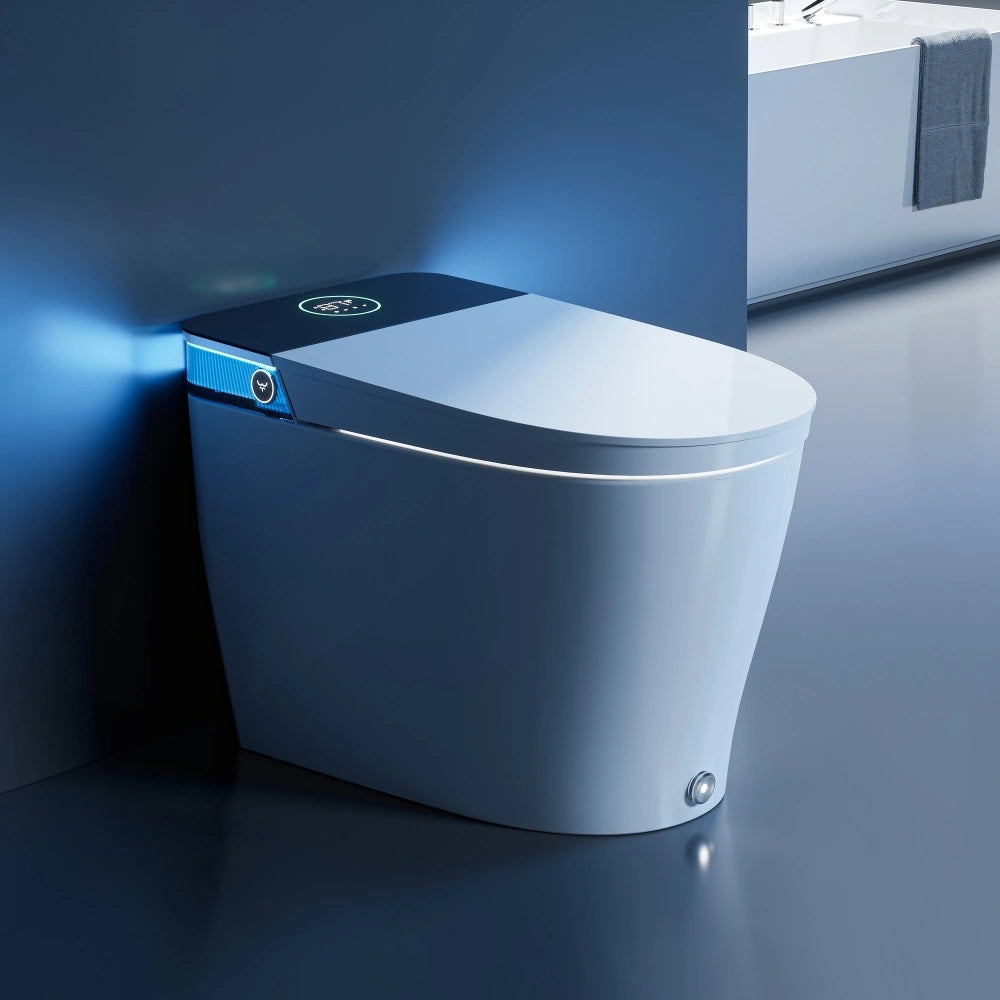
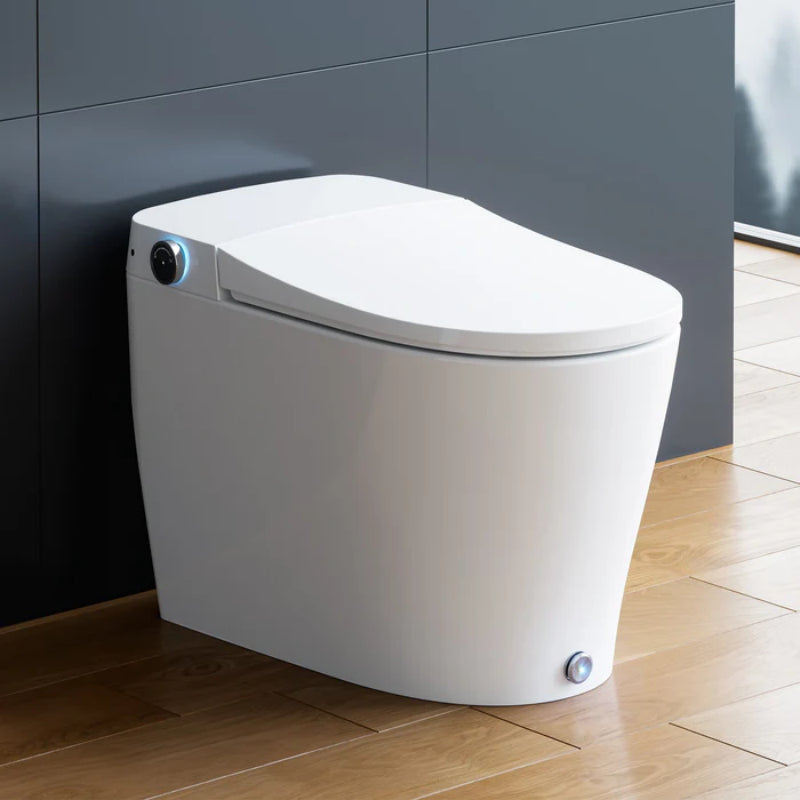
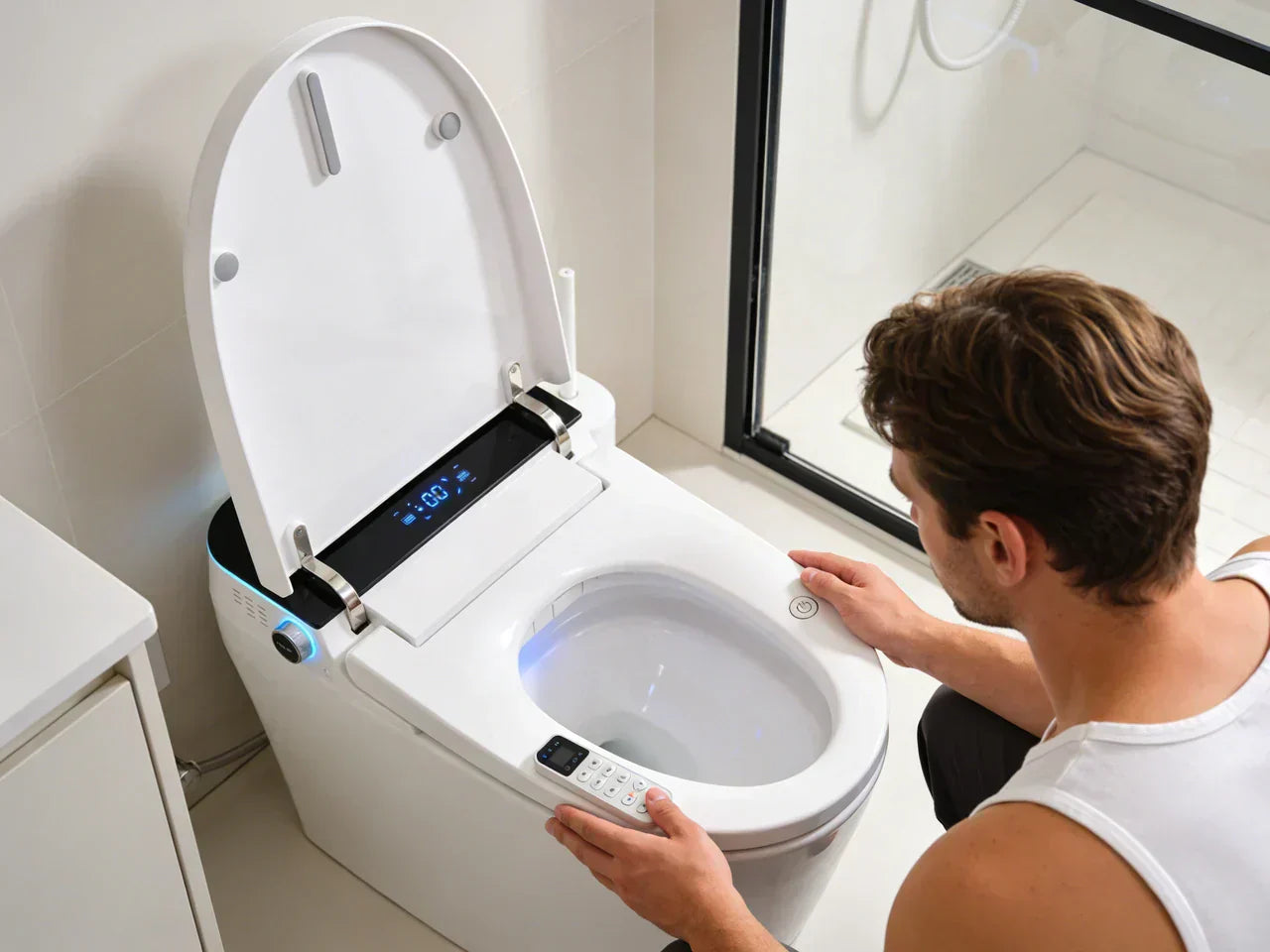
If you're considering a bidet for improved hygiene, comfort, or reduced toilet paper use, it may be helpful to compare smart toilets with integrated bidet systems. The models below offer different combinations of cleansing, drying, accessibility, and automatic flushing features. Be sure to review rough-in compatibility and installation requirements before purchasing.

HOROW N30
This model may be worth comparing if you want a non-electric bidet toilet with ADA-compliant seating and simple daily operation.
- Tankless bidet toilet design
- Built-in bidet with rear and feminine wash
- ADA chair-height seat
- Automatic flush after use
- Three flushing methods
- 1.22 GPF high-efficiency flush
- 12-inch rough-in installation
View Product

HOROW T33
Suitable for users looking for advanced cleaning functions, sterilization technology, and accessibility-focused comfort features.
- Multi-mode bidet cleaning functions
- UVC water sterilization
- Plasma sterilization system
- Self-cleaning detachable nozzle
- Warm air dryer
- ADA-compliant seat height
- Automatic deodorization
View Product

HOROW T37
A practical option for bathrooms requiring a 10-inch rough-in while still offering modern bidet and comfort functions.
- 10-inch rough-in compatibility
- Rear and front cleansing modes
- Heated seat with adjustable levels
- Automatic lid opening and closing
- Multiple flushing options
- Built-in deodorizer
- SIAA antimicrobial protection
View Product
Science‑Backed Bidet Benefits for Hygiene and Health
Bidets aren’t just a fancy bathroom gadget—they use water to clean where paper can’t. Here’s a quick look at how this simple change can improve hygiene, protect skin, and even support digestive and pelvic‑floor health.
How bidets clean better than toilet paper (with data)
Think about how you clean anything else on your body. If you got mud on your arm, would you only rub it with dry tissue? Or would you use water? Your anus and genitals are the same.
Bidet use relies on water from a bidet nozzle to rinse away stool, instead of only pushing it around with paper. Infection‑control experts and doctors often explain that water removes microscopic fecal particles more fully than dry wiping, which improves cleanliness and lowers the chance that bacteria spread to your hands or nearby skin.
PubMed explains that bidets can remove more germs and even reduce bacteria in urine samples, since less fecal matter stays near the urethra. A report shared through news coverage describes a study that found that using a bidet was linked to about 7–10 times fewer bacteria on users’ hands compared with people who only used toilet paper. Less residue on skin means less on your hands and everything you touch afterward.
People sometimes ask, “Is the water from a bidet sanitary?” At home, the answer is yes: a bidet is a device that connects to the same clean water line as your sink or shower, not to used toilet water. As long as your plumbing is safe to drink, your bidet water is safe to spray on skin. The key is keeping nozzles clean, which we cover in the safety section.
Health benefits of bidets for skin, irritation, and hemorrhoids
Dry toilet paper can act like sandpaper on tender areas. When you wipe several times a day, tiny tears and redness can build up, especially if you already have a hemorrhoid, rash, or anal fissure.
The health benefits of bidets for skin come mostly from two things: less rubbing and more rinsing. Because bidet water does the work, you only need a light pat dry with a little paper or a towel. Less friction means fewer micro‑tears, less burning, and fewer chances for bacteria to get into damaged skin. In addition, proper bidet use can reduce the risk of urinary issues in sensitive users, linking to bidet and bladder infection prevention.
Doctors from major clinics say that medium‑low water pressure on a bidet toilet seat is best for hemorrhoid care. Gentle, warm water can:
-
Ease pain during and after bowel movements
-
Rinse away stool that would sting if left on inflamed tissue
-
Lower the need for medicated wipes or perfumes that can trigger allergic reactions
When people ask, “Do bidets help hemorrhoids?”, many colorectal surgeons answer yes, as long as the water pressure is not too strong and the spray is aimed only at the outside. For many, using a bidet is like getting a small, comfortable sitz bath every time they use the toilet.
Digestive and pelvic‑floor support: constipation, IBS, fissures
If you struggle with constipation, IBS, or pelvic‑floor problems, you may spend a lot of time on the toilet, pushing hard to pass stool. That pressure adds strain on veins and muscles in the rectal area.
Warm water from an electronic bidet or smart toilet seat can relax the external sphincter muscle. Some doctors report that gentle stimulation around the anus can help trigger peristalsis—the wave‑like motion that moves stool along the gut. Less straining can mean:
-
Fewer hemorrhoid flare‑ups
-
Better comfort for anal fissures
-
Less pelvic‑floor stress, which also matters for bladder control
People often ask, “Can a bidet help with constipation or IBS?” A bidet may not cure those conditions, but for many users it makes each bowel movement easier and less painful, which can reduce fear of using the restroom and the “holding it in” habit that makes constipation worse.
Are bidets more hygienic than toilet paper?
Many readers want a clear answer: “Is a bidet more sanitary than wiping?” When used and cleaned properly, major health centers say yes, a bidet can be more hygienic than traditional toilet paper. There are a few reasons:
-
Water lifts away residue instead of smearing it
-
Less hand‑to‑skin contact reduces bacteria on fingers
-
Fewer micro‑injuries in skin mean fewer places for germs to enter
Cleveland Clinic notes that bidets can be “more sanitary” than wiping with TP alone when kept clean and used at gentle settings. Wet wipes may feel fresh, but many contain preservatives and fragrances that irritate skin and can disrupt normal bacteria on the skin.
There is one important caveat: hygiene also depends on proper bidet use. If nozzles are not cleaned, if people share poorly maintained travel bidets, or if the spray is aimed from back to front, bacteria can spread toward the urethra or vagina. Later we will cover how to keep bidet use safe for vaginal health and urinary health.

Comfort & Medical Relief: Hemorrhoids, Postpartum, and Sensitive Skin
For anyone dealing with hemorrhoids, postpartum recovery, or sensitive skin, a bidet can be a simple but powerful way to clean gently, reduce pain, and support healing. Here’s how water-based cleaning can make a real difference.
Bidet benefits for hemorrhoids, anal fissures, and rectal surgery recovery
If you live with chronic hemorrhoids or fissures, you probably know the dread that can come before each trip to the toilet. Dry wiping can reopen small tears, cause bleeding, and leave you tense every time you sit on the toilet seat.
Using a bidet means you can clean the area with a soft spray instead of rough paper. People in recovery from rectal surgery or hemorrhoid removal often say that a bidet can make those first bowel movements much less scary. The bidet can reduce anal resting discomfort because you are not rubbing sore tissue each time you use the toilet.
Some doctors even suggest that for patients who would otherwise skip wiping out of fear of pain, a bidet can help them keep the area clean and prevent infection without adding extra trauma. In that way, a bidet can help both comfort and infection risk in the healing period.
Postpartum hygiene and perineal care
After childbirth, the perineum (the area between the anus and vagina) can be swollen, bruised, stitched, or all three. Many new parents also develop hemorrhoids from pushing. The idea of wiping those areas with dry paper can feel impossible.
A bidet in your home gives you a gentle way to rinse away blood and discharge (lochia) without scraping stitches or tender skin. Many clinicians and new parents describe bidets as a “game changer” in the first weeks after birth because they:
-
Avoid direct pressure on sore tissue
-
Wash away fluids that could irritate or smell
-
Make it easier to keep up with hygiene even when you are sore and exhausted
People often ask, “Is a bidet safe to use after childbirth or C‑section?” For most postpartum users, yes, as long as you:
-
Use low to medium water pressure
-
Aim the spray from front to back
-
Avoid spraying directly into the vagina or any open wound
If you had complex tearing or surgery, it is wise to ask your OB‑GYN or midwife how soon to start and which settings are best.
Sensitive skin, eczema, and allergy considerations
Many benefits of using a bidet show up fastest in people with sensitive skin. Colored or scented toilet paper and disposable wipes often contain dyes, perfumes, and preservatives. These can trigger eczema, contact dermatitis, or burning in the genital and anal areas.
Lukewarm bidet water plus a gentle pat dry avoids many of those triggers. Dermatology guidance often suggests minimizing harsh soaps and friction on delicate skin. Using water instead of repeated dry wiping fits that advice. For some people, this simple switch lets rashes and redness calm down within days.
Case snapshots: Real‑world symptom relief timelines
Here are a few typical timelines people report when they use bidets instead of only toilet paper:
-
Someone with IBS and frequent loose stools may notice less burning and rawness in about one week, because they are no longer wiping so often with rough paper.
-
A person with chronic hemorrhoids often reports less bleeding and pain within just a few days of switching to a gentle bidet spray.
-
After hemorrhoid surgery, users often say that cleaning with water—under their surgeon’s guidance—feels safer and less traumatic than wiping, and helps them keep the area clean without fear.
Of course, everyone is different, and a bidet may not replace medical care. But many people find that a bidet can make daily life more comfortable while they follow their doctor’s plan.
Accessibility & Independence: Bidets for Seniors and Limited Mobility
For seniors and people with limited mobility, a bidet can make bathroom visits safer, easier, and more dignified. Here’s why water-based cleaning can help maintain independence and comfort.
Why bidets are a game changer for elderly users
As we age, simple bathroom tasks can get harder. Reaching back to wipe after using the restroom can strain the shoulders, hips, and spine. The risk of falls goes up when older adults twist or stand in awkward ways near a hard floor and slippery surfaces.
A toilet seat bidet or bidet attachment mounted on an existing toilet cuts much of that effort. With the push of a side lever or remote button, the spray does the cleaning work. This reduces the need to twist, bend, or stand on one leg. Many seniors say that using a bidet means they can stay independent in a very personal part of life for longer.
Supporting people with disabilities and chronic conditions
People with arthritis, spinal cord injuries, obesity, neuromuscular disorders, or chronic pain may find it hard or impossible to wipe well. Asking a caregiver for help can feel embarrassing and can strain relationships.
In these cases, bidets offer an easy path to more privacy and dignity. A bidet toilet seat with large buttons, clear icons, and adjustable bidet settings allows many people who cannot reach to still manage their own cleaning. When people ask, “Can a bidet help if I can’t wipe myself easily?” the answer is often yes. Even if some assistance is still needed for clothing, there is usually less direct contact during the cleaning step.
Caregiver and facility perspectives (nursing homes, rehab)
Studies on wash‑and‑dry bidet toilets in nursing homes have found that residents often report:
-
Feeling cleaner after using the toilet
-
Less soreness and redness in the perianal area
-
More comfort with staff help, since the bidet handles most of the cleaning
Caregivers report that bidets can offer time savings and fewer skin problems to monitor. That does not replace hands‑on care when needed, but it can reduce the burden and improve life for both staff and residents.
Choosing accessibility‑friendly bidet features
If accessibility is your main goal, certain types of bidets work better:
-
Electric bidet seats with a heated seat, warm water, and warm air dryer reduce the need for any wiping
-
Side controls with raised buttons or a simple remote help people with low vision or hand pain
-
Adjustable spray position and pressure support different body shapes and comfort levels
Make sure the setup of a bidet leaves room for grab bars, raised seats, and other aids. In many cases, a bidet attachment will fit on a standard toilet while still working with these helpers.
Environmental Bidet Benefits and Sustainability Impact
Bidets aren’t just good for hygiene—they can also help the planet. Using water instead of stacks of toilet paper reduces waste, saves trees, and cuts hidden water use. Here’s how.
Toilet paper’s hidden water and forest footprint
Most people only think about toilet paper when they run out. But traditional toilet paper has a large hidden footprint before it reaches your bathroom. Reports shared by environmental and plumbing experts note that:
-
It takes around 37 gallons of water to make one roll of toilet paper
-
The average American uses about 141 rolls of toilet paper every year
That adds up to more than 5,000 gallons of water per person every year, used at factories, just so we can wipe once and flush. It also means cutting down many trees, using energy to run mills, bleach pulp, and ship those billion rolls of toilet paper each year.
How little water a bidet actually uses
People sometimes worry that bidet use is wasteful because it uses water. But the numbers tell a different story. A typical bidet clean uses about ⅛ gallon (0.125 gallons) of tap water per use. Even at several uses per day, the total direct water use is low.
When you compare that to the 37 gallons of water per roll of toilet paper, you see the environmental benefits of bidets more clearly. Replacing most of your TP with water from a bidet can save thousands of gallons of “virtual water” each year, even if your direct use at the tap goes up a bit.
Environmental benefits of using a bidet at home
Switching from a traditional toilet that relies on paper only, to a bidet toilet combo or simple bidet attachment, can:
-
Cut toilet paper use by 75% or more, which slashes paper and plastic packaging waste
-
Reduce or remove the need for “flushable” wipes, many of which do not truly break down and can clog pipes
-
Lower your household’s carbon footprint from fewer TP shipments and production runs
If millions of people use a bidet instead of reaching for more rolls, the impact on forests and water use can be significant.
Are bidets better for the environment than toilet paper?
In short, yes. For most users, there are clear environmental benefits: far less paper and packaging, less strain on sewers, and much lower upstream water use at factories. The gains grow with larger families and high‑use bathrooms, since each person adds many rolls over a year.

Cost Savings and ROI: Do Bidets Really Save Money?
Beyond hygiene and comfort, bidets can also save you money. From cutting toilet paper use to reducing related expenses, here’s a quick look at how a bidet can pay for itself over time.
How much money you can save on toilet paper
Money questions are common: “Do bidets save money?” and “When does a bidet pay for itself?”
The answer depends on:
-
How many people live in your home
-
How much toilet paper you use today
-
Which bidet model you choose
Many households can cut TP use by 75% or more. That means going through only one roll where you used four before. If your family spends, say, $25–$40 per month on paper and wipes, a simple bidet attachment can pay for itself within a few months. A higher‑end electric bidet or smart toilet may take longer but still shows clear savings over several years.
Here is a simple example using rough numbers:
| Bidet type | Approx. cost | TP reduction | Annual TP savings (example) | Estimated payback time |
| Basic non‑electric attachment | $40 | 75% | $180 | ~2–3 months |
| Mid‑range electric bidet seat | $300 | 75% | $180 | ~1.5–2 years |
| Premium bidet toilet combo | $800 | 80% | $200 | ~4 years |
Your own numbers may differ, but this gives a sense of how investing in a bidet trades a one‑time cost for lower ongoing spending on paper and wipes.
Long‑term economic benefits beyond TP
The benefits of using a bidet often show up in your budget in other ways too. Many bidet users spend less on:
-
Wet wipes
-
Special “sensitive skin” TP
-
Hemorrhoid creams and medicated wipes
If better hygiene helps you avoid some flare‑ups, skin infections, or doctor visits, that is an extra gain. It is hard to put a dollar number on fewer painful days, but for many people that is the most important return.
People also ask, “How long to use bidet after pooping?” In most cases, 20–60 seconds of spray is enough to rinse clean. Spraying harder or longer does not make you cleaner; it can just waste water and irritate skin. A quick, focused wash and a light pat dry give the best mix of cleanliness and comfort.
Interactive ROI and footprint calculator (recommended feature)
Many bidet guides now suggest using a simple online calculator. You enter:
-
Household size
-
Monthly toilet paper cost
-
Bidet price
The tool estimates your payback period, five‑year savings, and how many TP rolls, gallons of factory water, and trees your home might save. Even if you do the math by hand, this kind of estimate often surprises people and makes the benefits of bidets feel more concrete.
Financial considerations by user type (renters vs. homeowners)
Renters often prefer:
-
Simple bidet attachments that need no power outlet
-
Units that fit on an existing toilet and can be removed without damage
Homeowners may be more open to:
-
Full bidet toilet combos
-
Electric bidet seats with heated seats and dryers
-
Running a new outlet by the toilet
In some regions, people with certain medical conditions can ask if a bidet counts as a medical expense. Rules vary, so it helps to check local guidance or talk with a tax or health‑care advisor.
Safety, Risks, and Proper Use: Are Bidets Sanitary?
Bidets are generally safe and hygienic, but proper use matters.
Overall medical consensus on bidet safety
Many people ask, “Are bidets healthy?”, “Is there a downside to using a bidet?”, or “Can a bidet cause health issues?”
Major clinics like WebMD and Cleveland Clinic state that bidets are generally safe and can be more sanitary than toilet paper when used correctly. They highlight three key points:
-
Use gentle to medium water pressure
-
Keep nozzles and seats clean
-
Avoid aiming water directly into the rectum or vagina unless a doctor has told you to do so
When people ask, “Is the water from a bidet sanitary?” the answer at home is that it is the same treated tap water that comes from your sink. The safety issue is not the water source, but how clean the device is and how you use it.
Microbiome, infection risks, and how to minimize them
Some research from Japan has looked at bidet use and vaginal health. One study of women found that heavy bidet use, especially with strong jets and poor technique, was linked to more fecal bacteria near the vagina and some changes in normal vaginal flora.
This does not mean bidets are unsafe. It means technique matters, especially for women. To lower the risk of bladder infection or vaginal infection:
-
Aim the spray front to back, never back to front
-
Do not use the bidet as an internal douche unless a doctor tells you to
-
Keep the nozzle clean, and avoid using poorly maintained public units on bare skin
So, “Are bidets good for UTIs?” A bidet can help lower UTI risk by rinsing away bacteria near the urethra, especially for people who struggle to wipe well. But bidet use can also raise risk if you spray from back to front or push water into the vagina, because that can move bacteria closer to the urinary tract. Technique and cleaning are the key.
Best practices for safe, hygienic bidet use
Here are simple steps to get the health benefits of bidets while avoiding common problems:
-
Start low: Set water pressure on the lowest setting, then raise it slowly until it feels comfortable.
-
Aim well: For anal cleaning, aim from back toward the anus. For front cleaning, use the “feminine” or front wash option and keep the spray gentle.
-
Keep it clean: Wipe the seat and controls often. Use built‑in nozzle self‑cleaning cycles if your bidet seat has them, and wipe the nozzle area as directed in the manual.
-
Avoid overuse: Use the spray until you feel clean, usually 20–60 seconds. Extra time or very strong jets do not add health benefits and can irritate skin.
-
Dry right: Gently drip dry after using your bidet, or pat with a small amount of toilet paper or a dedicated towel. Do not scrub.
These habits help answer several common worries at once: “Can a bidet cause health issues?” and “Is there a downside?” For most users, the only downsides are possible irritation from too‑strong spray, rare infections when units are dirty or misused, and the cost or space for installation. Good habits keep those risks low.
Who should talk to a doctor before using a bidet?
Most healthy adults can start using a bidet today without trouble. Still, some people should check with a doctor, such as:
-
Anyone with active rectal or vaginal infections
-
People with complex pelvic‑floor disorders
-
Those with fresh surgical wounds in the area
-
Pregnant women with special pregnancy‑related complications
If you have these concerns, a colorectal surgeon, urologist, or OB‑GYN can help you decide which pros and cons of a bidet apply to you and how to use one safely.

Choosing a Bidet: Features That Maximize Bidet Benefits
Choosing the right bidet can make all the difference.
Core types of bidets and who they’re best for
There are several types of bidets, and each suits different needs and budgets:
-
Bidet attachments (non‑electric): Fit under the toilet seat on your existing toilet. They use cold or room‑temperature water and simple knobs. Great for renters or small budgets.
-
Electric bidet seats: Replace your regular toilet seat with a bidet toilet seat that has warm water, a heated seat, often a dryer, and many bidet settings. Good for comfort and for people with health issues.
-
Integrated bidet toilets / smart toilets: Full toilet bidet combos with built‑in spray, sometimes deodorizing, and advanced controls. Good for remodels or people ready for a major upgrade.
-
Handheld sprayers (regular bidet sprayers): Like a small shower head near the toilet. Cheap and flexible, but can be harder for some users to aim and control.
When choosing, think about your main goal: optimum health, comfort, eco savings, or accessibility. That will guide you toward the best type.
Features that enhance health and hygiene benefits
Some features on modern bidet toilets and seats make the health benefits of bidets even stronger:
-
Adjustable pressure and nozzle position: Lets you find a setting that cleans well without hurting skin.
-
Warm water and oscillating spray: Help relax muscles, rinse more area, and support constipation or IBS.
-
Feminine wash mode: A softer, front‑aimed spray for people with vulvas.
-
Self‑cleaning nozzles and antibacterial materials: Help keep the parts that touch water and skin cleaner.
-
Water filtration (on some models): Adds extra peace of mind about water quality.

Here is a simple feature‑to‑benefit map:
| Feature | Main benefit |
| Adjustable water pressure | Comfort and safety for sensitive skin and hemorrhoids |
| Adjustable nozzle position | Better cleaning for different bodies and mobility limits |
| Warm water | Easier bowel movements, less muscle tension |
| Oscillating / moving spray | More thorough rinsing with less time and pressure |
| Self‑cleaning nozzle | Lower risk of bacteria build‑up on the sprayer |
| Warm air dryer | Less need for paper; helpful for people who cannot reach to dry |
Comfort and accessibility features to look for
For many people, benefits of a bidet are not only about cleaning but also comfort and ease of use. Features that help include:
-
Heated seat: Makes sitting on the toilet more pleasant, which can reduce tension and help stool pass more easily.
-
Warm air dryer: Lets you dry after using your bidet without any paper, which is great for sensitive skin and limited mobility.
-
Soft‑close lid: Reduces noise and risk of slamming on fingers.
-
User presets and simple remotes: Helpful when several people share the toilet and have different needs.
For seniors and people with disabilities, look for bigger, clearly labeled buttons and a simple layout.
Installation, compatibility, and maintenance tips
Most bidet attachments are quick to install with basic tools. The steps often include:
-
Turn off the water supply to the toilet.
-
Remove the existing toilet seat.
-
Attach the bidet plate or seat.
-
Connect the T‑valve to split the water line between the tank and the bidet.
-
Turn the water back on and check for leaks.
Electric bidet seats also need a nearby power outlet. In some homes, hiring a plumber or electrician is worth it, especially if you want a very neat setup.
For maintenance, follow the manual, but in general:
-
Wipe the seat and controls weekly
-
Use the nozzle cleaning mode often
-
Descale with gentle products if you have hard water
Good maintenance protects the health benefits of using your bidet and keeps it safe for long‑term use.
Adapting your routine: what to expect in the first 30 days
Most people go through a short learning curve with a new bidet toilet seat or attachment:
-
In the first few days, you learn the controls and spray angles. You may laugh once or twice when the spray hits an odd spot.
-
By the end of week one, many people notice less irritation, less itching, and a cleaner feeling after using the restroom.
-
After 2–4 weeks, your TP use usually drops clearly, and you feel confident using different bidet settings. Many people say they do not want to go back to only paper.
Summary and action checklist
Benefits of using a bidet reach across health, comfort, environment, and cost. Using water instead of dry paper means cleaner skin, less irritation, and better support for people with hemorrhoids, postpartum needs, IBS, or limited mobility. It offers environmental benefits by cutting TP production, and can save a lot of money over time.
If you want to enjoy the benefits yourself:
-
Decide your main goal: health and hygiene, comfort, savings, or eco impact.
-
Pick a type of bidet—attachment, electric seat, or full toilet—that fits your bathroom and budget.
-
Use safe habits: gentle spray, front‑to‑back cleaning, and regular nozzle cleaning.
With those steps, bidets are becoming increasingly popular for good reason. For many households, upgrading to a bidet is one of the simplest changes you can make to improve daily life in a very real, very personal way.
FAQs
1. Is there a downside to using a bidet?
Well, bidets are generally safe, but there are a few things to watch out for. Some people might experience mild skin irritation if the water jet is too strong or if they spend too long under it. Rarely, infections can happen if the bidet itself isn’t clean or if it’s used incorrectly. Another thing is cost—good-quality bidets aren’t free, so there’s that upfront investment. The good news is that most of these risks are easy to manage: just use gentle water pressure, limit your spray time, and keep the bidet clean. Once you do that, downsides are minimal.
2. Is a bidet more sanitary than wiping?
Yes, usually! Think about it—water can remove more residue than toilet paper alone, and your hands don’t come into direct contact with the mess. A properly used bidet can leave you feeling cleaner, reduce bacteria on the skin, and even prevent irritation that sometimes comes from rough toilet paper. Of course, hygiene matters—keep your bidet clean and don’t share attachments without cleaning them.
3. How long should you use a bidet after pooping?
Most people only need about 20 to 60 seconds of spray. That’s usually enough to feel completely clean. The key is to listen to your body: once you feel fresh, stop. Using extra time or turning up the pressure doesn’t make you cleaner, and in fact, it can sometimes irritate your skin if overdone. A few quick sprays are typically all it takes.
4. Are bidets good for UTIs?
They can help, yes. By rinsing away bacteria around the urethra—especially when you spray from front to back—you can lower the risk of urinary tract infections. But be careful with technique: spraying back to front or directly inside the vagina can actually increase infection risk. So if you use it gently and in the right direction, bidets can be a helpful part of UTI prevention.
5. Can a bidet cause health issues?
Serious problems are very uncommon. The main concerns are mild irritation from high-pressure jets, changes in local skin bacteria if you overuse it, or, in rare cases, infections from dirty public bidets. Most people stay perfectly safe by keeping the spray pressure moderate, aiming carefully, and cleaning the bidet regularly. Basically, a little caution goes a long way.
References


Leave a comment
This site is protected by hCaptcha and the hCaptcha Privacy Policy and Terms of Service apply.