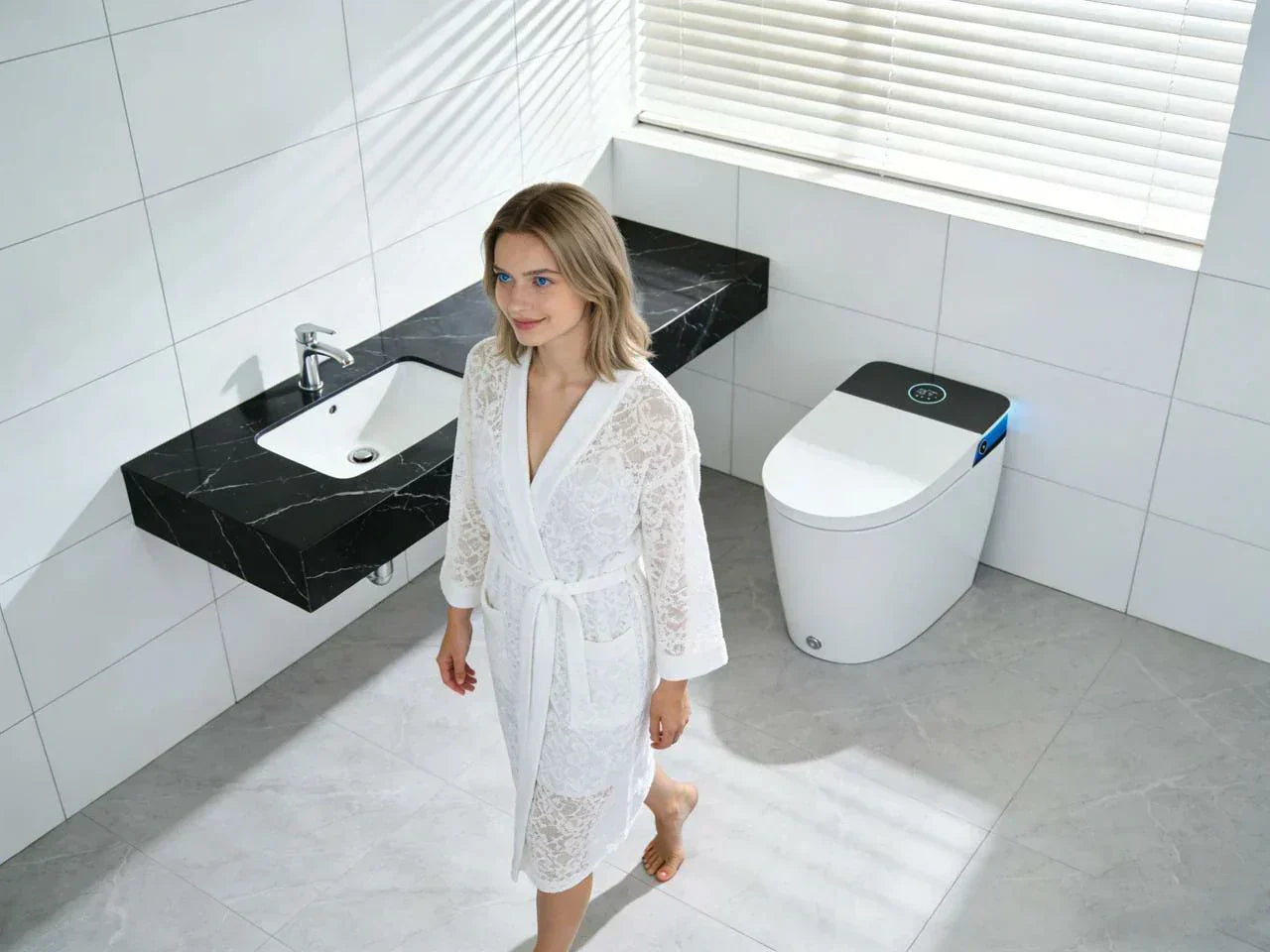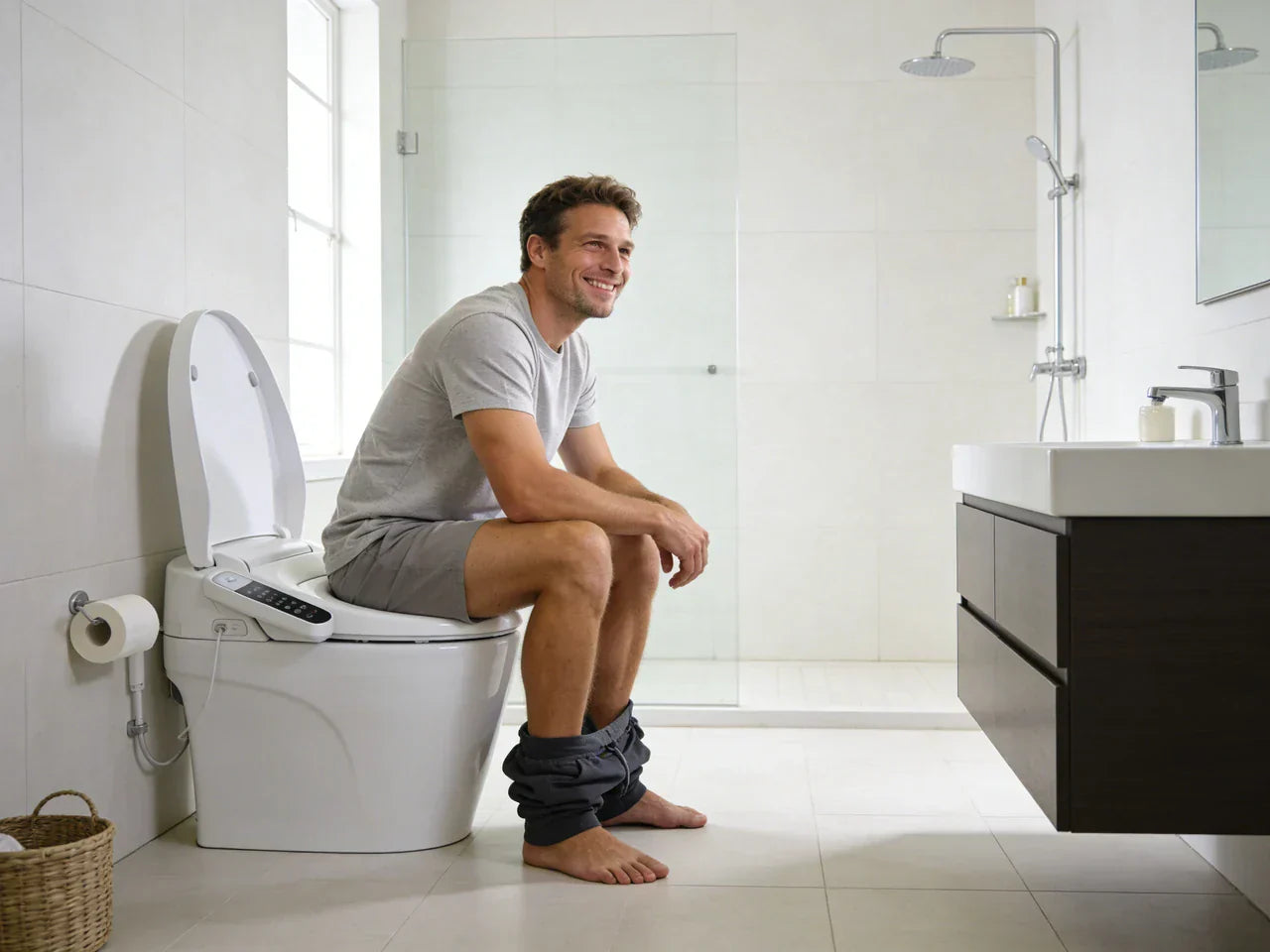
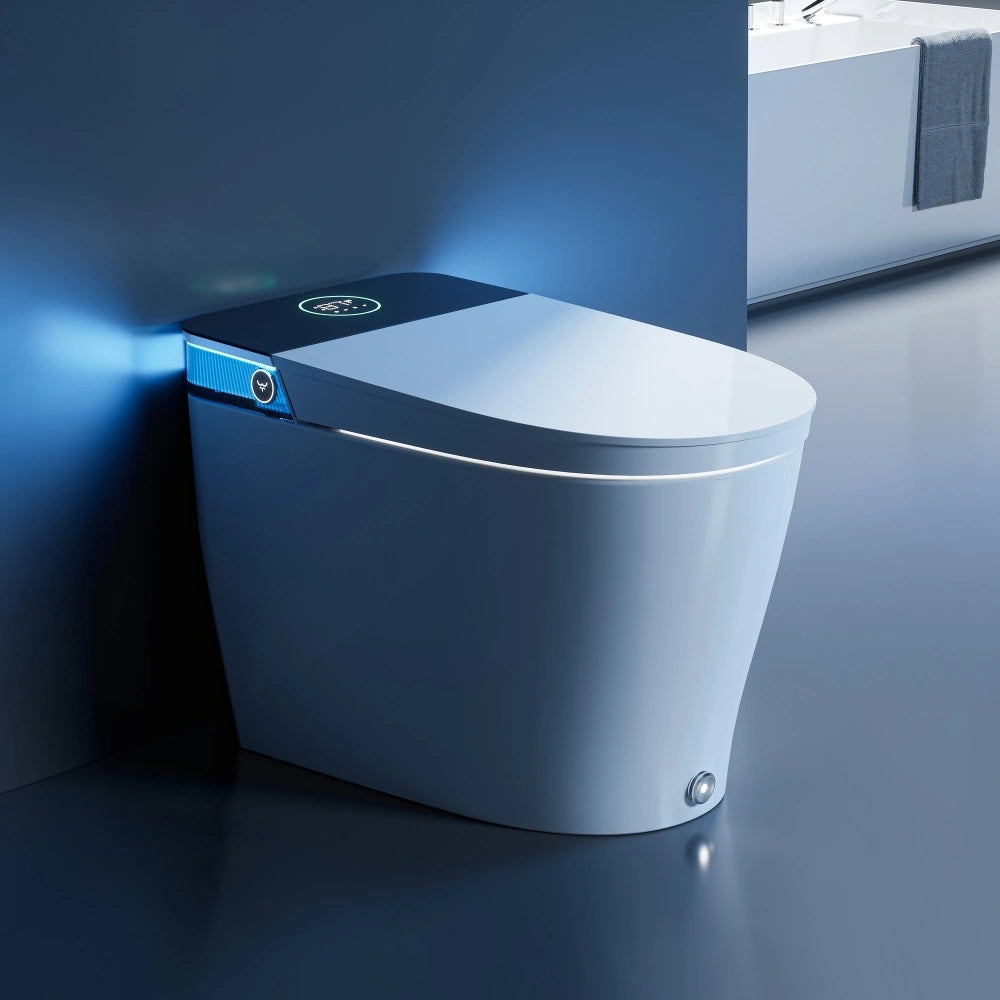
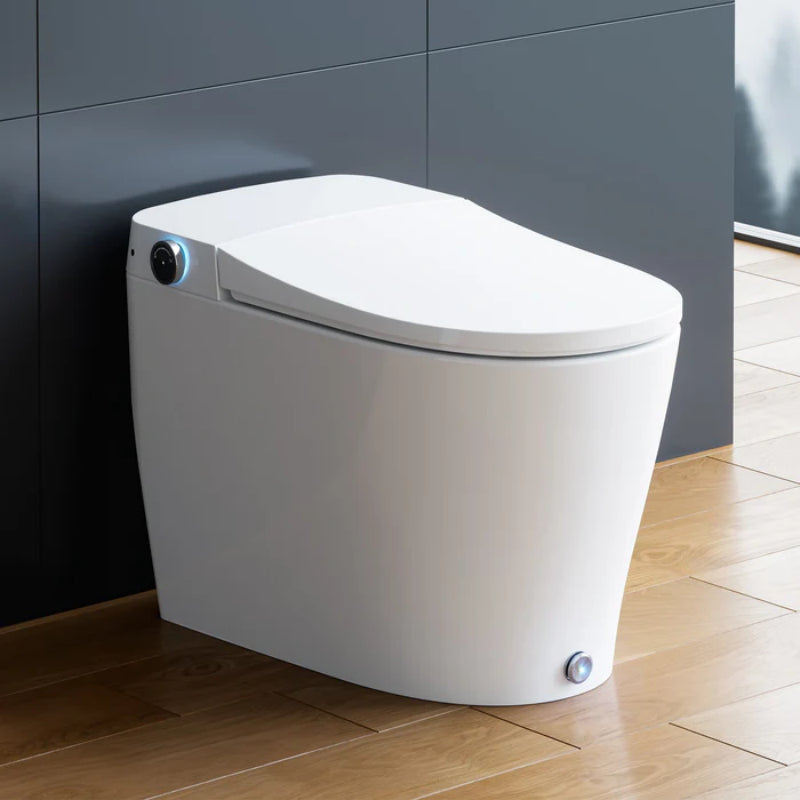
Are Bidets Worth It in 2025? Guide about Bidet Toilet Seat

are bidets worth it
Wondering are bidets worth it before you change your bathroom setup? In 2025, a basic bidet attachment can cut toilet paper use by up to 64%, save about $50 per person each year, and use only ~0.17 gallons of water per wash compared to 1.6 gallons per flush. But that does not mean a bidet is right for every home.
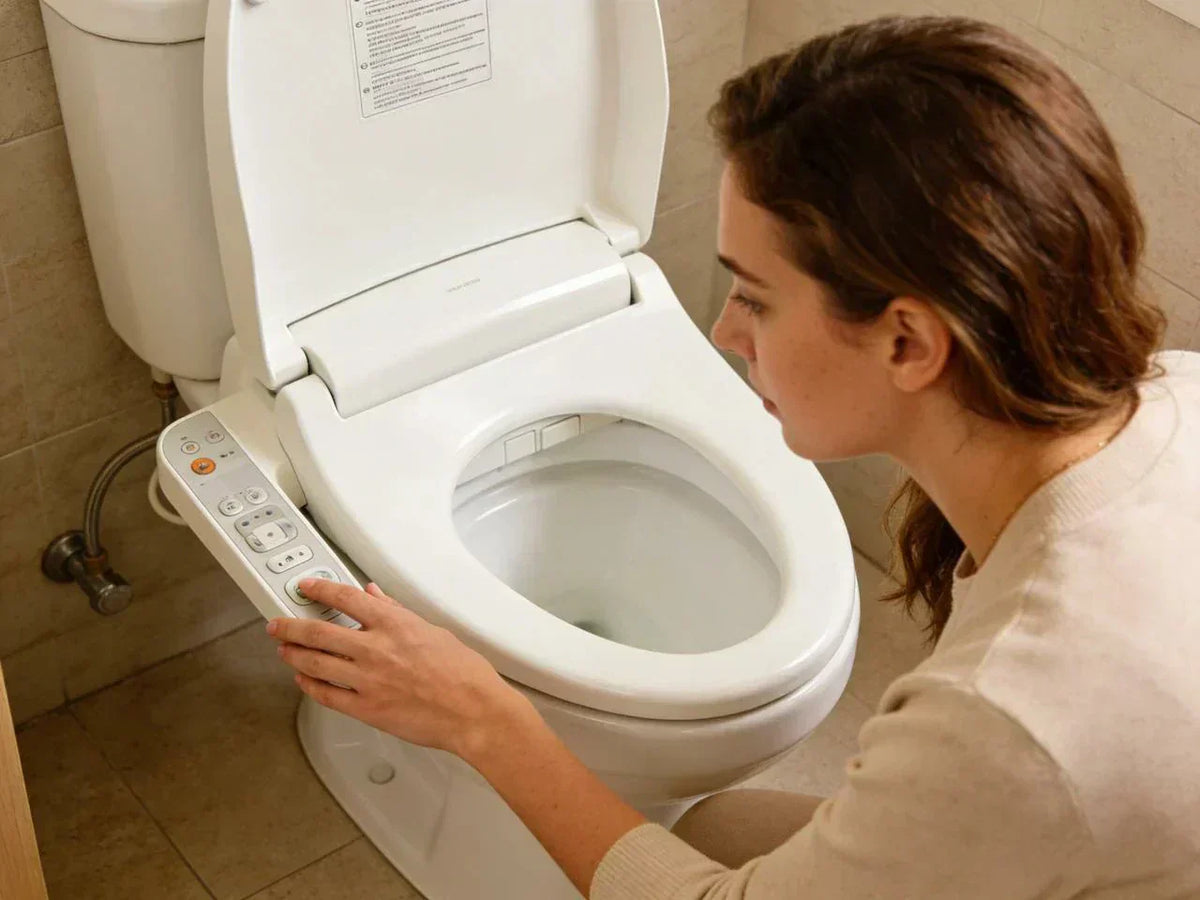
A bidet is any fixture or attachment that sprays water to clean you after using the toilet. Today that can mean a simple non-electric attachment under your existing toilet seat, a full bidet toilet seat with warm water and a dryer, a separate porcelain bidet bowl, or a high-tech electronic bidet toilet with remote control and automatic features.
This guide walks through real costs, payback time, health and hygiene benefits, environmental impact, common downsides, and who should skip them. By the end, you’ll have a clear, honest answer to “is a bidet worth it for me and my home?”

Are Bidets Worth It? Quick Answer and Who They Suit

For most households that can spend $80–$300 and plan to stay in the same place at least 6–12 months, bidets are worth it. The money savings on toilet paper, better hygiene, and comfort usually outweigh the upfront cost and small learning curve. Access to proper sanitation and hygiene facilities, including toilets and washing options, is crucial for health and disease prevention, based on WHO sanitation fact sheet.
Fast facts
  • Money: A typical bidet attachment in the $80–$120 range often pays for itself in 3–6 months through reduced toilet paper use. Average savings are about $50 per person per year, or roughly $176 per year for a family of four.
  • Hygiene & comfort: Water cleaning is usually cleaner and gentler than toilet paper alone. Many users on forums and YouTube call the switch “life-changing,” with about 80–90% saying they feel much cleaner and less irritated.
  • Environment: An average wash uses about 0.17 gallons of water, while each toilet flush uses about 1.6 gallons. When you also factor in fewer trees cut for toilet paper, the environmental benefits of a bidet add up over many years.
  • Market signal: The global bidet and bidet-seat market is around $4.16+ billion in 2025 and still growing around 4–12% per year, depending on the segment. That growth suggests people try bidets and tend to keep them.
So, who are bidets a smart investment for?
They are usually great for homes that spend a lot on toilet paper, people with sensitive skin, hemorrhoids, or anal fissures, older adults or anyone with mobility challenges, and eco-conscious buyers who want to cut waste. A bidet also makes sense if you plan to stay in your home for at least a year and you are open to a small change in bathroom habit.
On the other hand, bidets may not feel worth it if you truly cannot spare $80–$100 upfront, your landlord bans any change to the toilet, or your bathroom is so small that even a slightly longer seat would cause problems. In those cases, a travel bidet or a very compact attachment might still help, but a full electric bidet seat may be too much.

What Are Bidets?

A bidet is a bathroom fixture or attachment that sprays water to clean your private areas after using the toilet. Instead of relying solely on toilet paper, a bidet uses a stream of water for a gentler and more thorough cleaning.
There are several types of bidets:
  1. Bidet attachment – A small device mounted under your existing toilet seat; usually non-electric and uses cold water.
  2. Bidet toilet seat – Replaces a regular toilet seat; often has warm water, adjustable pressure, and sometimes a built-in air dryer.
  3. Standalone bidet – A separate porcelain fixture next to the toilet; like a mini sink for cleaning.
  4. Integrated bidet toilet / smart toilet – An all-in-one toilet with built-in bidet functions, automatic features, and sometimes remote controls.
In short, a bidet’s main purpose is to improve hygiene, reduce irritation, and cut down on toilet paper use while providing a more comfortable bathroom experience.

Bidet Types and What You Really Get for the Price

When people ask “are bidets worth it,” they often lump all types together. But the value changes a lot depending on whether you pick a simple attachment or a luxury electric bidet toilet.

Main Bidet Types at a Glance

Here is a side‑by‑side look at the main options, what they cost, and who they fit best.
Type Typical Cost Main Features Pros Cons Best For
Bidet attachment $80–$120 Mounts under existing toilet seat, uses cold water, simple knob controls Lowest cost, easy DIY install, no power outlet needed No warm water or dryer, basic spray only Renters, budgets under $150, first‑time users
Bidet toilet seat $170–$650 Replaces regular toilet seat, often offers warm water, heated seat, adjustable pressure, sometimes warm air dryer Big comfort upgrade, can reduce TP use by 64–90%, many wash settings Needs electrical outlet, higher upfront cost Most homeowners, families, long‑term renters
Standalone bidet $500–$1,500 Separate porcelain fixture next to toilet, uses faucet-like controls Classic spa feel, strong cleaning, can be very durable Needs extra floor space and plumbing, less common in small US bathrooms Large bathrooms, full remodels, luxury upgrades
Integrated bidet toilet / smart toilet $1,200–$2,000+ All‑in‑one toilet with built‑in bidet, often with remote control, automatic lid, deodorizer, self‑cleaning Clean look, many automatic and hygiene features, quiet and “high‑tech” Highest cost, may need pro install, harder to move New builds, long‑term homes, high-end renovations
For many people, a mid‑range bidet seat gives the best balance of value and comfort. You keep your existing toilet bowl, but replace the regular toilet seat with one that has a nozzle, warm water, heated seat, and sometimes a warm air dryer.
If you are unsure whether a bidet lifestyle will stick, starting with a basic attachment is often enough to test the waters without spending a lot.

Key Features That Affect Value

What do you really get when you move up in price?
At the low end, attachments simply spray cold water. They still give better hygiene than toilet paper alone, but there is no heat or drying. This is fine in warmer climates or if you care more about saving money than comfort.
As you go up in price, you start to see warm water from an internal heater, adjustable water pressure and nozzle position, and a heated seat that makes the winter bathroom experience much nicer. Many electronic bidets add an oscillating spray, a front wash option for feminine hygiene, a self-cleaning nozzle, a soft‑closing lid, and maybe even a night light or remote control.
At the top end, integrated smart toilets add automatic opening lids, built‑in deodorizers to reduce odor, and self‑clean or UV‑sanitize functions that help limit bacteria on the nozzles and in the bowl.
So the question is not only “are bidets worth it” but “which level of comfort matters to you enough to pay for it?”

Space and Clearance Considerations

Space is one of the main real‑world limits on bidets.
A simple bidet attachment barely changes the size of your toilet, so it fits almost any standard bathroom. A full bidet toilet seat may extend the seat a little, but as long as your toilet is a common elongated or round size and you have about 12–15 inches from the center of the bowl to the side wall, you should be fine.
Standalone porcelain bidets need more room. You often need at least 12–15 inches of side clearance and enough space in front so a person can sit and stand comfortably. In a small bathroom where your knees already bump the wall when you sit, a separate bidet bowl usually does not make sense.
If you live in a compact apartment, think attachment or seat. If you are planning a big bathroom remodel, then a standalone spa‑style bidet or integrated smart toilet could be worth adding to the plan.

Real Costs vs. Savings: Do Bidets Actually Save Money?

For many people, the main push to ask “is buying a bidet worth it” is money. Let’s break that down in simple terms.

Upfront Costs (Hardware + Installation)

Here are typical price ranges you can expect:
  • Bidet attachments: $80–$120
  • Bidet toilet seats: $170–$650 (many “luxury” seats fall between $400–$800)
  • Standalone porcelain bidets: $500–$1,500
  • Integrated bidet toilets / smart toilets: $1,200–$2,000+
Many attachments and standard electronic seats can be installed as a DIY project with basic tools. Most people spend 30 minutes or less for a simple setup: you turn off the water, attach a T‑valve to the existing water line, connect the hose to the bidet, and tighten a few screws.
If you prefer to hire a plumber, typical labor is around $45–$200 per hour, with simple installations often costing $50–$150. Complex work, like adding a new electrical outlet or running a new water line for a standalone bidet, can raise that.

Yearly Savings on Toilet Paper and Water

Most bidet users cut their toilet paper use by 64–90%, especially if they use the built‑in dryer or only use a small amount of paper to pat dry.
In money terms, many households save about $50 per person per year on toilet paper alone. A family of four often saves in the range of $100–$200 per year, depending on how much they used before and how much they rely on the warm air dryer afterward.
What about water use? A basic wash uses about 0.17 gallons of water, while a standard toilet flush uses around 1.6 gallons. In practice, your water bill usually goes up only a few dollars per year from bidet usage, often less than the cost of a single extra pack of toilet paper. The bigger money item is still the paper, not the water.

Payback Periods and ROI

Here is a simple comparison to show how the math works over time.
Scenario Upfront Cost (Bidet + Install) Household Est. TP Savings / Year Payback Time 5‑Year Net Savings*
Basic attachment $100 2 adults, 2 kids ~$176 ~7 months ~$780
Mid‑range electric seat $400 2 adults ~$100 ~4 years ~$100 (plus comfort value)
High‑end smart toilet $1,500 4 people ~$200 ~7.5 years ~$500 (plus comfort/luxury)
*Net savings = TP savings minus upfront cost, not counting tiny water cost changes.
For a family with high toilet paper use, a $100 attachment can pay for itself in 3–8 months. That is a very short payback period for a bathroom upgrade.
A $400 luxury seat may take 3–5 years to pay off purely on toilet paper savings if only two people use it. But many people still call it worth the cost because of the extra comfort, better hygiene, and less irritation.
You can use the Bidet Savings & ROI Calculator in this article to plug in your own numbers. Enter your actual monthly toilet paper spending, the price of the bidet you’re considering, and whether you expect to hire a plumber. The calculator will show your exact payback time and 5‑year return on investment (ROI).

Long-Term Ownership Costs

Once installed, quality bidet seats and attachments often last 5–10 years.
Ongoing costs are low. Some models have small water filters or hoses that you replace every few years for around $10–$30. You still have a bit of cleaning, but it is nothing more than wiping the seat, controls, and nozzle area when you clean the toilet.
Compared to buying packs of toilet paper week after week, long‑term bidet ownership is usually a money saver, especially for larger households.

Hygiene, Health, and Comfort: Are Bidets Better Than Toilet Paper?

Money is only part of the story. Many people switch to toilets with bidets because they want better personal hygiene and less irritation. So what is the point of a bidet, and is it truly cleaner than wiping?

How Clean Is a Bidet Compared to Toilet Paper?

To put it simply, water cleans better than dry paper. When you wash your hands, you use water, not just a paper towel. A bidet works with the same basic idea for your private areas.
The water stream helps remove more residue than dry toilet paper alone. Because you are rinsing instead of rubbing, you also reduce friction on the skin. Many users report less itching, fewer small cuts, and less redness after switching.
Online user polls on forums and video reviews often show 85–92% of bidet users saying they feel “much cleaner” or “could never go back” after about a month. Tests where people track toilet paper use also show 75–90% less paper used while self‑reported cleanliness scores go up.
Is a bidet more sanitary than wiping? In many cases, yes. A gentle but thorough water rinse tends to leave less residue on the skin than dry wiping, which can miss small bits and may just spread them around. Of course, good hygiene also depends on washing your hands with soap after toileting, as health agencies like the CDC stress.

Skin, Infection, and Medical Considerations

Many people ask about the health benefits of bidets, especially for sensitive areas.
A well‑used bidet can be very helpful for:
  • People with hemorrhoids, anal fissures, or irritation from straining
  • Those with sensitive skin, eczema, or allergies to scented toilet paper
  • Pregnant people or new mothers who feel sore and need a gentler clean
  • Some people with limited mobility who struggle to twist and wipe
Because a bidet is gentler than wiping, it often reduces irritation and small skin injuries. Less broken skin and less rubbing may lower the chance of some infections triggered by constant friction.
Are bidets hygienic for females? When used properly, they can be very hygienic. Many bidet seats include a front wash or “feminine” setting that uses a softer spray pointed forward. This can help rinse away urine and discharge without rough wiping. The key is to direct the water from front to back, not back to front, to reduce the chance of moving bacteria from the anus toward the urethra or vagina. Women with a history of urinary tract infections (UTIs) should ask their healthcare provider for personal guidance, but many do find that careful bidet use eases irritation.
Of course, there are caveats:
  • High water pressure aimed at one spot for a long time may cause irritation. Start low and adjust slowly.
  • Very hot water can hurt delicate skin. Always test the temperature.
  • People with active infections, open sores, or recent surgery should follow their doctor’s directions about cleaning, which may include specific temperature and strength limits.

Comfort Features That Change Daily Use

Once people get used to a bidet, many say the comfort is what makes it worth it, even more than the money savings.
Warm water on a cold morning, a heated seat when the bathroom is chilly, and a gentle warm air dryer instead of more wiping can make your toilet feel less like a cold fixture and more like a small home spa.
Common comments from long‑term users include:
  • “I didn’t know how rough toilet paper was until I stopped using so much.”
  • “It felt a bit awkward for the first week, then it became a habit.”
  • “Travel is harder now because most places don’t have toilets with bidets.”
When you add in softer skin, less odor, and fewer clogs from “fewer rolls” going down the drain, the bidet experience often feels like a major bathroom upgrade, even if you choose a mid‑priced seat.

Environmental Impact: Bidet vs. Toilet Paper and Wet Wipes

Many buyers also want to know about the environmental benefits of a bidet. Does it really make a difference?

Water Use Reality Check

At first, using water to clean after toileting may seem like it uses more resources. But the numbers tell a different story.
A standard toilet in the United States uses about 1.6 gallons per flush, according to the EPA. A typical bidet wash uses around 0.17 gallons. So even if you add a short, gentle wash, the extra water from the bidet is only a small fraction of what your toilet already uses.
Compared to bigger water uses like showers, laundry, lawn watering, or dishwashing, the water needed for a bidet is tiny. For most homes, it barely changes the water bill.

Toilet Paper, Trees, and Carbon Footprint

Toilet paper production uses trees, water, bleach, energy, and plastic packaging. Large-scale reports estimate that millions of trees each year go toward toilet paper alone. Cutting your toilet paper use by 64–90% over several years can make a real dent in both tree use and the carbon impact of production and shipping.
Bidets also help cut plastic from toilet paper packaging and cardboard cores. And if you have ever dealt with a clogged toilet from too many wipes or rolls, you know that using less paper is kinder to your plumbing and local sewer system.
Compared to wet wipes, the difference is even bigger. Many wipes marketed as “flushable” do not fully break down and can jam pipes and city sewer pumps. A bidet can often replace wipes entirely, which is good news for both your pipes and the environment.

Long-Term Environmental ROI

If you keep a bidet for 5–10 years, you benefit from:
  • Less toilet paper used, which means fewer trees and less energy burned
  • Fewer clogs, fewer emergency calls to a plumber, and less strain on sewer systems
  • Less packaging waste from plastic-wrapped rolls
In the big picture, a single bidet will not fix global environmental problems. But as a small, daily habit shift that lasts for years, it is one of the easier eco-friendly bathroom changes you can make.

How to Use a Bidet Correctly (So It’s Actually Worth It)

Some people delay buying a bidet because they worry it will be messy or awkward. The good news is that using a bidet is simple once you know the steps.

Step-by-Step Guide for New Users

Here is a basic guide that works for most bidet seats and attachments.
  1. Use the toilet as usual. Sit, go, and flush if needed.
  2. Stay seated. On most modern seats and attachments, you stay on the toilet. There is no need to move to a second bowl.
  3. Turn on the bidet slowly. Start the water at the lowest pressure. If your unit has temperature control, test the water for a second to avoid cold shock or hot water.
  4. Adjust spray and position. Use the controls or remote to move the nozzle or change spray angle until the stream hits the right area. You can gently shift your hips if needed.
  5. Wash for 20–40 seconds. A short wash is usually enough for a thorough cleansing. There is no need to spray for several minutes.
  6. Turn off the water. Always switch the controls back to “off” before standing up.
  7. Dry yourself. Use the air dryer if you have one, or pat dry with a small amount of toilet paper or a clean reusable towel kept just for that purpose.
You might feel unsure the first few times you use a bidet. That is normal. Most people feel fully comfortable in less than a week.

Drying: Toilet Paper vs. Air Dryer vs. Towel

Are you supposed to wipe after using a bidet?
In most homes, yes, but much less than before.
You have three main choices:
  • Small amount of toilet paper: Many people use two or three squares just to pat dry. This still cuts paper use a lot compared to full wiping.
  • Built‑in warm air dryer: Many electric seats have a dryer that can replace paper almost fully. You may sit a bit longer while it dries.
  • Reusable towel: Some households keep small, personal “bidet towels” to pat dry and then drop into a hamper. If you choose this route, wash them often and keep good hygiene.
You do not need to scrub with paper after using the bidet. Gentle patting is enough. If you find yourself wanting to wipe hard after every wash, you may be using too low water pressure or not aiming well, so small adjustments to wash settings can help.

Dos and Don’ts (Best Practices)

Common fears about using a bidet include “Will it spray everywhere?” or “Will I make a mess on the floor?” If you follow a few simple rules, that should not happen.
Do:
  • Start with low water pressure, then increase if needed
  • Test warm water with your hand before directing it to sensitive skin
  • Use front‑to‑back spraying for feminine cleansing
  • Clean the nozzles and seat regularly; use the self-cleaning button if your bidet has one
Don’t:
  • Use maximum pressure on sensitive skin or on hemorrhoids
  • Let children play with the controls unsupervised
  • Stand up with the spray still on
  • Ignore small leaks around your hoses or valves
If the setup is compatible with your toilet and you follow basic installation instructions, most people find “they’re easy” to use and keep clean.

Installation, Space, and Compatibility: Can You Add a Bidet to Your Bathroom?

Before you click “buy now” on a bidet, take two quick steps: check your toilet and check your plumbing.

Check Your Toilet and Plumbing First

Most bidet toilet seats are made for standard round or elongated toilets. If your bowl is very unique or compact, measure it and compare it to the seat’s size before ordering.
You’ll need:
  • An existing water connection to the toilet tank (this is the line you already have)
  • Enough flat space around the bolt holes for the bidet bracket
  • For electric seats, a nearby GFCI electrical outlet
Attachable bidets share the same cold-water line as the toilet, using a small T‑shaped connector. Electric seats usually heat water inside the unit, so they do not need hot-water pipes.

Space and Clearance (Especially for Standalone Units)

For a simple attachment or electric bidet seat, you usually only need the same room you already have for sitting and standing up from the toilet.
Standalone bidets and integrated toilets need more planning. You should follow basic building guidance like:
  • About 12–15 inches from the center of the toilet or bidet to any side wall for comfort
  • Enough front space so your knees do not hit a wall or vanity when you sit
If your bathroom already feels cramped, a separate bidet bowl might be too much. In that case, an electric seat on your existing toilet is almost always the better way to go.

DIY vs. Professional Installation

A typical DIY bidet attachment install includes:
  • Turning off the toilet’s shut‑off valve
  • Flushing to empty the tank
  • Disconnecting the water hose and adding a T‑valve
  • Re‑attaching the hose to both the tank and the bidet hose
  • Mounting the bidet under or in place of the regular toilet seat
Tools are simple: usually just a wrench and maybe a screwdriver. Many people finish in under 30 minutes.
Hire a plumber if:
  • Your shut‑off valve is stuck or leaks
  • You are adding a new electrical outlet
  • You are installing a standalone bidet or integrated toilet that needs new plumbing lines
For renters, many non‑electric attachments can be removed without damage. Just make sure your lease allows changes to the toilet seat and water line connections, and be ready to put the original parts back when you move.

Real-World Case Studies and User Experiences

Numbers are helpful, but stories show how bidets fit into daily life.
One four‑person family that added a mid‑priced bidet attachment reported that they went from using about 12 rolls of toilet paper per week down to 2 rolls. Their annual toilet paper bill dropped by around $176, and they also saw fewer clogs and a small drop in water use thanks to fewer “courtesy flushes.”
On a popular Reddit thread where users shared “2 years of bidet use,” around 92% of people said the change was “100% worth it,” mainly for hygiene and eco reasons. A few common complaints were cold water on non‑electric attachments, cheap parts breaking, and minor leaks. Many of those issues were solved by upgrading to a mid‑range seat, using warm water models, and taking time to tighten connections correctly.
YouTube videos that compare toilet paper only vs. adding a bidet for 30 days often show:
  • 75–90% less toilet paper use
  • A clear preference for bidets in self‑rated cleanliness scores
  • No clogs for the month when people stop flushing large wads of paper
Hotels and upscale rentals that switch from plain toilets to bidet seats often report higher guest satisfaction. Guests sometimes call out the “high-tech toilet” as a favorite feature, especially in travel reviews about visits to places like Japan or Korea, where bidets are common in public and private bathrooms.
These stories match the broader market trend: once people get used to using a bidet, they rarely go back to toilet paper alone.

Pros and Cons: When Are Bidets Not Worth It?

To give a fair answer to “are bidets worth it for me,” we need to look at both sides.

Pros (Summary Table)

Pros What This Means for You
Better hygiene and cleanliness Water rinsing gives a more complete clean than dry wiping alone
Less irritation Gentler on skin, especially with hemorrhoids, fissures, or sensitive skin
Money savings Around $50 per person per year in toilet paper savings
Environmental benefits Less toilet paper production, fewer clogs, less packaging waste
Comfort and accessibility Heated seats, warm water, and easier cleaning for people with limited mobility

Cons and Limitations

What are the downsides of using a bidet?
The main ones are:
  • Upfront cost: Even a simple attachment costs more than a pack of toilet paper. Not everyone has $80–$100 to spare today, even if it saves money later.
  • Power needs: Many electric seats need a nearby outlet. If you do not have one, adding one raises the cost.
  • Learning curve and awkwardness: The first few days can feel strange. Some people worry about splashing, cold water, or using the controls wrong.
  • Maintenance: You must clean the nozzles and seat and watch for leaks at hose connections. Cheap or non-certified products are more likely to fail.
  • Space and lifestyle limits: Tiny bathrooms, very strict rental rules, or very short stays in one place can make a full bidet setup less practical.
Bidets aren’t “magic.” If you never adjust the aim or pressure, or you leave leaks unfixed, the experience will not feel worth it.

Quick “Is a Bidet Worth It for Me?” Checklist

You will probably find a bidet worth the investment if:
  • You spend more than $15–$20 per month on toilet paper
  • You plan to stay in your home at least one year
  • You care about better hygiene or have irritation from wiping
  • You like the idea of a cleaner, more comfortable bathroom habit
A bidet might not be the right move right now if:
  • You cannot spend at least $80 upfront
  • You are in very short‑term housing and will move in a few months
  • You cannot modify your toilet or plumbing at all, and even a removable attachment is not allowed

How to Choose the Right Bidet (and Avoid Regrets)

If you’ve decided that a bidet sounds worth trying, the next step is choosing the right style.

Match Bidet Type to Budget and Lifestyle

A simple way to pick:
  • Budget under $150: Choose a high‑quality bidet attachment. It will cut toilet paper use and improve hygiene at the lowest cost.
  • Budget $200–$500: A mid‑range electronic bidet seat is often the best value mix of comfort, savings, and features for most households.
  • Budget $500+ and planning a remodel: Consider an integrated smart toilet or a separate bidet bowl if you have space and expect to stay put for many years.
If you travel a lot or live with roommates who are not sure about a shared bidet, you might also consider a small travel bidet bottle for personal use. It will not replace a full installed unit, but it can give you some of the same hygienic benefits when you are away from home.

Must-Have vs. Nice-to-Have Features

For most people, must‑have features include:
  • Adjustable water pressure
  • A nozzle that self-rinses before and after use
  • Reliable valves and hoses that will not leak easily
Nice‑to‑have features that raise comfort but also raise price include:
  • Heated seat
  • Instant warm water
  • Warm air dryer
  • Deodorizer and night light
  • Full remote control, user presets, or app control
Think about your lifestyle. If you live in a cold climate, a heated seat and warm water may be more than a luxury; they may be what keeps you using the bidet every day and getting your money’s worth.

Avoiding Common Buying Mistakes

Some common mistakes make people feel a bidet “wasn’t worth it” when the problem was really the choice.
These include:
  • Picking the cheapest possible unit with poor parts that leak or break
  • Ignoring the shape of your toilet (round vs. elongated) and ending up with a bad fit
  • Forgetting about outlet placement and then needing a long extension cord across the bathroom floor
Spend a little time measuring your toilet bowl, checking for a safe outlet, and reading about installation steps. This small effort up front saves you from bigger headaches later.

Maintenance, Longevity, and 2025 Bidet Trends

A bidet is an appliance, not a “set it and forget it” item. But caring for it is simple if you set a habit.

Routine Cleaning and Care

Once a week, when you clean your bathroom, wipe the seat, lid, controls, and the area where the nozzle comes out using your usual bathroom cleaner or a mild soap solution. Avoid harsh scrubbing pads that could scratch plastic surfaces.
Once a month, check:
  • Hoses and connections for slow drips
  • The nozzle tips for mineral buildup, especially if you have hard water
If your bidet has a self‑clean mode, run it often. In very cold areas, if your bathroom is not heated, follow the maker’s directions on winter use, especially for electric bidet seats, to prevent damage.

Expected Lifespan and Warranty

A high‑quality bidet attachment or seat can last 5–10 years, sometimes longer, if well cared for. Many products come with a 1–3 year warranty. Longer coverage is a good sign that the maker expects the unit to hold up.

Emerging Features and Market Growth

In 2025, high-tech and smart bidets are spreading fast. Newer models offer:
  • App-based control
  • Multiple user profiles with saved wash settings
  • UV or electrolyzed water nozzle cleaning
  • Stronger deodorizing to reduce bathroom odor
Market reports show the bidet seat segment growing from about $4.29 billion in 2025 to around $6.75 billion by 2032, with about 6.7% yearly growth. Smart toilet markets show similar growth. As adoption rises, features that were once luxury, like warm water and dryers, are slowly moving into mid‑range prices.
All this means that if you buy a decent bidet seat in 2025, you are not stepping into a fad. You are joining a long‑term shift in how people clean themselves after using the toilet.

Conclusion: So, Are Bidets Worth It in 2025?

In short, for most households that plan to stay in their home for at least a year, bidets are worth it.
The key points are simple:
  • For families and long‑term homeowners, even a mid‑priced bidet seat tends to pay for itself through toilet paper savings and fewer clogs, while also giving better hygiene and comfort.
  • Attachments and mid‑range seats usually give the best bidet ROI, combining low upfront cost with clear money, health, and environmental benefits.
  • Over 5–10 years, the mix of savings, cleaner skin, less irritation, and lower toilet paper use makes a bidet one of the most practical bathroom upgrades you can choose.
If you are still unsure, take two small steps. First, use the Bidet Savings & ROI Calculator with your real toilet paper costs. Second, check the shape of your toilet and whether you have an outlet nearby. If both look good, starting with a quality attachment or mid‑range seat is a low‑risk way to find out how much cleaner and more comfortable your bathroom habit can feel.

FAQs

1. What are the downsides of using a bidet?

Using a bidet is mostly positive, but there are a few things to keep in mind. First, there’s the upfront cost—even a simple attachment can cost $80–$120, which might feel like a lot if you’re used to spending nothing on paper rolls each week. Then, many electric seats need a nearby power outlet, so if you don’t have one, you’ll either need an electrician or a long extension cord. There’s also a learning curve—the first few days can feel a bit awkward, especially figuring out water pressure and spray angle, and some people worry about splashes. Maintenance is another factor: you’ll need to wipe down the seat and nozzle regularly and check hoses for leaks. And finally, space or lifestyle limits can be an issue; tiny bathrooms, strict rental rules, or short-term living may make a full bidet setup less practical. So, while the benefits often outweigh these downsides, it’s not entirely “set it and forget it.”

2. Are you supposed to wipe after using a bidet?

Yes, but much less than before. Most people just pat dry with a few squares of toilet paper, use a built-in warm air dryer if their seat has one, or a small personal towel designated just for this. You don’t need to scrub or wipe hard; the water does most of the cleaning for you. If you feel like you’re still wiping a lot after every wash, it usually means the water pressure is too low or the nozzle isn’t positioned quite right. A few small adjustments usually fix it, and over time, you’ll notice you barely need paper at all.

3. Are bidets hygienic for females?

Yes, when used properly, bidets can be very hygienic for women. Many modern bidet seats have a front wash or “feminine” spray that gently rinses urine and discharge. The key is to spray from front to back, so bacteria from the anus aren’t pushed toward the urethra or vagina. Women who are prone to urinary tract infections should still ask their healthcare provider for advice, but many find that regular bidet use reduces irritation, feels cleaner, and is gentler than wiping.

4. What is the point of a bidet?

The main point is better cleaning and comfort. Instead of just wiping with dry paper, a bidet uses water to remove residue more effectively, which is gentler on your skin. People often notice less itching, fewer small cuts, and less irritation from repeated wiping. Over time, it can also reduce toilet paper use, save money, and be better for the environment. Think of it like using water instead of just a towel after washing your hands—water simply cleans more thoroughly.

5. Is a bidet more sanitary than wiping?

In many cases, yes. Water rinsing removes more residue than dry toilet paper alone, and because you’re rinsing instead of rubbing, you reduce friction and tiny skin injuries, which lowers the chance of irritation or infection. That said, good hygiene also depends on washing your hands after using the toilet, as the CDC emphasizes. So yes, a bidet is generally more sanitary, but it works best as part of a full hygiene routine.

References


Reading next

different toilet types
Toilets Bidets

Leave a comment

This site is protected by hCaptcha and the hCaptcha Privacy Policy and Terms of Service apply.

Compare Products
Product
List Price
Customer Reviews