
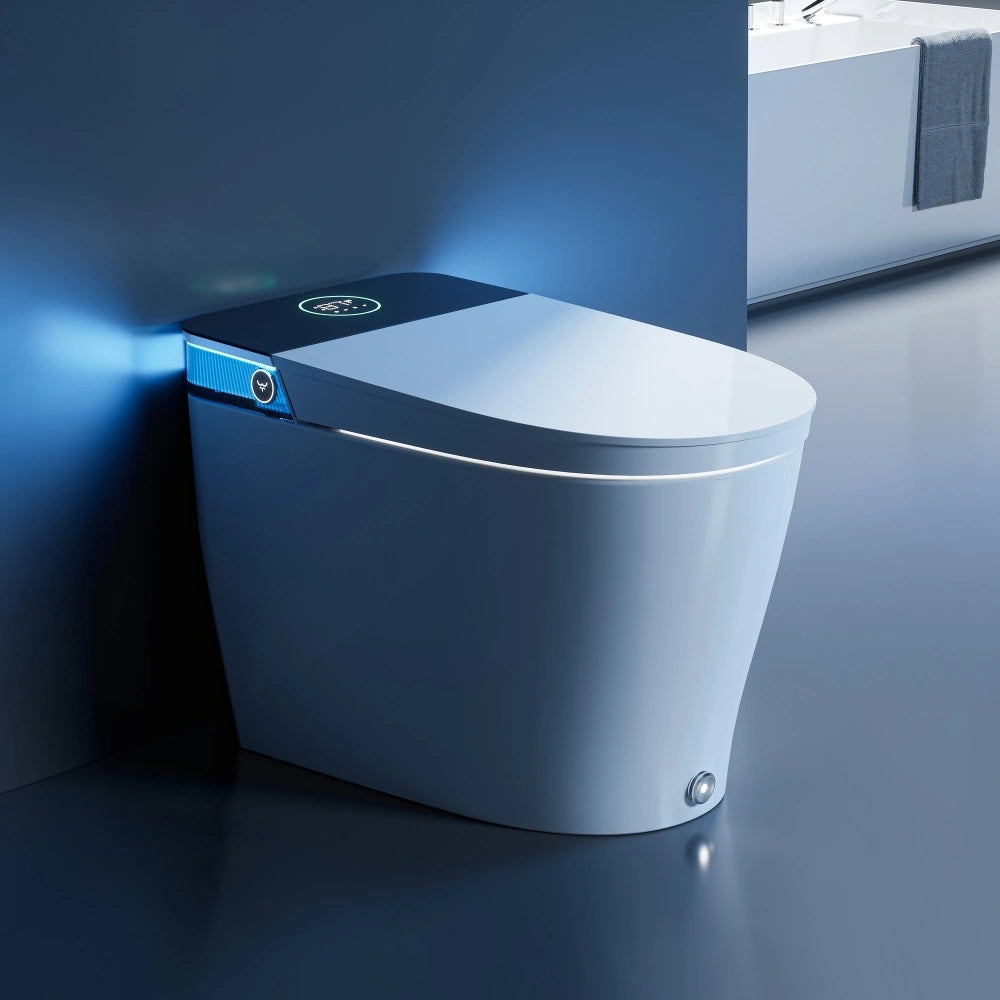
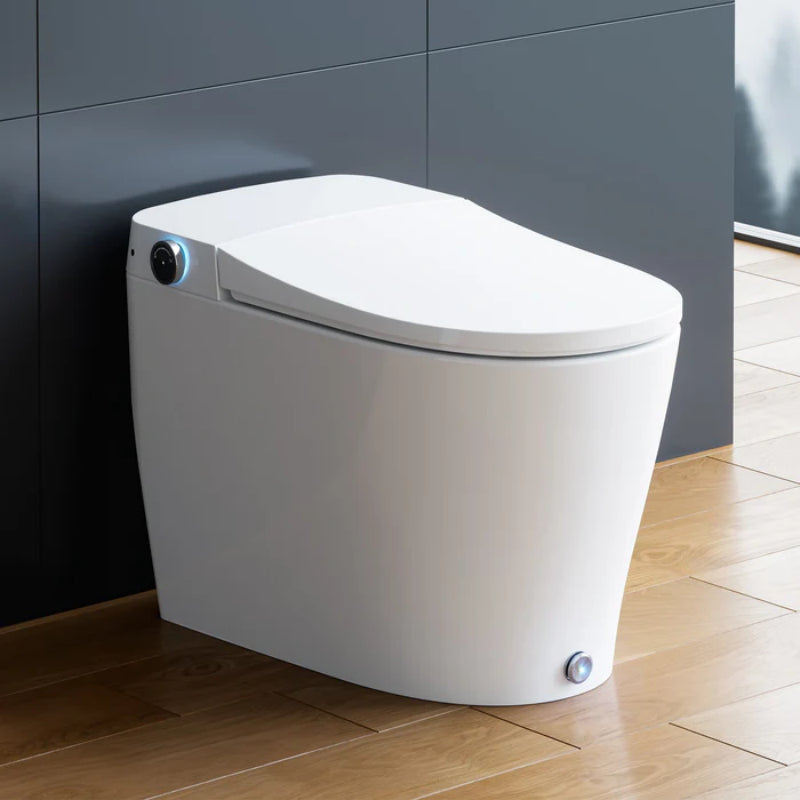
Most homeowners seek toilets blending daily comfort and water conservation. WaterSense certified smart toilets can be an eco-friendly upgrade for homeowners who want lower water use and added comfort features. EPA-certified units cut water use without compromising flush power. They also include smart functions that enhance regular bathroom routines.
Picking the right model takes careful consideration. The following outlines real perks, potential drawbacks and key considerations to help determine if this upgrade suits your home.
Short Answer
A WaterSense smart toilet reduces water use while offering better hygiene and comfort features you will actually use every day. For long-term homeowners, it can be worth it because modern WaterSense models usually flush well while using 1.28 GPF or less.
This type of toilet balances steep initial spending against ongoing water savings and upgraded comfort, and its overall value hinges on prolonged home ownership and consistent use of smart functions. The main limitation is that you pay much more upfront, and many models also need power, space, and more setup than a basic toilet.
When It Works Well
Homeowners seeking long-term water savings without a weak flush should consider this option. Many mistakenly assume low-flow design equals weak flushing ability. In real use, modern WaterSense toilets are not like early low-flow models. They are designed to use 1.28 gallons per flush or less and still clear waste effectively, often through better bowl design or pressure-assisted flushing.
It is also a good choice if you are replacing a very old toilet. Upgrading from outdated 3.5+ GPF fixtures can save roughly 13,000 gallons of water each year and cut annual water bills by around $170. If you are moving from 1.6 GPF to 1.28 GPF, you consume about 20 percent less water though financial gains stay modest. The difference is still real, but smaller.
For most homeowners asking “Which is better, 1.28 GPF or 1.6 GPF?” the practical answer is this: 1.28 GPF is usually the better efficiency choice if the toilet is a good modern model. You save about 20% more water than 1.6 GPF with little change in daily use.
A WaterSense smart toilet also makes sense if comfort and hygiene matter as much as water efficiency. Many buyers are not just choosing between toilets; they are choosing between a plain efficient toilet and one that adds a heated seat, bidet wash, warm-air drying, and auto flush. For people with mobility limits, postpartum recovery needs, or just a strong preference for cleaner daily use, these features can make the higher price feel justified.
This works especially well in drought-prone areas or places with high water and sewer rates. In those homes, the long-term savings matter more, and some areas also offer rebates for WaterSense models. That can improve the payback on a more expensive smart toilet.
It is also a better fit for people who already like smart-home features and do not mind basic tech setup. If your bathroom already has a nearby GFCI outlet and enough room for a slightly bulkier unit, the whole upgrade tends to feel smoother.

When It May Not Be Ideal
Before buying, confirm a grounded GFCI outlet sits nearby, check whether the toilet dimensions suit existing bathroom layout and space limits, and verify the unit comes with reliable backup flushing for power disruptions before making a purchase. Frequent power outages and complicated installation work make this style less practical for certain households.
Not ideal if you are buying mainly for gadget appeal. Many users find that if they only use the basic flush and maybe seat heat, the extra money starts to feel wasted. In that case, you may be better off with a regular WaterSense toilet or a simpler bidet seat setup.
For renters, short-term homeowners, or those on a tight budget, slow cost recoupment becomes a major drawback. The water savings are real, but the payback can be slow if your water rates are low or you are moving soon. A cheaper WaterSense gravity toilet usually gives you the best value if your main goal is efficiency.

Pros and Cons
Before you decide, here’s what you actually gain — and what you might be giving up.
Pros
-
Uses 1.28 GPF or less while still meeting modern performance standards
-
Can reduce water use meaningfully, especially when replacing older toilets
-
Lower utility bills over time, especially in high-cost water areas
-
Heated seat, bidet, dryer, and auto flush can make daily use more comfortable
-
Bidet and dryer features may reduce toilet paper use
-
Self-cleaning nozzles, UV features, and rimless bowls can reduce scrubbing frequency
-
WaterSense certification gives buyers more confidence that low water use does not mean constant double-flushing
Cons
-
Higher upfront cost than a standard WaterSense toilet
-
Financial value drops fast if you rarely use the smart features
-
Most integrated models need a nearby electrical outlet
-
Power outages create concern unless the toilet has a clear backup flush option
-
More things can fail: sensors, remotes, lids, dryers, heated seats, pumps
-
Installation can require both a plumber and electrician
-
Some smart seats do not fit every bowl perfectly and can look slightly off
-
“Self-cleaning” does not mean “never needs cleaning”
Real-World Considerations
Here are some common buyer questions and practical factors that shape your final pick.
What is the best high efficiency toilet?
For most homeowners, the best high efficiency toilet is not automatically the fanciest one. It is the one that balances water efficiency, flushing performance, reliability, and everyday ease of use. If your top priority is pure value, a non-smart WaterSense toilet is usually the strongest answer. It saves water, costs much less, and avoids most electronic maintenance issues. According to EPA, basic high-efficiency toilets stay popular for everyday household water conservation.
If your priority is comfort and hygiene, then a WaterSense smart toilet can be the better high-efficiency choice. But only if you are comfortable paying more for features, not just for water savings. WaterSense certification is useful because it confirms the toilet meets a strong baseline for efficiency and performance. It offers no insight into app functionality, electronic durability or after-sales service.
This is where brand differences matter. Higher-end reputable brands tend to make more sense in long-term homes and major remodels because buyers often expect better support and stronger build quality. Mid-range brands can offer similar features at a lower price, but there is often less long-term reliability data and sometimes a thinner service network.
What toilet do most plumbers recommend?
Most plumbers usually recommend a simple, proven toilet with solid flushing performance and easy-to-find parts. That does not mean they dislike smart toilets. It means plumbers tend to value reliability and serviceability over extra features.
In practical terms, many plumbers would likely steer a budget-conscious homeowner toward a standard WaterSense gravity toilet first, because it saves water and has fewer failure points. If you specifically want smart features, the best plumber-style advice is to choose a model from a brand with good parts support, clear warranty coverage, and a strong reputation for flush reliability.
So if you are asking what toilet most plumbers recommend, the honest answer is usually: a dependable, easy-to-service WaterSense toilet before an overcomplicated one. A smart model can still be a good choice, but it should be selected carefully, not just for looks or feature count.
Installation
Before ordering, complete these essential checks: confirm floor or wall drain type, measure exact rough-in dimensions and test water line pressure compatibility for tankless designs, and check the outlet situation first. A common issue is buying the toilet and only then realizing there is no nearby GFCI outlet. That is one of the most repeated regret patterns.
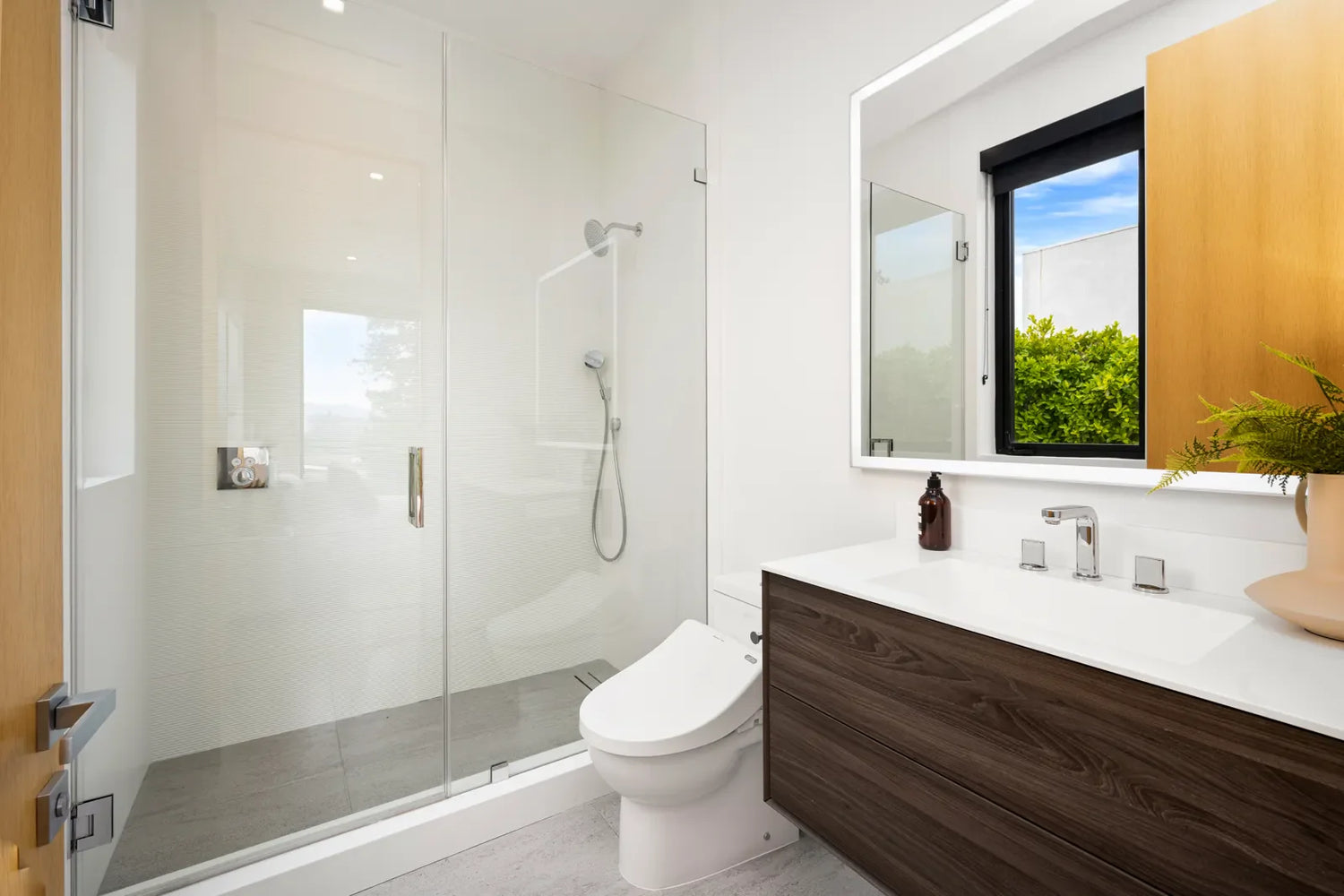
Also check bathroom layout, and whether the bowl is longer than your current model. In small bathrooms, a smart toilet’s added depth can affect door swing and leg room.
If you are considering a smart seat instead of a full toilet, measure your bowl shape carefully. Many users say a seat “fits 90%,” which may be fine for some people and annoying for perfectionists.

Daily usability
In daily use, the best units feel simple. The worst models feel like everyone in the house needs a lesson before using the toilet. Not ideal if you hate remotes, menus, voice controls, or sensors that can confuse guests.
Dual-flush WaterSense models can be useful in busy homes because many flushes are liquid-only. But they are less helpful if guests always press the larger flush without thinking.
Maintenance and long-term expectations
A common issue is assuming smart means maintenance-free. Even models with self-cleaning features still need periodic manual cleaning. Nozzles, bowls, and surrounding surfaces still need attention.
Long term, expect more maintenance risk than with a basic toilet. Availability of replacement parts and brand-backed warranty service varies widely across manufacturers, and WaterSense certification does not assess electronic durability or after-sales support quality. The extra comfort comes with extra parts. If a standard gravity toilet fails, the repair is often simpler. If a smart toilet fails, the fix may involve electronics, sensors, or brand-specific parts.
There is also an energy trade-off that buyers often overlook. Heated seats, dryers, and tankless heating features use power. That does not erase the water savings, but it does mean the “eco-friendly” story is not just about water.

Who Should Buy / Who Should Skip
Take a quick look at these clear pointers to see if this smart toilet matches your living needs and preferences.
Buy if:
-
You plan to stay in the home for years
-
You want both water efficiency and smart comfort features
-
You will actually use the bidet, heated seat, dryer, or auto flush
-
Your bathroom already has a nearby GFCI outlet
-
Water rates are high in your area or rebates are available
-
You are comfortable with some tech and occasional troubleshooting
Skip or consider alternatives if:
-
You want the lowest-cost way to save water
-
You are renting or moving soon
-
Your home has frequent power outages
-
You dislike remotes, sensors, or app-based controls
-
Your bathroom is very small
-
You want the simplest possible toilet with the fewest things to break
A WaterSense smart toilet is good, but not automatically the best choice for everyone. If you need comfort, hygiene features, and long-term water savings, it is a strong option. If you care most about low upfront cost, simple reliability, or easy installation, consider a basic WaterSense toilet instead.
FAQs
Which is better, 1.28 GPF or 1.6 GPF?
1.28 GPF is usually better for water savings, while flush performance depends on the toilet’s design. Properly certified WaterSense products deliver steady and effective flushing while staying water-efficient.
What is the best high efficiency toilet?
The ideal pick depends on your priorities. Basic WaterSense toilets offer top cost efficiency. Choose smart WaterSense models if you value enhanced comfort and hygiene alongside water conservation.
What toilet do most plumbers recommend?
Most plumbers recommend reliable, easy-to-service WaterSense toilets with strong flushing performance and accessible replacement parts. Simple designs with fewer electronic faults are their primary preference. Stick to reputable brands if you prefer smart toilet styles.
References



Leave a comment
This site is protected by hCaptcha and the hCaptcha Privacy Policy and Terms of Service apply.