
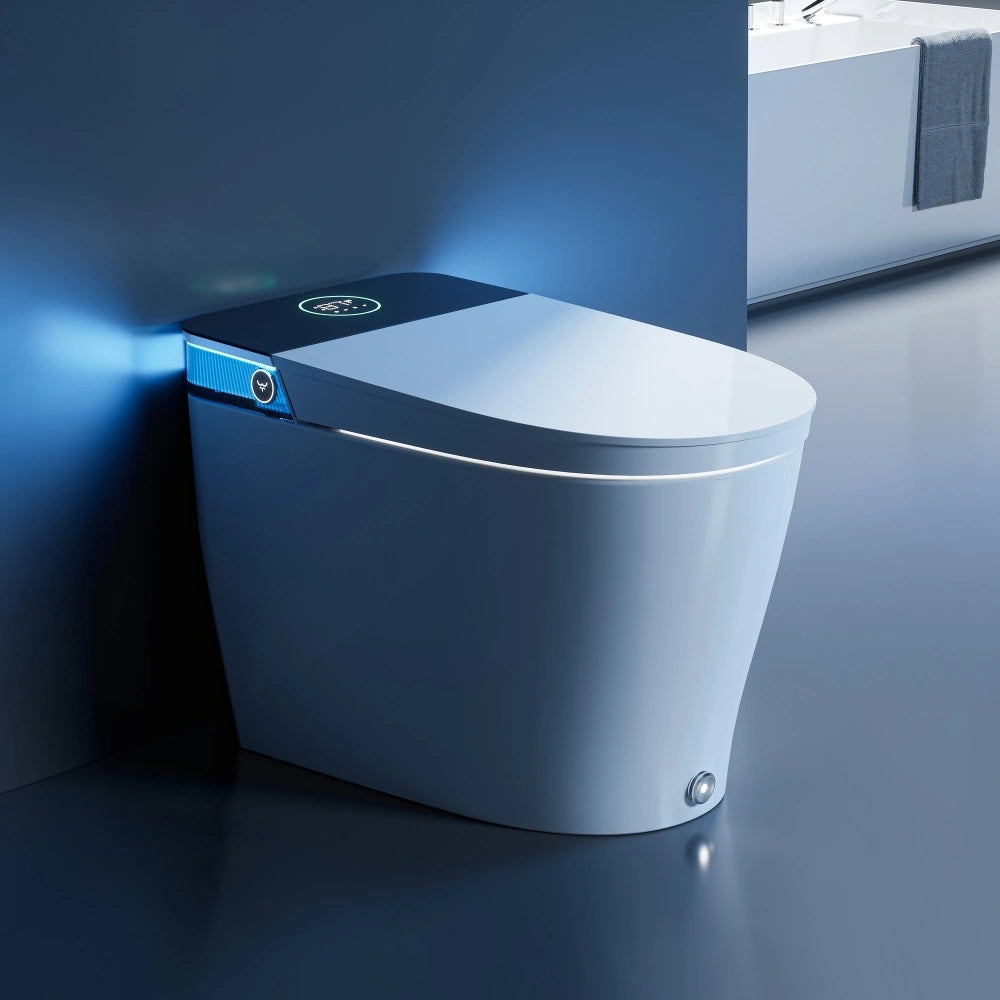
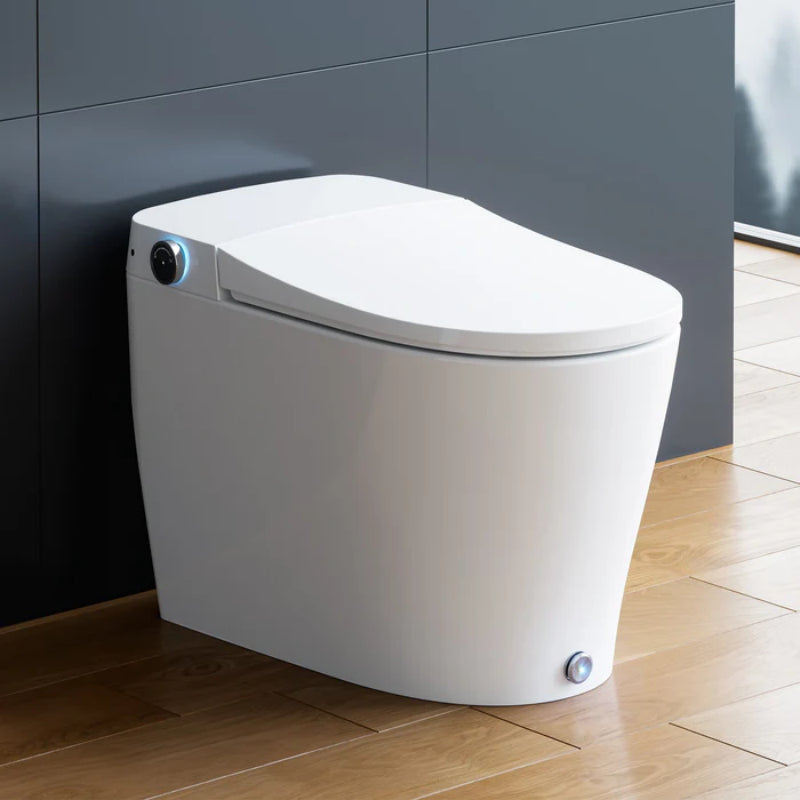

An auto open close toilet is worth considering when automatic lid movement removes a repeated inconvenience and the bathroom has a clear, predictable approach path. It is less likely to justify the added cost and complexity in a tight, shared, or high-traffic bathroom, or for users who prefer manual controls.
Is an Auto Open Close Toilet Worth It?
For most homeowners, an automatic lid is a convenience rather than an essential feature. Its value depends on whether it fits the bathroom layout, reduces a repeated inconvenience, and matches the household’s tolerance for motorized movement and sensor behavior.
This page focuses on the daily-use drawbacks and ownership trade-offs. The complete buying guide compares automatic-lid trigger types, installation requirements, and current HOROW models.
Decision Snapshot
An automatic lid is more likely to be worth it when:
-
Less bending or reaching is useful to a regular user.
-
The bathroom has a direct approach path with limited unrelated traffic.
-
The household values automatic lid closing and expects to use it consistently.
-
The model’s sensor, foot control, remote, and manual controls fit how the bathroom is used.
It is less likely to be worth it when:
-
The toilet is close to a doorway, sink path, shower path, or other high-traffic area.
-
Users prefer immediate manual control and dislike motorized movement.
-
The lid feature matters less than seat comfort, flushing, bidet functions, or service access.
-
The product’s detection area, manual override, and power-outage operation have not been confirmed.
When Less Bending or Reaching Matters
Automatic lid movement may be useful for a person who prefers less bending or reaching. However, the lid feature alone does not determine whether a toilet or bathroom is accessible or suitable for a particular user.
Check seat height, approach clearance, control readability, stability, and the approved manual or backup operation for the exact model. When accessibility is a primary requirement, evaluate the complete bathroom setup rather than relying on the automatic lid alone.

Skip It in Tight or High-Traffic Bathrooms
Bathroom layout has a major effect on whether an automatic lid feels useful. If the toilet sits close to a door, beside a sink, or along a path people regularly cross, an approach sensor may activate when nobody intends to use the toilet.
Check for these common conflicts:
-
The door swings toward the toilet.
-
Someone passes the bowl on the way to the sink or shower.
-
Children or pets regularly move near the toilet.
-
A powder room or shared bathroom receives frequent guest traffic.
A feature can operate as designed and still be a poor match for the room. Observe the normal walking path before choosing an approach-sensor model.

What Buyers Commonly Misjudge
The main mismatch is not always a broken feature. The lid may work correctly while feeling noisier, less predictable, or less useful than the buyer expected.
Automatic lid movement does not make the full routine touch-free
Automatic lid movement can reduce how often users handle the lid, but it does not make the entire bathroom routine touch-free.
Users may still touch a remote, side control, flush control, cleaning tools, the seat area, or nearby bathroom surfaces.
Treat the automatic lid as a convenience feature rather than a health guarantee. It does not replace normal handwashing or routine bathroom cleaning.
False triggers can become distracting
An approach sensor reacts to presence within its detection area. It does not always know whether someone intends to use the toilet.
A foot control may reduce unwanted lid movement when it requires a deliberate action, while an approach sensor provides more automatic operation. Neither control method can correct a poor installation location.
Unwanted activation may occur when someone:
-
Enters the room to grab a towel.
-
Cleans around the toilet.
-
Helps a child near the toilet.
-
Uses a nearby sink or vanity.
Repeated unwanted opening can make the automation feel distracting even when the sensor is technically functioning.
Approach direction can also matter. A model may respond differently when someone approaches from the front, from the side, or along the edge of its detection area.
Confirm the expected opening and closing sequence, including whether the lid closes after departure, after flushing, or after a timed delay.
Noise matters more at night
Even a controlled lid motor can be noticeable in a quiet bathroom. When automatic flushing follows the lid movement, the full sequence may be more obvious at night than during the day.
This deserves extra attention in an ensuite bathroom or in a room located close to a bedroom or nursery.
Before buying, check whether the model offers settings for automatic lid behavior, flushing, night lighting, or other functions that may affect nighttime use.
Will It Fit Daily Life?
Start with the room rather than the feature. Stand at the doorway and along the normal path to the sink or shower. Check whether those positions could enter the model’s detection area, whether the door or nearby fixtures interfere with lid movement, and whether the toilet has suitable electrical and installation clearance.
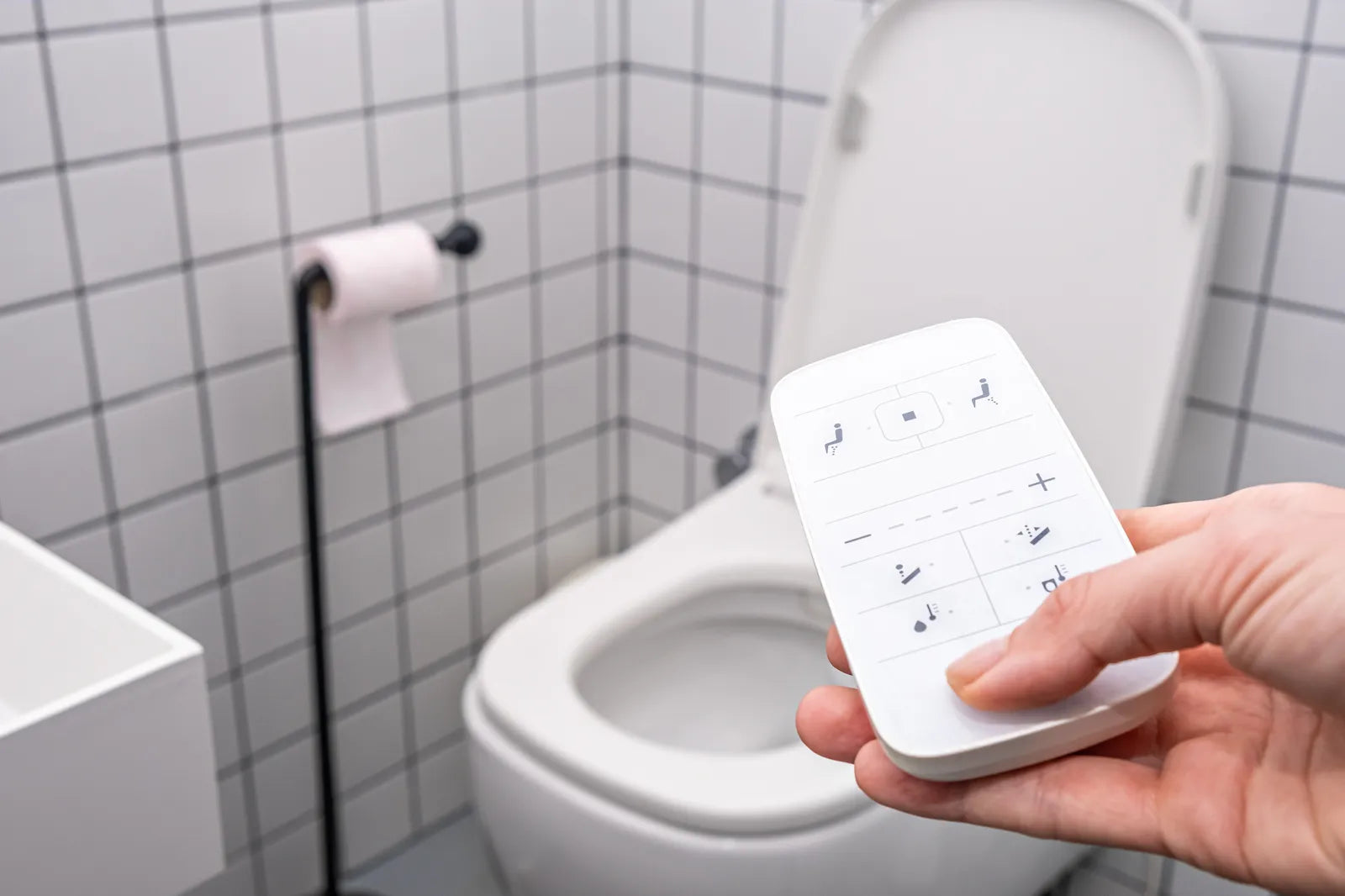
Also consider whether basic use can remain hands-free without requiring frequent changes on a remote or side control. Automatic lid movement may reduce one contact point, but wash settings, flush selection, cleaning mode, and manual overrides may still require user input.
The complete buying guide explains how approach sensors, foot controls, lid and seat behavior, and installation requirements differ.
Cleaning mode matters
Automatic movement can become inconvenient during cleaning if the sensor continues to react while someone wipes around the bowl, seat, or hinges.
Before buying, confirm whether the model provides a cleaning mode, temporary sensor shutoff, automatic-lid disable setting, or another approved way to prevent unwanted movement.
Also review the manufacturer’s instructions for cleaning around the lid motor, hinges, sensors, and electronic controls.

Ownership Checks Before You Buy
An automatic lid adds a motor, sensors, hinges, and control electronics that a manual lid does not require. This does not mean the feature will fail, but it creates additional components that may eventually need service.
Before buying, confirm:
-
Whether the lid may be moved by hand and how the manual override works.
-
What the warranty covers for the lid motor, sensors, hinges, and controls.
-
Whether replacement parts and service instructions are available.
-
How the toilet flushes and how the lid operates during a power outage.
-
Whether a battery box, battery pack, or other accessory is required for backup operation.
Follow the instructions for the exact model rather than assuming the motorized lid can be forced open or closed like a standard toilet lid.

When an Automatic Lid Becomes Unnecessary
The lid is usually a supporting convenience. Seat comfort, bidet wash settings, drying, flushing, bathroom fit, and service access may have a greater effect on daily use.
An automatic lid may be unnecessary when manual lid movement is easy, the bathroom is tight or busy, or users dislike waiting for automated movement.
It is more likely to make sense when the control method fits the room and the household expects to use the feature consistently.
Use the buying guide to compare automatic-lid controls and current models, or browse the complete HOROW smart toilet range.
Before You Choose
-
Check the door swing, sink path, shower path, and side traffic near the toilet.
-
Confirm whether the automatic lid can be disabled temporarily for cleaning, guests, or nighttime use.
-
Find out whether manual opening and closing is permitted and how the toilet operates during a power outage.
-
Consider your tolerance for unwanted activation, motor movement, and nighttime noise.
-
Confirm the required outlet, GFCI protection, rough-in, water supply, and installation clearances.
-
Remember that an automatic lid may reduce lid handling, but it does not make the entire bathroom routine touch-free.
-
Review warranty coverage, replacement-part availability, and manual override instructions.
FAQs
Is an auto open close toilet worth it?
It may be worth it when automatic lid movement removes a repeated inconvenience and the bathroom has a clear approach path. It is less likely to justify the added complexity in tight, shared, or high-traffic bathrooms.
Can an auto open close toilet work without touching the lid?
Many models can open and close the lid without hand contact during basic use. You may still need a remote, side control, foot control, or manual input for wash settings, flushing, cleaning, or overrides.
Can an automatic toilet lid trigger by mistake?
Unwanted activation can occur when a doorway, sink path, pet, child, or passing user enters the model’s detection area. The likelihood depends on the sensor, room layout, settings, and approach direction.
What should I verify before buying an automatic-lid toilet?
Confirm the detection method, lid and seat behavior, available disable settings, manual operation instructions, bathroom clearance, electrical requirements, warranty coverage, replacement-part availability, and power-outage procedure for the exact model.


Leave a comment
This site is protected by hCaptcha and the hCaptcha Privacy Policy and Terms of Service apply.