
Yes—a toilet that washes and dries you can be worth it if you want better hygiene, more comfort, and less toilet paper use in daily life. For most homeowners, the practical sweet spot is usually an electric bidet seat with warm water and warm air drying. Buyers who want the highest level of comfort and automation often lean toward a full integrated bidet toilet, while non-electric wash-only attachments tend to make more sense for tighter budgets or bathrooms without power access. Another common misconception is expecting a completely paper-free experience. In real-world use, many people still use a small amount of toilet paper for a quick final dry or comfort check, especially on lower-priced models. One important limitation is that a true wash-and-dry setup usually needs a nearby GFCI outlet. Bathrooms are considered higher-risk areas for electrical shock exposure, which is why GFCI protection is commonly recommended for bathroom outlets and powered bathroom fixtures. If adding power is not realistic, a non-electric attachment can still improve cleaning, but it will not provide heated water or warm air drying.
When It Works Well
Best for: homeowners or long-term renters with nearby power access, buyers focused on daily comfort, and users who want easier cleaning with less wiping effort.
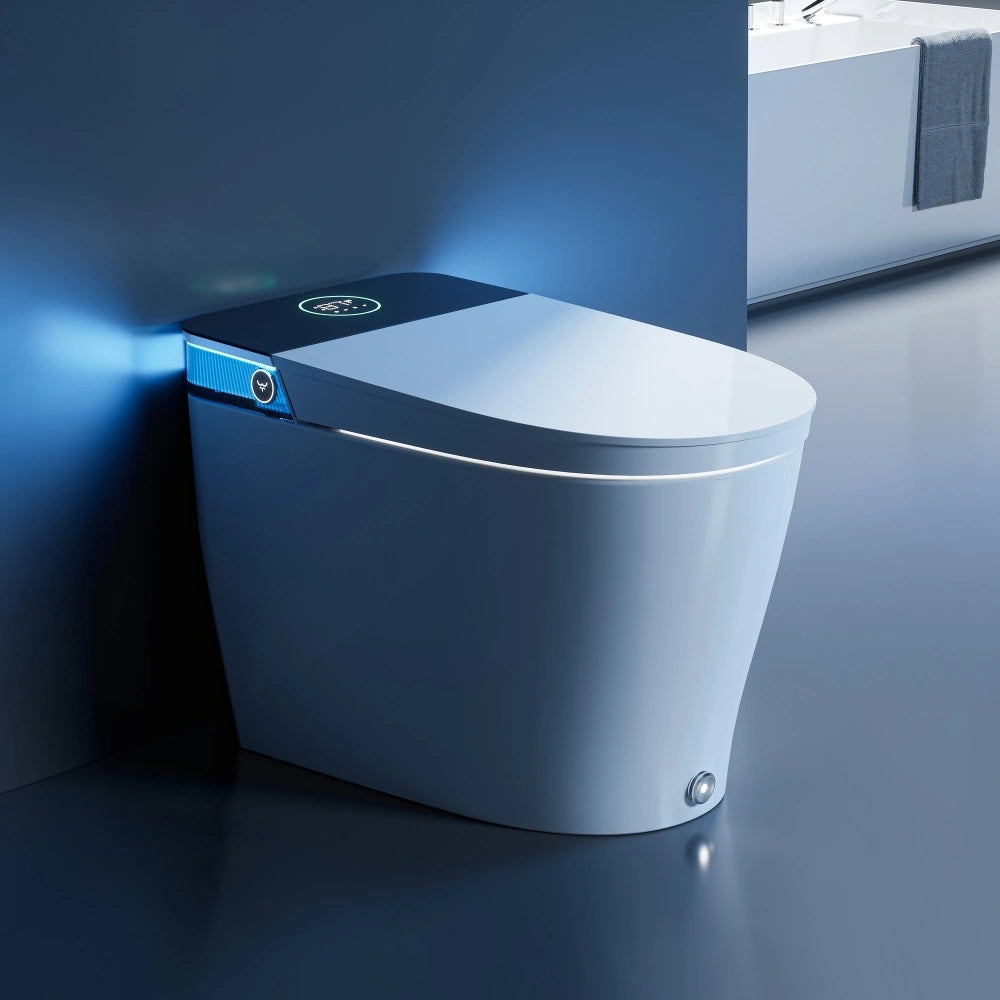
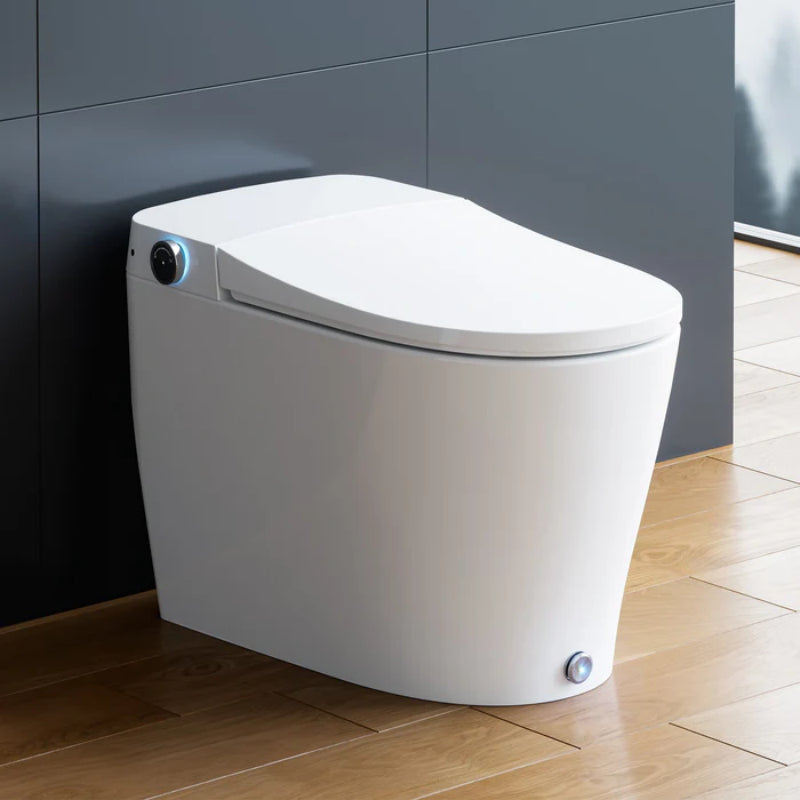
First, what is a toilet that washes you and dries you? In real buying terms, it is usually an electric bidet seat or a full bidet toilet that sprays water to clean you and then uses warm air to dry you. That is different from a basic bidet attachment, which usually washes only and does not dry.

This setup works especially well for people who want a more comfortable bathroom routine without adding a separate bidet fixture. Many buyers are not looking for luxury in the traditional sense—they simply want a cleaner, easier, and more comfortable experience day to day. In daily use, the appeal is simple: press a button, get washed, get partly or mostly dried, then flush.
It also works well for people who care about comfort. Heated seats, adjustable water temperature, and adjustable drying are not minor extras for many owners—they are the reason they upgrade in the first place. If you live somewhere cold, or if your bathroom already feels like a place where comfort matters, these features tend to feel useful rather than gimmicky.
For most homeowners, this type of toilet makes the most sense when there is already a nearby outlet or when adding one is realistic. For many households, electric bidet seats offer the best balance between price, features, and installation practicality. They give you the wash-and-dry function people actually want, without requiring the full cost of a premium integrated toilet.
This can also be a strong fit for households where wiping is harder. People with limited mobility, arthritis, or general difficulty reaching comfortably may get real benefit from wash-and-dry use because it reduces manual cleaning. That does not mean every model is easy for every person, but the use case is real.
Another good fit is the buyer who wants convenience features and will actually use them. Night lights, auto flushing, nozzle cleaning, and heated seats can be genuinely helpful. In nighttime use, motion lighting and automatic functions may make the bathroom easier to use without turning on bright lights.


When It May Not Be Ideal
Before comparing features, the first step is checking whether the bathroom can realistically support the installation. Outlet access, toilet shape compatibility, side clearances, seat fit, and water-line access all matter more than many buyers expect. A common mistake is focusing on features first and discovering too late that the setup does not fit the space properly.
The biggest mistake is expecting a perfect “paper-free” experience at any price. Do you still wipe after using the bidet? Often, yes—at least a little. Another important reality is that most dryers are better described as “paper-light” rather than truly paper-free. Warm air drying can reduce toilet paper use noticeably, but many users still prefer a quick final dab afterward. A common issue is expecting the dryer to do everything quickly, when in reality lower-end dryers can be slow. Stronger drying performance is usually more noticeable on higher-end models, while lower-priced options often take longer and leave more moisture behind.
This category may also feel frustrating for buyers who prefer very simple bathrooms with minimal maintenance or electronics. A bidet toilet with wash and dry features has more controls, more settings, and more parts than a standard toilet. Many users find that the added convenience comes with feature complexity. If you dislike remotes, settings, or electronics in the bathroom, this can feel annoying rather than helpful.
It may also be a poor fit in small bathrooms. In tight spaces, installation fit matters more than many people expect. Seat size, toilet shape, water line access, and outlet distance can all become problems. A common regret is buying before checking dimensions, only to find the unit looks bulky or does not suit the room well.

Another downside is paying for features that rarely get used. Auto lids, multiple spray modes, deodorizers, and advanced presets may sound appealing at first, but many households end up relying mainly on basic wash and dry functions over time.
What is the downside of a bidet toilet? In practical terms, it is usually one or more of these: higher upfront cost, more installation needs, more maintenance, more things that can fail, and drying that may be slower than expected. That is the trade-off.
What are the drawbacks of a dry toilet? If by “dry” you mean the drying function on a wash-and-dry toilet, the drawback is mostly performance. Warm air drying is convenient, but it is often not fast enough to match the speed of using a little paper. Better models improve this, but dryer performance is one of the most underplayed trade-offs in this category.
Pros and Cons of Toilet That Washes and Dries You
Here is the honest version.
Pros
-
Better hygiene than toilet paper alone is one of the main reasons people buy these.
-
Wash and dry in one unit is convenient, especially for daily use.
-
Heated seats, warm water, and adjustable settings improve comfort in a way many owners notice right away.
-
Some higher-end models reduce manual cleaning with self-cleaning nozzles, auto flush, and easier-clean features.
-
Toilet paper use often drops, even if it does not disappear completely.
-
For some users with mobility issues, it can make bathroom use easier.
Cons
-
Upfront cost is much higher than a basic toilet or non-electric bidet attachment.
-
You usually need power nearby, and that can mean electrical work.
-
Drying effectiveness is often weaker than people expect, especially on cheaper models.
-
The seats can be bulkier and may affect bathroom aesthetics or sitting space.
-
More electronics and features mean more maintenance and more reliability risks over time.
-
Some functions create noise—fans, pumps, auto lids, and deodorizers can be more noticeable than expected.
-
Guests or less tech-comfortable family members may find the controls confusing.
Real-World Considerations
For most homeowners, the buying decision comes down less to “Is this cool?” and more to “Will this work in my bathroom, and will I like living with it?”
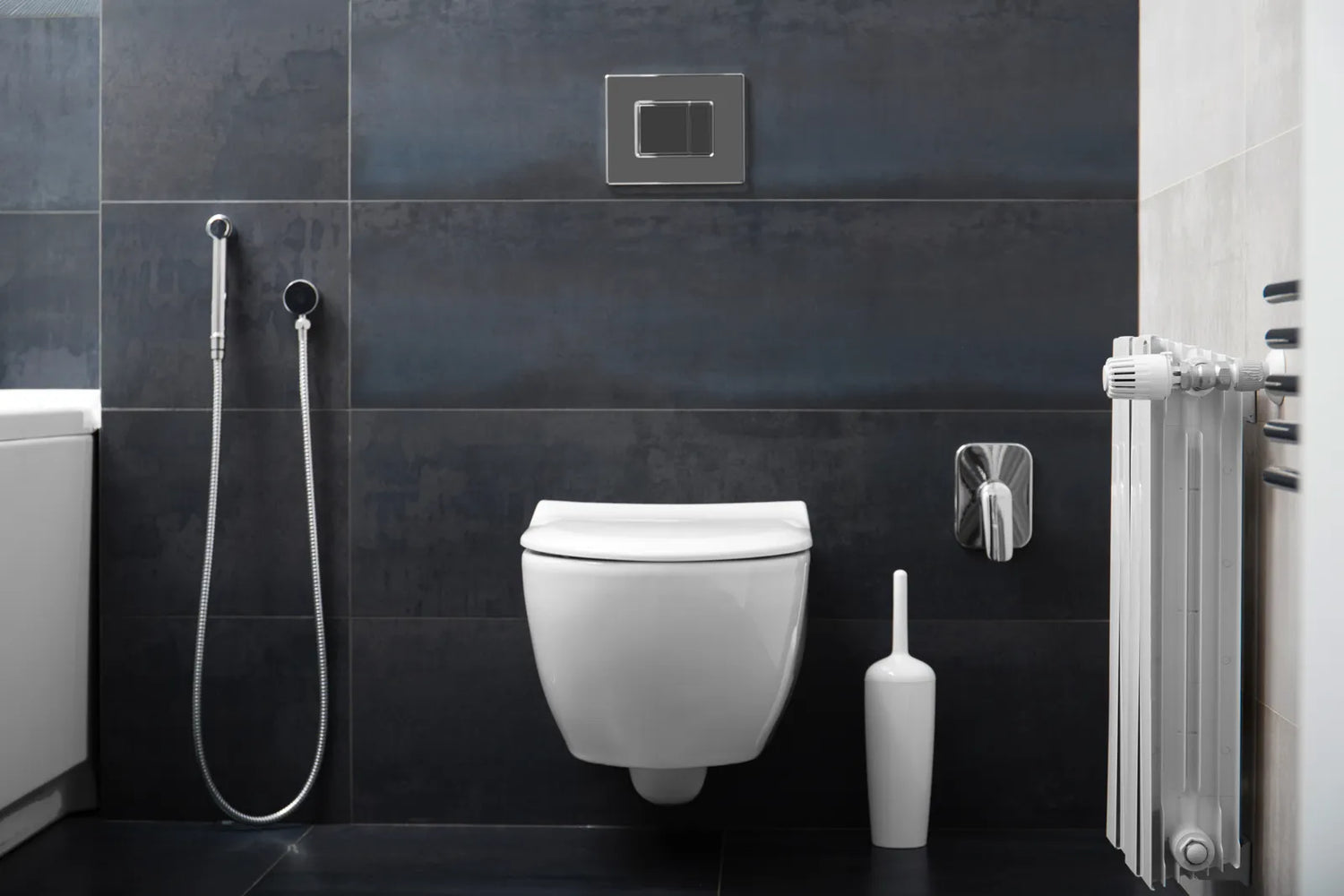
Installation is the first filter. If you cannot add a nearby GFCI outlet, then a true wash-and-dry setup may not be realistic. In that case, a non-electric attachment can still improve hygiene, but it will not give you warm air drying. Research strongly supports this split: no outlet usually means no true dry function.

Space constraints matter more than product listings suggest. In small bathrooms, a wash-and-dry seat can feel bulky. One-piece toilets, curved tank designs, tight side clearances, and cramped water line access can all create problems. This is one of the most common sources of buyer frustration.
Daily usability is another overlooked issue. A feature-rich remote sounds great until different people in the house do not know which button to press. Many users appreciate presets and custom settings, but others see them as clutter. This works well if you like control. Not ideal if you want every bathroom visit to stay simple.
Maintenance is not gone just because a model says “self-cleaning.” Nozzle cleaning systems help, but manual cleaning still matters. More parts also mean more upkeep. A common misunderstanding is thinking a premium bidet toilet will somehow reduce all bathroom maintenance. It may reduce some manual cleaning, but it does not eliminate it.
Long-term expectations should stay realistic. Toilet paper reduction is very likely. Total toilet paper elimination is less certain. Higher-end models usually do a better job with drying effectiveness, but even then, many users still do a quick check with paper. If your goal is “paper-light,” that is realistic. If your goal is “never use paper again,” that is less reliable.
There is also the value question. For many buyers, the practical sweet spot is not a full luxury smart toilet but an electric bidet seat from a known brand. That is where a lot of the comfort and hygiene gains show up without the highest price. Full integrated units can be excellent, but they make the most sense when premium value is part of the goal.
Who Should Buy / Who Should Skip
Buy if:
-
You want better hygiene and comfort every day.
-
You have or can add a nearby power outlet.
-
You want warm water and a real drying function, not just a wash.
-
You are fine with some setup, settings, and basic maintenance.
-
You expect reduced toilet paper use, not necessarily zero paper forever.
-
You are a homeowner or long-term renter and want a lasting upgrade.
Skip or consider alternatives if:
-
You want the simplest, lowest-maintenance toilet possible.
-
Your bathroom is very tight or the toilet area has tricky fit issues.
-
You cannot add power near the toilet.
-
You are on a strict budget and mainly want better cleaning.
-
You are easily annoyed by feature complexity, remotes, or bathroom noise.
-
You expect the dryer to be as fast and complete as toilet paper every time.

Decision Summary
A toilet that washes and dries you is generally a good choice if you want comfort, hygiene, and less toilet paper use—and your bathroom can support the install. It is usually not the best choice if you want simplicity, the lowest cost, or a guaranteed paper-free result.
If you need warm-water washing, a heated seat, and hands-free drying → good choice. If you care most about low cost, simple installation, and minimal maintenance → consider alternatives like a basic bidet attachment or a standard toilet.
References


Leave a comment
This site is protected by hCaptcha and the hCaptcha Privacy Policy and Terms of Service apply.