
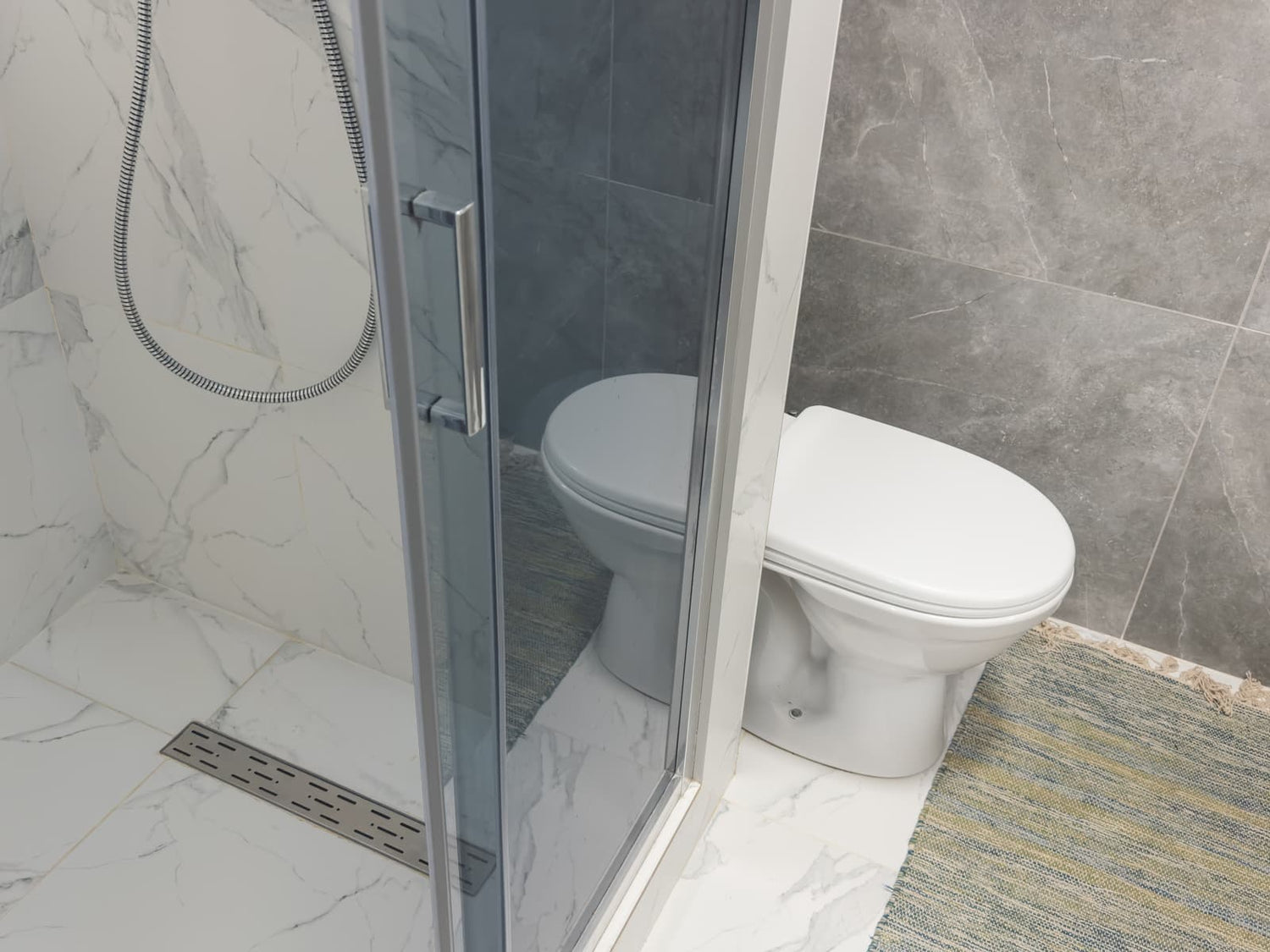
A tinted glass shower door is worth considering when you want the glass itself to become part of your bathroom design. Gray, bronze, and smoked finishes can add depth and contrast, especially in bathrooms with strong lighting and a coordinated color palette.
It is not a practical substitute for privacy glass. Regardless of the tint, shower doors must still prioritize safety glazing requirements. The glass type and installation method are just as important as the appearance of the door. The U.S. Consumer Product Safety Commission (CPSC) notes that architectural glazing in certain locations must meet safety requirements to reduce injury risks if the glass breaks. For a shower enclosure, the glass type and installation method are just as important as the appearance of the tint. Because the color is part of the glass, it also limits future design changes.
Decision snapshot:
-
Consider tint for a bright, design-led bathroom where a gray or bronze color cast supports the tile and fixtures.
-
Do not rely on tint for privacy. A person inside usually remains visible, especially when the shower is brighter than the surrounding room.
-
Consider clear or obscured glass instead if brightness, broad design flexibility, or stronger visual screening matters more than mood.
Who Benefits From Tinted Shower Glass?

Best for Bright, Design-Led Bathrooms
Tinted glass is most successful when the bathroom already has ample daylight or effective lighting inside the shower. Under those conditions, it can soften the visual effect of the enclosure while still allowing the shower interior to remain visible.
A smoked glass shower door also makes the enclosure feel more noticeable. Unlike clear glass, which tends to disappear into the room, tinted glass becomes an intentional color element:
-
Gray tinted shower glass generally complements cool tile, black hardware, and muted finishes.
-
Bronze tinted shower glass can reinforce beige, cream, brown, and other warm materials.
-
Darker tints can give a large bathroom a moodier, more defined appearance.
Tint can also soften the view of bottles, niches, grout lines, and other visual clutter. It does not conceal them, but the darker color may make the shower interior less prominent from across the room.
Choose the tint as part of the original color plan rather than as a last-minute upgrade. View the largest available sample against the actual tile, wall color, hardware, and lighting. A small sample against a showroom display may not reveal how strongly a full enclosure will affect the room.
Poor Fit for Privacy-First Buyers
A tinted shower door is a poor fit when privacy is the main reason for changing the glass. The tint may reduce brightness and make some details less noticeable, but it does not reliably hide the person using the shower.
That distinction is important in shared bathrooms. Partners may accept partial visibility, while children, teenagers, guests, or other household members may expect more complete screening. If a visible body outline would be uncomfortable, consider glass designed to obscure the view rather than assuming a darker tint will provide enough coverage.
Will Tint Deliver the Privacy You Expect?

Does Tinted Glass Provide Real Privacy?
Tinted shower glass is best understood as colored transparent glass. It changes the amount and color of light passing through the door, but a direct view generally remains.
A deep tint may make details less apparent when lighting is balanced on both sides. That limited effect can disappear as soon as the shower becomes brighter than the rest of the bathroom. A door that looks nearly opaque when empty may therefore be much more revealing when someone is showering under a bright light.
Light Direction Can Sharpen Silhouettes
Privacy depends heavily on which side of the glass is brighter. If the shower light is on while the bathroom or adjoining room is dim, the person inside may be easy to see. A bright window behind the shower can similarly create a distinct silhouette.
Test the glass under realistic conditions before ordering. Place a large sample near the shower area and view it from the doorway. Compare the result during daylight and at night. This gives a better indication of privacy than looking at an unlit showroom sample.
Tinted Versus Clear Means Color, Not Obscurity
The main difference between tinted and clear shower glass is the visual effect they create in the room.
Clear glass preserves tile colors and allows the eye to travel through the enclosure, which can help the bathroom feel open. Dark shower glass creates a stronger visual boundary and casts gray, bronze, or another color over surfaces viewed through it.
“Smoked glass” usually refers to gray or dark-tinted glass rather than a separate privacy treatment. Terminology and tint depth can vary, so judge the actual sample instead of relying only on labels such as smoked, gray, or dark.
Can Your Bathroom Handle Darker Glass?

Will It Work in Small Bathrooms?
Tinted glass can work in a small bathroom, but it is less forgiving when the room is already dim. The enclosure may feel more boxed in because darker glass reduces visual continuity between the shower and the rest of the room.
The effect is more noticeable when tinted glass is combined with dark tile, limited daylight, a low ceiling, or weak shower lighting. If the room already feels enclosed before the door is installed, clear glass is more likely to preserve its sense of openness.
Evaluate the tint with the lighting you normally use. A bathroom photographed with every light on may not represent an early-morning or nighttime shower.
Gray and Bronze Tints Alter Surrounding Colors
Gray tint can cool white tile, subdue patterns, and make warm materials appear more muted. Bronze tint adds warmth and can make white surfaces look creamier when viewed through the glass.
These changes may support the design, but they can also dull tile or create an unwanted clash. This matters when decorative tile, stone, or a detailed niche is intended to remain a focal point.
Place the sample directly in front of each important finish. Check skin tones, white fixtures, metal hardware, and tile under both natural and artificial light. Do not assume that a tint described as neutral will look colorless after installation.
Low Vision Makes Dim Enclosures Harder to Use
Visibility is also an important consideration for aging users or people with reduced vision. Low vision can include difficulty seeing in low-light conditions. For users with reduced vision, evaluate whether a darker shower enclosure remains easy to navigate under the lighting normally used in the bathroom.
The effect depends on the tint, room finishes, and lighting. Anyone concerned about visibility should inspect the sample under normal shower conditions rather than only under full showroom lighting. When visibility is already marginal, clear glass or improved shower lighting may be the more practical choice.
What Changes in Daily Cleaning and Inspection?

Does It Require More Maintenance?
Tint does not necessarily make the glass dirtier, but it changes how residue appears. Mineral deposits and soap film may look like a pale haze against dark glass, while streaks can become noticeable when side lighting reflects across the panel.
Water quality, ventilation, and cleaning habits matter more than glass color. If clear glass would need regular wiping or squeegeeing in your bathroom, tinted glass probably will too. A protective treatment may affect care requirements, but tint alone is not a maintenance feature.
Follow the door supplier’s cleaning instructions and avoid assuming that dark glass can tolerate abrasive pads or powders.
Smoked Glass Still Shows Hard-Water Film
Smoked glass may make isolated spots less obvious from certain angles, but it does not prevent mineral buildup or soap residue. Once film accumulates, the contrast against dark glass can make cloudiness more noticeable.
Fine scratches may also catch reflected light on a dark panel. Tint changes appearance; it does not make the exposed glass surface immune to scratching or etching.
Dark Glass Can Hide Early Damage
Tinted glass can make quick inspections less reliable. Residue, deterioration around seals, mold in corners, small edge chips, or corrosion near hardware may be less apparent from outside the enclosure.
The tint does not necessarily cause these problems. The concern is that they may be noticed later. During cleaning, inspect the glass edges, seals, lower corners, and hardware closely rather than judging the enclosure from the doorway.
Door operation, hardware, seals, swing clearance, and water containment usually affect daily use more than glass color. Review those details when considering glass shower door configurations, then decide whether tint adds enough design value to justify the trade-offs.
Compare HOROW Shower Door Styles and Finishes
If you are deciding whether tinted glass suits your bathroom, compare the door design and hardware finish at the same time. These HOROW shower doors provide examples in black, brushed gold, and brushed nickel for comparing how the enclosure itself can fit into your bathroom design.
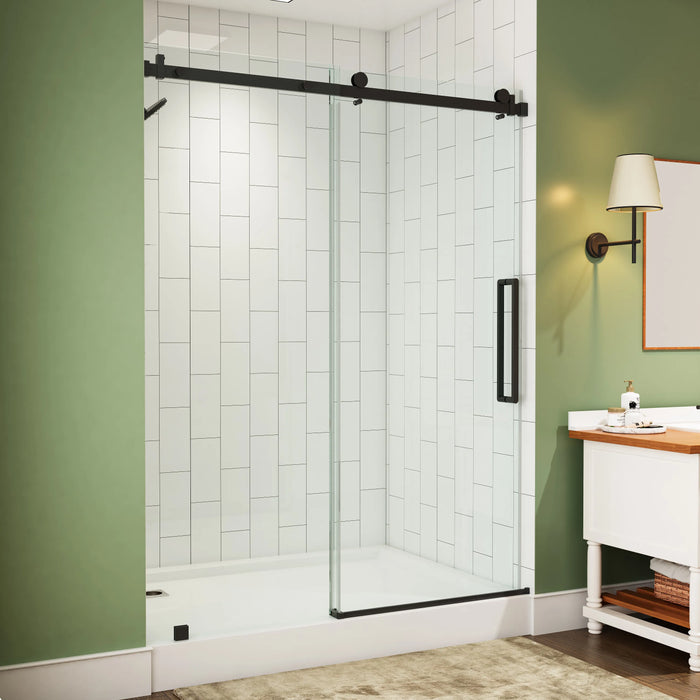
HOROW TE6076-MB
A black frameless sliding shower door listed in a 60-inch model, offering a dark hardware option to compare with the surrounding tile, fixtures, and other bathroom finishes.
View TE6076-MB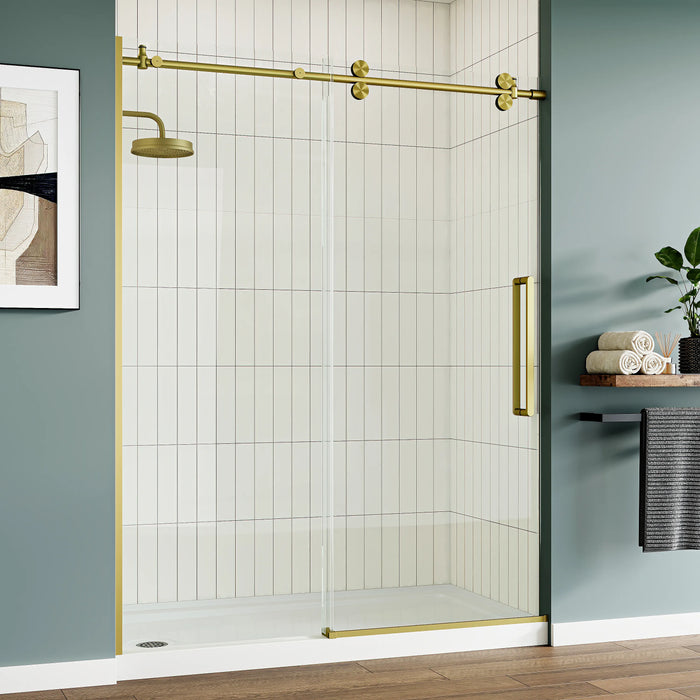
HOROW MI6076-SG
A brushed gold frameless sliding shower door listed with 8 mm glass, providing a warm hardware finish to compare with tile, wall colors, and other bathroom fixtures.
View MI6076-SG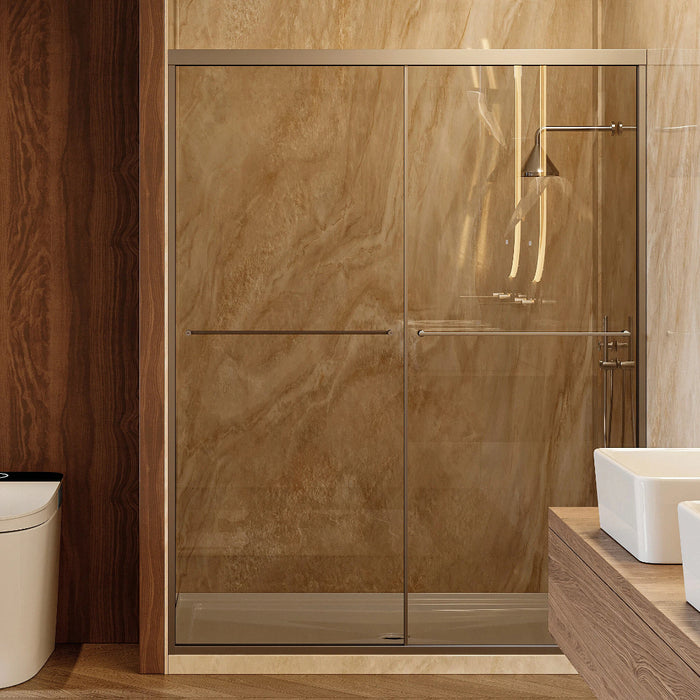
HOROW K2-BN
A brushed nickel shower door with an ultra-narrow design, offering a lighter neutral hardware finish for comparison with both warm and cool bathroom color schemes.
View K2-BNUse these examples to compare shower door styles and hardware finishes. If tinted or smoked glass is a requirement, confirm the glass finish on the individual product page before ordering.
Is Tint Worth the Long-Term Commitment?
Is It Worth the Extra Cost?
Tinted glass may cost more than a standard clear option, particularly in a custom enclosure. The added expense is mainly for appearance rather than a major functional improvement.
It is easier to justify when you have tested a large sample in the finished room and prefer it under daylight, evening light, and normal shower lighting. It is harder to justify when the expected benefits are privacy, reduced spotting, or less cleaning.
Ask for the tint cost to be separated from other door and installation choices. That makes it easier to decide whether the visual effect is worth the added expense.
Permanent Tint Limits Future Color Changes
Shower-door tint is generally part of the glass rather than removable decorative film. Changing the color later usually means replacing the affected panel.
Gray glass may constrain a future move toward warmer finishes, while bronze may complicate a cooler white or gray palette. Paint, towels, and hardware are comparatively easy to update, so treat tinted glass as a long-term color decision rather than a temporary accent.
Distinctive Glass May Narrow Resale Appeal
Some buyers appreciate a moody, hotel-inspired bathroom, while others prefer a bright enclosure that shows the tile clearly. The darker and more distinctive the tint, the more it reflects personal style preferences.
Resale does not need to determine every design choice. However, clear glass may offer broader flexibility if you expect to sell soon, remodel again, or accommodate changing household preferences.
Before You Choose
-
View a large glass sample against the actual tile, paint, fixtures, and hardware.
-
Test it in daylight, under shower lighting, and at night.
-
Check privacy from the doorway when the shower side is brighter.
-
Confirm that the enclosure remains easy to navigate without glasses or in dim light.
-
Expect normal glass cleaning and hard-water care.
-
Finalize door swing, seals, hardware, and water containment before prioritizing tint.
-
Treat gray or bronze glass as a permanent part of the room’s color scheme.
Common Questions
What is the difference between smoked and tinted glass?
Smoked glass is a type of tinted glass that usually has a darker gray appearance. Both options add color to the glass while keeping the surface see-through, so they are mainly chosen for style rather than coverage. The exact look can vary depending on the glass manufacturer and tint level, so checking a real sample is the safest way to compare options.
Does dark shower glass make a bathroom look smaller?
It can make a bathroom feel more enclosed, especially when the space already has limited light. Darker glass creates a stronger visual separation between the shower and the rest of the room, which may reduce the open feeling that clear glass provides. The result depends on the bathroom size, lighting setup, and surrounding finishes.
Can shower-door tint be removed later?
For factory-tinted glass, the color is typically part of the glass rather than a removable decorative film. Other tint treatments may use different constructions, so confirm the glass type with the supplier before ordering.
Does tinted glass hide water spots?
Tinted glass may make some small marks harder to notice at certain angles, but it does not stop mineral buildup or soap residue. In some bathrooms, darker glass can make cloudy areas stand out more over time. Regular cleaning habits and water quality will still have the biggest impact on appearance.
References
https://www.ecfr.gov/current/title-16/chapter-II/subchapter-B/part-1201
https://www.nei.nih.gov/eye-health-information/eye-conditions-and-diseases/low-vision


Leave a comment
This site is protected by hCaptcha and the hCaptcha Privacy Policy and Terms of Service apply.