
Tankless toilets can work well when the selected model’s plumbing, water-supply, and electrical requirements match the home. Their potential advantages include a cleaner profile, no conventional tank refill wait, and integrated bidet or comfort features on some models. The trade-offs include higher installation complexity, greater dependence on home infrastructure, and model-specific maintenance.
This page provides a quick summary of the main tankless toilet pros and cons. For a complete explanation of direct-feed and concealed-reservoir designs, installation checks, outage planning, ownership costs, and bathroom fit, read our complete tankless smart toilet buying guide.
How Do Tankless Toilets Work
The term “tankless toilet” can refer to more than one flushing configuration. A true direct-feed design releases water from the household supply through a flush valve instead of storing it in a conventional external tank.
Other low-profile toilets may have no visible tank but still use a concealed reservoir, an internal booster pump, or both. Because these systems respond differently to water pressure and power outages, buyers should confirm the tank structure, pump system, water requirements, electrical connection, and outage-flush method on the specific product page or manual.
When It Works Well
Tankless toilets tend to work best when the selected model’s water, plumbing, and electrical requirements already match the home. They may be worth considering for buyers who want a cleaner low-profile appearance, fast repeat flushing, or integrated bidet and comfort features.
They can also suit smaller bathrooms, but the absence of a visible tank does not guarantee a shorter toilet. Compare the model’s full dimensions, rough-in, supply-valve position, outlet location, and required clearances before assuming it will save usable space.
Water savings depend on the model’s verified gallons per flush and the toilet being replaced. The difference may be meaningful when replacing an older high-consumption toilet, but smaller when replacing a modern high-efficiency model.

When It May Not Be Ideal
A tankless toilet may be a poor fit when the home has unstable water flow, aging plumbing, frequent power outages, or no practical way to meet the model’s installation requirements. Direct-feed designs may perform inconsistently when the available water supply falls below the manufacturer’s requirements.
Electric smart functions will not operate without power, and basic flushing behavior during an outage varies by model. Older homes may also require supply-line, shutoff-valve, outlet, or circuit changes before installation.
Buyers who want the simplest, lowest-cost, or most DIY-friendly replacement may find a traditional gravity toilet more practical.

Tankless Toilet Pros and Cons
These are the main advantages and limitations to compare before choosing a tankless toilet.
Pros
-
A cleaner, low-profile appearance without a conventional external tank
-
No conventional tank refill wait in a direct-feed design
-
Integrated bidet or comfort features on some smart models
-
Potential water savings when replacing an older high-consumption toilet
-
Fewer conventional tank components, such as flappers and fill valves
Cons
-
A higher purchase price than many standard toilets
-
Plumbing or electrical upgrades may be required
-
Direct-feed performance may depend more heavily on available water flow
-
Electric smart functions are unavailable during a power outage
-
Specialized electronic, pump, filter, or bidet components may require model-specific service
The actual balance depends on the toilet’s flushing configuration and verified installation requirements. A direct-feed toilet, a concealed-reservoir toilet, and a pump-assisted smart toilet should not be treated as identical systems.

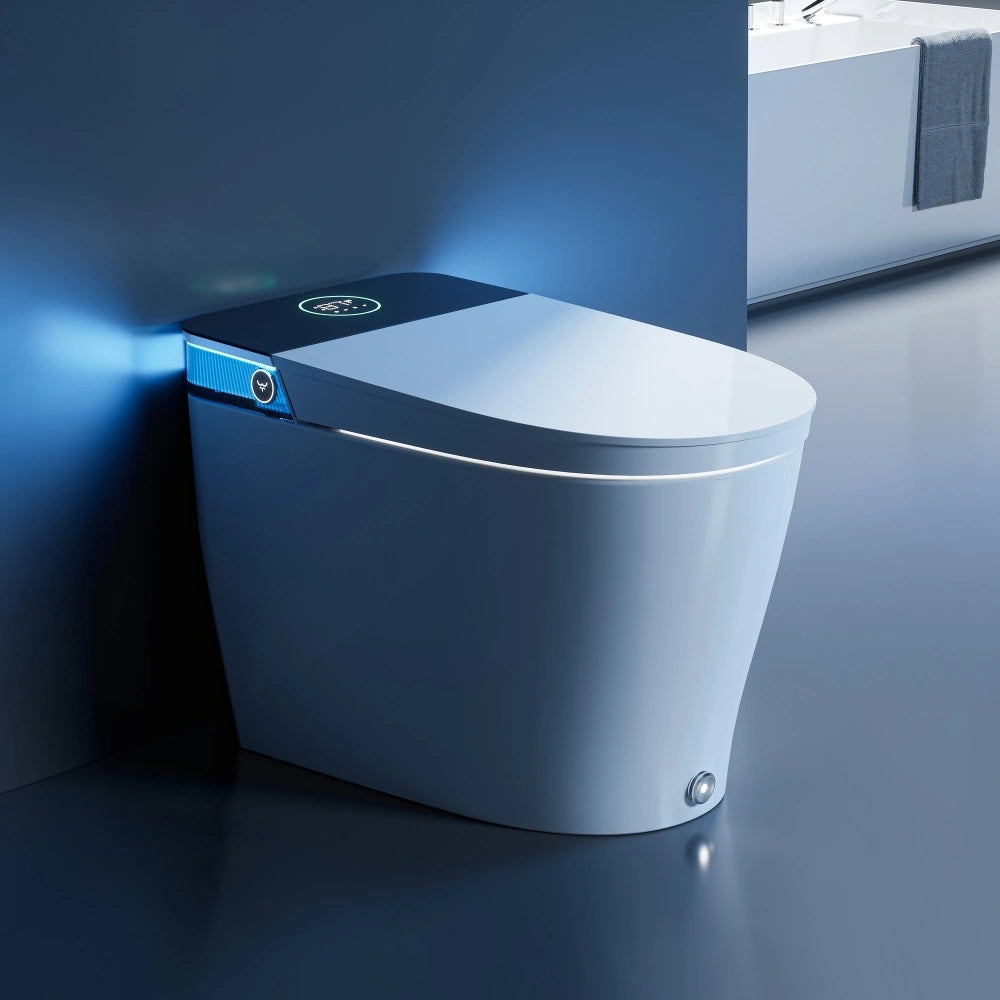
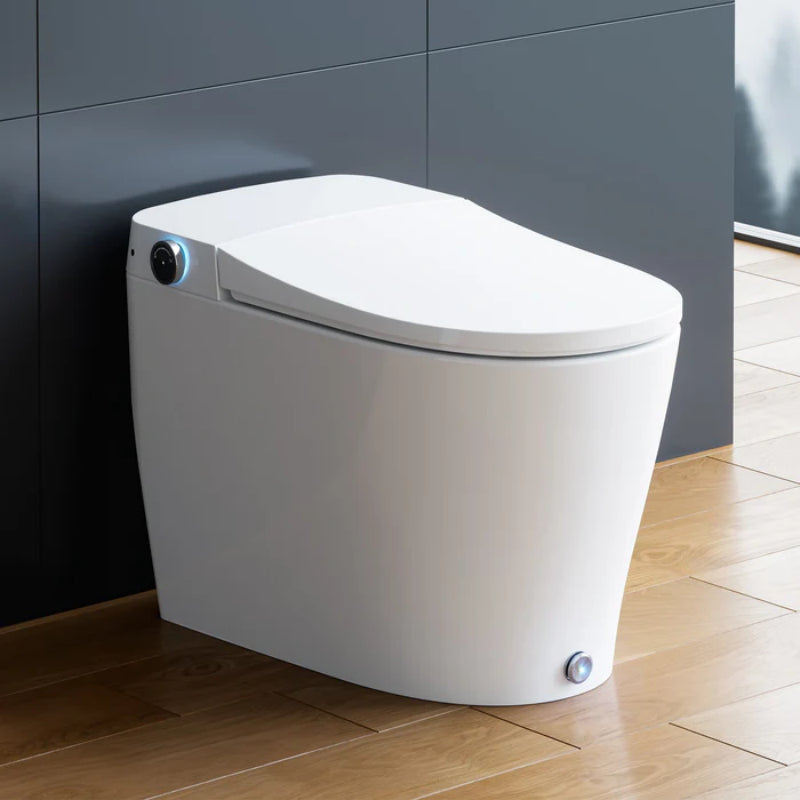
How Tankless Toilets Improve Aesthetics
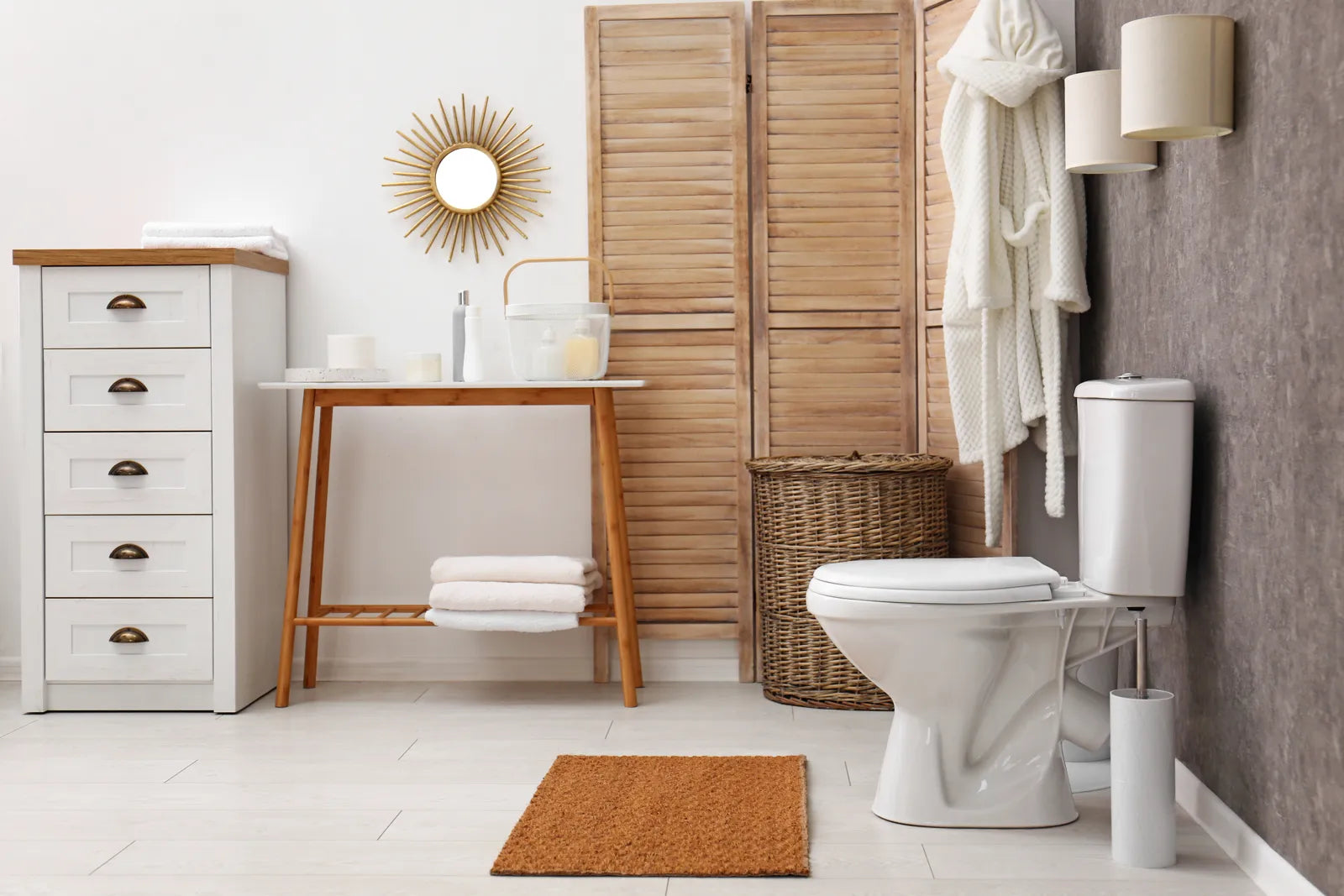
Removing a visible tank can create a cleaner and more open appearance, especially in a modern bathroom. However, a low-profile silhouette does not automatically mean a smaller footprint. The rear housing may still contain valves, electronics, bidet components, a concealed reservoir, or a pump, so compare the full product dimensions and required clearances rather than judging space savings by appearance alone.
Real-World Considerations
The total value of a tankless toilet depends on more than the bowl design. Before buying, compare the product price, professional installation needs, flushing configuration, water and electrical requirements, outage-flush behavior, maintenance, parts availability, and verified water use.
A tankless model may be worth considering when design, integrated features, and fast repeat use matter. A traditional toilet may remain the better fit when simplicity, lower upfront cost, easier repair, or outage resilience is the priority. Review the full tankless toilet buying guide for the complete installation and ownership checklist.
Who Should Buy / Who Should Skip
A tankless toilet is most likely to work well when the product configuration matches the home’s plumbing, water supply, electrical access, and bathroom layout.
Who should consider one
-
Your home meets the model’s verified water and electrical requirements
-
You want a cleaner low-profile appearance
-
You value integrated bidet or comfort features
-
You are comfortable using professional installation when required
-
The verified rough-in and full product dimensions fit the bathroom
Who should consider an alternative
-
Your water supply is weak or inconsistent
-
You do not want plumbing or electrical upgrades
-
Power outages are frequent and the model has no verified backup-flush method
-
Your priority is the lowest-cost or simplest DIY replacement
-
You are replacing a modern efficient toilet only to reduce water use
Tankless toilets are not automatically better than traditional toilets. The better choice is the configuration that matches the home and the buyer’s priorities.

FAQs
Are tankless toilets good for home use?
Yes, when the selected model’s water, plumbing, electrical, and space requirements match the home. They may provide a cleaner profile, fast repeat flushing, and integrated comfort features. Confirm the exact product configuration before assuming every tankless toilet will perform the same way.
Can you install a tankless toilet in an old house?
Sometimes. An older home may need its shutoff valve, supply line, water flow, drain connection, electrical access, and rough-in checked before installation. Additional plumbing or electrical work depends on the specific model and the condition of the home.
Are tankless toilets more prone to clogs?
Not automatically. Clog and bowl-clearing performance depend on the flushing configuration, available water supply, drain condition, installation, and normal use. A weak or incompatible supply can reduce the performance of a direct-feed design.
Does a tankless toilet require higher water pressure?
It depends on the flushing configuration. A direct-feed toilet may be more sensitive to available water flow, while a concealed-reservoir or pump-assisted model may operate differently. Use the pressure and flow requirements stated on the product page or in the product manual.
What should I check before buying a tankless toilet?
Confirm the flushing configuration, rough-in, full dimensions, water requirements, electrical connection, supply-valve location, installation conditions, and power-outage flushing method. For the complete decision process, read the tankless smart toilet buying guide.
References


Leave a comment
This site is protected by hCaptcha and the hCaptcha Privacy Policy and Terms of Service apply.