
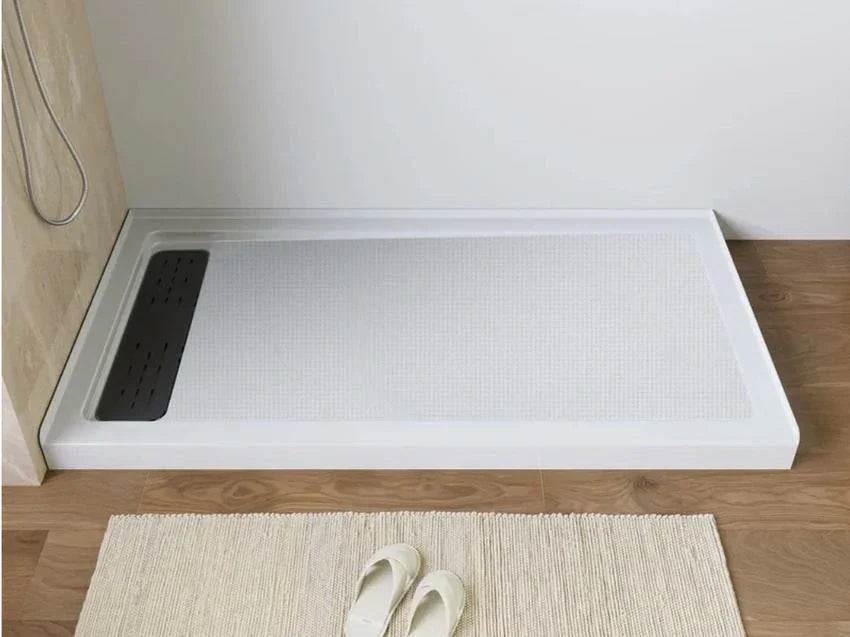
A stone shower pan (also called a stone resin shower tray, stone composite base, or stone shower base) is one of the most reliable ways to build a modern, low‑maintenance shower. Many homeowners are tired of plastic shower pan floors that flex, squeak, or stain, but they also worry that full tile floors are cold, hard to clean, and easy to leak.
Stone resin pans sit in the middle. They are made from stone dust (like marble or granite) mixed with resin, then cast into a solid shower tray with a gentle slope to the drain. The result is a base that feels sturdy, looks luxurious, and is highly resistant to wear, stains, and scratches.
If you are wondering whether to stick with acrylic trays, try a fiberglass or plastic base, or spend more on stone, this guide walks you through the key points. You will see how these trays compare, how to size and plan your bathroom design, what installation involves, and how to maintain a stone base so it lasts for decades.
Key Takeaways: Fast Answers About Stone Shower Pans
Before diving into the full guide, here are the essential things you should know about stone shower pans at a glance.
What makes a stone shower pan different?
A stone shower pan is not just another plastic tray with a fancy label. It has a different material makeup and a different feel underfoot.
-
It is a combination of crushed stone (often marble, quartz, or granite) and resin binders, cast into one solid base.
-
The surface is non‑porous, so it does not soak up water or soap. According to WHO, non-porous, easy-clean surfaces help reduce microbial survival in damp household areas.
-
Many stone resin shower trays include anti‑slip textures and rated finishes, which help make the shower safer.
-
The base feels warmer underfoot and more solid than many acrylic or fiberglass pans that can flex and feel cold or hollow.
-
Because the trays are cast, they are available in various colours, textures, and finishes, including stone‑look, concrete‑look, and smooth matte styles.
You may also see terms like resin shower pan, engineered stone tray, or solid surface shower base. They all point to the same kind of product: a cast stone + resin shower base.
Are stone shower pans worth the higher cost?
Stone resin trays are significantly more durable than most acrylic or fiberglass bases. This matters if you plan to stay in the home for a long time, or if you want a high-end bathroom that will still look new in 10–20 years.
-
A quality stone shower pan can last decades with simple care.
-
Basic fiberglass pans often last 4–6 years before they dull, crack, or need repair.
-
Acrylic trays may last longer than fiberglass, but they are still prone to scratching, flexing, and staining if cleaned with harsh products.
-
Stone trays cost more upfront. Custom or large trays for a premium bathroom can start from around £1,200 + VAT and go up with size and special finish choices, while standard acrylic or plastic pans are much more budget-friendly.
So the question is not just “What is cheaper today?” but “How many times will I have to replace this over 20 years?” For many people, that makes the stone option a better long‑term investment.
Who should choose a stone resin shower tray?
A stone resin shower tray makes sense when you care about both style and functionality, and you want something that fits your specific needs for many years. It is ideal for:
-
Luxury renovations where the bathroom is a key feature in the home.
-
A forever home where you want to “pay once” for a strong, stable base.
-
Boutique hotels, B&Bs, or guest suites that need a modern, high-end look but also need to be easy to clean.
-
Accessibility upgrades, such as low‑profile or level‑entry showers, where a sturdy, low‑slip surface is an essential safety feature.
On the other hand, a budget-friendly acrylic or plastic shower pan may still be a smart choice for short‑term rentals, quick flips, student housing, or spaces where you just need something affordable and easy to replace.
At‑a‑Glance Material Comparison
Here is a simple comparison of common shower base materials.
| Material | Durability / Lifespan | Weight & Stability | Cost Level | Maintenance & Cleaning | Design & Feel Underfoot | Safety & Surface |
| Stone resin | Very high; can last decades | Heavier; needs sound structural support | Higher | Easy; trays are easier to keep stain‑free | Solid, warmer, “stone‑like”, luxurious appearance | Often textured, good anti‑slip options |
| Acrylic | Moderate; can scratch or crack | Acrylic trays are lightweight | Low to medium | Easy, but acrylic trays may stain or dull | Can feel cold; can flex under load | Smooth unless textured models |
| Fiberglass / plastic | Lower; often 4–6 year life | Trays are lightweight and easier to move | Low | Coating can wear; harder to keep bright | Hollow feel; cheaper look and feel | Varies; often basic textures |
| Ceramic / tile | High, if installed well | Very heavy | Medium to high | Many grout lines to clean; can stain | Can feel cold; hard, classic look | Hard but can be slippery when wet |
Understanding What a Stone Shower Pan Is
Before comparing materials or evaluating pros and cons, it helps to understand what a stone shower pan actually is. This section breaks down the construction, materials, and core features that distinguish stone pans from acrylic or resin trays, giving you a clearer foundation for choosing the right option.
Stone resin and stone composite: materials explained
Many people ask, “What are shower pans made of?” The answer depends on the type, but for stone resin the recipe is quite simple.
A stone shower pan uses finely crushed stone, such as marble, quartz, or granite, mixed with a liquid resin binder. This mixture is poured into a mold, cured (hardened), and then finished with a smooth or textured top surface. In some products, a thin gelcoat or protective layer is added for extra stain and scratch resistance.
This gives you the look and feel of natural stone, without the downsides of real stone tile. Unlike many natural stones, the stone resin mix is non‑porous, so it does not soak in water, soap, or hair dye. That means fewer stains, less risk of mold, and a much easier cleaning routine.
Another point many homeowners notice is heat and sound. A stone composite pan tends to feel warmer underfoot than a thin acrylic sheet over air. It also sounds more solid when you walk on it, which adds to the premium feel of the shower.
Types of stone shower bases on the market
When you shop, you may see several labels for stone‑type trays:
-
Stone resin shower trays or engineered stone bases – the most common type in modern homes, made from stone dust and resin.
-
Solid surface pans – similar idea, sometimes with a more “solid countertop” type look.
-
Cultured stone or cultured marble – often used for both pans and wall panels; also stone + resin.
-
Large‑format engineered stone slabs or “worktop style” shower floors – often cut to size and drained, used in very high‑end projects.
You can buy standard sizes for common spaces like 900×900 mm corners or 60×36 inch rectangles, or order a custom shape when you have an odd space, a narrow loft bathroom, or angled walls.
Key performance benefits: durability, safety, comfort
Many people ask, “Are stone shower trays any good?” In day‑to‑day use, they stand out in three ways: durability, safety, and comfort.
Because the material is dense and solid, the base does not flex when you step on it, which helps protect the seal around the drain and at the edges. The surface is highly resistant to:
-
Cracking from normal use.
-
Scratch marks from shampoo bottles or dropped items.
-
Stain marks from coloured soaps, hair dye, or hard water.
Good stone resin trays often meet or exceed industry tests for impact resistance and slip resistance. Many offer Category 2 type slip ratings (based on common European tests), which are suited to domestic bathrooms and light hospitality use. That means the surface helps your feet grip, even when the tray is wet and soapy.
Comfort matters too. Because the tray is solid and thicker than a thin plastic shell, it tends to feel warmer and more “grounded” than a plastic shower pan. For people with joint pain or those who shower longer, this touch and comfort difference can be a big benefit.
How the material looks in cross‑section
If you could slice through a stone resin shower base, you would usually see:
-
A thick inner layer of stone aggregate mixed with resin, which provides most of the strength and stability.
-
A top surface or gelcoat that gives the final finish (matte, satin, or light gloss) and carries any texture.
-
A subtle, moulded slope from the edges down to the drain, to move water away quickly and help the tray dry faster.
There is no hollow space like you find in some acrylic or plastic shells. That is one reason the trays are heavier, but it is also why they feel so sturdy.

Stone Shower Pan vs Other Shower Base Materials
When selecting a shower base, the material you choose has a major impact on durability, comfort, and maintenance. This section compares stone shower pans with acrylic, fiberglass, and ceramic options, highlighting the differences in feel, longevity, and overall performance so you can make an informed decision for your bathroom.
Stone shower pan vs acrylic: longevity and feel underfoot
A common question is, “Is a stone shower pan better than acrylic?” The answer depends on what you value most.
Acrylic trays are lightweight and easy for one person to carry, which helps during installation in tight spaces or upstairs bathrooms. They are cost‑effective and affordable, which suits many quick upgrades.
But acrylic trays may:
-
Flex when you stand on them if the support is not perfect.
-
Wear faster in busy homes, with more scratches and dull spots.
-
Stain more easily if you use harsh cleaners or leave coloured products to sit.
A stone shower pan costs more and weighs more, but it gives you:
-
A firm, stable feel underfoot with little or no flex.
-
A thicker surface that is harder to scratch.
-
A richer appearance that matches a high-end bathroom design.
If you plan to move soon and just want a quick, clean shower fix, an acrylic or plastic base may be enough. If you are staying for years and want that premium look and feel, stone is usually the stronger choice.
Stone vs fiberglass and ceramic: pros and cons
Fiberglass and ceramic are two other common options when people ask, “What’s the best material for a shower pan?”
Fiberglass / plastic bases use a thin shell over a light frame. They are some of the most affordable options in stores. They are easy to carry and fast to fit. But they also tend to:
-
Crack or craze in the surface after a few years.
-
Wear and dull as the top coating rubs away.
-
Feel hollow and less stable if not supported well.
Many people who start with a basic plastic shower base choose stone resin when they remodel again, because they want something that feels more solid and is easier to keep looking clean.
Ceramic or tiled shower floors can look beautiful and are very scratch‑resistant, but they are:
-
Very heavy, which can stress older floors.
-
Often cold to the touch, unless you add underfloor heating.
-
High in maintenance because grout lines are prone to mold and staining.
A stone resin shower tray gives you some of the same rich appearance as stone or tile, but with a single smooth base and no grout on the floor itself. That makes cleaning and long‑term care much simpler.
Lifecycle cost: paying once vs replacing often
When you spread costs over 15–20 years, the “cheapest” base at the start may not stay the cheapest.
| Material | Typical Initial Cost (approx.) | Typical Lifespan | Likely Replacements Over 20 Years | Notes on Total Cost |
| Basic fiberglass | Low | 4–6 years | 3–4 | Multiple removals and re‑installs add labour cost. |
| Standard acrylic | Low to medium | 7–10 years | 2–3 | May need early replacement if damaged. |
| Stone resin | Medium to high | 15–25+ years | 1 | Higher upfront, low long-term cost. |
| Tiled (floor only) | Medium to very high | 10–20 years | 1–2 | Grout repairs and leak fixes can add cost. |
These are broad ranges, but the idea is simple: one well‑installed stone shower base can outlast several batches of cheaper trays. Even though the first bill is higher, the long‑term benefit can be lower overall cost and less hassle.
Sizing, Layout & Custom Stone Shower Pan Design
Choosing the right size and layout is essential for both functionality and aesthetics. In this section, we explore how to measure your space, plan for standard or custom stone shower pans, and consider drain placement, thresholds, and design options to ensure a perfect fit for your bathroom.
How to measure for a stone shower base
Measuring for a stone shower pan is not hard, but accuracy is essential. Here is a simple step‑by‑step guide.
-
Measure the length and width of the shower space at floor level, from finished wall to finished wall.
-
Check that the walls are square by measuring both diagonals; if the two diagonal measurements differ, tell your supplier.
-
Find the drain location by measuring from the back wall to the centre of the drain, and from one side wall to the centre.
-
Decide on the threshold or entry: do you want a raised lip, a low profile, or almost barrier‑free for easy access?
-
Confirm that the base has the right slope to the drain (this is built in for pre‑made trays). For very large trays or custom floors, your installer will check fall requirements from local plumbing codes.
For an alcove shower (three walls and one open side), you will match the tray size to the wall‑to‑wall space. For a corner or walk‑in shower, you may have an open side or glass screen. In both cases, get measurements after any new stud walls or linings are in place so the tray will fit.
Custom shapes, thresholds and drain placements
Standard stone resin shower trays cover the most common shapes: rectangles, squares, and quadrant (curved front) styles. But many homes do not have a neat, boxy space. Sloped ceilings, boxed‑in pipes, or existing windows can all push you toward a custom fit.
A custom resin shower pan can be cut or cast to:
-
Shift the drain to one side or along a wall for a linear drain look.
-
Create a very low or almost flush entry for easy access.
-
Work around curved walls, glass blocks, or unusual alcoves.
If you are planning a curbless or level‑entry shower, stone resin is a strong option because the tray can be made thin yet sturdy, and the surface can be textured for safety. Just remember to talk with your installer early, because the floor build‑up and structural support must be planned before you order the tray.
Design options: colors, textures, and finishes
One of the reasons stone resin shower trays are so popular in modern homes is the style choice they offer. You are not stuck with plain white gloss.
You can choose from:
-
Soft matte stone finishes that echo natural limestone or concrete.
-
Marble‑look trays with gentle veining for a spa feel.
-
Bold darker tones that hide marks and make the bathroom design feel rich.
-
Smooth or fine‑grip textures that balance appearance with safety.
Because these trays are made from the same base material family as many wall panels and vanity tops, you can match or contrast the finish across the room. For example, you might pick a light stone shower base and darker walls, or a concrete‑look tray with white walls and black fittings.
Many homeowners like to use an online sizing & layout planner or simple digital sketch tool. You type in your room dimensions, try different tray sizes and door layouts, and check that the door or glass screen will clear towel rails and toilets. Even a basic planner can save a lot of guesswork.

Stone Shower Pan Installation & Waterproofing Essentials
Installing a stone shower pan goes beyond simply placing it in your bathroom. Proper support, leveling, and waterproofing are crucial to ensure long-term durability and prevent leaks. This section covers essential preparation, installation steps, and sealing techniques for a secure, water-tight shower base.
Site prep: structure, subfloor and drainage
Because a stone shower pan is heavier than an acrylic or plastic tray, you must check the structural support before you lift it into place. In most modern homes, a sound timber or concrete floor is fine, but your installer should:
-
Check that floor joists are solid, not rotten or loose.
-
Add extra support or noggins if the span is long or weak.
-
Ensure the subfloor is flat and level, so the tray sits evenly.
-
Confirm that the drain rough‑in (the waste pipe location) matches the tray’s drain hole.
If the floor is out of level, your installer may use a self‑levelling compound or a full‑bed adhesive to get a uniform base. This is key for both durability and proper water flow.
Step‑by‑step installation overview
Here is how a typical stone resin shower tray installation goes.
-
Dry‑fit the tray. Place the pan in the space with no adhesive to check fit and drain alignment.
-
Prepare the subfloor. Clean dust and debris, and apply any primer or leveller if needed.
-
Apply the adhesive or mortar bed. Spread an even layer recommended by the tray maker, usually across the full footprint.
-
Set the tray. Lower the tray into place carefully, without dragging, and press down to seat it into the bed.
-
Level the surface. Use a spirit level to check in both directions; tap gently if small adjustments are needed.
-
Connect the drain. Install the waste fitting with the right seals, then test with water before closing up the underside (if it is exposed).
-
Allow to cure. Leave the tray untouched for the time stated in the instructions, so the adhesive sets fully.
-
Waterproof the walls. Install backer boards, apply membranes or tapes at the wall‑to‑tray join, and seal all edges.
Many people ask, “Can I install a stone shower pan myself?” If you are an experienced DIYer who has set heavy items and worked with plumbing before, you may manage with careful planning and a helper to carry the tray. But for most homeowners, it is safer to hire a qualified installer or plumber. A poor installation can cause leaks and movement that may lead to cracks in any type of tray, even stone resin.
Waterproofing and sealing the surrounding area
A solid shower base is only half the job; the other half is keeping water out of the walls and floor framing. Good practice includes:
-
Using waterproof backer boards instead of plain plasterboard in shower zones.
-
Applying a liquid or sheet membrane on walls and at floor‑to‑wall joints.
-
Sealing the upstand (if your tray has one) or the joint where tile or wall panels meet the tray with a flexible, mold‑resistant sealant.
-
Checking that niches, corners, and edges are all sealed before tiling or cladding.
This extra detail keeps the area behind your lovely new stone shower base dry. That protects both the tray and the structure below, and helps prevent mold growth inside wall cavities.
Cleaning, Maintenance & Repairing Stone Resin Shower Trays
Keeping a stone resin shower tray looking pristine is easier than many homeowners expect. This section outlines simple daily and weekly cleaning routines, tips for preventing stains and limescale, and guidance on repairing minor scratches or chips to maintain durability and appearance over time.
Daily and weekly cleaning routine
Many people wonder, “Are stone shower pans hard to keep clean?” In practice, they are usually easier to look after than natural stone tile or older plastic trays.
A simple routine is enough:
-
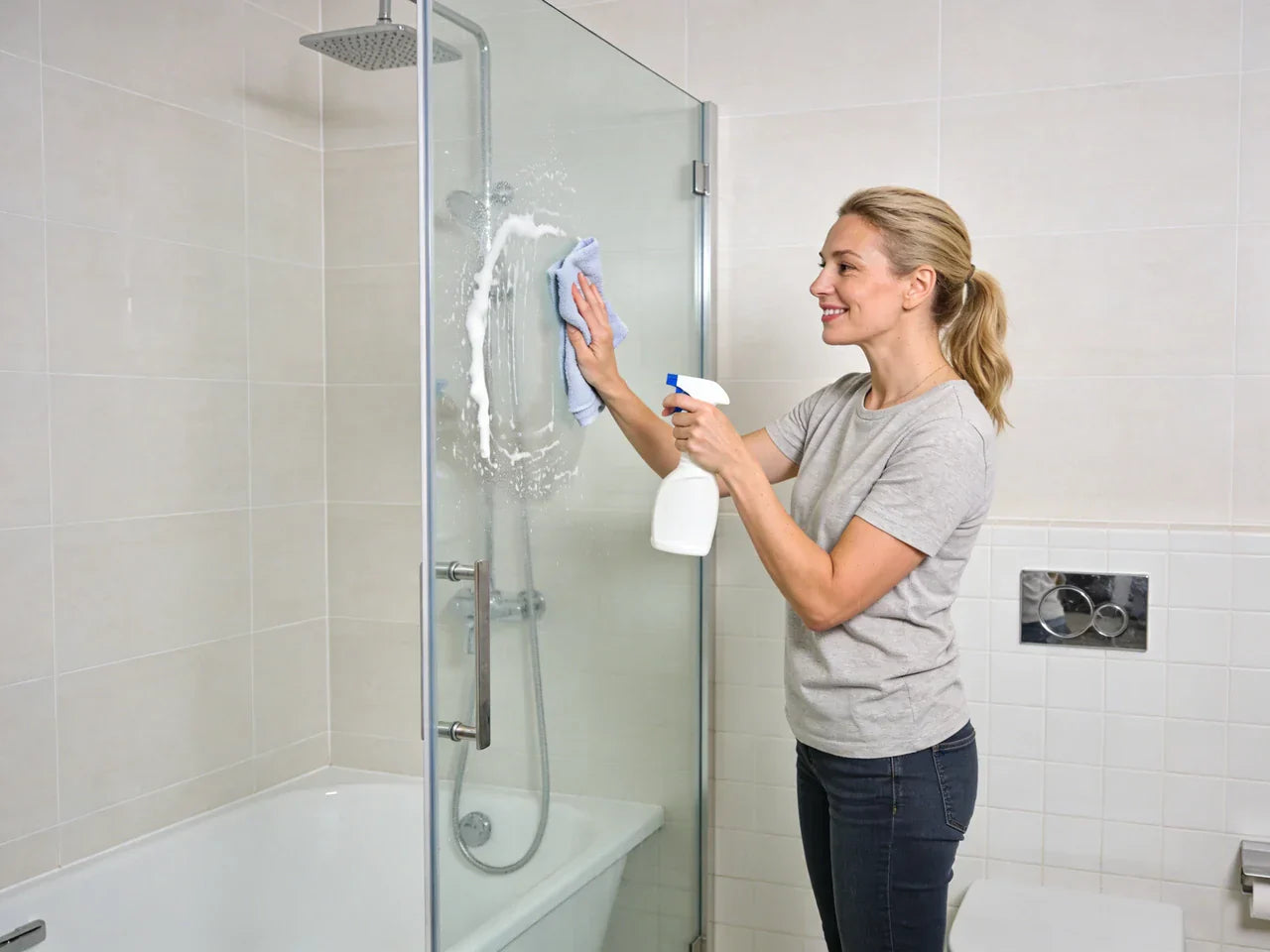
After each shower, a quick rinse and a wipe with a soft cloth or squeegee keeps water spots to a minimum.
-
Once a week, wash the tray with warm water and a mild, non‑abrasive bathroom cleaner or just gentle soap.
-
Avoid scouring pads and gritty powders, which can dull the surface over time.
Because the material is non‑porous, you do not have to seal it, and dirt has little to grip. That is one of the big advantages of stone resin over natural stone tile, where porous grout and stone can both stain.
Many people also ask, “Are resin shower trays any good?” For cleaning alone, they often beat both tile and many acrylic bases, because the smooth, sealed surface lets you wipe away soap film and limescale more easily.
Preventing stains, discoloration and limescale
In hard‑water areas, limescale can leave white or grey haze on any shower tray. To reduce this:
-
Use a squeegee to remove water after showers so it cannot dry on the surface.
-
Use a gentle limescale remover from time to time, following the label.
-
Avoid leaving hair dye, strong coloured shampoos, or bath oils sitting on the tray for long periods.
Many people ask, “Can you use bleach on a resin shower tray?” Short answer: not as a regular cleaner. A mild, diluted bleach solution used rarely may not harm a good quality stone resin finish, but repeated use can dull the surface, affect sealants, and is not great for indoor air quality. Safer options are non‑chlorine bathroom cleaners and vinegar‑based descalers.
Fixing chips, scratches or dull patches
No material is indestructible. Heavy, sharp impacts can chip even a stone composite shower base. Thin scratches can also appear if something rough is dragged across the tray.
Minor issues can often be treated with a repair kit made for stone resin or solid‑surface materials. These usually involve:
-
Cleaning the damaged area well and drying it.
-
Filling the chip or scratch with a colour‑matched compound.
-
Sanding and polishing the small area once it has cured.
For large chips, big cracks, or any damage that affects the stability of the pan, call a professional repairer or your installer. They can tell you if the tray can be repaired safely or if it needs replacing.

Cost, Value, Warranty & Sustainability
Investing in a stone shower pan involves more than the initial price tag. This section examines long-term value, warranty coverage, and environmental considerations, helping you weigh cost, durability, and sustainability to make a smart, informed choice for your bathroom.
What affects the price of a stone shower pan?
The price of a stone shower pan varies a lot, based on:
-
Size and thickness – larger and thicker trays use more material and weigh more.
-
Finish – plain white is usually cheaper than complex marble‑look or textured finishes.
-
Shape and drain placement – unusual shapes or offset drains can cost more than standard rectangles.
-
Brand and warranty – longer warranties often sit with higher price points.
-
Installation complexity – upstairs bathrooms, tight stairs, or level‑entry designs add labour cost.
Compared with acrylic and fiberglass, stone trays are clearly more expensive at the cash‑and‑carry stage. But when you factor in durability, trays offer strong long‑term value, especially in homes where the bathroom is a key selling point.
Warranty terms, lifespan and resale value
Many stone resin shower trays come with long warranties, often around 10 years or more, if installed and cleaned as directed.
People often ask, “How long does a stone shower pan last?” In real homes, a well‑installed tray, used normally and cleaned with gentle products, can last decades without needing replacement. Minor chips or marks can often be repaired instead of throwing the tray away.
Compare that with some plastic or fiberglass pans where stress cracks or deep stains can be hard to fix. In that case, you often replace the full pan, which means removing glass, walls at the base, and sealants.
From a resale value point of view, estate agents often highlight “modern stone shower” or “luxury bathroom” as a selling feature. Buyers like to see that a recent remodel used premium materials, not just the cheapest plastic shower pan. That feeling of quality can help your home stand out in listings.
Environmental impact and eco‑credentials
No material is impact‑free, but some choices age better than others. When you look at sustainability for stone resin shower trays, three points matter:
-
Longevity – a base that lasts 20+ years uses more resources at the start but avoids several replacements, waste, and extra transport.
-
Manufacturing – stone dust often comes from other stone processing, which can reduce waste compared with cutting full blocks for each tray.
-
Indoor air quality – low‑VOC (low chemical emissions) resins and adhesives help keep bathroom air cleaner, which links with guidance from agencies like the US EPA on volatile organic compounds.
Compared with many plastic trays, a stone shower base often uses more energy in each unit, but may use less over the full life of the bathroom if it never needs to be replaced. Checking for low‑VOC claims, environmental product declarations, and local recycling or reuse options can help you choose a greener product.
A simple way to boost the “green” side of your shower is to pair any base with a water‑efficient showerhead and good ventilation, which can cut water use and help control humidity and mold.
Real‑World Design Ideas, Case Studies
Seeing stone shower pans in real-life settings can inspire your own bathroom design. This section showcases practical layouts, case studies, and answers to common questions, helping you visualize options, learn from others’ experiences, and make confident choices for your shower space.
Design inspirations with stone shower bases
Stone resin trays appear in many modern bathroom layouts. You might see:
-
A walk‑in shower with a low‑profile stone shower pan, clear glass, and a matching stone‑look bench.
-
A compact en‑suite where a slim, stone rectangle tray runs wall‑to‑wall, making the small space feel larger.
-
A spa‑style wet room with a large stone shower base and matching wall panels in a soft matte finish.
Because these trays are available in various colours, you can run the same tone across the room for a calm feel, or use a darker tray as a contrast “ground” to highlight white walls and metal fittings.
Case studies: from dated shower to stone resin upgrade
Here are a few short real‑world style stories that match common situations.
-
Growing family, worn acrylic tray A family had a 10‑year‑old acrylic shower tray that had turned dull and was hard to keep clean. The base flexed and the seal kept cracking. They changed to a stone resin tray with a light textured surface. The new base felt more stable, stayed brighter with simple cleaning, and the parents felt safer with the children showering on a less slippery floor.
-
Rental flat upgrade A landlord wanted to raise the rent on a busy city flat. The old plastic shower base had several stress cracks. Instead of fitting another budget tray, they chose a mid‑range stone shower pan that matched new wall panels. After two years of regular tenant use, the base still looks almost new, and the simple cleaning routine has reduced maintenance calls.
-
Aging in place An older couple wanted a shower instead of a high‑sided bath. They chose a low‑entry stone resin shower tray with a wide opening and grab bars. The base feel under foot is solid, the slight texture helps with grip, and the low profile makes it easier to get in and out. Their bathroom now works better for their specific needs without looking clinical.
Are stone shower pans slippery?
Good stone resin shower trays are made with slip resistance in mind. Many have fine surface textures or micro‑patterns you can feel when your feet are wet. These textures are tested and given anti‑slip ratings in lab conditions.
No surface is 100% slip‑proof, so you still need to use common sense: keep the tray clean of soap build‑up, and consider a grab bar if you have balance issues. But compared with polished tile or some old shiny plastic shells, a quality stone tray can be a safer option.
Can a stone resin shower tray crack?
People often ask this with some worry. Any material can crack if it is abused or installed badly. A stone resin shower tray is strong, but it still relies on good structural support and a level base.
Cracks are most likely when:
-
The tray is not supported fully and flexes every time someone stands on it.
-
Heavy objects are dropped on the tray from height.
-
The house moves, or the floor sags, leaving gaps below the tray.
When fitted on a proper bed and used normally, trays are significantly more durable than many hollow plastic or fiberglass bases. This is one reason installers like them for long‑term projects.
Do I need to reinforce the floor for a stone base?
In many modern homes, no extra reinforcement is needed if the floor joists are in good condition. But because stone trays are heavier than thin plastic shells, your installer should check the structure.
They may add:
-
Extra noggins or blocking between joists.
-
A thicker subfloor sheet.
-
Additional support under large trays or where joist spans are long.
This is not usually hard work, but it is an essential step. A solid floor helps your stone shower pan last longer and reduces the risk of movement, cracks, or noisy creaks.
How to Choose the Right Stone Shower Pan for Your Project
Selecting the right stone shower pan requires balancing style, functionality, and user needs. This section guides you through key considerations—such as bathroom type, user accessibility, and personal preferences—to ensure your choice fits both your space and lifestyle.
Match the pan to your bathroom type and users
Before you focus on colour or finish, think about who will use the shower and how often.
-
Busy family bathrooms need trays that resist heavy daily use, dropped toys, and rough cleaning. Stone resin is a strong choice here.
-
Aging‑in‑place or limited‑mobility users often need a big, low‑entry tray with a non‑slip surface and room for a seat.
-
Guest rooms and light‑use spaces can manage with lighter acrylic or plastic trays if budget is tight.
-
Forever homes and high-end remodels are where a stone shower base really shines as a long‑term investment.
Think about the feel you want too. Do you prefer the solid, “stone‑like” touch of a composite tray, or are you fine with the lighter feel of acrylic?

Quick decision framework: stone vs other materials
Here is a simple way to narrow your choice.
-
If your top priority is lowest upfront cost, a plastic or acrylic shower pan will usually win.
-
If your top priority is durability and you plan to stay in the home at least 10 years, a stone shower pan is usually a better option.
-
If you need a very thin, light tray for a weak floor and cannot reinforce, then look at acrylic trays with strong support systems.
-
If you want a full tiled floor for a very specific style, factor in higher maintenance and the need for skilled waterproofing.
Where to research brands and technical data
When you have a short list of tray types, it helps to check:
-
Manufacturer technical sheets and installation guides, to see real material specs and support details.
-
Local building and plumbing codes, to make sure your shower layout, drain size, and waterproofing plans all comply.
-
Reviews from professional installers, who can share how different trays wear over time in real jobs.
You can also look at resources from health and environment agencies for guidance on indoor air and cleaning chemicals. This can help you choose low‑VOC products and safe cleaners for day‑to‑day maintenance.
Final checklist before you buy
Before you place an order, run through a short checklist so you do not miss anything.
-
Are your final dimensions taken from finished walls or clear plans?
-
Is the drain position confirmed and matching the tray drawing?
-
Has someone checked that the floor can support the heavier stone base?
-
Do you know what finish, colour, and surface texture you want?
-
Have you read the installation instructions or shown them to your installer?
-
Is the warranty clear, and do you know what cleaning products are allowed?
A few extra minutes here can prevent the frustration of a tray that does not fit or needs to be returned.
FAQs
1. Are stone shower trays any good?
Absolutely. Stone resin shower trays are designed to be strong, stable, and long-lasting, making them a favorite for homeowners who want both functionality and a high-end look. Unlike many plastic or acrylic trays that can flex, squeak, or stain over time, a quality stone tray provides a solid feel underfoot and resists wear, scratches, and discoloration. Cleaning is easier too because the surface is non-porous and less prone to mold or soap scum buildup. While they come with a higher upfront cost compared to acrylic or fiberglass, the long-term benefits often outweigh the price, especially if you plan to stay in your home for years. Essentially, investing in a stone shower tray is like choosing durability and luxury in one package, giving you a base that stays beautiful and functional for decades with simple care.
2. What's the best material for a shower pan?
Choosing the right shower pan material really depends on your priorities. If your main goal is a long-lasting, stylish, and low-maintenance solution, stone resin is often the best option. It balances durability, comfort, and a premium appearance better than most other materials. Acrylic or fiberglass trays are lighter and cheaper, which can make them suitable for rentals, short-term projects, or spaces where cost is a bigger factor than longevity. Tiled or ceramic bases look great but can be high-maintenance and cold underfoot. Stone resin offers a smooth, non-porous surface that’s easier to clean, warmer to step on, and highly resistant to cracking or staining. So while acrylic might get you through a few years, a stone tray is a long-term investment that combines function, comfort, and aesthetics for your bathroom.
3. Can a stone resin shower tray crack?
While stone resin is very durable, it’s not completely immune to damage. Most cracks occur when the tray is improperly installed, lacks full support, or experiences heavy impact from dropped objects. Normal everyday use rarely causes cracking, as the material is dense, strong, and engineered to handle standard loads. Proper installation with a level, supportive base is key to preventing issues. Once fitted correctly, a stone resin tray can last decades with minimal risk. Even minor chips or scratches can usually be repaired with color-matched kits, meaning you don’t have to replace the entire tray. So while cracking is possible, it’s uncommon, and most homeowners find that a well-supported stone tray far outperforms acrylic or fiberglass in both durability and long-term reliability.
4. Are resin shower trays any good?
Yes, resin shower trays are an excellent choice for many homeowners. Compared with lightweight acrylic or fiberglass trays, resin trays feel much more solid and stable underfoot, giving a premium, high-quality experience. They are designed to resist everyday wear, scratches, and stains, which makes them easier to clean and maintain over time. The non-porous surface also helps prevent mold, mildew, and soap scum buildup, which is a common issue with plastic or tiled shower floors. While they are more expensive upfront than acrylic, the long-term durability, luxurious look, and low-maintenance nature often justify the cost. For those looking for a shower base that lasts, feels sturdy, and enhances the overall bathroom aesthetic, resin trays are usually the smarter, long-term investment.
5. Can you use bleach on a resin shower tray?
Yes, but with caution. Bleach can be effective for disinfecting and removing stubborn stains or mold from resin trays, but it should always be diluted according to the label instructions. Using it full-strength or leaving it on the surface for too long can potentially dull or damage the finish. For regular cleaning, mild, non-abrasive cleaners or a mixture of water and vinegar are safer options that won’t harm the resin. Always rinse thoroughly after using bleach to remove any residue, and avoid harsh scrubbing with abrasive pads. In short, occasional, careful use of diluted bleach is fine, but routine maintenance is better done with gentler cleaning solutions to keep your resin shower tray looking pristine and lasting longer.
6. Can a plastic shower base be repaired?
Small chips, hairline cracks, or surface scratches on plastic or fiberglass trays can sometimes be patched using DIY kits or professional repair compounds. For minor cosmetic issues, this can extend the life of the base without replacing it. However, if the tray flexes underfoot, leaks at the edges, or has deep cracks that compromise its structure, repair is usually not enough. In these cases, full replacement is safer and more cost-effective in the long run. Attempting repeated repairs on a weak base can lead to further damage, water leaks, or mold growth. So while plastic trays can sometimes be patched, for serious structural issues, replacing the tray ensures safety, durability, and prevents ongoing maintenance headaches.
References



Leave a comment
This site is protected by hCaptcha and the hCaptcha Privacy Policy and Terms of Service apply.