
A steam shower door is worth choosing if you plan to use steam regularly and can create a shower enclosure designed specifically for steam. It is good for retaining steam and creating a dedicated steam-bathing space, but less suitable for open layouts, difficult retrofits, or homeowners who prioritize simple cleaning.
The door cannot provide effective containment by itself. The fixed glass, walls, ceiling, threshold, seals, and hardware must form a coordinated steam shower enclosure.
|
Your priority or situation |
Likely decision |
|
Regular steam use in a planned remodel |
Good fit |
|
Strong steam retention |
Good fit |
|
Open, airy shower design |
Less suitable |
|
Uneven walls or an unsuitable threshold |
Reconsider or correct before ordering |
|
Occasional steam use |
Added complexity may not be worthwhile |
|
Minimal cleaning and maintenance |
A conventional enclosure may be better |
Depends: Worth It for Regular Steam Bathing
The specialized enclosure makes the most sense when steam bathing will be part of your routine. A well-designed enclosure creates a more consistent steam experience instead of allowing heat and moisture to spread quickly into the bathroom.
For occasional use, the additional glass, seals, hardware, fitting work, and cleaning may deliver limited value.
Best for Purpose-Built, Fully Enclosed Showers
A steam shower enclosure door works best when included in the initial shower design. Door movement, fixed panels, overhead containment, wall conditions, and the threshold can then be planned together.
Adding a steam generator to an ordinary shower does not automatically make the existing enclosure suitable for steam.
Poor Sealing Can Undermine the Entire Upgrade
“Sealed” does not mean completely airtight. It means the enclosure is designed to limit uncontrolled steam escape through the doorway, panel joints, and upper opening.
A door that looks closed may still leave operating gaps. Fit and sealing performance should therefore take priority over whether the enclosure is framed or frameless.
When It Works Well
Works Best When Designed as a Sealed Enclosure
The door, fixed panels, ceiling, walls, and threshold need to operate as one system. Gaps at the door may be obvious, but steam can also escape above the glass or around poorly fitted panels.
Choose the complete enclosure configuration before ordering individual pieces. The enclosure supplier or qualified installer should determine how seals, sweeps, hinges, and glass panels work together.

Enough Space Supports Tight Fit and Easy Entry
The enclosure must contain steam without making everyday entry awkward. Check the full door movement against toilets, vanities, towel bars, and other nearby features.
Sliding doors can save floor space, but they should not automatically be considered steam-ready. Panel overlaps and operating gaps must be evaluated for containment. Likewise, a frameless appearance does not guarantee either poor or effective sealing.
Homeowners exploring glass shower door options should compare complete configurations rather than choosing by glass style alone.
HOROW Shower Door Options to Compare
If you are comparing glass door styles while planning a steam enclosure, these HOROW shower doors provide several finish and design options to review. Steam suitability depends on the complete enclosure, so confirm the door, fixed panels, seals, threshold, and upper closure with the enclosure supplier or a qualified installer before ordering.
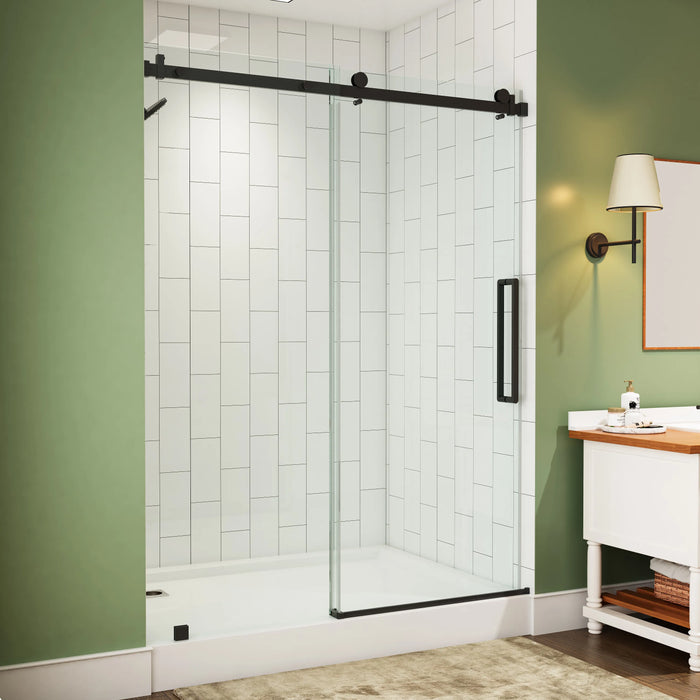
HOROW TE6076-MB
A black sliding shower door with a frameless design, suitable for homeowners comparing darker finishes and space-conscious sliding configurations.
View TE6076-MB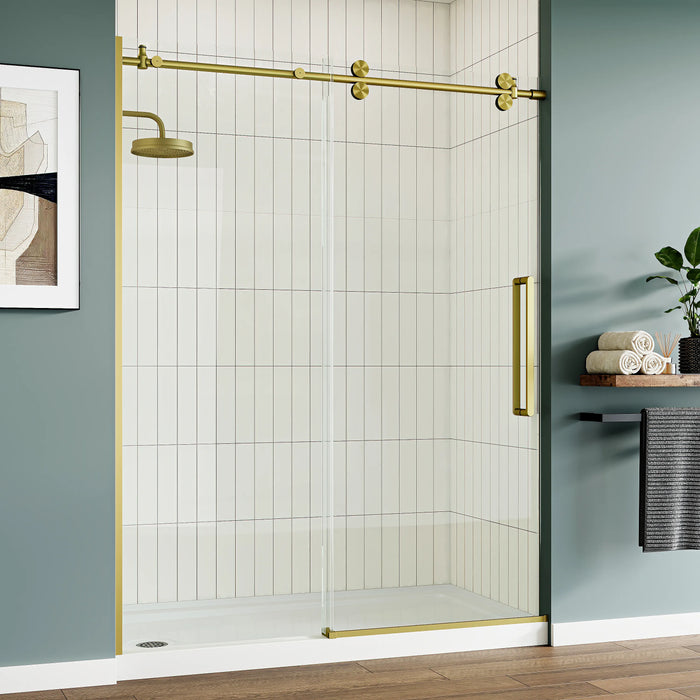
HOROW MI6076-SG
A brushed-gold frameless sliding shower door for homeowners comparing a warmer hardware finish with a streamlined glass-door appearance.
View MI6076-SG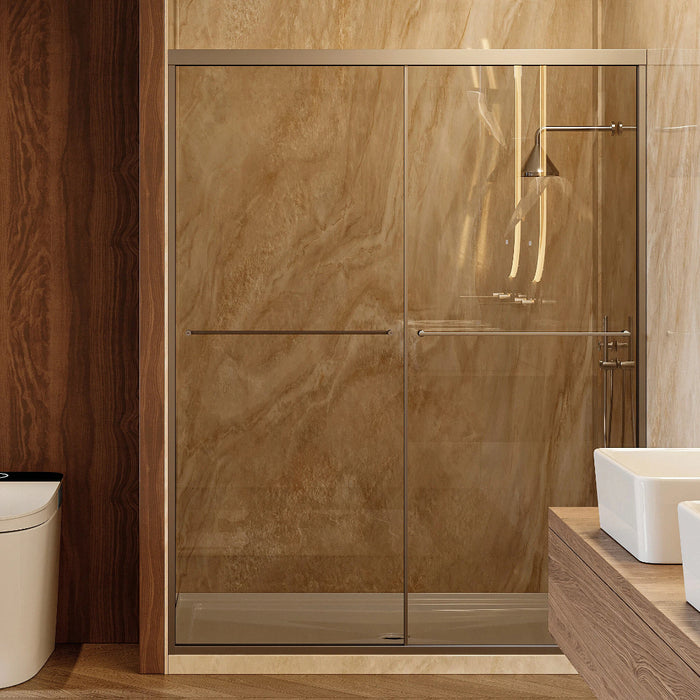
HOROW K2-BN
A brushed-nickel shower door with an ultra-narrow design for homeowners comparing a lighter neutral finish and a streamlined enclosure style.
View K2-BNThese models are shown as shower-door design examples rather than as verified steam-enclosure recommendations. Confirm compatibility with the complete steam-shower configuration before purchase.
Regular Steam Use Justifies Added Complexity
Frequent users are more likely to value the warmer, more enclosed environment enough to accept extra planning and upkeep. Occasional users may be better served by a conventional shower enclosure that supports normal daily use with fewer seals and moving parts.
Wellness Value Outweighs Visual Openness
A steam enclosure generally looks and feels more contained than an open-entry shower. Taller glass, upper panels, and tighter joints support steam retention but reduce the airy appearance many homeowners prefer.
Good for someone seeking a separate, cocoon-like space; less suitable when visual openness is the primary design goal.
When It May Not Be Ideal
Is It Worth It for Small Bathrooms?
It can be, but the layout deserves careful review. A fully enclosed shower may dominate a small room, and a swinging door can interfere with nearby fixtures.
Evaluate how the shower will feel during entry, cleaning, and ordinary bathing—not only how it appears in a drawing. If the door cannot move comfortably, another configuration or a conventional enclosure may be more practical.

Open Layouts Conflict With Effective Steam Containment
Open-entry and partial-glass showers allow steam to move into the bathroom. Trying to combine strong containment with a large permanent opening creates conflicting design goals.
If openness matters more than steam retention, choose the open layout knowingly rather than expecting it to perform like a dedicated steam enclosure.
Difficult Retrofits Raise Leakage and Fit Risks
Uneven walls, unsuitable thresholds, limited framing, and unusual openings can make accurate fitting difficult. Increasing gaps to work around irregular construction may weaken containment.
These conditions do not always rule out a retrofit. However, they should be corrected or reviewed before glass is fabricated. If the surrounding structure cannot support a proper fit, a standard shower enclosure may be the safer option.

Occasional Use May Not Justify the Cost
A steam-focused enclosure adds components and installation complexity even when the steam function is rarely used. Compare that added commitment with how often you realistically expect to use the feature.
The major cost drivers include custom glass, fixed or operable upper panels, specialized hardware, site preparation, and installation difficulty. Project-specific quotations are more useful than broad price estimates.
Pros and Cons
Better Retention Creates a Dedicated Steam Experience
The primary advantages are:
- Better control of steam during use
- A distinct, purpose-built steam space
- Less steam released directly into the room while the enclosure is closed
- Stronger practical value for frequent users
These benefits come from the complete shower setup rather than the door by itself.
Tighter Enclosures Add Cost and Cleaning Demands
The main trade-offs are:
- More design and installation planning
- Less visual openness
- Additional glass, seals, edges, and hardware to clean
- Greater sensitivity to poor alignment or unsuitable thresholds
- Limited value if steam use is infrequent
What Problems Do Users Report?
Potential mistakes include selecting an attractive door without evaluating its gaps, underestimating the effect of the enclosure on daily entry, and attempting to retrofit steam containment around unsuitable walls or thresholds.
Another mistake is treating a standard shower door as a sealed steam shower door without changing the rest of the enclosure.
Is It Reliable Long-Term?
A properly selected enclosure can remain practical, but its performance depends on alignment, seals, hardware, and routine care. Inspect components according to the enclosure supplier’s instructions and address loose, damaged, or misaligned parts rather than allowing containment to deteriorate.
Reliability is therefore influenced as much by fit and maintenance as by the visual door style.
Real-World Considerations
Does a Steam Shower Need a Sealed Door?
Yes, it needs a well-contained door and enclosure, but not a completely airtight chamber. The objective is to limit steam escape while following the instructions for the enclosure and steam equipment.
Do not judge suitability solely by “framed” or “frameless” labels. Review the actual joints, door clearances, sweeps, seals, and overhead closure.
Why Do Steam Shower Doors Use Transoms?
A steam shower transom is an upper glass panel, commonly positioned above the door. When closed, it helps contain steam that would otherwise escape through the upper opening.
An operable transom can be opened after use or during an ordinary shower to make the enclosure feel less closed and allow moisture to leave. Its handle position, movement, and hardware should be planned before fabrication.
A transom does not replace bathroom exhaust ventilation.
What Glass Requirements Should Be Verified?
Steam shower glass requirements depend on the complete design and applicable local rules. Safety glazing requirements may apply to bathroom glass installations, so homeowners should verify local code requirements before ordering custom glass. Resources from the International Code Council can help explain how building codes are developed and applied. Before ordering, ask the enclosure supplier or qualified installer to confirm:
- Which safety-glazing requirements apply to the project
- Whether the proposed glass configuration suits the enclosure
- Whether the glass weight and layout match the hardware
- How seals, hinges, fixed panels, and the threshold connect
- How wall irregularities will be addressed
- Whether all holes, notches, and finished edges are finalized before fabrication
- Which cleaning and care instructions apply
For an overview of common configurations, see the bathroom shower door planning guide. Steam suitability still requires project-specific confirmation.
How Should Bathroom Ventilation Control Moisture?
Containing steam during a session does not remove the need to dry the enclosure and bathroom afterward. Persistent dampness can contribute to mold growth, so moisture sources should be controlled and wet areas should be allowed to dry. For additional information on reducing mold risks in damp indoor spaces, see the EPA guidance on mold prevention.
Use a bathroom exhaust fan that vents outdoors and is selected and installed according to its instructions and applicable local requirements. After steam use, follow the equipment and enclosure instructions for opening the door or operable transom, running ventilation, and drying wet surfaces.

Who Should Buy or Skip?
Buy for Frequent Steam Use and Planned Remodels
Choose a steam shower door if you expect frequent steam use, are planning the shower as a complete enclosure, and value containment more than an open appearance.
Buy When Space Allows Proper Swing and Sealing
It is a better choice when your bathroom has enough space for comfortable entry, proper door movement, and accurate installation.
Skip for Low-Maintenance Everyday Shower Priorities
Reconsider if you want the fewest glass edges and seals to clean or if the shower will function almost entirely as a conventional everyday shower.
Skip When Framing or Thresholds Cannot Be Corrected
Do not rely on larger gaps to compensate for unsuitable construction. If the opening cannot support the intended enclosure, correct it before ordering or choose a more conventional design.
Final Buying Checklist
Before purchasing, confirm that:
- The shower is enclosed at the walls, ceiling, doorway, and fixed panels.
- The door can open and close without hitting nearby fixtures.
- The proposed configuration is specifically evaluated for steam containment.
- The walls and threshold can support accurate fitting.
- Glass and hardware requirements have been confirmed before fabrication.
- An operable transom is reachable and useful for the planned layout.
- The bathroom has outdoor-vented exhaust ventilation.
- You accept the enclosure’s cleaning and maintenance needs.
Quick FAQs
Can an ordinary shower door be converted for steam use?
It may be possible, but a simple door upgrade is not always enough. Adding seals to an existing door may not solve issues such as open areas above the glass, poor panel fit, or unsuitable thresholds. The surrounding enclosure and hardware also need to support steam use. A professional review before modification can help avoid costly changes later.
Can a frameless door work in a steam shower?
Yes, a frameless door can work, but the design details matter more than the frameless appearance. The frameless style itself does not determine how well it performs. Factors like glass placement, door gaps, sealing methods, and installation quality are more important. The design should be evaluated based on the complete shower layout rather than appearance alone.
Is a transom always required?
No, a transom is not required in every steam shower setup. Whether it is needed depends on how the upper area of the enclosure is closed and how the shower is intended to function. Some layouts may use other methods to manage the upper opening. It is best to confirm the right approach before the glass is made.
References
https://www.epa.gov/mold/ten-things-you-should-know-about-mold
https://codes.iccsafe.org/content/IBC2024V2.0/chapter-24-glass-and-glazing


Leave a comment
This site is protected by hCaptcha and the hCaptcha Privacy Policy and Terms of Service apply.