
A soaking tub turns a simple bath into a calm, spa‑like break from daily life. The extra depth, full‑body immersion, and supportive shape let you relax in ways a standard bathtub rarely can. But once you start shopping, you quickly run into choices: freestanding or alcove, acrylic or stone, walk‑in or Japanese style, 60 inches or a soaking tub 72 x 42 for two. Add questions about water use, installation, and maintenance, and it can feel hard to know what is the right choice for your home.
This guide walks you through what a soaking tub is, how it compares with a regular bath, who it suits best, and how to plan your bathroom design so the tub you pick feels amazing every time you soak.
Soaking Tub Basics & Quick Comparison
When choosing the perfect tub for your bathroom, understanding the essentials of a soaking tub can make all the difference. Unlike a regular bath, a soaking tub is designed for deeper immersion, offering a more relaxing and restorative experience. This section provides a quick comparison to help homeowners see how a soaking tub suits various preferences, bathroom layouts, and lifestyle needs.
What Is a Soaking Tub? Key Features at a Glance
What is a soaking bathtub? A soaking tub is a deep bathtub made for full‑body immersion and long, relaxing baths. While a standard bathtub is often 14–17 inches deep at the overflow, a soaking tub is typically 20 inches or more, with many models around 23 inches deep. That extra depth is the main difference between soaking tubs and regular tubs.
In simple terms, a regular tub is built for quick, practical use. A soaking tub is built for comfort. You sit lower, with water reaching your shoulders instead of your waist. Many tubs include ergonomic curves, back support, and sometimes a sloped end or built‑in headrest so you can lean back and breathe, instead of sliding around trying to stay under.
Typical sizes for full‑length soaking tubs range from about 66 to 72 inches in length and often 32–42 inches in width. There are also compact Japanese soaking tubs that are much shorter in length but very deep, so you sit upright rather than stretch out.
If you imagine a simple side‑view diagram, you would see:
-
A regular bathtub with shallow water that covers only part of your torso when sitting.
-
A soaking tub with a much deeper water line, your knees slightly bent or folded, and your shoulders and chest mostly underwater.
This deeper, more immersive bath is what gives soaking tubs their strong relaxation and wellness appeal.
Soaking Tub vs Regular Bathtub: Side‑by‑Side Comparison
Many homeowners start by asking: “What’s the difference between deep soaking tubs vs regular baths?” The table below shows the main numbers and practical contrasts.
| Feature | Soaking Tub | Regular Bathtub |
| Typical depth at overflow | 20–23+ inches | 14–17 inches |
| Typical length | 66–72 inches (some compact or extra-long) | 60 inches standard |
| Water capacity (to overflow) | 60–110+ gallons (up to ~250 max) | 25–45 gallons |
| Main purpose | Long deep bath, relaxation, spa-like use | Quick, everyday bathing and rinsing |
| Shape and comfort | Curved back, higher sides, head/arm support | Simple, more functional shape |
| Common installation | Freestanding, drop-in, alcove, walk-in | Mostly alcove or standard built-in |
| Typical cost | Higher purchase and install cost | More affordable, fits most layouts |
| Best for | Adults, couples, home spa feel | Families, kids, high-traffic bathrooms |
Soaking tubs use more water than a regular tub per bath because of their depth, but they can still be an efficient choice if you soak less often and use showers for daily washing. People who value comfort, a quiet place to relax, and a more luxury look often feel the trade‑off is worth it.
Soaking Tub vs Jetted Tub: Comfort, Noise, and Water Use
Many people also ask how a soaking tub compares to a jetted tub or whirlpool. The key difference is in the mechanics:
-
A soaking tub is a still, quiet deep tub. It may have a simple air system, but many do not. The focus is gentle, calm water.
-
A jetted tub or whirlpool pushes water or air through jets. This can be stronger and more therapeutic for sore muscles, but it adds noise, moving parts, and extra cleaning needs.
Because jetted systems often have larger volumes, pumps, and heaters that must keep water warm while jets run, they can use much more water and energy per session. A deep soaking tub without jets can use up to about 80% less water and energy than some large, jetted spa systems, especially when you compare a simple soak to a long, powered massage session.
Soaking tubs tend to win for:
-
Quiet relaxation
-
Simple maintenance (no jet lines to clean)
-
A softer, more meditative water experience
Jetted tubs tend to win for:
-
Strong, targeted hydrotherapy
-
People with regular, serious muscle pain who want powerful jets
If you like long deep baths more for mental calm and gentle warmth, a soaking tub usually fits better. If you want intense massage, you may prefer a jetted or air‑jet model and accept the extra care.
Is a Soaking Tub Worth It for Your Bathroom Remodel?
Whether a soaking tub is “worth it” depends on your space, budget, and lifestyle. Ask yourself:
-
Do you have enough bathroom space for a larger or deeper tub, plus safe walking space around it?
-
Can your budget handle a higher purchase and installation cost?
-
Do you love to soak, or do you mostly take quick showers?
-
Are there accessibility needs, such as older adults or someone with limited mobility?
A soaking tub is usually a good fit if you:
-
Enjoy slow, long baths and want a home spa feel.
-
Mostly bathe adults or older teens rather than small children.
-
Are ready to plan plumbing, floor support, and water heater capacity carefully.
On the other hand, a standard bathtub may be better if you:
-
Have a small bathroom and need a shower‑bath combo that is very practical for kids and daily use.
-
Want the lowest cost and simplest installation.
-
Rarely take baths and see the tub more as a backup to the shower.
If you pause and think about how you and your family actually use your bathroom each week, the right choice tends to become clear.
Types of Soaking Tubs & Best Uses
Soaking tubs come in a variety of styles, each designed to enhance your bath experience in different ways. From traditional deep tubs to modern freestanding models, understanding the types of soaking tubs helps homeowners choose the best option for their bathroom layout, personal relaxation preferences, and lifestyle needs.
Freestanding Soaking Tubs: Design Statement and Flexibility
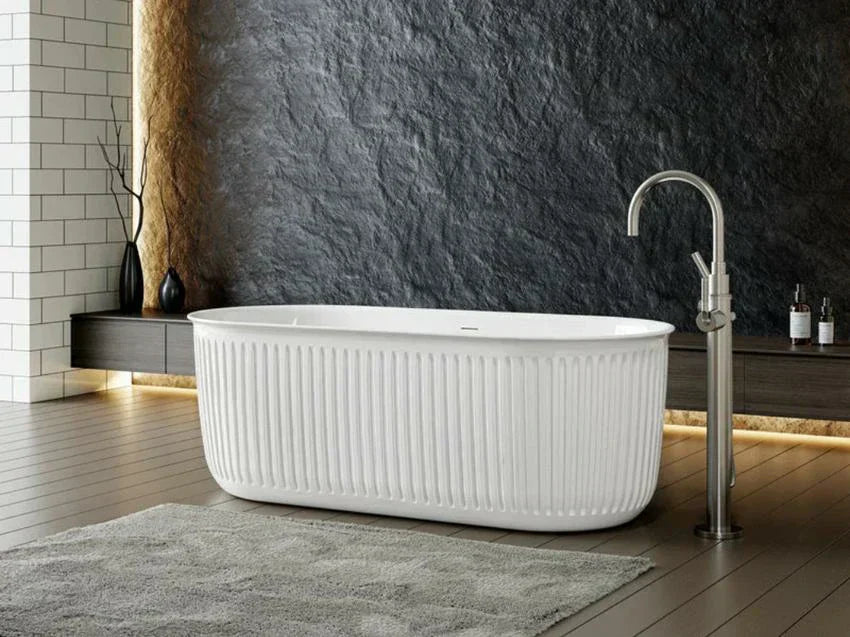
A freestanding soaking tub stands away from the walls, often as the focal point of a contemporary or spa‑style bathroom. These tubs come in many shapes: smooth ovals, gentle slipper tubs with one raised end, clean rectangles, or tubs set on a low pedestal.
Because the tub is finished on all sides, you have more freedom to place it. It can sit under a window, centered on a wall, or even at an angle. Many people choose freestanding models when they want a striking aesthetic and a sense of open space around the tub.
Freestanding tubs often need:
-
Floor‑mounted or wall‑mounted filler faucets.
-
Careful planning of the drain location under the floor.
-
Attention to weight, especially for large stone or cast‑iron tubs on upper levels.
Imagine a simple “image grid”: one slim oval tub, one higher‑back slipper tub, one wide rectangle, and one compact round tub. Each shape supports a different body posture and design style. If you enjoy a soaking tub for 2, a wider, longer tub such as a soaking tub 72 x 42 can give enough length and width for two adults to bathe together.
Freestanding soaking tubs are best for larger primary bathrooms, where you can keep at least a small walking path around the tub and still have room for storage and a separate shower.

Drop‑In, Alcove, and Undermount Soaking Tubs for Smaller Spaces
When space is tighter, built‑in styles are often easier to fit:
-
A drop‑in soaking tub sits inside a raised “deck.” Only the inside of the tub is visible; the outside is hidden by tile or a solid surround.
-
An alcove soaking tub fits between three walls. This is the most common shower‑bath combo layout.
-
An undermount soaking tub is similar to a drop‑in, but the deck material overlaps the tub rim so the opening looks very clean and flat.
These styles use limited space more efficiently and make it easier to add storage niches, ledges for shampoo, or wide deck areas for candles and bath items. An alcove deep soaking tub with a shower above is a smart choice if you want deep immersion but still need a functional setup for kids, quick showers, and daily usage.
Cleaning can be simpler with less exposed exterior surface. On the other hand, they may feel a bit less like a showpiece than a big freestanding tub in the middle of the room. So you trade some visual drama for tight, practical layout.
Walk‑In and Japanese Soaking Tubs (Ofuro) for Accessibility & Deep Immersion
Some homeowners need special access or very compact deep options.
A walk‑in soaking tub has a door in the side, an internal seat, and often grab bars. You open the door, walk in, sit down, close the door, and then fill the tub. This style is very helpful for people with mobility challenges or those planning to age in place. The depth is often similar to other soaking tubs, but you stay seated with your legs forward instead of stretched out low on the floor.
A Japanese soaking tub, or ofuro, is different again. It has a compact footprint but very high sides. You sit more like on a bench or small stool with your knees bent, and the water comes up toward your shoulders. This gives a very immersive feel, even in a small bathroom. It can be a great option if your room is short in length but you still want a deep bath tub experience.
Both walk‑in and Japanese styles can be luxury options in the right space, but they are also very practical: one for accessibility, the other for limited space.
Which Soaking Tub Type Is Best for You?
To choose the best type, think about a few simple points:
If your bathroom is large and you want a strong design statement, a freestanding soaking tub likely fits your preference. If the room is narrow or you need a double duty shower‑bath, a drop‑in or alcove style gives more versatility in the same footprint.
If you know someone in the home has trouble climbing over a tub wall, a walk‑in soaking tub offers safety and comfort. If you are working with a very small space but still want full‑body immersion, a Japanese soaking tub can be a clever option.
In short, match the type to your layout, your lifestyle, and how you like to bathe. Do you picture a quiet solo soak with a book, a soaking tub for 2, or fast daily showers for a busy family? Your answers point you toward the right style.
Sizing, Space Planning & Installation Requirements
Choosing the right soaking tub isn’t just about style—it’s also about fit. Proper sizing, space planning, and understanding installation requirements ensure your tub suits your bathroom layout, provides maximum comfort for soaking, and avoids costly adjustments later.
How Deep Should a Soaking Tub Be?
People often ask, “How deep is a soaking tub supposed to be?” A good rule is:
-
At least 20 inches from the bottom to the overflow drain, and
-
Deep enough that water covers your torso and shoulders when you sit comfortably.
Deeper is not always better. If the sides are too high, it can be hard to step in and out safely. The best depth depends on your height and posture. If you are tall with long legs, you may want both more length and depth, so your knees do not stick far out of the water.
Here is a simple guide for soak depth (measured from inside bottom to the overflow):
| User height | Recommended tub depth (to overflow) |
| Under 5'3" (160 cm) | 19–21 inches |
| 5'3"–5'8" (160–173) | 20–22 inches |
| 5'9"–6'1" (175–185) | 21–23 inches |
| Over 6'1" (185+ cm) | 22–24 inches |
When you test tubs in a showroom, sit down and notice if your shoulders are above or below where the water line would be. Check how your neck feels on the backrest. That personal comfort matters much more than the number on the spec sheet.
Measuring Your Bathroom: Clearances, Doorways & Structural Limits
Before you fall in love with a huge deep soaking tub, measure the path from your door to the bathroom. You need to make sure the tub can actually reach the room.
Key things to measure include:
-
The length and width of the bathroom. Sketch the layout so you see where the tub, toilet, sink, and shower go.
-
The doorways, hallways, and stair turns the tub must pass through. Compare your chosen tub’s largest dimension to these widths.
-
The clearance around the tub. Aim for at least about 24 inches in front of the tub so you can clean and step in safely.
Very heavy tubs in cast iron or stone add a lot of weight to one spot on the floor. In older homes or on upper levels, you may need a contractor or engineer to check the floor structure. Simple acrylic or fiberglass tubs are much lighter and easier to handle.
A top‑down “layout diagram” would show the tub with a rectangle of walking space around it. Try not to pinch that walkway tight just to squeeze in an extra‑large tub; comfort outside the tub matters too.
Plumbing, Drain, and Venting Considerations for Soaking Tubs
Every soaking tub must connect to drains, water lines, and proper vents. It helps to think about these early so you do not face big changes later.
Key items to check:
-
Drain location: Some tubs have drains at the end, some in the center. Matching the tub’s drain to your existing plumbing lowers costs. Moving a drain across the room can mean opening floors and sometimes ceilings below.
-
Supply lines: Freestanding tubs may need water lines run under the floor to a floor‑mounted filler. Alcove or drop‑in tubs often use wall‑mounted faucets tied into existing lines.
-
Venting and access: Building codes require proper venting of waste lines. Also, any motor, heater, or pump (if you choose added features) should have an access panel, even if hidden, so repairs do not mean tearing open finished walls or decks.
Because soaking tubs hold more water, you may also need to think about your hot water heater. If your tub holds 80 gallons to the overflow but you like shorter fills, you might only use 60 gallons. An older 40‑gallon water heater may not keep up. Many people with larger deep tubs choose 50–80 gallon tanks or tankless heaters sized for the higher flow.
DIY vs Professional Installation: What Homeowners Need to Know
Some soaking tub installation projects are within reach for skilled DIY homeowners, especially if you are replacing a regular alcove tub with a similar style deep tub and not moving pipes. Lightweight acrylic models are easier to carry, and many drop‑in or alcove tubs follow familiar steps.
On the other hand, it is wise to hire a licensed plumber and sometimes a contractor when:
-
You are installing a large freestanding stone or cast iron tub.
-
You plan to move the drain or change the layout.
-
Structural changes or extra floor support are needed.
-
Local building code requires permits and inspections.
Checking your local plumbing and building codes, and speaking with a professional before you buy, can save both time and money. A short planning call often prevents common mistakes, like picking a tub that fits the room but not the doorway.
Health, Wellness & Everyday Living Benefits
Soaking tubs offer more than a luxurious bath—they can enhance health, wellness, and daily living. From relieving muscle tension to promoting relaxation and supporting a mindful lifestyle, the benefits of incorporating a deep soaking tub into your routine are both immediate and long-lasting.
Designing a Spa‑Like Soaking Bath Experience at Home
If you want your soaking tub to feel like a daily home spa, pay attention to more than just size. Small design details can change the whole experience.
Many deeper tubs now have ergonomic contouring: a back angle that matches your spine, room for shoulders, and sometimes a molded support under the knees. Some have integrated headrests or textured floor areas so you do not slide.
For extra comfort, you can look for:
-
Tubs with double‑wall construction or solid surface materials that keep water warm longer.
-
Models with heated surfaces or gentle in‑line heaters to slow cooling.
-
Quiet air‑bubble systems that are softer and easier to clean than strong water jets.
-
Soft chromotherapy lighting or easy ways to add aromatherapy, such as essential oils used safely outside the main water flow.
Think about all five senses: the feel of warm water, dimmable lights, calm music, simple scents, and even the view from the tub. When these pieces work together, a 20‑minute soak can feel like a real reset.

Evidence‑Backed Benefits of Deep Soaking and Hydrotherapy
Long before modern bathrooms, many cultures used deep baths for rest, healing, and ritual. Today, research still shows that warm water immersion can help with stress relief and muscle relaxation.
Studies on hydrotherapy suggest that sitting in warm water can:
-
Help calm the nervous system, which may lower stress and support better sleep.
-
Ease mild muscle soreness and stiffness by improving circulation.
-
Provide a quiet break from screens and noise, which many people find mentally soothing.
Jetted tubs offer stronger physical massage, but even still water has benefits. The gentle, all‑over pressure of a deep tub can feel like a light hug for your body, which some people find very grounding after a long day.
How Often Should You Use a Soaking Tub for Wellness?
Many people also ask, “How long should you soak in a soaker tub, and how often?” For most healthy adults, a warm bath a few times per week can be part of a good self‑care routine.
Common guidelines include:
-
Water temperature: Comfortably warm, not scalding. Most health sources suggest bath water around 100–104°F (38–40°C) or lower to avoid overheating.
-
Session length: Around 15–30 minutes is enough for most people. Longer soaks may feel great, but they also increase the chance of dizziness, dehydration, or dry skin.
-
Frequency: This is personal. Some people enjoy a deep bath weekly, others two or three times a week, with quick showers in between.
People who are pregnant, have heart or blood pressure problems, diabetes, or other health concerns should talk with a doctor about safe bath times and temperatures. National health groups also remind us to be careful with young children and older adults in hot water, because they can overheat faster.
Family Living: Soaking Tubs with Kids, Pets, and Everyday Use
Soaking tubs are wonderful for relaxation, but how do they work for everyday life?
If you have small children, the extra depth can make bending over the side harder on your back. Stepping over higher sides can also feel less safe with a wet, wiggly child in your arms. Many families in this stage prefer a deep alcove tub with a shower, where kids can stand or sit in shallower water while you reach in from the side.
To make a deep soaking tub more functional day‑to‑day, you can:
-
Add a handheld shower mounted on the wall or deck for quick rinses, hair washing, or cleaning the tub.
-
Use a bath board or temporary bench to rest items or help with child or pet bathing.
-
Keep non‑slip mats or grips handy for safe entry and exit.
Because soaking tubs often hold more water, it helps to set a cleaning routine so the deep basin stays fresh. A quick rinse after each use, with a more careful clean weekly, usually prevents soap scum and mildew from building up.
Materials, Durability & Maintenance
Choosing the right material for your soaking tub is key to durability, maintenance, and overall satisfaction. Different materials—acrylic, cast iron, stone, or composite—offer unique benefits in terms of heat retention, ease of cleaning, and long-term wear, helping homeowners select a tub that suits both their lifestyle and bathroom design.
Acrylic, Fiberglass, and Composite Soaking Tubs: Lightweight and Affordable
Many soaking tubs are made from acrylic, fiberglass, or composite materials. These tubs are:
-
Lightweight, which is helpful for second‑floor bathrooms or older homes.
-
Usually warmer to the touch than metal tubs when you first step in.
-
Available in many shapes, sizes, and price points.
The trade‑offs are that they can scratch more easily, and cheaper finishes may lose some gloss over many years. For most homeowners, though, a good‑quality acrylic soaking tub offers strong value, simple installation, and plenty of design choices.
Cast Iron, Stone, and Solid Surface Tubs: Luxury and Heat Retention
Heavy materials like cast iron, natural stone, or solid surface blends give a very different feel. They tend to:
-
Hold heat longer, so your long deep bath stays warm without constant hot top‑offs.
-
Offer very strong durability against chips and wear.
-
Create a clear luxury look and solid, stable feel when you step in.
These tubs can be extremely heavy, often several hundred pounds empty and much more when filled with water and a person. They may require extra floor support and professional installation.
If you love the idea of a statement freestanding tub as the center of your bathroom and are ready for a higher budget, these materials can be a beautiful choice. Just be sure to plan for the weight from the start.
Copper, Wood, and Specialty Materials: Statement Soaking Tubs
Some soaking tubs are made from copper, wood, or other special materials. They offer a unique look but come with special care.
-
Copper tubs develop a natural color change called patina. Many people love this warm, living finish. Copper can also hold heat well. But it may need gentle cleaners and care to avoid damage to the surface.
-
Wooden ofuro tubs have a long tradition in some cultures. They feel warm and natural and can give a very meditative soaking experience. However, they need careful sealing, control of humidity in the bathroom, and regular care so the wood does not dry out or rot.
Specialty materials are often best for homeowners who truly enjoy the aesthetic and are comfortable following a clear care routine. If you want the lowest maintenance, more common tub materials are usually easier to live with.
Care & Maintenance Checklist to Extend Tub Life
Different surfaces need different cleaners, but some rules are almost always helpful:
-
Use non‑abrasive cloths or sponges to avoid scratching.
-
Choose pH‑neutral bathroom cleaners, and avoid harsh chemicals unless the maker says they are safe.
-
Rinse the tub after each use so soap, oils, and bath products do not dry on the surface.
-
Keep the room well‑ventilated to reduce mold and mildew.
A simple schedule might look like this:
| Time frame | Tasks |
| Weekly | Rinse tub after use, wipe with mild cleaner, check drain |
| Monthly | Deeper clean of walls and floor, check caulk and grout |
| Annually | Inspect for chips, cracks, loose fixtures; re‑caulk if needed |
If your tub has air systems, heaters, or other extras, follow the maker’s instructions for flushing and cleaning those parts. Deep tubs can hold more water, so regular hygiene keeps each soak fresh and safe.

Water Use, Efficiency & Sustainability
Understanding water use and efficiency is essential when selecting a soaking tub. Some tubs require more water to fill than a regular bath, while others are designed to conserve water without compromising comfort. Considering sustainability and smart water practices helps homeowners enjoy relaxation responsibly and reduce their environmental footprint.
How Much Water Does a Soaking Tub Use? Capacity vs Real‑World Filling
A common worry is that soaking tubs always waste water. The truth is more nuanced.
Many soaking tubs list a maximum capacity of 80–110 gallons, with some extra‑large or double tubs going up to 250 gallons to the absolute brim. But in real life, you almost never fill that high. You leave room for your body and for the overflow.
To compare:
| Tub type | Typical water used per bath (real use) |
| Regular bathtub | 25–40 gallons |
| Standard soaking tub | 50–80 gallons |
| Extra‑large or tub for two | 80–110+ gallons |
| Large jetted spa tub | 100–200+ gallons |
So yes, a soaking tub does use more water than a regular bath for each soak. But it often uses less water and energy than large jetted systems, especially when you do not run pumps or heaters for long sessions.
If you mostly shower daily and use your deep tub for an occasional longer soak, your yearly water use may still be quite reasonable.
Hot Water Heaters, Energy Use, and Operating Costs
Your water heater is a key part of the soaking tub story. To enjoy a deep bath without running out of hot water halfway, you need a heater that can supply enough warm water in a short time.
As a rough guide:
-
A standard 40‑gallon tank often works well for regular tubs and short showers.
-
A deep soaking tub that you typically fill with 60–70 gallons of mixed hot and cold water may need a 50–80 gallon tank or a tankless heater sized for higher flow.
Energy use depends on your local power or gas costs and how often you fill the tub. National energy agencies offer simple calculators to estimate the cost of heating a gallon of water in your area. When you multiply that by your usual bath volume and how many deep baths you take per month, you can see the operating cost.
Good insulation, both in the heater and in the tub itself, reduces the energy needed. Some solid surface and cast tubs hold heat better, so the water stays warm longer without extra hot‑water top‑ups.
Eco‑Friendly Soaking: Design and Usage Tips
If you care about sustainability, you do not have to give up a soaking tub. Instead, you can:
-
Choose efficient fixtures, such as tub fillers with smart flow control and thermostatic valves that keep water at a steady temperature, so you waste less water adjusting.
-
Partially fill the tub; you rarely need water all the way up to the overflow for a good soak.
-
Keep your soak under about 20–30 minutes to reduce cooling and refilling.
-
Use low‑flow showers for daily washing and reserve the deep baths for times you really need to rest and reset.
-
Look for tubs made with durable, long‑lasting materials, and check for any eco‑labels or low‑emission certifications, as recommended by the U.S. Environmental Protection Agency (EPA).
A long‑lasting tub that serves you well for many years can be a better environmental choice than a cheap fixture you replace often.
Are Soaking Tubs Bad for the Environment?
Some people worry that deep tubs are automatically bad for the planet. The picture depends on how you use them.
On one hand, a soaking tub does use more water per session than a regular bath. On the other hand:
-
Many people who install a soaking tub take fewer baths but enjoy them more, turning daily quick showers and an occasional long soak into their new normal.
-
Soaking tubs often have a smaller footprint and lower volume than large outdoor spas or huge jetted systems.
-
Durable tubs made from long‑lasting materials may be less wasteful over decades than several cheaper fixtures.
If you balance your deep bath times with efficient daily habits, choose sustainable materials where possible, and manage your water and energy use wisely, a soaking tub can still fit within a thoughtful, eco‑minded lifestyle.
Budgeting, Pricing & How to Choose the Right Soaking Tub
Choosing the right soaking tub involves more than just style—it’s about balancing budget, pricing, and your personal preferences. Understanding cost factors, from materials to installation, helps homeowners make informed decisions and find a tub that suits both their bathroom layout and lifestyle.
Price Ranges by Type, Size, and Material
Prices vary widely by size, material, and features. The table below shows rough ranges for common soaking tub types (not including taxes, shipping, or special finishes):
| Tub type / material | Typical price range (USD) |
| Basic acrylic alcove or drop‑in | $500 – $1,500 |
| Mid‑range acrylic freestanding | $1,200 – $3,000 |
| Solid surface or composite tubs | $2,000 – $6,000 |
| Cast iron or stone freestanding | $3,000 – $10,000+ |
| Walk‑in soaking tubs | $2,000 – $8,000+ |
| Specialty copper or wood ofuro | $3,000 – $12,000+ |
Adding jets, heaters, custom colors, or special shapes raises costs. So does choosing a soaking tub for 2, since longer and wider tubs use more material and need more water.
Total Project Cost: Beyond the Tub Itself
The tub itself is often just part of the budget. You also need to plan for:
-
Plumbing work to install or move drains and supply lines.
-
Electrical work if you add heaters, air systems, or special lights.
-
Structural work if you install a very heavy tub on an upper floor.
-
New tile, waterproofing, and finishes around a built‑in tub or on the floor under and around a freestanding tub.
-
Faucets, valves, and accessories like hand showers and grab bars.
-
Any needed permits or inspections.
In a full bathroom remodel that includes a soaking tub, the tub and related work might be one of the largest line items, but not the only major one. Many homeowners set aside a healthy portion of their budget for hidden work (plumbing, wiring, structure) because these parts protect the investment in the visible pieces.
Step‑by‑Step Buying Checklist for Homeowners
To keep things simple, use this short checklist before you buy:
-
Clarify who will use the tub. Mostly adults? Kids? Older family members? Daily baths or special‑occasion soaks?
-
Measure your space. Note maximum length, width, and height, and sketch your bathroom layout.
-
Check access paths. Measure doors, halls, and stairs to be sure the tub can reach the room.
-
Review your floor structure. If you want a heavy tub, ask a pro if the floor can support it.
-
Match drain and faucet positions. Try to pick a tub that works with your existing plumbing when possible.
-
Choose the type and material. Freestanding vs alcove, acrylic vs cast iron vs solid surface, based on your lifestyle and budget.
-
Set your ideal depth and capacity. Think about how high you want the water to reach and how much your water heater can handle.
-
Plan for maintenance. Decide how much time you are willing to spend on cleaning and special care.
-
Get quotes. Ask licensed pros for estimates on installation, including any electrical or structural work.
-
Review all costs together. Compare at least two or three options that fit your needs and choose the one that gives the best long‑term value, not just the lowest price today.
You can turn this into a simple printed worksheet or digital checklist while you shop.
Common Mistakes to Avoid When Choosing a Soaking Tub
Certain problems come up again and again in homeowner stories. People often regret:
-
Buying a tub that doesn’t fit through doors, around corners, or in the planned space.
-
Ignoring water heater size and then finding they cannot fill the tub with enough hot water.
-
Choosing a tub for looks only and then finding the angle of the back or the depth is uncomfortable.
-
Forgetting about weight, then learning too late that the floor needs reinforcement.
-
Underestimating how practical the tub needs to be for kids, pets, and daily life.
If you can, sit in tubs in a showroom before you buy, and talk with both a designer and a plumber. Comfort and workable installation are just as important as how the tub looks in photos.
Real‑World Examples, Case Studies & Expert Tips
Seeing how soaking tubs perform in real homes makes the benefits and trade‑offs clearer. Real‑world examples, case studies, and expert tips help homeowners understand what works best in different bathroom layouts, lifestyles, and design preferences.
Before‑and‑After Bathroom Remodels Featuring Soaking Tubs
To make all this more concrete, imagine a few real‑world cases.
In one small bathroom, a couple wanted a deep soaking option but had only 6 feet of length. They replaced a tired 60‑inch standard bathtub with a compact Japanese soaking tub at one end and built a glass shower next to it. The new tub had a smaller footprint but greater depth, turning a tight room into a cozy home spa corner.
In another home, the owners turned a large but dated primary bath into a calm retreat. They removed an old built‑in jetted tub that was noisy and hard to clean and installed a freestanding soaking tub 72 x 42 in front of a window. They added a separate walk‑in shower with a bench. The new tub used less water and energy than their old oversized whirlpool, yet gave them a far better relaxation experience.
Stories like these show that a soaking tub can work in both smaller and larger spaces when the layout is planned well.

Homeowner Reviews: What People Love (and Regret) About Soaking Tubs
When you scan forums and home videos, you see common themes.
People often love:
-
The feeling of full immersion and warmth around the shoulders.
-
The look of a deep freestanding tub as a center point in the room.
-
Turning a long soak into a regular meditative or self‑care ritual.
People sometimes regret:
-
How long a very large tub can take to fill and drain, especially with older plumbing.
-
The challenge of bathing small kids or pets in a very deep basin.
-
The extra cleaning needed if they use many bath oils, salts, or colored products.
Many say things like “I wish I had tried sitting in the tub first” or “I wish I had checked my water heater size.” Learning from these comments now can help you avoid the same frustrations.
Interior Designer and Plumber Insights
Interior designers often point out that a soaking tub affects the whole room. They recommend:
-
Leaving enough open space around the tub so it does not feel crowded.
-
Matching the tub style to the home: a clean oval or rectangle for contemporary spaces, softer curves for more traditional homes.
-
Considering resale: in some markets, buyers expect at least one bath in the home to fit kids and daily use, so keeping one regular bath can be wise even if you add a soaking tub elsewhere.
Plumbers highlight different points. They stress:
-
The importance of access panels for any pumps, heaters, or complex drains.
-
Double‑checking venting, trap placement, and seal quality to avoid slow drains or smells.
-
Testing flow rates of tub fillers and making sure the drain size is adequate for a deep tub.
A short quote you might hear from a pro is, “Plan the plumbing first, then pick the tub,” which is a helpful way to think about any bathroom remodel.
Key Takeaways
After exploring soaking tubs from design, size, and material to health benefits and real-world examples, it’s helpful to summarize the main points homeowners should remember when choosing the right tub for their space and lifestyle.
Do Soaking Tubs Need Special Plumbing or a Larger Water Heater?
Soaking tubs use more water per bath than a regular tub, so they often need:
-
A tub filler with a decent flow rate so filling does not take too long.
-
A water heater sized to supply enough hot water for your usual fill level.
-
Properly sized drains and vents so the deeper water can empty at a reasonable speed.
If you are replacing a standard tub with a similar size soaking tub in the same spot, your existing plumbing may work with only small changes. Larger freestanding tubs, walk‑in tubs, or moves across the room usually need more planning and sometimes bigger upgrades.
How Long Does It Take to Fill and Drain a Soaking Tub?
Fill time depends on the tub’s volume and your faucet’s flow rate. For example:
-
A 60‑gallon soak with a 5‑gallon‑per‑minute filler takes about 12 minutes.
-
The same fill with a 2.5‑gallon‑per‑minute faucet takes closer to 24 minutes.
Draining often takes 8–15 minutes, depending on drain size and plumbing. If you want shorter waits, you can choose a high‑flow tub filler (as allowed by local rules) and make sure your plumber uses an adequate drain and vent.
Are Soaking Tubs Comfortable for Tall or Plus‑Size Bathers?
Yes, soaking tubs can be very comfortable for taller or larger bathers, but you must check the interior length, width, and depth. The key is to:
-
Look at the inside dimensions, not just the outside.
-
Check the slope of the back; a steep back may “steal” usable length.
-
If possible, sit in the tub in a showroom, or at least study clear diagrams that show interior shapes.
For couples or larger individuals, wider models like a soaking tub 72 x 42 can feel much better than narrow tubs designed for one small person.
Summary Checklist: Choosing the Best Soaking Tub for Your Home
To keep all of this in mind, remember these core steps:
-
Confirm your space, structure, and plumbing can support the tub you want.
-
Choose the type (freestanding, alcove, drop‑in, walk‑in, Japanese) that fits your layout and lifestyle.
-
Pick a material (acrylic, cast iron, solid surface, etc.) that matches your comfort, maintenance, and budget needs.
-
Match depth and water capacity to your body, your comfort level, and your water heater.
-
Balance aesthetic appeal with practical function for kids, pets, and daily life.
-
Think about water and energy efficiency, and how often you will really use the tub.
When you take time to answer these questions before you shop, your soaking tub becomes more than a pretty object. It turns into a daily or weekly ritual that truly supports your health, your relaxation, and the way you live at home.

FAQs
1. What is a soaking tub?
A soaking tub is a bathtub designed primarily for full-body immersion and relaxation, rather than quick showers or routine washing. Unlike standard tubs, soaking tubs are typically deeper, allowing water to cover more of your body, which creates a sense of weightless comfort. They come in a variety of shapes—from classic rectangular designs to modern oval or freestanding styles—so homeowners can pick one that fits their bathroom layout and personal taste. Many people choose soaking tubs not just for bathing, but also for the therapeutic benefits, such as relieving stress, soothing sore muscles, or simply having a quiet retreat at home. Even if your bathroom isn’t huge, there are compact soaking tubs designed to fit smaller spaces without sacrificing depth, making them a versatile option for different lifestyles and bathroom layouts.
2. What's the difference between a soaker tub and a regular tub?
The main difference between a soaker tub and a regular bathtub comes down to depth and purpose. A regular tub is usually shallower and designed for quick baths or general washing. In contrast, a soaker tub is deeper, letting you submerge your shoulders and enjoy a full-body soak. This depth not only enhances relaxation but also allows for a more therapeutic experience, especially if you spend time soaking to ease tension or sore muscles. Beyond depth, soaker tubs often come in more stylish designs and freestanding options, giving a bathroom a luxurious feel. Regular tubs might prioritize space efficiency or fit into standard bathroom layouts, while deep soaking tubs are more about comfort and personal preference. Essentially, it’s a “relaxation vs. practicality” choice, so homeowners weigh their space, budget, and lifestyle when deciding which tub suits them best.
3. What are the disadvantages of a soaking tub?
While soaking tubs are fantastic for relaxation and luxury, they do come with a few downsides to consider. First, they use more water than standard tubs, which can increase your water bill and make them less eco-friendly if used frequently. Their larger size and depth mean they can also take up more floor space, making them a challenge for small bathrooms or tight layouts. Installation can be trickier, especially for freestanding models, sometimes requiring additional plumbing adjustments or floor reinforcement. They can also be heavier, particularly if made of solid materials like stone or cast iron, so weight considerations are important. Finally, soaking tubs often don’t include shower functionality, so you might need a separate shower setup if you rely on quick daily rinses. Overall, they’re perfect for long, relaxing baths but might not suit every household’s daily routine or space constraints.
4. What are the pros and cons of deep tubs?
Deep tubs, including soaking tubs, offer a host of benefits but also a few trade-offs. On the upside, they provide full-body immersion, enhancing relaxation, reducing stress, and even easing muscle tension after a long day. They can make a bathroom feel more luxurious and are available in stylish freestanding or alcove designs. Deep tubs can also accommodate different body types comfortably, making them versatile for families or couples. On the downside, their larger water volume means higher water usage, which can impact both bills and sustainability. They can be harder to get in and out of for children, seniors, or those with mobility issues, and their weight might require reinforced flooring. In addition, cleaning a deep tub takes more effort than a standard shallow tub. Essentially, deep tubs are a lifestyle choice: ideal for those seeking comfort and indulgence, but requiring careful planning for practical use.
5. How long should you soak in a soaker tub?
For most people, a soaking session of about 15 to 30 minutes is ideal to relax muscles, unwind mentally, and enjoy the warmth without overdoing it. Longer soaks can be very comforting, especially in cooler weather or after a workout, but it’s important to pay attention to your body’s signals. Too long in hot water can lead to dehydration, lightheadedness, or dry skin, so drinking water beforehand and keeping the room ventilated is a good idea. Some people enjoy short, daily 15-minute soaks, while others might treat themselves to a longer session a few times a week. Ultimately, how long you soak depends on your preference, the water temperature, and your personal health. The key is to use your soaking tub as a relaxing ritual that fits your lifestyle, rather than as a rushed chore.
References


Leave a comment
This site is protected by hCaptcha and the hCaptcha Privacy Policy and Terms of Service apply.