



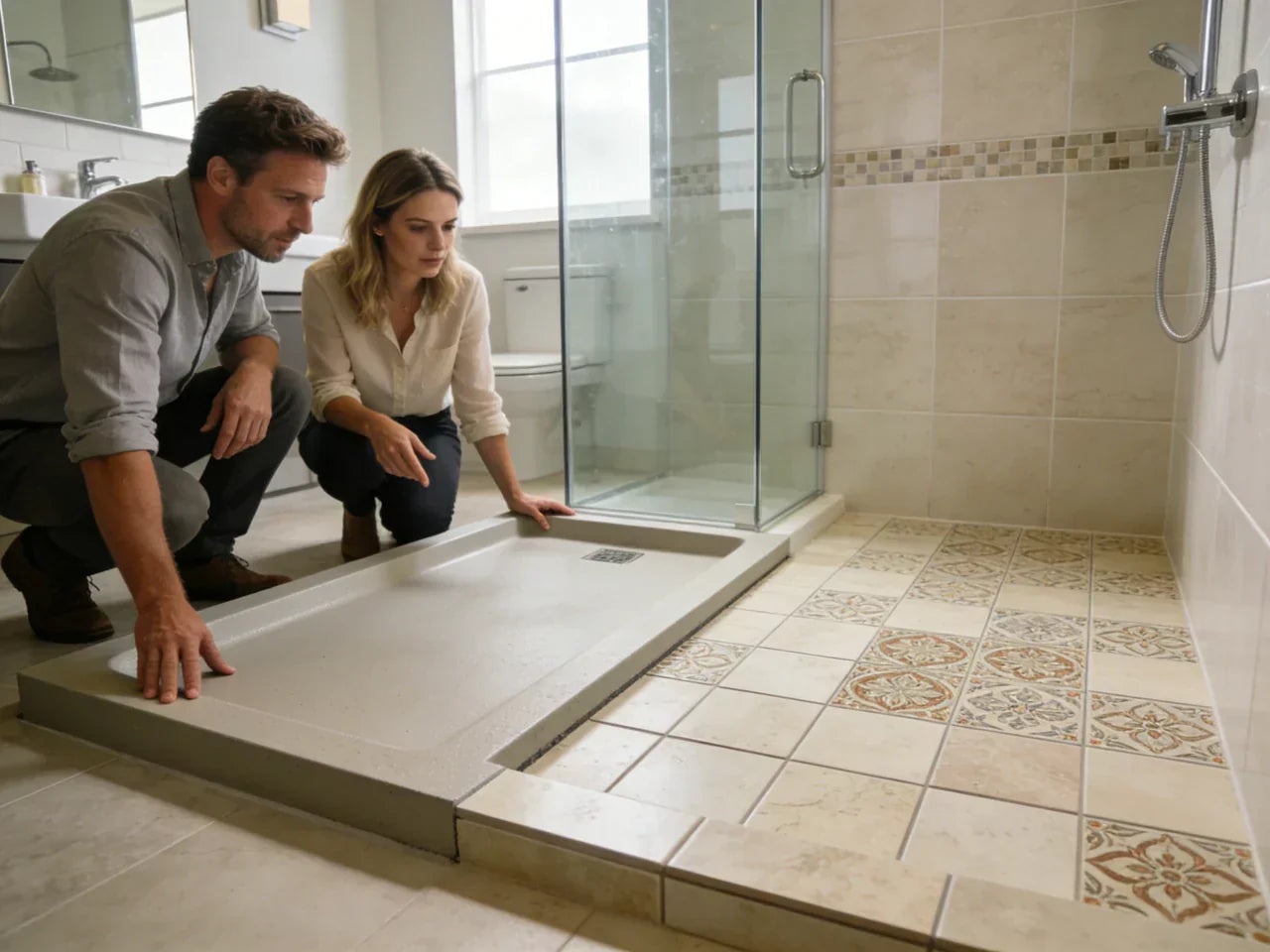
Choosing between a shower pan vs tile floor shapes how your new shower will look, feel, and age. The goal of this guide is simple: give you a clear, quick answer first, then walk you through cost, installation, waterproofing, maintenance, durability, design, and long‑term value using up‑to‑date contractor and homeowner experience.
Quick Comparison — Shower Pan vs Tile at a Glance
When you are remodeling a bathroom or planning a new shower, you are usually choosing between a prefabricated shower base or pan and a custom tile shower floor. Both can work very well when done right, and both can cause headaches if done poorly.
1‑Minute Verdict
If you want the shortest possible answer:
-
A shower pan is usually better when you want to save money, reduce risk of leaks, speed up installation, and keep cleaning simple. This fits budget remodels, rentals, house flips, and busy family bathrooms.
-
A tile shower floor is usually better when you care most about custom style, matching your bathroom design, and a long-term “forever home” feel, and you are willing to pay more and maintain grout over time.
Pros and Cons Snapshot
Shower pan (shower base):
-
Pros
-
Lower upfront cost in most cases
-
Faster to install; easier to get right
-
Strong waterproofing because it is one solid piece
-
Smoother surface with no grout lines, so it is easier to maintain and clean
-
-
Cons
-
Limited sizes, shapes, and colors compared to tile
-
Some materials can flex a bit underfoot
-
You are mostly stuck with standard layouts
-
Tile shower floor:
-
Pros
-
Custom layout for almost any bathroom size or odd corner
-
Huge design range with tile patterns, colors, and natural stone
-
Very long lifespan when installed and waterproofed correctly
-
Often seen as more “high‑end,” which can help resale value
-
-
Cons
-
Higher initial cost for both tile and labor
-
Installing tile takes longer and is more complex
-
Grout lines need regular cleaning and sealing
-
More ways for water to leak if waterproofing is not perfect
-
Condensed Comparison Table
| Feature | Shower Pan / Base | Tile Shower Floor |
| Typical installed cost | ~$1,000–$2,500+ | ~$1,800–$4,000+ |
| Install time (pro) | Often 1 day once plumbing is ready | Several days including curing |
| Waterproofing reliability | High – one-piece or factory-sealed | Depends on membrane and workmanship |
| Maintenance effort | Low – no grout lines on floor | Medium–high – grout cleaning and sealing |
| Lifespan potential | 10–25 years by material and care | 30–50+ years when done well |
| Slip resistance | Good if textured surface | Varies – best with small, matte tiles |
| Best fit | Budget, rentals, quick remodels | Luxury baths, custom layouts, “forever” homes |
You now have a fast overview of shower pan vs tile floor. The rest of this guide explains what those numbers mean in real life so you can make an informed decision.
What Is a Shower Pan vs Tile Shower Floor?
Before you compare shower base vs tile, it helps to understand what each one really is under the surface.
Shower Pan / Shower Tray Basics
A shower pan, also called a shower tray or shower base, is a pre‑made floor for your stand‑up shower. It forms the waterproof bottom of the shower area and directs water to the shower drain. You then add shower walls (tile, panels, or glass) on top of it.
Most standard shower bases are made from:
-
Acrylic or fiberglass – light, common, budget‑friendly. You will see terms like acrylic shower pan or fiberglass shower pan.
-
Solid surface or stone resin – heavier, denser, and more expensive, with a more “stone‑like” feel underfoot.
-
Composite / cultured stone – blends of stone and resin that give more weight and strength than acrylic or fiberglass.
Shower bases come in many sizes and shapes:
-
Common rectangles for an alcove or standard shower base
-
Neo‑angle and corner units
-
Long walk‑in shapes
-
Low profile shower pan designs with a shorter curb that make it easier to step in
You will also see tile‑ready or tileable pans. These are special pans that form a sloped, waterproof base, but the top surface is made to accept tile. They sit between a full acrylic shower base and a fully custom tile shower floor.
Tiled Shower Floor / Tile Base Basics
A tile shower floor (or tile shower base, sometimes called a tile pan) is built on site. Instead of dropping in a factory‑made pan, your installer builds the floor in layers and then sets individual tiles.
Tile shower floors may use:
-
Ceramic or porcelain tile – common, hard, and usually less porous.
-
Natural stone, such as marble, travertine, slate, or granite – beautiful, but many types are more porous and need extra sealing.
-
Mosaic tiles on sheets – small pieces (often 1"–2") that make it easier to shape the slope and improve grip underfoot.
Under the visible tile floor, there is usually a stack of parts:
-
Subfloor – wood or concrete that supports the shower.
-
Sloped mortar bed or foam tray – this creates the slope so water runs to the drain and does not pool.
-
Waterproofing membrane or liner – this is the true waterproof part. Tile and grout are not waterproof.
-
Tile installation – tiles are set in thinset mortar.
-
Grout and sealant – fills the gaps and must be sealed to prevent leaks and staining.
So when you compare shower pan vs tile, remember: a pan is one main piece made in a factory; a tile floor is a collection of layers built in your bathroom.
Side‑by‑Side Comparison: Cost, Time, and Disruption
Upfront Cost: Materials and Labor
For many homeowners, budget is the first filter in choosing between a shower base or tile flooring.
A standard acrylic or fiberglass shower base is usually the lower‑cost route. Materials are cheaper, and the labor is shorter. Solid surface and stone resin pans cost more but are still often cheaper than a complex custom tile floor.
Tile shower floors vary a lot in price. The cost depends on:
-
Tile type: simple ceramic can be a few dollars per square foot, while natural stone or designer tile can cost several times more.
-
Layout and pattern: straight patterns are faster; diagonal or detailed tile patterns take longer and cost more.
-
Extra features: a linear shower drain, niches, benches, and custom shapes all add time and money.
Even if the tile itself is not expensive, tile installation labor adds up. The tiler needs to create slope, cut many small pieces, set them, grout them, and return after drying. This is why, in many regions, a tile shower floor starts a few hundred dollars higher than a similar shower pan and can go much higher in a luxury bathroom.
Installation Time and Complexity
If you are planning a bathroom renovation, you know that the shower affects the whole schedule. Other trades often have to wait until the floor is in and the drain is set.
A shower pan is usually much quicker. Once the rough plumbing is ready, a pro can:
-
Set and level the pan
-
Connect the drain
-
Secure and seal the edges
This often fits in a single day, especially for a standard stand up shower base.
A tile shower floor takes more time. The basic steps are:
-
Build or install the sloped base (mortar bed or foam tray).
-
Install the waterproofing membrane and seal corners and seams.
-
Set the tile and wait for it to cure.
-
Grout the tile and wait again.
-
Seal the grout once it has cured.
Even in a small bathroom, this often stretches over several days. For a custom shower with more details, it can reach a week or more, especially if you are working around other bathroom floor and wall work.
From a DIY point of view:
-
Installing a shower base can be a realistic project for someone with moderate skills who can follow instructions and handle plumbing connections.
-
Tiling a shower and how to create a shower pan from mortar is a higher‑skill task. The slope, drain height, and waterproofing all need to be right to prevent leaks. Many homeowners choose a pro for this part.

Waterproofing and Leak Prevention (Core Risk Factor)
Leaks are one of the biggest fears when choosing shower base vs tile. A small mistake in the shower floor can lead to damage in the rest of the bathroom floor, the ceiling below, and even the structure.
How Shower Pans Keep Water Out
Factory‑made shower pans are often shaped as one single piece with built‑in slope. That means there are no seams in the floor area where water can sneak through.
Good waterproof performance depends on:
-
Solid support under the pan. Most pans should sit in a bed of mortar or foam, not just on a few points. This reduces flexing and keeps the drain connection from moving.
-
A tight drain connection. The seal between the pan and shower drain must be correct so water cannot leak around it.
-
Proper sealing at the walls. The edge of the pan where it meets the shower walls must be sealed to prevent leaks behind the wall.
Because there are fewer parts, a pan usually has fewer failure points. This is one reason many contractors say a shower pan is a good idea in high‑use bathrooms or rentals where you want to lower the chance of future leaks.
How Tiled Shower Floors Stay Waterproof
Many people assume the tile and grout themselves are waterproof. They are not. Grout, and many stones, are porous. The true waterproof layer is the membrane below the tile.
Common waterproofing methods include:
-
Sheet membranes. These are rolled or cut sheets that go over the sloped base. Seams and corners are sealed with special banding or sealant.
-
Liquid‑applied waterproofing. This looks like thick paint that is rolled or brushed on in several coats.
-
Traditional liners with mortar beds. A vinyl or similar liner wraps up the wall behind the mortar. Water that seeps through the tile and mortar reaches the liner, which directs it to the drain.
For a tile shower base, leaks often come from:
-
Not enough slope to the drain
-
Poorly sealed corners or niches
-
Gaps or cracks at the transition between the shower floor and the rest of the bathroom floor
-
Missing or cracked caulk where the floor meets the shower walls or shower door frame
So is a tiled shower floor more likely to leak than a shower pan? When both are installed perfectly, both can be very reliable. But tile has more pieces and more joints. That means more ways for mistakes, especially in DIY jobs, so in practice tile floors do fail more often.
Mold, Mildew, and Structural Damage Risks
Any wet area can grow mold if it stays damp. This is not only a cleaning problem. Long‑term moisture can damage joists, framing, and the floor area under the shower.
Tile floors have many grout lines and sometimes natural stone that hold moisture longer than acrylic or solid surface. If you do not dry the shower well and keep grout sealed, dark stains, mildew, and musty smells can show up in corners and around the drain.
Health agencies point out that mold and dampness in homes can affect indoor air quality and can be a concern for people with asthma or allergies. According to the CDC, any visible mold should be removed promptly, and moisture sources must be fixed to protect health. That is why good waterproofing and drying are important, not just for looks.
With a pan, the smooth acrylic or solid surface dries faster. You still need to watch the caulk where the pan meets the wall and around the shower door track. If that seal fails, water can run behind and damage the wall or the framing.
Signs that your shower, whether pan or tile, may be leaking include:
-
A musty smell in or near the bathroom
-
Soft spots or movement in the floor around the shower
-
Cracked or loose tiles on the shower floor
-
Stains on the ceiling below the shower
If you see these, it is time to investigate and repair before the damage spreads.
Maintenance, Cleaning, and Long‑Term Upkeep
When you compare shower pan vs tile floor, think about not just cleaning tomorrow, but cleaning for the next 10–20 years.
Shower Pan Maintenance
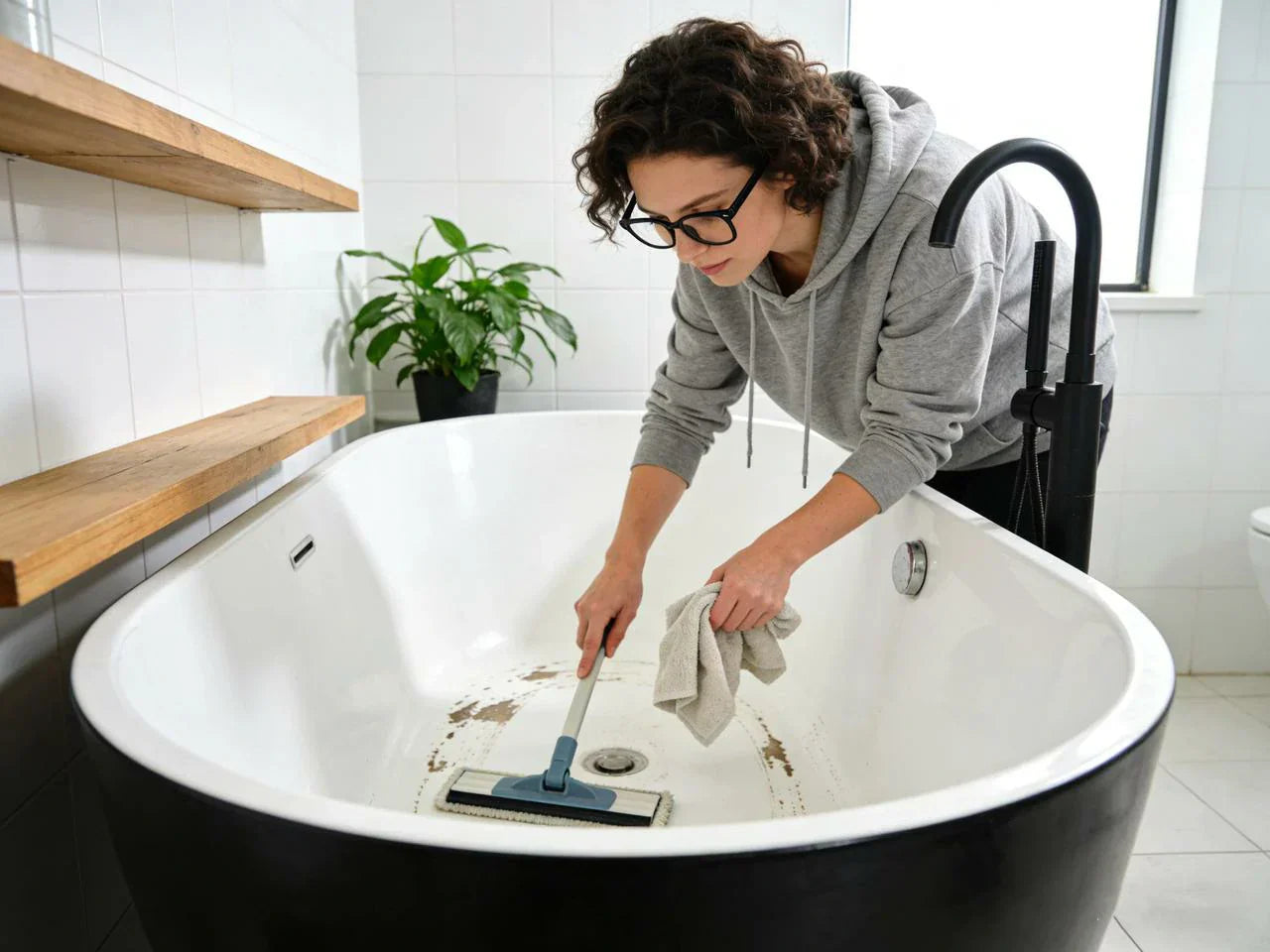
Most acrylic and solid‑surface pans are low‑maintenance. The non‑porous, smooth surface does not hold water like grout or stone.
A basic care routine looks like this:
-
Rinse the shower after use.
-
Wipe down the pan a few times a week with a mild bathroom cleaner and a soft cloth.
-
Avoid harsh abrasives that can scratch the acrylic or fiberglass.
Some modern pans have slightly textured surfaces for slip resistance. These are still easier to maintain than grout because there are no tiny gaps between individual tiles.
You will likely need to re‑caulk around the pan every few years, especially where the shower walls and shower door frame meet the base. Fresh, flexible caulk helps prevent leaks and keeps the edge looking clean.
Tiled Shower Floor Maintenance
Tile floors ask for more attention, not so much because of the tile, but because of the grout.
Most tile shower floors need:
-
Regular scrubbing of grout lines to keep soap scum and mildew away.
-
Grout sealing every 1–3 years, depending on use and product, to keep water from soaking in.
-
Good ventilation, like a working exhaust fan and leaving the door open after showers, so the floor can dry.
You can check if grout needs resealing by placing a few drops of water on a dry, clean joint. If the water beads up, the sealer is likely still working. If it darkens the grout, it may be time to reseal.
Safe cleaners are important. Very harsh acids or bleach can break down grout and sealers over time. Mild, tile‑safe cleaners and a soft brush are usually enough for regular care.
From time to time, you may need to regrout or spot‑repair tiles, especially in high‑traffic spots around the drain. This takes more work than re‑caulking a pan, but it can refresh a tired floor without replacing the whole shower.
Long‑Term Ownership Costs
If you look at a period of 10–20 years:
-
A lower‑cost acrylic or fiberglass pan might need replacement once in that time if it cracks or discolors, but it is cheaper and easier to swap.
-
A solid surface or stone resin pan can last much longer, often in line with a well‑built tile floor.
-
A tile shower floor can last for decades, but only if grout and waterproofing are kept in good shape.
So from a long‑term cost view, tile can be cheaper over 30+ years if you plan to stay in the home and keep up with maintenance. But if you plan to move in 5–10 years, or it is a rental, a good shower base often gives a better return for the money.

Durability, Lifespan, and Everyday Use
Structural Durability
Different shower bases are often judged on how they stand up to real use.
For shower pans:
-
Acrylic and fiberglass pans may last 10–15 years or more, but they can scratch, craze (fine lines), or fade, especially if harsh cleaners are used. Some lower‑end pans flex a bit when you stand on them if they were not properly supported.
-
Solid surface or stone resin pans feel firmer, resist flexing, and often last 20–25+ years when cared for.
For tile shower floors:
-
A well‑built tile base, with a solid subfloor and correct membrane, can last 30–50+ years. The tile and mortar are very strong.
-
Impact damage is rare, but a dropped heavy object can chip or crack a tile. The advantage is that single tiles can often be replaced.
So if you are building a custom shower for your “forever home,” tile scores highly on long‑term durability when installed by a skilled pro.
Comfort, Feel, and Noise
Underfoot feel matters, especially in a stand‑up shower you use every day.
-
Acrylic and fiberglass feel slightly warmer to the touch than bare tile, but they can feel a bit hollow if not well bedded.
-
Solid surface or stone resin pans feel solid and more like stone, and they are less noisy under the spray.
-
Tile shower floors can feel cool, especially on a concrete slab, but they pair well with radiant floor heating if you want warm floors.
Some people enjoy the slight “give” of a quality acrylic shower base; others prefer the firm, stone‑like feel of tile or a heavier base. If you can, stand in both types in a showroom to see what you prefer.
Repairability
No system is perfect. Things happen.
With a shower pan:
-
Small surface scratches in acrylic or fiberglass can sometimes be buffed or filled.
-
Deeper cracks, especially near the drain, are more serious. In many cases, replacing the pan is safer than trying to patch, because a crack can allow water into the subfloor.
With a tile floor:
-
A single cracked or chipped tile can often be removed and replaced, as long as you have spare tiles.
-
Grout can be scraped out and replaced if it is stained or failing.
But if the main waterproofing layer fails, both systems can require larger work. With tile, that can mean removing a big section of the floor and lower walls to reach and rebuild the pan. With a one‑piece pan, it may be possible to remove and reset or swap out the base without redoing all the walls, depending on how the shower was built.
Design, Style, and Resale Value
Design Flexibility with Tiled Shower Floors
If you are aiming for a very specific bathroom style, tile shower floors are hard to beat.
You can:
-
Mix tile sizes and shapes to match the rest of the bathroom floor or create contrast.
-
Use mosaics on the floor area and larger tiles on the shower walls.
-
Choose from many colors, from clean white to bold patterns or rich natural stone.
-
Shape the floor to fit small bathrooms or unusual layouts that standard shower bases cannot match.
A well‑done custom tile shower can give a spa‑like feel that many buyers notice. This is one reason tiled floors are common in high‑end primary bathrooms.
Design Options with Shower Pans
Modern shower bases offer more than just shiny white rectangles.
You can now find:
-
Low profile shower pans with slim edges that look more modern and make the step‑in height lower.
-
Different colors (usually neutrals) and subtle textures that look more like stone.
-
Sizes that work with walk‑in showers and glass panels.
Many homeowners use a neutral acrylic shower base or solid surface tray and then focus design energy on the walls, glass, and fixtures. This can still give a stylish shower without the cost and upkeep of a tile floor.
Impact on Perceived Quality and Home Value
So, are shower trays better than tiles from a resale point of view? It depends on the buyer.
-
In starter homes, rentals, and secondary baths, buyers often like a clean, low‑maintenance acrylic shower base that looks fresh and is easy to clean.
-
In higher‑end homes, a custom tile shower floor in the main bathroom can signal quality and care.
If your goal is to remodel and sell soon, a solid mid‑range pan with nice wall tile can be a smart middle path: good style, controlled cost, and simple cleaning. If you are building a forever home and want that luxury feel, tile is often the better long‑term fit.

Safety, Accessibility, and Code Considerations
Slip Resistance
Wet surfaces can be slippery, so traction matters when you compare shower pan vs tile.
Many shower bases come with a slightly textured floor to improve grip. Some solid surface pans have a matte, stone‑like finish that also helps.
With tile, slip resistance depends on:
-
The finish: glossy tiles can be slick; matte tiles with texture are safer.
-
The size: smaller tiles create more grout lines, and those joints give extra grip.
For safe shower flooring, many pros suggest small mosaics or tiles rated for floor use in wet areas, rather than large, smooth tiles.
Accessibility and Universal Design
If you are planning for aging in place or anyone with mobility issues, the size and height of the shower base or pan matter.
Good options include:
-
Low‑profile shower trays with a shallow curb. These make stepping in and out easier and work well with many glass shower doors.
-
Curbless tiled showers, where the tile floor slopes gently from the rest of the bathroom into the shower. These need careful planning of slope, drain options for the shower, and membrane layout to avoid water escaping into the rest of the bathroom floor.
With both systems, you can add grab bars, a bench or seat, and a handheld shower to increase safety and comfort.
Building Codes and Best Practices
Most building codes require:
-
A minimum slope (often about 1/4" per foot) from the shower floor toward the drain so water does not pool.
-
Approved materials for liners and membranes in tiled bases.
-
Proper drain sizing for the expected water flow.
While you may not read the full code, a licensed installer should know these rules and build your new shower to meet them. This is another reason installing tile and how to create a shower pan in mortar are usually better left to experienced hands.
Cost Breakdown and ROI Over 10–30 Years
Initial Installation Costs
To put some real‑world numbers around shower pan vs tile:
-
A small, standard 32" x 32" shower base with simple walls might cost around $1,000–$2,500 installed, depending on material and region.
-
The same size shower with a tile floor and tile walls often starts closer to $1,800–$3,000 and can go higher with nicer tile.
-
A mid‑range walk‑in shower with a quality solid surface base and tiled walls can fall in between.
-
A high‑end luxury shower with large‑format wall tile, a linear shower drain, and a natural stone tile floor can easily run much higher, especially where labor is expensive.
Lifetime Costs: Maintenance and Repairs
Over time, add:
-
Grout sealing and cleaning for tile floors every few years.
-
Possible regrouting or tile replacement in worn spots.
-
For pans, less day‑to‑day work, but you may face base replacement once in a long span if it cracks, especially for cheaper acrylic or fiberglass.
If a major leak happens in a tile shower base and causes damage to joists or ceilings below, repair costs can jump fast. This is why careful waterproofing and regular grout care are so important.
Return on Investment
When does paying more for tile pay off?
-
If you plan to stay in the home a long time, and you keep up maintenance, tile’s long life and high‑end look can give good value.
-
If this is a rental property, guest bath, or house flip, a well‑installed acrylic shower base or solid surface pan can offer better return: lower cost, faster install, and fewer tenant maintenance calls.
Environmental and Health Considerations
Material Sustainability
From a green point of view, each option has trade‑offs.
-
Acrylic and fiberglass pans use plastics and resins. They are light to ship but not easy to recycle at end of life.
-
Solid surface and stone resin mixes use more mineral content and can last longer, which can reduce waste over time.
-
Ceramic and porcelain tile are long‑lasting, inert materials once fired. Their long life is a plus, though firing kilns uses energy.
-
Some natural stones must be sealed more often, which uses more sealer products over time.
Longevity is a key factor. A system that lasts for decades with minor upkeep often has a lower footprint than one that needs full replacement every 10–15 years.
Indoor Air Quality and Mold Control
Good waterproofing and ventilation help keep indoor air healthier by reducing damp spots where mold can grow.
-
Seamless or low‑joint shower pans mean fewer places for moisture to sit.
-
Tile showers can work just as well if membranes, grout sealing, and ventilation are all up to standard. Using a good exhaust fan and letting the shower dry between uses is key.
If you care about indoor air, look for low‑VOC (low chemical fume) sealers, grouts, and adhesives for both pan and tile systems.
Water and Energy Use
A surface that is easier to clean may let you use milder cleaners and less scrubbing. Smooth acrylic and solid surface panels usually wipe clean faster than grout lines and textured stone.
Either base type can match well with water‑saving shower heads and smart bathroom design to reduce water and energy use.

Which Is Better for You? Shower Pan vs Tile Decision Guide
Scenario‑Based Recommendations
Here is how many pros compare shower base vs tile in common situations.
-
Budget‑conscious remodels A quality acrylic or fiberglass base with simple tile or wall panels is often the better choice. You save on labor, finish faster, and still get a clean, new shower.
-
Busy families wanting low maintenance A shower pan or tile‑ready base with smooth surfaces is easier to keep clean than lots of grout. This helps when the shower gets heavy daily use.
-
Luxury primary bathroom / “forever home” A custom tile shower floor with a good membrane system makes sense here. You gain high design freedom and long life if you plan to stay for many years.
-
Rental properties and house flips Prefab pans are often the smarter move. They are faster to install than tile, cost less, and are easier to maintain between tenants.
-
Small bathrooms and awkward layouts Tiled shower bases adapt better in tight spaces or corners where standard trays will not fit. Custom shower pans and tile floors can follow the walls exactly.
-
DIY renovators Many handy owners can manage installing a shower base with some help from plumbing guides. Building a full mortar shower pan and tiled floor is possible for very experienced DIYers, but hiring a pro reduces the risk of leaks.
Simple Decision Framework
As you think about choosing between a shower pan vs tile, ask yourself:
-
What is my budget range for this bathroom remodeling project?
-
How much custom style do I want in this shower area?
-
How much time and energy do I want to spend cleaning grout lines?
-
How long do I expect to stay in this home?
-
How much risk am I willing to take on for a more complex build?
If you lean toward low cost, less maintenance, and shorter install time, go with a shower base or pan. If you lean toward custom design, long‑term durability, and you accept more care work and higher initial price, a tile shower floor may be your better choice.
Combining Options
You are not stuck with “all pan” or “all tile.” You can mix:
-
A solid shower pan on the floor with beautiful tile on the walls for a hybrid solution.
-
A tiled floor with low‑maintenance wall panels if you love a tile floor but want simple walls.
-
Tile‑ready pans that give you a factory‑made waterproof base but still let you install the tile of your choice on top.
This kind of mix can give you the benefits of a shower tray and tile together.
Real‑World Examples and Case Studies
Case Study 1 — Quick Remodel with Acrylic Pan
A couple with a small hall bathroom needed a new shower fast after a leak from their old fiberglass unit. Their goals were:
-
Keep costs low
-
Limit bathroom downtime
-
Make cleaning easier for their kids
They chose a standard acrylic shower pan with a sliding shower door and large wall tiles. The installer removed the old unit, installed the new stand up shower base, reconnected the plumbing, and tiled the walls in under a week.
Two years later, the pan still looks new. The homeowners say the floor is simple to wipe down, and they like not having to scrub grout on the floor itself. For them, a pan was clearly a good idea.
Case Study 2 — Custom Tiled Shower Floor in a Primary Bath
Another homeowner was turning an old tub into a large walk‑in custom shower in the main bathroom. The tub area was longer than any standard tray, and the bathroom design called for a linear shower drain at one end.
They chose a tiled shower base with mosaic porcelain tiles on the floor and larger tiles on the walls. The contractor used a pre‑sloped foam tray and a sheet membrane over it, sealed to the walls and drain.
The build took longer than a simple pan, but five years later there are no leaks, and the tile floor still looks fresh. The owners say this shower is one of their favorite parts of the home and worth the extra cost and maintenance.
Lessons from Contractor and Homeowner Feedback
From many projects and homeowner stories, some common points show up:
-
Negatives of a tile shower often mentioned: more grout cleaning, extra risk of grout discoloring, and the worry that if waterproofing fails, repairs will be high.
-
Negatives of a basic pan: less “wow” factor, possible flex in cheaper acrylic models, and fewer layout choices.
-
Many pros wish homeowners knew that the waterproofing they never see is more important than the finish they do see. A plain‑looking but well‑sealed shower beats a stunning but leaky one every time.
FAQs
1. What are the negatives of a tile shower?
Tile showers definitely look stylish and can give a bathroom a high-end feel, but they come with some trade-offs. The biggest hassle is grout: it needs regular cleaning to prevent mold and mildew and must be resealed every year or two. Natural stone tiles can stain easily and often require extra care. Installation is also more complex and time-consuming than a pre-made pan, which drives up labor costs. Waterproofing is crucial—if anything is installed incorrectly, even a tiny gap can lead to leaks and water damage over time. In short, while tiles offer endless design possibilities, they demand ongoing maintenance and careful installation to avoid future problems.
2. Are shower pans a good idea?
Absolutely—shower pans are a practical choice for many bathrooms. They’re pre-made, which makes installation much faster and simpler compared to building a full tile floor. When set up correctly, they are highly waterproof, and the smooth surface is easy to wipe clean, so maintenance is minimal. Pans are ideal for high-traffic bathrooms, rental properties, or anyone on a tighter budget. While they don’t offer the same custom design freedom as a tile shower, modern pans come in various colors and textures, so you can still achieve a stylish look. Essentially, a quality shower pan combines durability, convenience, and affordability, making it a solid option for everyday use.
3. Are shower trays better than tiles?
It really depends on your priorities. Shower trays or pans are faster to install, lower in cost, and easier to maintain, which makes them perfect for busy households, rentals, or budget-conscious projects. Tile floors, on the other hand, allow for deep customization—you can choose the exact layout, tile size, and material, giving a luxury look that lasts for decades if maintained properly. Tiles also add resale value for long-term homeowners. There’s no single “best” choice for every bathroom; trays win for convenience and cost-effectiveness, while tiles win for design flexibility and a high-end finish. Your choice should match your budget, timeline, and how long you plan to stay in the home.
4. What is the difference between a shower base and a shower pan?
In everyday language, there’s practically no difference. People often use the terms “shower base,” “shower pan,” and “shower tray” interchangeably. All refer to the floor piece of a shower that catches water and directs it toward the drain. The main distinction might come down to material or style—some people use “tray” for acrylic or fiberglass units and “pan” for stone or solid-surface options—but functionally, they serve the same purpose. They provide a waterproof floor, create the slope needed for proper drainage, and support the shower walls. So whether someone says “pan” or “base,” they’re usually talking about the same essential component in your shower setup.
5. Are low profile shower trays good?
Yes, low profile trays are a smart choice when you want easier entry and a sleek, modern look. Because the curb is shallow—often just 1–2 inches—they make stepping into the shower simpler, which is great for people with mobility challenges or small children. They also help the bathroom feel more open and less boxy. However, low-profile trays must still have proper slope and waterproofing. If the slope is too shallow or the membrane isn’t installed correctly, water could pool or leak outside the shower area. When done right, they balance safety, style, and convenience, making them a popular option for modern bathrooms.
6. How deep is a low profile shower tray?
Depth varies depending on the brand and model, but most low-profile trays have a curb that sits about 1–2 inches above the bathroom floor. This is much shallower than traditional shower bases, which often have 3–4 inch curbs. The lower edge makes entry easier, which can be particularly helpful for kids, seniors, or anyone with mobility concerns. Even with the lower profile, these trays are designed to maintain proper drainage if installed with the correct slope. They offer a modern, minimalist look while still functioning effectively as a waterproof floor, combining style with practicality in a small or open-concept bathroom.
7. What can I use for a shower pan?
There are several options depending on your budget, style, and installation comfort. Prefabricated acrylic or fiberglass pans are light, affordable, and quick to install. Solid surface or stone resin pans are heavier, feel more luxurious underfoot, and often last longer. Tile-ready pans let you have the visual appeal of tile with a pre-formed waterproof base, offering a hybrid solution. For full custom work, you can build a mortar pan on-site and tile it, which is perfect for unique layouts or high-end designs but requires more skill and time. Your choice should balance cost, aesthetics, and the complexity you’re comfortable handling.
References


Leave a comment
This site is protected by hCaptcha and the hCaptcha Privacy Policy and Terms of Service apply.