
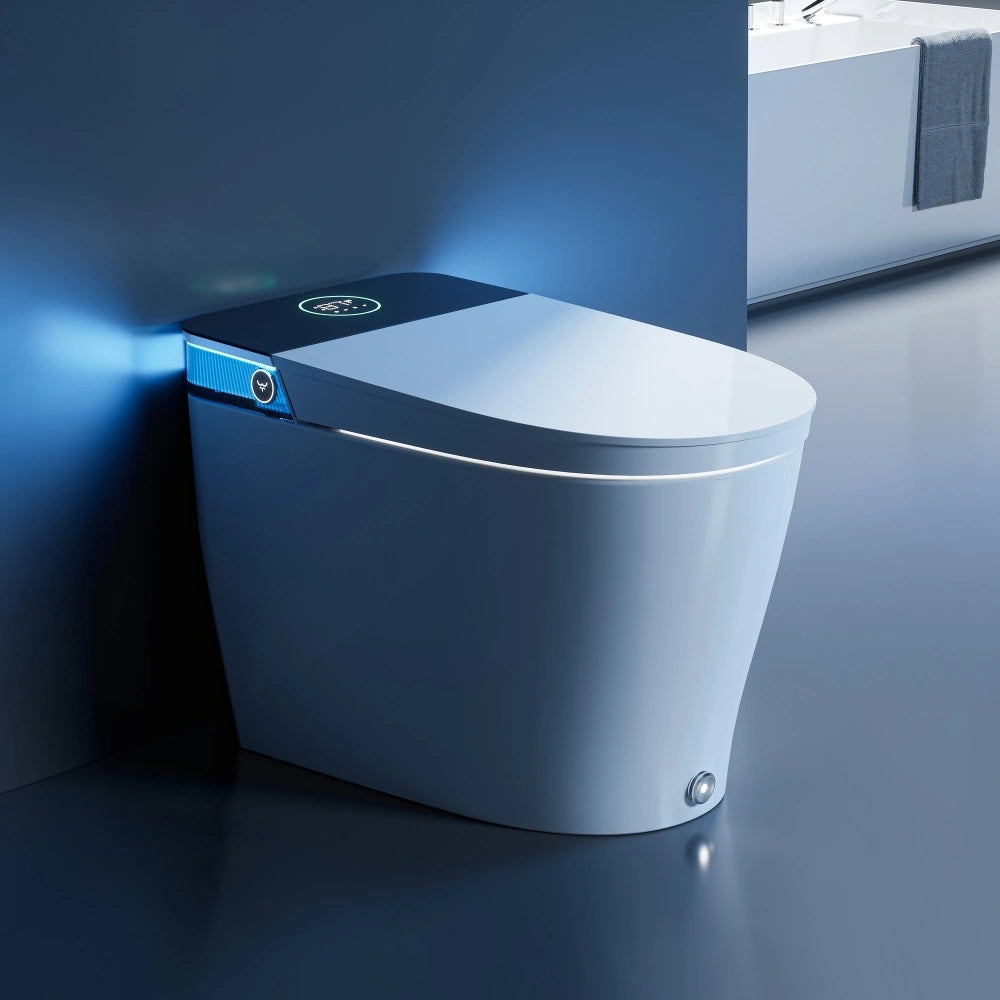
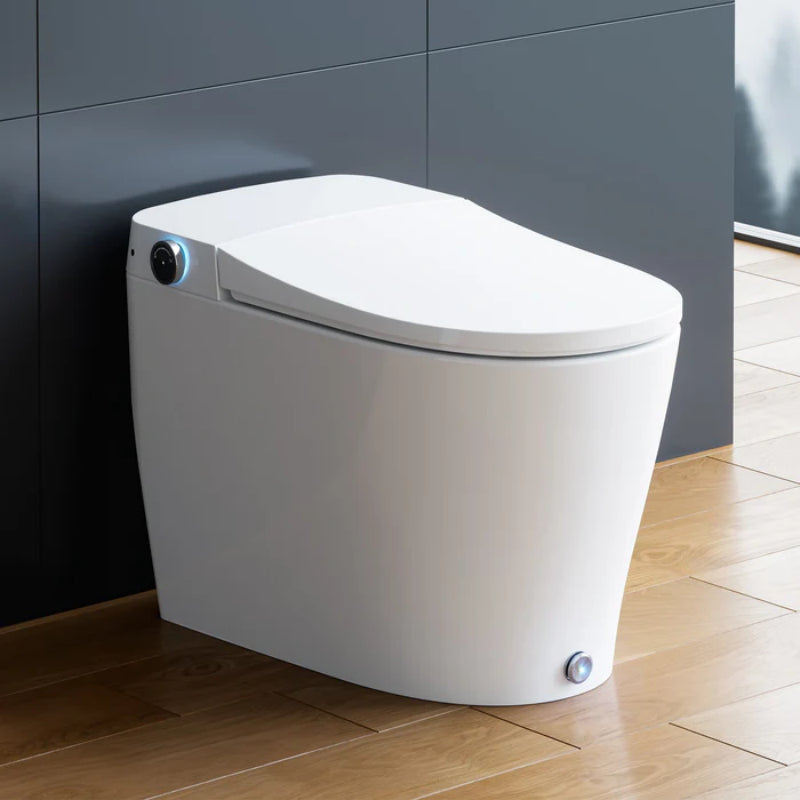
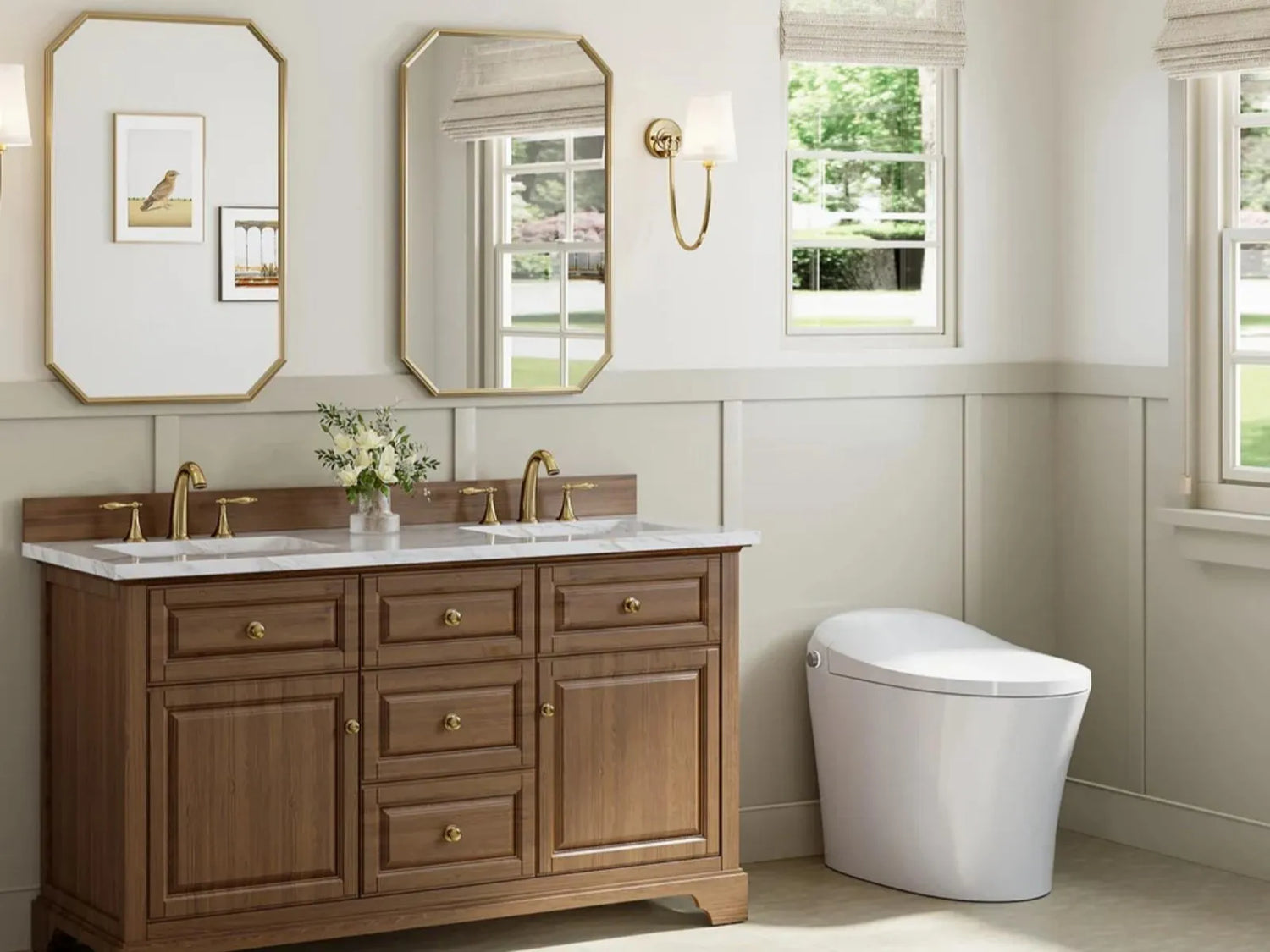
A smart toilet’s water use isn’t just about the flush. Extra features and daily habits matter just as much, so results vary from one home to the next.
Swap out an old water-guzzling toilet, and you’ll likely see real savings. Replace a modern efficient one, and you probably won’t. Plus, bidet washing and self-cleaning cycles can eat up whatever water you save from flushing.
Long-term water use also depends on things like water quality, power reliability, and upkeep. Those hidden factors matter more than most people think.
Quick Answer
A smart toilet is usually worth it if you’re replacing an old high-flow toilet and you actually use the water-saving flush options consistently. It is often not worth it if your current toilet is already efficient, or if extra rinse, bidet functions, and cleaning features are likely to offset the flush savings.
Decision Snapshot
Use this clear decision framework to quickly tell if a smart toilet matches your home situation and expected water-saving results.
Ideal for Old High-Flow Toilets
Upgrading from an old high-flow toilet can still save water overall, even when you use extra smart features like bidet washing or self-cleaning. Households accustomed to automatic flushing and standard dual-flush usage can further cut habitual double flushing, while built-in leak detection also curbs unnecessary water waste.
Pass for Modern Efficient Models
There is little practical water-saving value to replace existing high-efficiency toilets rated at 1.28 gallons per flush. Additional water consumed by bidet washing, pre-wetting and self-cleaning functions will offset most flush-based water savings, and users prioritizing comfort functions can barely obtain noticeable water cost reduction.
Calculate Total Household Water Use
Do not judge water-saving effect only by single flush water consumption if you want to fully optimize water usage. You need to include water used by all extra features — not just the flush—when calculating total household water use. Actual water-saving effect is decided by household usage habits and local water conditions rather than smart configuration itself.
Where Water Savings Are Real
Many tangible water-saving effects vary greatly based on toilet types, flushing modes and structural designs.
Older Toilets Show Bigger Gains
The biggest water savings typically come when you replace an older toilet—some of which used anywhere from 3 to as much as 7 gallons per flush. Compared to traditional toilets from that era, smart toilets can save a meaningful amount of water even if some extra water goes to bidet or rinse functions.
This is why many claims that “smart toilets save water” are partly true but incomplete. They often do save water compared to older toilets. They do not always save much compared to newer efficient toilets.
So analyzing smart flush vs traditional styles tells us smart toilets often save water against older toilet models. If you are asking whether they save much compared to a modern 1.28-gallon toilet, the answer is less impressive.
Dual Flush Helps Light Use
Many buyers focus on dual-flush operation because it can reduce water used for liquid waste. The lighter flush for liquid waste can lower water use if people actually choose it instead of always triggering the full flush.
This matters because dual-flush smart toilet water consumption for liquid waste can be lower than a standard full flush toilet. In a household with frequent light-use flushes, that adds up.
But there is a catch: sensors misjudgment or user distrust of partial flush may lead to repeated flushing. Even efficient flush ratings may not help if users need to flush twice because sensors misread use.
Tankless Models Still Need Context
People often assume that just because a smart toilet is tankless, it automatically uses less water. Not always. Smart toilets use different water-delivery designs, but tankless models do not always reduce total household water use.
The real number still depends on advanced flush systems, flush volume, water pressure, and how often cleaning functions run. Tankless systems can be efficient, but they are not magic. You still need to look at actual gallons per flush and actual household habits.
If you are comparing smart toilet GPF values with 1.28-GPF and 1.6-GPF toilets, the smart model may look lower on paper. But the total use picture gets less clear once non-flush features are included.

Hidden Water Use Trade-Offs
A lot of behind‑the‑scenes features end up using extra water, which creates a clear trade‑off against the water you save from flushing.
Bidet Cycles Add More Than Expected
Most buyers ignore integrated bidet water consumption and only focus on basic flush water volume. Occasional short bidet use adds little water and may reduce toilet paper use. Frequent long wash cycles in multi-person households, or accidental use by children, can raise daily water use. The core difference in water consumption between integrated smart toilets and independent bidet seats lies in daily usage frequency rather than product structure. Heavy bidet usage improves daily hygiene, but it can cancel out the water you save from efficient flushing.
Pre-Mist And Rinses Add Up
Pre-wetting, nozzle flushing and automatic self-cleaning consume tiny water volume in single operation, which is easy to be ignored in daily use. For households with low toilet usage frequency, such hidden water consumption hardly affects total water bills. For large families who use the toilet many times a day, all that small, repeated water use from automatic features adds up to a steady, noticeable amount. Many users only refer to official standard flush water consumption data and ignore this long-term hidden water loss.
Do Smart Features Cancel Savings?
Sometimes yes.
This is the most useful way to think about smart toilet water needs and overall energy use trade-offs: a smart toilet may use less water per flush yet raise overall water and energy expenditure across the full experience. Water heating and standby power relate closely to smart toilet energy demands alongside auto cleaning and extra rinse cycles.
So, can a smart toilet reduce water consumption and utility costs? Yes, especially in the right setup. But utility savings alone are often smaller than people expect unless your old toilet is highly inefficient.

Setup And Daily Use Reality
How much water a smart toilet actually saves depends a lot on your setup and daily habits.
Power Loss Changes Daily Performance
Smart toilets depend on power for many of their features, which directly affects daily power consumption. Depending on the model, some units may lose automatic flush logic, bidet controls, or other water-saving behavior during an outage. You may still be able to flush manually, but not with the same ease or system control.
This matters more than many buyers expect. If your area has frequent outages, the smart system may not behave like the efficient system you thought you were buying.
This usually becomes important only after installation, which is why many people do not think about it soon enough.
Will It Work In Your Bathroom?
Smart toilets need stable water pressure and a qualified nearby power supply for sensors, flushing, and cleaning features to work reliably. Poor installation conditions can reduce water-saving performance or cause features to fail.

Maintenance And Long-Term Friction
Over time, normal wear and tear can change how well a smart toilet saves water. Most buyers don’t notice these issues at first.
Hard Water Reduces Efficiency
Hard water is one of the most overlooked reasons smart toilet water consumption changes over time. Mineral buildup can affect nozzles, sensors, valves, and rinse paths. That can lower cleaning performance and push users toward extra flushes or extra cleaning cycles.
This is especially relevant for homeowners learning key tips for choosing a smart toilet with stable water-saving performance. The answer is not just the rated water use. It is also your water quality.
Leak Alerts Can Become Annoying
Leak detection sounds helpful, and sometimes it is. But false alerts, app notices, or repeated checks can create friction if the system is overly sensitive or not well tuned to the home.
That does not mean leak alerts are bad. It means they are not free convenience. In some homes, they help prevent waste. In others, they become another small thing to manage.
This can be annoying when the toilet is technically efficient but adds another layer of household maintenance.
What Happens As Scale Builds Up?
Over time, scale buildup may reduce spray quality, affect automatic functions, or change how water moves through the system. The toilet may still work, but not as efficiently or as cleanly as when new.
This is where many savings claims become less reliable. Water use on day one and water use after several years of hard-water exposure may not look the same.

When It Becomes Overkill
Some buyers focus on smart toilet water-saving claims without checking whether the product fits their home. In many households, upgrading may bring little water savings and may not justify the cost.
New Efficient Toilets Shrink Savings
If you compare a low-flow smart toilet with a regular high-efficiency toilet, the difference in flush volume is usually pretty small. At that point, the smart features may be fine for comfort, but water savings alone may not justify the change.
Sustainable Goals Need Whole-Use Math
According to the Environmental Protection Agency, smart toilets that meet WaterSense requirements can help lower flush water use. But the EPA also makes clear that sustainability isn't just about the flush.
You also need to include:
-
bidet water use
-
rinse and self-clean cycles
-
power use
-
maintenance demands over time
So if your goal is environmental impact, whole-use math matters more than the headline gallons-per-flush number.
Is It Worth Utility Savings Alone?
Usually only in certain homes.
If you are replacing an old, thirsty toilet, yes, the savings can be real. If you are replacing a fairly efficient toilet, the water bill reduction may be too small to feel meaningful month to month.
That's what a lot of people wish they'd known earlier: how much water a smart toilet actually saves depends entirely on which old toilet you're comparing it to.
Before You Choose
-
Check your current toilet’s gallons per flush before assuming a smart model will save much.
-
Estimate total use, not just flush use, including bidet washes, pre-mist, and rinse cycles.
-
Confirm you have a nearby GFCI outlet and know how the toilet works during outages.
-
Consider your water quality; hard water can reduce efficiency and increase maintenance.
-
Be honest about household habits: will people use dual-flush correctly or just full-flush everything?
-
Treat utility savings as a bonus unless you are replacing a much older high-flow toilet.
FAQs
Do smart toilets use a lot of water?
Smart toilets usually do not use a lot of water per flush, but total use depends on bidet, rinse, and cleaning habits. If you rely heavily on those extras, your total water use can go up even though each flush is efficient.
Is 1.6 or 1.28 GPF better?
For water savings, 1.28 GPF is usually better than 1.6 GPF, as long as flushing performance remains reliable. The 1.6 GPF option generally isn’t considered up to today’s efficiency standards and tends to waste more water over time.
How many GPF should a toilet have?
A 1.28 GPF rating is the sweet spot for most households looking to save water. It balances a good flush with lower water use. But the right choice for your home also depends on flush performance and your local plumbing codes.
Does a bidet make your water bill go up?
A bidet can slightly increase water use, but the bill impact is usually small unless it is used frequently or for long cycles. For most homes, the change is barely noticeable month to month.
Do tankless toilets use more water?
Tankless toilets do not automatically use more water; actual use depends on rated flush volume and cleaning-cycle frequency. You have to look at the specific model’s GPF and your own usage habits.
References


Leave a comment
This site is protected by hCaptcha and the hCaptcha Privacy Policy and Terms of Service apply.