



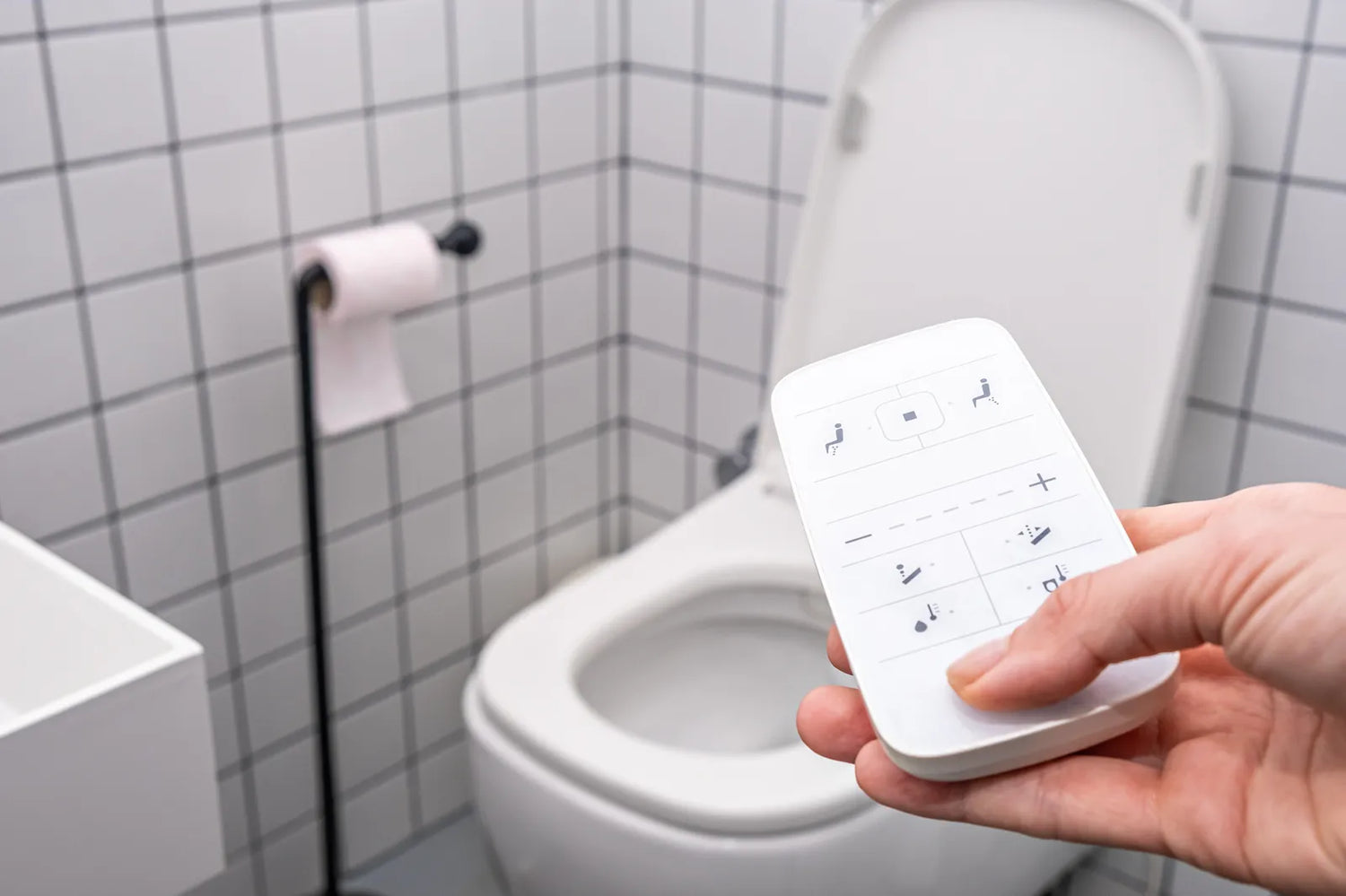
Yes—one piece smart toilet advantages are real, but only for the right home and the right buyer. They work best for homeowners who want easier cleaning, built-in bidet comfort, and hands-free features in one sleek fixture. The main limitation is that you are buying a powered appliance, not just a toilet, so installation, repairs, and long-term cost are more complicated than with a basic one-piece or two-piece toilet.
One-piece smart toilets are usually better for people who care more about hygiene, comfort, and hands-free convenience, while regular one-piece or two-piece toilets tend to work better for lower cost, simpler installation, and easier repairs.
This category may not fit well if you don’t have easy access to a GFCI outlet, if your bathroom space and clearance are tight, or if you want something that’s simple to maintain and repair over time.
In short, it’s less about “better or worse” and more about whether you prefer a comfort-focused bathroom upgrade or a straightforward, low-maintenance setup.
When It Works Well
A one-piece smart toilet tends to work well for primary-bathroom comfort seekers who want a more convenient daily experience. These users usually value features like heated seating, bidet washing, and hands-free flushing more than keeping things minimal.
It also fits well for older adults or users with mobility limits, where reducing bending, wiping, and touching surfaces can make daily use easier and more comfortable. In these cases, the convenience features often matter more than design complexity.
For families with kids, the hands-free flushing and easy-clean surface can make the bathroom easier to manage day to day. It helps reduce mess and simplifies cleaning routines in shared spaces.
For remodelers or homes with nearby electrical access, installation tends to feel more practical since power is already in place. In these setups, upgrading to a smart toilet usually involves fewer changes to the bathroom layout.

When It May Not Be Ideal
A one-piece smart toilet may not be ideal if your bathroom is tight, since some models take up more space than expected and can affect seating comfort or movement.
It may also be less suitable if adding electrical access is difficult or costly, because the system depends on stable power and proper outlet placement.
Another factor is repair and long-term maintenance—when something electronic fails, servicing can be more complex than with a standard toilet. It’s also worth checking how the specific model behaves during a power outage, including whether manual or emergency flushing is available, since features may vary by design.

Pros and Cons
A balanced view helps make the differences clearer, especially when the benefits in design and comfort come with a few practical trade-offs in cost, installation, and maintenance.
Pros
-
Cleaner-looking design: One-piece smart toilets usually have a sleek, modern appearance that makes a bathroom look more updated and high-end.
-
Easier exterior cleaning: Fewer seams and crevices than a two-piece toilet, especially with skirted sides.
-
Strong comfort features: Heated seat, adjustable bidet wash, warm air dry, deodorizer, and night light are the features users mention most.
-
Hands-free convenience: Auto flush, foot sensors, remotes, and auto lids reduce touching and can help with accessibility.
-
Good flushing performance on many models: Reviews often praise flushing performance and water-saving dual-flush options.
-
All-in-one upgrade: You get a matched toilet and smart seat together, instead of guessing whether an add-on bidet seat will fit and look right.
Cons
-
Higher purchase price: Even value models cost much more than a regular toilet, and premium units can easily reach four figures.
-
Needs electricity: A nearby GFCI outlet is often required, and electrical work can add cost.
-
Can be bulkier than expected: In small bathrooms, the extra depth or rear housing can be a problem.
-
Seat comfort varies: Some cheaper models have narrower or less ergonomic seats, which becomes more noticeable in daily use.
-
Dryer performance is often only okay: Good for comfort, but not always strong enough to fully replace toilet paper.
-
More complex repairs: If the electronics, sensors, or integrated bidet parts fail, service may be slower and more expensive.
Real-World Considerations
In real use, the difference between one-piece and two-piece toilets is not only about structure. Cleaning, installation, and long-term maintenance usually matter more than appearance alone.
What’s the difference between one piece and two-piece?
A one-piece toilet has the tank and bowl fused into a single unit. A two-piece toilet has a separate tank bolted to the bowl.
In real life, the big difference is not just appearance. One-piece models are usually easier to wipe down and look more modern. Two-piece toilets are usually cheaper, easier to move, and easier to repair with common parts.
A one-piece smart toilet adds another layer: now you are comparing not just one-piece vs two-piece, but also powered smart fixture vs standard toilet.
Which is better, a one piece or two-piece?
For most homeowners, one-piece is better if you care most about cleaning ease and appearance. It is a cleaner-looking upgrade over a two-piece model.
But two-piece is still better if budget, simple installation, and easy repairs matter most. That is why many plumbers still like them. They are familiar, modular, and easier to service.
So the answer is not universal. A one-piece smart toilet is better for comfort and convenience. A two-piece toilet is often better for low cost and low hassle.
What are the disadvantages of one-piece toilets?
Even before you get into smart features, one-piece toilets have some downsides. They are usually heavier, often cost more than two-piece models, and can be less convenient to handle during installation. When the design is fully integrated and smart, the repair side gets even more specialized.
Why do plumbers not like one-piece toilets? Usually not because they are bad toilets. It is more because they are heavier to install and less modular to service. With smart one-piece models, plumbers may also be dealing with electrical access, brand-specific parts, and troubleshooting that goes beyond normal plumbing.
What are the disadvantages of a two-piece toilet?
Two-piece toilets are usually cheaper and easier to repair, but they have their own trade-offs. The tank-to-bowl seam creates another area for grime, and the outside is often less convenient to clean. They also usually look more basic.
If you are choosing between a two-piece toilet and a one-piece smart toilet, the real question is whether you value simplicity or comfort and features more.
Installation requirements
Before ordering, it’s important to check more than just general dimensions. Confirm the rough-in size to make sure the toilet aligns with your existing drain position, and measure clearance behind and around the seat area, since some smart models extend further than standard toilets.
You should also verify electrical outlet placement, ideally a nearby GFCI outlet, to avoid running visible wiring or needing unexpected electrical work. Many installation problems happen because these small measurements are checked too late in the process.

Daily usability
In daily use, many owners end up using heated seats and bidet functions more than expected. But there is usually a short adjustment period. Guests may not know what buttons to use. Some households use only a few features and ignore the rest.
Seat shape matters more than many buyers expect. A narrow seat may not bother one person and may annoy another every single day.
Maintenance and long-term expectations
Smart toilets still need regular maintenance, but the type of care is different from standard toilets.
Over time, nozzle care becomes part of regular cleaning, especially for bidet functions that are used frequently. In areas with hard water, descaling may also be needed to prevent mineral buildup inside water channels or spray components.
Some models may include filters or sensors that require occasional checking or replacement, depending on usage. And if electronic components fail, repairs can be more brand-specific, which may mean longer wait times compared to standard toilet parts.
Overall, it still functions well for many homes, but the long-term experience is closer to maintaining a small appliance than a purely mechanical fixture. Electrical safety guidelines such as the National Electrical Code (NEC) require proper installation of bathroom appliances with heating and electronic components.

Who Should Buy / Who Should Skip
At this point, it becomes less about features on paper and more about whether the product actually fits your space, budget, and how you prefer to manage everyday use and maintenance.
Buy if:
-
You want a sleek, easy-to-wipe toilet with fewer exterior crevices
-
You care a lot about bidet hygiene, heated seat comfort, and hands-free use
-
You are placing it in a primary bathroom or master ensuite
-
You already have, or can easily add, a GFCI outlet near the toilet
-
Someone in the home benefits from less reaching, wiping, or touching
Skip or consider alternatives if:
-
You are on a strict budget
-
Your bathroom is very small or layout is tight
-
You want easy, low-cost repairs with common hardware-store parts
-
You dislike remotes, settings, or learning new controls
-
You rent, move often, or would be better served by a standard toilet plus add-on bidet seat
Decision Summary
If you need easy cleaning, built-in bidet comfort, and hands-free convenience in one fixture, a one-piece smart toilet is a good choice.
If you care more about low upfront cost, simple repairs, compact fit, and no electrical work, consider a regular one-piece or even a two-piece toilet instead.
FAQs
What are the disadvantages of one-piece toilets?
One-piece toilets are usually more expensive and heavier than two-piece models. This can make installation harder, especially in tight or upper-floor bathrooms. Repairs may also take more effort because the tank and bowl are not separated. In smaller spaces, they can feel slightly bulkier than expected.
Why do plumbers not like one-piece toilets?
Plumbers don’t usually avoid one-piece toilets, but they can be more difficult to install and service. The heavier weight makes positioning harder in tight spaces. Some models also include integrated parts that take longer to repair compared with standard toilets. This can increase labor time in certain installations.
Which is better, a one-piece or two-piece toilet?
A one-piece toilet is better if you care about appearance and easier cleaning. A two-piece toilet is better if you want lower cost and simpler repairs. In real use, neither is better for everyone. The right choice depends on whether you value design or practicality more.
What are the disadvantages of a two-piece toilet?
Two-piece toilets have visible seams where the tank connects to the bowl. This area can collect dust and require more cleaning. They also tend to look less modern than one-piece designs. However, they are usually cheaper and easier to repair.
What's the difference between one-piece and two-piece toilets?
A one-piece toilet combines the tank and bowl into a single unit. A two-piece toilet connects them during installation. One-piece models usually feel smoother and are easier to clean. Two-piece toilets are easier to transport and replace parts when needed.
Reference:
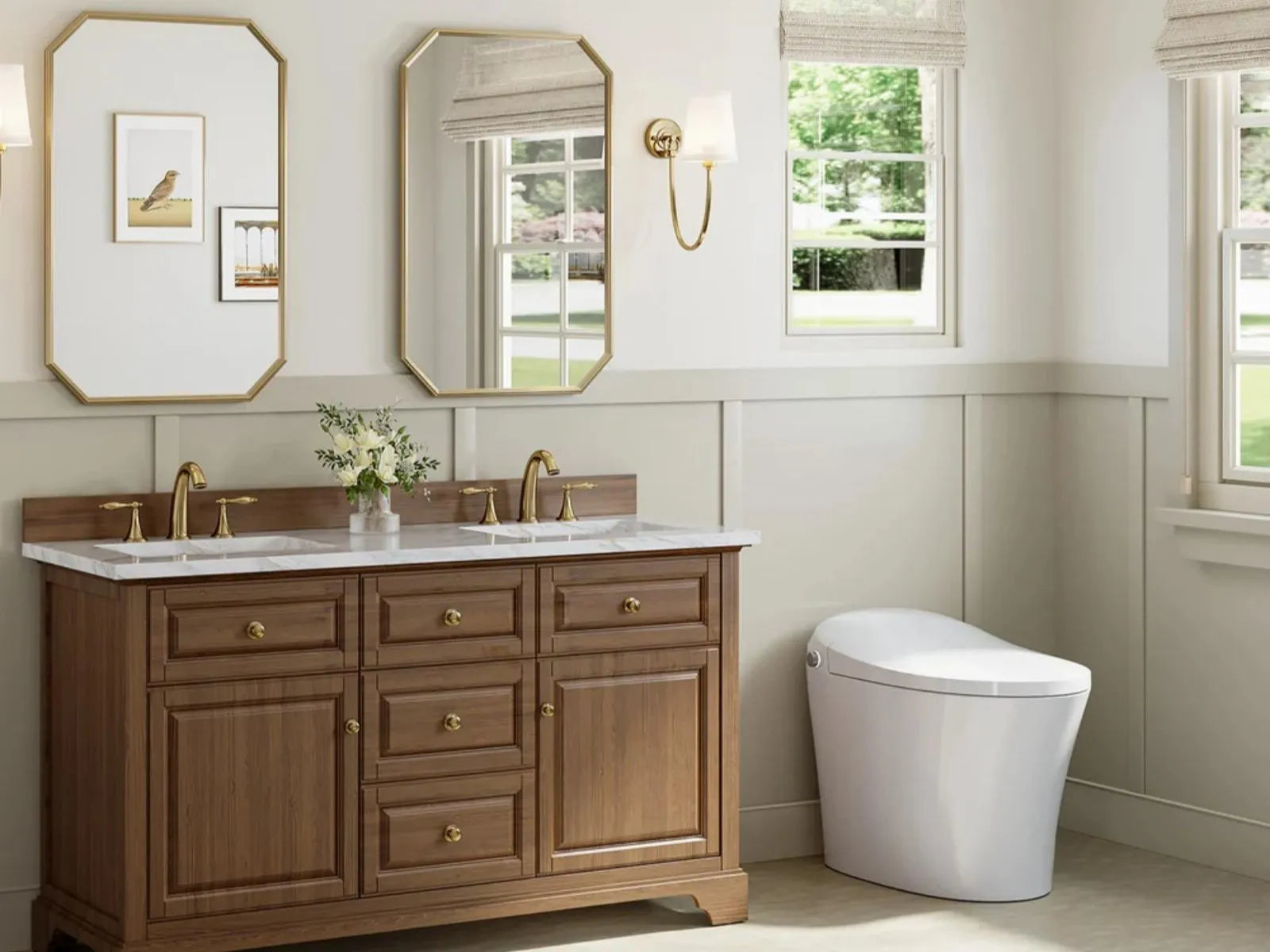


Leave a comment
This site is protected by hCaptcha and the hCaptcha Privacy Policy and Terms of Service apply.