
Shopping under $500? You're really choosing between three things: a bidet attachment, an electric seat, or a basic all-in-one smart toilet. Each works. Each has trade-offs.
If you want warm water and a heated seat, go electric. If you rent or just want to try the idea first, buy a non-electric attachment. And if you really want a full smart toilet at this price, know you're trading reliability for a cleaner look.
Quick Answer
For most homeowners, skip the full toilet replacement. An electric bidet seat on your current toilet gives you the biggest jump in comfort—warm water, heated seat, daily use—without crossing $500. If you rent or don't have an outlet nearby, buy a non-electric attachment instead. Measure your toilet shape and space first, or you might order something that doesn't fit.
Most people start this search thinking they want a “bidet toilet.” In this price range, that usually means one of three things: a non-electric attachment, an electric bidet seat, or a very basic entry smart toilet setup. Here’s what usually matters in real homes: fit, outlet access, and how much comfort you actually want every day.
Decision Snapshot
Start here
Complete these three checks first before making any purchase recommendation:
-
Confirm your toilet is round or elongated to match product size
-
Verify power outlet distance and cord reach meet usage standards
-
Measure bathroom inner space to rule out bulk installation conflicts
Fail any check, prioritize non-electric attachments or delay purchase temporarily
If you want the best mix of comfort and value, choose an electric bidet seat under $500. This is the sweet spot for most buyers.
If you want the simplest, cheapest upgrade, choose a non-electric attachment. It is simple to install, easier to remove, and better for rentals.
If reliability matters more than style, and you are okay with a more careful install, go for trusted options like Horow premium bidet seats from reputable brands rather than flashy low-cost integrated units.
Best for warm features
Choose an electric seat if you want:
-
warm water
-
heated seat
-
adjustable pressure
-
air dryer
-
remote control
-
easier daily use in winter
This is the best answer for people searching for the best entry-level smart toilet with heated seat and warm water. In practice, that “smart toilet” is usually a smart seat on your existing toilet.
Choose the alternative for rentals
Choose a non-electric attachment if:
-
You rent
-
You may move soon
-
You do not have an outlet nearby
-
You want a cheap, low-risk test before spending more
This is often the smartest path for beginners who want to try a bidet without spending much.
Choose premium-style if reliability matters
Some buyers should skip the cheapest electrics and buy a more proven electric seat near the top of the budget to own your favorite bidet with stable performance. That makes sense if:
-
You plan to stay in the home for years
-
You use the bathroom often
-
You care about better cleaning consistency
-
You want fewer regrets about flimsy controls or weak drying
Best bidet toilet under $500 vs alternatives
The main buying mistake here is comparing products that do not solve the same problem. A cold-water attachment and an electric seat are not close substitutes for many people. They share the same category, but not the same comfort level.
Electric seat vs non-electric attachment
An electric bidet seat is usually the best answer for the best bidet toilet seat under $500 for existing toilets because it gives you the features most buyers really want after the first week: warmth, adjustability, and a satisfying bidet experience.
A non-electric attachment wins on price and simplicity. It loses on winter comfort and long-term satisfaction for many households.
Bidet seat vs entry smart toilet
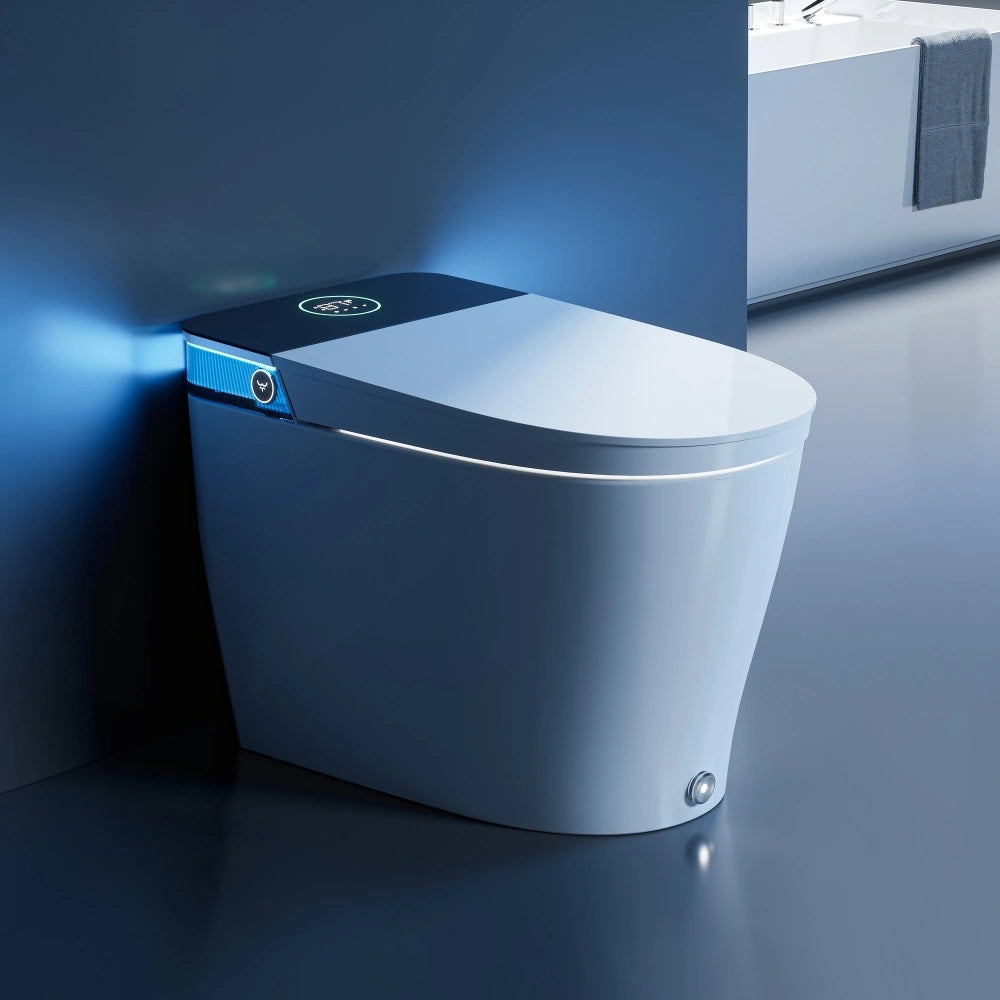
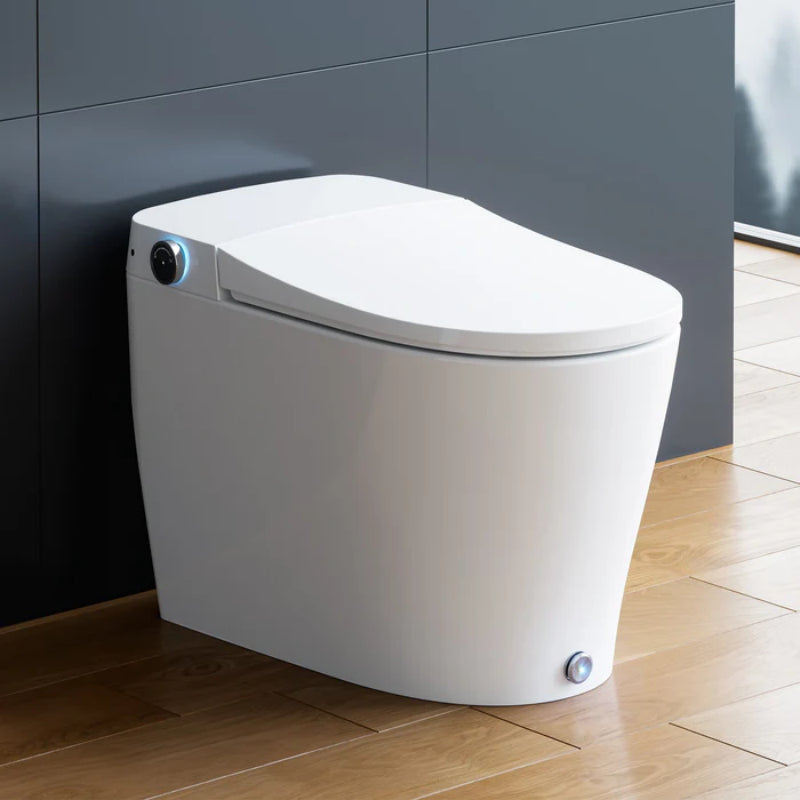
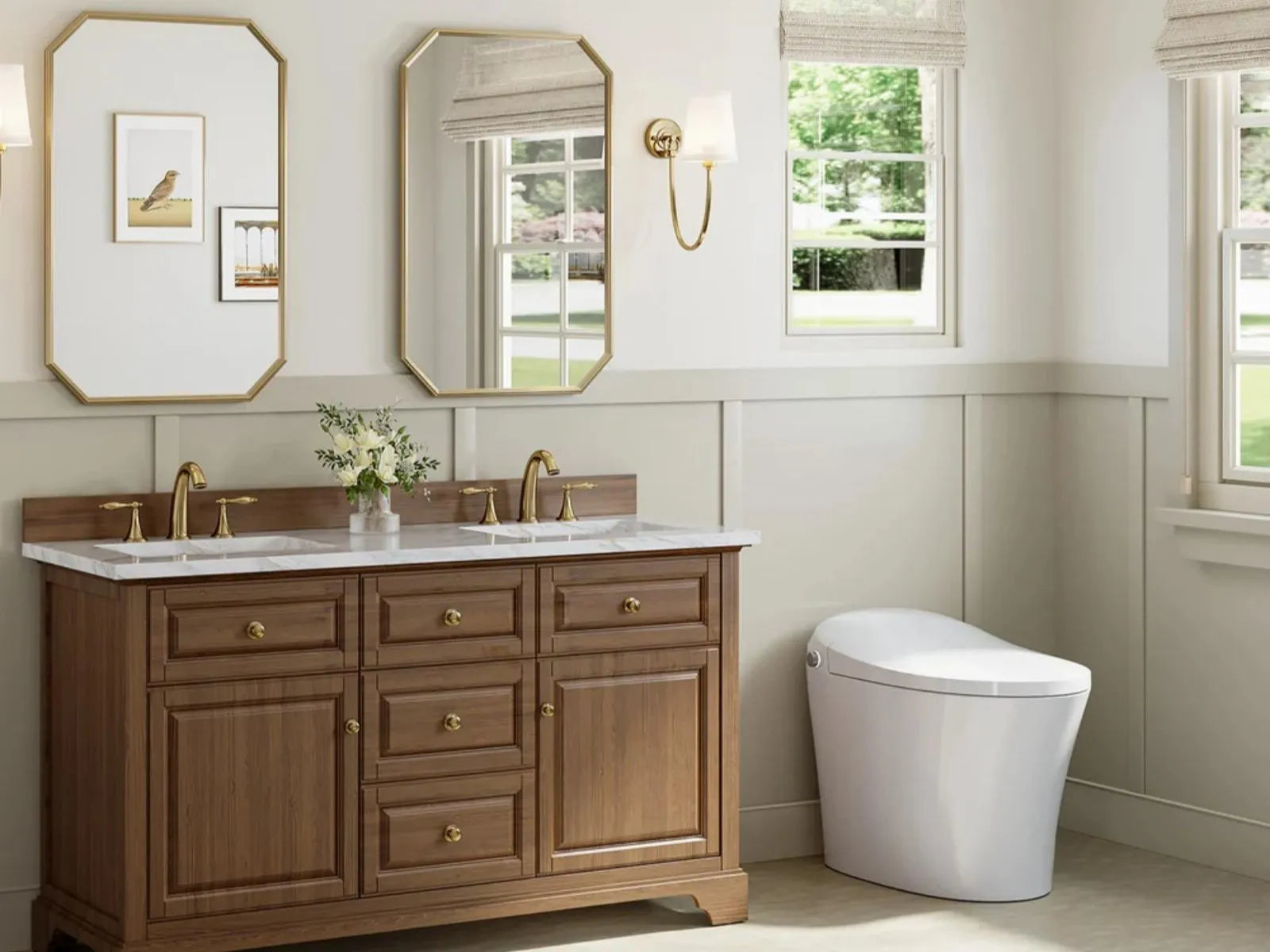
If you are searching for the best budget smart toilet with bidet under $500, set expectations carefully. Under $500, a true integrated smart toilet is usually a compromise. You may get a nicer look, but weaker reliability, fewer comfort features, or harder parts support.
A bidet seat forms a practical toilet combination with a regular toilet and is usually the smarter buy. You get more functional value for money.
Integrated unit vs seat on existing toilet
An integrated bidet toilet looks cleaner. It can also be harder to install, harder to service, and more limiting if one part fails. A seat on your existing toilet is less elegant, but easier to replace and usually a better value under this budget.
This is the real answer to integrated bidet toilet vs bidet attachment under $500: the seat is the better middle ground for most owners, while the attachment is the best low-risk choice.
Comparison table: fit, comfort, upkeep, regret
| Option | Typical cost | Install difficulty | Space impact | Comfort | Maintenance | Best for | Common regret |
| Non-electric attachment | $50–$130 | Very easy | Minimal | Basic, cold water | Low | Renters, beginners, guest bath | Cold water feels harsh in winter |
| Electric bidet seat | $250–$500 | Moderate | Moderate | High | Moderate | Daily users, homeowners, shared homes | Bought without checking outlet or fit |
| Entry integrated unit | $400–$500 | Moderate to hard | Higher | Mixed at this price | Moderate to high | Buyers who care most about sleek look | Less reliable than expected |
| Keep regular toilet | $0 | None | None | Familiar | Low | Poor fit situations | Missed chance for upgrade, but no install issues |
The key point is simple: if your budget tops out at $500, your best value is usually an electric seat, not a full replacement toilet.

Key differences that actually matter
Specs can blur together fast. Here’s what tends to separate a good decision from a regretted one.
Warm water changes winter satisfaction
This sounds small until you live with it. Many first-time buyers start with a non-electric model because it is cheap and easy. Then winter arrives. That is when many people decide cold water was fine in theory, but not in daily use.
So, what to expect from a bidet toilet under $500? If you buy electric, you can expect warm wash, adjustable temperature, and core parts that steadily heats the water in many models. If you buy non-electric, expect a clean spray, simpler controls, and fewer comfort features.
Warm water is not a luxury for everyone. But if you live in a cold climate, have sensitive skin, or want the bidet to feel easy every day, it matters a lot.
Toilet shape decides to fit first
Before features, check shape. This is the top reason people order the wrong unit.
Most toilets are too:
-
elongated
-
round
If you buy the wrong shape, the seat can overhang, sit poorly, or look awkward. This matters even more when shopping for the best bidet toilet under $500 for elongated toilets or the best bidet toilet under $500 for round toilets. Many of the better electric seats are more comfortable and easier to find in elongated sizes. Round toilet options exist, but fit is tighter and feature choices can be smaller.
Measure from the bolt holes to the front edge of the toilet bowl. Do not guess from photos.
Shared bathrooms need simpler controls
A remote sounds great. Sometimes it is. Sometimes it creates friction in a family bathroom.
If one person wants warm water, another wants low pressure, and a guest just wants a simple rinse, controls matter. Side panels are easier to understand at a glance. Remotes are nicer for comfort, but they can get lost, ignored, or feel fussy.
For a shared bathroom, the best value bidet toilet with remote control under $500 is only the best value if everyone will actually use it. In homes with kids, older adults, or frequent guests, simple controls often beat fancy ones.
Outlet distance can kill the deal
Electric seats need power. many bathrooms do not have an outlet arranged next to the toilet for convenient power supply. Even if there is an outlet, the cord path may be awkward or unsafe.
This single issue rules out many “best” picks. Extension cords in bathrooms are a bad workaround. If you do not have a nearby outlet, a non-electric attachment may be the right answer for now, or you may need to add an outlet before buying.
Hard water raises maintenance risk
Hard water is one of the least discussed buying factors. It should not stop you from buying, but it should shape your expectations.
In hard-water areas, mineral buildup can affect nozzles, valves, and water flow over time. Regular cleaning can help slow scale accumulation. For example, EPA WaterSense guidelines recommend periodic maintenance for any fixture using hard water. “Self-cleaning nozzle” does not mean “never clean it.” In a budget unit, maintenance tolerance matters more because parts and support can be less forgiving than in higher-end models.
If you have very hard water:
-
expect more cleaning
-
expect some spray quality changes over time
-
choose simpler designs if you hate maintenance

Warranty, parts, and support: when to avoid the cheapest electrics
Warranty and support matter more at this price point. Mainstream brands usually offer a 1- to 3-year warranty. The really cheap electric seats often come with little to no coverage.
Parts availability is another issue. Well-known brands stock replacement parts like nozzles, hoses, and control panels for years. Generic products drop support quickly. A small part fails, and the whole unit becomes useless.
Common problems with cheap electric bidets: water temperature goes in and out, seals leak, buttons stop responding. Also, an all-in-one smart toilet under $500 has more complex internals and is harder to fix. A separate electric seat is simpler and cheaper to maintain. If you want something that lasts, avoid the cheapest electric models and buy from a brand that actually supports what it sells.
Noise + nighttime use
Non-electric attachments are nearly silent. You just hear water moving. Electric seats make more noise — low hums, vibrations, and pump sounds, especially when heating water or running the dryer. At night in a quiet house, that can be noticeable.
If you're a light sleeper, live with a baby, or share a wall with a bedroom, a noisy budget electric seat might wake someone up. For bathrooms used after dark, a non-electric model or a seat designed for low noise is the better call.
Multi-user households: presets/profile memory vs constant resetting
Most bidets under $500 don't save user settings. Every time someone uses it, the water temperature, pressure, and nozzle position go back to default. So each person has to re-adjust from scratch.
In a house with different people — kids, parents, grandparents — that gets old fast. Instead of hunting for a budget seat with features it probably doesn't have, look for simple controls with fixed settings and easy side buttons. Skip the complicated models that promise everything but don't remember anything. Basic and consistent works better for families.
When an electric bidet seat under $500 is better
This section answers the real buyer question: when is spending more than an attachment actually worth it?
You want a heated seat and warm wash
If those two features matter to you, do not talk yourself into a cold-water attachment just to save money. You will likely end up upgrading later.
This is especially true if you are shopping for the best budget bidet toilet with adjustable water temperature and pressure. Those controls make the experience much easier to fine-tune, especially for sensitive users.
You use it every day
Daily use changes math. If one or two people in the home will use the bidet once or more each day, the extra cost of an electric seat pays off fast in comfort and less toilet paper use.
This is why many people asking is a budget smart toilet under $500 worth it should really ask a more useful question: will I use warm features often enough to care about? If yes, then yes, it is often worth it. If not, a simple attachment may be enough.
You need remote control for comfort
Some users have mobility limits, back pain, arthritis, or just do not want to twist to reach side controls. In those cases, a remote is not just a luxury feature. It can make the bidet much easier to use.
This is part of the answer to “Can I use a bidet after hip replacement?” In many cases, a bidet can be very helpful because it reduces reaching and twisting. But the best setup is one with easy controls, stable seating, and gentle pressure. People recovering from surgery should still follow their surgeon’s instructions, because each recovery plan is different.
You want easier elderly use
For older adults, an electric seat often makes more sense than an attachment. Warm water, a heated seat, and easier control can reduce discomfort and help maintain independence. A side panel with large buttons can be easier than a tiny attachment knob.
That said, the toilet height and bathroom layout matter too. If the person already struggles to sit down or stand up, the bidet feature alone may not solve the main problem.
When the alternative is better
Sometimes the “best budget smart toilet” is the wrong tool.
You rent and need easy removal
If you may move in a year, a non-electric attachment is usually the better choice. It costs less, installs fast, and removes with less hassle. It is the safest answer for people asking how to choose a bidet toilet under $500 for a regular toilet when they are not sure they will stay put.
You want the cheapest low-risk upgrade
If you are unsure whether you will even like a bidet, start simple. Affordable toilet attachments let you test the habit before committing more money.
This is often the best bidet for a beginner if the beginner is price-sensitive and open to cold water. If the beginner already knows they want comfort, then a budget electric seat is the better beginner option.
Your bathroom is tight in space
Some electric seats are bulky. They can change the seat height, stick out more in front, or crowd a very small bathroom. Attachments usually preserve more space and feel less visually heavy.
This matters if your toilet sits close to a vanity, wall, or tub. Even a product that technically fits the bowl may feel cramped in use.
You worry guests will hate buttons
If a bathroom gets lots of guests, very simple controls matter. Some people are happy to try a basic dial or lever. They may freeze when faced with multiple wash modes, dryer settings, and a remote.
In that case, a simple attachment to the guest bath and an electric seat in the primary bath can be the best split.

Common regrets before you buy
These are the issues that cause most buyers frustration.
Will this fit a round toilet?
Maybe, but do not assume. Round toilets have less front-to-back room, and some bidet seats look or feel cramped on them. If you need the best bidet toilet under $500 for round toilets, prioritize verified fit over extra features.
For elongated toilets, you usually have more good choices. If you need the best bidet toilet under $500 for elongated toilets, you are in the easier camp.
Is a budget smart toilet under $500 worth it?
Usually yes, if you mean an electric seat on your existing toilet. Usually no, if you mean a fully integrated smart toilet that promises too much at this price.
That is the cleanest answer. The seat category gives you the best value under $500 because most of the money goes into the features you feel, not the ceramic base and cosmetic redesign.
What happens during a power outage?
With an electric seat, heated water, heated seat, dryer, and many controls may stop working during an outage. Some units still allow basic toilet use, but the bidet features can be limited or unavailable.
A non-electric attachment does not have this problem. So if outages are common where you live, that is a real factor. Not a dealbreaker, but a factor.
Will the dryer feel too weak?
Maybe. This is one of the most common complaints with budget electric seats. Warm air dryers are useful, but many are slower and weaker than buyers expect. If you think the dryer will fully replace toilet paper every time, set lower expectations.
A more realistic expectation: it can reduce toilet paper use, but many people still use a small amount to pat dry.
That also answers a common question: Should you wipe if you use a bidet? Usually, you wash first. Then you either air dry, wait a bit, or pat dry lightly. The goal is less wiping, not always zero paper.
What features matter most
When people ask what features matter most in a bidet toilet under $500, these are the ones that actually change daily satisfaction.
Water temperature and pressure
This is number one for comfort. Adjustable temperature and pressure let you tailor the spray instead of enduring one harsh setting. Sensitive users, older adults, and beginners benefit a lot from this.
Seat heat
A heated seat is not essential. But for many people, it changes the feel of the product from “occasional gadget” to “daily comfort.”
Nozzle cleaning and adjustability
You want the nozzle to self-rinse and offer position adjustment. This helps both hygiene and usability.
Controls that match the users
Remote control sounds premium. Large side buttons can be more practical. Choose based on who will use the toilet, not on what sounds more advanced.
Easy install on your toilet
The best easy-to-install bidet toilet seat under $500 is the one that fits your bowl shape, water line setup, and outlet reality. Ease is not just about product design. It is about your bathroom.
Dryer and deodorizer
Nice extras, but not the first reason to buy. If you want the best budget bidet seat with air dryer and warm water, treat the dryer as a comfort bonus, not the main payoff.
Smart toilet vs bidet seat under $500
This comparison causes a lot of confusion because sellers use “smart toilet” loosely.
A true smart toilet is an integrated unit where the toilet and bidet are built together. A bidet seat upgrades your current toilet. Under $500, the bidet seat usually wins.
Here’s why:
-
better features for money
-
easier replacement if something fails
-
easier fit with standard toilets
-
less risk of paying for looks over function
If your goal is function, choose the seat. If your goal is a cleaner visual style and you accept more compromise, then an entry integrated option may appeal to you. But most practical homeowners should choose the seat.
Electric vs non-electric under $500
The question electric vs non-electric bidet seat for under $500 comes down to use pattern, climate, and patience.
Choose electricity if:
-
You want warm water
-
You care about winter comfort
-
You will use it daily
-
You want adjustable settings
-
You do not mind a nearby outlet and a more involved install
Choose non-electricity if:
-
You want a low cost
-
You want easy removal
-
You do not care about warm features
-
You want less to go wrong
-
You want a simple guest-friendly setup
In short, electric is the better long-term experience, and a well-selected great bidet seat can serve families for years. Non-electricity is the best low-risk experiment.
What comfort is really like
Buyers often ask, “What is the best bidet toilet for the money?” The honest answer is the one that gets used happily after the novelty wears off.
For every regular bidet user, comfort differences show up in a few places:
-
stream softness
-
pressure control
-
how long warm water stays warm
-
seat shape and thickness
-
how annoying the controls feel day to day
Budget electric seats can be very good. But they can still feel less refined than premium models. The stream may feel a bit less smooth. The dryer may be weaker. The seat may feel slightly bulkier. That does not make them a bad buy. It just means you should expect “very good value,” not the top-level feeling brought by a luxury bidet.
As for health questions, many buyers also wonder, “Do gastroenterologists recommend bidets?” Some medical professionals do suggest bidets or gentle water cleaning for people with hemorrhoids, irritation, or excessive wiping discomfort, because water can be gentler than repeated dry wiping. But pressure should be moderate, not aggressive, and anyone with ongoing symptoms should ask a doctor. Health guidance depends on the person, not just the product.
Installation realities
A lot of people skip checking their bathroom before buying. Then installation becomes a headache — or worse, unsafe.
A standard DIY install goes like this: remove the old seat, mount the new base plate, connect the water diverter, attach the hose, and if it's electric, plug it in. That's the simple version.
But don't force it if:
-
Your water shut-off valve is old and stuck
-
The toilet is pressed tight against the wall with no room to work
-
The nearest outlet is too far for a safe cord run
In those cases, either buy a non-electric attachment (no wiring needed) or pause and fix the electrical or plumbing setup first.
Also, don't just chase the lowest price. Under $500, buying an electric seat that actually fits your bathroom is a much better use of money than forcing an all-in-one smart toilet that doesn't belong there. Match the product to your space — that's what saves you time and rework later.

Final Verdict
Most buyers under $500 should put an electric seat on their existing toilet—best balance of comfort and reliability. Pick a non-electric attachment only if you rent or don't have an outlet. Measure your toilet shape and outlet distance first, or the best seat won't fit.
Before You Buy
-
Measure your toilet shape: round or elongated
-
Check the distance from toilet to power outlet
-
Confirm you have enough clearance near walls or vanity
-
Decide if cold water is acceptable in winter
-
Think about who will use it: solo, family, guests, elderly
-
Expect some cleaning if you have hard water
-
Do not overpay for an integrated look at the cost of function
FAQs
Which is best for beginners?
For most beginners, a non-electric attachment is the cheapest low-risk way to try a bidet. If you want warm water and a heated seat from day one, spend more on an electric seat. If you rent or don’t have an outlet near the toilet, stick with non-electric.
What is the best bidet toilet for money?
The best value is usually an electric bidet seat that fits your existing toilet, not a full toilet replacement. You get warm water, heated seat, and adjustable pressure without crossing the $500 line. Skip a fully integrated “smart toilet” at this price unless you’re willing to trade features and reliability for a cleaner look.
Can I use a bidet after hip replacement?
A bidet may help reduce twisting and reaching after hip replacement, but users should follow their surgeon’s recovery instructions. Gentle pressure and easy-to-reach controls can make it more practical, but every recovery plan is different. Talk to your doctor before relying on one.
Should you wipe it if you use a bidet?
Wash first, then air dry or pat dry lightly with a small amount of toilet paper. The goal is less wiping, not always zero paper. Most people still use a little to finish.
Who has the best prices for toilets?
Prices vary by retailer, brand site, seasonal sale, and installation needs. Compare total cost including shipping, warranty, and return policy instead of just the sticker price. Avoid vague claims about “deals” and check two or three sellers directly.
References


Leave a comment
This site is protected by hCaptcha and the hCaptcha Privacy Policy and Terms of Service apply.