



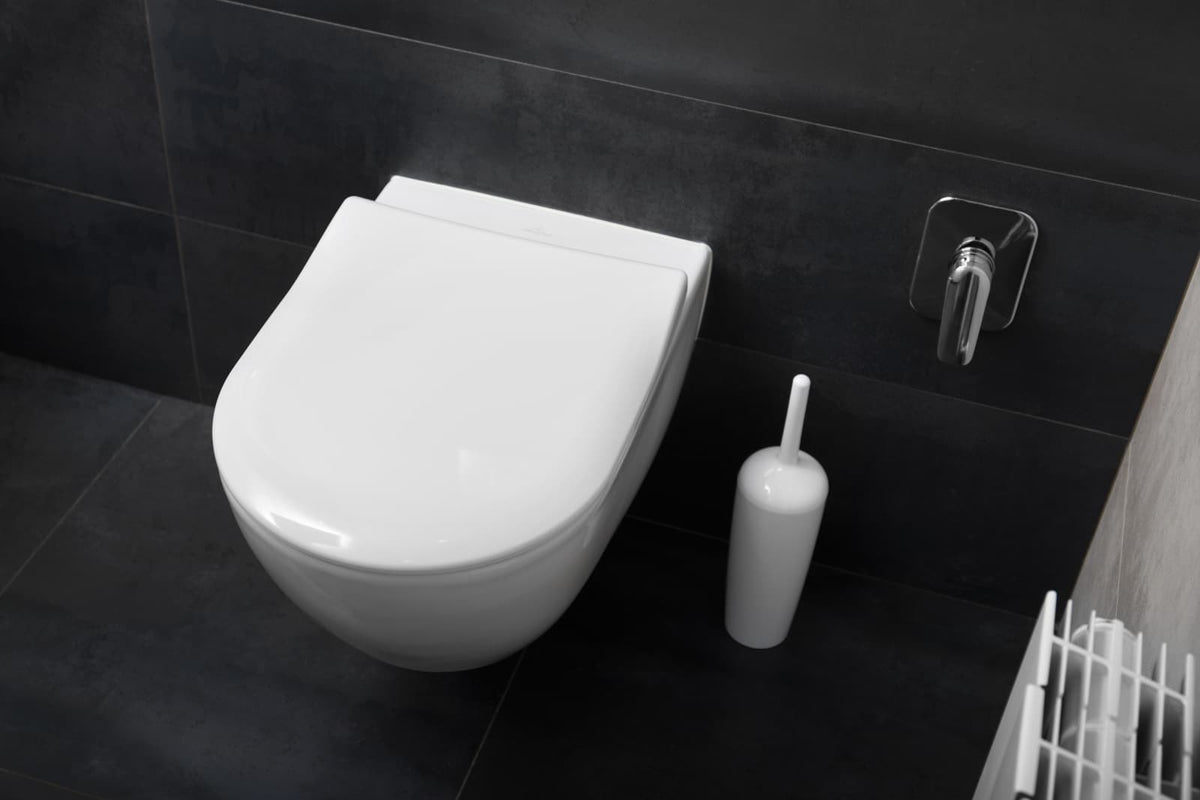
A smart toilet for an apartment can be worthwhile when it adds hygiene, comfort, or easier controls without requiring disruptive changes. The decision depends less on the feature list than on whether the exact model fits your plumbing, electrical setup, available space, building rules, and repair options.
For an owner planning to stay for years, an integrated smart toilet may justify the added installation and maintenance. For a renter, a home without suitable power, or a bathroom with uncertain clearances, a replaceable smart bidet seat is often the lower-risk first purchase.
The best rule is simple: verify installation, outage operation, and service support before comparing premium features.
Smart Toilet for Apartment: Decision Snapshot
A smart toilet combines a toilet with powered functions that may include bidet washing, seat heating, drying, sensors, or automatic flushing. Features and installation requirements vary by model, so the term does not describe one standard setup.
|
Living situation |
Lower-risk choice |
Why |
|---|---|---|
|
Owner staying for several years |
Compatible integrated smart toilet |
Long-term use can justify installation and servicing |
|
Renter with a compatible existing toilet |
Removable smart bidet seat |
Easier to reverse at move-out |
|
Bathroom without suitable nearby power |
Conventional toilet or non-electric attachment |
Avoids potentially disruptive electrical work |
|
Small condo bathroom |
Model verified from its installation drawing |
Footprint, lid movement, and service access are critical |
|
Building with unreliable power |
Model with a practical outage-flush method |
Basic toilet use should not depend entirely on power |
|
Area with limited repair support |
Conventional toilet with a replaceable smart seat |
The powered component can be replaced separately |
A full smart toilet is a reasonable candidate when:
- You own the home or have written approval for the work.
- The drain, water supply, outlet, and room layout match the exact model.
- The shutoff valve and plug will remain accessible.
- You value washing, warmth, or controls that reduce reaching.
- Local parts and qualified service are available.
- You accept added cleaning, descaling, and repair needs.
Delay the purchase when permission, power, fit, outage flushing, or service support remains uncertain.
Best Use Cases for Long-Term Residents
Integrated models make the strongest case for owners and long-term residents who will use their comfort and hygiene functions regularly. They can also suit a planned condo bathroom renovation because the outlet, water supply, and finishes can be arranged around the selected model.
Choose the toilet before finalizing wiring, plumbing, tile, and cabinetry. Retrofitting those elements after the room is complete may require opening finished surfaces or moving connections that worked with the previous toilet.
Is It Worth It for Renters?
For renters, value depends on reversibility. Replacing the apartment bathroom toilet may require approval even if no wall or floor is opened. Changes to the valve, outlet, circuit, plumbing, or finishes make written permission more important.
Before proceeding, confirm:
- Whether fixture replacement is allowed
- Whether licensed or building-approved contractors are required
- Who is responsible for leaks or damaged finishes
- Whether the original toilet must be restored
- Who pays for removal and reinstallation at move-out
Do not assume the landlord will accept the smart toilet as an improvement or allow it to remain after the lease ends.
When a Smart Seat Is Safer
A smart bidet seat preserves the existing bowl and tank while adding functions such as washing, seat heat, drying, or remote controls, depending on the product. This generally makes it easier to remove, repair, or take to another home.
The seat must still match the bowl shape, mounting area, and available clearances. Powered seats also require a suitable electrical connection and an approved water connection. They are not universally compatible, but they usually involve less commitment than replacing the entire fixture.
Deal-Breakers Favoring a Conventional Toilet
A conventional toilet is the safer choice when:
- The lease or building rules prohibit the necessary work.
- Installing suitable power would require unacceptable disruption.
- The fixture would block a door, crowd the vanity, or conceal the shutoff.
- The model has no practical flushing method during an outage.
- Replacement parts or local service cannot be confirmed.
- You want the fewest possible electronic and mechanical failure points.
A standard toilet with a separate smart seat also separates failures. If the powered seat stops working, the toilet may remain usable while the seat is repaired or replaced.
Which Benefits Justify Added Complexity?
The most valuable features solve a daily problem. Prioritize washing, practical controls, and comfort before app connectivity or elaborate automation.
Hygiene and Comfort Gains
Warm-water washing is often the primary reason to choose a smart toilet. Adjustable spray position, pressure, and temperature are generally more useful than a large number of specialized wash modes.
A heated seat can improve comfort in a cold bathroom. Warm-air drying may reduce paper use, although drying speed and effectiveness vary. Some users may still prefer to finish with toilet paper.
Treat “self-cleaning” carefully. It commonly refers to automatic nozzle rinsing or another limited cleaning function, not a maintenance-free toilet. The bowl, seat, exterior, sensors, hinges, and concealed edges still require cleaning according to the product instructions.
Accessibility That Reduces Reaching and Bending
A remote, reachable side panel, automatic lid, or hands-free flush may reduce twisting, reaching, or bending for some users. Whether those features help depends on the individual, the control layout, and the installation position.
Check more than the product’s feature list:
- Can the controls be reached from the seated position?
- Are labels and buttons easy to understand?
- Do essential functions work if the remote battery fails?
- Is the seat height comfortable for every regular user?
- Can automatic features be disabled if they cause problems?
A feature marketed for convenience is not automatically suitable for a specific mobility need. When accessibility is a priority, evaluate the toilet with the intended user and any relevant professional guidance.
Integrated Toilet Versus Smart Seat
An integrated smart toilet offers a unified appearance and may coordinate sensors, washing, and flushing within one fixture. The trade-off is greater repair dependence: electronic controls, water components, the seat, and the toilet may be more closely connected.
Before buying, ask whether common components can be replaced separately. A failed remote or lid mechanism should not automatically require replacement of the complete fixture, but serviceability varies by model.
A smart seat is less visually seamless, yet it limits commitment. You retain the existing toilet, can replace the powered section independently, and usually have a simpler move-out plan.
You can compare available formats in the HOROW smart toilet collection, but compatibility must be confirmed from each model’s current documentation.
Automation in Shared and Guest Bathrooms
Automatic opening and flushing can be convenient in a private bathroom but confusing in a shared or guest bathroom. Sensors may also activate when someone uses a nearby sink or passes close to the toilet.
Look for automation that can be adjusted or disabled. Guests should have an obvious physical flush control without needing an app or a detailed explanation. Households with children should also confirm how the seat sensor and spray controls prevent unintended operation.
What Will Installation Really Cost?
The purchase price is only part of the cost. Labor and repairs depend on the existing drain, flange, shutoff valve, water connection, power supply, floor condition, finishes, and building procedures.
Instead of relying on a generic installation estimate, identify which scenario applies:
|
Installation condition |
Likely effect |
|---|---|
|
Compatible drain, working valve, suitable power |
Lower installation complexity |
|
No suitable nearby outlet |
Electrical assessment and possible wiring work |
|
Wiring concealed behind tile or concrete |
Greater disruption and finish-repair risk |
|
Valve conflicts with the toilet body |
Plumbing modification may be necessary |
|
Damaged flange or uneven floor |
Repair before the toilet can be sealed and leveled |
|
Restricted side or rear access |
More difficult installation and future service |
|
Managed building with work procedures |
Possible contractor, scheduling, or approval costs |
Straightforward Replacement Scenario

The simplest replacement begins with a compatible drain position, sound flange, usable shutoff valve, level finished floor, and electrical connection that meets the model’s instructions and applicable local requirements.
Even then, an integrated unit should not be treated as a universal swap. The body may be heavy or awkward to position, and concealed hoses, cables, or mounting hardware must be installed without pinching or damaging them.
Have the installer inspect the existing fixture area before ordering whenever possible.
What If Nearby Power Is Unavailable?
Do not choose the toilet until a qualified electrician has reviewed the exact product instructions and existing electrical setup. Requirements differ among models, and a bathroom receptacle that happens to be nearby may not be suitable.
The larger issue is often the wiring route. In an apartment or condo, new wiring may have to pass through tile, concrete, ceilings, or managed common areas. That can turn a fixture replacement into a broader alteration project.
Ask:
- Can suitable power be provided without opening finished surfaces?
- Does the existing electrical system support the model’s listed requirements?
- Where can the receptacle be placed without conflicting with the toilet?
- Will the plug remain accessible after installation?
- Are plans, permits, inspections, or approved contractors required?
Do not use an extension cord as a substitute for confirming the required permanent setup.
Hidden Plumbing and Finish Repairs
Removing the original toilet may reveal corrosion, an uneven floor, a damaged flange, or previous water damage. A new base may also have a different outline, exposing unfinished or discolored flooring.
The shutoff valve is another common constraint. A valve that was accessible beside a tank may be blocked by the shell of an integrated toilet. Moving it can add plumbing and finish work.
Request separate estimates for the fixture installation, electrical work, plumbing corrections, finish repair, and building-related charges. This makes it easier to abandon an unsuitable model before costs escalate.
Recurring Power, Filters, and Service Costs
Ownership costs may include electricity, filters, deodorizing components, remote batteries, descaling supplies, and service visits. Not every model uses every consumable.
For each candidate, ask:
- Which consumables are required?
- Can they be purchased directly and locally?
- Can they be replaced without moving the toilet?
- Are maintenance reminders built into the unit or manual?
- Does service require removal and reinstallation?
A low-cost filter is not convenient if replacing it requires a technician to pull the toilet away from the wall.
Will the Exact Model Fit?
A toilet can fit within the room yet remain incompatible with the drain, valve, outlet, lid arc, or service requirements. Compare your measurements with the exact installation drawing rather than relying only on advertised width and depth.
Measurement and Clearance Checklist
Record the following from finished surfaces:
- Finished wall to drain center
- Available width at floor and seat level
- Total projection into the room
- Clear space in front of the bowl
- Distance to the vanity, tub, shower, and walls
- Bathroom and cabinet-door swings
- Space required for the fully open lid
- Shutoff-valve position
- Outlet position and permitted cord route
- Access to filters, panels, hoses, plug, and mounting hardware
Thick tile, wall panels, and base trim can reduce usable space. Note any floor slope or existing movement around the flange for the installer to assess.
Rough-In, Valve, and Outlet Alignment
Never assume that a common rough-in, valve position, or outlet arrangement fits every model. Compare the bathroom measurements with the candidate’s current installation drawing.
Map the drain, valve, and receptacle on one sketch. A connection may appear close enough but still conflict with the toilet body, require an unacceptable cord route, or leave the shutoff inaccessible.
Some installation drawings identify areas where connections can and cannot be placed. Follow the exact model documentation rather than a generic smart-toilet diagram.
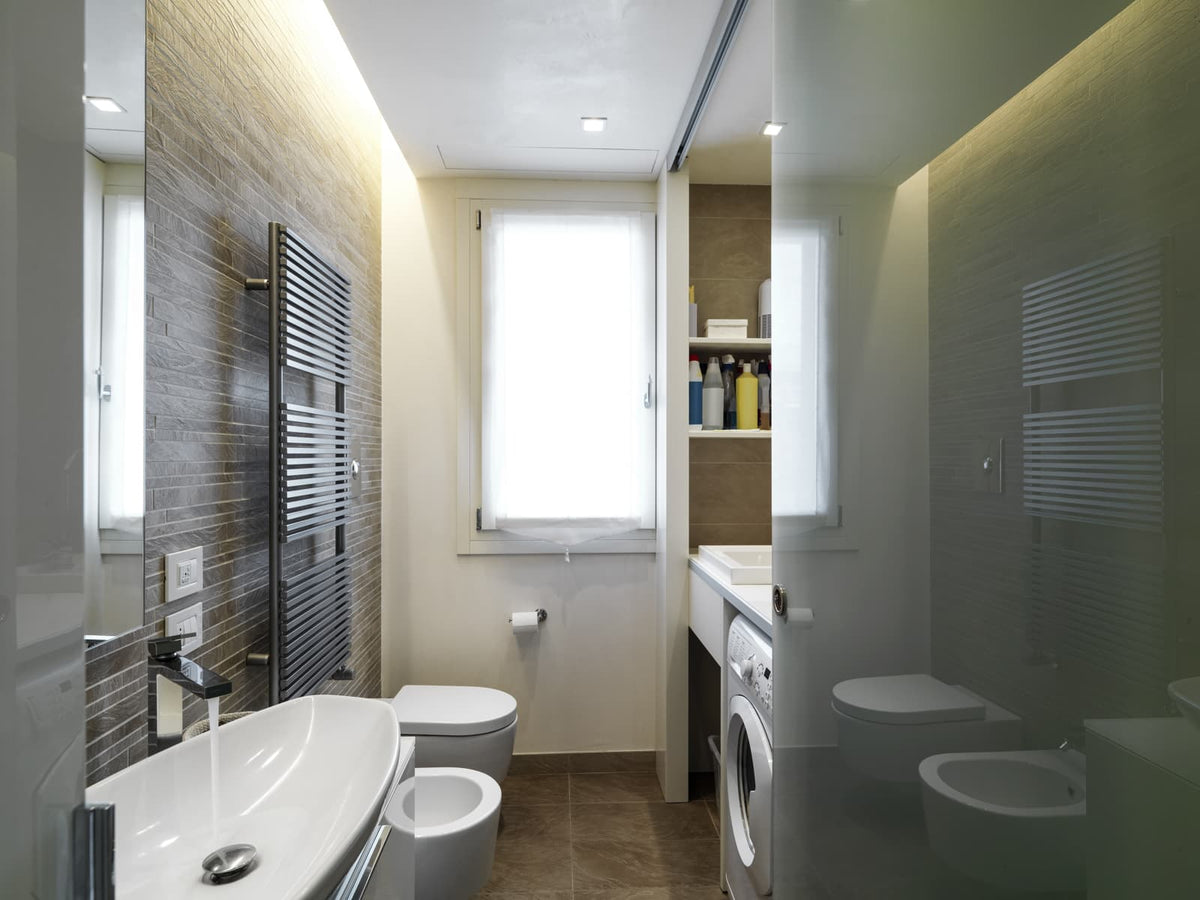
Will It Fit a Small Bathroom?
Depth is often the limiting factor in a small condo bathroom. A deeper fixture can reduce knee room, interfere with the vanity, or prevent the bathroom door from opening fully.
Use painter’s tape to mark the complete footprint on the floor. Then test:
- Sitting and standing space
- Door and drawer movement
- Access between the toilet and vanity
- The lid’s full opening path
- Reach to controls and toilet paper
- Access to the shutoff and plug
Also check shelves, grab bars, window ledges, and wall cabinets above or behind the fixture. An automatic lid needs room to move without striking nearby objects.
Service Access Beyond the Footprint
Installation clearance and service clearance are not always the same. A technician may need to disconnect the hose and plug, remove a filter, open a side panel, or move the entire fixture.
Ask how the unit is removed and whether removal could damage caulk, flooring, or nearby finishes. A model fits only if it can be used, cleaned, disconnected, and serviced—not merely placed in the available footprint.
Can Installation Stay Legal and Reversible?
Owning a condo does not always provide unrestricted authority to alter plumbing or electrical systems. Landlords, condo associations, co-op boards, and building managers may control the type of work, contractor access, and water shutdowns.
Landlord and Condo Bathroom Approval
Obtain written approval when required before ordering the fixture. Provide the exact model documentation and describe any proposed work to the toilet, valve, outlet, circuit, wall, floor, or shared plumbing.
Ask management about:
- Contractor qualifications and insurance
- Permits or inspections
- Approved working hours
- Water-shutdown procedures
- Elevator and loading access
- Debris removal
- Restoration requirements
Verbal permission provides little protection if a leak, finish dispute, or move-out disagreement occurs later.
Qualified Plumbing and Electrical Work
Use professionals who are permitted to work in the building and can follow the model-specific instructions. The plumber should assess the drain, flange, supply, shutoff, and connections. The electrician should assess the power requirements and proposed connection against the existing installation and applicable rules.
Confirm responsibilities before scheduling. Some toilet installers do not perform electrical work, and an incomplete site can leave the new fixture unusable.
Keeping the Original Toilet for Move-Out
Renters should keep the original toilet when the lease or landlord requires restoration and suitable storage is available. Clean and dry it before storage, and protect the porcelain from impact.
Document its condition and confirm who will store it, reinstall it, and pay for that work. Do not discard a landlord-owned fixture without written authorization.
Final Function and Emergency Testing
Before the installer leaves, test:
- Repeated filling and flushing
- Visible connections for leaks
- Wash position, pressure, and temperature controls
- Heating and drying functions
- Lid and occupancy sensors
- Remote pairing and controls on the unit
- Access to the water shutoff
- The documented outage or emergency-flush procedure
Inspect the floor and connections again after the toilet has been used. Residents should know how to close the shutoff valve if moisture appears.
How Will It Work Day to Day?
A suitable installation can still produce a frustrating bathroom if the toilet is noisy, the controls are confusing, or automatic features react poorly in a tight room.
What Happens During a Power Outage?
Powered washing, heating, drying, deodorizing, and automatic functions generally depend on electricity. Flushing behavior varies by model.
Before buying, confirm:
- Whether flushing remains available without power
- How the emergency or manual procedure works
- Whether the lid can be opened manually
- Whether the toilet remains usable as a basic seat and bowl
- What happens to saved settings when power returns
Every resident should be able to use the fallback procedure. Do not assume that a battery, manual flush, or other backup is included unless the current manual states it.
Low Pressure and Water Interruptions
Smart toilets operate within model-specific water conditions. If the apartment experiences weak or unstable flow, tell the installer and compare the conditions with the product documentation.
During a building water shutdown, washing and flushing may be unavailable. Follow the manufacturer’s restart instructions after service returns, particularly if pipework has been disturbed or flushed.
Noise, Sensors, and Automatic Features
Dryers, fans, pumps, powered flushing, and lid motors may be noticeable in a quiet apartment, especially when the bathroom shares a wall with a bedroom.
Sensors can also be awkward in a confined layout. A lid may open when someone reaches for the sink, or automatic flushing may occur earlier than expected. Choose adjustable features and verify that unwanted automation can be disabled.
Controls for Families and Guests
Basic operation should be obvious without Wi-Fi, an app, or a cloud account. A visible flush control and usable buttons on the fixture are valuable when the remote is missing, unpaired, or out of battery.
Presets may help regular users, but guests need simple instructions. In a shared bathroom, dependable offline controls usually matter more than extra connectivity.
What Does Long-Term Ownership Demand?

A smart toilet combines water, electronics, heat, sensors, and moving components. It therefore requires more model-specific care than a conventional ceramic toilet.
Hard Water and Descaling Burden
Mineral buildup may affect nozzles, filters, valves, and water-heating components. If deposits form quickly on the apartment’s faucets or showerhead, review the toilet’s descaling and filtration instructions before buying.
Confirm which cleaning products are permitted and whether the procedure requires special supplies or access. Do not improvise with chemicals that the care guide does not approve.
Cleaning Nozzles, Filters, and Sensors
The bowl still needs routine cleaning. Nozzles, sensor windows, seat gaps, hinges, controls, and concealed edges may require additional attention.
Avoid directing cleaner or excess water into electrical openings. Cleaning products that are suitable for ceramic may not be appropriate for plastics, coatings, seals, or sensors. Follow the exact care instructions.
Leaks and Apartment Water-Damage Risk
A leak in an apartment can damage the bathroom and potentially affect the residence below. Keep the shutoff valve visible, reachable, and operable.
Check periodically for moisture around the supply hose, valve, base, and nearby flooring. If a model advertises leak detection, determine whether it only sends an alert or can take additional action. The phrase alone does not describe the level of protection.
Can You Get Parts Locally?
Before the return period ends, ask the seller or service provider:
- Who performs warranty and paid repairs in your area?
- Are remotes, filters, seats, valves, and electronic components sold separately?
- Must the toilet be removed for common repairs?
- Who pays for removal and reinstallation?
- What support is available after warranty coverage ends?
A sophisticated fixture becomes a poor apartment purchase if a small unavailable part leaves it difficult to use.
How Should You Choose the Lowest-Risk Model?
The lowest-risk smart toilet is not necessarily the one with the fewest or most features. It is the model whose installation, fallback operation, maintenance, and service arrangements you can verify before ordering.
Verify Every Model-Specific Requirement
Download the current installation drawing, manual, and care instructions. Compare them with your measurements and have relevant professionals review them when plumbing or electrical work may be needed.
Confirm:
- Drain and mounting compatibility
- Water-supply and shutoff placement
- Required water conditions
- Electrical requirements and cord route
- Lid, door, and front clearances
- Filter and service access
- Cleaning and descaling procedures
- Power-outage operation
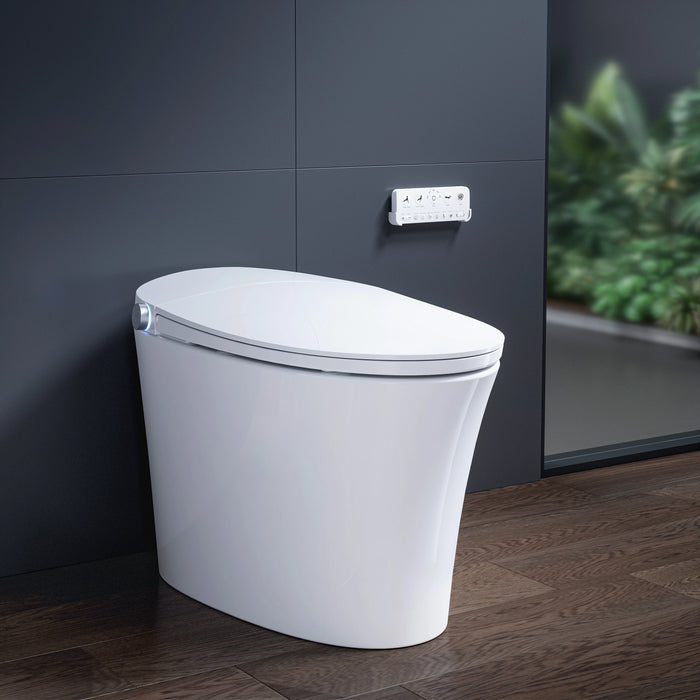
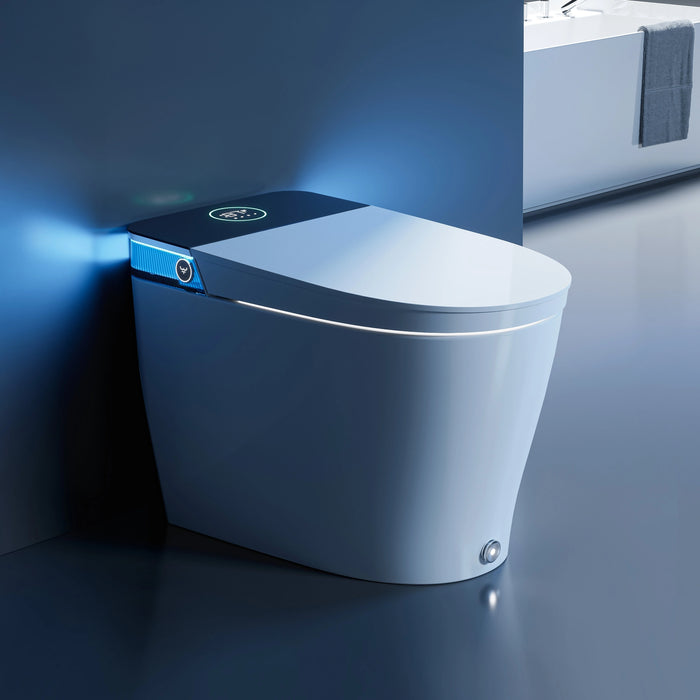
When reviewing individual options such as the HOROW T33 product page or HOROW T38 product page, use the current technical documents—not the product name alone—to determine compatibility.
Prioritize Manual Overrides and Offline Controls
Favor a physical flush control, essential controls on the fixture, manual lid operation, and a clearly documented outage procedure. The ability to disable automatic opening or flushing is particularly helpful in a small bathroom.
Apps and remotes can add convenience, but basic toilet operation should not become confusing when Wi-Fi, pairing, batteries, or a mobile service is unavailable.
Compare Warranty and Local Service
Read what the warranty covers, excludes, and requires from the owner. Parts coverage does not necessarily address the labor involved in diagnosing, removing, or reinstalling the toilet.
Identify a realistic service route before buying. Local repair access and replaceable components can matter more than broad warranty wording.
Final Go-or-No-Go Checklist
Proceed with an integrated smart toilet only if you can answer yes to the essentials:
- Permission is documented where required.
- The exact drain, valve, power, and clearance requirements match.
- The shutoff and plug remain accessible.
- Installation and possible finish repairs are understood.
- Outage flushing is practical for everyone in the home.
- Cleaning, descaling, and consumables are manageable.
- Parts and qualified service can be obtained.
- Renters have a workable restoration plan.
If one of those answers is no or unknown, postpone the order or compare a removable smart bidet seat instead.
Before You Buy
- Measure from finished walls and floors.
- Review the exact manual with the installer.
- Obtain written building or landlord approval where required.
- Confirm the complete installed-work scope before ordering.
- Test the footprint, lid arc, door swing, and service access.
- Verify outage flushing and offline controls.
- Check cleaning, descaling, parts, and service requirements.
- Keep the original toilet if move-out restoration may be required.
Common Questions
What is a smart toilet for an apartment?
It is a toilet with powered functions that may include bidet washing, seat heating, drying, sensors, or automated flushing. Apartment suitability depends on the exact model’s fit, utility requirements, building rules, and service needs.
Is a smart toilet for apartment living worth it?
It can be worth it when installation is straightforward, permission is clear, and the household will regularly use the hygiene, comfort, or control features. It is less compelling when electrical alterations, limited space, or uncertain repair support create substantial risk.
Does a smart toilet need electricity?
Powered functions require electricity, but the exact connection requirements and power-outage behavior vary. Check the current manual and have the proposed setup assessed before purchase.
Can renters install a smart toilet?
Only when the lease and building rules allow it. Written approval may be required, and the renter may need to preserve the original fixture. A compatible smart seat is often easier to reverse.
Can a smart toilet flush without power?
Some models provide a manual or emergency method; others depend more heavily on powered components. Confirm the exact procedure in the manual rather than assuming backup flushing is included.
Is an integrated toilet better than a smart seat?
An integrated model offers a unified design and coordinated functions. A smart seat is usually easier to remove and replace, making it the lower-risk option for many renters and uncertain installations.
Reference
https://www.epa.gov/system/files/documents/2022-05/ws-products-perfomance-toilets.pdf


Leave a comment
This site is protected by hCaptcha and the hCaptcha Privacy Policy and Terms of Service apply.