



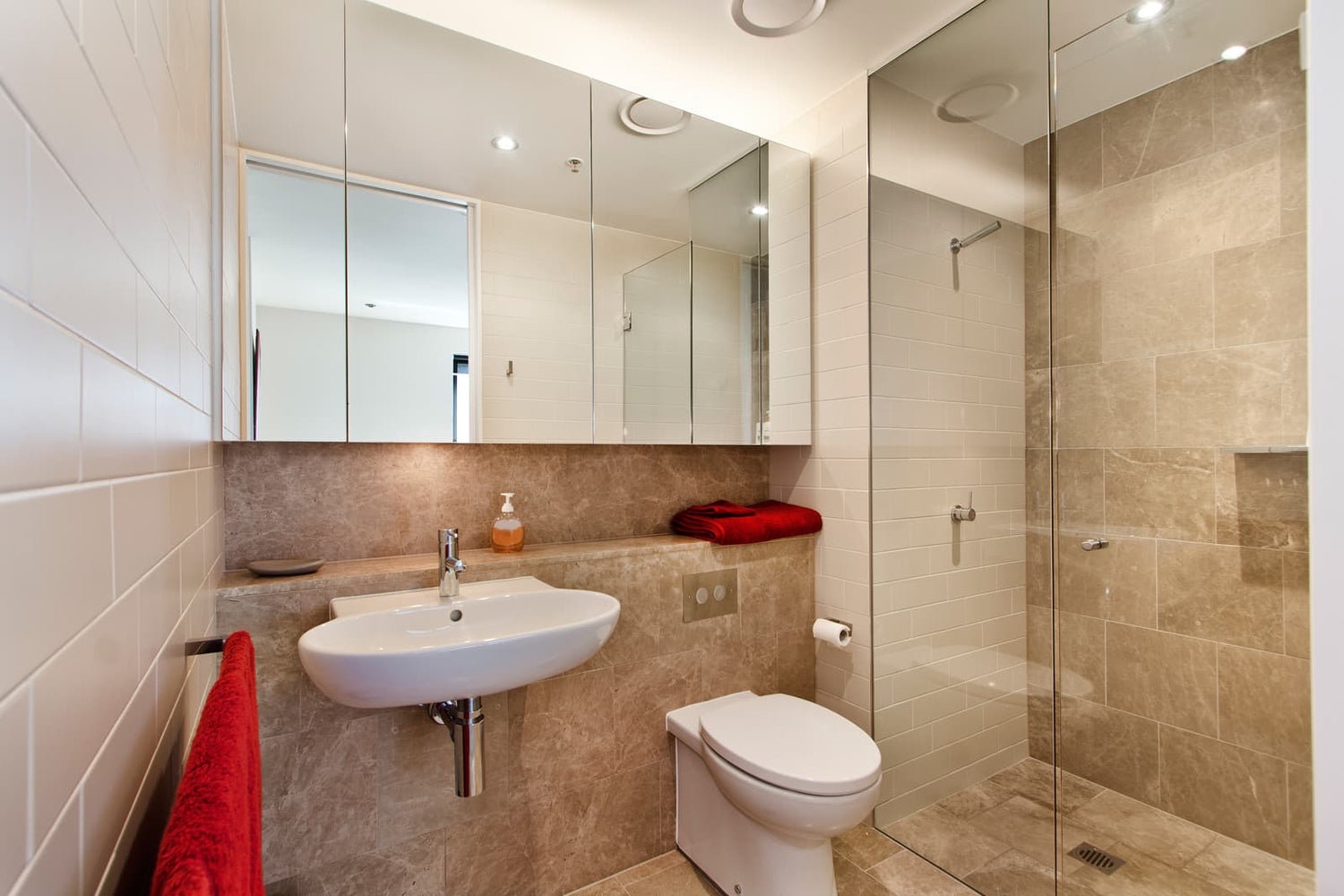
A shower door finish affects more than style. It determines how clearly you see water spots and fingerprints, how easily the enclosure coordinates with other fixtures, and how difficult visible hardware may be to match later.
The short answer is that each finish solves a different problem. Brushed nickel works well in busy bathrooms, chrome offers brightness and availability, black creates contrast, brass adds warmth, and stainless suits cooler contemporary spaces. Polished nickel offers warmer shine, while bronze creates a darker, traditional look.
Before comparing colors, check what the finish name means. “Nickel,” “brass,” and “stainless” may describe the appearance rather than the material under the surface. If corrosion resistance or long-term replacement is important, ask about the frame, hinges, handle, fasteners, coating, and available parts—not just the advertised color.
Shower Door Finish Guide: Decision Snapshot
Use the same decision dimensions for every option: appearance, visible residue, matching difficulty, replacement access, and room conditions.
|
Finish |
Best suited to |
Maintenance visibility |
Main trade-off |
|
Brushed nickel |
Shared bathrooms and buyers who prioritize a forgiving surface |
Hides light spots and fingerprints relatively well |
Undertones vary from warm beige to cool gray |
|
Chrome |
Budget-conscious buyers, compact rooms, and common fixture schemes |
Easy to wipe but shows dried droplets |
Reflective surface reveals spotting quickly |
|
Matte black |
Modern rooms needing strong contrast |
Pale mineral and soap residue can stand out |
Scratches, worn edges, and buildup may be conspicuous |
|
Satin brass |
Warm, style-led bathrooms |
Satin texture can soften light marks |
Gold tones vary considerably between sellers |
|
Polished nickel |
Refined or traditional rooms needing warm shine |
Shows fingerprints and water spots |
Harder to distinguish and match across brands |
|
Stainless look |
Rooms with cool brushed stainless fixtures |
Brushed versions can be relatively forgiving |
The name may not describe every component’s material |
|
Bronze |
Traditional, rustic, or earth-toned bathrooms |
Dark color may conceal some smudges but show pale residue |
Can feel heavy in small or dim rooms |
There is no unconditional winner. Choose brushed nickel when low visual maintenance comes first, chrome when brightness and broad availability matter, or black and brass when the shower is intended to become a design feature.
Brushed Nickel Fits Busy, Shared Bathrooms
Brushed nickel is a practical middle ground because its directional texture breaks up reflections. Light fingerprints, dried droplets, and wipe marks generally attract less attention than they do on polished hardware.
It works especially well in family bathrooms, shared primary baths, and showers used repeatedly throughout the day. Its moderate visual weight also suits transitional rooms that combine modern and traditional details.
The main risk is undertone. One brushed nickel shower door may look warm and beige, while another appears cooler and grayer. Compare nearby fixtures directly rather than trusting the shared finish name.
Choose Chrome for Budget-Friendly Brightness
Chrome is crisp, reflective, and commonly offered. It can help hardware recede against clear glass and pale tile, making it useful in compact bathrooms or rooms with strong patterns elsewhere.
Its weakness is visibility rather than cleaning difficulty. Chrome usually wipes back to a bright surface, but dried droplets and fingerprints are easy to see between cleanings.
Chrome also makes sense when future coordination matters. A common finish is generally easier to approximate than a proprietary gold, bronze, or black coating, although exact replacement-part availability should still be checked before purchase.
Choose Black or Brass for Style-First Buyers
Matte black outlines the enclosure and gives the glass an architectural appearance. Satin brass adds warmth without producing quite as dark a boundary. Both suit buyers who want the shower hardware to participate in the room’s design rather than disappear.
These finishes require careful coordination because their tones vary widely. Black can range from charcoal to satin, while brass may appear anywhere from champagne to yellow-gold. Small online samples may not accurately show the final sheen or undertone.
Choose black for graphic contrast. Choose brass for warmth. Avoid either as a matching shortcut unless you can compare samples with the surrounding fixtures.
Choose Stainless Steel for Existing Stainless Fixtures
A stainless steel shower door or stainless-look enclosure can connect visually with cool gray faucets, towel bars, and cabinet hardware. It works particularly well in restrained contemporary rooms.
However, a “stainless steel finish” does not establish that every visible or structural component is stainless steel. Frames, hinges, rollers, handles, and fasteners may use different materials or coatings because they perform different functions.
If material performance matters more than appearance, request actual material details and follow the stated care instructions.
Which Trade-Off Separates the Finishes?

The useful question is not which finish is universally best. It is which drawback will bother you least: visible water spots, matching difficulty, strong visual weight, limited replacement options, or a higher finish surcharge.
Chrome vs Black Shower Door: Brightness or Drama
The chrome vs black shower door decision begins with visual weight. Chrome reflects nearby colors and can blend into clear glass. Black creates a firm outline, making the enclosure more prominent.
Choose chrome when the room is small, the tile is already busy, or you want the hardware to recede. Choose black when plain surfaces need structure or when black is repeated intentionally through a mirror, faucet, light fitting, or cabinet detail.
Maintenance creates the second divide. Chrome shows cloudy droplets and fingerprints. Black may conceal some dark smudges, but pale soap and mineral residue can be highly visible. If your water leaves white marks on dark fixtures, expect similar contrast on a black shower door.
Satin Brass Shower Door or Darker Bronze
A satin brass shower door adds a lighter, warmer accent. It pairs naturally with cream tile, warm white walls, wood vanities, and stone containing beige or gold movement.
Bronze is darker and more subdued. It tends to fit traditional, rustic, or earth-toned rooms, but it may appear almost black under limited light. That can make a framed enclosure feel heavier than expected.
Color consistency is the central trade-off. “Satin brass,” “brushed gold,” and “bronze” are not standardized shades. Choose brass when you want visible warmth and bronze when you want darker, quieter contrast. In either case, view the finish under similar lighting conditions.
Polished Nickel Shower Door or Cooler Chrome
Polished nickel and chrome are both reflective, but polished nickel usually appears warmer and softer. Chrome tends to read cooler and slightly bluer.
A polished nickel shower door suits warm lighting, traditional cabinetry, marble-look surfaces, and existing polished nickel fixtures. Chrome is the simpler choice for a cooler, brighter scheme or when broad accessory coordination matters.
Avoid combining them as though they were identical. Their difference may seem minor in separate photographs but become obvious when a shower handle sits close to a faucet with a different undertone.
Brushed Nickel Shower Door or Stainless Steel
Brushed nickel generally looks warmer and softer; stainless typically looks cooler, grayer, and more industrial. Both can reduce the visibility of fingerprints compared with polished finishes.
Choose a brushed nickel shower door for a forgiving, transitional appearance. Choose a stainless steel shower door when the surrounding fixtures already have a distinct cool brushed look.
For corrosion concerns, do not decide by color. Resistance depends on the underlying materials, coating quality, fasteners, exposed edges, installation conditions, and care. Ask for those details before assuming either label provides better protection.
Where Does Paying More Add Value?
A finish surcharge can reflect a less common color or a more involved coating process, but it does not establish that the door is better constructed. Fit, enclosure type, hardware design, glass configuration, seals, and replacement access should be settled before spending more on color.
Is Satin Brass Worth the Premium?
Satin brass can be worth paying more for when it completes an established palette. In a room with warm stone, cream tile, wood cabinetry, and compatible brass fixtures, the shower hardware can connect the materials.
It offers less value when the rest of the bathroom remains undecided. Selecting one gold tone first may make the faucet, drain cover, mirror, and accessories harder to coordinate later.
Inspect a sample if possible. Warm and cool lighting can change how yellow, pale, or muted the finish appears.
Chrome vs Brushed Nickel on Tight Budgets
Chrome is a sensible choice when upfront cost and easy availability are the main priorities. It coordinates easily and usually avoids a premium associated with less common decorative colors, though pricing varies by enclosure.
Brushed nickel may deliver better day-to-day value if visible spotting will be frustrating. Its surface does not prevent deposits, but it can keep them from dominating the appearance between cleanings.
Compare complete doors rather than finish surcharges alone. The correct configuration in chrome is a better choice than an unsuitable enclosure in a preferred nickel tone.
Upfront Price vs Replacement Availability
Distinctive finishes can create a future matching problem if a visible handle, hinge, bracket, or roller needs replacement. Slight differences in brass tone, black sheen, or bronze undertone may be noticeable.
Before ordering, ask whether visible components are sold separately, whether the same finish appears across several enclosures, and whether care and parts documentation are available. No finish guarantees permanent parts availability, but documented hardware provides a clearer replacement path.
Premium Pricing vs Practical Durability
Prioritize spending in this order:
- An enclosure type compatible with the finished opening
- A frame, hinge, or roller system suited to the installation
- Documented hardware and replacement access
- The preferred finish
A premium finish cannot make up for poor fit or the wrong enclosure choice. When browsing HOROW shower door options, use the individual product information to confirm opening and installation requirements before choosing a finish.
Compare HOROW Shower Door Finishes
These HOROW shower doors provide three product examples for the black, brushed gold, and brushed nickel finishes discussed in this guide. Compare the finish and enclosure style, then review the individual product page for fit and installation details before ordering.
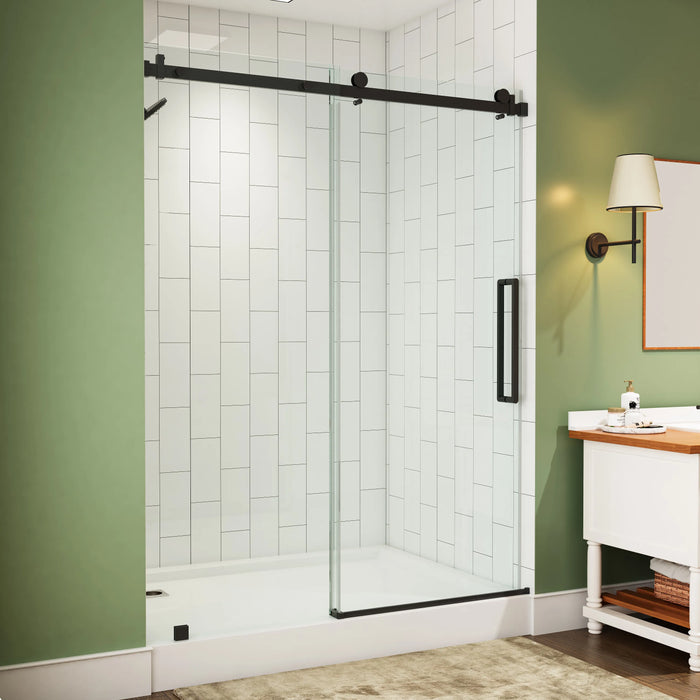
HOROW TE6076-MB
A black frameless sliding shower door option for bathrooms where the shower hardware is intended to create a stronger visual contrast.
View TE6076-MB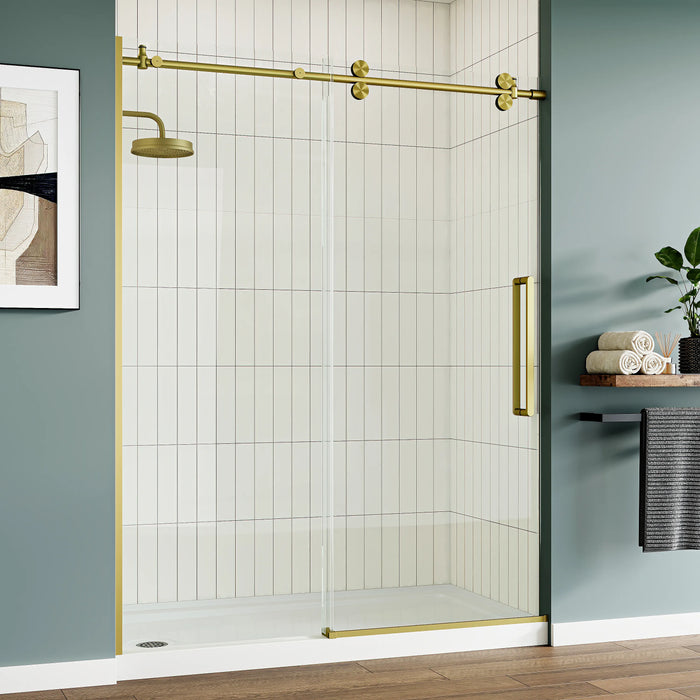
HOROW MI6076-SG
A brushed gold frameless sliding shower door with 8 mm glass for bathrooms using a warmer hardware palette.
View MI6076-SG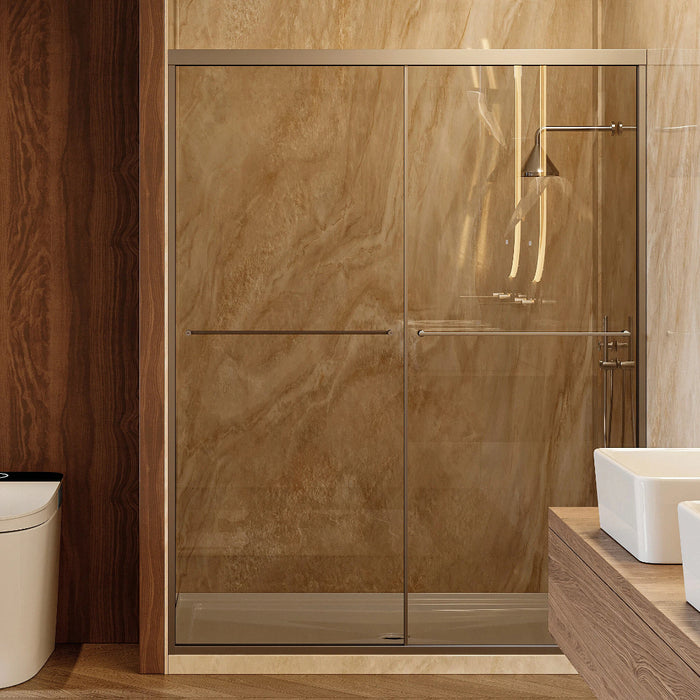
HOROW K2-BN
A brushed nickel shower door option for bathrooms where a quieter, more neutral metal finish is preferred.
View K2-BNConfirm the finished opening, product-specific fit requirements, and installation details on the individual product page before ordering.
Which Finish Fits the Room and Enclosure?

Tile pattern, lighting, glass type, and frame thickness affect how prominent a finish becomes. Evaluate the complete enclosure rather than viewing the hardware color in isolation.
Chrome or Black in Small Bathrooms?
Chrome usually feels lighter because it reflects nearby surfaces and creates fewer dark boundaries. Clear glass with slim chrome hardware can help a compact room remain visually open.
Black can still work when the surrounding design is restrained. Plain tile and limited decoration give the outline room to breathe. Black may feel busier when combined with patterned surfaces, dark grout, shelving, and several competing metals.
If using black in a small bathroom, make it the dominant accent rather than adding equal amounts of black, brass, chrome, and nickel.
Frameless Glass: Subtle Nickel or Bold Black
On frameless and semi-frameless doors, brushed or polished nickel lets the glass and tile remain the focus. Black turns hinges, clips, and handles into deliberate design marks.
Clear glass also exposes details that textured or patterned glass may soften. When comparing glass shower door styles, check which screws, brackets, handles, and interior-facing surfaces receive the selected finish.
Choose nickel for quieter coordination. Choose black when the hardware placement and contrast are meant to be seen.
Low Light: Reflective Chrome or Warm Brass
Chrome reflects available light and can keep a dim bathroom looking crisp, although it may feel cold beside gray tile and cool lighting. Brass adds warmth but can become visually heavy if the color is deep or the enclosure has a substantial frame.
Let the surrounding materials decide. Warm wood, cream walls, and beige stone generally support satin brass. Pale gray, white, and blue schemes often support chrome. Polished nickel offers reflectivity with a warmer cast than chrome.
Out-of-Plumb Openings: Finish or Frame First
An uneven or out-of-plumb opening is a fit issue, not a finish issue. Different enclosure systems allow different degrees of adjustment, so the selected product must be evaluated against the finished opening.
Bathroom remodeling projects should also follow applicable safety requirements for glazing and wet-area installations. Local requirements may vary, so homeowners should confirm installation details before making structural changes.
Complete the relevant measurements according to the product instructions and confirm adjustment requirements before ordering. If the walls or curb are irregular, choose a compatible enclosure system first and the finish second.
Which Finish Handles Your Household Best?

Usage changes the decision. More users mean more wet hands, soap residue, and missed wipe-downs, making surface texture and residue contrast increasingly important.
However, hardware appearance is only one part of long-term bathroom maintenance. Proper moisture control also plays an important role because excess humidity can contribute to mold and surface-related problems. The U.S. Environmental Protection Agency recommends proper bathroom ventilation to help remove moisture and protect indoor environments during remodeling and everyday use.
Families: Brushed Nickel or High-Contrast Black
Brushed nickel is usually the more forgiving family choice because fingerprints and light spotting blend into its directional texture.
Black makes handles easy to distinguish against clear glass, but the same contrast emphasizes pale residue. It suits households willing to wipe visible handles and edges before buildup becomes prominent.
Chrome remains practical when quick cleaning and simple coordination matter, provided the household accepts seeing marks between cleanings.
Guest Baths: Safe Chrome or Statement Brass
A lightly used guest bath can accommodate polished nickel, brass, or bronze with less day-to-day maintenance pressure. These finishes add character without facing the same frequency of wet handling as a heavily shared shower.
Chrome is preferable when the room should remain neutral or appeal to a broad range of tastes. For a statement finish, repeat it in one or two deliberate details instead of matching every small accessory.
Rentals: Replaceable Chrome or Distinctive Finishes
Rental bathrooms benefit from straightforward care and access to common-looking replacement hardware. Chrome and brushed nickel are usually easier to coordinate after tenant changes.
Brass, bronze, or black can distinguish a style-led rental, but visible coating damage or a mismatched replacement may be harder to disguise. Prioritize documented parts, tolerant finishes, and simple care over trend value.
Which Finish Forgives Missed Wiping?
Brushed nickel is generally the most forgiving because its texture softens spots, smears, and wipe marks. Satin brass and brushed stainless appearances may also conceal light residue, depending on their color and sheen.
This does not mean brushed hardware requires no cleaning. It means missed cleaning is often less immediately visible. Coated black, brass, and bronze components should always be cleaned according to the enclosure’s care instructions.
When Should Matching Override Finish Preference?
Matching matters most when fixtures are close enough for direct comparison. A shower handle beside a faucet exposes undertone differences more clearly than hardware placed across the room.
Must Shower Hardware Match Faucets?
No. Shower hardware and faucets can differ if the contrast looks deliberate.
Match them when the fixtures sit close together, the room is small and formal, or both finishes are shiny and almost—but not quite—the same. Mix them when each metal has a clear role, such as black shower hardware connected to a black mirror while the plumbing fixtures remain chrome.
A clear contrast usually looks more intentional than two unsuccessful near-matches.
Mixed Metals: Coordinated Contrast or Visual Clutter
Mixed metals work best when one finish dominates and another serves as an accent. For example, nickel can connect the shower, faucet, and towel bar while brass appears on the mirror and cabinet pulls.
The room becomes less coherent when every fitting introduces another finish. Keep plumbing-related hardware visually connected, then use a second metal for furniture-like details such as mirrors, lighting, or cabinetry.
One Dominant Finish or Three Equal Finishes
Select one primary finish and repeat it across the most visible fixtures. A second finish can add contrast; a third should remain minor unless the room has a carefully layered design.
If the shower finish appears nowhere else, repeat it through one small but visible detail. A towel hook, mirror edge, or cabinet pull can make the choice feel connected without requiring an exact whole-room match.
Same Name, Different Undertone: Match or Mix
Finish names are not standardized color guarantees. Brushed nickel may look tan or silver, brass may range from champagne to yellow-gold, and matte black may be charcoal, flat black, or satin.
Compare both color and sheen under the room’s actual lighting. If samples are unavailable, avoid placing uncertain near-matches directly beside each other. A clearly contrasting second finish is often safer than two conflicting versions of the same named metal.
Which Finish Is Easier to Live With?
No finish prevents mineral deposits, soap film, or fingerprints. The practical difference is how quickly the residue becomes visible and how carefully the surface must be cleaned.
Which Finish Hides Water Spots Best?
Brushed nickel is often considered one of the more forgiving choices for hiding everyday water spots. Satin brass and brushed stainless appearances can also be forgiving.
Chrome and polished nickel expose spots because dull deposits interrupt their reflective surfaces. Matte black creates strong contrast with pale residue.
If your priority is the easiest-looking finish between cleanings, choose brushed nickel. If you prefer a surface that wipes back to a bright shine and do not mind seeing spots sooner, choose chrome.
Fingerprints: Polished or Brushed Nickel
Polished nickel shows fingerprints more clearly because its reflective surface emphasizes skin oils and smears. Brushed nickel visually breaks them up.
The difference matters most on handles and door edges. For a frequently used shower—or for anyone who wants less detailing—brushed nickel is the more forgiving choice. Select polished nickel when its warmer shine is worth the additional visible upkeep.
Hard Water: Chrome, Black, or Brushed
If water leaves pale marks on faucets, glass, or tile, it will also affect shower hardware. Black usually creates the greatest contrast with that residue. Chrome shows cloudy spotting, while brushed nickel tends to soften its appearance.
Do not use an aggressive cleaner solely because it removes deposits quickly. Coated finishes can respond differently to cleaning products. Follow the door manufacturer’s care guidance and test an approved product discreetly before wider use.
Matte Black Aging: Patina or Visible Wear
Matte black can develop polished touch areas, scratches, pale buildup, or visible changes around edges and moving joints. Whether this feels like normal aging or unacceptable wear depends on your expectations.
Before buying, inspect how the coating covers screw heads, hinge edges, handle joints, and interior surfaces. Choose black when you accept visible maintenance and gradual surface change in exchange for stronger contrast.
Before You Buy

Use this final checklist:
- Confirm that the enclosure type fits the finished opening.
- Check product-specific adjustment requirements for uneven walls.
- Ask what the frame, hinges, handle, and fasteners are made from.
- Compare finish samples under the bathroom’s lighting.
- Place near-matching metals side by side before ordering.
- Review care instructions for coated hardware.
- Check whether visible replacement components are sold separately.
- Prioritize fit and construction before paying more for color.
Common Questions
What shower door finish is easiest to maintain?
Brushed nickel is usually the easiest finish to maintain because its subtle texture makes everyday marks less noticeable. Chrome is simple to clean but may need more frequent wiping to keep its bright appearance. Dark finishes like black can require more attention if your bathroom has mineral-heavy water or frequent soap buildup.
What is the difference between polished nickel and chrome?
Polished nickel has a warmer appearance, while chrome creates a cooler and sharper look. The difference is easier to notice when both finishes are installed close together in the same bathroom. Lighting, nearby tile colors, and other fixtures can also change how each finish appears.
Which shower hardware finish resists corrosion best?
No finish name alone can guarantee better corrosion resistance. The result depends on the quality of the materials, protective coating, installation environment, and how the hardware is maintained over time. Check the product details for the actual components instead of choosing only by appearance.
Is black a poor choice with hard water?
Black is not a bad option for hard water, but light mineral marks may stand out more on dark surfaces. It works well if you like a strong design contrast and do not mind regular cleaning. For a lower-maintenance look, softer finishes may be easier to keep looking consistent.
Does shower hardware have to match the faucet?
No, shower hardware does not have to be identical to the faucet finish. A bathroom can look balanced with mixed metals when one finish is used as the main style element and another works as an accent. The key is making the contrast look intentional rather than choosing finishes that are almost the same but slightly different.


Leave a comment
This site is protected by hCaptcha and the hCaptcha Privacy Policy and Terms of Service apply.