
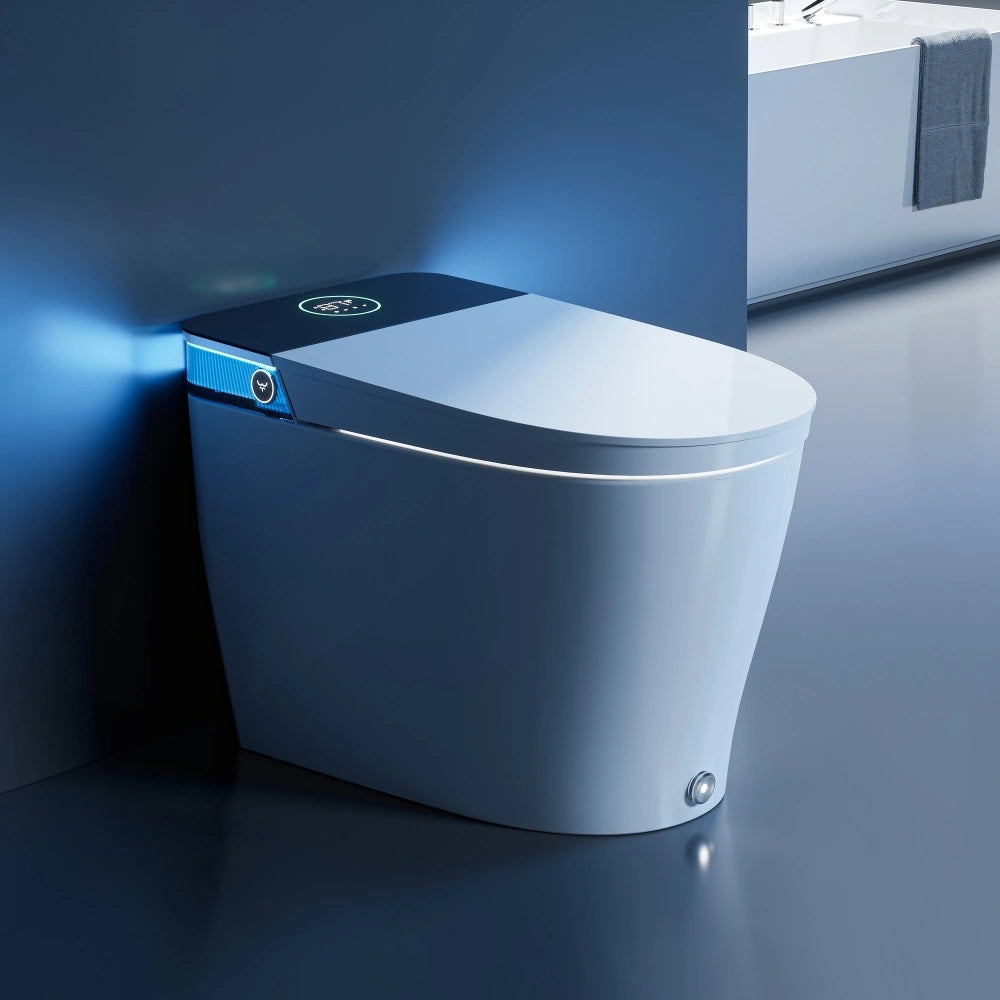
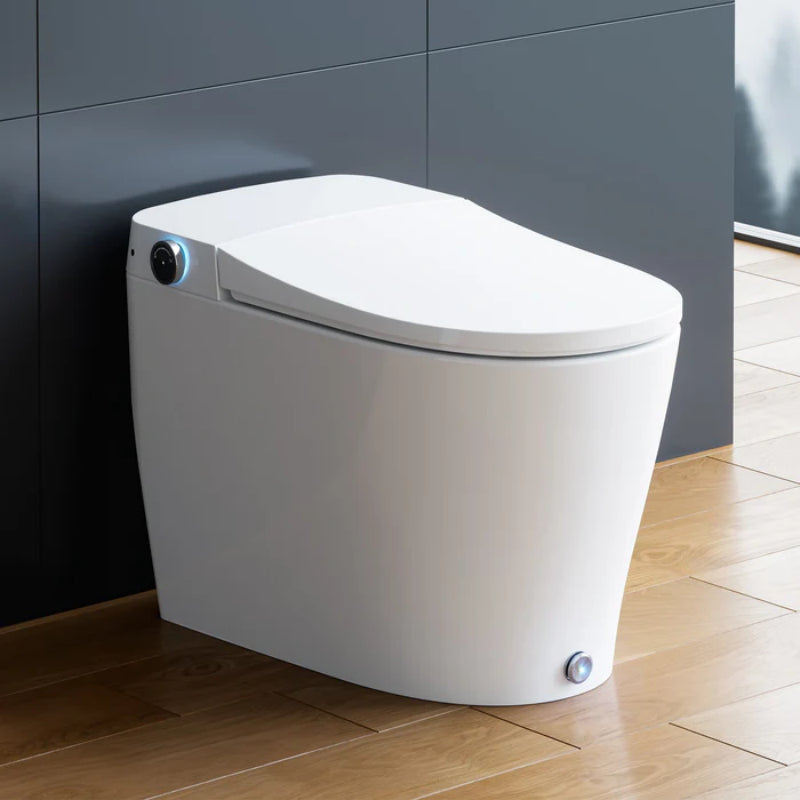
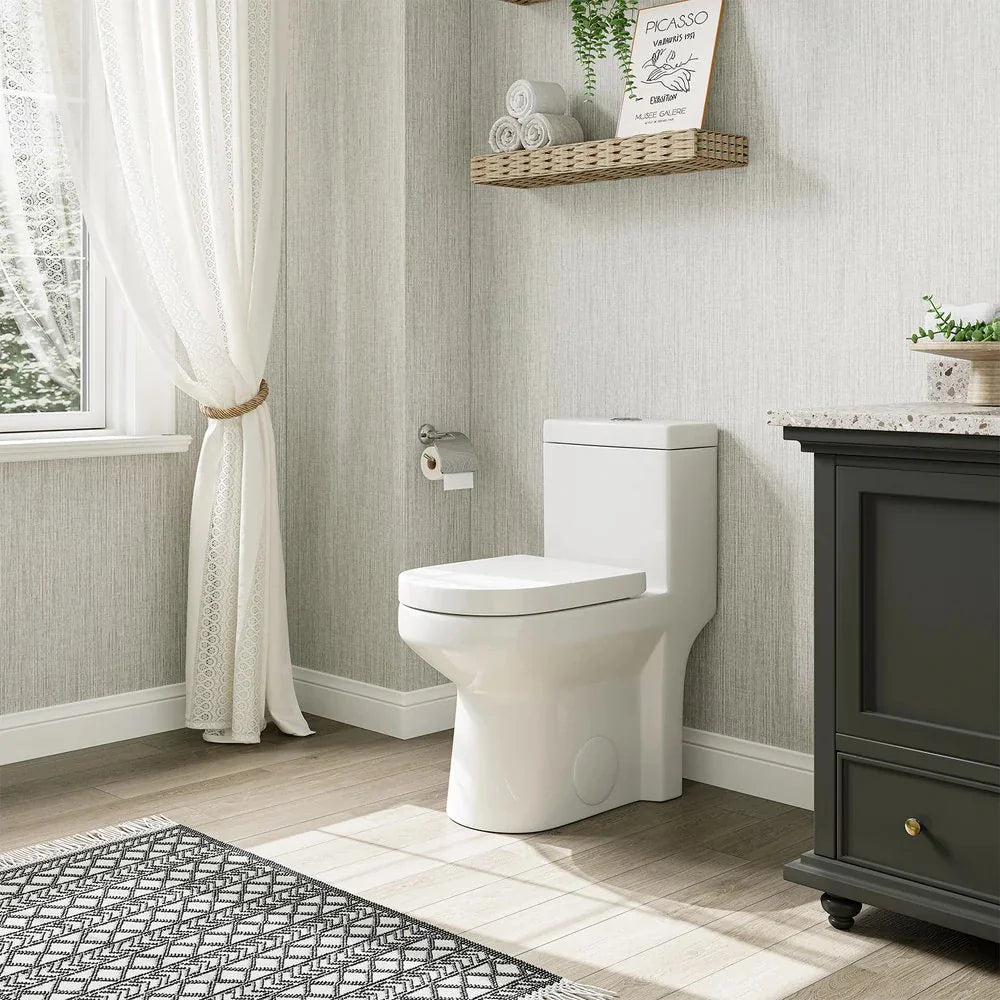
A luxury white one piece toilet is one of those upgrades that looks “simple” on a product page, then feels very different once it’s in a real bathroom. The best ones make the room look cleaner, feel more modern, and take less scrubbing week to week. The wrong one can be a heavy, awkward install with a skirted base that blocks your shutoff valve, a seat that doesn’t fit right, or a dual flush button guests can’t figure out. This guide is written to help you make a confident first decision—whether this type of toilet is right for you, and what to check before you spend the money.
Is a Luxury White One Piece Toilet right for you? (Decision Snapshot)
Before making a final choice, it’s worth considering what features will truly provide the best experience for your bathroom. A dual flush luxury white toilet not only offers a sleek WaterSense-rated flush but also reflects your preferred brand and modern style, blending functionality with elegance in any space.

Buy it if you want a sleek, easy-clean look
Choose a luxury white one piece toilet if you want:
-
A sleek white porcelain toilet look with fewer seams and tighter lines
-
An easy-to-clean skirted toilet style (less grime around curves and trapways)
-
A modern 1.28 gpf high-efficiency flush (often WaterSense-style performance)
-
A quieter, more controlled flush (many use refined siphon/jet designs)
-
A bathroom that looks more “finished,” especially next to a modern vanity
Quick buyer profiles
Best-fit households: Ideal for those who value a clean, modern look and are willing to accommodate a heavier, fully assembled toilet. Homes with spacious bathrooms, adults comfortable lifting 60+ lb fixtures, and anyone prioritizing low-maintenance surfaces will benefit. Families or individuals wanting a skirted, streamlined design that reduces grime accumulation will also appreciate it.
Poor-fit households: Not ideal for strict DIYers, renters, or those planning a move soon. Small bathrooms, narrow side clearances, or spaces used by kids or short users may make installation and comfort tricky. Homes with very hard water or accessibility needs (requiring easier service or repair) may face higher maintenance challenges.
Skip it if install access is tight or you need easy repairs
You may want to skip this type if:
-
You’re doing a quick DIY swap and want the easiest install
-
Your bathroom has tight side clearance (bolts can be frustrating on skirted bases)
-
You might move again soon and don’t want to lift a heavy one piece toilet
-
You prefer cheap, universal parts you can grab anywhere without measuring
Top 3 reasons returns happen
-
Skirted design makes shutoff valve and bolt access more challenging
-
Heavy one-piece construction is difficult to maneuver in tight spaces
-
Installation missteps due to clearance or alignment issues
Rule of thumb
-
Choose one-piece + skirted for: “clean look + less scrubbing.”
-
Choose two-piece for: “easier install + cheaper, easier-to-service parts.”
That’s the core trade. Everything else—dual flush, seat upgrades, auto flush—should support that decision, not distract from it.
The decision trade-offs that actually matter
Luxury toilets are not “better at everything.” They’re better at specific things that matter in daily life: cleaning time, comfort, noise, and how the room looks. Here’s what you gain and what you give up.
One-piece vs. two-piece
A one-piece toilet has the tank and bowl formed as one unit. A two-piece has a separate tank bolted to the bowl.
What you gain with one-piece
-
Fewer seams: less gunk where the tank meets the bowl
-
A cleaner silhouette: it reads as modern even in an older bathroom
-
Often a more stable, solid feel (less tank wobble)
What you give up
-
Weight and handling: one-piece porcelain toilets can be very heavy. Delivery, lifting, and installation require planning
-
Servicing can be less friendly: compact tank area makes repairs trickier
-
Shipping/install damage may mean replacing the whole unit
Skirted toilets hide the trapway (the S-shaped channel on the back/side of many toilets), giving a smooth look and faster cleaning.
Skirted pros
-
Less dust and splash marks in trapway contours
-
Easier weekly cleaning, especially in small bathrooms
-
More polished side view for powder rooms
Skirted cons
-
Hidden areas can still be tricky to reach
-
Some designs limit bolt access
-
Shutoff valves may require adapters or relocation
Decision trade-offs summary (one-piece + skirted vs. two-piece)
| Feature | One-piece + skirted | Two-piece |
| Cleaning time | Faster, fewer crevices, smoother sides | Slower, seams collect grime |
| Install difficulty | Higher, heavy, may need 2+ people | Lower, lighter, simpler bolt access |
| Repairability / parts | Tank cracks or leaks mean whole unit replacement | Separate tank allows targeted repair or part swap |
| Weight / handling | Heavy, careful lifting and positioning required | Lighter, easier for DIY install |
This matrix restates the core trade-off: one-piece + skirted = cleaner look and less scrubbing, but more planning and heavier handling; two-piece = easier install and service, but more seams to clean.
Budget reality: purchase price, delivery, and what “luxury” costs
People often focus on the product price and forget the real total: seat, delivery, install parts, and possible plumbing tweaks. Here’s a practical way to budget.
Typical total cost range
Prices vary by finish quality, flush system, and whether the toilet includes a seat.
| Cost item | Typical range | Notes |
| Luxury white one piece toilet (bowl + tank) | $350–$1,200+ | Higher if special glazes or thin-lid designs |
| Toilet seat (if not included) | $40–$250 | Softclose vs upgraded seat quality |
| Bidet seat add-on | $200–$900+ | Needs nearby outlet for heated seat/wash |
| Delivery / shipping | $0–$200 | Heavy porcelain costs more; check damage policy |
| Installation (plumber) | $200–$600 | More if shutoff relocation or flange repair |
| Small parts (wax ring, bolts, hose) | $20–$60 | Don’t reuse old hardware |
A “great deal” can get expensive if it arrives damaged and return shipping is on you. For heavy porcelain, inspect the item at delivery and keep packaging until you confirm it flushes and seals.

Total-cost red flags
Before you order, watch out for these hidden cost traps:
-
Seat not included – an extra $40–$250 can catch first-time buyers off guard.
-
Shipping damage or return freight – heavy porcelain can chip, and some vendors pass return shipping costs to you.
-
Installation extras – shutoff valve relocation, flange repair, or special adapters can add hundreds to your plumber bill.
-
Small hardware replacements – wax rings, bolts, and hoses may be required even if your old ones seem usable.
-
Feature-driven add-ons – integrated bidets, heated seats, or electronics increase both purchase and service costs.
Identifying these red flags early prevents unpleasant surprises before you reach upgrade decisions.
Is paying more worth it for cleaning and style?
If you want two main outcomes—easy cleaning and a modern white porcelain look—you don’t necessarily need every feature. What you’re paying for (when it’s worth it) is:
-
Better glazing (stays cleaner, wipes easier)
-
A more refined flush path (less streaking, fewer re-flushes)
-
Better seat hinges and fit
-
Tighter manufacturing tolerances (less rocking, better seal)
Where spending extra often doesn’t pay back: novelty features you won’t use (especially if they add electronics you don’t want to service later).
Smart upgrades that change the budget
These features can be great, but they change your “ownership” of the toilet:
-
Bidet seat: warm water wash, adjustable pressure, better hygiene, often less toilet paper
-
Heated seat: small luxury that some people never want to live without after trying
-
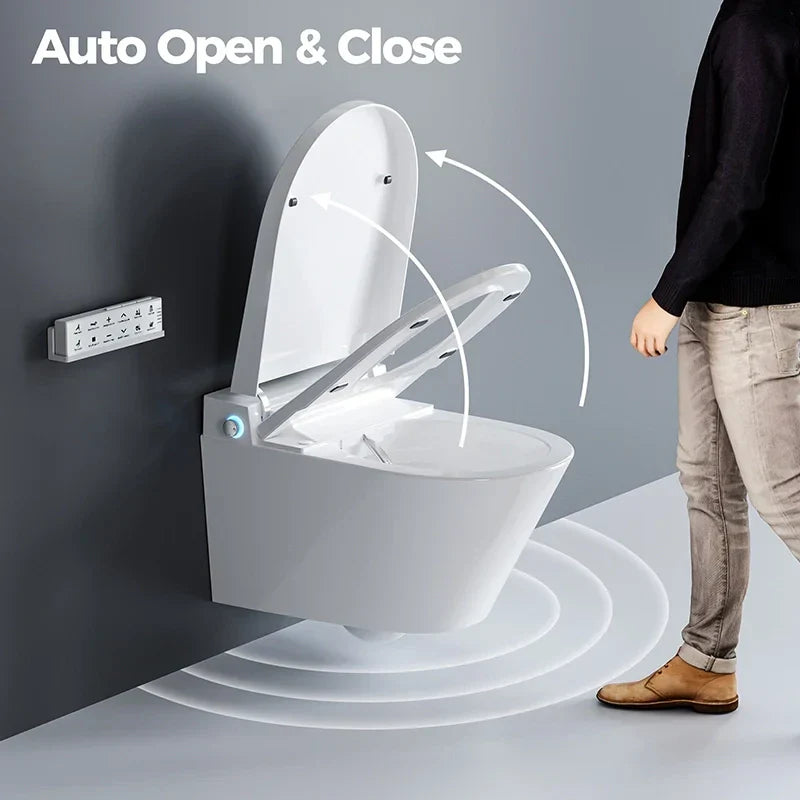
Auto open lid: nice when hands are full; can be annoying if sensor triggers too easily
-
Auto flush: good for hygiene and guests, but timing matters (especially with kids)
-
Remote control: useful for bidet functions; adds learning curve and batteries
-
Night light / display: helpful in a dark bathroom, especially for older users
If you’re tempted by an elongated smart toilet (integrated bidet, dryer, sensor lid, auto flush), pause and consider one practical detail: service access. Integrated electronics can be great, but you want clear warranty terms and available parts.
Will it fit your bathroom and your body?
A toilet can be “standard” and still not fit your space. One-piece toilets often have a larger footprint, and elongated bowls add length. This is where returns happen.
Will this work in a small bathroom?
Two measurements matter most:
-
Rough-in – distance from wall to closet bolts
-
Projection – how far the toilet sticks out from the wall
Here’s a simple way to visualize the clearance problem from the side (not to scale): the finished wall sits behind the toilet bolts, which are typically about 12 inches from the wall (the rough-in). From the bolts, the toilet bowl projects forward into the room, forming the main footprint you need to account for when checking front clearance. The bowl extends outward from the wall, and the projection distance determines how much open space remains in front for comfortable use.
Front clearance: ideally ~21" open space from bowl front
Side clearance: ideally ~15" from centerline to each side
If you have a tight vanity layout, measure the current toilet’s projection and compare it to the new model. In small baths, even 2–3 inches can change whether knees hit the door or vanity. Also check the tank-to-wall style: some one-piece designs sit close to the wall, others need a little breathing room.

Pass/Fail fit rules
-
Front clearance: ≥21" from bowl front to nearest obstruction = Pass; <21" = Fail
-
Side clearance: ≥15" from bowl centerline to walls or vanity edges = Pass; <15" = Fail
-
Door swing: must clear projected bowl + seat without obstruction = Pass; else Fail
These quick checks prevent surprises before ordering.
Elongated vs. compact elongated vs. round
Bowl shape changes comfort and fit.
-
Elongated: most comfortable for adults; common in luxury designs
-
Compact elongated: a compromise—more comfort than round, less projection than full elongated
-
Round: shortest projection; can feel tight for adults, but fits tiny rooms
In small bathrooms, a compact elongated bowl often preserves walking space while still feeling like an upgrade.
Chair height / comfort height
Many luxury one-piece toilets come in chair height (comfort height), often around 16.5–17 inches seat height once installed.
Who usually loves comfort height:
-
Taller adults
-
People with knee or hip stiffness
-
Many older homeowners
Who may not:
-
Shorter adults whose feet don’t sit flat
-
Some kids (they feel like they’re climbing)
-
Anyone who prefers a lower, more stable squat posture
A quick real-life test: sit on a chair at home at about that height. If your feet dangle or you feel pressure under your thighs, comfort height may not feel comfortable.
Note: some listings quote bowl rim height without the seat, others with the seat. For actual comfort, the “with seat” number is what you feel.
Installation reality check: rough-in, waterline, weight, DIY vs. pro
This is where one-piece toilets earn their reputation. They’re not impossible to install, but they punish bad planning.
Stop—don’t buy until you verify
Before you order, take a hard look at these five high-failure points—skipping any can turn a smooth installation into a nightmare:
-
Rough-in distance – Measure from wall to flange. Most toilets use 12", but 10" and 14" exist. Even 1/4" off can cause fit problems.
-
Projection/clearance – Check distance to vanity, tub, and door swing. Skirted bases reduce wiggle room, and tight bathrooms magnify mistakes.
-
Shutoff valve access – Side or rear valves can get blocked by the skirted base, leaving hoses kinked or handles hard to turn.
-
Side clearance for bolts and panels – Some skirted toilets use hidden side mounts; insufficient room makes tightening bolts frustrating and awkward.
-
Floor and flange condition – Soft, uneven subfloor or old flange damage can cause rocking, leaks, or seal failure.
Verifying all five points first avoids returns, plumbing headaches, and DIY disasters. If any check fails, consider a pro install—or a two-piece alternative that’s easier to manage.
Pre-purchase measurements that prevent returns
Before you order, also check these:
-
Distance from wall to current tank to predict fit
-
Centerline to vanity/tub for side clearance
-
Supply line reach and angle (left/right orientation)
-
Door swing clearance (especially in small bathrooms)
-
Floor condition around flange (soft subfloor causes rocking)
If replacing an old toilet, note whether it used a thick wax ring or spacers. A one-piece base may sit differently, and you want a solid seal without rocking.
What if the waterline doesn’t line up with the skirted base?
Skirted designs often cover the area where your supply line comes up. If your shutoff valve is positioned in an odd spot (or very close to the centerline), you may run into:
-
Not enough room for a standard braided hose bend
-
A hose that kinks behind the skirt
-
A shutoff handle you can’t turn without scraping your hand
Common fixes:
-
A shorter or angled supply line
-
A different shutoff valve style
-
In some cases, relocating the valve (a plumber job)
When to call a plumber:
Call a professional if your setup meets any of these thresholds: the shutoff handle is inaccessible without scraping your hand, the supply hose must sharply bend or risks kinking behind the skirt, or the valve itself needs relocation to align properly. Attempting these adjustments solo can risk leaks, damage, or improper sealing.
This is one of the biggest “I wish I knew” issues. The toilet can be perfect, but the skirt can block the plumbing you already have.
DIY feasibility: weight and bolt access
A one-piece porcelain toilet can be heavy enough that:
-
Carrying it upstairs is risky without help
-
Setting it straight down onto the wax ring takes control and patience
-
Small misalignment means lifting again (which you want to avoid)
The second issue is bolt access. Some skirted toilets use side access panels or special mounting brackets. It can be clean-looking, but in a tight space it may mean:
-
You’re tightening bolts by feel
-
You need a specific tool angle
-
You spend extra time leveling and re-checking
If you’re comfortable doing a standard toilet swap but working alone in a tight room, hiring a pro for a one-piece install is often money well spent—mostly to avoid a cracked base, a bad wax seal, or a back injury.
Choosing the right model: flush, seat, and daily-use details
Once you know “one-piece + skirted” fits your plan, focus on the features that change daily life: how it flushes, how it cleans, and how the seat feels.
Flush performance choices
Most homeowners just want this: it clears waste, doesn’t clog, and doesn’t scream.
Key flush system notes that actually affect ownership:
-
Flush valve size and quality: impacts how quickly water dumps into the bowl and how reliably it seals after
-
Trapway design: better designs reduce clog risk, but no toilet is clog-proof
-
Jet/siphon action: many modern bowls use targeted jets to start the siphon faster
-
Quiet vs. aggressive: quieter flush often means a smoother water path, not necessarily weaker
A common complaint I’ve seen: the flush is powerful, but the button/lever action feels picky—like you didn’t press long enough. If you hate “learning” your toilet, choose a model known for consistent activation, and avoid overly sensitive buttons.
Also consider your household habits:
-
If you use thicker paper, or you have kids who use a lot of paper, lean toward proven clog resistance.
-
If it’s a guest bath, ease matters more than saving a few ounces of water.
Button vs. lever vs. sensor
Dual-flush button
-
Clean look, common on one-piece tanks
-
Guests may hesitate the first time
-
Some designs need a firm press
Lever (single flush or dual mode)
-
Familiar for everyone
-
Easier for kids and guests
-
Slightly less “minimal” appearance
Sensor / auto flush
-
Useful for hygiene and shared bathrooms
-
Timing matters: you don’t want an auto flush mid-use
-
Electronics add maintenance (batteries or power, occasional resets)
In a family home, I usually recommend prioritizing what every user can operate without instruction. A toilet should be boring in the best way.
Seat decisions: softclose and bidet options
Don’t treat the seat like an afterthought. It’s the part you touch every day.
Softclose
-
Worth it in most homes
-
Reduces slamming and cracked seats
-
Helps in night use
Upgraded toilet seat quality
Look for:
-
Stable hinges that don’t loosen quickly
-
A shape that matches the bowl (elongated seats on elongated bowls)
-
Easy removal for deep cleaning (quick-release buttons)
Bidet seat integration
A bidet seat can be a smart upgrade if you want better hygiene, less paper use, or more comfort.
Practical things to confirm:
-
Power: heated seat and warm water wash usually need an outlet nearby
-
Water connection: most tee off the same supply line
-
Fit: some one-piece bowls have tighter mounting areas
-
Control: side panel vs. remote control (remote adds convenience, also adds “where did the remote go?”)
Some wash systems include features like pre-mist, deodorizer, or adjustable drying. Those can be genuinely helpful, but they also mean you should think about long-term service and part availability.
Long-term ownership: cleaning, repairs, warranty, and what I wish I knew
Luxury is great when it stays easy. Here’s how these toilets behave after the first month.

Keeping a white porcelain toilet clean
A common question is: Is a white toilet easier to keep clean? In practice, white shows dirt sooner, so you notice spots quickly—but that can be a good thing. You clean it before buildup gets stubborn.
What helps most:
-
A smooth glaze that wipes clean with mild cleaner
-
A skirted shape that doesn’t trap dust on curves
-
A removable seat for deep cleaning around hinges
To avoid scratching the finish:
-
Skip abrasive powders and rough scrub pads on glossy porcelain
-
Use mild bathroom cleaner or dish soap for weekly wipe-downs
-
For hard-water rings, use a cleaner made for mineral deposits and follow directions
Preventing yellowing on white porcelain
Another big homeowner concern: How do I prevent yellowing on white porcelain?
Most “yellowing” isn’t the porcelain changing color. It’s usually:
-
Residue from cleaners that weren’t rinsed
-
Urine splash that wasn’t wiped quickly (especially around the base and seat hinges)
-
In-tank tablets that break down rubber parts and create staining over time
Simple habits that work:
-
Wipe the outside dry after cleaning (don’t leave cleaner film)
-
Use a bathroom fan to reduce humidity (less grime sticks)
-
Clean mineral buildup early (scale gets darker as it layers)
-
Avoid leaving harsh chemicals sitting on surfaces
-
If you have very hard water, consider treating the water or using a filter for the toilet supply (even partial reduction helps)
If your toilet has an extra-smooth glaze, you’ll usually notice stains release faster with less scrubbing. That’s one of the real “luxury” benefits that matters.
Skirted trapway access and deep cleaning
Skirted toilets reduce the usual trapway scrubbing, but you still need a plan for:
-
Dust behind the toilet
-
Reaching around the base
-
Cleaning around concealed bolt caps or side panels
Look for designs with:
-
Smooth skirt transitions (less textured molding)
-
Seat quick-release for hinge area access
In small bathrooms, I’ve found skirted bases do cut cleaning time, mainly because you’re wiping simple surfaces instead of fighting curves.
Reliability risks: parts and electronics
A toilet is simple until it isn’t. The parts that most often need attention:
-
Fill valve (refill problems, running water)
-
Flush valve and seals (slow leaks into bowl)
-
Dual-flush button mechanism (sticking, misalignment)
-
Seat hinges (loosening)
If you add electronics (bidet seat, auto open, auto flush), also consider:
-
Hard-water scaling in wash nozzles if not cleaned
-
Battery replacement or power issues
-
Remote control pairing quirks
None of this is meant to scare you off. The key point is: buying “luxury” means you should also buy good support.
Warranty, customer service, and shipping damage
Because porcelain can crack in transit, your buying experience matters almost as much as the model.
Before you purchase, confirm:
-
Warranty length and what it covers (porcelain vs. parts vs. seat vs. electronics)
-
How replacement parts are ordered (and whether they’re actually available)
-
Return window and who pays return shipping
-
Damage policy: do they replace cracked items quickly?
If possible, schedule delivery when you can inspect the carton. Hairline cracks and crushed corners are easier to deal with immediately than after you’ve hauled the toilet inside.
Why one-piece toilets are considered “luxury”
This comes up a lot, and it’s worth answering plainly.
One-piece toilets are labeled “luxury” mainly because they tend to include:
-
A more modern, sleek design with fewer seams
-
Better exterior finishing and glazing
-
Features like skirted sides, softclose seats, and dual-flush buttons
-
More consistent manufacturing fit and finish (in many models)
They’re not luxury because they “flush better by default.” Flush performance depends on the design and parts quality, not just whether it’s one piece.
If your goal is a cleaner look and less scrubbing, the one-piece + skirted combo is a real upgrade. If your goal is the simplest service and lowest cost, a standard two-piece is still hard to beat.
Before You Buy checklist
-
Measure your rough-in (most are 12", but don’t guess)
-
Confirm projection will fit your door swing and vanity clearance
-
Check shutoff valve location so the skirted base won’t block it
-
Decide bowl shape: elongated vs compact elongated vs round
-
Pick height intentionally: standard vs comfort height (feet should rest flat)
-
Confirm what’s included: toilet seat, wax ring, bolts, supply line
-
If adding a bidet seat: verify outlet location and seat fit space
-
Read the damage/return policy for heavy porcelain shipping

FAQs
1. Why are one-piece toilets considered "luxury"?
One-piece toilets are often labeled as luxury white one piece toilets because they combine style, convenience, and advanced engineering. Unlike two-piece models, the tank and bowl are molded as a single unit, giving a sleek, seamless look. Many come with dual flush elongated options or even electronic and automatic features that deliver superior hygiene and water efficiency. They feel sturdier, install with fewer gaps that trap grime, and create a polished appearance for both personal bathrooms and commercial settings. While they can be heavier, the overall experience—less scrubbing, smoother surfaces, and a refined silhouette—makes them feel like an upgrade.
2. Is a white toilet easier to keep clean?
White toilets show dirt quickly, which actually makes them easier to stay on top of for regular cleaning. A luxury white one piece toilet with a smooth glaze allows you to wipe surfaces without harsh scrubbing, and a skirted piece elongated design hides trapways for less grime buildup. Combining this with WaterSense-rated flush technology ensures water efficiency while keeping things hygienic, according to the EPA. Even tankless toilet styles or models with dual flush elongated options simplify maintenance. Paying attention to personal cleaning routines and using mild products helps the toilet stay bright and clean longer.
3. Does a skirted design make it look better?
Absolutely. Skirted designs hide the trapway and bolts, giving your luxury white one piece toilet a streamlined, modern appearance. This minimalist look not only feels cleaner but also reduces advance cleaning time since dust and grime have fewer places to settle. Whether in personal bathrooms or small commercial settings, a skirted piece elongated toilet delivers a sleek, finished look. Many models even pair with electronic or automatic flush systems that deliver convenience without interrupting the aesthetic. Overall, the skirted design makes the toilet feel high-end while keeping maintenance simple.
4. Are HOROW one-piece toilets ADA height?
Yes, many HOROW one-piece toilets are designed with comfort height, meeting ADA guidelines for accessibility. The seat typically sits around 16.5–17 inches, perfect for taller users or those with joint concerns. These models often include dual flush elongated or electronic features that deliver better hygiene and convenience. Even in personal bathrooms, the added height improves comfort and ease of use. Check the privacy policy and product information for exact specifications to ensure the model meets your needs. Whether you’re upgrading a commercial space or your home, ADA-height HOROW toilets are a fine choice.
5. How do I prevent yellowing on white porcelain?
Yellowing usually comes from mineral deposits or residue, not the porcelain itself. To keep a luxury white one piece toilet bright, wipe surfaces dry after each clean and use mild products that don’t leave films. Dual flush elongated or tankless toilet designs help minimize standing water, while automatic or electronic flush features deliver more consistent cleaning inside the bowl. Regular attention prevents buildup that causes discoloration. In both personal and commercial settings, maintaining proper ventilation, addressing hard water early, and using a smooth glaze finish keeps the toilet looking fine and luxurious for years.
References


Leave a comment
This site is protected by hCaptcha and the hCaptcha Privacy Policy and Terms of Service apply.