
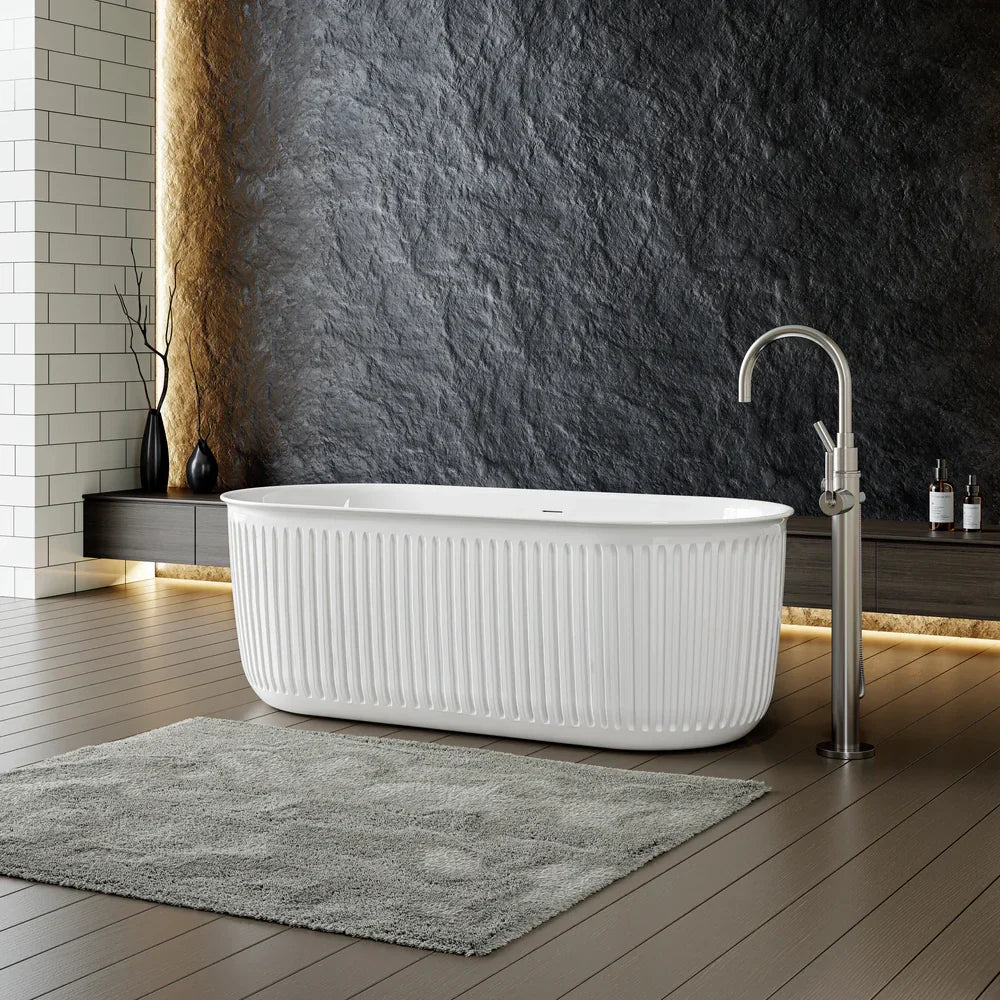
A freestanding tub can make a small master bath feel special. It can also make the room feel crowded, harder to clean, and more expensive to plumb than you expected.
If you’re considering a freestanding tub for a small master bath, this guide is meant to help you make a confident first decision: should you do it at all, and if yes, what size and setup usually works in real homes.
Is a freestanding tub for small master bath the right move for you?
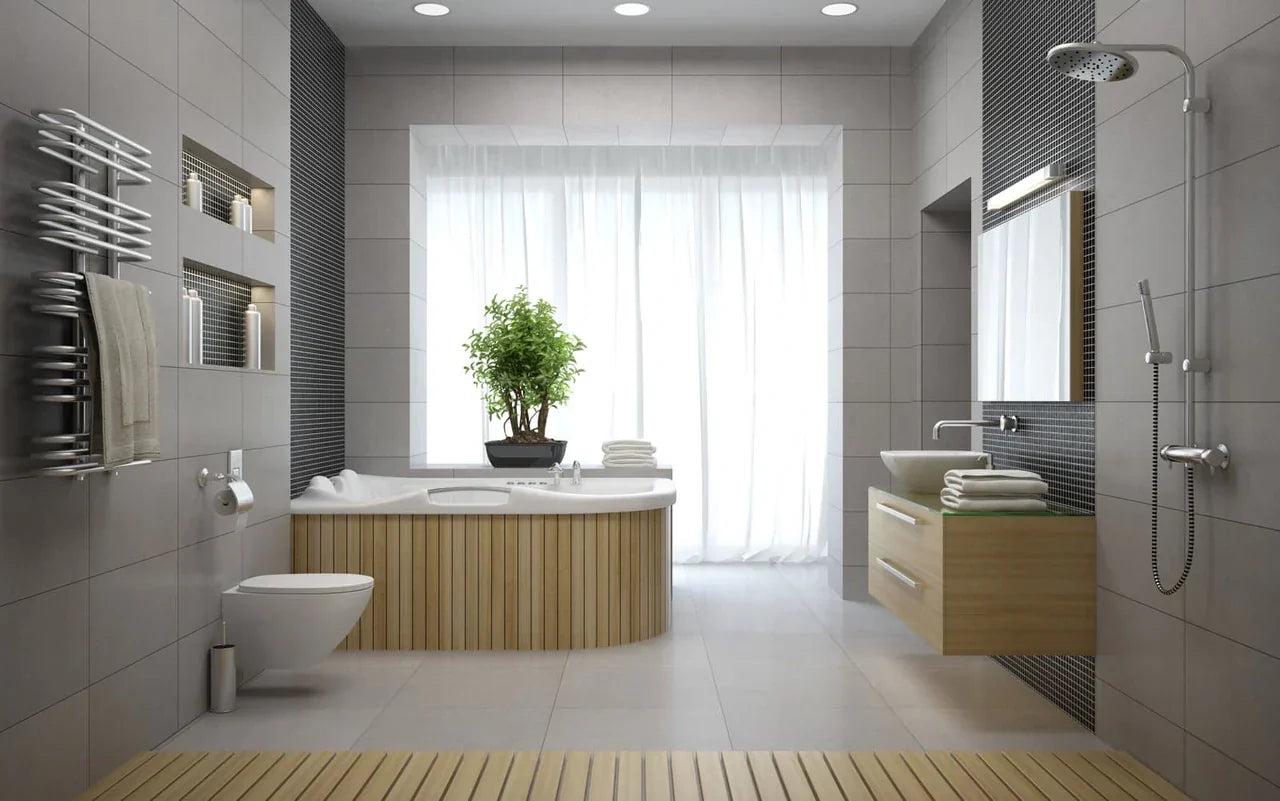
Deciding on a freestanding tub for small master bath spaces means balancing striking visual appeal, a spa-like retreat vibe, and daily practicality. From compact master bath soaking tubs and small footprint soaking baths to smart bathroom layout and placement, the right standalone tub can turn your small master bath into a luxurious oasis. Weigh its sleek style, versatility, and plumbing needs against built-in tubs, floor space, and functionality to see if this stylish fixture fits your bathroom renovation and lifestyle.
Decision Snapshot (rule of thumb for small master baths)
In a compact master bath, a freestanding tub is usually a good idea only when two things are true:
-
You will actually use the tub for soaking (not just décor).
-
Your layout can “afford” the empty air around it without blocking daily traffic.
If your master bath is your everyday get-ready zone (two people, tight mornings, limited storage), a freestanding tub often creates friction unless the room is carefully planned.
Best-fit buyers: spa-like retreat, focal point, and a dedicated soak zone
A freestanding bathtub tends to work best when you want:
-
A spa-like retreat feel in the master bath
-
A focal point (you see the tub first, and that’s the point)
-
A dedicated “soak zone,” separate from the shower
-
A cleaner, more open look with less visual bulk than a tiled tub surround
-
Flexibility in placement when the plumbing and floor allow it (more on that later)
In practice, the happiest owners I’ve seen are people who soak at least weekly and treat the tub like a real feature, not an afterthought squeezed into a corner.
Not for you if: you need a true tub/shower combo, built-in storage, or easy cleaning
A freestanding tub is often the wrong call if:
-
You need a true tub/shower combo that’s easy to splash-proof
-
Your bathroom needs built-in storage (niches, ledges, deck space)
-
You want the easiest cleaning possible (freestanding tubs create “dust zones”)
-
You’re short on floor space and need every inch for circulation
-
Your home has older floors and you’re not ready to confirm weight support
This doesn’t mean “never.” It means you should go in with eyes open and design around the downsides, not hope they won’t matter.
What are the biggest trade-offs in a compact master bath?
Choosing a freestanding tub for small master bath spaces means weighing key trade-offs between stunning spa-like aesthetic, sleek style, and real-world functionality. In a compact master bath, these small footprint soaking tubs act as a beautiful focal point, yet require careful bathroom layout, enough floor space, and creative storage compared to built-in or alcove tubs. Knowing these compromises helps balance luxury, practicality, and daily use in your bathroom renovation.
Spa-like visual appeal vs. lost floor space (and fewer storage options)
Freestanding tubs look light and sculptural, but they’re not “free” in a small bathroom. The tub itself may have a small footprint, yet you also need space around the tub to:
-
Step in and out safely
-
Clean behind it (or at least reach around it)
-
Keep towels and bath items within reach
-
Avoid banging knees while walking past
In a built-in tub (like an alcove), the tub can share edges with walls. That’s a huge advantage in smaller spaces. With freestanding, you’re “buying” empty air on multiple sides.
Also: a built-in tub deck or surround often doubles as a shelf. Freestanding tubs usually don’t give you that, so you may need:
-
A small table or stool
-
A recessed niche
-
A wall shelf (careful with head bumps and water)
Freestanding tub vs. built-in tub (alcove) for versatility
If your master bath needs to do everything—shower daily, bathe kids, rinse the dog, store towels—an alcove or built-in tub is often more practical.
Here’s the trade-off in plain terms:
-
Freestanding tub: better visual appeal, “retreat” feel, flexible style
-
Built-in/alcove tub: better splash control, easier tub/shower combo, more storage surfaces, simpler waterproofing
If you want the freestanding look but also need shower function, it’s possible, but it’s the hardest version to get right in a small bathroom (more on enclosures later).
Is it worth it if this is the only bath you use every day?
Ask yourself one honest question:
Will this tub be your main shower area, too?
-
If yes, a freestanding tub can become an everyday annoyance (water control, cleaning, access).
-
If no—if you have a separate shower or you’re building a wet zone—freestanding is easier to live with.
In a small master bath renovation, the best outcomes happen when the tub has a clear job:
-
either “this is my weekly soak,”
-
or “this is the family bath workhorse.”
Freestanding is usually better at the first job than the second.
Will it physically fit your bathroom layout without feeling cramped?
Successfully adding a freestanding tub for small master bath relies on smart layout planning, ideal dimensions, and proper clearance around the fixture. From 47 inch and 54–55 inch compact master bath soaking tubs to small footprint soaking bath designs, verifying fit, placement, and delivery paths ensures your small bathroom feels open, not cramped. Testing layouts with floor tape helps balance style, easy access, and functional flow in your bathroom renovation.
This is where most regrets start: the tub technically fits, but the room feels pinched.
Picking the right footprint: 47 inch vs. 54–55 inch
For small master bathrooms, the common “compact” lengths people look at include:
-
47 inch master bathtub range (very compact)
-
54–55 inch master bathtub range (small but more usable)
-
Standard tubs are often longer than that, which can overwhelm a small layout
How to choose between 47" and 54–55":
-
A 47" tub is usually chosen because the room leaves no choice. It can work for shorter bathers or tight layouts, but many adults feel cramped when trying to soak.
-
A 54–55" tub often hits a better balance: it’s still compact, but it usually feels less like a “token tub.”
A key point: tub length alone doesn’t tell you comfort. Interior shape, back slope (slipper vs. upright), and where the drain sits matters just as much.
Real-world tip: If you’re buying online, don’t stop at overall dimensions of the tub. Look for the interior basin length and the “water depth to overflow.” Those numbers tell you more about soaking comfort than the outside length.
Clearance reality check: space around the tub
A freestanding tub needs breathing room. Not “ballroom” space, but enough for daily life.
Here’s a practical clearance guide that usually keeps a small master bath functional:
| Area around tub | Works well | Feels tight |
| Entry/exit side (where you step in) | ~24–30 inches | Under ~22 inches |
| Cleaning reach behind/side | ~12–18 inches | Under ~10 inches |
| Path of travel past tub | ~30+ inches | Under ~28 inches |
You can cheat these numbers a little if:
-
The tub is not on a main walkway, and
-
you’re okay with more frequent wipe-downs where you can’t reach well.
But if the tub sits between the door and the vanity, tight clearances become daily friction fast.
Will a freestanding bathtub work in a small bathroom if you’re short on space?
It can, but only if one of these is true:
-
The tub is placed where it doesn’t interrupt the main path (for example, at the far end of the room).
-
You pair it with a shower that’s clearly separate (so the tub area stays drier).
-
You’re willing to trade storage for the tub (and you plan storage elsewhere).
What usually doesn’t work: placing a freestanding tub in the middle of the room in a small master bath. It looks great in photos, but in many real homes it blocks circulation and makes cleaning harder.
Floor-tape layout + delivery-path template
Before you buy anything, do two quick “mockups.” This saves people from the classic mistake: ordering a tub that fits the plan, but not the room.
Mockup 1: Floor-tape layout
-
After demo (or at least after removing clutter), use painter’s tape on the floor.
-
Tape the exact tub footprint (length and width).
-
Then add a second tape outline around it showing your planned clearance (like 24" on the entry side).
-
Stand at the vanity zone and “walk” your normal path: door → sink → shower → toilet.
If you have to sidestep or turn your body to pass, it will feel old fast.
Mockup 2: Doorway + delivery-path template
-
Measure the tub’s shipping box size if possible, not just the tub.
-
Measure every tight spot: hallway width, stair turns, door widths, and ceiling height on stairs.
-
Make a cardboard template for the tightest doorway or turn.
People often focus on “Will it fit the bathroom?” and forget “Will it fit the house?”

What will it really cost in a small master bath renovation?
Understanding the true cost of a freestanding tub for small master bath goes far beyond the tub itself. From compact master bath soaking tubs and small footprint soaking bath fixtures to plumbing installation, labor, floor structure and material costs, every choice shapes your bathroom renovation budget. Working with a professional plumber and planning smart plumbing layouts help balance high-end style, practicality and total expenses for your small bathroom.
Tub + fixtures: why hardware changes the budget fast
The tub itself is only one line item. In small master baths, the big surprise is often the tub filler and controls.
-
Wall-mounted filler: can be cost-effective if the tub is close to a plumbing wall
-
Floor-mounted filler: often costs more to buy and more to install because the supply lines must come up through the finished floor
Also consider:
-
A hand shower add-on (helpful for rinsing the tub and washing hair)
-
Matching finishes with other fixtures in the bathroom
If you’re trying to keep the renovation practical, it’s smart to decide early whether you’re okay with wall-mounted plumbing. That one choice can simplify the whole plan.
Plumbing and labor: rerouting supply/drain lines
In many homes, the existing tub drain is near a wall (because alcove tubs sit against walls). A freestanding tub often wants the drain centered or offset in a different spot.
That can mean:
-
Cutting and patching the subfloor
-
Moving the drain and P-trap
-
Running new supply lines
-
Adding shutoffs where they can be reached later
If you’re on a slab foundation, moving drains can get expensive fast.
Structure and flooring: load capacity and leveling
Freestanding tubs can be heavy. Some materials become extremely heavy once you add water and a person. In older homes, this matters.
What you’re really loading onto the floor:
-
Tub weight (empty)
-
Water weight (a full tub can add hundreds of pounds)
-
Bather(s)
If your master bath is on an upper floor, or the joists are older, it’s worth confirming the structure can handle it before you order a heavy tub. Sometimes reinforcement is simple; sometimes it’s not.
Also, freestanding tubs demand a flat surface. If the floor slopes toward a drain (common in some wet-room styles) or the subfloor is uneven, you may need leveling work so the tub sits solidly and drains correctly.
Cost range table (what to budget for)
Every region is different, but here’s a realistic way to think about the categories that move the total price.
| Cost item | Typical range | What changes it most |
| Tub | $600–$4,000+ | Material, weight, finish quality |
| Tub filler + valves | $250–$1,500+ | Floor-mount vs wall-mount, finish |
| Plumbing labor | $800–$3,000+ | Moving drain, access from below, slab vs joists |
| Floor work/repairs | $300–$2,500+ | Tile repair, waterproofing, patching |
| Structural support (if needed) | $0–$3,000+ | Joist access, engineer input, tub weight |
A compact master bath renovation can stay reasonable if you keep the tub close to existing plumbing and avoid heavy materials that force structural upgrades.
Can your plumbing and drainage handle a standalone tub in this spot?
Proper plumbing and drainage are critical when installing a freestanding tub for small master bath spaces. A standalone tub demands careful planning for drain placement, supply lines and long-term access—key details that keep your compact master bath soaking tub safe and functional. Working with a professional plumber, testing for leaks and choosing smart fixture placement protect your small bathroom renovation from costly, hidden issues for years to come.
Drainage through finished floors: placement and access
With many freestanding tubs, the drain passes through your finished floor. That means:
-
The connection must be well sealed
-
The P-trap must be correctly placed
-
You need a plan for access if something leaks later
A common regret: the tub is installed and tiled in, then a small leak appears at the drain connection. If there’s no access, repairs can mean pulling the tub, cutting tile, or opening a ceiling below.
If you have access from below (unfinished basement), life is easier. If the bathroom is above a finished ceiling, plan more carefully.
Supply lines: wall-mounted vs floor-mounted in a compact bathroom
Wall-mounted can be cleaner in small bathrooms because:
-
Fewer penetrations through the floor
-
Often easier to service from the wall side (depending on access)
-
Less “stuff” around the tub base where grime collects
Floor-mounted can look sleek, but in a tight master bath:
-
It takes floor space near the tub
-
It adds cleaning detail
-
The installation is more sensitive to exact placement
If your tub must sit away from walls, floor-mounted may be the only way. Just budget for the added labor and be picky about the installer.
What happens if the drain seal fails later?
It’s not dramatic at first. Usually it’s:
-
a slow drip,
-
or water that shows up as a stain on a ceiling below,
-
or a musty smell near the tub.
The problem is access. In many freestanding installs, the connections are not meant to be serviced easily after the tub is set.
Two practical ways homeowners reduce risk:
-
Ensure there is access from below or a planned access panel.
-
Do a real leak test before finishing the surrounding floors and trim.
Install sequence that prevents regret
If you only remember one installation lesson, make it this: test before you finish.
A practical sequence that prevents rework:
-
Dry fit the tub in the taped outline.
-
Confirm drain alignment and filler reach.
-
Level the tub correctly (no rocking).
-
Fill the tub completely and let it sit.
-
Drain it and check every connection for leaks.
-
Only then finalize flooring patches, trim, and any nearby finished work.
This step saves people from discovering a leak after the tile is perfect and the tub is “locked in.”
Will you enjoy using it every week (not just looking at it)?
Beyond its stylish visual appeal, a freestanding tub for small master bath should deliver true comfort, safe easy access and a relaxing spa-like bathing experience. Picking a well-designed compact master bath soaking tub or small footprint soaking bath means prioritizing soak performance, sensible shower enclosure solutions and daily practicality over pure decor, so your small bathroom brings lasting joy, not just good looks.
Comfort and safety: rim height and easy access
Freestanding tubs vary a lot in rim height. Some modern designs are taller than people expect, especially when you’re stepping over the side onto a potentially damp floor.
Think about who will use it:
-
Adults with tired knees at the end of the day
-
A partner who may be shorter
-
Kids (if applicable)
-
Future you, 10–15 years from now
Comfort checks that matter more than style:
-
Can you step in without grabbing something unstable?
-
Is there a nearby wall where a grab bar could be added if needed?
-
Is the floor surface slip-resistant near the tub?
A beautiful tub that feels sketchy to enter won’t get used.
Soak performance in a compact soaking tub
A compact master bath soaking tub can soak well, but you need to pick the right shape and depth.
What affects the actual soak:
-
Water depth to overflow: deeper usually soaks better, but uses more water
-
Back slope: a slipper shape can feel longer than it is
-
Interior width: too narrow feels cramped at shoulders
-
Heat loss: thinner materials can lose heat faster than heavier ones
Also consider water heater capacity. A deeper tub can outpace what your tank can supply in one fill. In smaller homes, this is a real issue: you get a half-hot soak, then lukewarm top-offs.
Showering options: enclosure, conversion kits, and splash control
Many homeowners ask: Can a master bath have a small tub and a shower? Yes. In fact, in a small master bath, the most livable setup is often:
-
a compact tub for soaking, and
-
a separate shower (even a smaller one), and
-
smart storage (recessed niches, vanity storage, or a tall cabinet)
But what if you want a combined setup?
You can pair a freestanding tub with a shower enclosure or conversion-style setup, but it’s tricky because:
-
freestanding tubs don’t have an integrated tile flange like many alcove tubs
-
Water can run behind/under the tub
-
curtains and partial glass can still allow splash onto floors
If showering in the tub is a daily thing, an alcove tub with a proper surround often wins for practicality.
Is installing a freestanding tub impractical with a shower enclosure?
It depends on how you define “impractical.”
In a small master bath, a freestanding tub + shower can work if:
-
You use a full wet-room approach (waterproofed floors and walls)
-
or you have a well-planned glass enclosure that truly contains spray
-
and you’re okay with more cleaning
It becomes impractical when the plan is:
-
“We’ll add a curtain and hope for the best,”
-
or “We’ll splash-proof later.”
In smaller spaces, there’s less margin for water mistakes. A little daily splash becomes damaged grout, swelling trim, or stained ceilings below.
Long-term ownership: cleaning, maintenance, and hidden risks
Long-term care, upkeep and hidden risks are essential to enjoying your freestanding tub for small master bath for years to come. From easy cleaning around small footprint soaking baths and compact master bath soaking tubs, to maintenance access, waterproofing and home resale value, balancing stylish design with practicality ensures your fixture performs better than built-in tubs in your long-term bathroom renovation.
Cleaning reality: dust and grime around the tub
Most owners don’t expect how much dust collects around and under a freestanding tub.
Even when the tub looks “flush,” there are edges and curves that catch:
-
dust
-
hair
-
bath product residue
If the tub sits close to the wall, you may need a long brush or a vacuum attachment to get behind it. If it sits far from the wall, you’ll see the dust line sooner.
A built-in tub hides these zones. A freestanding tub puts them on display.
Maintenance access: plan for future repairs
Ask this before buying:
If the drain or supply leaks, how will a plumber access it?
Good answers include:
-
access from below
-
a planned access panel
-
exposed connections that can be reached without removing tile
Risky answers include:
-
“We’ll just pull the tub if we have to”
-
“It’ll probably be fine”
Small master bath renovations often pack everything tight. That makes access planning more important, not less.
Waterproofing risk over time
Freestanding tubs don’t usually have a surround flange that tucks behind wall tile like many alcove tubs do. That means if the wall area gets wet often, water can find paths where you don’t want it.
If your tub is near a wall:
-
keep the wall finish truly water-safe
-
seal transitions correctly
-
avoid relying on caulk alone as the “system”
Also think about where you’ll place shampoo or soap. If bottles live on the floor, you’ll get puddles. If they live on a ledge, make sure that ledge is meant for water.
Resale and longevity: trendy statement vs timeless layout
People worry: Is a 55-inch tub too small for resale value?
In many markets, buyers mainly want:
-
at least one tub in the home (often for kids or pets)
-
a master bath that feels functional
-
a shower that works well
A 54–55 inch tub can be fine for resale if:
-
it’s comfortable enough to actually use,
-
The bathroom still has good circulation,
-
and the rest of the layout feels thoughtful.
What hurts resale more than a “small” tub is a master bath that feels awkward:
-
blocked vanity access
-
no storage
-
water damage signs
-
a tub that looks good but is difficult to enter
Also remember: some buyers love freestanding tubs, others see them as extra cleaning. So the safer resale play is often a layout that works like a normal bathroom first, and looks great second.

Choosing the right type for a small master bath
Selecting the ideal freestanding tub for small master bath which depends on benefits of freestanding bathtubs means focusing on smart bathroom layout, practical footprint, and daily comfort. From compact master bath soaking tubs and small footprint soaking bath designs to versatile shapes like slipper and clawfoot styles, choosing the right type means balancing visual appeal with space efficiency, compared to built‑in or alcove tubs in smaller bathrooms.
Start with your layout, not the tub
Before picking a shape, decide:
-
Where does the shower go?
-
Where does the toilet go?
-
What’s the clear path from door to vanity?
-
Where will towels and daily items live?
A good bathroom layout makes the tub choice obvious. A bad layout makes every tub feel like a compromise.
Common shapes that work in smaller spaces
-
Slipper-style (one end raised): can feel longer and more relaxing in a shorter tub
-
Double-ended: looks balanced, but you may lose some “usable backrest” feel
-
Oval/egg shapes: soft look, sometimes narrower inside than you expect
-
Clawfoot style: visually lighter in some rooms, but often adds cleaning under/around legs
In small master baths, I usually prefer shapes that:
-
don’t waste exterior width,
-
have a comfortable back angle,
-
and don’t force you to sit bolt upright.
Does a freestanding tub save more space?
Usually, no—not in the way people hope.
A freestanding tub can look smaller because it doesn’t have a bulky surround. But functionally, you still need clearance around it. An alcove tub can use walls as boundaries, which is very space-efficient.
Freestanding only “saves space” if:
-
it replaces a larger built-in tub deck,
-
or it allows a layout that wouldn’t work with a rectangular alcove,
-
or you’re intentionally shrinking the tub length (like going 54–55 inches) to gain shower or vanity space.
So the better question is: Does it save enough space where you need it? (often at the shower or vanity).
Answers to common size and layout questions (woven into decisions)
Finding the right dimensions and layout is key when planning a freestanding tub for small master bath spaces. Understanding ideal sizes for compact master bath soaking tubs and smart small footprint soaking bath placement helps create a functional, open flow. Clear walkways, strategic tub positioning, and efficient use of walls ensure your small master bath balances soaking comfort, practicality, and stylish design without feeling cramped.
What is the minimum size for a master tub?
There isn’t one universal minimum. What matters is whether the tub fits your body and your room.
In practice:
-
47 inches is often the “we need a tub, but we’re tight” size.
-
54–55 inches is often the “still compact, but more usable” size.
If soaking is the goal, many adults find ultra-short tubs disappointing unless the shape is very supportive and deep.
How do you layout a small master bath?
The layouts that tend to feel best do three things:
-
Keep the main walkway clear (door → vanity → shower).
-
Put the tub in a “destination spot,” not in the traffic lane.
-
Use walls for storage and plumbing whenever possible.
If you can keep the tub close to a plumbing wall and keep clear walking space, you’re in a good place to consider freestanding.
Before You Buy checklist
-
Measure the tub footprint and clearances with painter’s tape on the floor.
-
Confirm the delivery path (doors, stairs, turns), including the shipping box size.
-
Decide early: wall-mounted or floor-mounted tub filler.
-
Verify drain location and whether you have access from below later.
-
Check floor level and load support, especially on upper floors.
-
Review the tub’s interior basin size and water depth, not just overall length.
-
Plan where shampoo/soap and towels will live (niche, shelf, stool).
-
Schedule a full-fill leak test before finish work is completed.

FAQs
1. Can a master bath have a small tub and a shower?
Yes, a small master bath can absolutely include both a compact freestanding soaking tub and a separate shower, which is the most practical setup for balancing a spa-like retreat and daily functionality. This design keeps the two zones separate, simplifies waterproofing, and avoids splash and cleaning headaches common with combined tub-shower setups in tight bathroom spaces.
2. What is the minimum size for a master tub?
There is no universal minimum size for a master bathtub, but 47-inch master bathtubs serve as the ultra-compact option for extremely tight small master bath layouts, while 54–55 inch master bathtubs make for a more comfortable and usable compact master bath soaking tub. The ideal size depends on your available floor space, body fit, and how you plan to use your small footprint soaking bath for regular soaking.
3. How do you layout a small master bath?
A well-designed small master bath layout keeps main walkways clear from the door to the vanity and shower, places the freestanding tub in a low-traffic destination spot instead of the main circulation path, and uses walls for plumbing and built-in storage whenever possible. Keeping the tub near a plumbing wall also simplifies installation and preserves valuable floor space in your compact bathroom design.
4. Is a 55-inch tub too small for resale value?
A 54–55 inch freestanding tub is not too small for home resale value, as long as it is a comfortable compact master bath soaking tub that fits the bathroom layout and leaves clear, usable floor space. Buyers prioritize a functional master bath with good flow, ample storage, and a reliable shower over an oversized tub, making this small footprint soaking bath a practical and appealing choice for most real estate markets.
5. Does a freestanding tub save more space?
A freestanding tub does not typically save more space than a built-in or alcove tub in a small master bath, since it requires clear clearance all around for safe entry, exit, and cleaning. It only looks more space-efficient due to its sleek, surround-free design, and only truly saves space if it replaces a bulky built-in tub deck or frees up room for a shower or vanity in your compact bathroom layout.
References


Leave a comment
This site is protected by hCaptcha and the hCaptcha Privacy Policy and Terms of Service apply.