
A low flow kitchen faucet is designed to reduce water usage and improve efficiency—but when the water stream becomes weak, slow, or inconsistent, it can quickly turn everyday kitchen tasks into a frustration. Filling pots takes longer, rinsing dishes feels ineffective, and you may start wondering whether the problem lies in your faucet, plumbing system, or even the main water line.
The good news is that poor water pressure in a kitchen faucet is usually fixable, often without calling a plumber. This in-depth guide explains what causes low water pressure in kitchen sinks, how to increase water flow safely and effectively, and how to maintain a modern faucet so it performs at its best—without wasting water.
Understanding Low Flow Kitchen Faucets
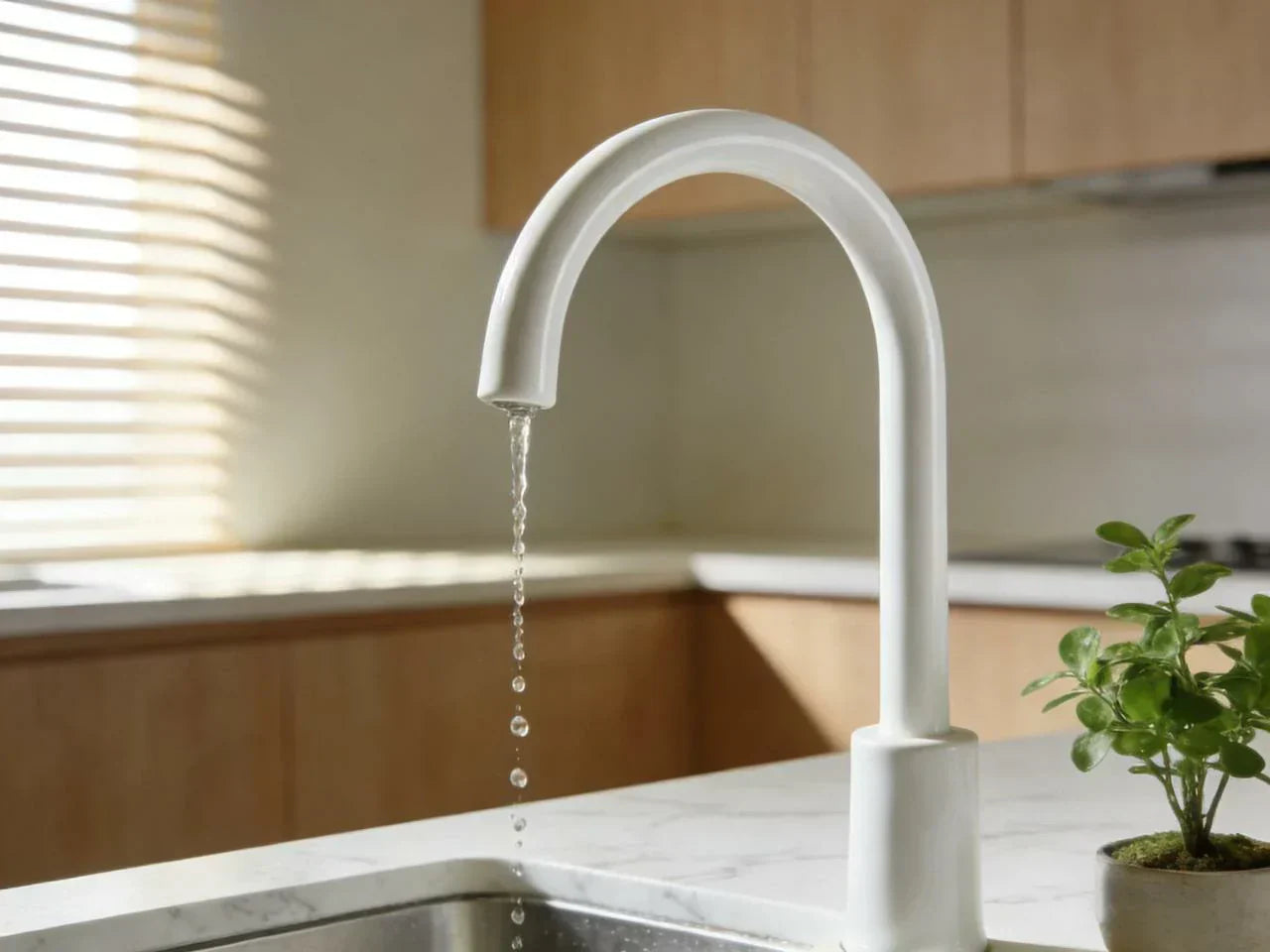
A low flow kitchen faucet is designed to reduce water consumption without sacrificing everyday usability. Instead of relying on high volume, these faucets use smart engineering to deliver a steady, controlled stream that feels strong enough for washing dishes, rinsing food, and filling containers—while using significantly less water per minute.
Modern low flow faucets achieve this balance through a combination of internal components working together as a system.
Aerators: Making Less Water Feel Like More
The aerator, located at the end of the faucet spout, plays a critical role in water efficiency. It mixes air into the water stream, breaking the flow into smaller droplets and creating a fuller, softer spray. This design helps:
-
Maintain perceived water pressure
-
Reduce splashing in the sink
-
Improve rinsing efficiency while using less water
However, aerators are also where mineral deposits and debris most commonly build up. In areas with hard water, calcium and lime can gradually clog the mesh screen, restricting flow and making the faucet feel weak or uneven—even when overall water pressure is normal.
Flow Restrictors: Controlling Output Safely
Inside many low flow faucets is a flow restrictor, a small device that limits the maximum amount of water passing through the faucet. Its purpose is to ensure consistent output, prevent waste, and support long-term water conservation goals.
When functioning properly, the restrictor creates a balanced stream that feels controlled rather than slow. But if the restrictor becomes clogged, damaged, or overly aggressive in its design, it can significantly reduce water flow and create the impression of poor water pressure at the kitchen sink.
Optimized Spray Heads and Faucet Spouts
Many modern kitchen faucets include spray heads, pull-down hoses, or multi-stream modes. These features are engineered to optimize water distribution rather than increase raw pressure. By shaping the stream and controlling how water exits the faucet spout, manufacturers aim to improve efficiency and usability.
If internal channels in the spray head become clogged or if the hose is kinked under the sink, water flow can drop noticeably. In these cases, the faucet itself becomes the most obvious bottleneck in the kitchen water system—even though the supply lines and plumbing may be working correctly.
Efficiency vs. Weak Performance
When all components are clean, properly assembled, and correctly installed, a low flow kitchen faucet should feel efficient, smooth, and reliable—not weak or frustrating. The water stream should remain solid and consistent, with predictable temperature control for both hot and cold water.
When something goes wrong—such as mineral buildup, partial blockages, or misaligned internal parts—the faucet is often the first place where reduced performance becomes noticeable. This is why low flow issues are frequently mistaken for plumbing problems, when in reality the solution is often as simple as cleaning or adjusting the faucet itself.
Understanding how low flow kitchen faucets work allows you to discover the true cause of low water pressure and restore proper water flow without unnecessary repairs or replacements.
Common Causes of Kitchen Faucet Low Pressure
When water pressure in your kitchen sink drops, the faucet itself is often the first place to investigate. A low flow kitchen faucet is designed to control water usage, but blockages, wear, or installation issues can quickly turn efficiency into frustration. Below are the most common reasons kitchen faucets experience reduced water flow—and how each issue affects performance.
Mineral Buildup at the End of the Faucet
The aerator, located at the end of the faucet spout, is a common site for mineral buildup, particularly in hard water areas where calcium and lime can accumulate, based on the Centers for Disease Control and Prevention’s guidance on water quality and plumbing.
Over time, this buildup narrows the openings in the aerator, restricting water flow and disrupting the stream. Common symptoms include:
-
A weak or uneven spray pattern
-
Increased splashing instead of a smooth stream
-
Extremely slow filling of pots or containers
Even when the home’s plumbing system and water supply are functioning properly, a clogged aerator alone can make the faucet feel as if it has poor water pressure.
Clogged Spray Head or Hose
Kitchen faucets with pull-down or pull-out sprayers add convenience but also introduce additional points where water flow can be restricted. Inside the spray head, mineral buildup, sediment, or debris can clog internal channels and filters.
In addition, the flexible hose beneath the sink may become twisted, kinked, or pinched against cabinet walls. A worn or failing diverter valve can also divert water incorrectly between spray and stream modes. These issues typically reduce water pressure at the kitchen sink while leaving bathroom faucets unaffected, making the problem easy to misdiagnose.

Flow Restrictor Issues
Most modern low flow faucets include an internal flow restrictor designed to limit water output and support water conservation, consistent with U.S. federal and state water efficiency standards according to EPA WaterSense program. When operating correctly, this component delivers a steady, controlled stream that feels efficient rather than weak.
However, if the restrictor becomes clogged with sediment or is excessively restrictive by design, it can significantly reduce water flow—even when supply pressure is normal. The result is a faucet that technically works but feels slow and inefficient.
Any attempt to remove or modify a flow restrictor should be done carefully to maintain safety and prevent splashing or temperature instability. Improper changes can cause excessive splashing, unstable water temperature, increased wear on internal components, or non-compliance with local water efficiency regulations.
Partially Closed Shut-Off Valves
Under the kitchen sink, shut-off valves regulate the hot and cold water supply to the faucet. These valves are often adjusted during installation, plumbing repairs, or appliance replacements—and sometimes are not fully reopened afterward.
A partially closed valve can noticeably reduce water pressure, especially hot water pressure, which may also be influenced by your water heater’s performance. This may result in uneven temperature control, delayed hot water delivery, or a weaker stream compared to cold water. Because the valves are hidden from view, this issue is frequently overlooked.
Cartridge or Internal Faucet Problems
Inside the faucet body, the cartridge is responsible for controlling water flow and mixing hot and cold water. Over time, mineral deposits, debris, or normal wear can interfere with the cartridge’s movement.
A damaged or misaligned cartridge may restrict water flow, cause inconsistent pressure, or make temperature adjustments difficult. Older faucets and low-quality cartridges are particularly susceptible, as seals degrade and internal tolerances loosen with age.
Plumbing or System-Level Causes
If cleaning and inspecting the faucet does not restore normal water pressure, the problem may exist beyond the fixture itself. Possible system-level causes include:
-
Clogged or aging pipes that restrict water flow
-
Leaks that divert pressure away from the faucet
-
Issues with the main water line or water meter
-
Pressure drops caused by simultaneous water usage elsewhere in the home
When both kitchen and bathroom faucets experience low pressure, the issue is likely related to the overall plumbing system rather than a single fixture.
Understanding these common causes makes it easier to diagnose low water pressure accurately and avoid unnecessary replacements. In many cases, the solution is simple—cleaning, adjusting, or replacing a small component—rather than addressing the entire plumbing system.
How to Increase Water Pressure Kitchen Sink
When your kitchen faucet starts running slowly, don’t panic. In most cases, you can solve low water pressure problems much more easily than calling a plumber. Usually, the problem isn’t your entire plumbing system—it’s small restrictions inside the faucet itself. By following these steps from easiest to more involved, you can often restore strong water flow in no time.
Clean the Aerator Thoroughly
The aerator is the small mesh piece at the end of your faucet spout. Over time, it collects minerals, dirt, and debris, which can dramatically reduce water flow. Cleaning it is the quickest and most effective fix.
-
Step 1: Unscrew the aerator by hand. If it’s stuck, wrap a cloth around it and gently use pliers to avoid scratching the finish.
-
Step 2: Take the aerator apart carefully, noting the order of the pieces.
-
Step 3: Soak the parts in white vinegar for 30–60 minutes. This dissolves mineral deposits.
-
Step 4: Use an old toothbrush to gently scrub the mesh and remove any remaining buildup.
-
Step 5: Rinse all parts thoroughly with clean water.
-
Step 6: Reassemble the aerator and screw it back onto the faucet.
-
Step 7: Turn on the faucet and test the flow—often, this single step restores a strong, even stream.

Inspect and Clean the Spray Head
Pull-down or pull-out sprayers often reduce flow if they’re clogged. Cleaning them is a simple way to regain pressure.
-
Step 1: Remove the spray head from the hose.
-
Step 2: Rinse it thoroughly under running water.
-
Step 3: Check the spray holes and internal screens for mineral buildup or debris.
-
Step 4: Soak the spray head in vinegar for 30 minutes if deposits are stubborn.
-
Step 5: While detached, turn on the faucet briefly—if the flow improves, the problem is likely inside the spray head assembly.
-
Step 6: Inspect the hose under the sink to ensure it moves freely and isn’t bent, pinched, or twisted.
Check Shut-Off Valves Under the Sink
Sometimes, low water pressure is simply due to valves that aren’t fully open.
-
Step 1: Locate the hot and cold water shut-off valves under your sink.
-
Step 2: Turn each valve counterclockwise until fully open. Even a partially closed valve can significantly reduce pressure.
-
Step 3: Test the faucet again to see if the flow has improved.
Clean or Replace the Cartridge
If the faucet still has weak flow or inconsistent temperature, the internal cartridge may be clogged or worn out.
-
Step 1: Shut off the water supply completely before touching the cartridge.
-
Step 2: Follow the manufacturer’s instructions to access the cartridge inside your faucet.
-
Step 3: Inspect for mineral deposits, debris, or damaged seals.
-
Step 4: Clean the cartridge if possible, or replace it entirely if it’s worn.
-
Step 5: Reassemble the faucet and turn on the water to test pressure and temperature control.
Consider Replacing the Faucet
If repeated cleaning and repairs don’t restore strong flow, the faucet itself may be outdated or poorly designed.
-
Step 1: Evaluate the faucet—older or low-quality models can restrict water flow even when everything else works fine.
-
Step 2: Choose a modern, well-engineered faucet designed to balance water efficiency and strong flow.
-
Step 3: Install the new faucet following the manufacturer’s instructions.
-
Step 4: Test the water pressure; a new faucet often delivers the most reliable long-term solution.
By following these steps from simple cleaning to full replacement, you can often fix low kitchen sink water pressure without expensive plumbing work. Most of the time, it’s just a matter of removing buildup, adjusting a valve, or swapping a small part, rather than fixing your entire water system.
When to Call a Plumber
Some water pressure problems are simple to fix, but others point to larger plumbing issues. If the signs below sound familiar, it’s time to bring in a professional.
Low Water Pressure Throughout the House
When weak water flow affects not just the kitchen sink but also bathroom faucets, showers, and appliances, the issue is likely system-wide. This often points to problems such as restricted supply lines, aging pipes, or pressure issues near the main shut-off valve or water meter. These conditions require proper testing and professional tools to diagnose accurately.
Visible Leaks or Pipe Corrosion
Water stains under sinks, damp cabinets, or unexplained moisture are warning signs that shouldn’t be ignored. Corroded pipes or slow leaks can quietly reduce water pressure while causing long-term damage to floors, walls, and cabinetry. A plumber can locate hidden leaks and address corrosion before it becomes a larger repair.
Suspected Main Water Line Problems
If you suspect an obstruction in the main water line, professional help is essential. Mineral buildup, sediment, or damage caused by shifting soil can restrict water flow before it even reaches your home. These issues are not accessible through DIY methods and must be handled carefully to avoid further complications.
DIY Fixes Don’t Improve Water Flow
If cleaning the aerator, checking valves, and inspecting the faucet don’t restore normal pressure, continuing to take the faucet apart may do more harm than good. At this point, a plumber can quickly determine whether the problem lies in the fixture, the supply lines, or the plumbing system as a whole.
Why Professional Inspection Matters
A licensed plumber can measure water pressure accurately, inspect the full plumbing system, and make repairs that are both safe and long-lasting. Professional service not only restores proper water flow but also helps prevent future leaks, damage, and costly repairs.

Choosing a Low Flow Faucet That Performs Well
The ideal low flow kitchen faucet balances water efficiency with strong, consistent flow, so it doesn’t feel restrictive or underpowered. When designed properly, it delivers a steady, comfortable stream while using less water in the background. The key is finding a faucet that balances efficiency with everyday usability, so routine tasks don’t become slower or more frustrating.
Look for Advanced Aerator Design
Not all aerators perform the same. High-quality faucets use advanced aerator technology that mixes air evenly into the water stream, creating a flow that feels solid and controlled rather than thin or scattered. A well-designed aerator also helps reduce splashing in the sink while maintaining effective rinsing power.
Smooth Water Flow and Temperature Control
Consistent flow matters just as much as volume. A well-made faucet should respond smoothly when adjusting water pressure and temperature, without sudden drops or spikes. Reliable temperature control is especially important when switching between hot and cold water during food prep, dishwashing, or filling containers.
Durable Valves and Cartridges
The internal components determine how a faucet performs over time. Faucets with solid valves and high-quality cartridges tend to maintain stable water pressure and resist wear from mineral buildup. Cheaper internal parts often lead to uneven flow, leaks, or frequent maintenance issues down the line.
Easy Maintenance and Accessible Parts
Even the best faucet needs occasional cleaning. Designs that allow easy access to the aerator, spray head, and cartridge make routine maintenance simple and help extend the life of the fixture. Being able to clean or replace parts without special tools is a practical advantage for long-term use.
Splash-Reducing Spray Patterns
Low flow doesn’t have to mean messy. Well-engineered spray patterns direct water efficiently where it’s needed, reducing splashing and keeping the sink area cleaner. This is especially helpful when rinsing dishes or washing produce under lower flow rates.
A thoughtfully designed low flow kitchen faucet reduces water usage without sacrificing performance. With the right features in place, everyday kitchen tasks remain smooth, efficient, and comfortable—while still supporting long-term water conservation.

Maintenance Tips to Prevent Poor Water Pressure in Kitchen Faucet
Regular maintenance is the simplest way to keep a kitchen faucet working the way it should. Most water pressure problems develop gradually, so a few small habits can prevent bigger issues later on.
Clean the Aerator Every 3–6 Months
The aerator collects mineral deposits, sediment, and small debris over time. Cleaning it a few times a year helps maintain a steady, even stream. In homes with hard water, more frequent cleaning may be necessary to prevent buildup from restricting flow.
Use Vinegar in Hard Water Areas
If your water contains high mineral levels, vinegar is an effective and inexpensive solution. Soaking the aerator or spray head in vinegar helps dissolve calcium and lime before they harden into stubborn deposits. Regular use keeps internal parts clear and functioning properly.
Rinse the Spray Head After Heavy Use
After washing greasy dishes or rinsing food scraps, take a moment to run clean water through the spray head. This helps flush out residue that can settle inside small openings and gradually reduce water flow.
Inspect Hoses and Connections Periodically
Check under the sink occasionally to make sure hoses are not twisted, pinched, or rubbing against cabinet walls. Loose connections or slow leaks can reduce pressure over time and may go unnoticed until performance drops.
Address Weak Flow Early
If the water stream starts to feel weaker than usual, don’t wait. Early cleaning or inspection is much easier than dealing with hardened mineral buildup or worn components later. Small fixes done promptly can prevent larger repairs and extend the life of the faucet.
Consistent maintenance keeps your kitchen faucet efficient, reliable, and easy to use. With a little attention now and then, low water pressure is far less likely to become an ongoing frustration.

Final Thoughts: Restore Flow, Improve Your Kitchen Experience
A low flow kitchen faucet should help conserve water—not slow you down. Most cases of weak or slow water flow are caused by simple issues like mineral buildup, clogged components, or partially closed valves. With the right inspection and cleaning steps, you can fix low water pressure, restore proper water flow, and enjoy a kitchen sink that feels efficient, controlled, and dependable.
When properly maintained, a modern low flow faucet delivers the best of both worlds: reduced water usage and a smooth, satisfying kitchen experience.
FAQs
1. What is considered a low flow kitchen faucet?
A kitchen faucet is usually considered low flow when it delivers about 1.5 GPM (gallons per minute) or less. For comparison, many older or traditional faucets run closer to 2.2 GPM, which uses noticeably more water. Low flow doesn’t automatically mean weak performance, though. Modern low-flow faucets rely on smarter aerators and pressure-compensating designs to keep the stream feeling strong enough for daily tasks like rinsing dishes or filling pots. In real life, most people don’t notice the difference—except on their water bill.
2. How to remove flow restrictor from kitchen faucet?
In most faucets, the flow restrictor sits inside the aerator or spray head. You typically unscrew the aerator (by hand or with a cloth and pliers), pop out the small plastic insert, and then reassemble everything. Sounds simple—but there’s a catch. Local plumbing codes may require flow restrictors, and removing them can lead to more splashing, less control, and higher water bills. If your faucet feels weak, it’s often smarter to clean the aerator, soak it in vinegar to remove mineral buildup, or replace a clogged cartridge instead of removing the restrictor altogether.
3. Why is my kitchen faucet stream so weak?
A weak stream is usually caused by something blocking the flow rather than low household pressure. The most common culprits are a clogged aerator, mineral deposits in the spray head, or a kinked or twisted pull-down hose under the sink. Sometimes the under-sink shut-off valves aren’t fully open, or debris has worked its way into the cartridge. The problem could also be mineral buildup inside the faucet. The good news? Most of these issues are quick fixes and don’t require replacing the faucet.
4. How to fix low water pressure in kitchen faucet?
Start with the easy wins. Remove and clean the aerator and spray head, especially if you live in a hard-water area. Next, check under the sink and make sure both shut-off valves are fully open. If pressure is still low, inspect the hose for kinks and look for tiny screens that may be clogged with sediment. At that point, cleaning or replacing the cartridge often restores normal flow. If every faucet in the house has low pressure, that’s when a plumber should check the pressure-reducing valve (PRV) or the main supply line.
5. Why is the water coming out of my sink so slow?
Most of the time, slow water flow comes down to a restriction at the faucet outlet—usually aerator buildup—or somewhere along the supply path, like a partially closed valve or debris trapped in the cartridge. If you’re unsure, try a simple timed-fill test: see how long it takes to fill a one-gallon container. If it’s much slower than the faucet’s rated GPM, you’ve confirmed there’s a flow issue. Once you know that, cleaning or replacing the right part usually brings the stream back to normal without much hassle.
References



Leave a comment
This site is protected by hCaptcha and the hCaptcha Privacy Policy and Terms of Service apply.