
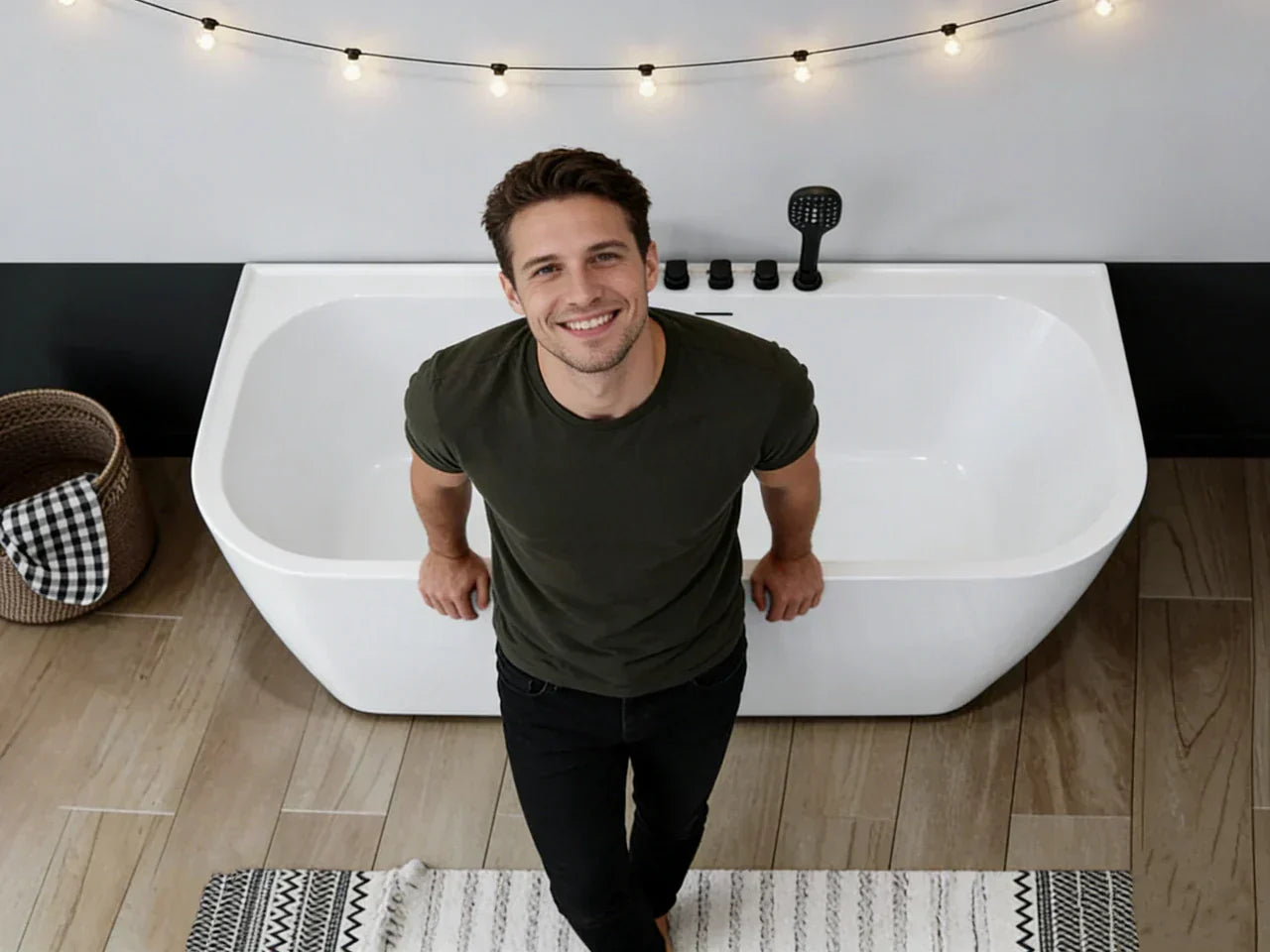
The best freestanding tubs can turn an everyday bathroom into a calm, spa-like place—but the wrong tub can leave you with cold water, a tight fit, or extra plumbing costs you did not plan for. In 2025, most shoppers want three things at once: a deep, comfortable soak, good heat retention, and a tub that fits their bathroom layout without drama. This guide ranks the top freestanding bathtub picks for 2025 using real specs like price, capacity, soaking depth, materials, and jet features. You’ll start with a quick shortlist and comparison table, then learn how to choose the right freestanding tub by size, material, style, install needs, and care.
Best Freestanding Tubs Ranked for 2025: Quick Picks
To help you scan fast and compare with confidence, this section ranks the best freestanding tubs for 2025 based on real-world buying factors—not hype. We focused on soaking depth, usable capacity, materials, price, and installation trade-offs, so you can quickly spot which tubs fit your space, budget, and bathing style before diving deeper into the guide.
Quick Comparison Table at a Glance
Benchmarks to keep in mind as you scan: typical soaking depth is ~18 in (about 15–20 in), common capacity for full-body soaks is 58–59 gal, and the price spread runs $675–$8,195. For most homes, the best value is often under $2,000 in acrylic.
| Rank | Model | Length | Capacity | Soaking depth | Material | Price | Best for | Watch-outs |
| 1 | Compact luxury soaking tub (ergonomic oval) | 59 in | ~50 gal | ~18 in | Acrylic composite | ~$1,500–$2,000 | Small baths that still want a “spa” feel | Tight for very tall users |
| 2 | Jetted freestanding tub with heater (whirlpool + air) | 71 in | 59 gal | ~18 in | Acrylic composite | ~$2,500–$3,500 | Hydrotherapy and long soaks | Needs electrical + careful leak checks |
| 3 | Best overall value soaking tub (classic oval) | 67 in | 58 gal | ~18 in | Acrylic | ~$1,200–$1,800 | Most bathrooms and most body types | Fittings quality varies by maker |
| 4 | Modern budget statement tub (sleek silhouette) | 68 in | ~58–60 gal | ~18 in | Acrylic | ~$1,000–$1,500 | Modern freestanding tubs on a budget | Leveling matters to protect the drain |
| 5 | Best under $700 insulated oval tub | 62 in | 58 gal | ~18 in | Insulated acrylic-fiberglass | $675 | Budget remodels, heat retention per dollar | Basic design, fewer finish options |
| 6 | Solid surface freestanding bathtubs (stone-resin feel) | 67–71 in | ~55–65 gal | 18–20 in | Solid surface / stone resin | ~$2,500–$5,000 | Quiet soak, “warm” feel, high-end look | Very heavy; delivery and flooring prep |
| 7 | Cast iron freestanding tub (enameled) | 60–67 in | ~45–60 gal | 15–19 in | Cast iron + enamel | ~$3,000–$6,000 | Long life and excellent heat retention | Weight can require structural review |
| 8 | Copper freestanding tub (premium) | 66–72 in | ~55–70 gal | 16–20 in | Copper | ~$4,000–$8,000+ | Luxury focal point and resale appeal | Patina care; can dent if mistreated |
| 9 | Wooden soaking tub (spa-inspired) | 70–73 in | ~60–80 gal | 18–22 in | Wood | $8,195 (typical high end) | Natural warmth and deep soaking | Heavy; sealing and moisture control |
| 10 | 5 foot freestanding bathtub (space saver) | 60 in | ~40–55 gal | 15–18 in | Acrylic | ~$800–$1,600 | Tight layouts and short wall runs | May feel short if you want to stretch out |
Editor’s Top Five Picks: A Data-Backed Shortlist
If you want the fastest “buy now” direction without reading the whole guide, these five profiles cover everything from value-focused soaking tubs to luxury freestanding options in 2025.
The best compact luxury pick is a 59-inch ergonomic acrylic soaking tub with an oval or egg profile and about 50 gallons of capacity. It suits a smaller bath but still gives that modern freestanding look.
The best jetted freestanding tub is the 71-inch model with 59 gallons, typically built with a mix of 6 body jets and 10 air jets, plus an inline heater to keep the water comfortable longer.
The best overall value is a 67-inch acrylic soaking tub around 58 gallons. This size is the “safe middle” for comfort, room fit, and price.
The best modern design on a budget is a clean-lined 68-inch acrylic tub, usually with a minimalist silhouette that works well with matte black or mixed-metal fixtures.
The best under $700 is the 62-inch insulated acrylic-fiberglass oval tub at about $675, which is hard to beat if you want strong warmth without a luxury price.
Choose by Scenario: A Reverse-Pyramid Decision Map
If you’re working with a small bath or a tight layout, start with 59–67 inch tubs, and lean toward oval or egg shapes. Those shapes tend to “read” smaller in the room, even when the interior is still generous.
If you’re tall (or you love stretching out), start at 71–73 inches and aim for the common 58–59 gallon range with a deeper interior basin. Length matters, but interior basin length matters more, because wide rims can steal usable space.
If hydrotherapy is the point, focus on a true whirlpool/jetted tub with an inline heater and recognized electrical safety certification. The tub should also have a service plan that does not require tearing up finished tile if a pump needs access later.

Find Your Tub in 30 Seconds: A Simple Filter Path
You can narrow choices fast by answering four questions:
-
Length: Do you need a 5 foot freestanding bathtub (60"), a mid-size 67–68", or a long 71–73"?
-
Budget tier: Under $1,000, under $2,000, or premium?
-
Material: Acrylic, solid surface (stone resin), cast iron, copper, or wood?
-
Wellness features: Soaking-only (quiet), air jets (gentle), or whirlpool jets (strong)?
Once you decide those four, most options drop away and the “right” tub becomes obvious.
How We Ranked Tubs in 2025: Criteria and Scoring
Choosing the best freestanding bathtub is not just about looks. A tub can be gorgeous and still feel cramped, drain slowly, or lose heat too fast. The key point is to score a tub the way you’ll use it: comfort first, then performance, then cost, then reliability.
Our Scoring Model and Weighting
We used four buckets that matched real buyer regrets:
Comfort and ergonomics come first. This includes the recline angle, back support, and whether the tub is an oval, a slipper tub, or a double-ended tub. Many of the most comfortable freestanding bathtubs have a supportive back angle that feels natural instead of forcing you to sit straight up.
Performance comes next. This is soaking depth, insulation, and heat retention. In real life, “deep” matters only if the tub holds warmth long enough for you to enjoy it, especially when comparing a freestanding model to a standard tub.
Value is not only the tub price. It is tub price plus the cost to plumb it, set it, and finish the space around it.
Reliability is the quiet deal-breaker. A freestanding tub puts more attention on fittings, leveling, and drain connections. Small leaks can be slow and hidden, so build quality and warranty signals matter.
Key 2025 Market Trends That Shaped the Rankings
In 2025, acrylic dominates the top of the market—about 70% of popular picks—making it the most popular material for freestanding tubs in typical homes. also see a strong shift toward heat-smart builds: about 80% of top choices now use heat-retaining designs like acrylic-fiberglass composites or heavy materials such as cast iron. That matters because these builds tend to keep bathwater warm about 20–30% longer than basic tubs without insulation.
At the same time, jetted tubs are rising again. Whirlpool and air-jet models are up about 25% in popularity, and shoppers tend to choose longer sizes—often 71–75 inches—because a little extra length makes jets feel less cramped.
What Kind of Freestanding Tub Is Best
For most homes, the “best” freestanding tub is a mid-size acrylic freestanding tub in the 67–68 inch range with about 58–59 gallons of capacity and a soaking depth near 18 inches. That profile is popular because it balances comfort, weight, price, and installation ease. If you want a quieter soak and a more “solid” feel, a solid surface freestanding tub can feel more premium, but it often costs more and requires more planning for weight.
Size, Capacity, and Bathroom Fit to Avoid the Number One Regret
Most regrets come down to one thing: the tub looked right online, but it did not fit the room—or the person—because freestanding tubs come in different sizes that affect both layout and comfort.
Dimensions That Actually Matter
Length is the headline number, but it is not the only one that matters, especially when freestanding tubs come in various shapes that change how the interior space actually feels. Width affects shoulder comfort. Rim height changes how easy it is to step in. Interior basin length tells you whether you can actually recline. And then there’s clearance: you need space to walk around the tub, clean behind it, and access plumbing if something needs service.
In 2025, a modern soaking comfort target is still a soaking depth around ~18 inches. Shallower tubs can feel fine for quick baths, but if you want a long soak, a deeper basin usually feels more relaxing.
What Size Freestanding Tub Fits Your Height
A simple rule of thumb works surprisingly well.
If you are under about 5'8", a 59–67 inch tub often feels comfortable, especially in an oval or egg shape that supports your back. A true 5 foot freestanding bathtub can be a smart choice if the room is tight and you prefer curling your knees slightly.
If you are about 5'9" to 6'4", start your search at 71–73 inches, or choose a tub with a deeper, more ergonomic interior. Tall users often get tricked by outer length: a long tub with thick walls can still feel short inside.
One red flag to watch for is narrow shoulder space. Some longer jetted designs place pumps and channels in ways that reduce interior width. If you like to sink your shoulders into the water, confirm interior width, not just outside width.

Capacity and Water Heater Reality Check
Capacity is where comfort meets plumbing reality. Many “full-body” soaking tubs land around 58–59 gallons. But you may not fill to the brim, and your body displaces water. Still, you should plan for a real fill volume that is not far from the stated capacity.
Here’s an easy planning method that avoids surprises:
Estimated hot water needed (gallons) = tub fill gallons × hot-water ratio
Most people mix hot and cold. If you usually fill with about 70% hot water, then a 58-gallon soak might use around 40 gallons of hot water.
Now compare that to your water heater. A common residential tank is 40–50 gallons, but not all of that is usable hot water at once, and recovery time matters. If your household already uses hot water for dishes, laundry, or showers, a deep soaking tub can push you into wanting a larger tank—or a different setup—so you can refill without waiting.
If you’ve ever taken a bath that went lukewarm too fast, this is often why. The tub choice and the water-heater choice have to match.
Small Bathroom Layout Solutions
In tighter layouts, some homeowners also pair a compact tub with a separate walk-in shower using low-profile shower pans to save space and improve drainage. Compact tubs in the 59–67 inch range are trending for exactly this reason.
Oval and egg shapes help because corners do not “catch” your eye the way a boxy profile does. Wall-adjacent freestanding placement can also work well. It still reads as freestanding, but it saves clearance on one side and can simplify faucet placement.
Also think about the path into the room. Can you carry the tub through the door and around the hall corner? People forget this and then have to remove a door frame or pivot to a different tub at the last minute.
Materials And Heat Retention: What Stays Warm The Longest
Material is not only about looks. The most common materials used in freestanding tubs today also affect warmth, durability, and long-term comfort. It changes how warm the tub feels when you touch it, how long the water stays warm, and how careful you need to be when cleaning.
Material Comparison At A Glance
| Material | Typical empty weight | Heat retention | Durability | Repairability | Best fit |
| Acrylic / acrylic-fiberglass composite | ~100–200 lb | Good (better with insulation) | Good | Scratches can often be buffed | Best value, easy install |
| Solid surface (stone resin / resin blends) | ~250–500+ lb | Very good | Very good | Small issues can sometimes be sanded/polished | Premium “solid” feel |
| Cast iron + enamel | ~400–800+ lb | Excellent | Excellent | Enamel chips need prompt repair | Long-life traditional luxury |
| Copper | ~150–400+ lb | Very good | Good (can dent) | Finish changes over time | Statement piece, warm glow |
| Wood | ~300–800+ lb | Excellent “touch warmth” | Depends on care | Requires sealing discipline | Spa style, deep soaking |
What Heat Retention Data Tells Us
If long soaks are your goal, insulation and mass matter. Heavier materials like cast iron and many solid surface tubs hold heat well because they absorb warmth and release it slowly. Modern acrylic tubs can also perform well when they use an acrylic-fiberglass composite shell and added insulation. In plain terms, a heat-retaining build can keep your bath comfortable about 20–30% longer than a basic, uninsulated tub.
There’s also the “first touch” feeling. Acrylic often feels warmer to the touch than cold metal or thin surfaces, especially in winter. If you hate that cold shock when you sit down, acrylic and solid surface tend to feel friendlier.
Solid Surface Or Acrylic: Which Freestanding Tub Is Better
It depends on what you value more day to day, because bathtub material directly affects weight, feel, maintenance, and installation planning.
A A solid surface freestanding tub (often called stone resin or resin-based) is designed to mimic the look and feel of natural stone, giving it a denser, quieter, and more “hotel-like” presence. Many people also like that the surface can be more uniform and less “hollow” sounding. The trade-off is weight and cost. These tubs can be hard to move into place, and you may need stronger floor planning.
An acrylic freestanding tub is usually the best choice for a normal remodel because it is lightweight, widely available, and often easy to clean. If you choose a quality acrylic with good reinforcement and insulation, comfort can be excellent without the heavy install.
If you want the best balance for most homes, acrylic is often the safest choice for a freestanding tub thanks to its weight, comfort, and ease of installation. If you want that solid, quiet feel and you’re ready for the weight and price, solid surface is worth it.
Is Vikrell Better Than Acrylic
Vikrell is a branded name for a fiberglass-reinforced composite material used in some tubs and surrounds. In simple terms, it sits between basic fiberglass and higher-end acrylic.
Whether it is “better” than acrylic depends on thickness and build quality. A well-made acrylic tub (reinforced and insulated) can outperform many composite tubs in feel and repair options. Composite materials can be durable, but they may be harder to repair invisibly if they get damaged.
If you’re choosing between the two and both are well-made, pick the one with the stronger warranty, thicker feel, and better reinforcement. And if you plan to soak often, prioritize insulation and a comfortable shape over the material name alone.
Durability And Scratch Resistance By Material
Acrylic can scratch, but it is often repairable. Light scratches can sometimes be polished out, and the tub can stay looking good if you avoid abrasive cleaners.
Cast iron tubs have excellent long-term durability, but the enamel surface can chip if a heavy object is dropped. Chips should be repaired quickly because moisture can creep under the enamel.
Copper and wood are beautiful but ask more from you. Copper can develop patina, which some people love and others want to control. Wood needs regular sealing and careful moisture habits, or it can stain and swell.
Sustainability And Indoor Air Considerations
If you’re sensitive to smells or indoor air, it’s smart to think about coatings, sealants, and cleaners. If you’re sensitive to smells or indoor air, it’s smart to think about coatings, sealants, and cleaners. According to the U.S. Environmental Protection Agency, indoor air quality can be affected by building materials, adhesives, and finishes used during home renovations, especially in enclosed spaces like bathrooms. During a bathroom remodel, adhesives and finishes can affect indoor air for a period of time. Good ventilation helps, and choosing low-odor products can make the space more pleasant, especially in the first weeks after installation.
Styles And 2025 Design Trends: Match The Room, Not Just The Tub
A freestanding tub is often the first thing you see when you enter the bathroom, and it plays a major role in creating a luxurious look for the entire space. The style has to match the room’s tone, or it can feel like an oversized object dropped into the space.

Most Popular Freestanding Bathtub Styles
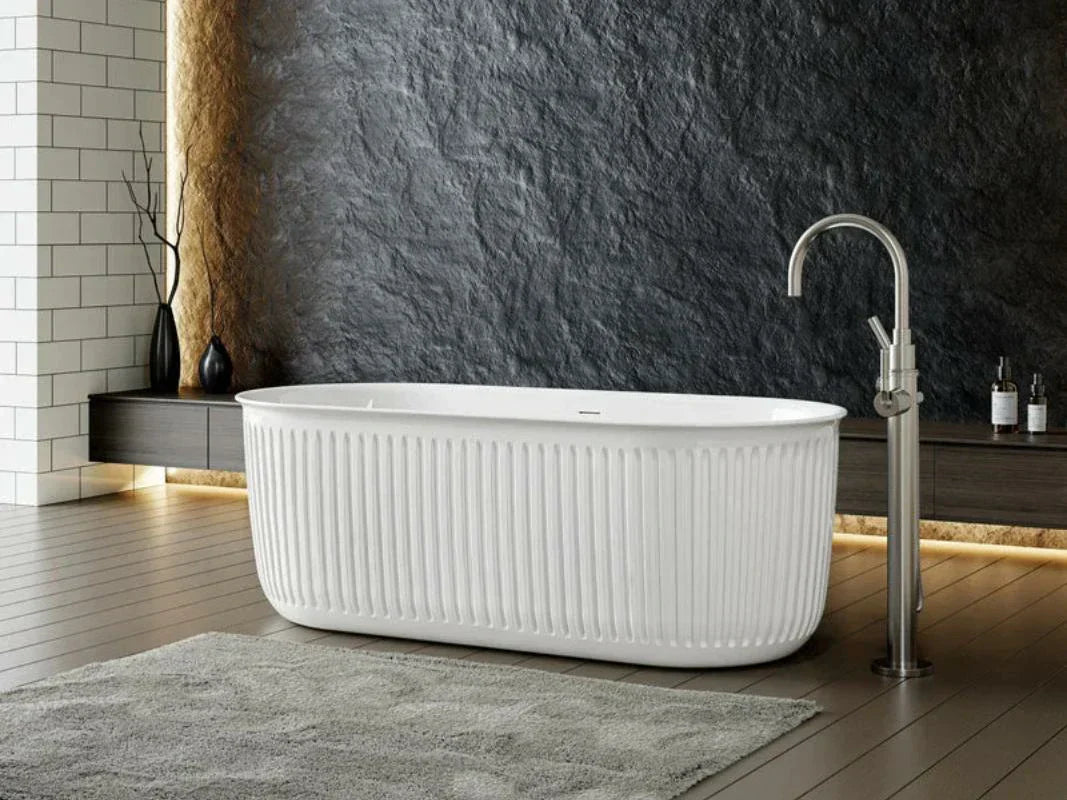
Oval and egg shapes are still the go-to for modern freestanding tubs, but freestanding designs now come in different shapes that suit everything from minimalist to traditional bathrooms. They fit many design styles, from minimalist to warm and natural, and they soften a room full of straight lines like tile and vanity edges.
Slipper tubs are popular for comfort because they support your back and neck. A double slipper or double-ended tub works well if two people share the tub at different times and want either end to feel “right.”
Clawfoot styles remain a favorite for traditional homes, but they tend to show more floor under the tub. That can be charming, but it can also make cleaning feel more frequent.
Black and matte finishes are a strong 2025 demand driver. They can look sharp, but they also highlight water spots more than glossy white. If you hate wiping down surfaces, plan for that reality.
Trend Watch: Comfort Geometry And Recline Angles
A subtle trend is the focus on comfort geometry. More tubs now build in a supportive backrest, and many shoppers prefer a recline that feels close to a relaxed lounge position—often around a 120° recline in modern designs.
Why does this matter? Because a tub can be deep and still feel awkward if your back has nowhere to rest. If you love reading or listening to music in the bath, back support is not a bonus—it’s the point.
Matching Tub Style For Fixtures
Before you pick a tub, decide how you’ll fill it. A floor-mounted filler looks dramatic, but it needs water lines brought up through the floor and set at the right distance from the tub rim. Wall-mounted valves can look clean and save floor space, but they require a suitable wall and careful placement.
Also think about finishing matching. The drain and overflow cover are small, but they’re right at eye level. Matching them to your faucet finish makes the whole installation look intentional, even if the tub is simple.
Room Aesthetic Checklist
A tub tends to look “right” when five things line up: the room’s style era, the finish palette, the faucet mounting plan, the cleaning access, and visual balance with the vanity and lighting. If one of those is off—like a huge tub in a narrow room—the space can feel crowded no matter how nice the tub is.
Features And Wellness Upgrades: Jets, Heaters, And Comfort Tech
Some people want a tub for calm. Others want a tub that does something for sore muscles. The best choice depends on what you expect when you step in.
Jetted, Air, Or Soaking Only: What Each One Feels Like
| Type | Feel | Noise | Maintenance | Install complexity | Best for |
| Soaking-only | Quiet, simple | Low | Low | Low | Value and peace |
| Air jets | Light bubbles | Medium | Medium | Medium | Gentle “spa” feel |
| Whirlpool/jetted | Strong, targeted | Medium–High | Higher | Higher (often electrical) | Hydrotherapy |
Are Freestanding Tubs Available With Jets
Yes, and freestanding tubs are available with more options in 2025 than they were a few years ago, including soaking-only, air-jet, and whirlpool designs. If you want jets, look for a jet count that matches your goal. Many popular setups land around 6–10+ jets. Body jets give targeted pressure, while air jets give a softer, all-over bubble feel.
If long sessions matter, an inline heater can be a big deal because it helps hold water temperature longer. Without it, your bath cools the same way any bath cools—especially in a large tub.
For safety, confirm the tub’s electrical components are certified by a recognized testing lab, and make sure the installation follows local code. Jetted tubs can be wonderful, but they reward careful planning.
Are Freestanding Baths Comfortable
They can be very comfortable, but comfort is not automatic. The most common comfort wins come from the right shape and back support. Many people find oval and slipper designs more comfortable than sharp-sided shapes because your shoulders and hips settle in naturally.
Comfort also depends on how you like to bathe. Do you sit upright, or do you recline? Do you like water up to your shoulders, or do you prefer a lighter soak? When you match the tub’s interior shape to your body and bathing style, a freestanding tub can feel like ultimate relaxation. When you don’t, it can feel like a pretty bowl.
Safety And Comfort Add Ons
If aging-in-place is part of your plan, a built-in seat can make bathing safer and easier. Slip resistance is also worth thinking about, but avoid rough textures that are hard to clean. If you want grab bars, plan them early so they look intentional and anchor into framing.
A good overflow design matters too. It’s a small detail that can prevent a big mess, especially in deep soaking tubs.
Two Real World Scenarios
A hydrotherapy-focused homeowner often chooses a longer jetted tub with a heater and then realizes the install needs more coordination—electrical access, pump service space, and careful drain alignment. The comfort payoff can be huge, but only if the tub is leveled perfectly and the fittings are not under stress.
A budget refresh shopper often chooses an insulated acrylic oval tub, keeps the bathroom layout simple, and spends the savings on a better faucet and good lighting. The result can feel “high end” because the tub stays warm and the room feels finished, even without premium materials.
Installation, Plumbing, And True Cost: Why Tub Price Is Not The Total Cost
Many people shop for tub prices and then get surprised later. A freestanding tub can be easy to install in the right setup, and in many standard remodels, modern acrylic tubs are easy to handle compared to heavier materials—but they still need planning.
Do Freestanding Tubs Need Special Plumbing
They don’t always need “special” plumbing, but they do need the plumbing to be in the right place. Drain alignment is a big one. Some tubs use center drains, others use end drains. If your floor drain is not in the right spot, you may need to move plumbing, which adds cost.
Access planning matters too. Even if the tub is freestanding, the drain connection still needs to be reachable. Some installs allow access from below (like an unfinished basement). Others require access panels or smart placement so you can service connections without tearing up finished floors.
Also decide on the faucet plan early: floor-mounted or wall-mounted. A floor-mounted setup often costs more because supply lines must rise through the floor and be anchored well. Wall-mounted can be clean and space-saving, but the wall must be built to support it.
Floor Load, Leveling, And Subfloor Prep
Weight is not only the empty tub. It’s the tub plus water plus the person (or people) inside. Heavy tubs like cast iron, solid surface, copper, and wood can push the limits of a floor if the structure is older or spans are long. In those cases, a structural review is a smart step.
Leveling is also crucial. If a tub is out of level, the drain can be under stress. That’s how small leaks start—slowly, quietly, and in the worst possible spot.
Total Cost Breakdown: What To Budget Beyond The Tub
Your total project cost is usually a mix of these items: tub price, faucet/filler, drain kit, delivery, plumbing labor, possible electrical work for jetted tubs, and flooring repair. A common planning range is that installation and related work add about 20–50% on top of the tub-only price. Industry guidance from the National Association of Home Builders highlights that plumbing relocation, structural prep, and finish work are among the most common drivers of cost overruns in bathroom remodels. That’s why pricing the faucet, drain kit, and potential floor repair early helps prevent budget surprises.
If you want a number to anchor on, pick the tub you like, then price the faucet and drain kit, then assume you may need some floor repair around the drain area. That simple habit prevents most budget surprises.

Permits, Codes, And Safety Basics
If you add jets, electrical requirements often come into play. Building codes published by the International Code Council set widely adopted standards for plumbing and electrical safety, which local jurisdictions use as the basis for permits and inspections.
Checking code requirements early helps ensure the installation is safe, compliant, and insurable.
If you move plumbing, you may need a permit. Local rules vary, so check your city or county building department. For plumbing standards and electrical product safety, rely on recognized codes and certification bodies, not guesswork.
Maintenance, Longevity, And Final Checklist: How To Make It Last 10 Plus Years
A freestanding tub can stay beautiful for a long time if you clean and maintain the surface correctly and keep fittings healthy.
Cleaning And Care By Material
| Material | Best cleaning approach | What to avoid | Simple longevity tip |
| Acrylic | Mild soap + soft cloth | Abrasive powders, rough pads | Rinse after bath to reduce film |
| Solid surface | Gentle cleaner; can often be lightly polished | Harsh chemicals left sitting | Use a soft towel to dry water spots |
| Cast iron (enamel) | Non-abrasive cleaner | Dropping heavy bottles | Repair chips fast to prevent spread |
| Copper | Gentle cleaner; patina-friendly care | Strong acids | Decide if you want patina or shine, then stick to one routine |
| Wood | Cleaner made for sealed wood | Standing water | Follow the sealing schedule and keep airflow good |
Common Problems And Simple Troubleshooting
Leaks often come from fittings under stress or a tub that is not perfectly level. If you notice a musty smell, staining near the tub, or a soft floor, don’t wait.
Slow drains are usually hair and soap buildup, but they can also happen if the drain line has poor slope. If it’s a new install and it drains slowly from day one, ask your plumber to re-check alignment.
Surface dulling is most common with acrylic when abrasive cleaners are used. Switching to a non-scratch routine usually fixes the problem before it gets bad.
Jet line cleaning materials for jetted tubs. Follow the maker’s directions and don’t skip it, because water sitting in lines can create odors.
If your baths get cold fast, you have a few options. You can choose a tub with better insulation, add a bath cover, or adjust water-heater settings within safe limits. Sometimes the simplest fix is to start with a slightly hotter fill and mix down, but always keep safety in mind.
Final Decision Checklist For The Best Freestanding Tubs
Before buying a freestanding bathtub, pause and check five things to avoid the most common long-term regrets. Does it fit your clearances and the user’s height? Does the interior shape feel comfortable, with real back support and enough shoulder space? Will it keep water warm with good heat retention and insulation? Can your floor handle the weight, and does the warranty feel meaningful (and certifications exist for jetted models)? And finally, have you priced the true installed cost, not just the tub?
When those five are yes, you’ve likely found the right freestanding tub for your bathroom.
FAQs
1. What is the best material for a freestanding bathtub?
For most homes, acrylic really is the sweet spot. It’s lightweight, warm to the touch, and much easier to install than heavier materials. Acrylic tubs also tend to hold heat better than people expect, and they come in a huge range of modern freestanding designs. If you want something that feels more solid and luxurious, solid surface tubs are a strong premium option. They’re heavier, quieter when filling, and have a very smooth, stone-like feel.
2. What is the most comfortable shape of a freestanding tub?
Most people feel most relaxed in oval (egg-shaped) or slipper tubs. These shapes naturally support your back and neck and don’t squeeze your shoulders, which makes a big difference during longer soaks. Double-slipper tubs can also be very comfortable for taller users because both ends slope gently.That said, comfort isn’t just about the outside look. The interior basin shape and depth matter more than the exterior style.
3. Do freestanding tubs need special plumbing?
Not always, but they usually need more planning than alcove or drop-in tubs. The biggest thing is drain placement—freestanding tubs often require very precise drain alignment, and moving a drain is the most common extra cost during installation. You’ll also need a clear plan for the faucet, whether that’s floor-mounted or wall-mounted. As long as plumbing is considered early in the remodel, it’s very manageable.
4. Are jetted freestanding tubs hard to maintain?
They do take more upkeep than soaking-only tubs. Jetted tubs have internal pipes that need regular cleaning to prevent soap residue, bacteria, or odors from building up. Most manufacturers recommend a simple cleaning cycle every few weeks, especially if you use bath oils or bubbles. If you know you won’t keep up with that routine, a soaking-only freestanding tub is usually a better choice.
5. Do freestanding tubs increase home value?
They can, especially when they match the home’s style and the bathroom feels well planned. A freestanding tub often reads as “premium,” which can help buyer perception in mid to high-end markets. But value comes from the whole room: good lighting, clean tile work, a balanced layout, and quality fixtures. Elements like a frameless shower door can also elevate the overall look and make the bathroom feel more open and high-end. A beautiful tub that crowds the room can hurt the feel, so the best “value” move is choosing a tub that fits the space and looks intentional.
References


Leave a comment
This site is protected by hCaptcha and the hCaptcha Privacy Policy and Terms of Service apply.