
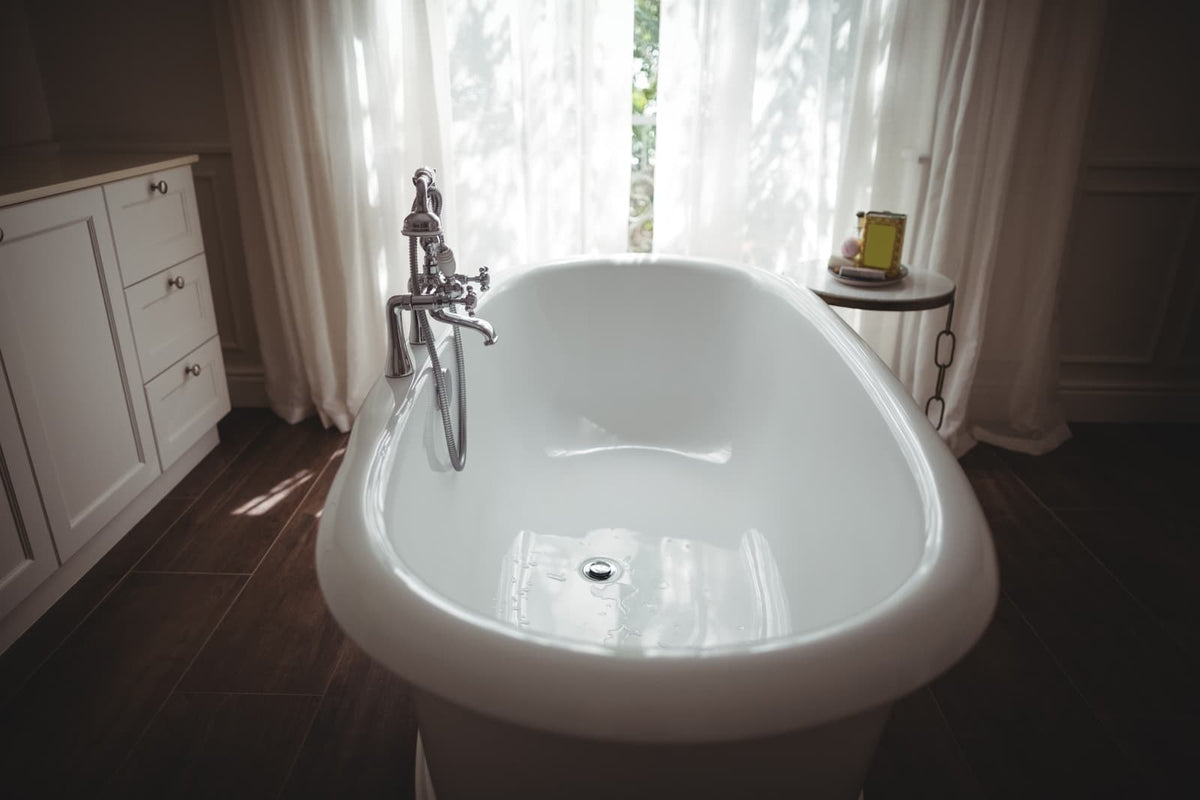
A 2 person bathtub is worth the space when two adults will use it regularly or one person strongly values a roomy, deep soak. It is best suited to a spacious primary bathroom with a clear delivery route, suitable structural support, compatible plumbing, and enough hot water.
It is less suitable when the bathroom is tight, shared baths will be rare, easy access is important, or low water use and simple cleaning take priority.
Depends: Best for Frequent Shared Soaking
Buy for established bathing habits, not an imagined renovation lifestyle. If both people already enjoy long baths and expect to soak together, the additional room can be useful. If they primarily shower or rarely relax at the same time, a large tub may consume space without providing a regular benefit.
Worth It in Large Primary Bathrooms
A two-person tub works best when it does not compromise storage, fixture access, or comfortable movement through the room. The bathroom must accommodate more than the tub shell: freestanding models need cleaning access, while drop-in and corner tubs may require a platform, finished surround, and service access.
Limited by Space and Hot-Water Demand
A larger basin generally requires more water to reach soaking depth and may take longer to fill. Two bathers displace some water, but that does not guarantee the existing water heater can deliver a complete, comfortably warm fill. Check the selected tub’s documented capacity against the home’s actual hot-water supply and recovery performance.
When It Works Well
Couples Bathe Together Regularly
Frequent shared use is the clearest reason to choose a two person bathtub. It gives both bathers more room than a conventional single-person tub and can make soaking together practical rather than cramped.
Occasional shared use can still be a bonus, but it should not be the only justification. The tub will occupy the same floor area and require the same cleaning even when used by one person.
Dual Backrests and Center Drains Work Best
A “two-person” label does not guarantee comfort. For two adults sitting at opposite ends, look for:
- Supportive, sloped backrests at both ends
- A center drain that does not sit beneath either bather
- Sufficient interior width for knees and legs
- A bathing floor that does not narrow sharply
- Faucet placement that does not obstruct either reclining position
A double-ended tub usually supports shared soaking better than a design with a drain, faucet deck, or upright wall at one end. Explore the general differences among soaking-tub types and layouts before comparing individual models.
Extra Room Improves Solo Soaking
A large 2 person bathtub can also suit a tall solo bather or anyone who wants more room to stretch out. This may be the most dependable everyday benefit because the tub remains comfortable even when the second seat is unused.
The trade-off is efficiency. A larger interior means more surface to clean, greater water demand, and potentially more heat loss while the tub fills.
Feature Tubs Suit Spacious Renovations
A freestanding or sculptural tub can serve as a focal point in a large bathroom. It works well when the surrounding layout remains functional and the filler, drain, and cleaning access have been planned from the beginning.
It works less well when the tub forces a narrow walkway, removes useful cabinetry, or leaves inaccessible gaps along the wall.
When It May Not Be Ideal
Is It Worth It for Small Bathrooms?
Usually not. Exterior dimensions are only the starting point. The room also needs space to enter the tub, operate nearby doors and drawers, use other fixtures, and clean around the installation.

Corner tubs use a different portion of the floor plan, but their broad platform or surround can still dominate a small bathroom. If the layout works only with minimal circulation or unreachable cleaning areas, a smaller soaking tub is likely to be more practical.
Not Ideal for Occasional Shared Use
A common poor purchase decision is choosing a large tub for occasional shared bathing and then using it almost entirely alone. If quick solo baths are the norm, a well-shaped single-person soaking tub may provide adequate depth and back support while using less floor space and hot water.
What Problems Do Users Report?
Recurring concerns include:
- The tub looks large outside but feels cramped inside.
- Thick rims, armrests, or molded contours reduce usable space.
- The water heater cannot provide the expected fill.
- The tub takes longer to fill than anticipated.
- The fixture dominates the room after installation.
- A jetted system requires more cleaning and service access than expected.
These concerns are best prevented by checking dimension drawings, capacity, installation instructions, and the complete room plan before ordering.
Deep Sides Can Limit Safe Access
Deeper tubs improve immersion but create a higher step into and out of the basin. That can be inconvenient for children, older adults, or anyone with limited balance or mobility.
Do not assume the tub rim can serve as a reliable handhold. If access is a concern, evaluate the entry movement, wet-floor conditions, and placement of suitable supports with the professionals responsible for the bathroom design and installation.
Pros and Cons
|
Advantages |
Trade-offs |
|
More comfortable for regular shared soaking |
Requires a larger bathroom footprint |
|
Extra reclining room for one person |
Uses more water and hot water |
|
Two supported seating positions in a suitable design |
Exterior size may overstate usable interior space |
|
Can create a strong focal point |
Takes longer to fill than a smaller basin |
|
Flexible for solo or shared use |
Deep sides may make access harder |
|
Optional jets can add a massage effect |
Pumps and internal passages add noise, cleaning, and service needs |
The central trade-off is comfort versus efficiency. A two-person tub makes sense when soaking quality is more important than minimizing space, water use, fill time, and maintenance.
Real-World Considerations
Do Interior Dimensions Fit Two Adults Comfortably?
Do not choose from overall length and width alone. Thick walls, wide rims, lumbar contours, and armrests can substantially reduce the bathing area.
Review the manufacturer’s interior drawing and check:
- Interior length at the bathing floor and rim
- Interior width at the shoulders, hips, and feet
- Water depth to the overflow
- Backrest shape at both ends
- Position of the drain, overflow, and faucet
- Space occupied by molded features or jets
Size the tub around the taller regular user, then confirm that the second person has a supported position and enough legroom. If possible, sit in a display tub while fully clothed. Otherwise, compare the interior drawing with both users’ seated and reclined measurements.
Will Exterior Dimensions Clear the Delivery Path?
A tub can fit the finished bathroom but still be impossible to carry into it. Measure the complete route before ordering, including:
- Exterior and bathroom door openings
- Hallways and tight corners
- Stairs, landings, and overhead obstructions
- The tub’s largest rigid dimension
- Space needed to rotate the tub
- Any added bulk from protective packaging
Ask the supplier how the tub is packaged and whether removable components affect its delivery dimensions. Do not rely on the room’s floor plan alone.
For freestanding options, compare the installation drawings in the HOROW bathtub collection rather than assuming tubs with similar exterior lengths have the same footprint.
Can the Floor Support the Filled Weight?
The full load includes the tub, water, both bathers, and any surrounding platform or equipment. The total varies by model, material, capacity, installation method, and user weight.
Use documentation for the exact tub rather than a category estimate. Structural adequacy cannot be determined from appearance or from the fact that a standard tub previously occupied the space. Upper floors, older homes, and concentrated tub bases may warrant evaluation by a qualified structural professional before installation.
Can Plumbing and Hot Water Meet Demand?
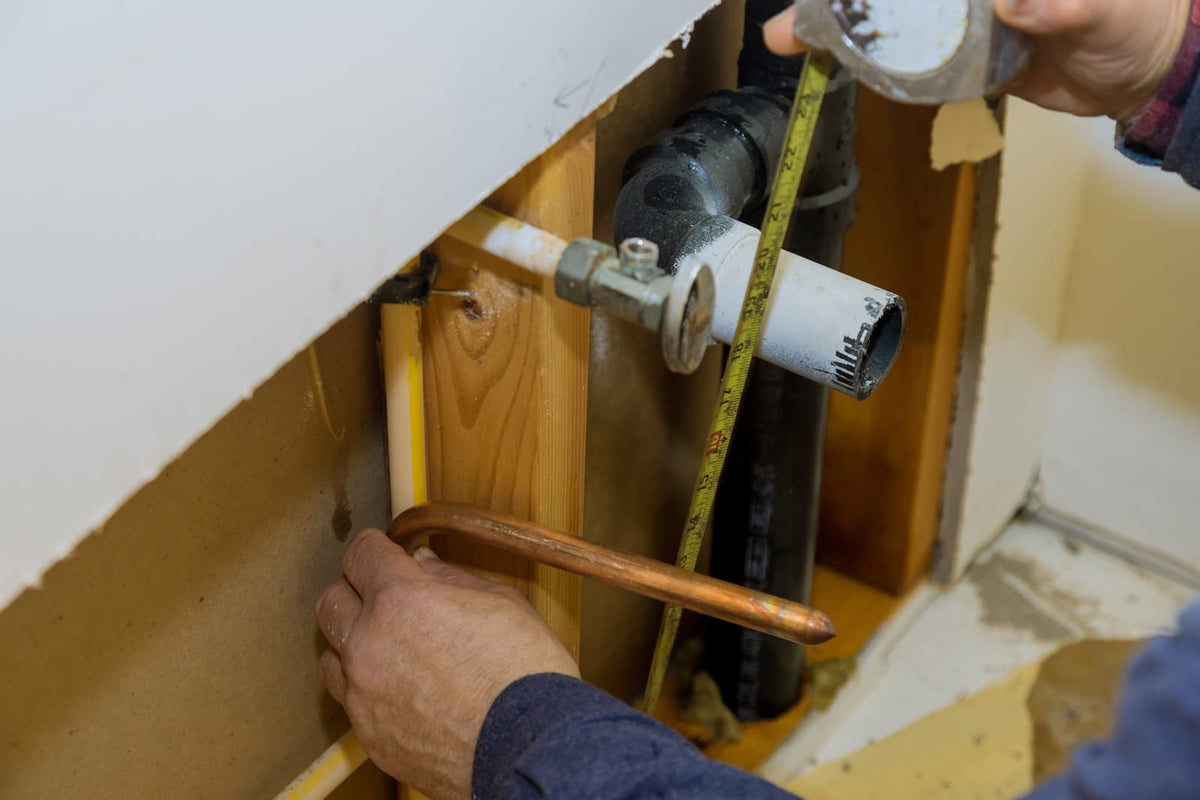
Drain and faucet locations affect both installation and comfort. A center drain is useful for opposing backrests, but it may not align with the existing rough-in. Moving supply or drain lines can increase project complexity, especially when access below or behind the tub is limited.

Confirm the following before purchase:
- Exact drain and overflow position
- Faucet type and mounting location
- Filler reach and clearance from both backrests
- Access for future plumbing service
- Tub capacity at the intended soaking level
- Available hot-water supply and recovery
- Model-specific installation requirements
A high-capacity tub also needs a practical filling setup. The installer should assess the selected faucet, supply arrangement, water heater, and tub together rather than treating them as separate decisions.
Who Should Buy or Skip?
Buy for Frequent Shared or Deep Solo Soaks
Choose a two-person tub if shared soaking will be regular, generous solo space has real value, and the bathroom can accept the fixture without sacrificing everyday function.
Skip When Space or Hot Water Is Marginal
Choose a smaller tub when the layout is tight, the delivery route is uncertain, or the hot-water supply is already stretched. These are functional constraints, not details to resolve after purchase.
Is It Reliable Long-Term?
A plain two person soaking tub has fewer components than a model with jets, pumps, or controls. Jetted tubs can be suitable when massage features matter, but reliability also depends on correct installation, cleaning, service access, and parts support.
Review the exact model’s care and installation documents before enclosing any equipment.
Skip If Easy Cleaning Matters Most
A simple basin is generally easier to maintain than a 2 person bathtub with jets. Freestanding tubs can also be difficult to clean around when installed too close to a wall. If low maintenance is a priority, favor a simple shape, accessible surfaces, and uncomplicated plumbing.
Pre-Purchase Checklist
Before ordering, confirm:
- Both bathers fit the documented interior dimensions.
- The tub has two usable backrests and suitable drain placement.
- Doors, drawers, fixtures, and walkways remain functional.
- The complete delivery route clears the packaged tub.
- The exact filled load has been considered for the proposed floor.
- Drain, overflow, faucet, and supply locations are compatible.
- The water heater can support the intended fill.
- Plumbing and equipment will remain accessible for service.
- Entry, exit, and cleaning access suit the household.
- Jetted features are worth their added noise and maintenance.
Frequently Asked Questions
What size bathtub is comfortable for two people?
No single exterior size guarantees comfort. Interior floor length, shoulder and leg width, soaking depth, backrest shape, and drain placement matter more than a “two-person” label. Check both users against the exact model’s interior drawing.
How much does a two-person bathtub weigh when full?
There is no universal total. Calculate the expected load using the exact tub’s dry weight and documented capacity, plus both bathers and any supporting platform or equipment. Have structural suitability evaluated when the load or existing floor is uncertain.
Can my bathroom fit a two-person bathtub?
Only if the room accommodates the complete installation—not just the shell—while preserving access, circulation, cleaning space, and fixture operation. The tub must also clear every doorway, turn, stair, and landing along the delivery route.


Leave a comment
This site is protected by hCaptcha and the hCaptcha Privacy Policy and Terms of Service apply.