
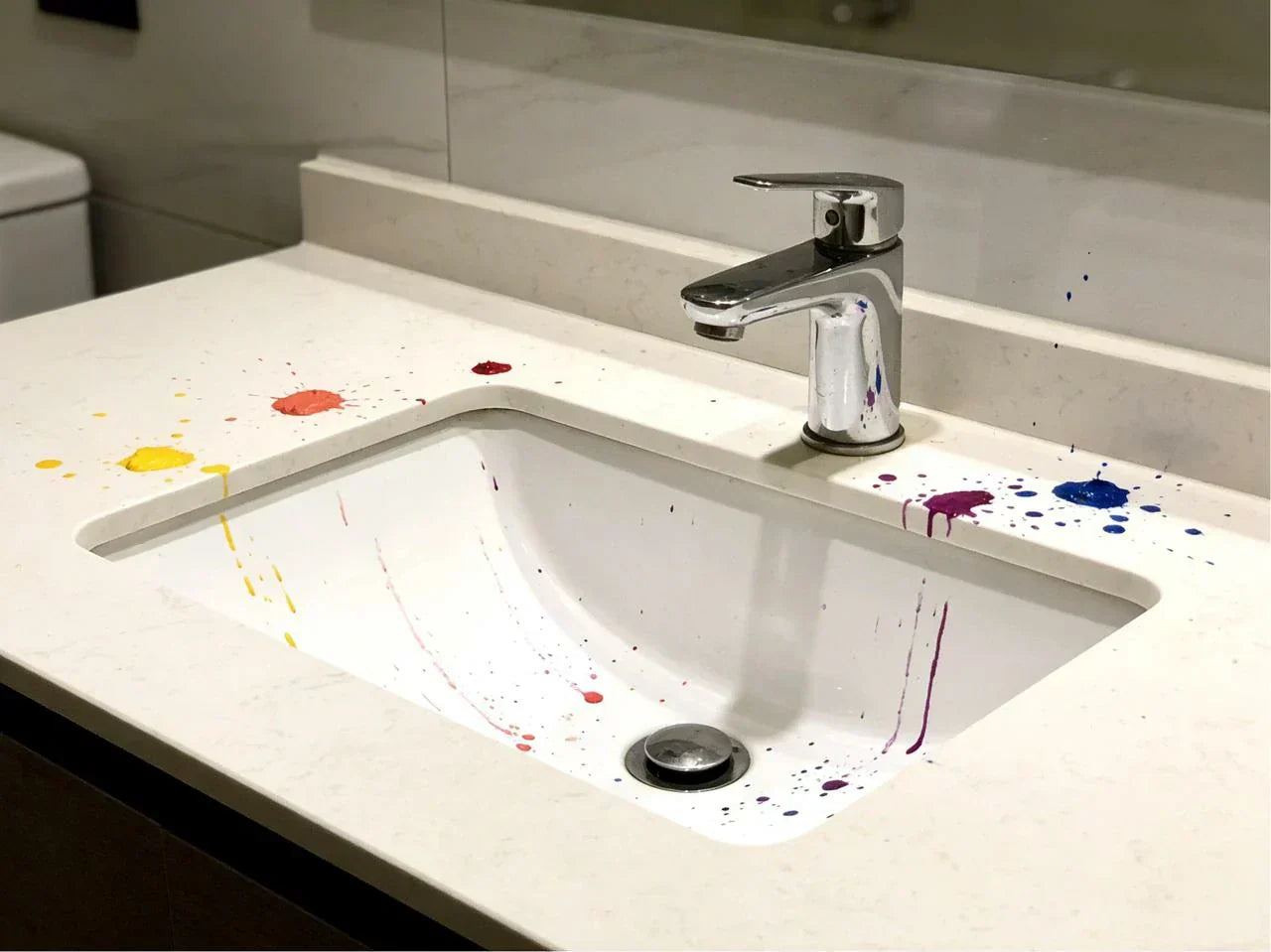
You sit down to dye your hair at home, the color looks amazing… and then you see it. Blue splashes on the bathroom sink, a ring of color on your toilet seat, spots on your favorite T‑shirt, and a bright stain on your skin. In that moment, all you want to know is: can you get rid of hair dye stains or are they permanent?
The good news is that in most cases you can remove hair dye stains from skin, clothes, floors, counters, tubs, and even mattresses. The key is acting fast, choosing the right method for the surface, and knowing when to use home remedies and when to reach for a stain remover made for the job.
This guide walks you through clear, step-by-step ways to remove hair dye stains from every common place they show up, with special tips for permanent, red, and dark stains, and safety advice so you do not damage your skin, your fabrics, or your bathroom.
Quick-Start: Best Ways to Remove Hair Dye Stains by Surface
When color is fresh and wet, almost anything will work better than if you wait. So if the dye is still fresh, start right away with this quick overview.
At-a-Glance: Fastest Methods by Surface
| Surface / Material | Fresh or Dried? | Fastest Effective Method | Key Caution |
| Skin / hairline | Fresh | Micellar water or makeup remover on cotton pad | Avoid harsh scrubbing on sensitive areas |
| Skin / hairline | Dried | Oil, then gentle scrub; rubbing alcohol spot use | Patch-test first to avoid irritation |
| Clothes / towels | Fresh | Cold water flush + liquid detergent pre-treat | Never use hot water at first |
| Clothes / towels | Dried | Baking soda + dish soap paste, then wash | Check the care label before using peroxide |
| Porcelain / ceramic sink | Fresh | Baking soda paste, non-scratch scrub sponge | Avoid steel wool that can scratch glaze |
| Tub / shower (enamel/acrylic) | Dried | Magic eraser or baking soda paste; then peroxide or diluted bleach if needed | Test first, avoid harsh abrasives on acrylic |
| Countertop (laminate/stone) | Fresh | Dish soap + warm water, gentle scrub | Do not use bleach or vinegar on some stones |
| Toilet seat (plastic) | Dried | Baking soda paste or magic eraser | Avoid pure acetone and strong solvents |
| Mattress / upholstery | Fresh | Blot, then vinegar + water, then detergent | Do not soak; avoid bleach and ammonia |
3-Step Emergency Routine for Fresh Hair Color Stains
Use this simple routine the moment you see fresh color on skin, fabric, or hard surfaces.
-
Blot, don’t rub. Use a wet cloth, cotton pad, or paper towel to gently blot the stained area. The goal is to lift extra dye, not push it deeper.
-
Rinse with cool or lukewarm water. For stains from clothes, run the back of the stained fabric under cold water. For hard surfaces, wipe with a damp sponge or cloth and mild dish soap.
-
Pre-treat with the right cleaner. Use micellar water or makeup remover for skin, detergent or baking soda paste for fabric, and baking soda or a gentle bathroom cleaner for sinks, tubs, and counters. Then move to the detailed method for that surface below.
How to Get Hair Dye Off Skin and Hairline Safely
Skin stains are common when you dye your hair at home, especially around the hairline, ears, and neck. The skin here is often more sensitive, so the trick is to remove the stain without causing irritation.
Immediate Fixes for Fresh Stains
If you notice color on your skin while the hair dye is processing, do not wait until you rinse your hair. Take care of it right away.
Soak a cotton ball or pad in micellar water, gentle makeup remover, or even a mild cream cleanser, and press it onto the stained area. Hold for a few seconds so it can break down the dye, then wipe in small circles. Repeat until the hair dye stain fades.
Cleansing wipes that are safe for the face can also help remove hair dye. Wipe gently and often from clean skin toward the stained line, rather than dragging dye farther across your face.
Gentle Options for Sensitive Skin
If your skin gets red easily, start with the mildest ways to remove hair dye:
-
Oils: Apply coconut, olive, or baby oil to the stain and let it sit for 5–10 minutes. The oil helps loosen the color so you can wipe it off with a soft cloth.
-
Petroleum jelly: Rub a thin layer over the stain and massage gently. This can both break up the color and protect the skin.
-
Cream cleansers: Massage a rich cream or lotion cleanser into the stained area, then rinse with warm water. This works well along the hairline.
You can repeat these steps a few times in a row. Because they are gentle, they are equally effective for most fresh stains without harming skin.
Stronger Methods (Patch-Test First)
For stubborn or dried stains on skin, you may need a bit more power. Before you use any stronger remover, test a small spot on the inner arm or behind your ear.
-
Rubbing alcohol or hand sanitizer: Dab a tiny amount on a cotton pad and gently wipe the stained skin. Yes, rubbing alcohol can remove hair dye from skin, but it can also be drying, so rinse and moisturize after. Avoid eyes and broken skin.
-
Gentle exfoliating scrubs: A sugar or salt scrub, or even a washcloth with a bit of baking soda, can lift color from the surface. Wet the skin, make a paste with baking soda and water, then rub the paste lightly and rinse.
-
Nail polish remover (non-acetone only, and with care): As a last resort on body skin (never near eyes), some people use a tiny amount of non‑acetone nail polish remover on a cotton swab. This can remove the dye, but it is harsh and not ideal for sensitive or facial skin. Rinse right away and moisturize.

Post-Removal Skin Care and When to Call a Dermatologist
After any stain removal on skin, rinse with lukewarm water, pat dry, and apply a plain moisturizer. If the area stings, feels hot, or looks very red, stop using strong products like rubbing alcohol or scrubs.
Contact a dermatologist or healthcare provider if:
-
The skin is blistering or peeling
-
You have a rash or burning that does not calm in 24 hours
-
You have a history of hair dye allergies or reactions
This is especially important around the eyes, mouth, and sensitive facial skin.
How to Remove Hair Dye from Clothes, Towels, and Fabric
When you get hair dye stains on your clothes, time makes a big difference. Once the dye fully bonds to the fibers, it will be much harder to erase, especially on light fabrics and with red or dark shades.
First Aid: Flush with Cold Water and Detergent
The best first step for any stained area on fabric is simple:
-
Turn the garment inside out so you can treat the stain from the back.
-
Run cold water through the fabric from the back of the stain so the dye moves out, not deeper in.
-
Rub a bit of liquid detergent or dishwashing liquid onto the stain and gently work it in with your fingers or an old toothbrush.
Then rinse again and check. If you can still see dye, move to a deeper cleaning method before you wash the item normally.
Baking Soda and Dish Soap Paste Method
A baking soda and dish soap paste is one of the most popular ways to remove hair dye from fabric at home. It combines a mild scrub with grease-cutting action.
-
Mix equal parts baking soda and dish soap in a small bowl to make a paste.
-
Spread the paste onto the stain, covering it fully.
-
Let it sit for 10–15 minutes so the mix can break up the dye stains from clothes.
-
Gently scrub the area with your fingers, a soft brush, or a cloth.
-
Rinse with cold water.
-
Wash the item with detergent in the washing machine.
Check the spot before drying. If the stain is still faintly visible, repeat the paste method. Do not put the clothing in the dryer until the stain is gone, or at least as light as possible; heat can set the color.
Using Oxygen Bleach, Hydrogen Peroxide, and Ammonia Safely
For tough hair dye stains from clothes, especially on light fabrics, you may need stronger tools. Before you use any of these, check the care label on the item.
-
Oxygen bleach (color-safe bleach): Soak the stained clothing in warm water mixed with oxygen bleach, following the product instructions. This is usually safe for most washable fabrics and less damaging than chlorine bleach.
-
Hydrogen peroxide: For white cotton or very light items, you can dab hydrogen peroxide directly on the stain with a cotton pad, let it bubble for a few minutes, then rinse and wash. Test on a hidden spot first.
-
Ammonia: A mixture of water and a small amount of ammonia can help with very stubborn dye, especially reds. Never use it on wool or silk, and only in a well‑ventilated space. Do not mix ammonia with bleach, as this can create toxic gas.
Special Cases: Red or Dark Permanent Dye on Light Clothes
Red and very dark colors are often the most difficult to remove because their pigments are strong. For a bright red hair dye stain on a white shirt, for example, you may need a few rounds of treatment:
-
Pre-treat with baking soda and dish soap
-
Soak in oxygen bleach
-
Spot-treat again with hydrogen peroxide
Sometimes the stain will only fade, not vanish. In those cases, you may choose to dye the garment a darker color, use it as a dedicated “hair color T‑shirt,” or cut it into rags for future cleaning.

Removing Hair Dye Stains from Bathroom Surfaces and Walls
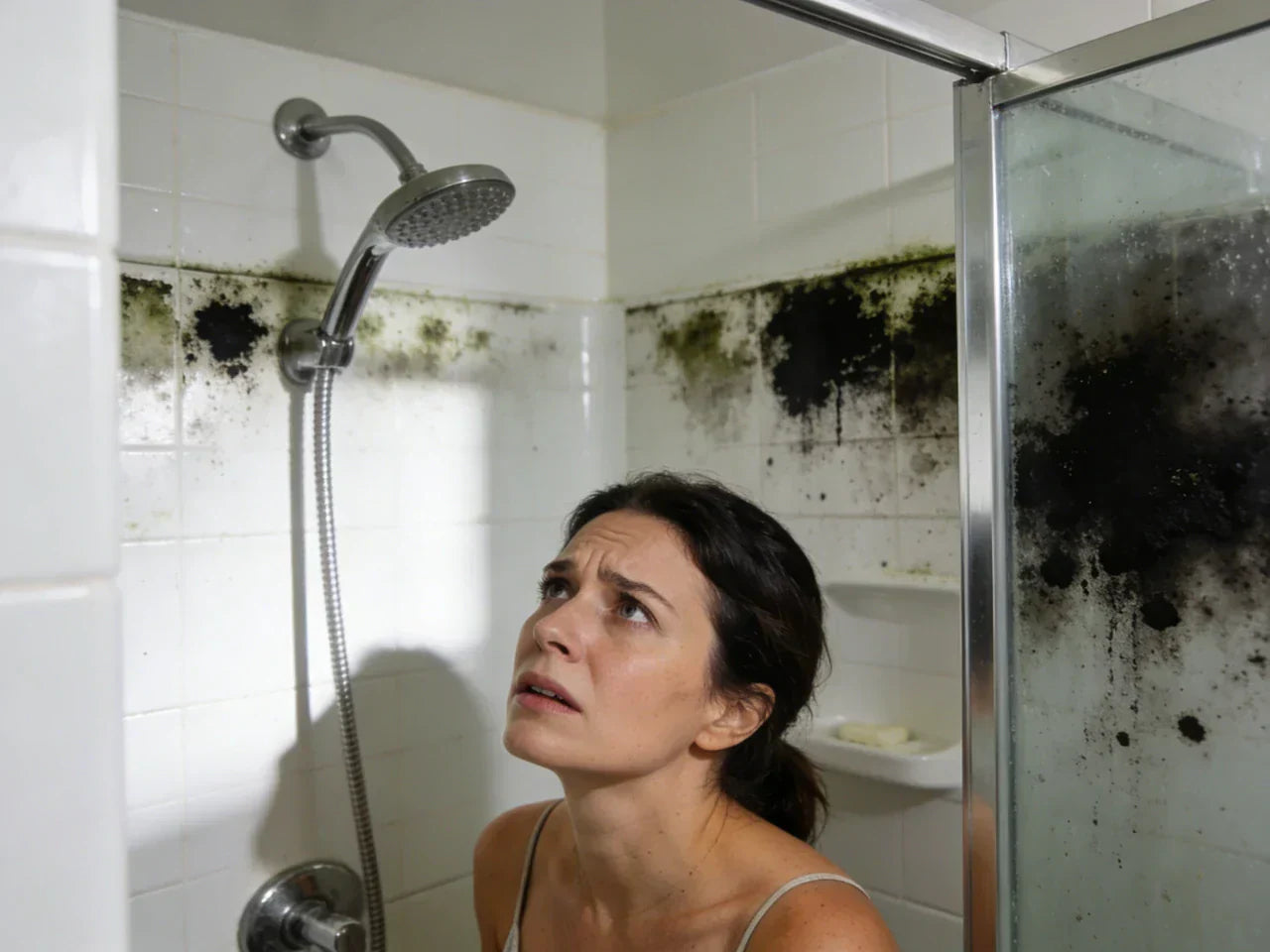
Your bathroom sink, tub, countertops, floor tiles, and walls are prime targets when you dye your hair at home. Different surfaces handle cleaners in different ways, so it is important to match the remover to the material.
Assessing the Surface
Before you scrub, ask yourself:
-
Is this enamel, porcelain, or acrylic (common in bathtubs and sinks)?
-
Is the countertop laminate, solid surface, or natural stone like granite or marble?
-
Are the floors and walls ceramic tile, painted drywall, or vinyl?
-
Is the toilet seat plastic, painted wood, or another material?
This matters because some cleaners, like bleach, vinegar, or strong abrasives, can damage coatings and finishes.
Baking Soda, Magic Erasers, and Non-Scratch Cleaners
For most dye stains in your bathroom, especially in the bathroom sink, tub, or on the floor, start with the mildest option.
To get hair dye off a countertop or sink:
-
Baking soda paste: Mix 3 parts baking soda with 1 part water to make a paste. Spread it directly onto the stain, then scrub the area with a non-scratch sponge or magic eraser. Rinse with warm water and repeat if needed.
-
Magic eraser: A magic eraser can help remove hair dye from many surfaces, including the bathtub, sink, and toilet seat. Wet it, squeeze out extra water, then rub gently in circles until the stain lightens.
If you wonder how to get dye off floor, especially ceramic tile, use the same baking soda paste or magic eraser method. Focus on the tile surface first, and then the grout.
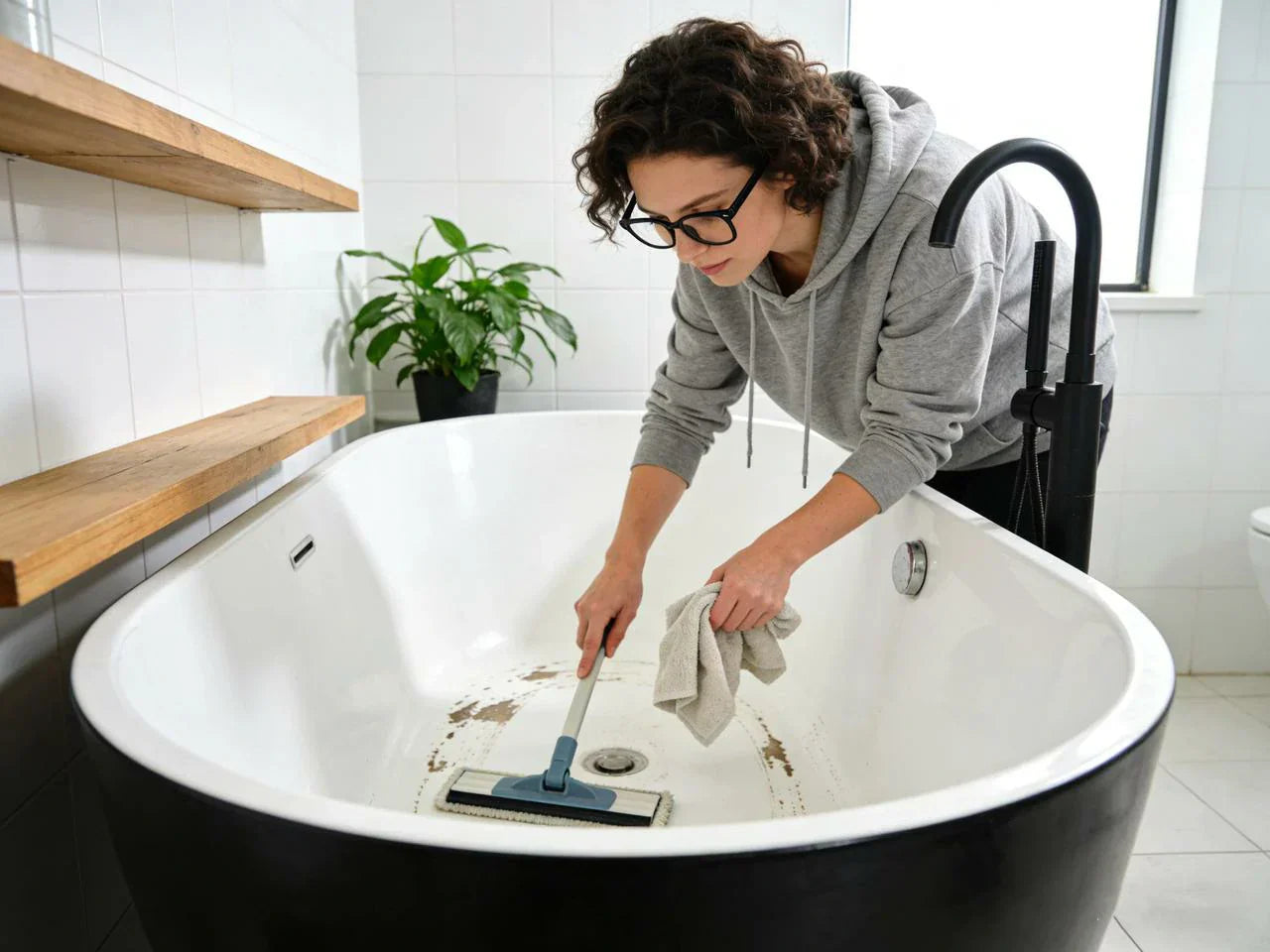
How to Get Hair Dye Stains Out of the Bathtub
If you are wodering how to get hair dye out of bathtub, here are the answers.
-
Rinse the bathtub with warm water and mild bathroom cleaner to remove soap scum and loose dye.
-
Apply baking soda paste to the dark stains or colored splashes.
-
Gently scrub with a non-scratch sponge or magic eraser.
-
Rinse and check. Repeat if the stain is still visible.
-
For stubborn marks on enamel or ceramic, apply a cloth soaked in diluted bleach and water (following label directions) for a few minutes, then rinse very well.
Avoid steel wool, strong abrasives, or harsh chemicals on acrylic tubs, as they can scratch or dull the surface. For those, keep to baking soda, mild cleaners, and magic erasers used gently.
How to Get Dye Stains Out of a Porcelain Sink
To get hair dye out of a porcelain sink:
-
Sprinkle baking soda directly onto the damp stain.
-
Add a drop of dish soap and rub with a soft sponge.
-
Rinse and repeat if needed.
-
For stubborn spots, apply a little hydrogen peroxide or a diluted bleach and water mix with a sponge, let it sit for a minute or two, then rinse well.
Porcelain is quite durable, so it usually handles these methods well, but avoid steel wool, which can leave gray marks.
How to Get Hair Dye Off a Countertop
On a laminate or solid surface bathroom counter:
-
Wipe the fresh stain with dish soap and warm water first.
-
If color remains, use baking soda paste and a non-scratch sponge.
-
For very stubborn marks, a magic eraser can often lift the color.
On natural stone (like marble or granite), do not use vinegar or strong acids. Use a stone-safe cleaner and, if needed, a poultice made from baking soda and water. For deep stains, you may need a professional stone cleaner.
How to Remove Dye Transfer from a Toilet Seat
Dye on a toilet seat often comes from leaning back while the color is still wet. The good news: most modern seats are plastic and can be cleaned.
To remove dye transfer from a toilet seat:
-
Start with dish soap and warm water, scrubbing with a soft sponge.
-
If color remains, apply baking soda paste and rub gently.
-
A magic eraser can help with leftover marks.
Avoid pure acetone nail polish remover, harsh solvents, or steel wool, which can damage or dull the seat.

Surface-Safety Matrix for Common Bathroom Materials
| Surface / Material | Safer Methods | Avoid These |
| Porcelain sink/tub | Baking soda, magic eraser, diluted bleach | Steel wool, strong acids on fixtures |
| Enamel tub/sink | Baking soda, non-scratch cleaner, magic eraser | Metal scrapers, long bleach soaks |
| Acrylic tub/shower | Mild soap, baking soda paste, soft magic eraser | Steel wool, harsh abrasives, strong solvents |
| Ceramic tile | Baking soda, vinegar and baking soda (not with bleach), magic eraser | Steel wool on glazed tile |
| Grout (light) | Baking soda, oxygen bleach, diluted bleach | Strong colored cleaners that may stain grout |
| Painted wall | Mild soap and water, damp sponge | Harsh scrubbing, strong solvents, pure bleach |
| Laminate countertop | Dish soap, baking soda paste, magic eraser (light pressure) | Strong solvents, steel wool |
| Natural stone counter | Stone-safe cleaner, baking soda poultice | Vinegar, lemon juice, strong acids, bleach |
| Plastic toilet seat | Dish soap, baking soda paste, magic eraser | Pure acetone, strong solvents, steel wool |
Getting Hair Dye Out of Mattresses, Bedding, and Soft Furnishings
Finding bright hair dye stains on your pillowcase or mattress can be stressful. Maybe you went to bed while your hair color was still damp. The key is to work fast and avoid soaking the mattress.
Why Speed Matters
Hair dyes usually complete most of their chemical bonding within about 24 hours. That means if you treat a fresh stain on bedding or a mattress, you have a much better chance to remove the stain before it sets deep into the fibers and padding.
Treating Fresh Stains on Sheets and Pillowcases
For sheets, pillowcases, and duvet covers:
-
Rinse the stained area with cold water as soon as you notice the color.
-
Apply liquid detergent or a bit of dish soap directly onto the stain and gently rub it in.
-
If needed, soak the item in a mix of warm water, white vinegar, and detergent (about 1 part vinegar to 3 parts water) for 30–60 minutes.
-
Wash with detergent and oxygen bleach if safe for the fabric.
Check before drying. If dye is still fresh and visible, treat again.
Deep-Cleaning Mattresses
To get hair dye out of a mattress:
-
Blot, do not rub, with a wet cloth to remove extra dye.
-
Spray or dab a 1:1 mix of white vinegar and water onto the stain. Blot again.
-
Sprinkle baking soda over the damp spot and let it sit for a few hours.
-
Vacuum up the baking soda once dry.
-
For leftover color on light fabrics, gently dab with a cloth dipped in hydrogen peroxide, then blot dry.
Enzyme-based stain removers can also help remove hair dye and other body stains from mattresses by breaking down organic matter. Always test a hidden area first and avoid soaking the mattress, since too much water can lead to mold.
When to Repeat Treatments or Call a Professional
It is normal to need more than one round to get hair dye stains out of thick or layered materials like mattresses and upholstery. If several attempts with vinegar and baking soda, detergent, and peroxide do not work, or the mattress is very expensive, you may want a professional cleaner who can use deeper extraction tools.
DIY vs. Commercial Hair Dye Stain Removers
There are many ways to remove hair dye at home, and you do not always need a special product. Still, commercial stain removers can save time and effort, especially on very stubborn stains.
Comparing Common DIY Options
Popular DIY tools include:
-
Baking soda – mild abrasive that can lift dye from skin, fabric, and hard surfaces
-
Vinegar and baking soda – reaction can loosen some stains (never mix with bleach)
-
White vinegar alone – helps with certain alkaline dyes and deodorizes
-
Dish soap – breaks up oils and some pigments
-
Oils – loosen stains from skin and some surfaces
-
Hydrogen peroxide – lightens stains on light fabrics and hard surfaces
These are low‑cost, easy to find, and usually safe when used with care.

Overview of Professional Stain Removers and Salon-Grade Products
Professional stain removers, including some made just for removing hair dye, often use surfactants, solvents, and sometimes enzymes to break down color.
They are especially helpful for:
-
Hair dye stains in your bathroom that DIY methods did not fix
-
Hair dye stains from clothes that have partially set
-
Salons or frequent at‑home color users who want faster, repeatable results
Always follow the directions on any commercial stain remover and test a small area first.
Pros and Cons Comparison
| Type | Pros | Cons |
| DIY (baking soda, vinegar, dish soap, oils, peroxide) | Cheap, easy to find, often gentle, versatile | May need many rounds, not always strong enough |
| Commercial stain removers | Fast, targeted, often stronger, work on older stains | Cost more, may contain strong chemicals, need careful testing |
When DIY Works Best vs. When Branded Removers Win
DIY methods are usually enough for:
-
Fresh stains on skin and around the hairline
-
New splashes on clothes and towels
-
Light marks on sinks, counters, and tubs
Commercial products shine when:
-
You waited too long and the dye has deeply set
-
You have large unsightly stains in a rented home and must clean them fully
-
You tried 5 ways to remove hair dye with home products and little changed
An easy approach is to start with DIY, then move up to a stronger remover only if needed.
Understanding Hair Dye, Materials, and Safety
Knowing a little about hair dyes and materials can help you pick the right cleaner and stay safe.
How Different Dyes Stain Skin and Fabric
-
Permanent hair dye: Uses a developer that opens the hair cuticle and forms new color inside. When it spills, it can also bond strongly with fibers and porous surfaces. These stains are tougher to remove.
-
Semi-permanent dye: Sits more on the surface of hair and often on surfaces too. These stains may come off more easily with baking soda, detergent, or vinegar.
-
Natural dyes (like henna): Can stain skin and surfaces deeply and may have a reddish or orange tone. These may fade over time but can be hard to fully erase.
Porous materials like grout, unsealed stone, and fabric soak in dye more than smooth, non‑porous ones like glazed tile or sealed enamel.
Why Some Surfaces Are Harder to Clean
Porous surfaces are full of tiny holes that trap color, while smooth ones keep color more on the surface. That is why a hair dye stain on a bathroom wall or unsealed grout may stay longer than a spot on glazed tile or a glossy countertop.
Skin and Respiratory Safety
When you clean dye stains in your bathroom, you are working in a small space. Take care of your health:
-
Open a window or run a fan when using strong cleaners.
-
Never mix bleach and ammonia, or bleach with vinegar or other cleaners, because this can create dangerous fumes.
-
Wear gloves to protect your skin from both dye and removers.
-
Avoid harsh scrubbing on delicate skin to prevent cuts and irritation.
For more details, you can check safety advice from health and environmental agencies such as national health departments or environmental protection agencies in your country.
Prevention, Common Mistakes, and Long-Term Care
The easiest way to handle stains is to prevent stains in the first place, or at least limit where they land.
Common Mistakes That Make Stains Worse
People often make these errors when they try to remove hair dye stains:
-
Using hot water on fresh fabric stains, which can set the color
-
Scrubbing delicate skin too hard, causing redness or small cuts
-
Mixing cleaning products like bleach and ammonia or bleach and vinegar
-
Using steel wool or rough pads on tubs, sinks, or toilet seats, leaving scratches
-
Putting stained clothes straight into a hot dryer before checking if the stain is gone
Avoiding these mistakes gives you a better chance to effectively remove the color.

How to Prevent Hair Dye Stains
Before you start to dye your hair at home, spend a few minutes on prep:
-
Protect skin: Apply petroleum jelly or a thick cream along your hairline, ears, and neck.
-
Protect clothing and bedding: Wear an old button‑up shirt or cape. Cover pillows and bedding with a dark towel if you plan to rest while the color sets.
-
Protect the bathroom: Lay old towels or plastic over the countertop, floor, and around the sink and bathtub. Close the toilet lid or cover the seat with plastic.
-
Keep cleaning tools handy: Have paper towels, a cloth, baking soda, and dish soap nearby so you can tackle spills as soon as they happen.
Long-Term Care for Surfaces and Linens
If you color your hair at home often, it helps to:
-
Use dark or patterned towels that will not show stains as much
-
Keep a set of “hair color” clothes and pillowcases
-
Seal porous surfaces like grout or natural stone (following manufacturer advice)
-
Wipe down the bathroom sink, countertop, and tub after each coloring session with a mild bathroom cleaner
Simple habits like these mean fewer dye stains in your bathroom and less effort later.
FAQs
1. Can you get rid of hair dye stains?
Yes, you can remove hair dye stains by acting fast with gentle cleaners like baking soda or mild detergent. Early treatment lifts color before it sets, and even older marks often fade with repeated care. Using safe methods also helps when learning how to get hair dye off wall and other delicate surfaces.
2. How to remove permanent hair dye from a bathtub?
To remove hair dye stains from a bathtub, start with baking soda paste and a non-scratch sponge. Rinse, then repeat. If color remains, use diluted bleach only on safe surfaces. These steps work even when figuring out how to get hair dye off of sink areas nearby.
3. Will rubbing alcohol remove hair dye from a tub?
Rubbing alcohol can help remove hair dye stains if the tub is enamel or porcelain. Test a small area first, gently wipe, then rinse well. It may not work on older stains, so use it as a backup option rather than your main method for how to get hair dye off counter areas around the tub.
4. How to get dye stains out of porcelain sink?
Porcelain handles cleaning well, so sprinkle baking soda, add dish soap, and scrub gently to remove hair dye stains. Stubborn spots respond to brief hydrogen-peroxide contact. This method is also helpful when exploring how to get hair dye off of toilet seat surfaces safely.
5. How to get hair dye off a counter top?
Use baking soda paste and a soft sponge to remove hair dye stains from most countertops. Wipe gently, rinse, then repeat if color lingers. This approach prevents scratches and keeps nearby areas, such as sinks and walls, easy to maintain without harsh chemicals.
6. How to remove dye transfer from a toilet seat?
Mild soap and warm water lift fresh marks, while baking soda paste removes hair dye stains that have dried. Scrub softly to avoid damage. These steps clean plastic seats effectively and stay safe for surrounding bathroom surfaces without using strong solvents.
References


Leave a comment
This site is protected by hCaptcha and the hCaptcha Privacy Policy and Terms of Service apply.