
Keep a Reliable Toilet, Not Recurring Problems
A toilet can last for decades when its porcelain remains intact and its working parts are properly maintained. However, components such as fill valves, flappers, and seals often need replacement much sooner. There is no universal toilet replacement age. Condition, installation, water quality, usage, and reliable flushing matter more than age alone.
Keeping an intact toilet usually makes sense when it works well and needs only occasional, straightforward repairs. Replacement becomes more reasonable when porcelain is cracked, compatible parts are unavailable, or properly completed repairs no longer restore dependable use.
Leaks, rocking, and frequent clogs need diagnosis first. Their cause may be outside the fixture, so a new toilet alone may not solve the problem.
What Does Toilet Lifespan Actually Mean?
Porcelain and working parts age differently
“Toilet lifespan” can mean how long the ceramic body stays sound—or how long the whole toilet remains practical to use.
The bowl and tank may remain intact while the flapper, fill valve, flush valve, gaskets, bolts, or seals need attention. Replacing a worn component does not mean the whole toilet has reached the end of its life.
This distinction makes a single lifespan number misleading. A toilet can remain physically usable long after recurring maintenance or poor performance makes replacement worthwhile.
Installation, water quality, and usage affect longevity
Hard water can leave mineral deposits that affect valves and flushing passages. Heavy use increases demand on working components, while large paper loads or unsuitable flushed objects can cause trouble regardless of the toilet’s age.
Installation matters, too. A poorly supported fixture may move or develop leaks even when the porcelain is relatively new.
To help a toilet last longer:
- Avoid abrasive cleaning methods that can damage glazed surfaces.
- Address mineral buildup using care methods appropriate for the fixture and its components.
- Investigate running water, leaks, or movement promptly.
- Replace worn components with compatible parts.
These habits support continued service; they do not guarantee a particular lifespan.
Does the Problem Require Parts or Full Replacement?
Does a running toilet need replacing?
A running toilet often needs a repair rather than full replacement. A worn flapper, faulty fill valve, flush-valve problem, or incorrect adjustment may be responsible.
An occasional refill sound when nobody has used the toilet is worth checking, even without water on the floor. An internal leak can waste water without leaving a puddle.
Repair usually makes sense when the cause is clear, compatible parts are available, and the rest of the fixture works well. Repeatedly replacing parts without identifying the cause is less useful than diagnosing why the problem returns.
Do frequent clogs mean the toilet is failing?
Frequent clogs do not prove that the toilet is worn out. Paper volume, trapped objects, drain restrictions, or venting problems can produce similar symptoms.
If several fixtures drain poorly, a plumber may need to investigate the drainage system before you buy another toilet. Replacing the fixture will not necessarily resolve a restriction farther down the line.
Replacement becomes more useful when the drainage has been assessed and the toilet still struggles with normal household use.
Leaks need diagnosis before choosing a remedy
Water near a toilet can come from a supply connection, tank hardware, condensation, a failed base seal, or damaged porcelain. The source of the water—not the toilet’s age—determines the remedy.
A connection or seal problem may be repairable without replacing the fixture. A confirmed crack in the bowl or tank generally favors replacement rather than a routine parts repair.
Have suspected cracks or unexplained leaks assessed promptly by a qualified plumber. If water is actively leaking, shut off the toilet's water supply when safe to do so and avoid using the fixture until the source is identified. Continued leakage can damage nearby materials, and a suspected porcelain crack should not be treated as a cosmetic issue.

Recurring rocking can indicate flange or floor damage
A toilet that repeatedly rocks may have an uneven base, damaged flange, deteriorated floor support, or an installation problem. Repeatedly tightening the bolts may not address the cause and can put stress on the porcelain.
Have the support and mounting assessed before choosing a replacement. Otherwise, the new toilet may inherit the same movement and leakage problems.
When Does Replacement Offer More Value Than Repair?
Repeated repairs and unavailable parts favor replacement
One straightforward repair is different from a pattern of service calls.
Replacement deserves consideration when several components need attention, compatible parts are difficult to source, or repairs no longer restore reliable use. The practical cost includes more than parts and labor: repeat visits, time away from work, and an unreliable bathroom also matter.
Compare a repair quote that addresses the diagnosed cause with a replacement quote that includes installation and any necessary supporting work. A recurring pattern of failures is a stronger reason to replace than one isolated fault.
Weigh water savings against purchase and installation costs
An older toilet may use more water than a newer fixture, but lower water use alone does not establish that replacement will pay for itself.
The trade-off depends on the existing toilet’s documented water use, household flushing habits, local water and sewer charges, and the full installed cost. Address running-water problems first; otherwise, you may be comparing the cost of a leak rather than normal operation.
If lower bills are the main reason to replace the toilet, compare documented flush volumes rather than assuming every newer fixture offers the same savings.
Daily flushing frustration can outweigh remaining porcelain life
A toilet does not have to become irreparable before replacement is reasonable.
Holding the handle, flushing twice, or keeping a plunger nearby can turn normal use into a daily workaround. Loud refilling, poor bowl wash, difficult cleaning, or an uncomfortable seat height can also make an intact fixture unpleasant to live with. These problems may matter more in a busy shared bathroom than in a rarely used guest bathroom.
Be clear about the improvement you expect. Replacing a dated-looking toilet can be a valid renovation choice, but appearance alone does not establish that its useful life has ended.

What Could Complicate a Toilet Replacement?
Check rough-in, bowl dimensions, and bathroom clearances
A replacement needs to fit the plumbing and the room—not just the visible space around the bowl.
Check the existing rough-in against the product’s installation drawing, along with bowl projection, seat height, supply-line position, and door clearance. A different footprint may expose unfinished or discolored flooring.
These checks are especially useful in small bathrooms, where a modest change in shape can affect daily movement. Confirm uncertain measurements or connection details before ordering.
Budget for flange, floor, and connection repairs
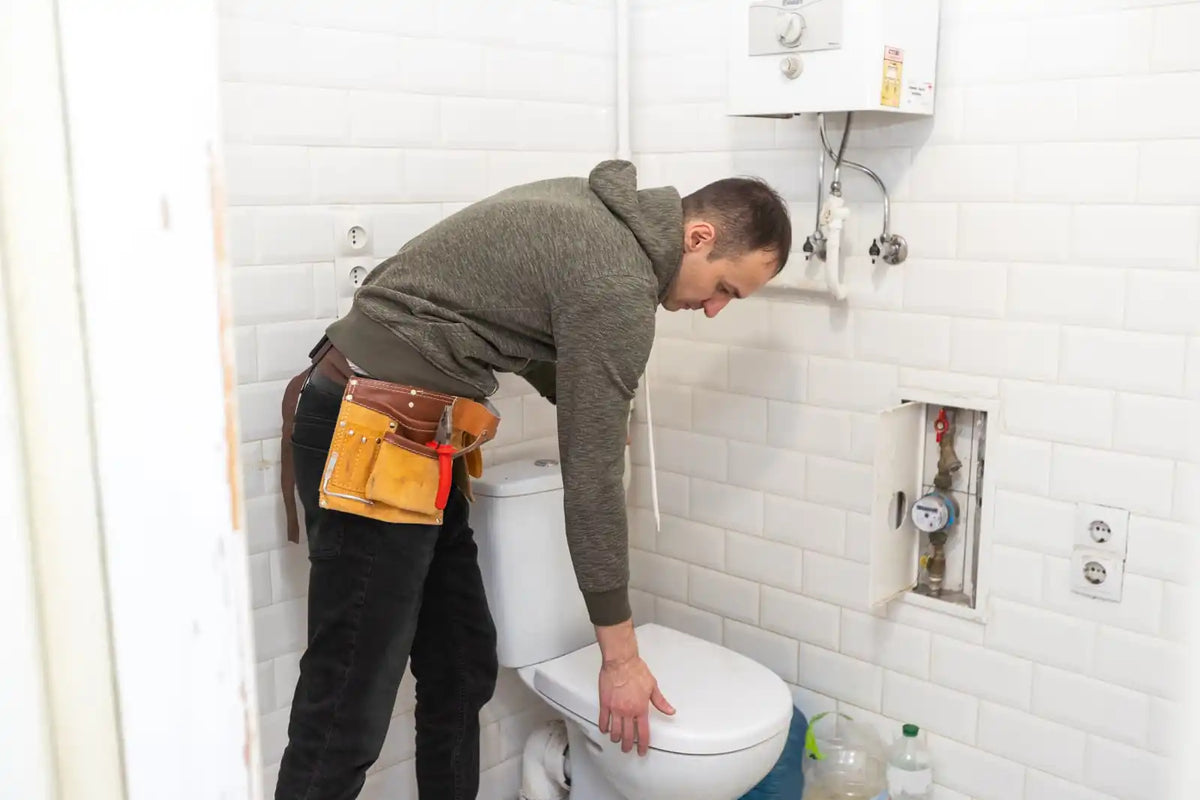
The full scope may not be clear until the old toilet is removed. Flange damage, unsuitable flange height, floor deterioration, or a worn shutoff valve can add work.
Ask whether an installation quote covers only a straightforward swap or also includes likely connection and support repairs. A new fixture is not a substitute for correcting damaged flooring or mounting hardware.
Browse HOROW toilet collections after confirming fit
Once measurements and repair needs are clear, browse the HOROW toilet collection. Compare each product’s documentation with your bathroom’s requirements rather than relying on appearance or a broad category label.
If replacement makes sense after diagnosing the problem, compare these HOROW models by your bathroom's measurements and the features you want. Always confirm fit using the product specifications and installation drawing before ordering.

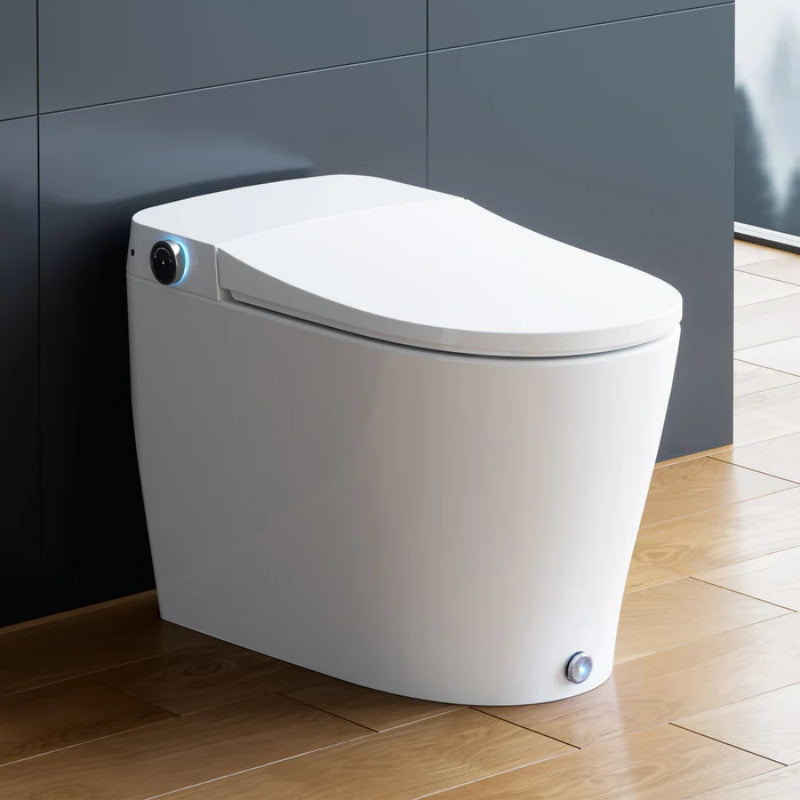
One-Piece Toilet
HOROW T0338W
A one-piece option for bathrooms with a confirmed 12-inch rough-in. Review the full dimensions and installation requirements before choosing.
View Product
One-Piece Toilet
HOROW T0338W-10
A one-piece model designed for a 10-inch rough-in. Measure the existing plumbing and check the installation drawing before ordering.
View Product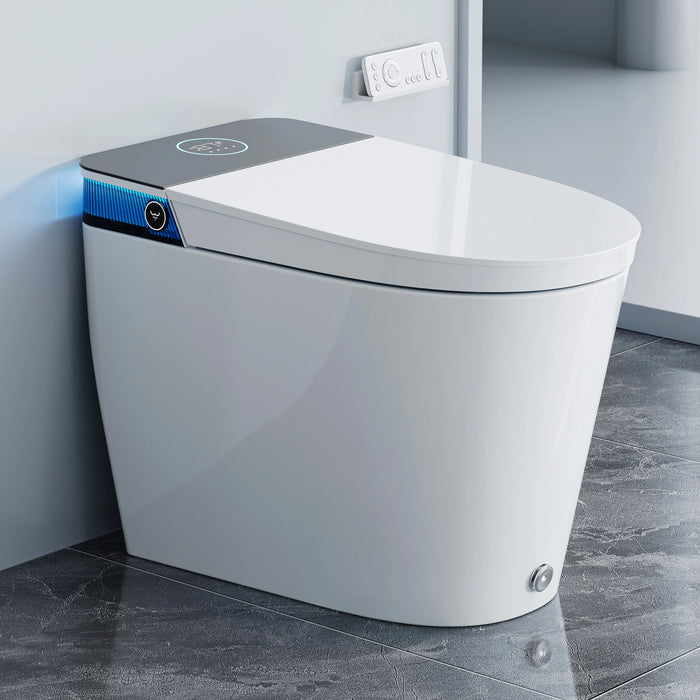
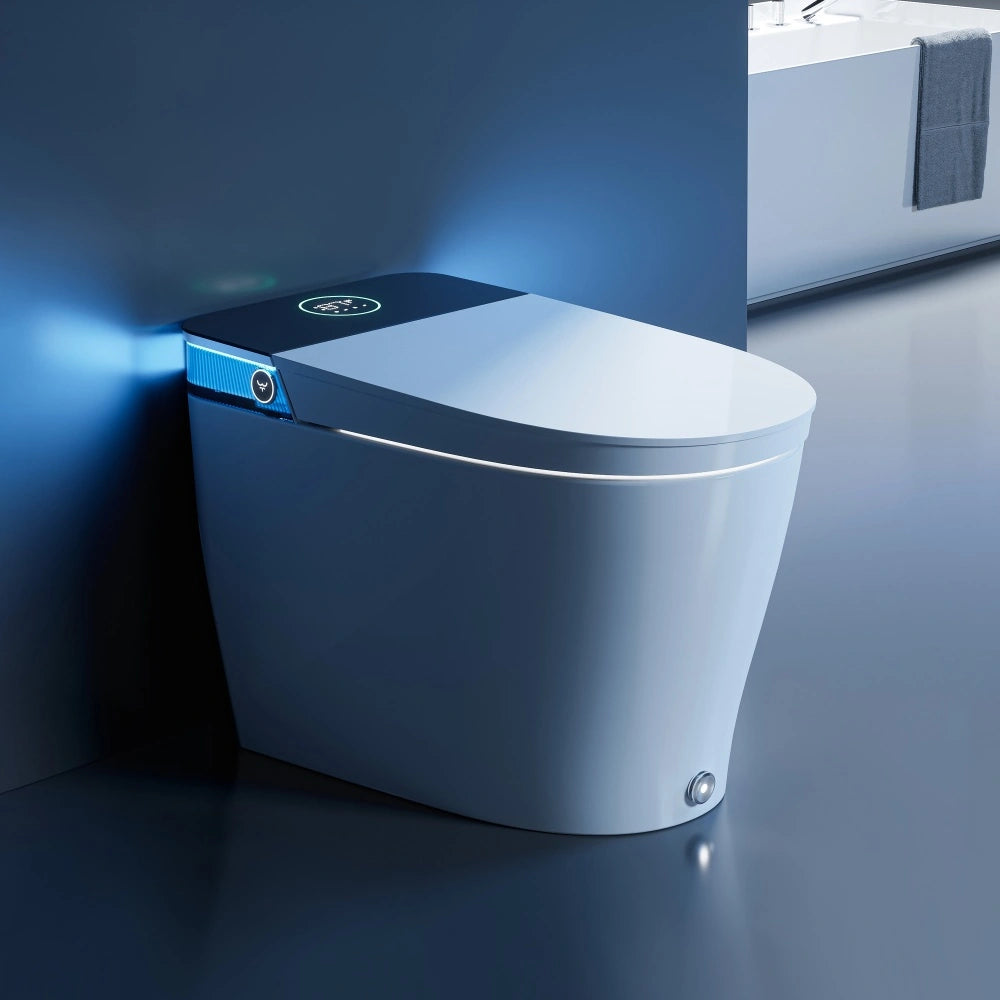
Smart Toilet
HOROW T38P
A smart-toilet alternative for a bathroom upgrade. Check the product's electrical, water supply, and installation requirements before purchasing.
View ProductBefore You Choose
Use this short sequence to move the decision forward:
- Identify the cause of leaks, clogs, running water, or movement.
- Check whether compatible replacement parts are available.
- Compare the total cost of repair with the installed cost of a new toilet.
- Consider whether the current toilet still meets your daily needs.
- If replacing, confirm rough-in, dimensions, and plumbing compatibility before ordering.
The goal is dependable daily use—not replacing a toilet simply because it has reached a certain birthday.
Should I Replace a Toilet During a Remodel?
Not automatically. Replacement may be convenient while other work is underway, but a reliable toilet can remain if it suits the finished room and plumbing layout. Remodeling is an opportunity to reassess the fixture, not a replacement deadline.


Leave a comment
This site is protected by hCaptcha and the hCaptcha Privacy Policy and Terms of Service apply.