
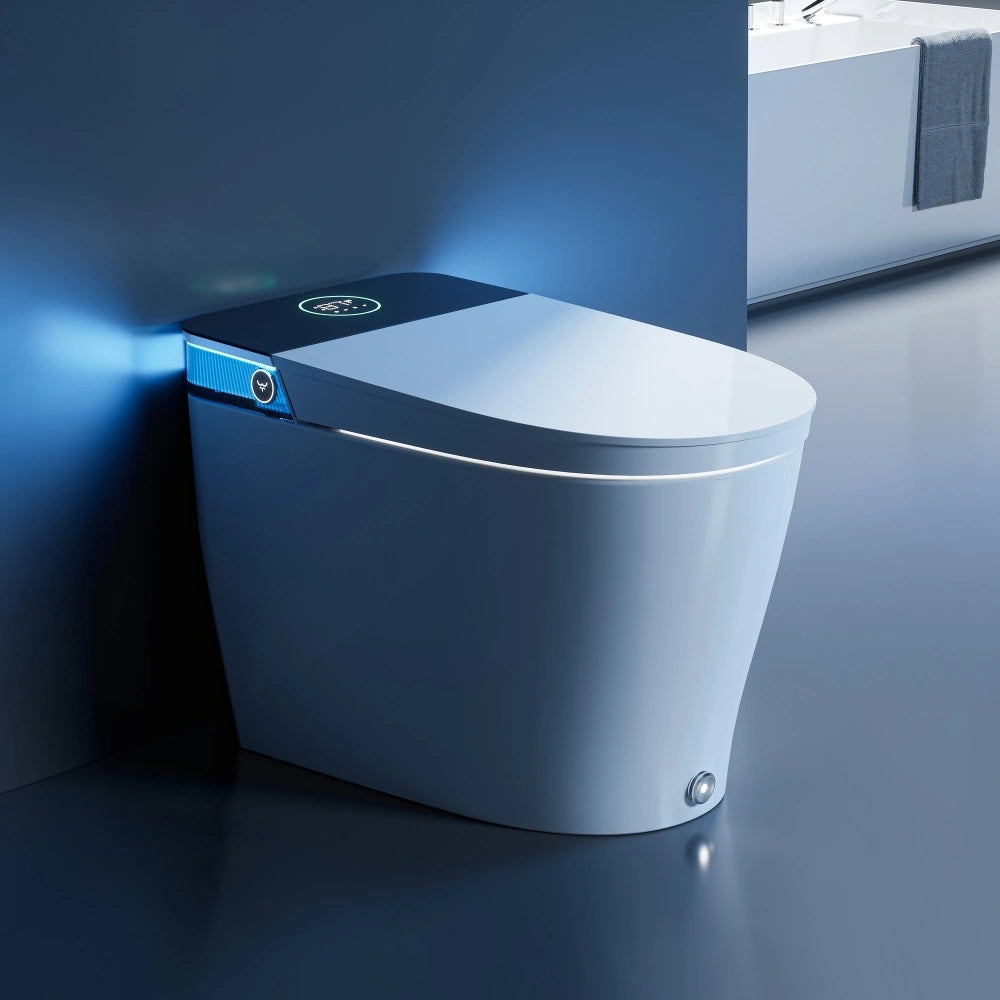
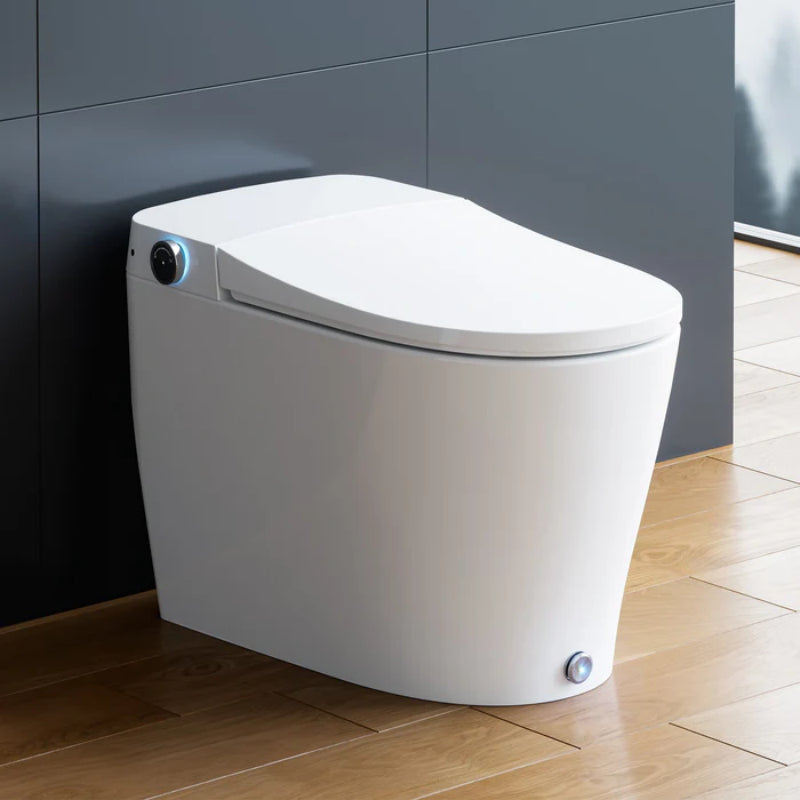
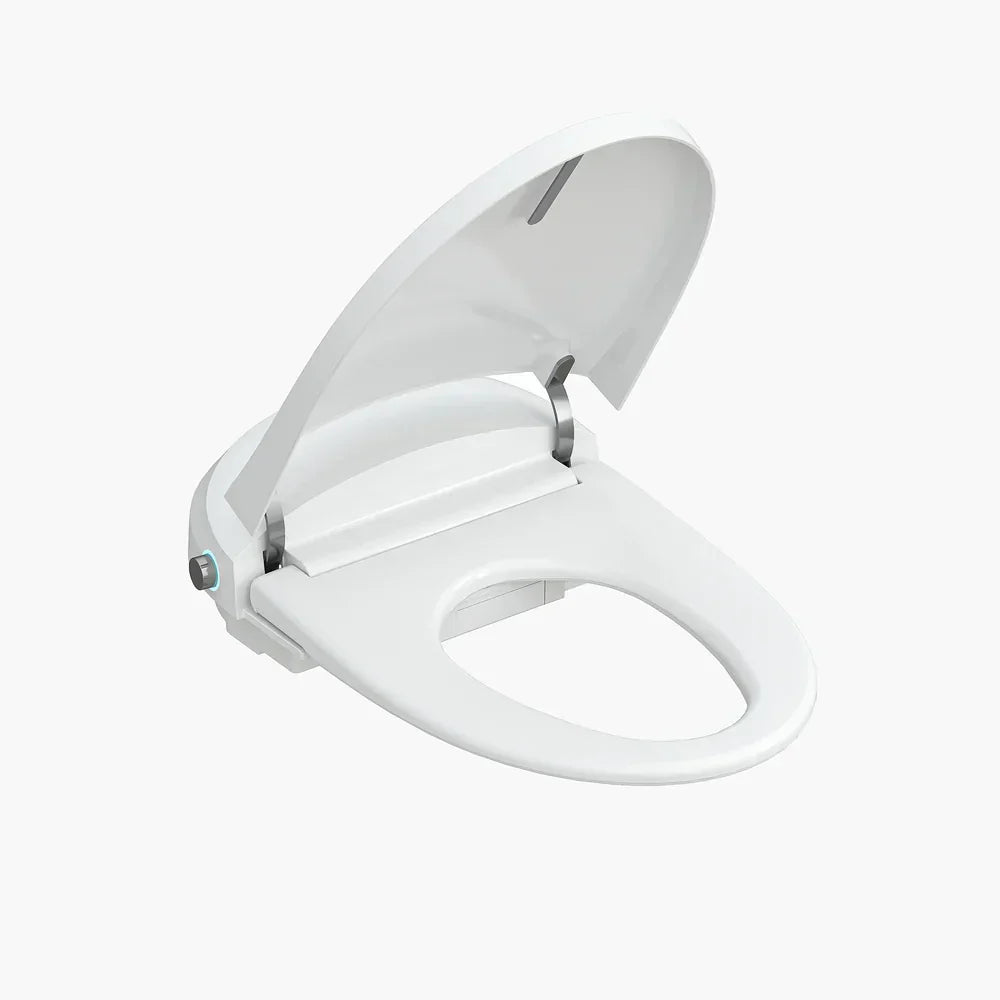
Upgrading your bathroom with an Energy Efficient Smart Bidet Seat can enhance hygiene while helping conserve water and reduce energy consumption. Many bidet products offer instant heat vs tank bidet options, adjustable seat temperature, and additional features that improve comfort. Choosing the right eco-friendly model allows you to activate functions efficiently, providing a positive impact on your daily routine without sacrificing convenience or environmental responsibility. Discover how these smart toilet options can help reduce waste and enhance overall functionality.
Should you buy an Energy Efficient Smart Bidet for your bathroom?
An energy efficient smart bidet is a toilet seat with heated water, adjustable wash settings, and sometimes an air dryer. For clarity, “energy efficient” refers specifically to standby power and heat management, whereas “smart bidet comfort features”—like heated seats, warm water, and dryers—enhance user comfort. This article focuses on the energy-efficiency angle only, not overall luxury or convenience.
Decision Snapshot: who it fits and who should skip
Usually a good fit if you:
-
Want better hygiene and less rubbing (common with sensitive skin, irritation, hemorrhoids, or after surgery).
-
Have a bathroom that gets cold and you’ll actually use heated seat / warm water often.
-
Have a reliable GFCI outlet near the toilet and don’t mind a visible cord.
-
Are willing to do small, regular cleaning (nozzle area and dryer vent).
-
You want comfort first, even if it uses a bit more energy, for warm water, heated seat, or dryer features.
Probably skip (or pause) if you:
-
Don’t have power near the toilet, or your bathroom outlet trips often.
-
Hate upkeep and expect “self-clean” to mean “never touch it.”
-
Want truly hands-free use and perfect drying with zero toilet paper.
-
Have a household where people dislike changing settings or learning controls.
-
You primarily want lower standby power and minimal energy use, and aren’t concerned about heated features.
The key point is this: “Energy efficient” mostly affects standby power and heat management, not whether the bidet feels effortless day to day. Comfort and routine fit matter more than the energy label.

Is it worth it if you mainly want to save paper and reduce energy costs?
If your main goal is saving toilet paper, a bidet can help—sometimes a lot. But people often overestimate how “paper-free” it becomes. Many users still use some paper to pat dry or do a quick final check, especially when the air dryer is slow or not warm enough. According to the EPA, using water-efficient fixtures can reduce both water and paper usage in bathrooms.
Boundary note: Utility-bill savings from an energy-efficient bidet are typically modest and highly dependent on individual usage patterns. This article does not estimate dollar savings, since results vary by household, settings, and frequency of use. Focus instead on whether the energy features fit your habits rather than expecting major cost reductions.
On energy costs: “energy efficient” smart models usually save power by lowering standby heating and using timers or eco modes. That can reduce waste, but it won’t always feel like a noticeable bill change. If your motivation is primarily your utility bill, you may end up disappointed.
Where it does pencil out emotionally is when you value:
-
cleaner feeling with less irritation,
-
comfort in winter,
-
less dependence on toilet paper during shortages,
-
easier cleanup for messy situations.
When heated comfort feels useful vs unnecessary
A heated bidet toilet seat is most appreciated in:
-
cold bathrooms (tile floors, older homes, drafty powder rooms),
-
homes where someone uses the toilet at night (warm seat + nightlight),
-
anyone with sensitive skin who wants gentle washing.
It can feel like a luxury you stop using when:
-
the bathroom is already warm,
-
the seat heat is mild in eco mode,
-
the household prefers “simple and fast.”
If you suspect you’ll turn off the heated features to “save energy,” be honest: you might be paying for features you won’t use.
What “energy efficient” really changes in everyday use (and what it doesn’t)
“Energy efficient” is not one magic feature. It’s a set of small design choices: insulation, smarter heating cycles, and power-saving modes. That helps, but it also introduces trade-offs that people notice in daily use.
Common “regret triggers” in real homes
Even with energy-saving bidets, these situations often surprise users:
-
Cold seat on first use or after a long idle.
-
Slow warm-up for water during the initial seconds of a wash.
-
Weak or short dryer cycles in eco mode.
-
GFCI trips or power resets when multiple devices share a circuit.
-
Extra cleaning needed for nozzles or vents, especially if eco mode reduces self-clean cycles.
These are the small frustrations that can make “efficient” feel less convenient than expected.
Instant heat vs tank: temperature can still surprise you

You’ll hear “instant heat” and assume endless hot water at a steady temperature. In practice, tankless water heating bidet seats can feel inconsistent in a few common moments:
-
At the start of a wash: the first second may feel cooler, then it warms up.
-
During longer washes: temperature can drift if the unit is balancing heat output with flow rate.
-
With cold incoming water: winter supply water can push the heater harder, so “warm” may feel less warm than expected.
A small internal tank can feel more stable, but it may keep water warm in standby (which can use more power). With either style, your “real” experience depends on your home’s water temperature, water pressure, and how long each person washes.
Eco mode changes comfort more than people expect
Eco or energy-saving modes often reduce power by:
-
lowering or turning off seat heat when idle,
-
limiting water heating behavior,
-
reducing dryer heat or run time.
That’s good for efficiency. It can also lead to “Why is the seat cold?” moments—especially for the first person in the morning.
Decision rule: Keep eco mode on if you prioritize lower standby power, even if the seat or water is slightly less warm. Turn it off if comfort and immediate warmth matter more than idle savings.
Where “low power” savings actually come from
A low power bidet toilet seat usually saves energy in three places:
| What uses energy most | What “efficient” models do | What you feel day to day |
| Keeping the seat warm | Timers, motion sensors, lower standby temp | Seat may be cool at first |
| Keeping water warm | Smarter heating, less standby heating | Warmth may ramp up slowly |
| Air drying heat | Lower heat, shorter cycles | Dryer may feel weak or slow |
Caveat: Most energy savings come from reducing idle/standby heating, not the wash itself, so “efficient” primarily targets unused power rather than active use. That’s why these features can feel like a trade-off rather than a free win.
Will it fit your toilet, wiring, and routine without becoming annoying?
Power availability is the primary gating factor. Before worrying about shape or comfort, make sure a reliable outlet is accessible near the toilet; without it, installation may be awkward or impossible, and your bidet’s features won’t perform consistently. Most regret is not about the wash itself—it’s about the surrounding setup: power, fit, and controls.

Outlet and GFCI realities
A smart bidet needs power. In many bathrooms, the outlet is not where you need it.
What “reliable GFCI outlet” means in practice: The outlet should ideally serve only the bidet (not shared with hair tools or heaters), trip infrequently, and allow quick reset without affecting other circuits. Nuisance trips can cause lost settings, cold seats, or temporary feature downtime, so reliability is key to daily comfort and consistent use.
Common friction points:
-
The nearest outlet is across the room, so you end up with an awkward cord route—or you can’t install it at all.
-
The outlet is GFCI-protected (as it should be in bathrooms), and the bidet occasionally trips it.
-
Someone plugs in a hair tool and trips the circuit, and the bidet resets.
Resetting can mean lost settings, a cold seat, or features that won’t turn on until the unit fully powers back up. If your household already deals with “fussy” bathroom electrics, this can become a recurring irritation.
Seat fit mistakes get more annoying over time
Sizing sounds small until you live with it daily. Confirming toilet shape and mounting-hole spacing/clearance is crucial: measure both the toilet bowl and seat dimensions, including hinge placement and rim clearance, before purchase. This is the #1 comfort regret among users.
Common issues:
-
Round vs elongated mismatch (overhang or cramped seating).
-
Seat height and tilt feel “off,” especially for taller users.
-
The seat opening can feel smaller than a standard seat.
-
Some seats have a slightly different “feel” because of the built-in hardware.
This is one of those problems you can’t un-notice. If the seat feels awkward, you’ll think about it every day.
Controls: fine in a demo, odd when seated
Controls are where “smart” can backfire.
What I’ve seen in practice:
-
Side panels can require twisting your torso to see and press the right button.
-
Remotes can be misplaced, blocked by a cabinet door, or feel inconsistent unless mounted in just the right spot.
-
Some features only work after a seat sensor detects you, which can confuse guests and kids (“Why won’t it spray?”).
If you want a simple, no-thinking routine, pay attention here. Smart features are only helpful if they’re easy to trigger in the exact position you’re in.
What maintenance and reliability feel like after the honeymoon phase
Time and effort reality: Maintaining a smart bidet is not zero-effort. Expect a weekly quick clean of nozzles, seat undersides, and dryer vents, plus a periodic deeper clean every few months. These routines are prerequisites for consistent performance, not optional luxuries, especially in busy households. The first week is usually great. Months later, reality looks more like: wiping, descaling (in some homes), and dealing with small performance changes.
“Self-clean” isn’t the same as “stays clean”
Most units rinse the nozzle. That helps. It does not remove everything.
Areas that often need manual attention:
-
The nozzle tip and its housing
-
The underside of the seat where splashes or dust settle
-
The air dryer outlet (lint and debris can build up)
-
Any deodorizer intake (often just a fan pulling air through)
If you ignore these, performance can change: weaker spray, odd smells, or a dryer that feels like it’s blowing dusty air. People are often surprised how quickly this can happen in a busy bathroom.
How these seats age at 2–3 years
Long-term, the most common disappointments are not dramatic failures. They’re gradual changes:
-
Water pressure feels weaker
-
Heating becomes less reliable
-
Buttons or remotes become finicky
-
The seat surface shows wear or loosening
If the unit fails, it can fail “halfway”—for example, it still sprays, but stops heating water. That’s a frustrating outcome because you still have a working toilet seat, just not the comfort features you paid for.
Parts and warranty downtime are part of the deal
Many homeowners assume they can easily replace small internal parts. In practice: filters and other consumables are usually replaceable, but internal heaters, electronics, and control boards generally are not. If something critical fails, the fix may involve troubleshooting steps, a warranty claim, shipping parts, or swapping the whole seat. During that time, you’ll likely revert to normal wiping—an inconvenience that can feel bigger than expected.
When an energy-efficient smart seat becomes overkill (or creates new problems)
This is where expectations matter most.
If you expect paper-free drying
Air dryers vary a lot in how they feel in real use. Common disappointments:
-
drying takes longer than people expect,
-
the air is not as warm in eco mode,
-
you still want a quick pat dry for comfort and certainty.
If your main reason for buying is “I won’t need toilet paper,” treat that as a maybe, not a promise.
If multiple users share one bathroom
A shared bathroom can expose small annoyances:
-
someone changes nozzle position or temperature and the next user gets a surprise,
-
kids hit random buttons,
-
guests don’t know how to start or stop a wash.
User presets can help when they work well, but they add another layer of “tech in the bathroom.” If your home values simplicity, this can feel like one more thing to manage.
If you’re sensitive to sensations
Even people who like bidets sometimes dislike:
-
oscillation (it can feel strange at first),
-
a stream that’s too narrow or too strong,
-
temperature shifts mid-wash,
-
the idea of water spray at all.
If you think you might be in that camp, the risk is buying an expensive seat that becomes a “turned off” seat.
Before You Choose checklist
-
Do you have a reliable GFCI outlet within cord reach of the toilet?
-
Are you okay cleaning the nozzle area and dryer vent regularly?
-
Will you still be happy if drying is “better,” not “perfect”?
-
Are you comfortable with seat sensors, remotes, or side controls?
-
Have you confirmed the correct toilet shape and seat clearance?
FAQs
1. How much electricity does a smart toilet use?
A smart toilet, especially one with an energy efficient smart bidet seat, doesn’t actually consume a huge amount of electricity in daily use. Most of the power goes to keeping the seat and water warm when idle, which is where “standby” energy comes in. Using eco modes, timers, or motion sensors can cut this wasted power significantly. During active use, like washing or air drying, energy spikes a little but still remains modest. So, while it uses more than a traditional toilet seat, the overall consumption is fairly low, and the comfort and hygiene benefits often outweigh the small electricity cost.
2. Is "Instant Heat" more energy efficient?
Instant heat, or tankless, systems sound impressive because they only heat water on demand instead of keeping a tank warm all the time. In reality, they can be slightly more energy efficient, but there’s a trade-off: the water may take a few seconds to warm up, and very cold incoming water can make the first spray feel cooler. The system balances heating and flow, which means you might notice temperature fluctuations during longer washes. Overall, instant heat avoids constant standby heating, so if you use your bidet regularly with eco modes activated, it’s generally a smarter choice for reducing unnecessary energy use.
3. Will it significantly raise my utility bill?
Most people won’t see a dramatic spike in electricity bills with an energy efficient smart bidet. The real savings come from reduced wasted energy, like standby heating, rather than constant consumption. Active use, including seat warming and the air dryer, adds only a small amount to monthly costs. The main financial benefit is actually from cutting down on toilet paper and water waste rather than electricity. So, while it’s not a huge energy saver in dollar terms, it’s a small, manageable increase if you enjoy the comfort, hygiene, and convenience of a heated, controlled wash experience.
4. Are there rebates for water-saving toilets?
Yes, many local governments and utilities offer rebates for toilets and bidets designed to save water. Energy efficient smart bidet seats can reduce toilet paper usage and sometimes water consumption if paired with low-flow toilets. Rebates or incentives vary depending on your region, so it’s worth checking with your utility company or municipal water authority. Often, these programs aim to encourage eco-friendly upgrades that conserve both water and energy. Even a modest rebate can offset part of the initial purchase, making a smart, water-saving toilet an environmentally responsible and financially practical option for homeowners.
5. Is the heated seat a major power drain?
A heated seat does use energy, but it’s usually not a major drain if the bidet seat is energy efficient. Most models allow you to set temperatures and use eco or timer modes, which limit how long the seat stays warm. Without these controls, keeping a seat constantly heated could slightly raise electricity usage. In practice, the difference is minor compared with overall household consumption. The benefit is comfort, especially in cold bathrooms or during nighttime use, and with energy-saving features activated, the impact on your bill is small. It’s more about convenience and hygiene than power consumption.
References


Leave a comment
This site is protected by hCaptcha and the hCaptcha Privacy Policy and Terms of Service apply.