
A soaker bathtub is made for deep, full-body soaking. If you’ve ever leaned back in a regular tub and still had your shoulders, knees, or chest out of the water, you already understand the problem: standard tubs are often only about 14–17 inches deep at the overflow. Many soaking models reach 20–23+ inches of soaking depth, and some freestanding designs stand 24–30+ inches tall. The right tub can turn an everyday bathroom into a calm place you actually want to use. This guide answers the big questions first—what to buy, what it costs, and what fits—then covers materials, water and energy use, installation, and upkeep.
Key Takeaways: Best Soaking Tub Picks by Need
Choosing the right soaking tub can feel overwhelming with so many shapes, sizes, and materials available. This section distills the essentials, highlighting which tubs work best for different needs—whether you want maximum depth, easy cleaning, or a compact fit for a smaller bathroom. Use these key takeaways to quickly match your priorities with the perfect tub.
Quick decision path (space → depth → budget → style)
-
Measure your bathroom and pick your install style: alcove for tight rooms, freestanding for open layouts, drop-in if you have (or want) a deck.
-
Pick your depth target: 20–23+ inches at the overflow for “true soak” coverage.
-
Decide what matters most: easiest cleaning, best heat retention, or the deepest immersion.
-
Match style to comfort: oval for soft lines, rectangular for space efficiency, slipper for back support, Japanese-style for upright soaking.
Soaking tub vs standard tub vs jetted tub (direct comparison)
| Feature | Soaker bathtub | Standard tub | Jetted tub |
| Typical depth at overflow | 20–23+ in | 14–17 in | Varies (often similar to standard) |
| Main goal | Deep, quiet soak | Quick bath/shower use | Massage-like jets |
| Water use | More than standard per fill | Less per fill | Often higher (plus system needs) |
| Cleaning | Simple surfaces | Simple surfaces | More cleaning (jets/lines) |
| Noise | Quiet | Quiet | Louder (pump/air system) |
Some tub makers also claim a soaker can use far less water than jetted tubs in real use because there are no jet lines to fill and flush, with claims as high as up to 80% less. Real results depend on tub size and how people use the tub, but the simple point holds: a plain soaker is usually the simplest system to own.
“Best for” shortlist (common buying goals)
If you’re working with a small bathroom, an alcove soaking tub or compact Japanese-style tub often makes the most sense because it gives you depth without needing a long footprint. If your goal is heat retention for longer soaks, thicker acrylic and insulated composite-style materials tend to stay warm longer than thin shells. If you want low maintenance, a plain deep soaking tub without jets is usually the easiest choice.
What Is a Soaker Bathtub? (Definition + Specs That Matter)
A soaker bathtub is a bathtub built for soaking—meaning the water level is meant to reach higher on your body than a regular tub can. The key is depth at the overflow, because that’s the real maximum fill height before water spills into the overflow opening.
Most people shopping for a soaker are trying to solve one of three things: they want full-body warmth, they want stress relief at the end of the day, or they want a bath that feels like a treat instead of a compromise. If that sounds like you, you’re in the right place.
Soaking tub dimensions & capacity (benchmarks you can use)
A practical rule: if you want your chest and shoulders to stay warmer, depth matters more than length. Many soaking models hit 20–23+ inches of depth at the overflow, while many standard tubs sit around 14–17 inches. Freestanding tubs often look taller because the rim is higher; it’s common to see 24–30+ inches of overall height.
Length still matters, though. In many homes, soaking tubs land in the 5–6 ft range because that fits common bathroom layouts. If you’re tall, you can still soak well in a shorter tub if it’s deep enough and the backrest angle supports you. That’s why two tubs with the same length can feel totally different.
Soaking tub styles: freestanding, alcove, drop-in, Japanese, slipper
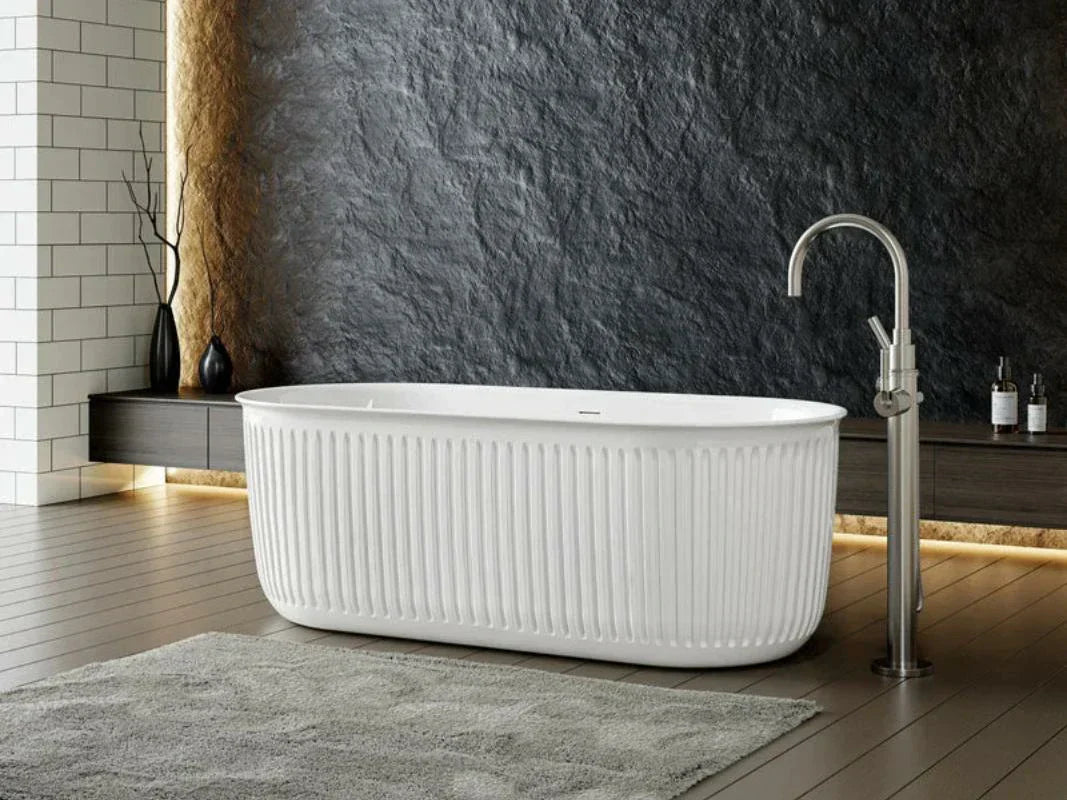
A freestanding soaking tub (also called a standing soaking tub by some shoppers) sits finished on all sides. It’s often used as a focal piece in a master bath or a room with extra space around it. A freestanding tub can be oval, rectangular, or slipper-shaped.
An alcove soaking tub fits between three walls. This is the most common setup for small bathrooms and shower/tub combos. It’s a practical way to get a deeper bath without changing the room layout.
A drop-in or undermount soaking tub is set into a “deck” (a built-in platform). People choose this when they want a clean built-in look, a wide ledge for soaps, or a tiled surround.
A Japanese-style soaking tub is taller and more compact, often made for upright soaking. If you’ve ever wished you could soak deeply without needing a long tub, this is the idea: depth first, footprint second.
A slipper tub has one or two raised ends to support your back and shoulders. If you like longer soaks, this detail can matter more than you’d think.
What’s the difference between a soaking tub and a regular tub?
This question comes up because the tubs can look similar online. The clear difference in a soaking tub vs regular tub is the intended water level and body coverage. A regular tub is often built around shower use and quick baths. A soaking tub is built so the water can sit higher on your body, with shapes that support longer, more relaxed soaking.

How to Choose the Right Soaker Bathtub (Fit, Comfort, Performance)
Choosing a soaker bathtub is not only about the tub. It’s also about your room, your floor, your plumbing, and how you like to soak. Do you lean back and stretch out? Or do you like to sit more upright with water up to your shoulders? The answer changes what “perfect” looks like.
Bathroom fit planning (clearance, door swings, cleaning access)
Before you fall in love with a tub shape, measure the room in a way that matches real life. A tub that “fits” on paper can still feel cramped if it blocks a door swing or crowds the walkway.
Freestanding tubs need space around them for cleaning, and they look best when they aren’t squeezed into a corner. You don’t need a huge room, but you do need enough open floor to walk safely, step in, and wipe behind the tub.
Alcove tubs have different limits. You’ll need to match the exact alcove width, account for wall finishes, and make sure the tub has the right flange (the edge that tucks behind wall tile for waterproofing). If you’re replacing an existing tub, staying with a similar alcove size can save time and money.
Also think about the path into the bathroom. I once watched a friend order a new tub without measuring the hallway turn. The tub fit the bathroom, but it wouldn’t fit through the doorway. That mistake can cost weeks.
Ergonomics checklist (backrest angle, shoulder coverage, neck support)
Comfort is not a luxury detail—it’s the point of buying a soaker. The backrest angle decides whether you can relax or you’ll keep shifting around. A good soak feels stable: your shoulders settle, your lower back feels supported, and your neck doesn’t strain.
Rim height matters too. Many deep tubs have a higher step-in. If anyone in your home has knee or balance concerns, a very tall rim can turn a relaxing bath into a daily hassle. In that case, look for a design with an interior step, a lower threshold, or a shape that lets you sit and swing your legs in more easily.
Material selection (acrylic, stone resin/composite, enameled steel, cast iron)
Material changes how a tub feels, how long it stays warm, how loud it is when filling, and how much care it needs.
An acrylic soaking tub is popular because it’s lighter than many other options, warm to the touch, and usually easier to clean. It can also be repaired if it gets scratched, though you want to avoid abrasive scrubbers.
Stone resin or composite tubs feel solid and often hold heat well. They can have a smooth, matte finish that many people love in modern bathroom design. These tubs can be heavy, so you need to pay attention to floor load.
Enameled steel is usually thinner and can feel cooler at first touch, and it may not keep water warm as long. Cast iron is extremely durable and often holds heat well, but it’s heavy—sometimes heavy enough that older homes need extra floor planning before installation.
What size soaking tub do I need for my height?
There isn’t one perfect chart, because tub shape changes everything. A shorter person can feel “lost” in a long, flat tub, while a tall person can still enjoy a compact tub that has a deep well and a supportive back. In general, match the tub’s interior length and back angle to how you soak: stretched out recline needs more length; upright soaking needs more depth and a higher back.
A simple approach is to use your own body measurements. If you want your shoulders under water, look at soaking depth and the height of the interior back. If you want to extend your legs, pay attention to the interior floor length, not just the advertised tub length.
If you like tools, a “Fit Finder” quiz can be as simple as: your height, whether you soak upright or reclined, your bathroom’s open floor space, and your desired water coverage (waist, chest, shoulders). Those answers narrow choices fast.
Freestanding vs Alcove Soaker Bathtub (Which Installation Style Wins?)
Many people mix up two ideas: soaking depth and installation style. A soaking tub can be alcove, freestanding, or drop-in. A freestanding tub can be a soaker—or it can be shallow and mostly decorative. So the real question is: what install style fits your room and your habits?
Freestanding soaking tubs: layout, plumbing, and cleaning reality
A free standing soaking tub looks amazing when it has breathing room. In a master bathroom with open space, it can feel like furniture, not plumbing. That open space comes with tradeoffs, though.
First, you may need floor-mounted plumbing or a different supply setup. That can raise installation cost, especially if your current plumbing is in a wall. Second, cleaning is different. Dust and moisture can settle behind a freestanding tub, so you need access to wipe and dry around it.
There’s also the issue people don’t expect: the tub’s rim height. Many freestanding designs are taller, which can make step-in harder. If you want a deep soak but worry about stepping over a high side, look closely at the interior floor height and whether the tub has a lower entry area.
What are the downsides of a free standing bath?
The common downsides are space needs, more visible plumbing decisions, and harder cleaning behind the tub if it’s placed too close to a wall. Freestanding tubs can also splash more if the rim is high and the interior shape is steep, especially if kids like to kick and play.
Alcove soaking tubs: the smart choice for small bathrooms
An alcove soaker is often the best “quiet upgrade” you can make. You keep the same basic bathroom layout, your shower can stay in place, and you still get a deeper soak. Waterproofing is also more straightforward because the tub meets walls in a planned way, with tile and a flange doing the work.
If you’re remodeling a small bathroom, an alcove tub can also make the room feel larger because the open floor stays open. A freestanding tub can be beautiful, but in a tight room it can make the space feel crowded.
Drop-in/undermount: deck requirements and access panels
Drop-in and undermount soaking tubs sit in a framed deck. This style can look clean and built-in, and it gives you a ledge for soaps or candles. It also demands planning: you need a service access panel for the drain and overflow, and the deck needs strong framing and waterproofing.
If your goal is a sleek design and you don’t mind the extra carpentry, it can be a great choice. If you want the simplest install, alcove is usually easier.
Are freestanding tubs harder to install than alcove tubs?
Often, yes. Alcove tubs usually connect where your plumbing already is and use standard wall valve placement. Freestanding tubs may require moving supply lines, setting a floor drain location carefully, and placing the tub filler so it lines up cleanly. That doesn’t mean freestanding is “too hard,” but it does mean planning matters more.

Costs, Water Use & Energy Impact (Real-World Ownership Math)
A soaking tub is a comfort purchase, but it’s also a home system that uses water, energy, and time. If you’ve ever worried, “Will this make my bills jump?” you’re asking the right question.
Total cost breakdown (tub + plumbing + flooring + labor)
Pricing swings widely based on material, size, and how much plumbing must move. A useful way to budget is to treat the tub as only one part of the total project.
A simple cost formula many remodelers use is:
Total project cost ≈ tub price + installation labor + plumbing changes + any floor/waterproofing work
Labor often lands around 20–30% of the tub price for a straightforward replacement, but it can rise if you’re relocating drains, upgrading supply lines, repairing subfloor, or reinforcing structure. If you’re converting from a standard alcove tub to a freestanding tub in a new spot, the plumbing and flooring work can become the main cost, not the tub.
Water volume & utility impact: what “deeper” really means
A deeper tub can use more water per fill than a standard tub, because that’s the point: more coverage. But the real number depends on the tub’s interior shape and where the overflow sits.
If you want a practical estimate without guessing, measure. Many tubs list capacity, but that number may be “to overflow” with no person inside. Your body displaces water, so the fill level and gallons used can be lower in real life.
Energy matters too, because hot water has to be heated. Based on the U.S. Department of Energy (DOE), heating water accounts for about 18% of household energy use, so longer, hotter soaks can meaningfully affect your energy bill. On the other hand, a well-insulated material can keep heat longer so you don’t need to top up as much.
Sustainability: water-efficient bathtub thinking that still feels good
If sustainability is part of your bathroom plan, don’t assume “deep bath” and “eco” can’t go together. The best approach is to focus on three things: how often you soak, how well the tub holds heat, and how quickly you can fill without wasting water while you wait.
A plain soaker can also be simpler than a jetted system. Jetted tubs can require extra water for cleaning cycles and flushing lines, while a simple soaking tub is mostly about surface cleaning. Some manufacturers claim soaking tubs can use significantly less water than jetted tubs in typical ownership, sometimes citing figures as high as up to 80% less, though results vary.
If you’re comparing a bath to a shower, the question becomes: how long are your showers, and what is your showerhead flow rate? A long shower can use more water than a single bath, especially in homes with older, high-flow showerheads.
“Cost per soak” estimator (a simple way to think)
You don’t need fancy math to get a helpful estimate. Multiply your approximate gallons per bath by your local water/sewer rate, then add the energy cost to heat that water. If you don’t know your tub’s gallons, you can still get close by tracking: how long it takes to fill to your usual level, and how many gallons per minute your tub spout delivers (many plumbers can measure this quickly).
Installation & Structural Requirements (Avoid Expensive Mistakes)
This is the part people skip—until something creaks, tiles crack, or a ceiling stain appears downstairs. A soaking tub is heavy, especially when filled. Planning now can save a painful redo later.
Floor load + reinforcement checklist (especially for deep fills)
A filled tub is a mix of tub weight + water weight + a person. Water is heavy, and deep tubs hold a lot of it. If you’re putting a deep soaking tub on an upper floor, or into an older home with unknown framing, it’s smart to get a professional opinion.
Here’s a simple “weight concept” to keep in mind:
-
Tub (empty): varies a lot by material
-
Water (filled): can be hundreds of pounds
-
Person: add real body weight, plus movement
If your remodel includes moving the tub to a new spot, joist direction and support points matter. Sometimes the best solution is as simple as adding blocking, strengthening the subfloor, or placing the tub where the structure is strongest. But you only know that if you check.
Plumbing essentials: drain/overflow, valve placement, and fillers
For alcove tubs, plumbing is usually simpler because drains and valves often stay in the wall zone where they already exist. Still, confirm drain location (left, right, or center) and make sure the overflow setup matches your tub’s system.
For freestanding tubs, plan the filler location early. Will it be floor-mounted or wall-mounted? Will it reach the tub rim cleanly? Will the controls be easy to reach while you’re soaking? These questions sound small until you’re sitting in a full tub and realize you can’t reach the handle without standing up.
Also remember access. If you have a leak at the drain connection, can someone reach it without tearing out finished work? Drop-in decks need access panels. Some freestanding setups need a plan too, depending on the drain design.
Drainage & moisture control (mold prevention you can actually stick to)
Deeper tubs can drain more slowly, and slow drainage can leave more moisture in the room. The fix is usually not complicated: good ventilation, a fan that actually vents outdoors, and a habit of drying splash zones.
If you’ve ever had a bathroom that always smells a little damp, you know how fast moisture becomes a problem. A deep tub can make that worse if the room doesn’t breathe. If you’re remodeling, this is a good time to upgrade ventilation so your new bath doesn’t create a new headache.

Comfort, Hydrotherapy & Maintenance (Daily Use Reality)
A soaking tub is supposed to make life easier, not add chores. The day-to-day experience depends on heat retention, surface care, and how the tub is used in your household.
Heat retention & soak duration: what works best
If you like long soaks, heat retention matters as much as depth. Many people assume heavier tubs always stay warmer, but insulation and surface feel are the bigger story. Acrylic and composite tubs often feel warmer to the touch at the start and can hold heat well, especially if the design includes extra insulation.
If you’ve ever run a bath, stepped in, and felt the tub pull warmth out of you, that’s what you’re trying to avoid. When shopping, don’t just ask “How deep is it?” Ask, “How long does it stay comfortable?”
Maintenance routines (why soakers are often easier than jetted tubs)
A plain soaker bathtub is usually simple to clean because it’s mostly smooth surfaces. Jetted tubs can hide water in lines and fittings, and that can mean extra cleaning steps. If you’ve ever cleaned a system with jets, you know it can feel like a project.
For routine care, gentle cleaning wins. Acrylic can scratch if you use harsh pads. Many people do well with mild soap and water after use, plus a weekly non-abrasive cleaner. If you want a simple home option for acrylic, a paste of baking soda and water can help with film without rough scrubbing, as long as you test a small spot first.
How do you clean a soaking tub?
Keep it simple: rinse after use, wipe the ring line before it dries, and use a non-abrasive cleaner weekly. If you use bath oils, plan on more frequent wipe-downs because oils cling to the surface and can make the tub slippery.
Optional features: air systems, armrests, anti-slip surfaces
Not all soakers are “plain tubs.” Some include gentle air bubbling systems, which can feel spa-like without the same kind of water-jet plumbing. These can still add maintenance, but often less than traditional jet systems.
Armrests and lumbar support are worth paying attention to. They sound minor, but when you soak for 20–30 minutes, small comfort details become big. Anti-slip textures can also help, but make sure they’re easy to clean. Deep texture can trap grime if it’s too aggressive.
Real-World Use Cases & 2025 Trends (What Buyers Actually Prefer)
In 2025, many buyers are making the same trade: they want a calmer bath experience with fewer parts to maintain. They also want the tub to fit their space and their life, not just a photo.
What people tend to love after they install one
The most common “I’m glad I did this” moment is the first soak where the water reaches higher than it ever did in their old tub. That deeper coverage can make the bath feel more calming, especially in winter or after exercise.
Another real-world win is quiet. A soaking tub with no jets is silent except for the water. For some people, that quiet is the whole point.
What people often overlook
Floor load is the big one. People choose a deep, heavy tub because it looks solid and feels premium—then realize the floor needs attention. Planning early helps you avoid rushed decisions.
Cleaning access is another. A freestanding tub pushed close to a wall can look sleek, but it may turn cleaning into a weekly struggle. A little space behind the tub can save your back.
Trend watch 2025: minimalist silhouettes, hybrid comfort, and sustainability
Minimalist shapes are still popular—clean lines, calm finishes, and fewer visual details. At the same time, comfort-focused shaping is growing: better backrests, slipper designs, and deeper wells that work in smaller rooms.
Sustainability is also showing up in practical ways. People are paying more attention to heat retention, water heater sizing, and ventilation, because comfort and efficiency often overlap. A tub that stays warm longer can mean less topping up and less energy spent reheating water.
Small-space solutions: compact soakers and Japanese-style logic
If your bathroom is tight, depth-first design is your friend. A compact tub with real lead-in depth can feel better than a longer tub that’s shallow. Japanese-style tubs fit this mindset well: they can give a true soak without demanding a long wall.

Buyer Checklist (Decision Support)
Choosing a soaking tub involves more than just picking a style you like. Before you buy, it helps to slow down and check the practical details that affect comfort, installation, and long-term use. This buyer checklist pulls everything together. Use it as a final reality check before moving forward.
Final buyer checklist
-
Set your depth target: 20–23+ inches at overflow for true immersion.
-
Measure the room: floor space, door swing, and cleaning clearance.
-
Confirm the path in: doorway width and hallway turns.
-
Decide install style: alcove, freestanding, or drop-in.
-
Check the floor: plan for filled weight and get help if the tub is going upstairs.
-
Match plumbing: drain location, overflow type, and filler placement.
-
Choose material based on your life: warmth, cleaning habits, scratch resistance.
-
Plan moisture control: a real vent fan and a drying routine.
Pre-purchase measurement worksheet (with install readiness score)
| Item to measure/check | Your number/notes | Ready? (Yes/No) |
| Bathroom free floor area near tub | ||
| Doorway width (narrowest point) | ||
| Hallway turn clearance to bathroom | ||
| Tub max length that fits | ||
| Tub max width that fits | ||
| Target soaking depth (20–23+ in) | ||
| Drain location needed (L/R/C) | ||
| Vent fan vents outdoors (not attic) | ||
| Floor level and solid (no bounce) |
A simple readiness score: count your “Yes” checks. If you have fewer than 6, pause and plan before you buy. It’s much cheaper to measure twice than to return a tub once.
FAQs
1. What is the difference between a soaker tub and a regular tub?
The distinction is all about purpose versus placement, which often confuses buyers. If you’re asking “what is a soaking tub,” the answer is a tub defined by depth and comfort—it’s designed for full-body immersion so you can relax completely without constantly shifting to stay submerged. A regular tub, by contrast, is often shallower and built for quick baths or combined shower use rather than long, deep soaks. A freestanding tub, on the other hand, is about installation style: it’s finished on all sides and stands alone, not built into walls like an alcove or drop-in tub. You can have a freestanding soaking tub that combines the best of both worlds—deep enough for a proper soak while acting as a centerpiece in the bathroom. Conversely, a shallow freestanding tub may look elegant but won’t deliver the same immersion experience. Understanding this distinction helps you choose the right tub that fits both your space and your soaking goals.
2. What are the disadvantages of a soaking tub?
While soaking tubs are wonderful for comfort, there are some trade-offs to keep in mind. Because they’re deeper, they typically use more water than a standard tub, which can affect both your water bill and energy use if you heat the water. They also weigh more when filled, so your floor needs to support the extra load—especially important in upstairs bathrooms or older homes. Some designs have a higher step-in edge, which might be a challenge for kids, seniors, or anyone with mobility concerns. Filling and draining can also take longer, meaning a soak requires a little more time and planning. Maintenance is usually straightforward, but deep tubs with unusual shapes or materials might need extra care to keep them clean and looking new. Essentially, while the benefits are clear, you need to plan ahead for water, space, and safety considerations.
3. What is the point of a soaking tub?
The main purpose of a soaking tub is simple: it’s all about full-body immersion. Unlike standard tubs that often leave your shoulders or chest above water, a soaking tub lets you completely submerge, which can make a huge difference in how relaxing the bath feels. This deeper soak helps your body warm up faster, eases muscle tension, and encourages you to slow down and really unwind. For many people, it’s like having a mini spa right at home—perfect for long evenings after a stressful day or post-workout recovery. A soaking tub isn’t just about bathing; it’s about creating a space where you can pause, breathe, and enjoy the sensation of being fully enveloped in water. It’s ideal for anyone who wants a bath that feels luxurious and restorative, rather than a quick rinse. In short, it’s designed to let you soak, not rush.
4. What are the downsides of a free standing bath?
Freestanding baths look stunning, but they do come with some trade-offs you should consider before committing. First, they typically need more floor space than an alcove tub, so if your bathroom is small, they can make the area feel cramped. Because the plumbing is often exposed or relocated, installation can be trickier and more expensive—think floor-mounted drains, custom filler placement, or moving supply lines. Cleaning behind and around the tub is another factor; dust, hair, and moisture can build up in those hidden spots, so you’ll need to maintain access for regular cleaning. Many freestanding designs also have taller rims, which can make stepping in and out harder, especially for kids, seniors, or anyone with mobility concerns. Finally, some tubs can splash more if the interior sides are steep, so a deep, high-sided freestanding tub can require extra care to avoid wet floors.
5. What is the difference between a soaking tub and a freestanding tub?
The distinction is all about purpose versus placement, which often confuses buyers. A soaking tub is defined by depth and comfort—it’s designed for full-body immersion so you can relax completely without constantly shifting to stay submerged. A freestanding tub, on the other hand, is about installation style: it’s finished on all sides and stands alone, not built into walls like an alcove or drop-in tub. You can have a freestanding soaking tub that combines the best of both worlds—deep enough for a proper soak while acting as a centerpiece in the bathroom. Conversely, you can also have a shallow freestanding tub, which looks elegant but won’t give the same immersion experience. Similarly, an alcove soaking tub can provide depth without taking up as much floor space. Understanding this distinction helps you choose the right tub that fits both your space and your soaking goals.
References



Leave a comment
This site is protected by hCaptcha and the hCaptcha Privacy Policy and Terms of Service apply.