
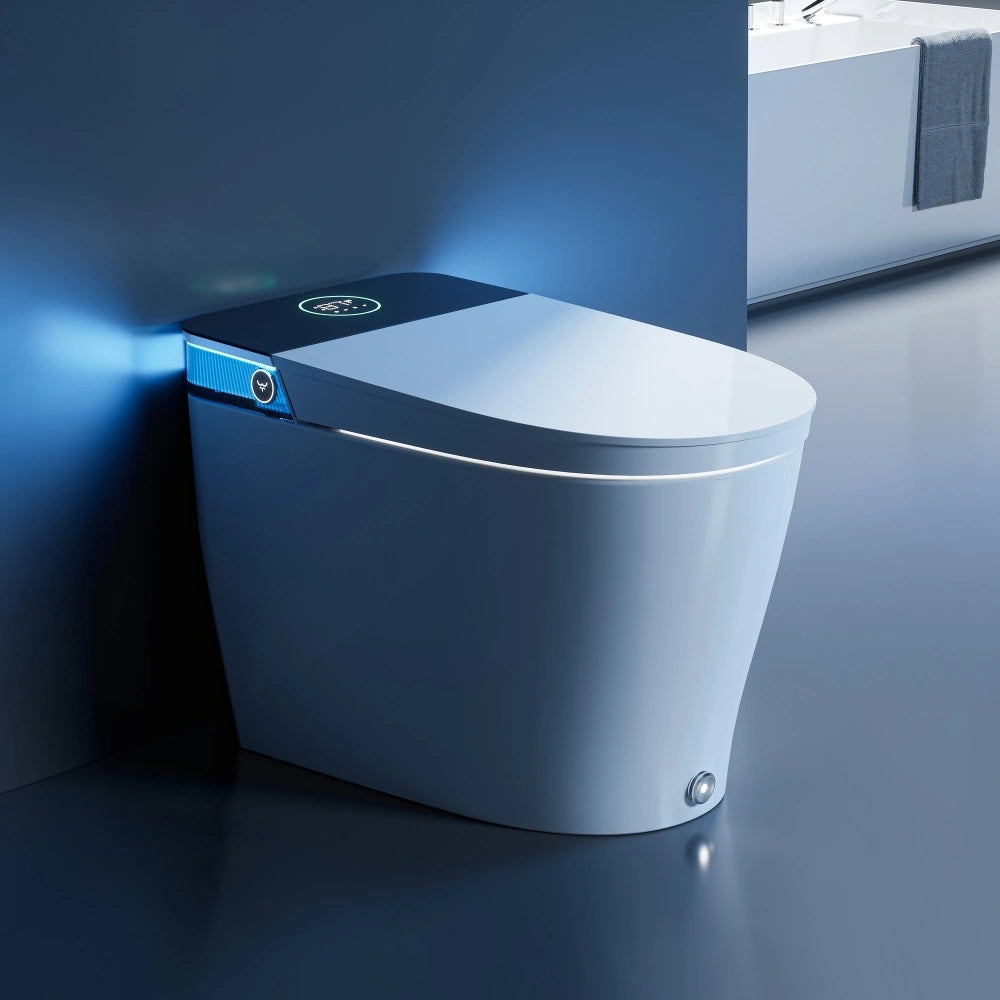
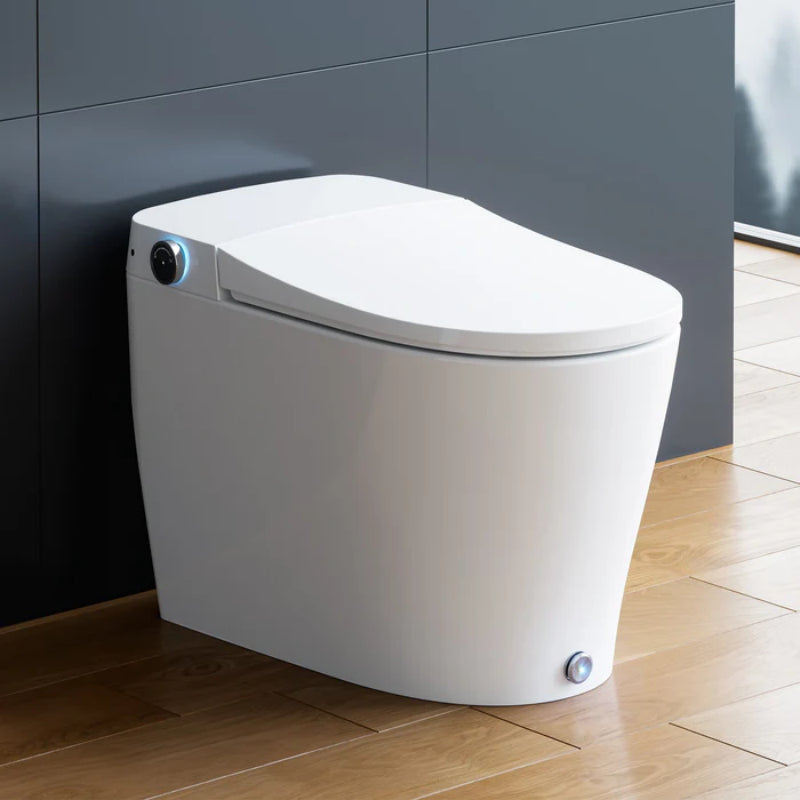
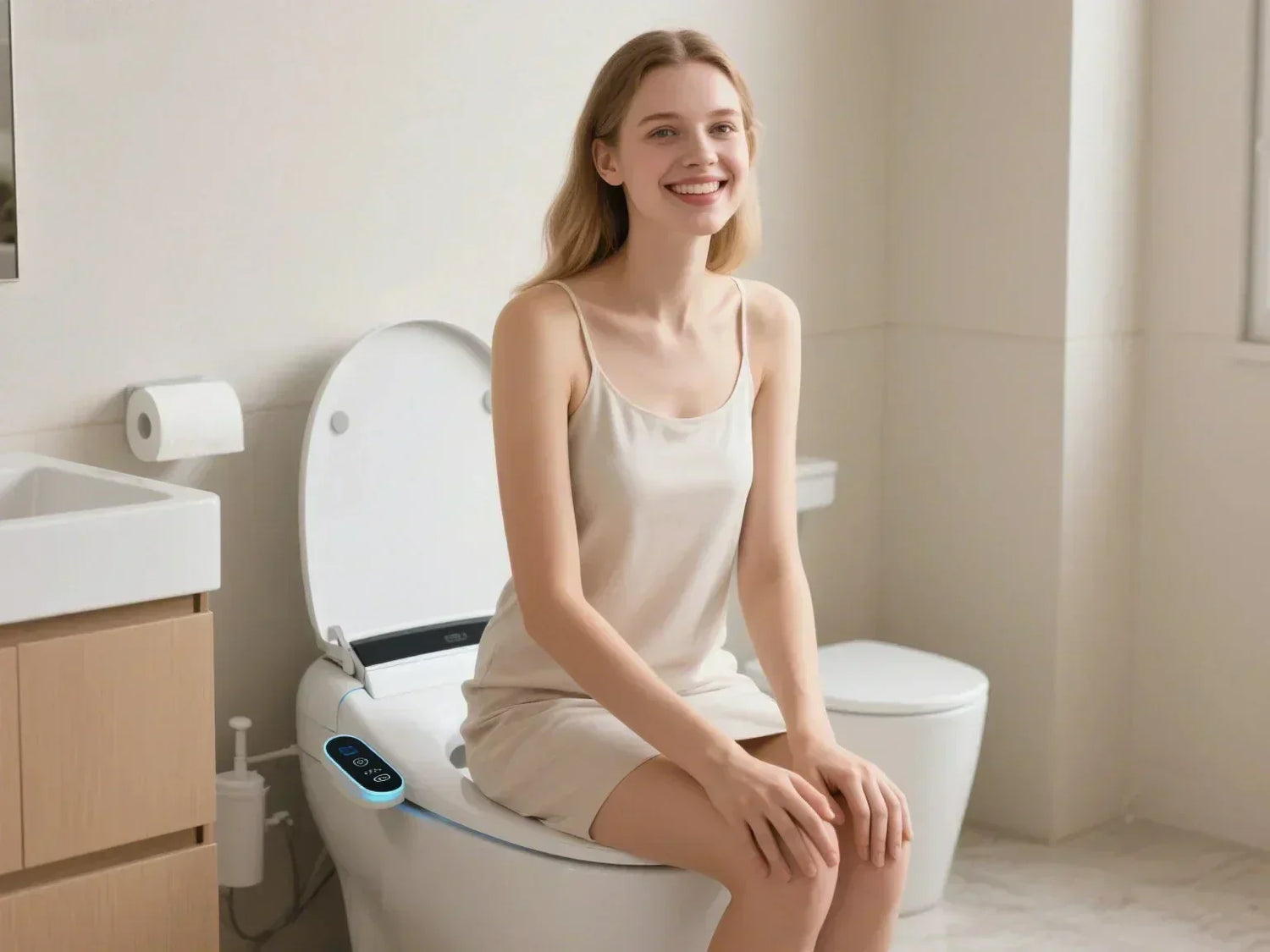
A bidet is a bathroom fixture or toilet accessory that uses a directed
stream of water to rinse the external genital and anal areas after toilet
use. Depending on the design, it may replace the toilet seat, fit beneath
an existing seat, or be integrated into a complete toilet. Controls vary
by type, but each design delivers water through a nozzle or spray outlet
for external cleansing.
What Is a Bidet?
A bidet is designed for external cleansing after toilet use. It sends clean
supply water through a nozzle or spray head, allowing the user to rinse and
then pat dry with toilet paper or a clean personal towel. Some electric
models also include a warm-air dryer.
The word “bidet” originally referred to a separate porcelain washing basin.
Modern designs include bidet seats, under-seat attachments, handheld
sprayers, portable units, and complete toilets with built-in washing
functions. This guide focuses on the three types commonly compared for
existing U.S. bathrooms: bidet seats, bidet attachments, and integrated
bidet toilets.
How Does a Bidet Work?
Most modern bidets connect to a bathroom water supply. When the wash control
is activated, water travels through the unit to a nozzle or spray outlet,
which directs the flow toward the external cleansing area. Water pressure,
nozzle position, temperature controls, automatic nozzle rinsing, and drying
functions vary by product type and model.
The water-delivery system depends on the type. A bidet seat replaces the
existing toilet seat, an attachment fits beneath the existing seat, and an
integrated bidet toilet combines the toilet and washing system in one
complete fixture.

Common Types of Bidets
Bidet seats, bidet attachments, and integrated bidet toilets use the same
water-based cleansing principle, but they differ in what they replace,
their available controls, and the installation checks required.
| Type | How It Works | What It Changes | What to Check |
|---|---|---|---|
| Bidet Toilet Seat | Replaces the existing toilet seat and uses a built-in nozzle to provide the water spray. Controls may be located on a side panel or remote. | Adds bidet washing functions while keeping the existing toilet bowl. | Check the toilet bowl shape, mounting dimensions, available clearance, water connection, and whether the selected seat requires electricity. |
| Bidet Attachment | Mounts beneath the existing toilet seat and directs water through a nozzle controlled by a dial or lever. | Keeps the existing toilet and seat while adding a basic water-rinse function. | Check mounting compatibility, seat clearance, control placement, and access to the toilet’s water-supply connection. |
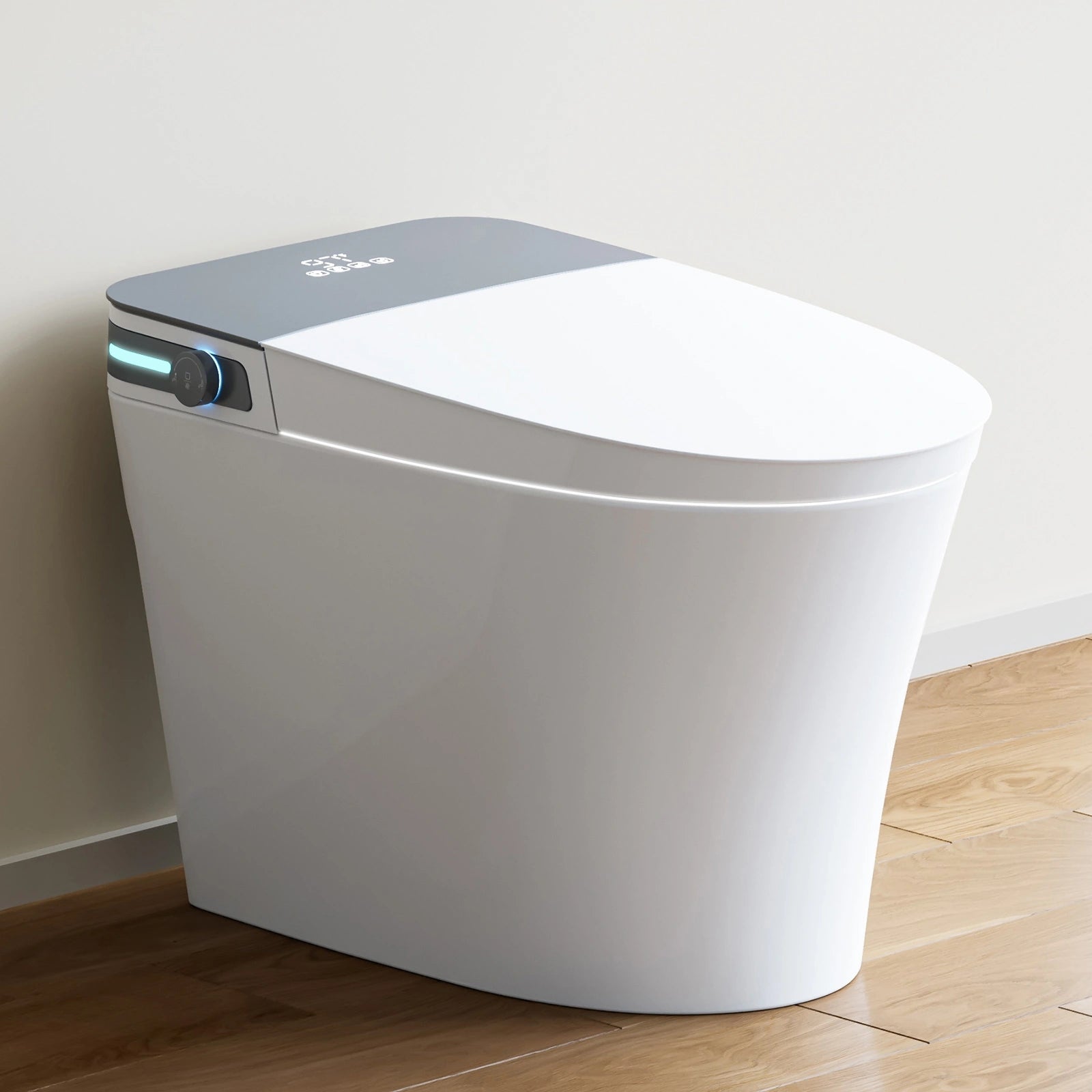
| Integrated Bidet Toilet | Combines the toilet and bidet washing system in one complete fixture with built-in controls. | Replaces the complete toilet rather than adding a separate seat or attachment. | Check the product dimensions, rough-in, water connection, electrical requirements, and installation instructions for the specific model. |
A bidet seat or attachment may be suitable when the existing toilet is
compatible. An integrated bidet toilet is a complete fixture replacement,
so its product drawing and installation requirements should be reviewed
before ordering.



How to Use a Bidet: A Quick Summary
After using the toilet, keep clothing clear of the spray path and activate
the wash at the lowest available pressure. Adjust the nozzle position,
pressure, or temperature only as needed, stop the water when finished, and
pat dry or use a drying function when the product includes one.
Controls and positioning vary by bidet type. For complete instructions
covering different bidet designs, read the
detailed guide to using a bidet
.

Understanding How a Bidet Works
A bidet uses a controlled stream of water for external cleansing after
toilet use, but the water-delivery system depends on the product type. A
bidet seat replaces the existing seat, an attachment fits beneath it, and
an integrated bidet toilet combines the washing system with the complete
toilet. For detailed operating instructions, read the
guide to using a bidet
,
or compare current
HOROW toilets with built-in bidets
.

Frequently Asked Questions About Bidets
1. What is a bidet?
A bidet is a bathroom fixture or toilet accessory that directs water toward
the external cleansing area after toilet use. It may be designed as a
replacement toilet seat, an under-seat attachment, or a washing system
integrated into the complete toilet.
2. Where does the water for a bidet come from?
Most modern bidet seats, attachments, and integrated toilets connect to a
bathroom water supply. When the wash is activated, water travels through
the product to its nozzle or spray outlet. The exact connection and
installation requirements depend on the product type and model.
3. What is the difference between a bidet seat and a bidet attachment?
A bidet seat replaces the existing toilet seat and contains its own nozzle
and controls. A bidet attachment is installed beneath the existing seat,
so the original seat normally remains in place. Both options require
compatible mounting dimensions and access to the toilet’s water-supply
connection.
4. Is an integrated bidet toilet the same as a bidet seat?
No. An integrated bidet toilet combines the toilet and water-washing system
in one fixture and replaces the complete toilet. A bidet seat is installed
on a compatible existing toilet bowl.
5. Do all bidets require electricity?
No. Many basic bidet attachments use water pressure and manual controls
without electricity. Electric bidet seats and integrated bidet toilets may
require power for functions such as water heating, seat heating, electronic
controls, automatic operation, or warm-air drying. Check the instructions
for the specific product.


Leave a comment
This site is protected by hCaptcha and the hCaptcha Privacy Policy and Terms of Service apply.