
Is It Worth It?
A bidet can be worth it for an older adult who has difficulty reaching, bending, twisting, or wiping but can still transfer to the toilet and remain seated safely. Water cleansing may improve comfort, independence, and privacy while reducing hands-on hygiene assistance.
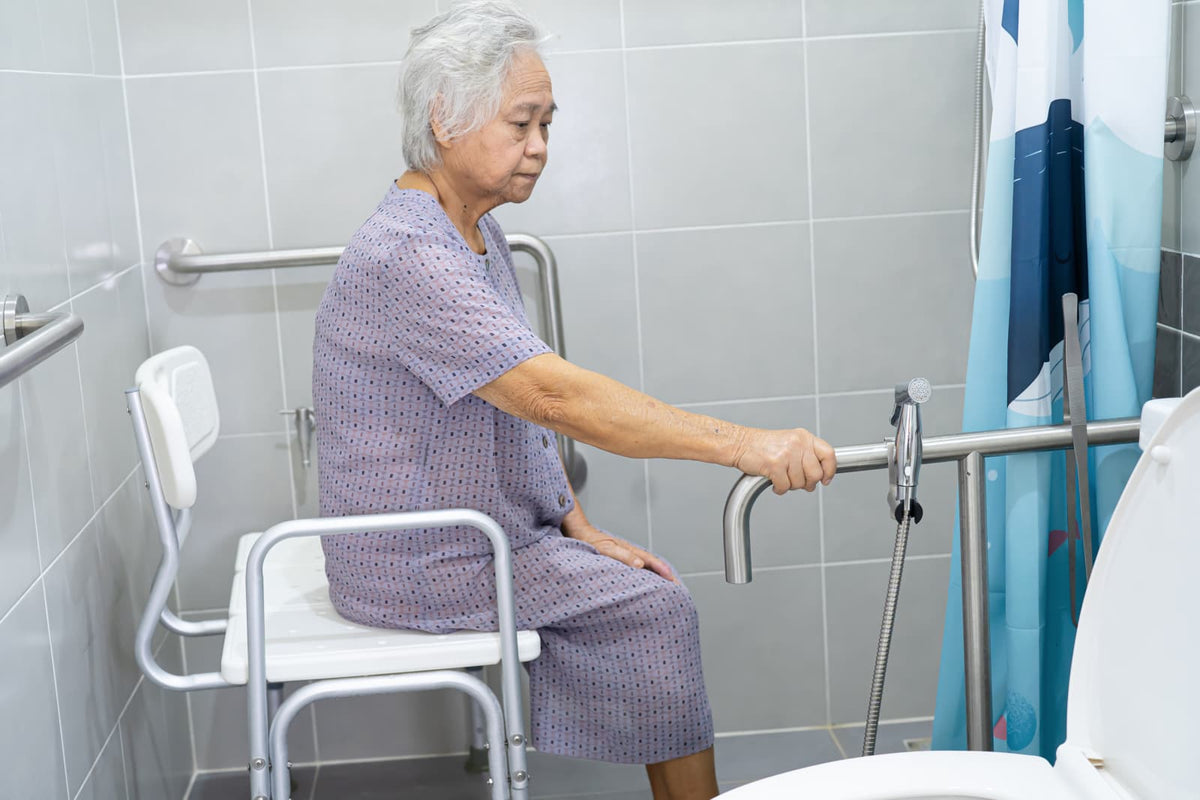
It is less suitable when the main problem is an unsafe transfer, unstable posture, severe cognitive impairment, or controls the user cannot operate. A bidet can support bathroom hygiene, but it does not replace grab bars, suitable toilet height, clear transfer space, supervision, or caregiver help.
Depends on ability, bathroom layout, and timing
The best candidate can follow a simple wash-and-stop routine, reach the controls, recognize discomfort, and adjust position slightly for effective cleaning. The bathroom must also accommodate the bidet without obstructing grab bars, mobility equipment, or caregiver access.
Introducing the bidet before hygiene assistance becomes urgent may make adaptation easier. A new spray sensation and control sequence can be difficult to accept during illness, rapid functional decline, or cognitive change.
When Does It Work Well?
Supports users who can follow simple routines
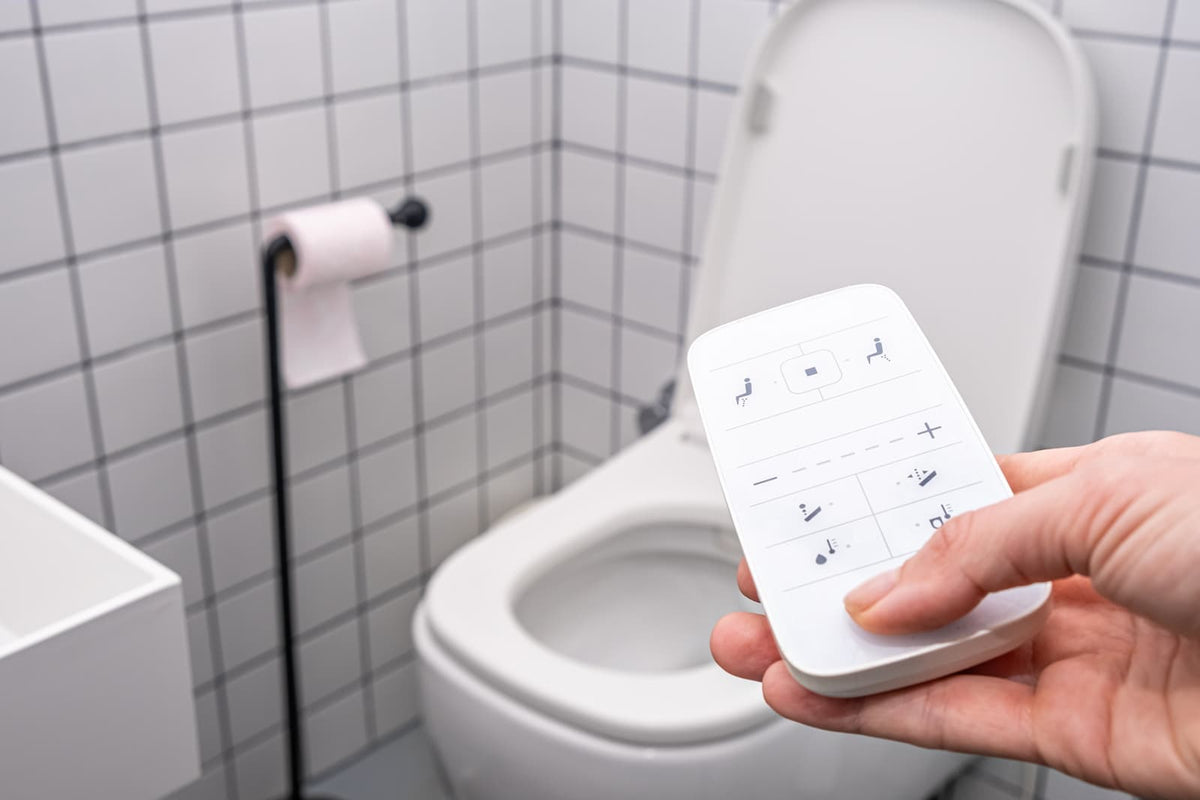
A bidet works best when the user understands what the controls do and can stop the wash cycle when needed. Large, clearly marked buttons are usually more practical than a crowded panel. A reachable remote may help someone who cannot comfortably bend or twist toward side-mounted controls.
Automatic functions do not necessarily make a bidet suitable for independent use. The user must still understand the routine or have appropriate supervision.
Reduces bending, twisting, and repeated wiping
The clearest bidet benefit for elderly adults is easier cleaning when arthritis, weakness, limited flexibility, or reduced coordination makes wiping difficult. Water cleansing reduces the need to reach behind the body and may feel gentler than repeated dry wiping.
This benefit depends on accurate positioning, moderate pressure, comfortable temperature, and adequate drying. More pressure does not necessarily mean better cleaning and may cause discomfort or irritation.
Preserves privacy during toileting assistance
Automated washing may reduce intimate, hands-on cleaning by a caregiver. That can preserve dignity even when the user still needs help with clothing, transfers, control operation, or drying.
A bidet may be particularly useful when a caregiver currently provides cleaning after most bathroom visits. However, it should be viewed as a way to reduce certain tasks—not as a guarantee of completely independent toileting.
Works best when introduced before urgent need
Learning to use a bidet takes practice. The user may need time to become comfortable with the spray, identify the correct controls, and find an effective seated position.
Begin with gentle settings and a consistent routine. Introducing unfamiliar equipment gradually is generally more practical than making it part of an urgent bathroom change during a health crisis.
When May It Not Be Ideal?
Not ideal for unsafe or unstable transfers

A bidet does not help someone approach the toilet, lower themselves onto it, manage clothing, stand up, or return to a wheelchair or walker. If those tasks are unsafe, transfer support should be addressed first.
The complete toilet area matters. A new seat or control panel must not interfere with armrests, grab bars, raised-seat equipment, caregiver positioning, or the user’s transfer path.
Cognitive decline can make controls overwhelming
A person with significant cognitive impairment may press the wrong button, forget how to stop the spray, or become frightened by unexpected water. Simplified controls and supervision may help, but some users will not adapt reliably.
The decision should be based on the individual’s ability to learn and repeat the routine—not age alone.
Poor dexterity makes side controls difficult
Small buttons can be hard to use for someone with arthritis, tremor, neuropathy, poor vision, or reduced hand strength. Side-mounted controls may also require twisting.
Before buying, confirm that the user can see, reach, and operate the controls while seated. A clearly labeled stop button and accessible remote can be more important than extra comfort features.
Medical risks may require individualized advice
People with fragile skin, reduced sensation, active wounds, recent anorectal surgery, severe irritation, or recurring urinary or genital infections should seek individualized clinical advice. Heat, pressure, prolonged washing, poor maintenance, or incomplete drying may create problems for a vulnerable user.
Claims that bidets prevent urinary tract infections are not established by the sources reviewed. Improved cleansing may help with hygiene, but it should not be presented as a medical treatment or guaranteed prevention method.
What Are the Pros and Cons?
Warm cleansing may improve comfort and skin care
Warm water may be more comfortable than repeated wiping for sensitive or irritated skin. Adjustable pressure and temperature are more useful than a single forceful setting, especially for someone with reduced sensation.
Cold-water attachments may be less comfortable and therefore less likely to be used consistently.
Washing can reduce caregiver workload
A successful bidet setup can reduce repeated wiping and intimate cleaning tasks. It may also help an older adult maintain more privacy.
The likely benefit is greatest when wiping is the main limitation and the user can otherwise toilet safely.
Drying and supervision may still be necessary
An air dryer may reduce the need for toilet paper, but it may not completely dry the skin. Some users will still need assistance, particularly after incontinence or when moisture remains in skin folds.
Caregivers may also need to monitor positioning, skin condition, equipment cleanliness, and changes in the user’s ability to operate the bidet.
Incorrect pressure or positioning can cause irritation
A bidet may clean poorly or splash if the user cannot align with the spray. Someone with limited trunk control may find the required leaning or repositioning unsafe.
Start with the lowest comfortable pressure. Stop using the bidet and seek appropriate advice if it causes pain, persistent irritation, or skin injury.
What Real-World Considerations Matter?
Is it worth it for small bathrooms?
It can be, provided the equipment does not compromise movement or assistance. Check whether controls conflict with a wall or cabinet, grab bars remain reachable, and a walker, wheelchair, or caregiver can still fit beside the toilet.
Measure the usable transfer area, not just the toilet bowl. A bidet that fits the fixture may still be unsuitable for the room.
What problems do users report?
Common practical problems include awkward controls, inaccurate spray positioning, incomplete drying, uncomfortable cold water, and difficulty adapting to a new routine. Some buyers also discover that the seat conflicts with an existing riser, safety frame, or armrest.
These problems are more likely when the product is selected by feature count or price rather than the user’s physical and cognitive abilities.
Is it reliable long-term?

No bidet is maintenance-free. The seat, nozzle area, and surrounding surfaces require cleaning according to the product instructions. Filters or other serviceable components may also need attention where fitted.
Long-term usefulness depends on more than the spray mechanism. The user must continue to understand the controls, maintain a safe position, and have someone available to identify leaks, cleaning needs, or declining performance.
Electrical models need safely located power
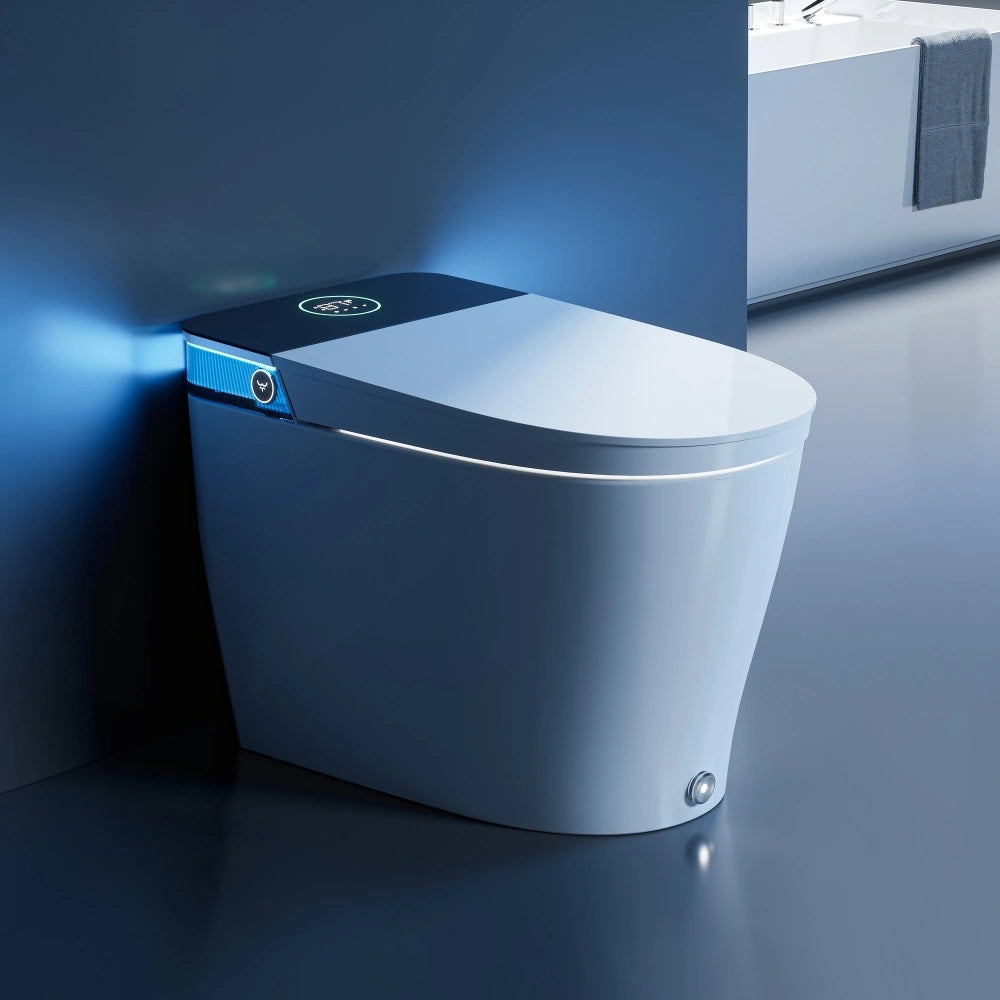
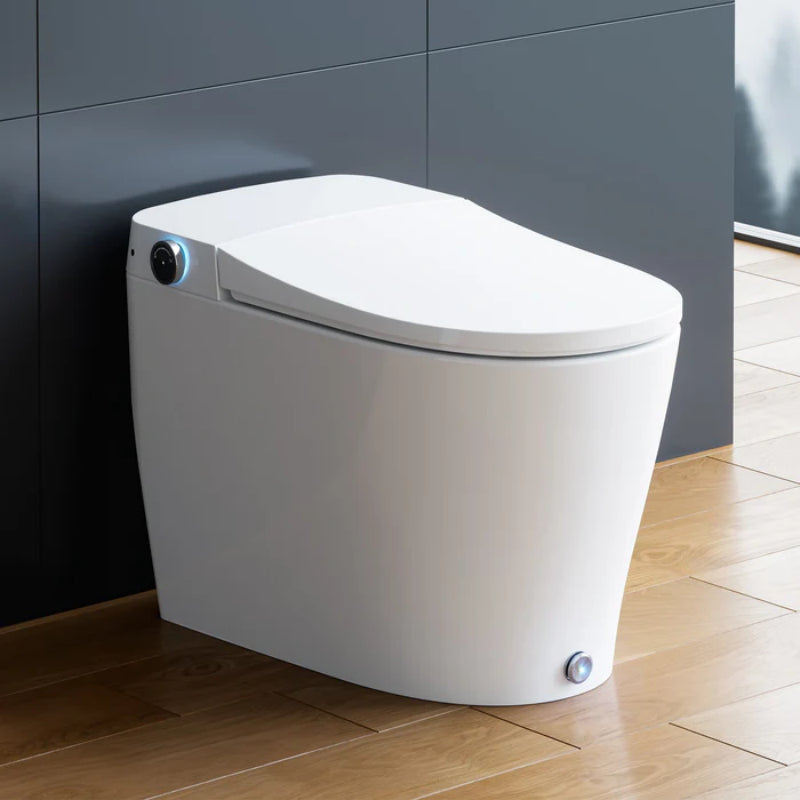
Electric bidet seats and integrated bidet toilets can offer warm water, air drying, heated seats, and other convenience features. They also need appropriate electrical access and add components that may eventually require service.
Do not assume an existing bathroom outlet or extension cord arrangement is suitable. Follow the product instructions and have a qualified professional confirm outlet placement, protection, and applicable local requirements. Homeowners comparing integrated options can also review HOROW smart toilets, but compatibility and safe installation should be checked before choosing a model.
HOROW Smart Toilets to Compare
If you prefer an integrated bidet toilet rather than a separate bidet seat, these HOROW smart toilet models are options to compare. Before choosing, review the product page and confirm control access, seat height, electrical requirements, installation compatibility, and available bathroom space for the intended user.
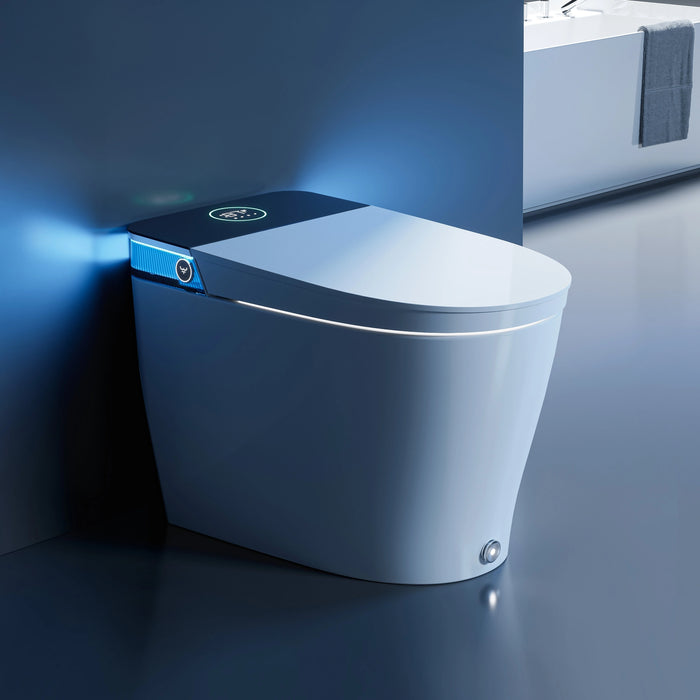
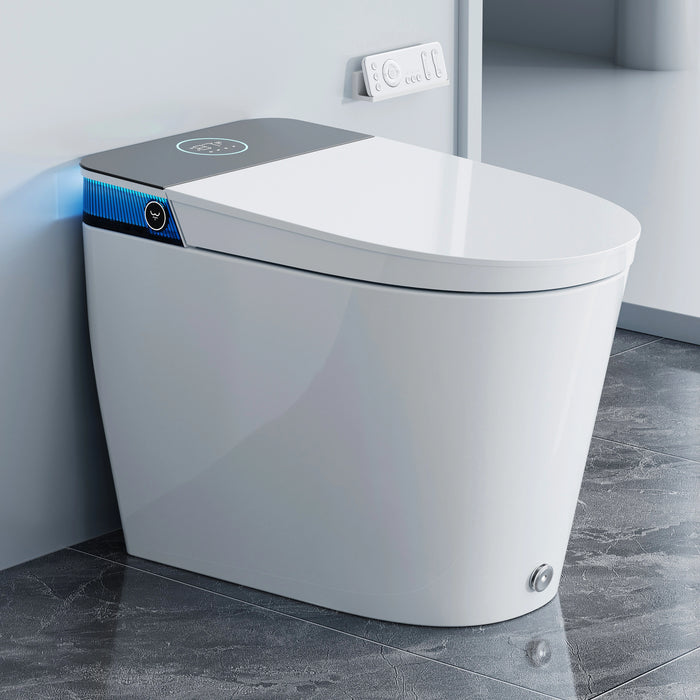
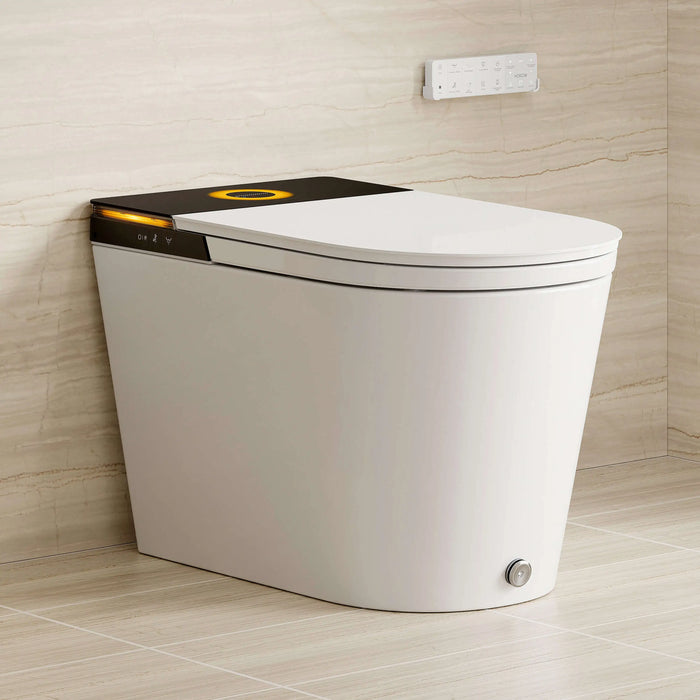
You can also compare HOROW smart toilets before selecting a specific model.
Who Should Buy or Skip It?
Consider buying if:
- Wiping is difficult because of limited reach, arthritis, weakness, or reduced flexibility.
- The user can transfer and remain seated safely.
- The controls are visible, understandable, and reachable.
- A caregiver currently provides frequent hygiene assistance.
- The bathroom preserves access to grab bars and mobility equipment.
- Adjustable pressure and temperature would improve comfort.
Consider skipping or delaying if:
- Unsafe transfers are the main problem.
- The user cannot maintain a stable seated posture.
- Cognitive impairment makes the wash sequence unreliable or frightening.
- The user cannot recognize excessive heat, pressure, or irritation.
- The bidet would obstruct safety equipment or transfer space.
- The household expects it to eliminate all drying, supervision, or cleaning.
A bidet is a good first purchase when it solves a specific wiping or reach problem without making the toilet harder to use. If posture, transfers, or cognition are the larger concern, address those needs first and treat the bidet as one part of a broader accessibility plan.
Before-Buying Checklist
- Can the user get on and off the toilet safely?
- Can the user remain stable while washing?
- Are the controls reachable without twisting?
- Is there a clear, easy-to-find stop control?
- Will the seat fit with existing grab bars, risers, or safety frames?
- Is there enough room for mobility equipment and caregiver assistance?
- Can pressure and temperature be adjusted for comfort?
- Who will handle cleaning, drying, and troubleshooting?
- For an electric model, has suitable power access been confirmed?
FAQs
Is a bidet seat or integrated bidet toilet better for an older adult?
Choose according to usability and bathroom compatibility. A seat may preserve the existing toilet, while an integrated bidet toilet combines the functions in one fixture. In either case, control access, seat height, transfer space, pressure adjustment, and maintenance matter more than the product format alone.
Can an older adult use a bidet without assistance?
Possibly. Independent use is most realistic when the person can transfer safely, remain stable, understand the controls, position correctly, and recognize discomfort. Others may still need help with clothing, drying, or supervision.
Does a bidet replace toilet paper completely?
Not always. Some users still need toilet paper or caregiver assistance for drying and checking cleanliness. An air dryer can reduce wiping, but results vary with positioning, skin folds, and incontinence needs.


Leave a comment
This site is protected by hCaptcha and the hCaptcha Privacy Policy and Terms of Service apply.