
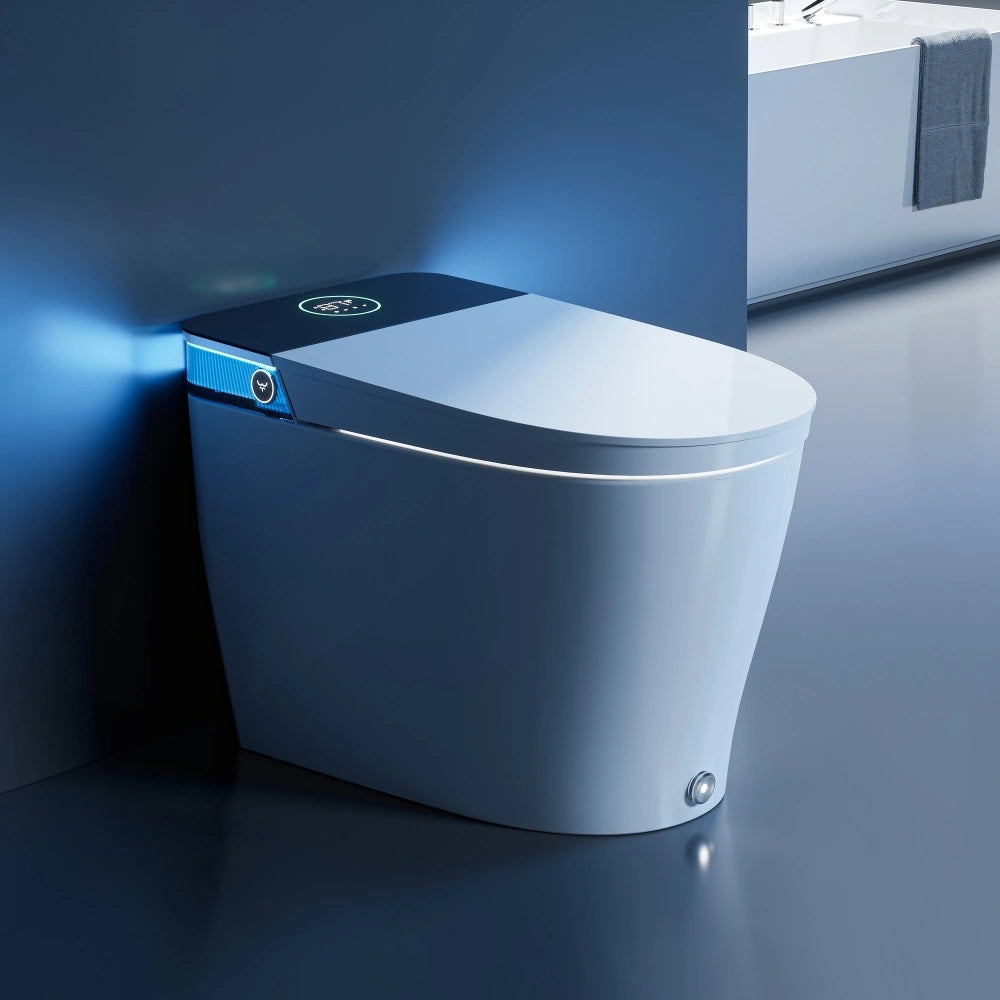
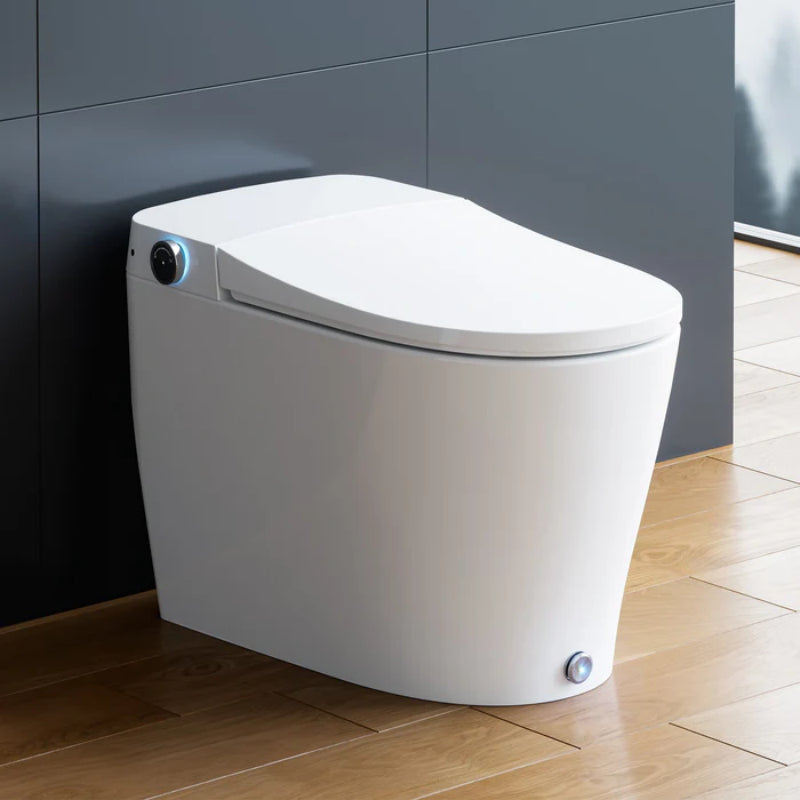

You buy a UV sterilization smart toilet expecting a cleaner toilet and a bacteria-killing bidet nozzle with almost no effort. Many buyers are also attracted by the chemical-free hygiene appeal—the idea that UV can reduce microbes without using additional cleaners or disinfectants. Then you notice the UV light only runs for a moment, or you can’t tell if it ran at all. Some homeowners also find the UV parts become the first thing to rattle, blink, or fail.
That chemical-free appeal is real, but in most toilets UV is still a narrow hygiene feature, not a “whole toilet sterilizer.” Here’s how to decide if it fits your home and habits—and what tends to cause regret.
Decision Snapshot: A Quick Rule of Thumb for UV Sterilization Smart Toilets
A UV sterilization smart toilet is usually a good fit if:
-
You already want a smart toilet or bidet functions, and UV is a small extra layer of nozzle hygiene.
-
Your home has multiple users (kids, guests) and you like automatic routines.
-
You care about reducing germs between manual cleanings, not replacing them.
You should probably skip UV sterilization if:
-
You expect it to sterilize the bowl or replace normal cleaning.
-
You get annoyed by finicky sensors, blinking lights, or extra parts that can fail.
-
You don’t want another feature that may quietly stop working (and you wouldn’t notice).
Watch-outs
UV defects can appear immediately out of the box. Some buyers report going through a replacement or return cycle, and replacement units can occasionally repeat the same issue—so be prepared to verify that the UV feature actually operates right after installation.
Is a UV Sterilization Smart Toilet Worth It If You Already Clean Regularly?
If you clean your toilet on a normal schedule (and wipe down the seat and touch points), UV is rarely a night-and-day change. The biggest real benefit is more specific:
-
UV can reduce microbes in a small target area (most often the bidet nozzle) between uses.
-
That can matter when several people use the same bathroom, especially kids who touch everything.
On the other hand, regular cleaning already handles what most people actually notice and care about: stains, odor, splashes, and the “is this gross?” feeling. UV doesn’t remove dirt. It works best on surfaces that are already fairly clean.
The key point is: UV is about lowering microbial load on a small area, not making the toilet “clean” in the everyday sense.

What UV Sterilization Usually Means in Real Smart Toilet Use
Most UV sterilization in a “smart toilet” setup is one of these:
-
Automatic UV nozzle cleaning: a UV LED shines on the bidet nozzle area after use, or on a timer.
-
Self-sanitizing claims: marketing language that sounds like it covers everything, but the UV source is small and positioned near the nozzle housing.
-
Night light features: some units include visible light for the bowl area, which is not the same as germ-killing UV-C.
What it usually does not mean:
-
UV light bathes the entire bowl for a long time
-
UV reaching under the rim, behind hinges, or into shadowed zones
-
UV replacing scrubbing, wiping, or descaling
If your main goal is a cleaner-looking bowl, UV is often the wrong reason to buy it.
Does UV Sterilization Actually Improve Smart Toilet Hygiene or Just Sound High-Tech?
UV can inactivate bacteria and some viruses under the right conditions. According to the Centers for Disease Control and Prevention (CDC), ultraviolet germicidal irradiation (UVGI) uses UV-C energy to kill viral, bacterial, and fungal organisms when they receive a sufficient dose of radiation. The gap is that “right conditions” are hard to guarantee inside a toilet setup.
“Kills 99.9%” Claims vs Real UV Coverage in Smart Toilets
Those “kills 99.9% of bacteria” claims often come from testing that controls variables like:
-
distance to the surface
-
exposure time
-
a clean, flat target (not curved, wet, shadowed plastic)
-
no grime, water spots, or mineral scale
In a toilet, small changes matter. UV loses strength fast with distance. Shadows block it. A thin film of water or buildup can reduce effective exposure.
So the question isn’t “Can UV kill germs?” It’s: Is the UV dose hitting the places you think it is, for long enough, often enough?
Seat and Lid Position Can Block UV Sterilization
In many bathrooms, the seat and lid position changes all day:
-
lid closed to look tidy
-
seat down for kids
-
seat up for cleaning
-
soft-close lids that don’t stay where you left them
If the UV source only runs when a sensor thinks the toilet is “idle,” or only when the lid is in a certain position, it may run less often than you assume. Some systems also shut off for safety when they sense movement, which is good for eyes/skin safety—but it can shorten run time.
Automatic UV Nozzle Cleaning Still Does Not Replace Manual Toilet Cleaning

Even with UV, you still need to:
-
wipe the seat and lid
-
clean around hinge gaps and mounting points
-
remove mineral buildup on the nozzle area (if you have hard water)
-
clean splash zones around the bowl
UV is not a dirt remover. If anything, UV can create false confidence that the “self-sanitizing” feature handled things that still need a wipe.
What Trade-Offs Appear in Everyday Family Use of a UV Sterilization Smart Toilet
In real homes, the downsides tend to be small, repeated annoyances—plus a few “wait, is this broken?” moments.
Short UV Cycles Create the “Did It Even Run?” Problem
Many owners expect a noticeable cleaning cycle. What they actually see is:
-
a brief blink
-
a few seconds of light
-
nothing visible at all, because the UV is hidden
That creates two problems:
-
You can’t tell if it’s working.
-
If it stops working, you may not notice it for months.
If you want a feature you can verify at a glance, UV often disappoints.
Routine Friction From Lights, Noise, and Hands-Free Smart Toilet Features
UV features are often bundled into smart toilet behavior: sensors, auto modes, and status lights. In a quiet house at night, small things feel bigger:
-
indicator lights that glow or flash
-
a faint whine, click, or rattle after use
-
“mystery behavior” when guests use it and ask what the light means
If your household values simple and silent, UV-related hardware can feel like one more thing going on.
Is a UV Sterilization Smart Toilet the Best Hygienic Choice for Families?
For families, UV can be a net positive when it supports good habits:
-
a nozzle that is treated between users
-
less worry about “what touched what”
But it can backfire when kids (or guests) assume the toilet is “self-cleaning” and skip basics:
-
not washing hands
-
leaving splashes
-
ignoring visible grime because “it sanitizes itself”
UV helps most when it’s treated as backup, not permission to relax.

Will a UV Sterilization Smart Toilet Fit Your Bathroom and Setup Tolerance?
A UV sterilization smart toilet system is still a toilet installation problem: tight spaces, water supply, power, and alignment.
Battery Installation Can Be Awkward in Some Smart Toilet Seats
Some UV modules run on batteries or have a battery compartment in an awkward spot. Real-life issues include:
-
needing a tool to open a compartment
-
tight angles between the bowl and wall
-
concerns about seals if the compartment isn’t truly water-tight long term
If you hate fiddly installs, this is where regret starts.
Smart Toilet Fit and Placement Constraints Matter More Than Many Expect
UV and sensors can be sensitive to alignment. Common friction points:
-
seat/lid not sitting perfectly flat after installation
-
nozzle position ending up slightly off-center
-
sensors that misread because of bowl shape or nearby surfaces
If your toilet area is cramped, the chance of “almost fits” goes up.
Simple Clearance Guide and Pre-Install Check for Smart Toilet Installation
Use this as a quick mental model before you commit:
| Component / Area | Description | Installation or Maintenance Consideration |
|---|---|---|
| Wall | Rear wall behind the toilet | Requires access to both water supply and electrical power for smart toilet installation |
| Tank / Rear Area | Space behind the toilet tank | A tight gap can make installation, wiring, and plumbing connections more difficult |
| Seat Hinges | Mounting point where the seat attaches | Needs a flat and stable surface to ensure proper alignment and secure installation |
| Nozzle | Bidet spray nozzle area | Located in the splash zone and requires easy access for cleaning and maintenance |
| Bowl | Main toilet bowl | The central area for flushing and general use |
Pre-install check (fast reality check):
-
Is there an outlet close enough (and safe from splashes)?
-
Can you reach the water shutoff easily?
-
Is there enough space behind the seat for added parts?
-
Can the lid/seat open/close normally after adding hardware?
Are Reliability Problems Common Enough to Erase the Value of UV Features?
This is the part many people don’t think about: UV is a feature you can’t easily “sense.” If it becomes unreliable, you might still use the toilet normally and never realize the hygiene feature stopped.
Failures people report
Real-world complaints tend to cluster around:
-
loose parts that rattle after installation
-
UV lights that blink briefly, then stop working
-
replacements that work for a short time, then repeat the issue
Even when the toilet still flushes and the bidet still sprays, the UV part can be the weak link. In real homes, that can mean replacement or return cycles that take time and effort—and sometimes the replacement unit repeats the same issue, which is why this feature occasionally becomes a source of buyer regret rather than just a simple repair.
How to Confirm UV Sterilization Is Functioning Without Directly Looking at It
You should not stare at UV-C light directly. Instead, use a simple verification checklist:
-
Find the indicator or setting in the manual or app. Check whether the model lists a UV indicator light, icon, or status notification.
-
Trigger or observe the cleaning cycle. Some toilets run UV after use or on a timer. Listen for a small click or status change that signals the cycle started or ended.
-
Check for maintenance alerts or battery status. Some systems show alerts when the UV module, LED, or battery needs attention.
-
Look for confirmation in system settings. Advanced models may log sanitation cycles or allow the feature to be toggled on/off in the app or control panel.
-
If none of these exist, treat the feature as effectively unverifiable. That doesn’t mean it never runs—but it does mean you may not notice quickly if it stops working.
Is a UV Sterilization Smart Toilet Worth Paying For If It Can Fail Silently?
If you’re buying UV because you have high hygiene needs, silent failure is a serious drawback. If you’re buying it as a “nice to have,” the risk is easier to accept.
A practical way to frame it:
-
If UV stops working, would you feel misled or unsafe?
-
Or would you shrug and keep cleaning like you always did?
Your answer tells you whether this feature matches your risk tolerance.
Cost and Maintenance: The Hidden Subscription of UV Smart Toilet Features
UV sterilization features can raise the price of a smart toilet setup, and sometimes add recurring chores.
A simple way to think about the ongoing cost:
| Item | What happens in real homes |
| Upfront cost | UV often adds cost for hardware + controls |
| Power/batteries | Battery swaps or another device on an outlet |
| Cleaning | Still need wiping; nozzle area may need descaling |
| Repairs | If UV fails, it may mean a return, service call, or living without it |
If you’re the person who will manage maintenance, be honest about whether you’ll keep up with it. If not, UV can turn into a paid feature that fades into the background.

Before You Choose: Quick UV Sterilization Smart Toilet Checklist
-
Am I expecting UV to clean the whole bowl? If yes, you’ll likely be disappointed.
-
Can I verify the UV feature is running (indicator, alerts, or clear cycle behavior)?
-
Do I have space and access for installation and battery/service access?
-
Will my household still clean normally, or will UV create false confidence?
-
If the UV feature fails, will I be upset or is it just a bonus?
FAQs
1. Does a UV Sterilization Smart Toilet Sterilize the Whole Toilet?
Usually not. In most designs, a UV sterilization smart toilet directs the UV light toward a very specific area—typically the bidet nozzle or the nozzle housing. The UV source is small and positioned to sanitize that targeted zone rather than the entire toilet bowl, rim, seat hinges, or underside surfaces.
Because UV light weakens quickly with distance and cannot reach hidden or shadowed areas, it rarely covers the entire toilet structure. For this reason, even advanced models marketed as a self-sanitizing intelligent toilet are not designed to sterilize every surface inside the bowl or around the seat.
If your goal is the best hygienic toilet for families, UV can still be useful as an added layer of protection between uses, especially when multiple people share the bathroom. However, it should be seen as a supplemental hygiene feature rather than a replacement for normal cleaning routines like wiping the seat, cleaning the bowl, and maintaining touch points.
2. Is UV Nozzle Cleaning Enough to Stop Germs From Spreading?
UV nozzle cleaning can help reduce microbes on the nozzle surface, but it does not completely stop germs from spreading in a bathroom environment. The feature works best when it targets a small, frequently used component—the bidet nozzle—between uses.
Many manufacturers include this feature in a self-sanitizing intelligent toilet to maintain nozzle hygiene automatically. However, germs in bathrooms are not limited to the nozzle. They can also be found on the toilet seat, flush controls, lid, and surrounding surfaces.
For households trying to choose the best hygienic toilet for families, UV nozzle cleaning should be considered a supportive feature rather than a standalone sanitation system. Handwashing, wiping down the seat and lid, and regular toilet cleaning remain essential for maintaining a hygienic bathroom environment.
3. Can UV Be Unsafe in a Bathroom?
UV-C light can potentially irritate the eyes and skin if a person is exposed directly to it. For this reason, well-designed systems place the UV source inside a protective housing and automatically shut the feature off when motion is detected nearby.
Many modern smart toilets incorporate safety sensors so the UV cycle only runs when the toilet is idle and the lid is closed or when no user is detected. This helps ensure the technology remains safe while still providing the intended sanitation benefits.
A properly designed self-sanitizing intelligent toilet will keep UV light contained within the device and operate it automatically without requiring user interaction. If a toilet exposes visible UV-C light directly to the open bathroom environment, that would generally be considered a design flaw and a potential safety concern.
4. What’s the Most Common Regret With UV Features?
One of the most common regrets buyers report is expecting a visible, reliable sterilization cycle and then realizing the UV feature is subtle or difficult to confirm. In many toilets, the UV light runs only for a short burst or is hidden inside the nozzle housing, which means users cannot easily see when the cycle occurs.
Because of this, some homeowners assume the system is constantly cleaning the entire toilet, similar to a fully self-sanitizing intelligent toilet. In reality, the feature usually operates quietly in the background and only treats a small area.
References



Leave a comment
This site is protected by hCaptcha and the hCaptcha Privacy Policy and Terms of Service apply.