



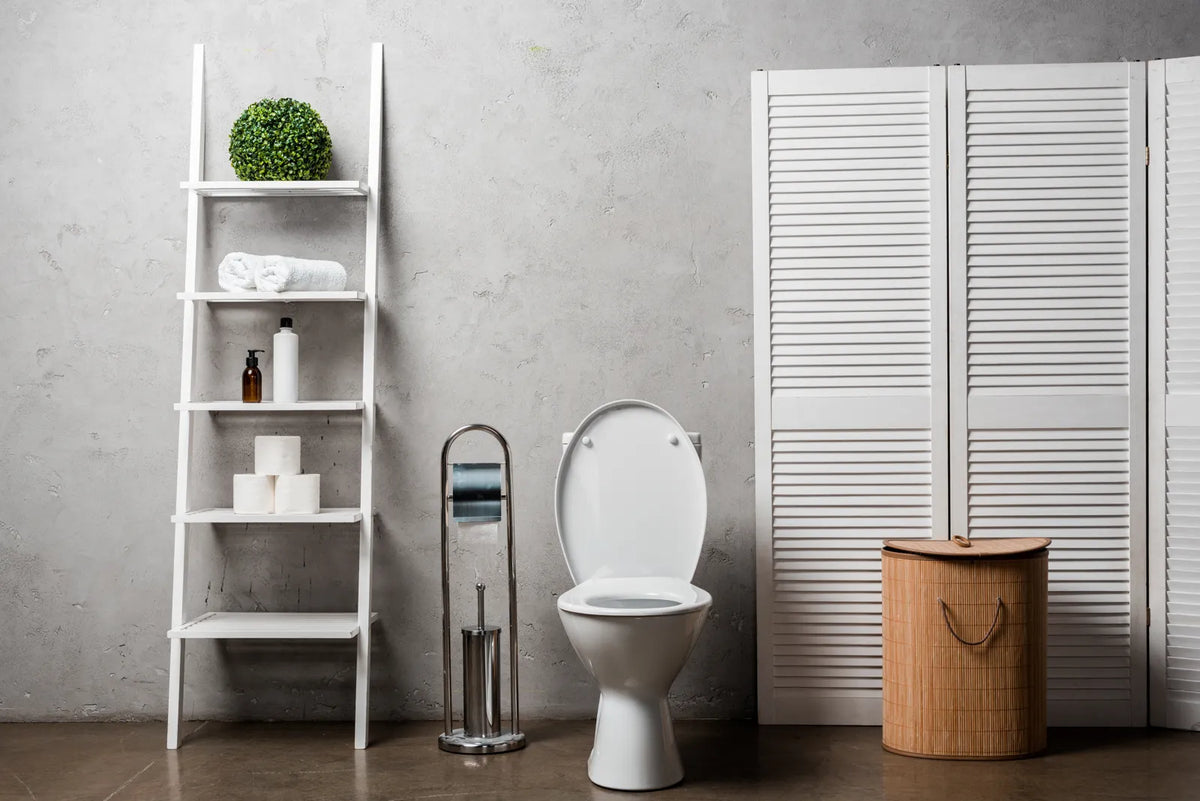
Foam shield smart toilet technology places a layer of dense foam across the bowl water before use. The foam is intended to help reduce splash, contain some bowl odors, and limit direct contact between waste and the water surface.
Foam shield and pre-wet solve different bowl-cleaning problems. A foam shield spreads bubbles over the water surface to help reduce splash and contain odors, while a pre-wet function sprays a thin film of water onto the ceramic bowl to reduce sticking. Foam shield generally requires a compatible refill solution, while pre-wet normally uses the toilet’s water supply. Some models may offer both features, so confirm the specifications of the exact toilet before buying.
Foam Shield vs. Pre-Wet: Quick Comparison
Both features prepare the bowl before use, but they act on different surfaces and require different types of upkeep.
| Comparison point | Foam shield | Pre-wet |
|---|---|---|
| Where it works | Across the bowl water surface | Across the ceramic bowl surface |
| Main purpose | Helps reduce splash and contain some bowl odors | Helps reduce sticking and makes residue easier to rinse away |
| How it works | Dispenses dense bubbles before use | Sprays a light film of water before use |
| Ongoing supplies | Usually requires a compatible foam solution or refill | Normally does not require a separate foam solution |
| Routine upkeep | Refill the solution and clean the dispensing path as directed | Keep the spray outlet and surrounding area free of buildup |
| Best fit | Bathrooms where splash or bowl odor is the main concern | Bathrooms where waste adhesion and bowl residue are the main concerns |
Should You Choose Foam Shield Smart Toilet Technology?
Foam shield technology may be useful when splashback or bowl odor is a recurring concern. However, it also adds a refill solution, another dispensing system, and model-specific controls. The need to store compatible refills and maintain the dispensing path should be treated as part of the buying decision rather than as a minor detail.
Decision Snapshot: Who It Is For and Who May Want to Skip It
Usually a good fit if you:
-
Care about reducing splashback during normal toilet use.
-
Have a small or frequently used bathroom where bowl odor is a recurring concern.
-
Do not mind storing a compatible solution and performing light, regular upkeep.
-
Are comfortable checking model-specific controls, sensors, and settings.
You may want to skip it if you:
-
Prefer a toilet with fewer electronic features, alerts, and operating steps.
-
Do not want to buy and store a separate consumable for the toilet.
-
Need a feature that guests or multiple household members can use without instructions.
-
Do not want to maintain another dispenser or troubleshoot model-specific controls.
Which Feature Should You Choose?
Choose foam shield when splashback or bowl odor is the main concern and you are comfortable refilling the approved solution. Choose pre-wet when waste adhesion is the main concern and you prefer a bowl-preparation feature that does not use a separate foam refill. Consider a toilet with both features only when both needs matter and the additional upkeep fits your routine.
How Activation Typically Works: Manual Controls vs. Automatic Operation
-
Some foam shield systems are activated with a remote or control panel.
-
Other systems may activate automatically through a seat sensor or programmed sequence.
-
The exact timing and control method vary by model, so review the operating instructions before purchase.
Is Foam Shield Smart Toilet Technology Worth It if Splashback Is Your Main Concern?
Foam shield technology may be worth considering when splashback is your main concern because it changes the surface that waste contacts before reaching the bowl water.
It will not address every cause of splash. Bowl shape, water level, user position, and the toilet’s overall design can still affect the experience. Treat foam shield as a feature that may reduce splash rather than as a guarantee that splash will never occur.
Who May Find the Extra Steps Annoying?
Depending on the model, a foam shield feature may add:
-
A refill routine and the need to keep compatible solution available
-
An additional control or automatic operating sequence
-
Model-specific alerts, reminders, or sensor feedback
Buyers who prefer a simple fixture with minimal maintenance may find these additional steps unnecessary.
What Do You Actually Get in Daily Use?
Foam shield technology may reduce some visible bowl residue, splash, and odor during use. Its practical value depends on the bowl design, how the feature is activated, whether the solution is refilled consistently, and how regularly the toilet is cleaned.
Will a Foam Shield Eliminate Toilet Cleaning?
Expectation: The foam layer keeps the bowl clean enough that regular scrubbing is no longer necessary.
Reality: The foam may make some residue easier to rinse away, but it does not replace routine bowl cleaning.
In day-to-day use, foam may:
-
Reduce how firmly some residue sticks to the bowl
-
Make some wipe-downs easier
-
Help the bowl look cleaner between routine cleanings
You will still need to clean:
-
The rim, underside, and exterior surfaces
-
Mineral scale and hard-water rings
-
Areas that the foam does not reach
-
Residue that builds up through normal use
A compatible foam solution may help reduce sticking, but it is not a substitute for periodic cleaning. The feature is more useful when the goal is to make routine cleaning easier rather than to eliminate it.
What Can Foam Shield Do About Toilet Odors?
Foam across the water surface may help contain some bowl odors during use by creating a temporary physical barrier.
It may help:
-
Reduce the initial release of some bowl odors
-
Make a noticeable difference in a small or frequently used bathroom
-
Keep waste below the foam layer during use
It will not:
-
Correct poor bathroom ventilation
-
Address odors from drains, trash, damp towels, or other room sources
-
Replace normal bowl cleaning
Foam shield is most relevant when the concern comes directly from the toilet bowl. General room odors still require appropriate cleaning and ventilation.
How the Foam Layer Changes the Toilet Experience
When it works as designed, the foam layer may provide:
-
Less direct contact with the bowl water
-
Less visible residue around the water surface
The difference may feel limited:
-
If the current toilet rarely splashes
-
If the bowl is already cleaned frequently
-
If the feature is not activated before use
In a shared bathroom, confirm whether the feature operates automatically or requires each user to activate it. A manual process may be used inconsistently by different members of the household.

What Are the Hidden Trade-Offs?
The main trade-offs are the need for a compatible refill, another component to clean, and model-specific controls. These details can affect whether the feature feels convenient in everyday use.
Ongoing Needs: Foam Solution, Refilling, and Storage
Foam shield systems generally rely on a compatible solution. This creates three practical considerations:
-
You need to keep the correct refill available.
-
You need a suitable place to store it.
-
You need to refill and clean the system according to the product instructions.
Before paying extra for the feature, consider whether keeping a toilet-specific consumable in stock fits your normal household routine.
What Happens if the Solution Runs Out or the Foam Does Not Form Correctly?
Possible signs include:
-
No foam after the solution level becomes low
-
Foam that appears thin, watery, uneven, or incomplete
Depending on the product design, possible causes may include:
-
A low solution level
-
Residue in the dispensing path
-
Use of a solution that does not match the manufacturer’s instructions
-
Buildup around small openings or dispensing components
Follow the troubleshooting and cleaning instructions for the exact toilet rather than assuming that every foam system uses the same refill method or mixture.
Controls, Sensors, and Nighttime Use
Depending on the model, foam shield may be controlled through a remote, side panel, seat sensor, or automatic operating sequence. Check how the feature is activated before deciding whether it fits your routine.
-
Confirm whether the controls are easy to reach while seated.
-
Check whether the foam is dispensed before, during, or after a specific action.
-
Review how the seat sensor or presence detection is intended to operate.
-
Check whether alerts or operating sounds can be adjusted.
-
Consider whether the remote or side controls are visible enough for nighttime use.
If the feature does not operate as expected:
-
Confirm that the solution level and product settings are correct.
-
Keep the sensor and control areas clean and unobstructed.
-
Use the troubleshooting steps in the product manual before changing settings or refill products.
Buyers who prefer a quiet and highly predictable nighttime routine should review the control and alert options of the exact model.

How Well Does It Fit Your Bathroom and Routine?
A foam shield feature is part of a complete smart toilet system, so the installation requirements depend on the exact model. Before purchase, confirm the product dimensions, rough-in compatibility, water connection, electrical requirements, operating controls, and access needed for future refilling or maintenance.
Installation Reality: Follow the Requirements of the Exact Model
Do not assume that every foam shield toilet uses the same fittings, filter, hose layout, or electrical setup.
Before installation, confirm:
-
The required water-supply connection
-
The electrical requirements, when the model uses powered features
-
The required hose routing and service clearance
-
The mounting and stability instructions
-
How the foam solution is accessed and refilled
A tight bathroom layout can make shutoff valves, electrical connections, mounting points, or refill compartments difficult to reach.
Use the installation manual for the exact model. Arrange professional installation when the required plumbing or electrical work is outside your experience.
What Can Affect Day-to-Day Foam Performance?
The operating conditions and maintenance needs vary by model, but several practical factors may affect the consistency of the foam layer:
-
Mineral buildup around small openings or dispensing components
-
Residue already present on the bowl or around the dispensing area
-
Activation timing that does not match the intended operating sequence
-
Use of a refill solution that does not match the manufacturer’s instructions
A demonstration shows the feature under controlled conditions. Long-term results also depend on correct use, cleaning, and refill practices.
Shared-Bathroom Habits and Control Timing
A feature that works well for one person may be used inconsistently in a shared bathroom, especially when manual activation is required.
Ask yourself:
-
Does the feature activate automatically or require a manual step?
-
Will other household members understand how to use it?
-
Will guests need instructions?
-
Can settings be changed accidentally?
For a frequently shared bathroom, an automatic and clearly documented operating sequence may be easier to use than a feature that requires several manual steps.

Long-Term Maintenance: What Needs Attention?
Foam shield technology does not remove the need for routine toilet care. It also adds a solution reservoir, dispensing path, and model-specific components that may require cleaning or inspection over time.
Foam Shield vs. Routine Bowl Cleaning
The foam layer may help reduce some sticking and visible residue, but regular cleaning is still required.
You will still need to clean because:
-
Dust, hair, and residue collect on exterior surfaces
-
Mineral deposits can build where water sits or dries
-
Areas outside the foam layer still collect residue
-
Seams, moving components, and dispensing areas may need attention
Foam shield may make some bowl cleaning easier, but the dispensing path and areas where solution can dry also need to be maintained according to the product instructions.
Possible Signs of Buildup or Inconsistent Dispensing
Over time, a liquid-dispensing system may require cleaning or inspection if the foam becomes less consistent.
Possible signs include:
-
Foam that appears thinner than before
-
Uneven coverage across the water surface
-
Incomplete or interrupted dispensing
-
A need for more frequent cleaning around the dispenser
Do not use an unapproved mixture or attempt to clear internal components without checking the product manual. Cleaning procedures vary by design.
Additional Components You May Need to Maintain
A smart toilet with a foam shield includes more components than a basic gravity toilet. Depending on the model, maintenance may involve:
-
Keeping sensors and control areas clean
-
Checking accessible water connections for signs of leakage
-
Cleaning the refill compartment or dispensing area as directed
-
Replacing remote-control batteries when applicable
-
Restoring settings that have been changed accidentally
Buyers who prefer minimal upkeep should compare the value of the foam feature with the additional refill and maintenance requirements.

Before You Choose: Quick Checklist
-
Does the exact model include foam shield, pre-wet, or both?
-
Am I willing to buy and store the compatible foam solution?
-
Will everyone in the home understand how the feature is activated?
-
Am I comfortable cleaning the refill and dispensing areas as directed?
-
Will operating sounds, sensors, or a remote be inconvenient at night?
-
Have I checked the installation and maintenance requirements for the exact model?
FAQs
1. What Is Foam Shield Technology in a Smart Toilet?
Foam shield technology dispenses a layer of dense bubbles across the bowl water before use. The foam is intended to help reduce splash, contain some bowl odors, and limit direct contact between waste and the water surface. It does not replace routine cleaning and usually requires a compatible refill solution.
2. Is Foam Shield the Same as Pre-Wet?
No. Foam shield creates bubbles across the bowl water to help reduce splash and contain odors. Pre-wet sprays a light film of water onto the ceramic bowl to reduce sticking. The two features may be offered separately or together, depending on the toilet.
3. Does Foam Shield Prevent All Splashes?
No feature can guarantee that every splash will be prevented. A foam layer may reduce the frequency or amount of splash by covering the water surface, but bowl shape, water level, user position, and overall toilet design can still affect the result.
4. How Do I Refill the Foam in a Smart Toilet?
Use only the refill solution and procedure specified for the exact toilet. Depending on the design, the solution may be poured into a refill compartment or supplied through a replaceable container. Do not assume that household soap or another brand’s solution is compatible with the system.
5. Does Foam Shield Help With Toilet Odors?
The foam layer may help contain some odors that come directly from the bowl during use. It will not correct poor ventilation or address odors from drains, trash, damp materials, or other sources in the room.
6. Which Requires More Upkeep: Foam Shield or Pre-Wet?
Foam shield generally requires more ongoing attention because the compatible solution must be refilled and the dispensing area may need cleaning. Pre-wet does not use a foam refill, but the spray outlet and surrounding components still require routine care. Always follow the maintenance instructions for the exact model.



Leave a comment
This site is protected by hCaptcha and the hCaptcha Privacy Policy and Terms of Service apply.