

Toilet bolts are small parts, but they can decide whether a toilet feels solid, stays sealed, and can be removed later without a fight. Most homes already have “good enough” bolts in place. The question is whether changing toilet bolts (or upgrading to capped or “no-cut” styles) will help your situation, or just add a new point of failure.
If you're planning a bathroom parts and repair project or researching how to mount a toilet, understanding the role of toilet bolts helps you avoid installation mistakes later.
Decision Snapshot: when toilet bolts make sense (and when to skip)
What kind of bolt change are we talking about?
-
Replacing damaged standard bolts – best for fixing loose, corroded, or broken toilet bolts that cause wobble or poor sealing.
-
Adding bolt caps – best for a clean, finished look and protecting standard toilet bolts from moisture and dirt.
-
Switching to no-cut/zero-cut bolts – best for fast DIY installation with no bolt trimming required. These systems are often marketed as an all-in-one product designed to simplify the mounting process.
Choose toilet bolts upgrades if:
-
You’re already pulling the toilet for a new wax ring, flooring, or flange work (a “reset”), so new bolts are a low-effort add-on.
-
Your current bolts are rusted, stripped, too short, or the nuts won’t tighten evenly.
-
You want a cleaner look with bolt caps and you’re okay with a little extra cleaning attention.
If you're already researching how to replace toilet bowl bolts, upgrading while the toilet is removed is usually the easiest moment to do it.
Skip “special” toilet bolt setups if:
-
Your toilet sits close to the wall or against thick tile, and you have poor access to the mounting points.
-
Your flange/subfloor is questionable (movement, rot, cracked flange). New bolts won’t fix the real problem.
-
Your toilet design uses hard-to-reach mounting or fragile mounting hardware that’s annoying to service later.
Will toilet bolts actually solve your problem—or just hide it?
A lot of “toilet bolt problems” are really flange, floor, or installation problems. New bolts can help, but only when bolts are the limiting factor.
Many basic plumb system issues show up first as loose bolts, but the underlying cause is usually structural rather than hardware related.
Are you fixing wobbles, leaks, or a shifting bowl?
If a toilet rocks, people often blame loose bolts. Sometimes that’s true. More often, the bolts are reacting to another issue:
-
Uneven floor or tile lippage: The bowl touches in two spots and “teeters.” Tightening bolts harder can crack the toilet base.
-
Compressed or failed seal (wax ring or gasket): Water shows up, and the bowl may shift as the seal gives way.
-
Loose or damaged flange: The flange moves with the bowl, so the bolts never stay tight.
A quick reality check: if you can snug the nuts and the toilet still moves, the bolts aren’t your main problem. Shimming and fixing the flange/floor matter more than “better” bolts.
Is it worth it if the flange is wrong?
Bolts depend on a solid flange at the right height and firmly attached to the floor. If the flange is:
-
cracked,
-
sitting too low below finished flooring,
-
sitting too high and holding the toilet up,
-
or not anchored to the subfloor,
then new toilet flange bolts are like putting fresh lug nuts on a bent wheel.
What I’ve seen in practice: homeowners replace bolts, crank them down to stop movement, then weeks later the toilet loosens again—or the base cracks. The regret isn’t “wrong bolts.” It’s using bolts to force stability that should have come from the floor and flange.
Will bolt caps look cleaner—or create a grime edge?
Toilet bolt caps can make the base look finished, especially in a visible guest bathroom. The trade-off is that caps can create a little edge where moisture and dust collect.
This isn’t a dealbreaker, just an expectation thing:
-
If you mop often and wipe around the base, caps are fine.
-
If the bathroom tends to stay damp or gets quick “surface cleans,” caps can hide buildup until it smells.
Fit and compatibility: what has to match first
Extender or extra-length bolts are often required when thicker flooring or flange height makes standard bolts too short.
Most bolt kits fit most standard flanges. The problems happen when you have a non-standard rough-in, tight clearance, or a flange that doesn’t match the bolt style you bought.
Don’t assume “standard” will fit. Non-standard bolt spacing or tight wall/tile clearance can prevent washers, nuts, or caps from fitting correctly or being tightened straight. Finding the right specific bolt size and thread length before installation saves time later.
Rough-in and spacing surprises
Homeowners sometimes discover too late that “standard” isn’t universal. The bolt-to-wall rough-in is often 12 inches, but some bathrooms are 10 inches or 14 inches. That doesn’t just affect toilet choice; it affects where the bowl lands over the bolts and how much room you have to work.
If the toilet ends up tight to the wall, you might not have:
-
room to slide washers on cleanly,
-
room to tighten nuts straight,
-
or room to fit decorative caps without rubbing.
This is why installers often recommend measuring first to find the right bolt length and mounting clearance.
Will “no-cut” mounting bolts actually fit?
No-cut toilet bolts offer major installation convenience: they eliminate trimming, reduce tools needed, and speed up the entire mounting process. This makes them especially popular for DIYers looking to simplify a toilet reset.
Zero-cut (no-cut) toilet mounting bolts can be convenient because you don’t have to trim the bolt after tightening. In real installs, the “gotchas” are usually:
-
Stack height: thick tile + underlayment + flange height changes how much thread you need.
-
Washer/nut stack-up: some setups need extra washers or a different nut height to tighten without bottoming out.
-
Flange slot fit: some flanges accept common T-bolts easily; others bind or don’t capture the bolt head well.
If your old bolt length “barely worked,” a no-cut system may not give you enough adjustment range.
Clearance behind the bowl matters more than people think
A common frustration is trying to change toilet bolts when the bowl is close to the wall. You can tighten a nut only one flat at a time, or you can’t keep the bolt from twisting in the flange channel.
If you already hate reaching behind the toilet to clean, ask yourself: will you hate it more when you need to service the bolts?

Installation reality check: changing toilet bolts without surprises
Replacing bolts is straightforward when everything is clean and accessible. It gets messy when you’re dealing with corrosion, spinning bolt heads, or a toilet that was overtightened years ago.

How to Tighten Closet Bolts Evenly and Snug
The key point is that toilet bolts don’t “clamp” like framing bolts. They’re there to keep the bowl from shifting and to compress the seal evenly—not to force the porcelain flat to an uneven floor.
Common regret: tightening until the toilet stops rocking, instead of shimming and stabilizing the base. That can lead to:
-
hairline cracks in the base,
-
a stressed flange,
-
or a seal that fails early because the bowl is twisted slightly.
A practical rule: tighten evenly until snug and stable, then stop. If it still rocks, address the floor contact points.
When the old bolt spins, corrodes, or snaps
“Changing toilet bolts” often becomes “how to remove toilet bowl bolts that won’t come off.”
Real-world problems include:
-
Spinning bolts: the bolt head turns in the flange slot, so the nut never loosens.
-
Rusted nuts: they round off or seize, especially in damp bathrooms.
-
Snapped bolts: the nut comes off, but the bolt breaks at the flange.
If the bolt head is trapped in the flange channel and the channel is corroded or deformed, you can spend more time freeing the old bolt than installing the new one.
This is where planning matters: if you’re not already removing the toilet, replacing bolts can turn a “quick refresh” into a half-day repair.

Hidden costs: the “small parts” you didn’t buy
Don’t assume one bolt kit covers the whole job. Many essential toilet parts are sold separately, and you’ll often need extra components to finish the job properly.
People get surprised by how often toilet parts are packaged separately. You might replace the closet bolts and then notice:
-
the tank hardware is corroded,
-
the toilet bowl screws for a seat are stained or stripped,
-
toilet cover bolts (seat hinge bolts) don’t match the new look,
-
or you’re missing washers that make the nut tighten smoothly.
Here’s a realistic cost view for parts (not labor):
| Item | Typical reason you’d add it | Common cost range |
|---|---|---|
| Toilet flange bolts and nuts | rusted, too short, damaged threads | $5–$20 |
| Bolt caps | appearance, easier wipe-down | $3–$15 |
| Bolt extenders / extra-length bolts | thick flooring, flange height issues | $5–$20 |
| Extra washers (rubber/metal) | leveling stack, smoother tightening | $2–$10 |
Costs vary by region and whether you shop online or locally, but the pattern is the same: one “simple” bolt change can turn into a small pile of parts.
Long-term reliability and annoyance risks
A good bolt setup works for years, then becomes important again the day you have to pull the toilet. That day is when regrets show up.
Will it come apart next time?
The most common long-term pain points are:
-
nuts fused to bolts from corrosion,
-
caps that trap moisture,
-
and bolt designs that are hard to grip when loosening.
If you expect to remodel again or service a leaking seal, prioritize a setup that you can remove with normal hand tools, without special access.
Fragile or “springy” bolt designs
Some modern toilets and mounting systems use hardware that feels less solid than old-school bolts. If your toilet’s mount relies on springy or thin components, the hardware can become the weak link.
The issue isn’t just breakage. It’s that replacement becomes harder when the toilet design hides the bolts or makes them hard to access. If you like doing your own repairs, hidden mounting can be a real friction point.
Cleaning and access: exposed vs covered
Exposed bolts are easier to inspect. You can see corrosion early, and you can wipe around them. Covered bolts look nicer, but you lose quick visual checks.
A good question to ask: do you want “cleaner looking,” or “easier to service”? In a rarely used bathroom, looks often win. In a busy family bathroom, serviceability often wins.
When toilet bolts are overkill (and when “good enough” is smarter)
There are times when upgrading bolts adds risk without much benefit.
If the toilet is stable and sealed
If the toilet doesn’t move, there’s no smell, and there’s no sign of leaking at the base, replacing bolts can create problems:
-
you disturb an old seal,
-
you crack old porcelain by uneven tightening,
-
or you find a flange issue you weren’t planning to fix that day.
In short: if you’re not removing the toilet, don’t “maintenance replace” bolts just because they’re there—unless they’re visibly failing.
Smart toilet and skirted designs
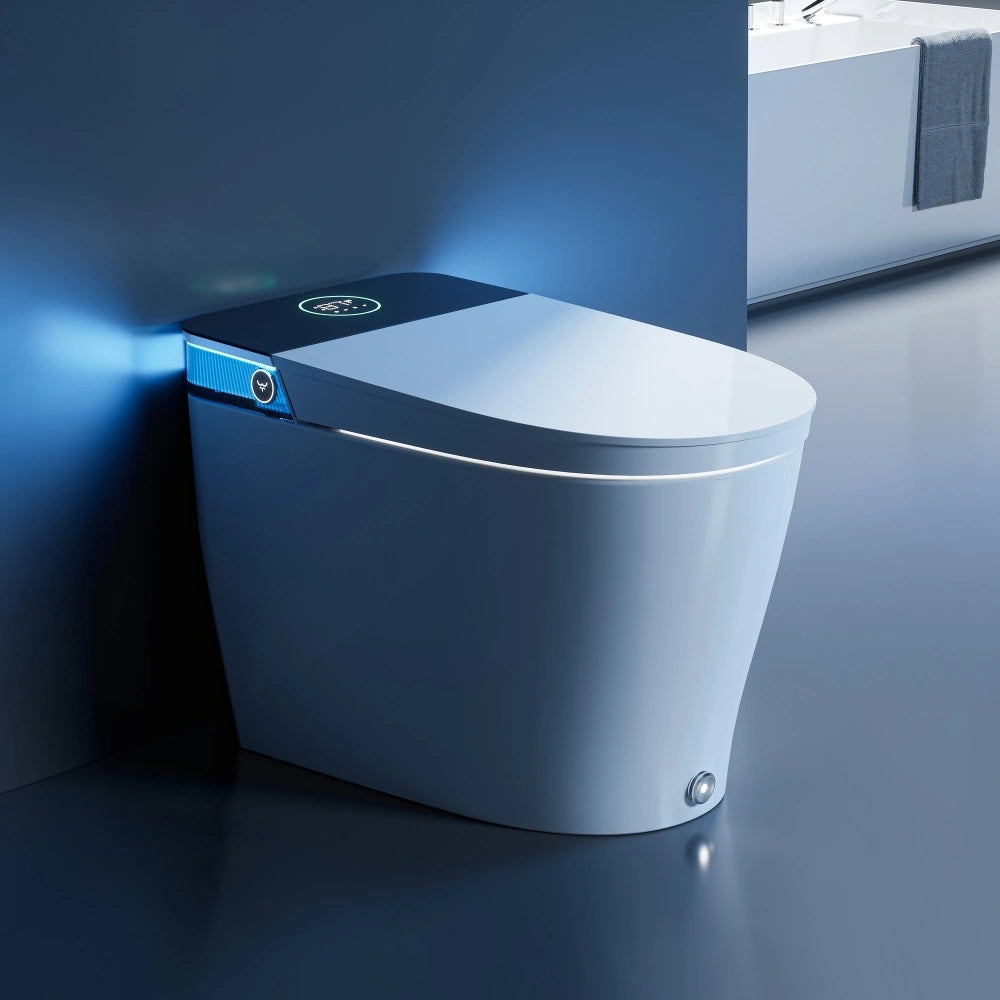
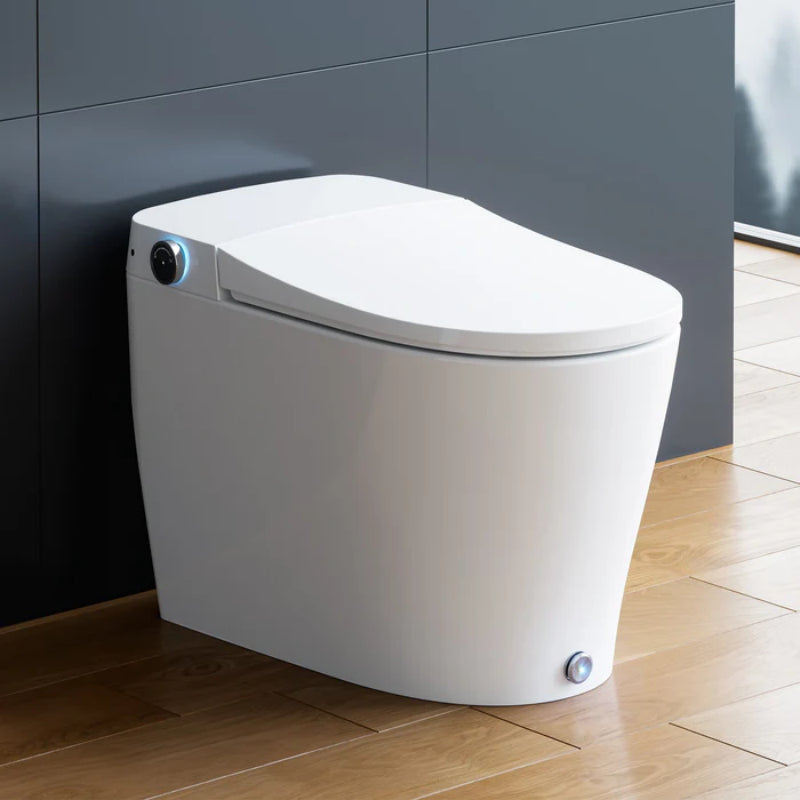
With some smart toilet or skirted designs, bolt access is the real issue. The bolts may be hidden, accessed through small openings, or replaced with specialized mounting points.
That doesn’t mean “don’t buy it.” It means you should decide whether you’re comfortable with:
-
harder installation,
-
harder cleaning around the base,
-
and potentially more steps when the toilet has to come up later.
If you already dislike tight, fussy installs, bolt access should be part of your decision.
Minimal checks before you shop
Before you order parts online or grab something from a local store, check:
-
bolt length needed (including flooring thickness),
-
flange condition and style,
-
whether your toilet base gives you tool access,
-
and whether you need caps for looks (or prefer exposed for service).
Before You Choose checklist
-
Confirm the toilet is coming up anyway (seal, flooring, flange work). If not, avoid creating extra risk.
-
Inspect the flange for cracks, movement, or wrong height. Fix that first or plan for it.
-
Measure flooring thickness and estimate bolt thread needed after washers and nuts.
-
Check behind/around the bowl for tool clearance to tighten and later remove nuts.
-
Decide if bolt caps fit your cleaning habits (nice look vs hidden grime edge).

FAQs
1. Are no-cut bolts and bolt extenders worth it, and how do I know if they’ll fit?
No-cut bolts and bolt extenders can be very helpful, but only in the right situation. No-cut bolts are designed to simplify installation because you don’t have to trim the bolt after tightening it. That means fewer tools, less measuring, and a quicker install—especially useful for DIY projects where you just want to set the toilet and move on. Bolt extenders solve a different problem: when your flooring is thicker than usual (for example, tile over underlayment) or the flange sits lower than the finished floor, standard bolts may not have enough thread to grab the nuts properly. In that case, extenders or longer bolts give you the extra height you need. Before buying, measure your bolt length from the flange to the top of the toilet base, then account for washers and nuts. Also check the bolt spacing and make sure there’s enough room behind the bowl for tools and caps. If those dimensions line up, both upgrades can save time and frustration during installation.
2. What size bolts do I need for a toilet?
Most toilets use standard closet bolts that are 1/4-inch diameter and designed to fit into the slots on a typical toilet flange. Length is where the variation happens. Common bolt lengths range from about 2¼ inches to 3½ inches, but the right size depends on your flooring thickness and the height of the flange above the finished floor. If you’ve installed thick tile, stone, or extra subfloor layers, you may need longer bolts so the threads extend far enough above the toilet base to secure the nuts and washers. A good rule of thumb is that once the toilet is sitting on the floor, you should still see enough exposed thread for a washer and nut to tighten comfortably. If the bolt barely reaches the nut—or doesn’t reach at all—you’ll want longer bolts or extenders. When in doubt, measure the old bolts before buying replacements, since they usually reflect what works for your specific installation.
3. Can I replace toilet bolts without removing the toilet?
In most cases, you cannot properly replace toilet bolts without removing the toilet, because the bolt heads sit inside the flange slots underneath the base. That means the toilet has to be lifted so the old bolts can slide out and new ones can be inserted. Some people try to tighten or partially replace hardware without removing the bowl, but that only works if you’re dealing with surface parts like nuts or decorative caps. If the bolt itself is damaged, rusted, or spinning in the flange, the toilet needs to come up so you can access the flange channel. While that sounds like a bigger project, it’s usually the safest way to do the repair. Removing the toilet also gives you a chance to check the wax ring seal, inspect the flange, and clean the area before reinstalling everything. Many homeowners find that once the toilet is already lifted, replacing bolts becomes a quick and straightforward step.
4. How to install toilet lid bolts?
Installing toilet lid bolts (also called toilet seat bolts) is usually a quick and simple job that doesn’t require special tools. First, remove the old seat by loosening the bolts that hold the hinges to the toilet bowl. Depending on the model, the bolts may be plastic or metal and usually pass through holes at the back of the bowl. Once the old hardware is removed, line up the hinges of the new seat with the same holes. Insert the new bolts through the hinges and down through the bowl openings. From underneath the bowl, thread the nuts onto the bolts and tighten them gradually. The goal is to make the seat stable without overtightening, which could damage plastic components or crack porcelain. Many modern seats include rubber washers or quick-release fittings to keep the seat centered. After tightening, check that the seat opens and closes smoothly and doesn’t shift from side to side.
5. What size are the bolts on a toilet seat?
Toilet seat bolts are typically smaller and simpler than the bolts used to mount the toilet to the floor. In most cases, they measure about 5/16 inch in diameter, although some models use slightly different sizes depending on the manufacturer or seat design. The spacing between the two bolt holes on the toilet bowl is usually 5½ inches, which is the standard for most residential toilets. Because of that standard spacing, most replacement seats come with universal hardware that fits the majority of toilets. The bolts themselves are often made from plastic to prevent corrosion and make removal easier later, though metal versions are also available for added durability. If you’re unsure about the size, removing one of the existing bolts and comparing it at a hardware store can help. Fortunately, toilet seat hardware kits are inexpensive and widely available, so replacing them is typically an easy fix.
6. Will a toilet leak if bolts are loose?
Loose toilet bolts don’t always cause leaks immediately, but they can create conditions where leaks eventually happen. The bolts themselves aren’t what seals the toilet to the drain—the seal comes from the wax ring or gasket between the toilet base and the flange. However, if the bolts are loose, the toilet can shift slightly when someone sits down or stands up. Over time, that movement can compress or damage the wax ring, breaking the seal and allowing water to seep out at the base. You might first notice small puddles, damp flooring, or a musty smell near the toilet. Tightening the bolts can sometimes stabilize the toilet temporarily, but if the seal has already been compromised, the wax ring may need to be replaced. For long-term reliability, the toilet should sit firmly on the floor with evenly tightened bolts that prevent movement without stressing the porcelain.
References



Leave a comment
This site is protected by hCaptcha and the hCaptcha Privacy Policy and Terms of Service apply.