
Shopping for the right toilet as a man goes far beyond basic looks and prices. Height, bowl shape, flush power, cleaning ease, and long-term comfort all make a huge difference to your overall bathroom experience for daily use, especially for taller men, those with joint discomfort, small bathrooms, or specific hygiene priorities. This 2026 guide breaks down the top new toilet options for men, outlines clear selection rules, and helps you pick the perfect model based on your household size, budget, space limits, and personal needs without confusing marketing jargon.
Quick Answer
Many premium toilets are available as a comfort height, elongated bowl, gravity-flush design that makes the toilet practical and user-friendly for daily use. If you are taller, have sore knees, or want easier sitting and standing, choose comfort height. If your bathroom is very small or the main user is shorter, choose standard height. If comfort matters most, pick an elongated toilet bowl; if space is tight, pick round.
A smart bidet toilet makes sense only if hygiene is your top priority and your budget is much higher. For most homes, flush power, height, bowl shape, and cleaning ease matter more than extra features.
Decision Snapshot
Here’s the short version most homeowners need.
Best for tall men and sore knees
If you are over about 5'10", deal with knee stiffness, back pain, or just hate the deep drop onto a low seat, comfort height toilets for men with mobility issues are usually the better choice. Once you installed the toilet, they feel closer to a chair, so sitting down and standing up takes less effort.
Avoid comfort height if the main users are shorter adults or young kids who may feel less stable with feet dangling.
Better for small baths and budgets
If your bathroom is tight, a round bowl often saves enough space to matter. If your budget is the main concern, a two-piece toilet is usually cheaper to buy and easier to carry into the house.
Avoid the cheapest option if the bathroom gets heavy daily use. In busy homes, weak flush performance becomes annoying fast.
Choose one-piece for easier cleaning
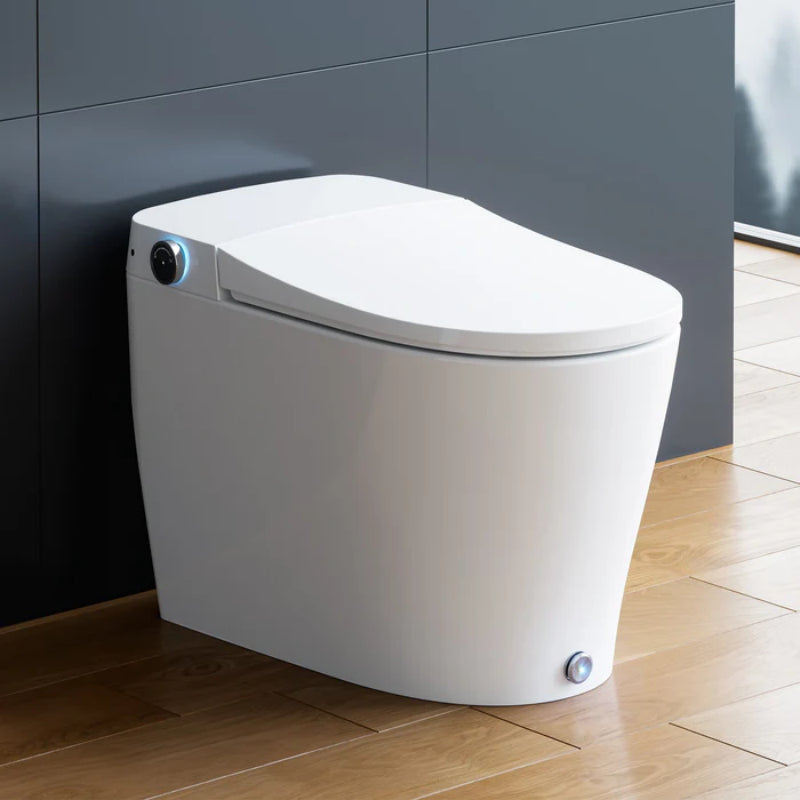
Choose a one-piece toilet where the toilet is easy to maintain and free of hidden grime-collecting seams. The smooth body is easy to clean and easier to wipe down, which is why many buyers looking for easy-to-clean toilets with seamless one-piece design prefer this style.
Skip one-piece if you need the lightest unit for stairs or a simple DIY install. Two-piece models are easier to move and position.
Choose smart bidet for hygiene-first buyers
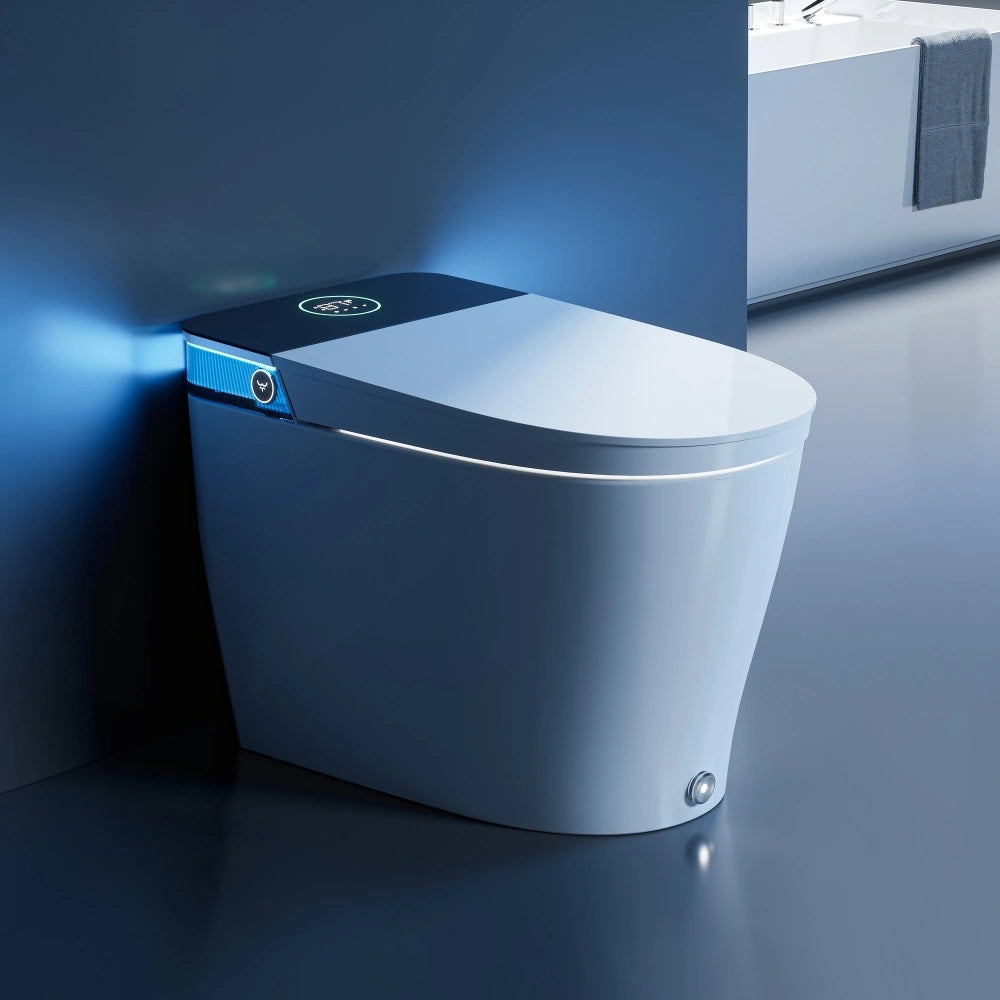
If male hygiene, warm-water cleaning, and comfort features matter more than price, a smart toilet with bidet features for male hygiene can be a real upgrade. This is most appealing in a primary bathroom, not a kid-heavy hall bath.
Avoid it if you want a low-cost, low-maintenance toilet. Smart units cost more, need power, and add parts that can fail.

Best toilets for men vs main alternatives
Most articles make this too vague. Here’s what usually matters in real homes: height, bowl shape, flush style, cleaning ease, and overall toilet installation complexity.
Comfort height vs standard height
This is often the first decision. It affects comfort every single day.
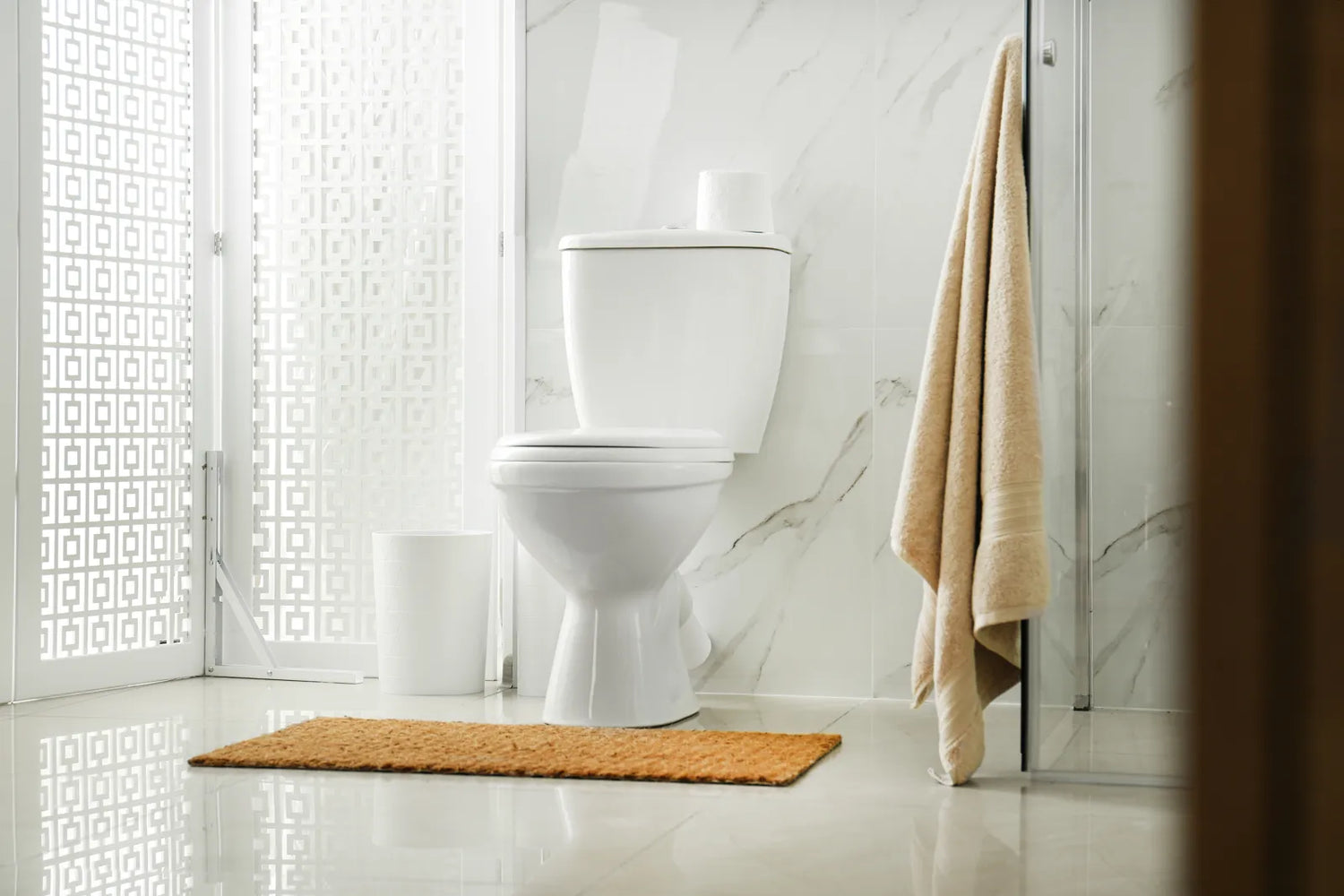
Comfort height offers a taller height and sits 17 to 19 inches tall from the floor. Standard height is usually closer to 15 inches up to 16 inches.
For many men, especially taller men, the best toilet seat height for taller men is in the comfort-height range. It reduces knee bend and makes standing up easier. That is why chair height toilets for easier sitting and standing are so popular with older homeowners and anyone with joint pain.
But standard height is not outdated. It can be a better fit if:
-
You are shorter
-
Children use the bathroom often
-
You prefer a lower seated posture
-
You want the least expensive replacement
The key point is simple: standard height vs comfort height toilets for men comes down to body size and ease of movement, not trend.
Elongated vs round bowl
For comfort, elongated usually wins. For space, round usually wins.
Elongated bowl toilets for better comfort for men give more front room and a more natural seating shape. Many adult men find them better for daily use, especially in a primary bathroom.
Round bowls make sense when:
-
The bathroom is very short front-to-back
-
The toilet sits near a door swing
-
You are trying to gain every inch possible
If you have ever felt cramped on a toilet in a small powder room, bowl shape was probably part of the problem.
Decision rule: Round bowls are not limited only to small-space layouts; they can also be preferred for heavy rough-use environments due to simpler surface geometry that resists buildup and easier full cleaning, making them a practical performance pick for high-wear households even when space is not constrained.
One-piece vs two-piece
The one-piece vs two-piece toilets for men question is really about cleaning, price, and install handling.
-
easier to wipe down
-
fewer seams
-
often looks cleaner and more modern
-
usually heavier and tend to be more expensive than basic two-piece alternatives
-
usually cheaper
-
easier to move in parts
-
easier for some DIY replacements
-
more seems to clean
If this toilet is going in a shared bathroom, easier cleaning matters more than many buyers expect.
Gravity vs pressure-assisted flush
This one matters if your household is busy or if clogging drives you crazy.
Pressure-assisted vs gravity flush toilets for busy households is not just a spec-sheet issue. It changes noise, repairs feel, and how the bathroom feels in use.
Gravity flush:
-
quieter
-
more common
-
simpler feel
-
usually enough for most homes if the design is good
Pressure-assisted:
-
louder
-
stronger flush feel
-
better at flushing solid waste in some high-use settings
-
often less pleasant at night or in nearby bedrooms
For many homeowners, a high-performing gravity toilet is the sweet spot. Pressure-assisted has its place, but not in every home.
Default rule: Stick with a premium gravity-flush model for all standard households even if you crave extra flush power; only upgrade to pressure-assisted if your home has 3+ regular daily users sharing one bathroom or you deal with weekly recurring clogs that require frequent plunging. Always prioritize long-term maintenance familiarity and simple DIY service over maximum raw flush force unless chronic clogging is unavoidable.

Key differences that actually matter
These core practical factors separate satisfactory toilets from long-lasting, user-friendly picks for men.
Seat height changes daily comfort
A toilet can have great reviews and still feel wrong in your home if the height is off.
If you are shopping for what to consider before choosing a comfort height toilet for men, start with your body, not the brochure:
-
Are your knees above your hips on a low toilet?
-
Do you push off your thighs to stand up?
-
Do you have back stiffness in the morning?
-
Is this for a guest bath, kids’ bath, or primary bath?
For a tall man, a low toilet often feels fine in the store and annoying after a month. You notice it every single day. That is why many of the most comfortable toilets for men are comfort-height models.
Still, there is one caution. A too-high toilet can feel awkward for shorter users because feet may not rest firmly on the floor. That can reduce comfort and stability.
Bowl shape changes fit and space
An elongated bowl usually feels better for adult men. That is the honest answer. It offers more seated room and tends to feel less cramped.
But if your bathroom is under about 5 by 5 feet, or if the toilet faces a door or vanity in a narrow layout, the extra few inches of an elongated bowl can become a daily nuisance. In that case, one of the best toilets for men in small bathrooms may actually be a round model with a compact tank design.
There is no point buying more comfort if your knees hit the door.
Flush style changes noise and clogs
Many buyers focus on flush strength because they want toilets with powerful flushing for solid and liquid waste. That makes sense. A weak flush in a shared home gets old fast.
For most homes, modern gravity-flush toilets rated at 1.6 gallons per flush with a good trapway and bowl wash are enough. They are quieter and less jarring. If your house has three or more regular users on one bathroom, or frequent clogging, then stronger flushing designs start to make more sense.
Some buyers also look for dual-flush toilets for men who want a dedicated full flush for solid waste and reliable removal performance. This can work well with a dedicated partial flush for liquid waste, but only if the full flush is actually strong enough. A dual-flush button on a poorly designed toilet does not stop waste from sticking or fix weak waste removal.
Design changes cleaning time
If you clean your own bathroom, this matters. A lot.
A smooth-sided one-piece body is easier to wipe. Fewer seams mean fewer places for dust, splash, and dried grime to collect. That is why rimless toilets that are easier to clean for men and one-piece designs appeal to buyers who care about low maintenance.
Cleaning differences become more obvious in:
-
shared bathrooms
-
homes with hard water
-
bathrooms used by guests
-
homes where cleaning gets skipped for a week or two
A toilet that is a pain to clean often stays dirty longer.
Priority tie-breaker rule: When flush reliability conflicts with cleaning convenience, always prioritize consistent flush performance first. For one-piece vs two-piece, select easier-clean one-piece only if flush specs are equal; otherwise choose a reliable two-piece over a poorly performing one-piece. For gravity vs specialty pressure systems, stick with proven gravity flush even if specialty designs offer marginal cleaning perks.

Comparison table
Here’s a simple side-by-side view of the main choices.
| Feature | Comfort Height | Standard Height | Elongated Bowl | Round Bowl | One-Piece | Two-Piece | Gravity Flush | Pressure-Assisted |
| Best for | Tall men, sore knees, easier standing | Shorter users, kids, lower cost | Adult comfort | Tight bathrooms | Easy cleaning | Budget and easier transport | Most homes | Heavy-use bathrooms |
| Typical cost | Mid to high | Low to mid | Similar to round | Similar to elongated | Mid to high | Low to mid | Low to mid | Mid to high |
| Installation | Normal | Normal | Normal | Normal | Heavier to move | Easier in pieces | Simple, common | More complex feel |
| Space use | Same as standard | Same as comfort | Takes more room | Saves room | Similar footprint | Similar footprint | Similar footprint | Similar footprint |
| Cleaning | Depends on design | Depends on design | Depends on rim/design | Depends on rim/design | Easier | More seams | Usually simple | Tank parts can be less familiar |
| Daily comfort | Better for many men | Better for shorter users | Better for most men | Can feel tighter | Good if height/shape fit | Good if height/shape fit | Quieter | Louder |
| Main downside | Can feel high for shorter users | Harder on knees for tall men | Needs more space | Less roomy | More weight, higher price | More grime traps | Can clog if design is weak | Noise |
When these toilets are better
These are the most common real-life scenarios where one toilet style outperforms the rest, with clear reasons to prioritize specific features for men’s daily comfort and practical use.
You want less strain sitting down
This is where comfort-height models clearly help. If your existing toilet feels too low, or you brace yourself on the vanity to stand, changing to chair height can be a genuine quality-of-life fix.
This is the strongest case for comfort height toilets for men with mobility issues, and it also helps healthy adults who are tall and simply want less strain.
You need stronger solid waste removal
If your current toilet struggles with solid waste, leave style out of it and focus on flush performance first. This is why many buyers ask about toilets with powerful flushing for solid and liquid waste before they care about looks.
A strong gravity model is often the best answer for a normal home. If the home has constant repeat flushing, frequent guests, or one bathroom handling a lot of traffic, then stronger flush systems become more attractive.
You share the bathroom often
In a shared home, toilets get judged by three things:
-
how often they clog
-
how fast they get dirty
-
how easy they are to use for different body types
That usually means a comfort-height, elongated, easy-to-clean toilet is the safest all-around choice for adult households.
You want fewer grime traps
A smooth exterior, hidden trapway, simpler rim design, and one-piece body all make a difference. If your current toilet has bolts, ledges, and grooves that catch dust and urine spray, you already know why this matters.
This is where easy-to-clean toilets with seamless one-piece design stand out.
When the alternative is better
While comfort-height, elongated, gravity-flush toilets work well for most men, certain real-world scenarios make alternative toilet styles the smarter, more practical pick.
Your bathroom is truly tight
If the toilet sits close to a tub, vanity, or entry door, a round bowl may be the smarter pick. Not glamorous, just practical. Some of the best toilets for men in small bathrooms are compact round-front models because they preserve enough floor space to move comfortably.
You need the lowest upfront cost
If this is a rental, a secondary bathroom, or a simple replacement before selling the house, a standard-height two-piece toilet can make more sense. It may not be the nicest option, but it covers the basics at the lowest cost.
Just be careful not to buy so cheap that you create a clogging problem you deal with every week.
Are smart bidet toilets worth it?
Sometimes yes, often no.
Are smart bidet toilets worth it for male hygiene? They can be, especially for men who care about cleanliness, have sensitive skin, want less wiping, or deal with mobility limits. Warm water cleaning can feel better and cleaner than toilet paper alone.
But they are not the best value for every home. They cost more, need an outlet nearby, and add controls, sensors, and maintenance points. For many buyers, a strong-flushing standard toilet plus a separate bidet seat is the more practical move.
So if hygiene is your top goal and the toilet is going in a master bath, smart bidet toilets make sense. If this is a family bathroom where durability, price, and simple upkeep matter more, skip the all-in-one smart unit.
Clear buying fork for hygiene-first buyers: Choose an integrated smart toilet only if you have a nearby electrical outlet, a flexible high budget, low tolerance for ongoing maintenance repairs, and the toilet serves a private primary bathroom. Opt for a standard reliable toilet plus a standalone bidet seat if you lack outlet access, want lower long-term maintenance costs, have a tighter budget, or the toilet sits in a shared family bathroom.
When pressure-assisted is too loud
This is the big reason when a pressure-assisted toilet is not the best choice for home use becomes relevant.
Pressure-assisted flushes can be effective, but they are loud. In a hall bath near bedrooms, a nursery, or a home where people use the bathroom at night, that sharp burst can be annoying. Some buyers also simply do not like the feel and sound of a commercial-style flush in a home.
If your goal is a calmer, quieter bathroom, choose gravity flush unless clogging is a constant issue.

Top picks by buyer type
Since brand names are off the table here, recommendations are sorted strictly by household and usage level: solo/private, couple/primary, shared family/kids, and high-traffic hall bath.
Solo/private household
For single men with a private bathroom, prioritize everyday seating comfort, quiet operation, and low-maintenance construction without unnecessary luxury upgrades. Choose comfort-height elongated gravity-flush one-piece toilets; avoid overcomplicated high-maintenance smart models with unneeded features.
Couple/primary bathroom
For adult couples using a primary bathroom daily, balance long-term comfort, easy cleaning, and reliable flush performance for consistent shared use. Choose mid-range comfort-height elongated gravity-flush toilets that we installed and tested; avoid loud pressure-assisted units and budget fixtures with inconsistent flushing power.
Shared family/kids household
For busy family homes with children and multiple regular users, prioritize flush durability, simple upkeep, and universal height suitability over premium comfort extras. Choose dependable standard or comfort-height two-piece gravity-flush toilets; avoid fragile smart bidet units and ultra-cheap low-quality prone-to-clog models.
High-traffic hall bath
For guest-focused hall bathrooms with constant rotating users, prioritize space efficiency, simple cleaning, and basic reliable function over luxury comfort. Choose compact round-bowl standard-height two-piece gravity toilets; avoid oversized elongated bowls and premium one-piece designs that add unnecessary cleaning burden.
Lower-budget buyers
Budget-focused shoppers should allocate spending to core flush performance and proper seat height instead of cosmetic or smart add-ons, per guidance from U.S. Department of Energy Energy Saver. Choose solid value two-piece gravity-flush toilets with reliable bowl wash; avoid the absolute cheapest no-name models and stick to well-built standard designs instead of options with weak flushing and poor durability.
Hygiene-first buyers
Men prioritizing superior personal hygiene should base their choice on budget, electrical access, maintenance tolerance, and bathroom privacy level. Choose integrated smart bidet toilets for private primary baths with power access; avoid all-in-one smart units in shared spaces and opt for a separate bidet seat instead.
Small bathroom layouts
Tight bathroom layouts require balancing user height needs with limited floor and door-clearance space. Choose compact round-bowl comfort-height toilets for tall users in small rooms; avoid full-size elongated bowls that restrict movement and block door swing clearance.
How to choose with confidence
A lot of men look for when shopping the “best-rated” toilet, but ratings alone do not solve fit.
If you want to know how to choose a toilet that prioritizes comfort and power, use this order:
-
Pick the right height first. Tall men and men with knee or back strain should start with comfort height.
-
Pick the right bowl shape second. If the bathroom can fit it, elongated is usually more comfortable.
-
Choose flush performance third. In most homes, a strong gravity flush is enough. In high-use homes, consider stronger systems.
-
Choose cleaning ease fourth. If you hate scrubbing, favor one-piece bodies and cleaner rim designs.
-
Only then think about extras. Heated seats, auto lids, built-in bidets, and auto-flush functions are nice, but they should not come before fit and flush.
That sequence prevents the most common buying mistake: choosing features before solving daily comfort.
A note on style and “men’s bathroom” design
Some buyers also ask about the best-rated masculine bathroom designs for 2026. In real homes, that usually means clean lines, darker finishes, less visual clutter, and fixtures that feel solid and easy to maintain.
The toilet should fit that style, but this should be a distant priority. A sleek one-piece or smart toilet can look better in a modern bathroom, yes. Some buyers also compare newer direct-to-consumer toilet models and wonder how modern designs balance powerful performance with sleek styling for male users. Sometimes they do a good job balancing appearance with compact dimensions and decent flush performance.
But style should never outrank comfort, fit, or waste removal. A sharp-looking toilet that feels cramped or flushes poorly becomes a regret very quickly.
Common buying mistakes
The wrong toilet usually comes from one of these mistakes.
Buying too low for a tall user
This is common. A standard-height toilet can save money, but tall men often regret it if the toilet gets heavy daily use. Your knees and lower back will remind you.
Choosing elongated room too short
Elongated bowls are more comfortable, but only when the room can handle them. Measure from the wall to the front clearance area before you buy.
Paying for smart features you will not use
A heated seat sounds great in theory. Auto-open lids that open and close automatically sound fancy. But if what really bothers you is weak flushing or a low seat, spend money there first.
Ignoring cleaning design
A toilet can flush well and still be annoying to own if dirt collects around seams and hidden corners. For many households, ease of cleaning matters more after six months than it does on day one.
Overestimating the need for pressure-assisted
Many homeowners think “strongest” automatically means “best.” It does not. If the bathroom is near sleeping areas, the noise alone can make it the wrong choice.
Final Verdict
Most men should start with a comfort-height, elongated toilet because it gives the best mix of daily comfort and easy use. If flush performance matters most in a busy household, choose a strong gravity-flush model with a simple, proven design. If your bathroom is small or the main goal is spending less, choose a standard-height or round-bowl model that fits the room well. Choose a smart bidet toilet only if hygiene features are the main reason you are upgrading and you are comfortable paying more for them.
Before You Buy
-
Measure rough-in distance before ordering
-
Check front clearance for elongated vs round
-
Decide who uses the toilet most often
-
Test whether comfort height fits the household
-
Prioritize flush performance over extra features
-
Think about cleaning seams and rim design
-
Confirm if an outlet exists for smart features
-
Check local water-use rules and replacement parts access
FAQs
What are the most comfortable toilets for men?
When shopping for best toilets for men, prioritize comfort-height elongated gravity-flush units that support natural posture and effortless standing transitions. A comfortable and ergonomic toilet design for men cuts knee strain and back pressure, ideal for taller users or those with joint discomfort and limited mobility. Round-bowl standard-height options fit compact bathrooms, shorter occupants, and family homes with young children perfectly. Sleek one-piece builds further elevate daily comfort while simplifying routine cleaning and avoiding cramped seating positions.
Do men benefit from using smart bidets?
Men gain tangible wellness perks from modern smart bidets, including thorough warm-water cleansing and reduced dependence on disposable toilet paper. Smart bidet benefits for male hygiene extend to those with sensitive skin, mobility challenges, and anyone seeking a fresher daily bathroom routine. These premium units shine in private primary baths, though shared family spaces rarely justify their higher cost and extra maintenance needs. An affordable standalone bidet seat often delivers identical hygienic advantages at a lower price with fewer long-term repair worries.
Best-rated masculine bathroom designs for 2026?
Top 2026 masculine bathroom layouts adopt clean minimalist lines, muted dark finishes, and practical fixtures free of over-the-top luxury details. Designing a functional and stylish "his" bath centers on low-maintenance materials, reliable toilet performance, and clutter-free layouts that match modern home aesthetics. Streamlined one-piece and space-saving compact toilets align seamlessly with this masculine design trend while retaining everyday practicality. Visual appeal always takes second place to lasting comfort, steady flush performance, and hassle-free usability in well-designed masculine bathroom spaces.
Why choose a high-performance toilet for a man's bath?
Upgrading to a premium toilet eliminates the hassle of weak flushing, frequent clogs, and repeated plunging in daily household use. High-performance flushing for busy households maintains consistent sanitation, cuts down on tedious upkeep, and withstands heavy daily and guest traffic effortlessly. Quality models balance quiet operation, efficient waste removal, and durable construction that budget alternatives simply cannot replicate. Investing in superior flush reliability delivers long-term comfort and avoids the ongoing frustration of poorly engineered low-grade toilets.
How Horow combines power and style for male users?
Horow toilets merge powerful steady flush performance with streamlined modern styling tailored to men’s daily comfort and practical needs. Horow's rugged and reliable toilet models feature compact space-saving sizing, durable craftsmanship, and easy-clean builds suited for small layouts and contemporary masculine bathrooms. Each unit delivers consistent daily functionality without compromising sleek visual appeal or ergonomic seating for average and taller male users. The brand perfectly merges strong flushing tech, low-maintenance structure, and modern design to satisfy both performance and aesthetic demands.
How to choose a toilet that prioritizes comfort and power?
Start your selection by matching toilet seat height to your body frame to prevent unnecessary knee and back strain during regular use. Pick a bowl shape that balances ergonomic comfort with your bathroom’s limited floor space and door clearance constraints. Prioritize proven flush performance over unnecessary luxury add-ons, sticking to dependable gravity-flush styles for quiet everyday reliability. Horow's versatile products for diverse user needs make it simple to match comfort, power, and easy long-term maintenance for any household layout and user preference.
References



Leave a comment
This site is protected by hCaptcha and the hCaptcha Privacy Policy and Terms of Service apply.