
Family bathrooms handle nonstop daily traffic—kids rushing for school, adults starting their mornings, and guests stopping by throughout the week. A standard cheap toilet often leads to constant clogs, slow refills, extra cleaning, and daily frustrations that busy households simply don’t have time for. Picking the right toilet isn’t about picking the most stylish design; it’s about finding a durable, high-performing model that fits your family’s size, budget, bathroom layout, and daily routine. In this guide, we break down every key factor to help you pick the perfect toilet for high-traffic family use, no guesswork required.
Quick Answer
For most homes, the best toilet for busy families is a strong-flushing floor-mounted elongated model with a fast refill, easy-clean bowl, and simple parts. If your main bathroom gets heavy daily use and clogs waste your time, choose a premium power-focused model. If your budget is tight or this is for a rental, kids’ backup bath, or lower-use space, choose a budget two-piece model. If you want the safest middle ground of reliability, comfort, and easier fit in standard bathrooms, choose a balanced mid-range model. Opt for power/pressure-assisted flush if stubborn clogs are your top frustration and you prioritize clearing power over quiet operation; stick with strong gravity flush if you prefer quieter performance, simpler long-term service, and want to avoid the louder noise typical of pressure-assisted systems.
A busy family toilet should not be chosen by looks first. It should be chosen by how often it gets used, who uses it, how often it clogs, and how much cleanup you can tolerate.
Decision Snapshot
Here’s the short version most families need.
Best for heavy daily family use
Choose a premium fast-flush elongated floor-mounted toilet if:
-
One bathroom serves several people
-
Kids use too much paper
-
Plunging happens more than it should
-
You want fewer repeat flushes and less bowl mess
Avoid this route if:
-
Your budget is very tight
-
Your bathroom is very small
-
You want the easiest DIY install
This style typically uses power/pressure-assisted flush, trading quieter operation for superior clog resistance and one-flush clearing.
Better for rentals and backup baths
Choose a budget two-piece toilet if:
-
Cost matters most
-
This is for a guest bath, rental, or less-used kids’ bath
-
You want decent power without paying for nicer finish and parts
Avoid it if:
-
You want long-term durability in your busiest bathroom
-
You care a lot about flush noise
-
Taller adults or older guests need comfort height
Most budget models rely on standard gravity flush, offering simple service and quieter performance but lacking heavy-duty clog resistance over years of daily use.
Choose comfort over lowest price
Choose a mid-range comfort-height model if:
-
Adults, older relatives, and guests share the bathroom
-
You want fewer regrets, even if flush power is not the absolute strongest
-
You want a familiar shape and easier replacement fit
Avoid it if:
-
Your main problem is clogs from heavy family use
-
You want maximum value under a strict budget
-
You have very young kids and no step stool
Mid-range options mostly feature refined strong gravity flush, striking a balance between quiet use, straightforward maintenance, and reliable everyday performance.
Here’s what usually matters in real homes: the best toilet features for a shared family bathroom are flush consistency, refill speed, cleaning ease, and the right height for your mix of users. Fancy extras matter much less.

Why family bathrooms need a different toilet
A toilet in a quiet guest bath can get by with average performance. A toilet in a family bathroom cannot.
When four or five people use one bathroom every morning, small weaknesses become daily annoyances. A weak flush turns into repeat flushing. A slow refill becomes bathroom traffic. Hard-to-clean curves become a ring under the rim by Thursday. A seat that feels fine in the store may be too tall for a small child or too low for an older guest.
That is why how to choose a toilet for heavy daily family use is not the same as choosing one for a powder room.
For busy homes, focus on these five things first:
-
Flush power
-
Quick refill
-
Easy cleaning
-
Comfort and fit
-
Simple, durable parts
If a toilet is only good in one or two of those areas, it will wear on you fast.
Best toilet for busy families vs alternatives
The easiest way to decide is to compare the three buyer paths most families consider: premium power, balanced mid-range, and budget value.
| Option type | Best for | Cost | Installation | Space | Maintenance | Comfort / usability |
| Premium fast-flush floor-mounted elongated | Main family bath with heavy use and clog issues | Higher | Moderate; some models are heavier and less DIY-friendly | Standard to slightly larger footprint | Low day-to-day cleaning if bowl wash is strong | Very good for adults, good for most families |
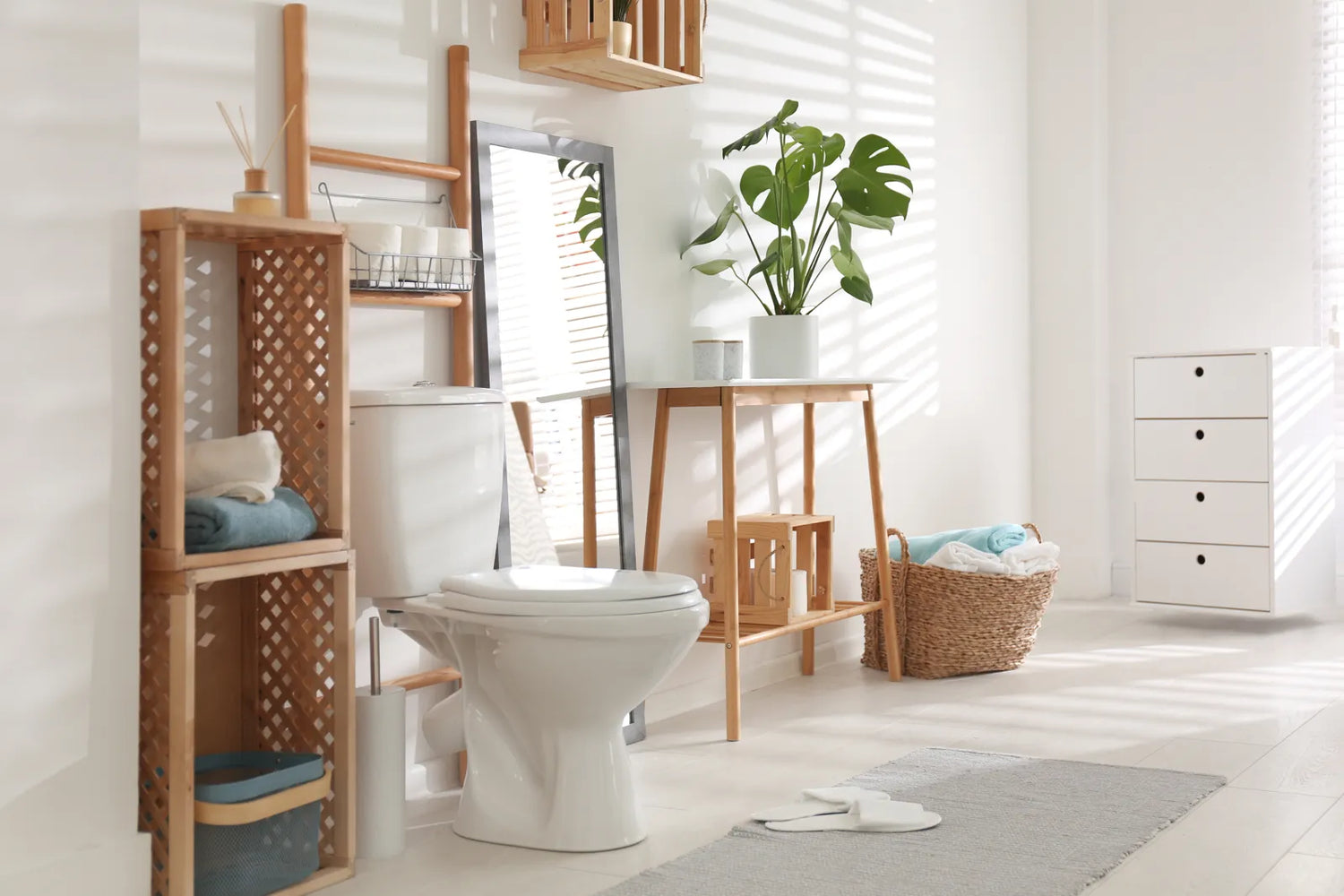
| Mid-range comfort-height two-piece | Shared bath with adults, guests, and steady daily use | Mid-range | Usually easiest to replace like-for-like | Fits most standard bathrooms | Moderate; reliable but may need more brushing than premium models | Very good for adults and guests |
| Budget two-piece value model | Rentals, backup baths, lower budgets | Lower | Usually simple and familiar | Fits many standard bathrooms | Moderate to higher over time; finish and parts may age faster. Avoid placing budget models in your primary main bathroom—they deliver short-term cost savings but lack long-term structural stability, durable glazing, and premium replaceable parts required for constant heavy family use. | Fine for basic use, less ideal for taller users |
| Wall-mounted compact model | Small bathroom toilets that work well for busy families where floor space is tight | Mid to high | Hardest; often needs in-wall support | Best for tight rooms | Easy floor cleaning, harder service access | Good if chosen carefully, but seat feel varies |
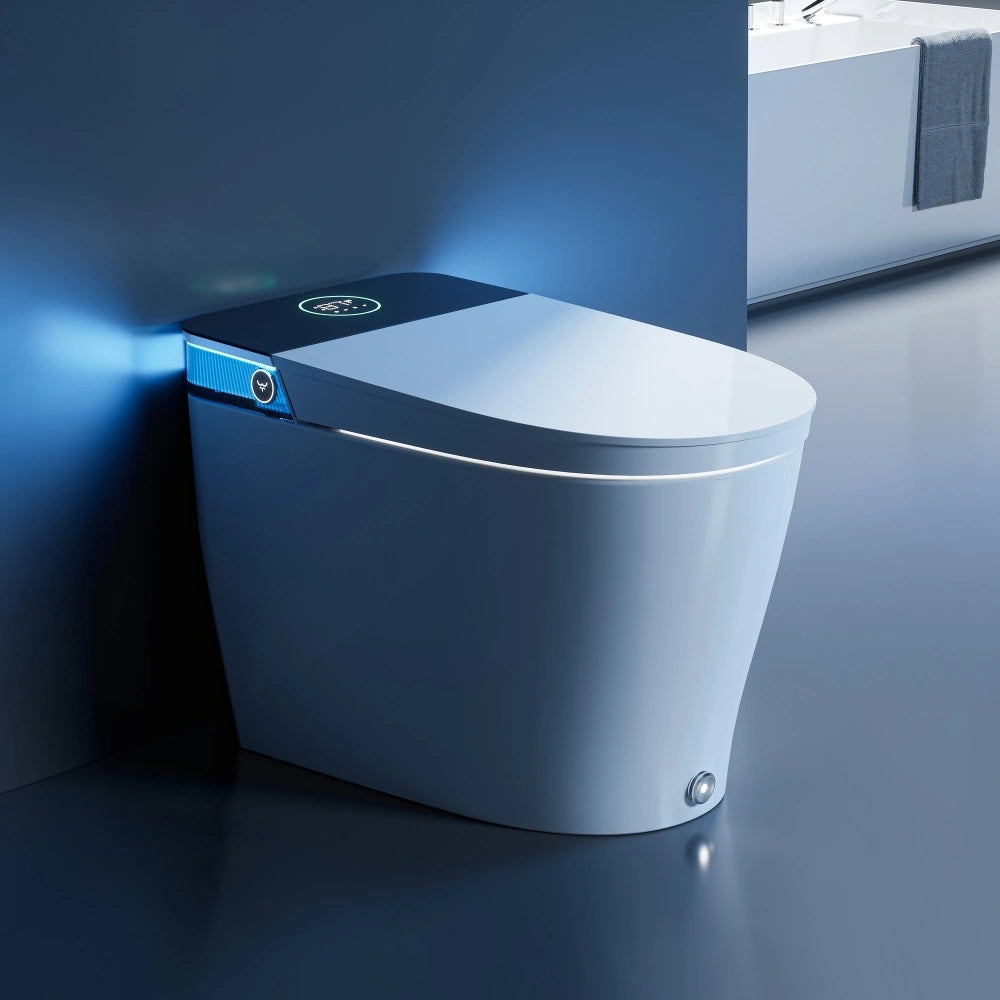
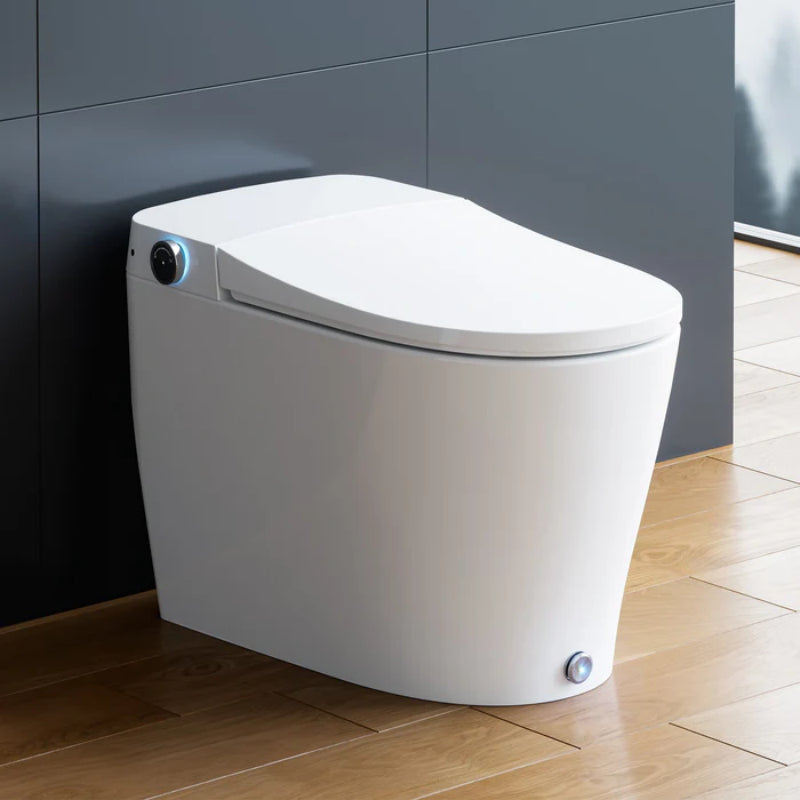
| Smart toilet or smart seat setup | Households focused on hygiene and easier cleanup | Mid to very high | Varies; power outlet often needed | Standard unless compact model | More upkeep, more parts, more user learning | High comfort for some, not always best for kids |
The key point is simple: for the busiest bathrooms, flush performance beats style. In second or third bathrooms, value matters more.
Premium power vs balanced mid-range
In repeated flushing and heavy waste removal, premium models usually do better. That matters when parents are tired of plunging after rushed school mornings. They also tend to wash the bowl better, which cuts down on brushing.
Mid-range models are still a smart choice for many families because they are often easier to fit, easier to replace, and easier to live with if your bathroom gets guests often. They tend to feel familiar, and that matters in a shared home.
If your real problem is clogs, choose premium power. If your real goal is fewer surprises and a solid all-around replacement, choose balanced mid-range.
Budget value vs premium
A budget toilet can flush surprisingly well. In fact, some low-cost models perform better than expected in basic waste tests. That is why they make sense in rentals or backup baths.
But power in a short test is not the same as living with a toilet for years. Lower-cost units may show more seat wobble, less refined glazing, louder flushing, and parts that feel cheaper after long use.
If you need the best fast-flush toilets for busy families, premium usually wins. If you need acceptable performance for the least money, budget value is fine.
One-piece vs two-piece for families
A one-piece toilet is easier to wipe down because there is no seam between tank and bowl. That sounds great for parents, and in many cases it is. Dust and grime have fewer places to collect. They also look cleaner.
But one-piece models are often heavier and harder to carry, set, and level during install. If you are handling your own toilet replacement, that weight matters. Some are also more expensive.
A two-piece toilet is usually easier to move, easier to install, and easier to replace parts on. In rough daily use, that practical side matters. For many busy homes, a two-piece toilet is still the safer choice, especially if this is a fast bathroom update or a rental.
Choose one-piece if cleaning ease matters most and you are okay with higher cost or pro install.
Choose two-piece if reliability, replacement ease, and budget matter more.
Wall-mounted vs floor-mounted in tight baths
Wall-mounted toilets save visible floor space and make mopping easier. They can be a smart answer for small bathroom toilets that work well for busy families, especially if the room feels cramped and traffic is constant.
But there is a trade-off: installation is more complex, cost is higher, and service can be less simple later. For a new build or when you’re doing a full remodel, wall-hung toilets are a practical pick without compromising daily family usability and long-term service access. For a normal replacement in a busy household, floor-mounted is usually the practical choice.
If your current bathroom is tiny and every inch matters, wall-mounted deserves a look. If you want fewer install surprises and easy servicing, stick with floor-mounted.

Key differences that actually matter
Not all toilet features carry the same weight for busy families.
Flush power versus refill speed
In high-traffic one-bath family homes, slow tank refill creates immediate morning traffic bottlenecks, which means refill speed deserves equal priority to raw flush power from the start. People often focus only on flush strength alone and overlook this critical daily usability factor.
A strong flush means little if the tank refills slowly and two kids are waiting outside the door.
For heavy daily use, look for a toilet known for:
-
clearing waste in one flush
-
recovering fast between flushes
-
handling extra paper better than average
If you have one main bathroom, refill speed matters almost as much as flush power.
Easy cleaning versus installing hassle
Every parent wants easy-to-clean toilets that reduce maintenance for parents. That usually means:
-
smoother bowl glazing
-
fewer exterior grooves
-
less exposed hardware
-
better bowl rinse
But the easiest toilet to clean is not always the easiest to install. A sleek one-piece or skirted base often hides dust well, but may make installation slower or require tighter alignment.
If you want the easiest long-term cleaning and are fine with pro install, go cleaner and more enclosed. If you want a simple swap with common parts, go standard two-piece.
Noise versus clog resistance
Some stronger-flushing toilets are louder. Not all, but some. In a hall bath next to bedrooms, that can matter.
If your main complaint is waking light sleepers at night, avoid the noisiest high-force flush systems. If your main complaint is clogs from kids, choose clog resistance and accept a bit more noise.
This is a classic trade-off in heavy-duty toilets for busy households with kids: quiet is nice, but repeat flushing and plunging are worse for most people.
Comfort height versus kid fit
When weighing comfort height against standard height toilets, there are clear pros and cons for every member of the household, from young kids to aging family members and overnight guests.
Comfort height toilets for families with kids and guests
Comfort height can be a great choice in a shared home. It is easier on knees, easier for older adults, and often feels better for taller users and frequent guests. If grandparents visit often, comfort height is usually the right call.
But there is a trade-off for small children. Some kids feel less stable on a taller seat, especially during potty-training years. A small step stool can solve this for many homes.
If your bathroom serves mostly adults and guests, choose comfort height.
If it mainly serves young children, standard height may be a better fit.

When this is the better choice
Every family has different bathroom habits, space limits, and top priorities. Below we break down exactly which toilet style fits your specific household scenario, so you can match your choice to real-life daily needs instead of generic recommendations.
Pick premium if plunging wastes time
If your current toilet clogs often, do not overthink it. Choose a stronger-flushing model built for repeated daily use.
This is the best answer for:
-
large families
-
homes with one main bathroom
-
kids who use too much paper
-
anyone tired of brushing the bowl after messy flushes
For many shoppers asking for the best-rated toilets for high-traffic use in 2026, this is where the top recommendations tend to land: not the fanciest toilet, just the one that clears well and stays cleaner.
Pick balanced mid-range if guests share often
If you have regular guests, older relatives, or a mixed-use hall bath, a balanced comfort-height model is often the least risky choice. It usually feels familiar, fits standard layouts, and avoids extremes.
This is a good middle path if:
-
you want reliability without paying top dollar
-
adults use the toilet more than small children
-
the bathroom is shared by family and visitors
Pick two pieces for rough daily use
Two-piece toilets are not glamorous, but they are practical. In many family homes, practical wins.
Choose two pieces if:
-
you want easier install
-
you may replace parts yourself
-
you want fewer headaches during a quick bathroom update
-
you need a proven shape with common service parts
For how to choose a toilet that survives a 2026 family home, this is still one of the safest answers: simple design, strong flush, and parts you can get later.
Best elongated toilets for comfort in busy households
An elongated bowl is usually more comfortable for adults and older kids. It tends to feel less cramped, and in a shared household that matters. Most families upgrading a main bathroom are happier with elongated over round.
The downside is space. In a very small bathroom, a round bowl can save needed inches. If your room is tight and doors or knees are closed, measure before deciding.
Choose elongated for comfort in standard bathrooms.
Choose round only when space is the real problem.
When the alternative is better
Not every family needs a premium standard toilet. Sometimes budget limits, tight floor space, water costs, or maintenance concerns make alternative styles the smarter practical pick.
Pick budget value if cost rules
There is nothing wrong with a budget toilet if you are honest about the job it needs to do.
A lower-cost model makes sense when:
-
this is not your busiest bathroom
-
you are furnishing a rental
-
you need a working toilet now and can upgrade later
-
your budget is under pressure
Just do not expect budget value to feel premium after years of heavy family use.
Pick wall-mounted if space is cramped
If your bathroom is so tight that cleaning around the base is annoying and movement feels restricted, wall-mounted can improve daily life. The open floor below the bowl can make small rooms feel less crowded and easier to mop.
But this choice is best during a remodel, not a simple swap.
Pick dual-flush if water bills matter
A dual-flush toilet certified by EPA WaterSense standards can be smart in a family home that uses a lot of water, especially if the users are old enough to choose the right button most of the time.
But shared bathrooms with young children do not always use dual-flush correctly. If everyone presses the full flush every time, the savings drop. If some users are confused, it adds friction.
Choose dual-flush if:
-
water savings matter
-
users will understand it
-
you already like button-style controls
Skip it if you want the most foolproof experience.
Skip smart toilets if upkeep worries you
Smart features can help in real life. Heated seats, auto lids, night lights, self-rinse functions, and bidet washing can reduce mess and arguments over hygiene. In a home with older adults, sensitive skin, or kids learning better bathroom habits, these can be useful.
So, can a smart toilet survive a household with four kids? Yes, but only if the family will actually use it correctly and keep it clean. More features mean more ways for things to be misused, ignored, or broken.
If your household wants simple and durable, skip full smart toilets.
If your household values hygiene and comfort enough to accept more upkeep, smart features can help.
Best bidet toilet seats for shared family bathrooms
For many homes, a bidet seat is the smarter buy than a fully smart toilet. It can improve hygiene, reduce toilet paper use, and help kids, older adults, or people with mobility issues. It may also reduce the amount of wiping and skid marks in the bowl.
But shared-family use brings a few issues:
-
not everyone wants to use a bidet
-
controls should be simple
-
the seat must fit your bowl shape
-
powered seats need an outlet nearby
If your family wants hygiene help without replacing the whole toilet, a simple bidet seat is a reasonable middle ground.
If you are wondering how can smart features reduce household friction and chores, this is one of the clearest examples: less wiping, less paper use, and better personal cleanup. Just keep the controls simple.
A note on compact family bathrooms
Many guides gloss over small bathrooms, but this is where bad toilet choices become daily irritation.
For a small family bathroom:
-
measure rough-in first
-
check bowl projection from wall
-
think about door swing and knee room
-
avoid oversized bases that trap dirt in tight corners
-
choose cleaning access over showroom looks
If space is tight, a compact floor-mounted model is often better than chasing the strongest flush possible. In a cramped room, easy movement and easy mopping matter every day.
This is where compact small-footprint toilet models enter consideration for cramped family bathrooms. Compact designs deliver space-saving dimensions and streamlined layouts ideal for tight quarters where door swing and floor clearance are limited. Choose a compact toilet when bathroom space is severely constrained and spatial efficiency matters more than decades-long proven heavy-duty performance for constant daily use. Stick with traditional standard floor-mounted toilet designs for your primary busy main bathroom when long-term reliability, consistent flush performance, and easily replaceable standard parts are your top priorities over saving a few inches of floor space.

Common doubts before you choose
Many families have the same common worries before buying a new family toilet.
Will power flushing be too loud
Sometimes, yes. A stronger flush can be louder than a standard gravity model. In most family homes, this is a fair trade if it means fewer clogs and fewer repeat flushes.
If bedrooms are close and noise is a major issue, avoid the loudest pressure-style systems and look for strong gravity-flush models with a good trapway and rinse.
Will comfort height bother small kids
It can, especially for toddlers and younger children. But in many homes, a stable step stool solves most of the problem. If the bathroom is used by adults, older guests, and growing kids, comfort height is still often worth it.
Is one-piece too heavy for DIY
Often, yes. Many one-piece toilets are awkward for one person to carry and place. If you are replacing a toilet by yourself, a two-piece model is usually easier and less risky.
Do bidet seats complicate shared use
They can if the controls are confusing or if users do not want them. Choose a simple model with clear buttons. In a shared family bathroom, simpler is better than feature-packed.
Mistakes families make most often
The wrong toilet is usually not a bad toilet. It is a bad fit for the room and the people.
Here are the mistakes that cause the most regret.
Buying on price alone
A cheap toilet in the busiest bathroom can cost you time every week for cleaning, repeat flushing, and repairs. Save money in the guest bath, not in the bathroom. Everyone fights over before school.
Ignoring refill speed
People test flush power and forget tank recovery. In a high-traffic family bathroom, slow refill becomes a bottleneck.
Choosing comfort height without thinking about kids
Comfort height is great for many homes, but if all users are small children, standard height may be better.
Going one-piece for looks only
One-piece is easier to wipe, yes. But if your install is tight, your budget is limited, or you may move it yourself, two-piece is often the less painful choice.
Buying smart features nobody will use
If only one person cares about the heated seat and everyone else wants a simple flush, skip the complexity.
Final Verdict
Most families should start with a premium fast-flush floor-mounted elongated toilet for the main bathroom because it handles heavy daily use, reduces clogs, and cuts down on bowl cleanup. Choose a balanced mid-range comfort-height model if your bathroom is shared by adults, guests, and older relatives and you want the safest all-around option. Choose a budget two-piece toilet only if cost comes first or the toilet is going in a rental, backup bath, or lower-use space. For tight bathrooms, consider a compact or wall-mounted design, but for most homes, a standard floor-mounted model is still the most practical choice.
Before You Buy
-
Measure the rough-in before shopping.
-
Decide if this toilet is for the main bath or a secondary bath.
-
Choose flush power first, looks second.
-
Check whether you want standard or comfort height.
-
Measure for elongated vs round bowl fit.
-
Think about refill speed if several people share one bathroom.
-
Be realistic about DIY installations, especially with one-piece models.
-
If adding a bidet seat, confirm bowl shape and outlet access.
FAQs
How to keep a shared family bathroom clean and fresh?
Choosing a smooth glazed toilet with minimal hidden grooves simplifies maintaining hygiene in a shared family bath amid daily heavy use. Easy-rinse bowls cut residue buildup and stubborn rim rings that come with constant kids and adult traffic. Quick routine wipe-downs paired with efficient flush systems prevent lingering odors and cut weekly cleaning tasks significantly. A seamless, low-maintenance toilet design is the simplest way to keep your family bathroom fresh year-round.
Best-rated toilets for high-traffic use in 2026?
Best toilet for busy families centers on premium fast-flush elongated models built for nonstop daily household use. Reliable mid-range comfort-height two-piece toilets deliver balanced performance for shared baths with guests and all-age users. Budget options work fine for rentals and secondary spaces but lack durability for your main high-traffic bathroom. Top 2026 picks prioritize strong clearing power, fast refills, and easy upkeep for busy family lifestyles.
Can a smart toilet survive a household with four kids?
Smart toilets can withstand family life with kids when used properly and kept up with basic routine care. Built-in self-cleaning and hygiene features excel at reducing cleaning time for busy parents dealing with hectic daily schedules. More advanced parts carry slight misuse risks with young children, requiring simple ground rules for shared bathroom use. For families valuing hygiene and convenience, smart toilets remain a practical long-term bathroom upgrade.
Why choose Horow for a multi-child family home?
Horow compact toilets fit cramped family bathrooms while delivering the sturdy build of heavy-duty toilets for high-traffic homes. Their small-footprint design saves valuable floor space without sacrificing flush performance or everyday comfort for kids and adults. These models strike a perfect balance between space efficiency, modern styling, and reliable daily use for growing families. They are an ideal middle choice when standard full-sized toilets cannot fit your tight bathroom layout.
How to choose a toilet that survives a 2026 family home?
Focus first on fast-flush and quick-refill toilets for kids to eliminate morning clogs and bathroom traffic jams. Choose pressure-assisted or gravity flush based on noise preference, and pick comfort or standard height for all-age household members. Stick to quality glazing and replaceable durable parts, avoiding cheap budget models for your busiest main bathroom. Match one-piece or two-piece construction to your DIY ability, bathroom size, and long-term family needs.
How can smart features reduce household friction and chores?
Learning why one-piece toilets are best for families shows seamless designs lower cleaning work, and smart features elevate this benefit further. Heated seats, auto lids, and bidet functions cut toilet paper waste and daily scrubbing for every family member. Simple intuitive controls make hygiene easy for young kids and older relatives, easing shared bathroom conflicts. Smart upgrades minimize routine chores and small daily frustrations in busy multi-person family homes.
References



Leave a comment
This site is protected by hCaptcha and the hCaptcha Privacy Policy and Terms of Service apply.