
Renting an apartment often means making thoughtful, non-permanent upgrades that boost daily comfort without risking your lease or security deposit. For many renters, a portable bidet for apartment is the perfect solution—delivering better personal hygiene, easy DIY installation, and full portability when it’s time to move. As dermatological research from the PMC (PubMed Central) notes, water-based cleansing like bidets alleviates skin irritation caused by toilet paper, making it ideal for sensitive skin and daily hygiene maintenance。 Whether you’re new to bidets or ready to explore renter-friendly models that fit your toilet, space, and budget, this guide breaks down all the key details to help you pick the right option hassle-free.
Short Answer
Yes, a bidet for renters offers a key benefit if you want a simple hygiene upgrade that installs without permanent changes and can be removed before you move. It works best for renters choosing a handheld sprayer, basic attachment, or non-electric seat that fits their toilet and bathroom layout. The main limitation is that many renter-friendly models only offer room-temperature water unless you have a nearby outlet or warm-water hookup.
Renters should complete three key pre-purchase checks upfront: verifying toilet shape and bathroom space, evaluating temperature control options, setting realistic water temperature expectations, and confirming whether lease terms require landlord permission for installation.
When It Works Well
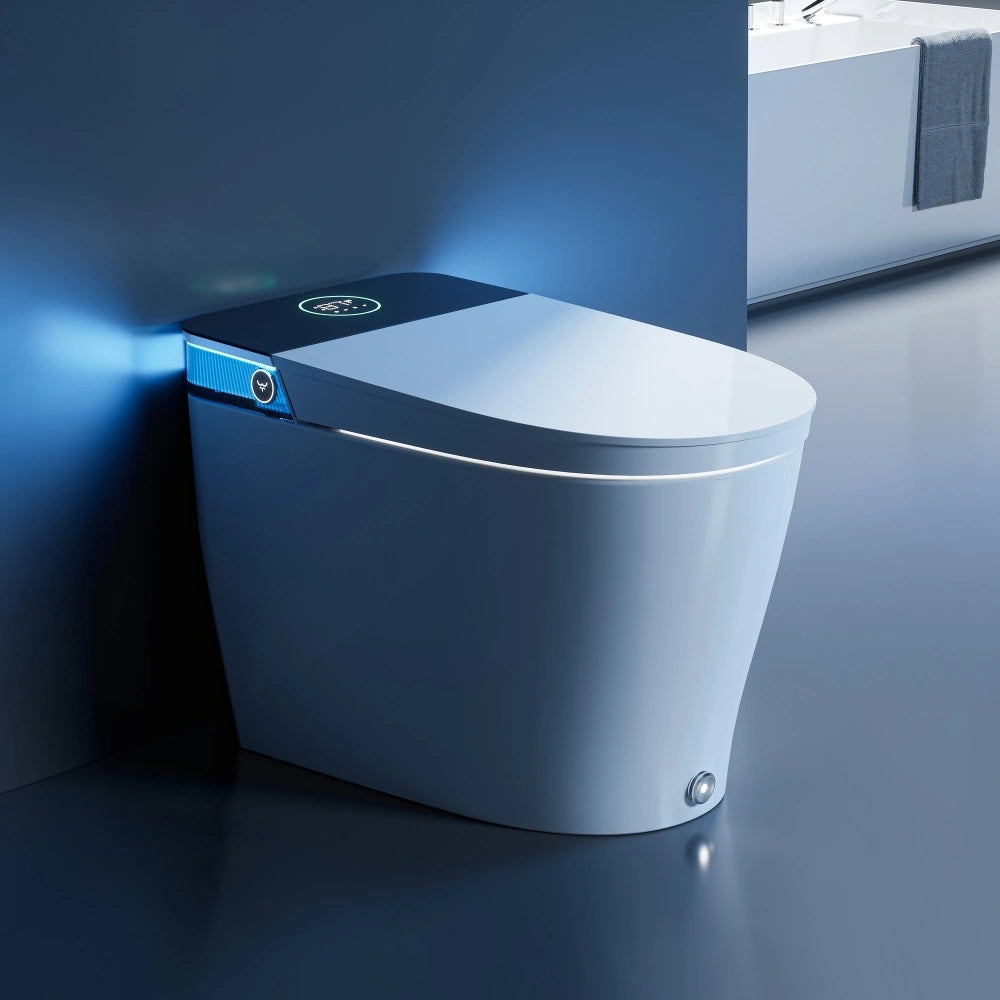
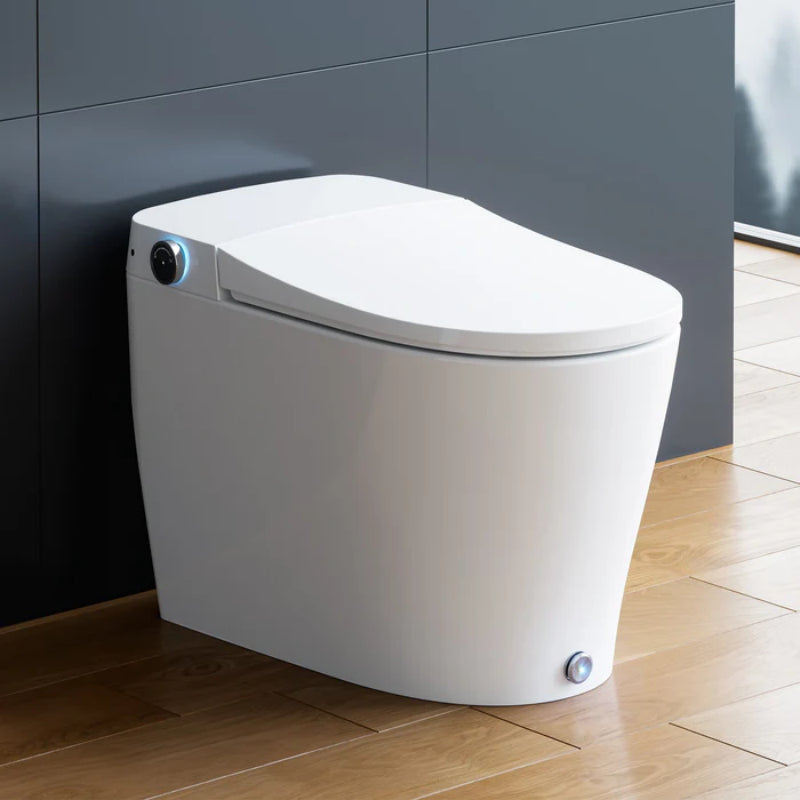
A renter bidet makes the most sense when you want to elevate your overall bathroom experience with a cleaner, more comfortable setup without changing the apartment in a permanent way. Research consistently matches each renter-friendly bidet type to a specific use case: handheld sprayers and standard bidet attach units are ideal for those seeking the simplest fully removable installation, non-electric bidet seats suit renters who prefer a full seat upgrade with no electrical outlet required, and electric bidet seats are only a practical option for renters with a reliable nearby power outlet.
This works well if you want easy to install tool-free setup or close to it. Many renters pick basic attachments because they connect at the toilet and do not require major plumbing changes. That matters in apartments where you do not want to drill, wire, or replace fixtures in a way that could create problems later.
It also works well if your bathroom is in good condition with a simple, standard toilet setup. A lot of the positive experiences come from renters who checked the toilet shape and available space first. In clean, dry toilet areas, a quick attachment can be a low-stress upgrade.
For renters asking, can renters install a bidet in an apartment? In many cases, yes—if the model is made for easy DIY use and does not require permanent changes. The strongest pattern in the research is that renter-friendly bidets are usually chosen for their streamlined installation and removal process.
Budget is another reason these work well. Many users start with attachments in the roughly $30 to $200 range as a smart long-term investmentto enhance daily hygiene without a huge commitment. If you are in a short lease or are not sure you want a more advanced model later, that is a practical entry point.
Many practical options stand out perfectly for renter use. You can find reliable outlet-free bidet models ideal for bathrooms without accessible power sources. Warm water compatible designs also work well if your home has a suitable water line hookup. Simple non-electric bidet seats are great choices for renters without nearby wall outlets. Electric compatible bidet alternatives work well for homes with existing outlets and added comfort needs, while still fitting most standard rental bathroom layouts.

When It May Not Be Ideal
A renter bidet is not always the right choice. The biggest problems usually happen before installation, not after. Renters with strict lease agreements that restrict plumbing modifications or fixture alterations should treat landlord approval as a mandatory standalone decision point before considering any bidet installation. A common issue is mismatched bathroom space. In small bathrooms, opt for flexible bidet designs to avoid conflict with the toilet shape, nearby wall clearance, or existing layout.
This is also not ideal if you strongly want warm water but do not have the right setup. Research is clear here: many renter-friendly models are room-temperature only. That is fine for some people, but disappointing for others. If there is no nearby outlet for an electric seat and no hot-water option for a non-electric warm-water model, your choices narrow quickly.
Another issue is move-out. Many users like that these products are removable, but one repeated regret is forgetting to remove them before leaving the apartment. That can create unnecessary deposit stress if the landlord sees an added fixture left behind.
Leak risk is another trade-off that gets missed in generic advice. Easy install does not mean zero risk. In a rental, even a small leak matters more because water damage can become a costly deposit issue. That does not mean renter bidets are a bad idea. It means you should not treat them like a no-consequence add-on.
For people asking, will a bidet damage a rental toilet? The research does not suggest that renter-friendly models are inherently damaging when properly installed and removed. But poor fit, improper initial setup, or leaks can create problems around the toilet area or floor. That is the real concern, not the idea of the bidet itself.

Pros and Cons
Here is the practical balance.
Pros
-
Easy setup allows installation without major or permanent changes, especially with handheld models and attachments
-
Built-in nozzle design delivers better hygiene and comfort than toilet paper alone
-
Usually low impact on water bills
-
Good renter value for short leases and temporary housing
-
Removable design makes move-out easier when planned properly
-
Non-electric options work well in bathrooms without outlets
Cons
-
Many renter-friendly models only provide room-temperature water
-
Bathroom layout and toilet space can rule out some models
-
Leak risk can matter more in rentals because of floor and deposit concerns
-
Electric seats need a nearby outlet, which many apartments do not have
-
Some warm-water or advanced models may not fit low-flow or limited plumbing setups well
-
A common regret is forgetting to remove the unit before moving out
-
Outlet scarcity in most rental bathrooms heavily limits electric bidet seat options, and renters should never rely on extension cords as a workaround to bypass missing permanent outlet access
The short version is simple: a renter bidet gives good value when you want basic cleaning improvement without a full bathroom upgrade. It becomes less appealing when you expect luxury features in a bathroom that cannot support them.
Real-World Considerations
Navigating bidet use as a renter involves practical real-world concerns that differ greatly from permanent home installations. From plumbing requirements and DIY installation to easy removal and smart buying criteria, take time to test compatibility before purchase, these key need to know considerations address the most common questions renters have before choosing a bidet.
Do bidets require plumbing changes?
For most renter-friendly models, extensive installation required is never necessary. That is one reason they are popular. Attachments, handheld sprayers, and non-electric seats are usually chosen because they work with the existing toilet supply line rather than asking for a full plumbing project.
Still, “no plumbing changes” should not be read as “no water connection work at all.” You are still connecting to the toilet water line, and that is where leak risk comes in. In a rental, that part deserves care.
How do you install a bidet in an apartment?
The research supports a simple path: choose an easy-to-use model designed for easy DIY install, check the toilet shape, confirm space around the seat, and make sure the toilet area is clean and dry. The key renter decision is not just whether you can install it, but whether you can install it without forcing a bad fit.
Many users find that basic attachments are the easiest place to start. “This works well if you pick handheld or attachments for tool-free install.” That is the strongest renter pattern in the data.

Can you remove a bidet before moving out?
Usually yes, and that is one of the main reasons renters buy them. But this is where people get careless. “Most people regret this when forgetting removal at move-out.” If you buy one, treat removal as part of the product decision from day one.
A practical move is to save the original toilet parts and keep a reminder in your moving checklist. A removable product only protects you if you actually remove it.
What should renters look for when buying a bidet?
The research points to a few things that matter more for renters than for homeowners:
Start with compatibility checks as your top priority in this fixed decision order: confirm your toilet shape and adjust positioning by choosing between round and elongated designs, measure bathroom wall clearance to ensure proper fit, verify access to power outlets and hot-water hookups, then evaluate ease of removal for future moving needs, and lastly opt for simple low-risk installation models ideal for rental properties.
This is where many buying mistakes happen. People often shop by feature list first and compatibility second. For renters, it should be the other way around.
Daily usability and long-term expectations
In daily use, renter bidets with gentle adjustable spray and basic functions are usually straightforward. The main comfort gap is water temperature. If you buy a basic attachment, expect a basic washing experience. It can still be a meaningful hygiene improvement, but not a luxury one.
Long term, many renters are happiest when they buy for their current apartment, not their ideal bathroom. A simple model that fits well and removes cleanly is often a better decision than a more advanced seat that barely works with the space.
Who Should Buy / Who Should Skip
Buy if:
-
You want a simple hygiene upgrade with no permanent bathroom changes
-
You are fine starting with a basic attachment, handheld, or non-electric seat
-
Your apartment toilet has enough space and a compatible shape
-
You do not have a nearby outlet and are okay without electric features
-
You want something removable for move-out
Skip or think twice if:
-
You want guaranteed warm water but have no outlet or hot-water hookup
-
Your bathroom has tight space around the toilet
-
You are not comfortable checking fit and water connections carefully
-
Your lease is strict and you have not checked whether landlord approval is needed
-
You want a luxury seat with heat, dryer, and extras in an outlet-poor apartment
You can easily compare top options as a few model-level judgments are clear from the research. Simple outlet-free bidet attachments are a strong renter-friendly pick for basic daily use. Temperature-controlled designs work best if your bathroom supports the required water line connection. Basic non-electric bidet seats serve as a practical alternative to traditional attachments for standard rentals. Electric compatible bidet styles suit renters with accessible outlets and extra comfort preferences, though not all designs fit compact apartment bathroom layouts perfectly.

Decision Summary
A bidet for renters is a good choice if you want better hygiene, easy installation, and a removable upgrade that does not depend on permanent changes. It is especially practical for frequent short-term renters who choose a simple attachment, handheld model, or non-electric seat after checking fit and space.
If you need basic cleaning and renter-safe setup → good choice.
If you care most about warm water, adjustable pressure, electric features, or a perfect luxury experience in a tight apartment bathroom → consider alternatives.
FAQs
Can renters install a bidet in an apartment?
Yes, most renters can safely set up bidet for renters with no permanent drilling, wiring, or structural changes to your rental unit. Ideal choices include compact sprayers and lightweight attachments built to fit standard toilet sizes and small bathroom layouts. These apartment safe bidet options feature tool-free setup and full removability, so you never risk violating lease terms or losing your security deposit. As long as you pick a non-invasive, renter-friendly design, anyone can add a bidet to their apartment bathroom with ease.
What is the best bidet for renters?
Finding the best bidet for renters means prioritizing portability, simple installation, and hassle-free removal for temporary living situations. Top-rated models range from budget attachments to non-electric seats that adapt perfectly to limited apartment space and basic plumbing setups. Trusted brands like Horow offer tailored options for both outlet-free bathrooms and those with accessible power sources. Each selection balances everyday hygiene comfort, affordable pricing, and full compliance with typical rental property rules.
Do bidets require plumbing changes?
You can easily upgrade your bathroom with a quality bidet without plumbing changes and avoid the hassle and cost of hiring a professional plumber entirely. Most renter-focused bidet attachments and seats connect straight to your existing toilet supply line with no pipe cutting or major renovations. This practical bidet that doesn't require plumber design keeps your apartment’s original plumbing untouched and aligns with strict rental lease guidelines. Only a basic water line hookup is needed, with no invasive construction or permanent fixture alterations required.
How do you install a bidet in an apartment?
Learning how to install bidet in apartment without tools is beginner-friendly and requires no advanced DIY skills or special equipment. Start by confirming your toilet shape is round or elongated and measure wall clearance to guarantee a comfortable, functional fit. A quality easy install bidet toilet seat or attachment mounts in minutes, needing no drills, screws, or complicated wiring to set up properly. Taking a few extra moments to align the unit correctly prevents leaks and keeps your rental bathroom completely unharmed.
Can you remove a bidet before moving out?
Nearly all renter-focused bidet attachments and non-electric seats are fully reversible and simple to take apart when your lease ends. Understanding how to remove bidet before moving out helps you avoid leftover fixtures, landlord complaints, and unexpected security deposit deductions down the line. Store your original toilet hardware in a safe place right after installation to make the takedown process fast and straightforward every time. Adding bidet removal to your moving checklist ensures you never forget this critical step before vacating your apartment.
Will a bidet damage a rental toilet?
Properly sized and correctly installed renter bidet models will not scratch, chip, or leave permanent marks on standard rental toilet surfaces. Real damage risks stem from ill-fitted units, rushed installation, or unattended small leaks rather than the bidet itself. Routinely checking water connections and surrounding floor areas helps you catch moisture issues early and avoid costly repair charges. By following simple setup and maintenance tips, you can use a renter bidet confidently with zero lasting damage to your apartment fixtures.
Do you need landlord permission to install a bidet?
Many new apartment dwellers ask is bidet allowed in rental apartment, especially when dealing with strict lease rules about fixture and plumbing modifications. Even removable bidet attachments and non-electric seats are wise to clear with your landlord to stay fully compliant with rental agreements. Electric bidet seats that require nearby outlet use face stricter oversight, making prior polite confirmation a smart precaution. A quick check-in with property management prevents accidental lease violations and protects your security deposit long-term.
What should renters look for when buying a bidet?
Renters shopping for a suitable bathroom upgrade should always prioritize toilet compatibility, bathroom space limits, and effortless removability over unnecessary luxury features. Carefully verify your toilet style, measure surrounding wall space, and check for power outlet or hot-water access before making a final purchase. Opt for minimalist, low-profile designs with straightforward installation that match the temporary nature of rental living arrangements. Shopping by practical fit and rental safety first ensures you choose a durable, convenient bidet that works for your current apartment and future moves.
References


Leave a comment
This site is protected by hCaptcha and the hCaptcha Privacy Policy and Terms of Service apply.