
For most homes with a functioning septic system, the best default is a quality single-flush gravity toilet with moderate water use, dependable waste transport, and commonly available repair parts. It is good for families, guests, rentals, and remote homes; it is less suitable when water is unavailable or the bathroom cannot use gravity drainage.
A dual-flush toilet can reduce water loading when users consistently select the correct flush. Composting toilets suit off-grid, water-limited sites. Pressure-assist and macerating toilets should address a confirmed plumbing constraint—not slow drains, odors, or backups caused by a blocked pipe or failing septic system.
Choose Proven Gravity for Most Septic Homes
Choose a gravity toilet when the building drain has adequate fall, the venting works, and the septic system is in serviceable condition. Prioritize reliable bowl clearing, good bowl wash, a smooth waste path, and replacement parts that local suppliers or plumbers can obtain.
A simple gravity design is especially practical for children, guests, older users, and anyone who does not want specialized controls or components.
Choose Alternatives for Off-Grid or Difficult Plumbing
Choose an alternative only when you can identify the constraint it solves:
- Dual-flush: Good for reducing water use; less suitable when users frequently select the wrong flush.
- Composting: Good where water or conventional blackwater plumbing is unavailable; less suitable for households unwilling to manage ventilation and waste handling.
- Pressure-assist: Potentially useful for demanding use or a transport issue assessed by a plumber; it cannot repair damaged or poorly configured piping.
- Macerating or pumped: Potentially useful where gravity drainage is impractical; it adds mechanical complexity and requires project-specific installation checks.
Do You Need a Septic-Safe Label?
No special “septic-safe” label is required for a conventional toilet. What matters is how reliably the toilet clears waste, how much water the household sends to the system, whether the drain and vent are sound, and what users flush.
No toilet should be treated as universally septic-safe. Even a well-designed fixture cannot compensate for a full tank, blocked inlet, damaged drain, saturated drainfield, or unsuitable installation.
Decision Snapshot
Choose Single-Flush for Families and Guests
A single-flush gravity toilet provides one predictable control, reducing confusion and incomplete flushes. It is a strong fit for family bathrooms, guest rooms, and rental properties.
Choose Dual-Flush for Disciplined Water Savers
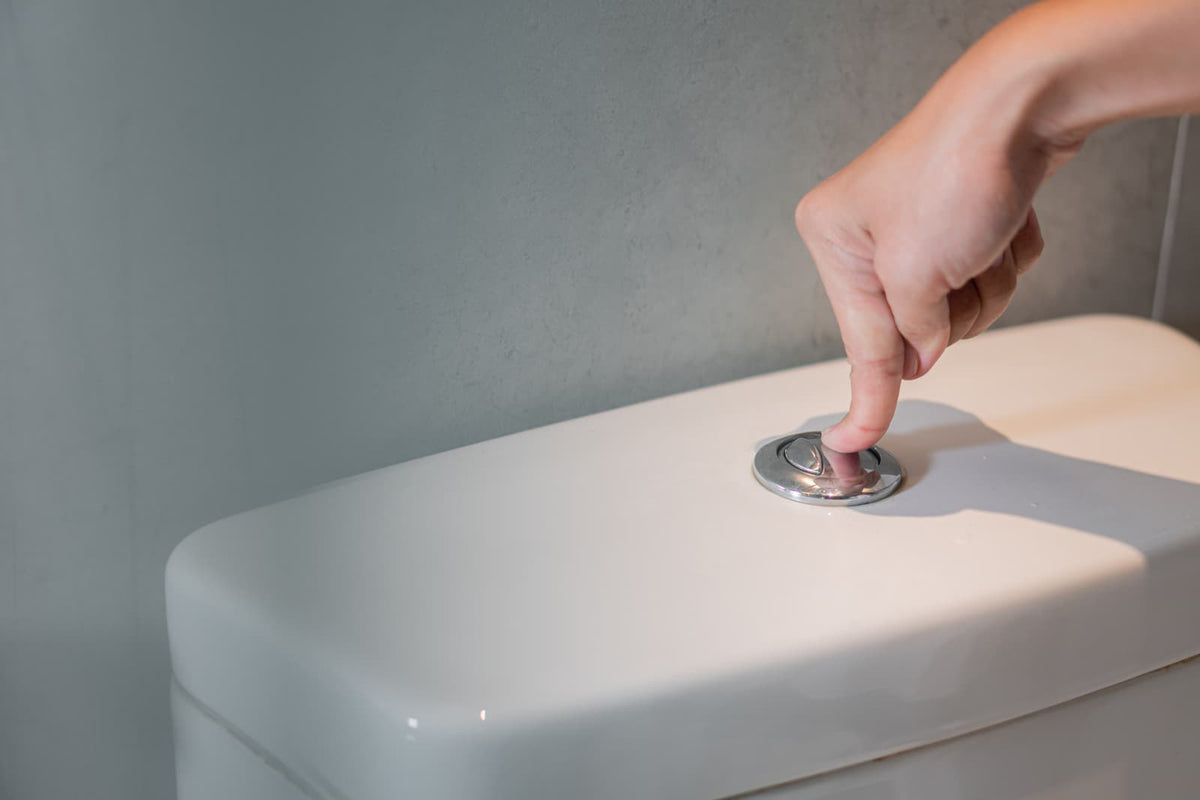
Dual-flush works best for households that consistently reserve the smaller flush for liquids and use the full flush for solids or larger paper loads. Repeatedly using the small flush and then flushing again can erase the expected savings.
Choose Composting for Water-Limited Sites
Composting toilets fit cabins, tiny homes, and remote sites without dependable water or practical blackwater drainage. They require user cooperation, effective ventilation, service access, and waste handling that complies with applicable local requirements.
Choose Pressure-Assist for Chronic Transport Problems
Consider pressure-assist only after separating a fixture problem from a drain, vent, or septic problem. A forceful discharge may improve bowl clearing in an appropriate installation, but it will not correct a blockage, pipe sag, poor slope, or failing drainfield.
Best Toilet for Septic Tanks vs Alternatives
A conventional toilet sends water, human waste, and toilet paper into the building drain. The septic tank does not generally require a special bowl style or flushing label. The practical comparison is among flush reliability, water use, household behavior, installation constraints, serviceability, fit, and ownership burden.
Comparison Table: Flush, Fit, Cost, and Upkeep
|
Toilet type |
Best for |
Main advantage |
Main limitation |
Upkeep and cost tendency |
|
Single-flush gravity |
Most septic homes, families, rentals, remote homes |
Familiar operation with relatively simple components |
Performance varies by bowl and trapway design |
Usually the easiest and least costly type to service |
|
Dual-flush gravity |
Water-conscious households with consistent users |
Reduces water use when both settings are used correctly |
Small-flush misuse can lead to incomplete clearing or repeat flushing |
Controls and replacement parts may be less standardized |
|
Pressure-assist |
Busy bathrooms or a professionally assessed transport concern |
Fast, forceful discharge |
Louder operation and specialized internal components |
Generally more complex and costly to repair than basic gravity |
|
Composting |
Off-grid or water-limited properties |
Uses little or no toilet flush water |
Requires ventilation, waste handling, and changed user habits |
Ongoing hands-on maintenance; project cost varies widely |
|
Macerating or pumped |
Locations where gravity drainage is impractical |
Can make some difficult bathroom locations feasible |
Depends on mechanical equipment and project-specific design |
Higher installation and service complexity |
|
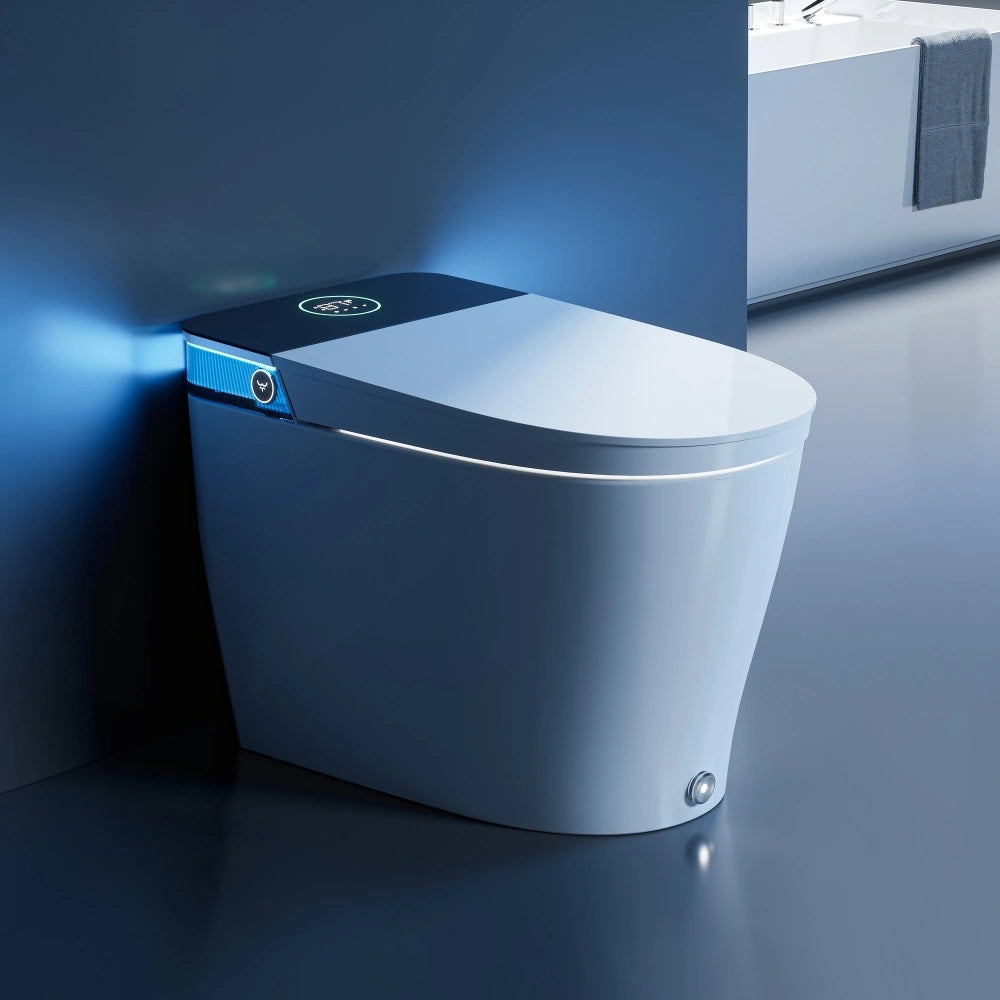
Smart toilet |
Homes prioritizing washing and comfort functions |
Adds convenience and hygiene features |
More electrical and mechanical components |
Higher purchase and specialized-service burden |
Cost includes more than the fixture. Installation conditions, access to replacement parts, power requirements, cleaning effort, and the availability of qualified service can matter more over time than the initial price.
Gravity vs Dual-Flush Toilets
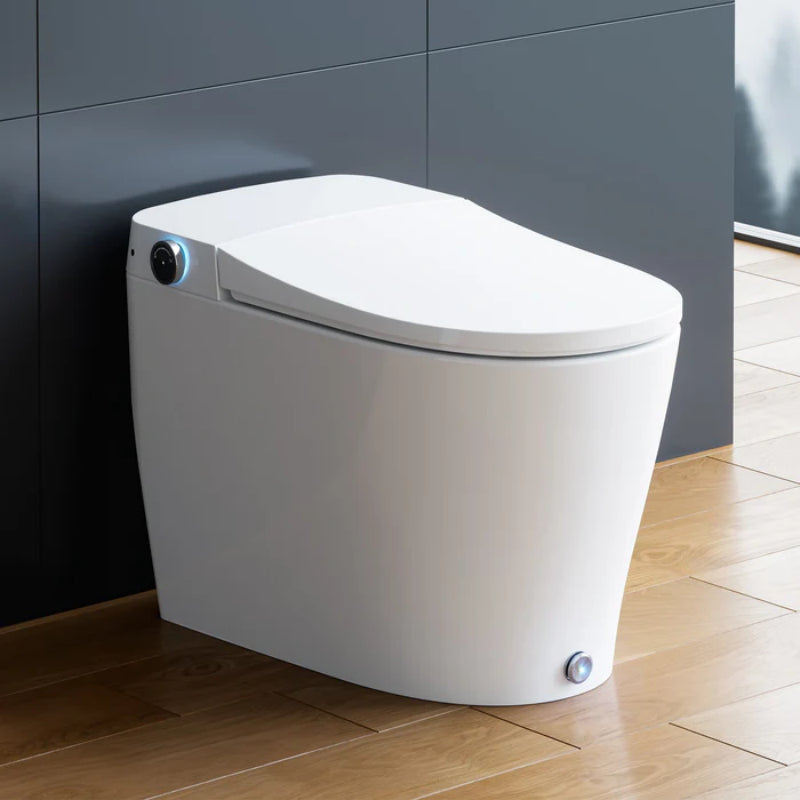
A quality gravity toilet is the baseline for a typical septic home. Water released from the tank initiates the flush and moves waste through the trapway into the drain without a pump. Performance depends on the complete design, not merely the amount of water used.
Single-flush models suit households that value predictable operation. One control avoids the possibility that a child or guest will use a liquid setting for solid waste or a large paper load. When comparing options, look for credible evidence of waste-removal performance, effective bowl coverage, a smoothly finished waste path, and parts that can be sourced locally.
Dual-flush toilets give users a smaller liquid flush and a larger solid flush. The lower water use can reduce the hydraulic load entering a septic system, but the benefit depends on user behavior and suitable drain conditions. A dual-flush design is good for engaged, water-conscious households; it is less suitable where people habitually choose the smaller flush regardless of the bowl contents.
Pressure-Assist vs Composting Toilets
Pressure-assist and composting toilets address different problems.
A pressure-assist toilet still discharges wastewater to the septic system. Its forceful flush can be considered when decisive bowl clearing is important or a plumber has determined that the fixture choice is contributing to recurring transport trouble. Expect more noise and more specialized internal parts than with a basic gravity model. Added force does not repair a blocked, sagging, rough, or incorrectly configured drain.
A composting toilet reduces or eliminates toilet blackwater entering the septic system. It may suit a water-limited cabin or a property where conventional toilet drainage is impractical. The trade-off is direct involvement in ventilation, material management, emptying, and lawful disposal or use. Sinks, showers, and other fixtures still require an appropriate wastewater plan.
Composting is good for small, committed households; it is less suitable for frequent guests or residents who expect a conventional flush-and-leave experience. Local authorities should be consulted before selecting a composting and greywater arrangement.
Standard vs Smart: Convenience or Repair Risk?
A smart toilet is not inherently better or worse for a septic tank. Septic suitability still depends on its flushing system, water use, installation, and what users put into the bowl.
Washing functions, heated seating, sensors, dryers, and automatic controls can improve convenience, but they also add components and installation considerations. Check the manufacturer’s instructions, available service access, bathroom clearances, power needs, and local support before purchasing.
For a fuller evaluation, see HOROW’s guide to choosing a smart toilet for a septic system. A standard gravity toilet remains the lower-complexity choice where specialty service or parts are difficult to obtain.
Key Differences That Actually Matter
The toilet controls bowl clearing and the initial discharge into the branch drain. The building drain, vent, septic tank, and drainfield then determine whether wastewater can continue moving and receive treatment. Keeping those responsibilities separate prevents an expensive fixture purchase from masking a system problem.
Can Low Flow Leave Waste Behind?
A well-designed low-flow toilet is generally suitable for a properly functioning septic system. Reducing unnecessary water use lowers the wastewater volume the system must receive and treat.
The potential concern occurs before waste reaches the tank. A long horizontal run, inadequate fall, rough older piping, buildup, root intrusion, or a sag can allow paper and solids to collect. A low-volume flush may reveal those weaknesses, but replacing it with a stronger toilet does not correct the pipe itself.

More water does not automatically produce a better flush. The speed, direction, bowl geometry, trapway, and rinse pattern all influence performance. A reliable efficient toilet can outperform a poorly designed fixture that uses more water.
If the bowl clears but clogs recur farther downstream, have the line evaluated before choosing the lowest-use replacement. A plumber can determine whether the issue is the toilet, a restriction, or the drain layout. For more detail on gravity-flush designs, compare siphon-jet and tornado-style flushing.
Will Poor Venting Mimic a Weak Flush?
Drainage vents help balance pressure as wastewater moves through the plumbing. A blocked or unsuitable vent arrangement can contribute to slow flushing, gurgling, changing bowl-water levels, or noises in nearby fixtures.
Replacing the toilet may not help if the air or drainage problem remains. Warning patterns include a toilet gurgling when a sink or tub drains, several fixtures becoming slow together, or water levels changing in nearby traps.
A weak flush limited to one older toilet may be a fixture problem. Symptoms across several fixtures are more likely to involve a shared drain, vent, or septic issue and should be investigated before purchasing pressure-assist equipment.
Compact Fit vs Accessible Comfort
Septic compatibility does not determine whether the toilet should be round-front, elongated, lower, taller, compact, or skirted. Those are fit and usability decisions, but they strongly affect everyday satisfaction.
A compact or round-front bowl can preserve door and walking clearance in a small bathroom. An elongated bowl generally offers more seating room but projects farther into the space. Measure from the finished wall and check the door swing, vanity drawers, supply-valve location, and working space around the fixture.
Taller seating can assist some people with limited mobility, while other users find a lower seat more comfortable. Do not assume that a “comfort” label fits every household member. Accessibility requirements may also depend on the specific room and applicable rules, so projects requiring compliant access should be checked against current local requirements.
Before ordering, compare the manufacturer’s specification sheet with the measured bathroom and existing drain location. The HOROW toilet collection can be used to compare general shapes and configurations, but each product’s documentation must be checked individually.
Toilet Cost vs Ownership Hassle
A basic gravity toilet usually carries the lowest ownership burden because its valves, seals, and controls are familiar to many plumbers. This is valuable in rural or remote areas where specialized components may be difficult to source.
Dual-flush mechanisms vary, while pressure-assist, smart, and pumped toilets introduce more specialized parts. Those alternatives can justify their cost when they solve a real constraint. They are less compelling when added complexity provides no practical benefit.

Cleaning effort also affects ownership. Effective bowl rinsing, smooth surfaces, and an accessible exterior reduce scrubbing and may lessen reliance on strong cleaning products. Public septic guidance advises against sending excessive harsh chemicals or inappropriate waste into onsite systems. Choose a design that can be maintained with routine brushing and reasonable cleaner use.
The least expensive fixture is not the best value if it requires frequent double-flushing, plunging, difficult cleaning, or hard-to-find replacement parts.
When a Conventional Toilet Is Better
Normal Drains Favor Proven Gravity Designs
When the drain has adequate fall, the vent works, and the septic system is functioning normally, a quality gravity toilet should provide sufficient performance without added machinery.
Evaluate the complete flush rather than relying on “septic-safe” wording. Useful decision points include dependable waste removal, effective bowl wash, reasonable water use, a smoothly finished waste path, and access to repair parts.
Families Need Simple, Clog-Resistant Flushing
Families, guests, and rental occupants do not always follow special flushing instructions. A single-flush control eliminates the decision between liquid and solid settings and can reduce incomplete flushes caused by user confusion.
Household rules remain essential. Only human waste and toilet paper should enter the toilet. Wipes—including products marketed as flushable—along with paper towels, sanitary products, diapers, grease, and household trash can contribute to plumbing or septic problems.
A lined wastebasket gives users an obvious alternative. In guest or rental bathrooms, a brief, plainly worded reminder may prevent more problems than a specialized toilet.
Easy-Clean Bowls Reduce Chemical Dependence
Good bowl coverage and smooth surfaces can reduce residue and routine scrubbing. A skirted exterior may be easier to wipe, while a more open base can provide simpler access to mounting points and connections. Choose according to the cleaning and service priorities of the household.
No bowl design prevents every stain, particularly where the water contains minerals. The objective is to make routine brushing and moderate cleaner use sufficient. Do not use the toilet to dispose of solvents, paint, medication, concentrated disinfectants, or drain-opening products.
Remote Homes Benefit From Serviceable Parts
Remote homes benefit from simple fixtures that do not depend on electricity or specialty technicians. Before buying, find out how replacement valves, seals, buttons, and seats can be obtained.
An unusual component can turn a minor failure into a long service delay. A conventional gravity toilet with familiar internal parts is often the better ownership choice when local repair options are limited.
When an Alternative Is Better
Dual-Flush Wins When Water Loading Matters
Dual-flush can help a household reduce wastewater volume while retaining a conventional bathroom. It works best when users reliably select the full flush for solids and larger paper loads.
Water management should extend beyond the toilet. Repair running fixtures and avoid unnecessary surges in household water use. A continuously running toilet can impose avoidable loading regardless of whether the fixture is nominally efficient.
A water-saving toilet is not a treatment for a septic system already showing signs of failure. If capacity or drainfield performance is in question, obtain a septic assessment rather than relying on fixture replacement.
Pressure-Assist Fits Verified Drain Challenges
Pressure-assist may suit a demanding bathroom or an installation where a qualified plumber has determined that its discharge characteristics are appropriate. It is good for users who prioritize decisive bowl clearing; it is less suitable for noise-sensitive rooms or owners who want basic, widely interchangeable parts.
If a gravity toilet performed well for years and has only recently become slow, investigate the drain, vent, and septic system first. A sudden change is not evidence that the home needs a more forceful toilet.
Composting Wins Without Reliable Water
Composting is strongest where dependable water or conventional blackwater plumbing is unavailable. It can serve a seasonal cabin or small off-grid household whose users accept the maintenance requirements.
Before choosing one, confirm how the unit will be ventilated and serviced, how material will be handled, and what local authorities require. A composting toilet does not automatically resolve wastewater management for sinks and showers.
Could a Macerator Solve a Basement Bathroom?
A macerating or pumped toilet may make a bathroom possible where waste cannot leave by conventional gravity drainage. It processes or pumps waste to an appropriate connection, subject to the equipment instructions and applicable local requirements.
This solves a drainage-location problem, not a septic-capacity problem. The added bathroom can still increase wastewater entering the onsite system. Mechanical equipment also requires service access and may depend on power.
Before installation, have qualified professionals confirm the proposed discharge route, venting, power supply, septic capacity, permits, and access for future maintenance. These details are project-specific and should not be inferred from a general product description.
Final Verdict
Default Choice: Quality Gravity With Moderate Flow
For most homeowners, the best toilet for septic tanks is a quality single-flush gravity model with reliable waste transport, reasonable water use, effective bowl cleaning, and readily available parts. It is the simplest conditional recommendation—not a universal winner.
Choose it when the drains, venting, and septic system are functioning normally. Do not use a new toilet to conceal slow shared drains, odors, or repeated backups.
Match Alternatives to Proven Constraints
Choose dual-flush when water conservation matters and users will operate it correctly. Choose composting when conventional water and blackwater drainage are impractical. Consider pressure-assist or macerating equipment only when a verified plumbing or location constraint justifies the added complexity.
When Should You Inspect the Septic System?
Arrange a plumbing or septic inspection when you notice:
- Several toilets, tubs, or sinks draining slowly
- Gurgling across more than one fixture
- Sewage backing up through a toilet or low drain
- Persistent wastewater odors indoors or outside
- Wet, unusually soft, or foul-smelling ground near the tank or drainfield
- Problems that return soon after plunging or drain clearing
- An unknown septic maintenance history combined with drainage symptoms
These signs can indicate a shared drain, vent, tank, or drainfield problem. A stronger toilet should not be used as the first response.
Repair a running toilet promptly as well. Continuous leakage sends unnecessary water into the septic system and usually indicates a valve, seal, or control problem.
Buyer Checklist: Fit, Flush, Drains, Habits, Cost
- Check existing symptoms: Investigate multi-fixture slowing, odors, or backups before replacing the toilet.
- Measure the bathroom: Confirm wall clearance, bowl projection, door swing, nearby cabinets, and supply-valve position.
- Verify the connection: Compare the room and drain location with the manufacturer’s installation documentation.
- Choose for the users: Favor single-flush for simplicity or dual-flush for consistent, water-conscious users.
- Prioritize transport: Assess bowl clearing, rinse coverage, waste-path design, and the suitability of the existing drain.
- Plan for repairs: Confirm access to valves, seals, controls, seats, and any specialized components.
- Consider cleaning: Choose surfaces and bowl washing that can be maintained without excessive chemical use.
- Check project requirements: Obtain professional and local-authority guidance before adding pumps, composting equipment, or a new bathroom.
- Common Questions
Can a toilet cause septic problems?
A toilet can contribute through continuous leaking, repeated unnecessary flushing, or allowing inappropriate materials into the drain. It is less likely to be the sole cause of outdoor sewage, several slow fixtures, or recurring whole-house backups.
Are low-flow toilets good for septic tanks?
Generally, yes. A well-designed low-flow toilet reduces wastewater loading. If the house has recurring downstream clogs, a long or questionable drain run, or damaged piping, have the line assessed before choosing the lowest-use option.
Is pressure-assist better for a septic system?
Not by default. Pressure-assist changes how waste leaves the bowl, but it does not fix a blocked pipe, inadequate venting, full tank, or failing drainfield.
What should never be flushed into a septic system?
Limit flushing to human waste and toilet paper. Wipes, paper towels, sanitary products, diapers, grease, trash, and inappropriate chemicals should be kept out of the toilet.
References
https://www.epa.gov/septic/how-care-your-septic-system
https://doh.wa.gov/sites/default/files/legacy/Documents/Pubs/337-016.pdf


Leave a comment
This site is protected by hCaptcha and the hCaptcha Privacy Policy and Terms of Service apply.